REVIEW · POKHARA
Pokhara: Annapurna Day Hike with Panoramic Views
Book on GetYourGuide →Operated by Snow Peak Tours and Travels pvt.ltd. · Bookable on GetYourGuide
Annapurna views in one long day. This Pokhara hike links Kande, Australian Camp, and Gurung village stops into a single, scenic circuit with big photo moments and changing countryside views.
I especially like the mix of Himalayan panoramas and people time: you get standout viewpoints, then you actually walk into village life at Dhampus. I also love that the guide (often Moti Thapa) adjusts to your hiking speed, which matters a lot on your first day out. The one drawback to watch for is the climbing: even though the route is described as suitable for all levels, the uphill sections can feel tough if you’re brand-new to hiking.
In This Review
- Key highlights you’ll feel right away
- A one-day trek that actually makes sense from Pokhara
- Getting to Kande: the short transfer that sets the tone
- Australian Camp: where the Annapurna views become the point
- How to make Australian Camp feel worth it
- Dhampus: Gurung village culture you can actually walk through
- What you should expect to feel
- For first-timers
- The descent to Phedi: finishing with calmer walking
- Your guide matters more than you think
- Price and value: what you’re paying for
- How to judge if it’s a good deal for you
- What to bring so the day feels easy
- Who this hike fits best
- Should you book this Annapurna day hike from Pokhara?
- FAQ
- How long is the hike?
- Where does the hike start and end?
- What mountain views can I expect?
- Are meals included?
- What language is the guide?
- What should I bring for the hike?
Key highlights you’ll feel right away
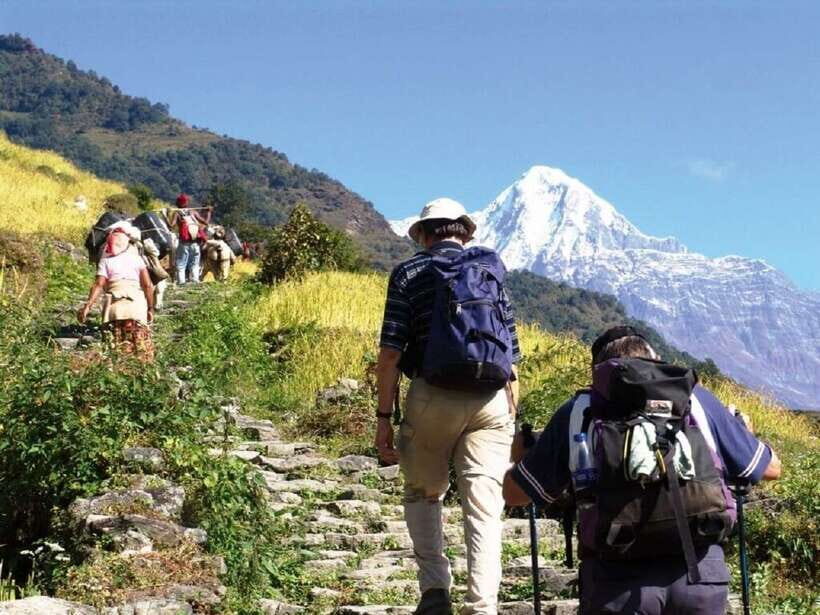
- Panoramic viewpoint time at Australian Camp for Annapurna and Dhaulagiri-range views
- Gurung village atmosphere in Dhampus, with terraced fields and local culture
- Photo-friendly pauses built into the hike so you can actually enjoy the scenes, not just pass by them
- Guided pacing that fits you (including slower options for first-timers)
- A downhill finish to Phedi, so your last stretch can feel calmer than the climb
A one-day trek that actually makes sense from Pokhara
This is the kind of hike that works well when you want Annapurna foothills scenery without committing to a multi-day trek. You start with a drive from Pokhara to Kande, then you hike through forests and trails toward Australian Camp, continue to Dhampus, and finish by descending to Phedi. By the time you’re back in Pokhara, you’ve had both: wide-open mountain viewpoints and close-up, human-scale village walking.
The value here is in how the route is structured. You’re not just hiking in a straight line. You’re moving between viewpoints and settlements, which makes it easier to stay motivated on the uphill and more relaxed as you head down.
Also, this is a private group experience with a government registered, professional guide. That’s a real plus in Nepal, because your guide isn’t just someone holding a leash for the route. They’re there to help you find the best moments, keep the rhythm comfortable, and handle the day’s logistics like transport and group timing.
You can also read our reviews of more hiking tours in Pokhara
Getting to Kande: the short transfer that sets the tone
Your day starts with round-trip transportation from Pokhara to Kande. Pickup is flexible, too. You can choose from three options: Sarangkot, Lakeside Rd 6, or Pokhara International Airport (PIA). That flexibility matters if you’re building a Pokhara itinerary around flights or specific neighborhoods.
At Kande, there’s a brief break and photo stop, plus a quick guided orientation. Even if you’ve done hikes before, I’d treat this as a “settle in” moment. You’ll want to confirm you’re wearing comfortable shoes, that you’ve got water ready, and that your hat is set. Then you’re off.
What I like about this start: it reduces the stress of figuring out where to begin. Hiking days go much smoother when the first 20–30 minutes don’t turn into navigation.
What to consider: the day is around 8 hours, so you should expect a full schedule. That means packing smart and not losing time fiddling with gear after you start climbing.
Australian Camp: where the Annapurna views become the point
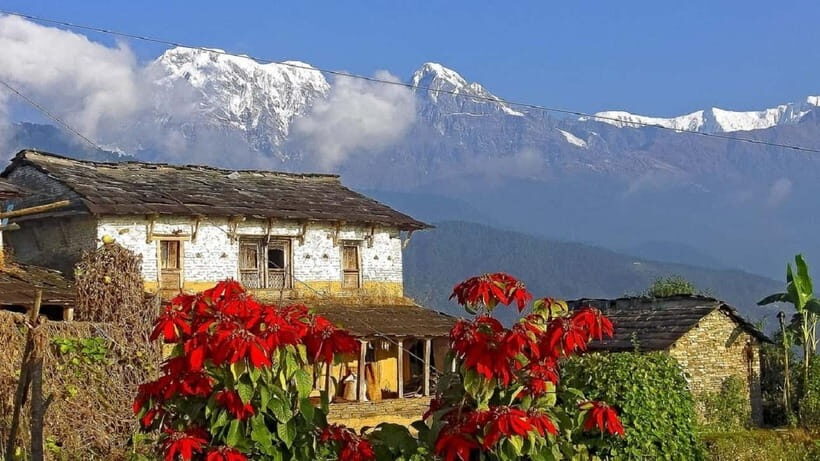
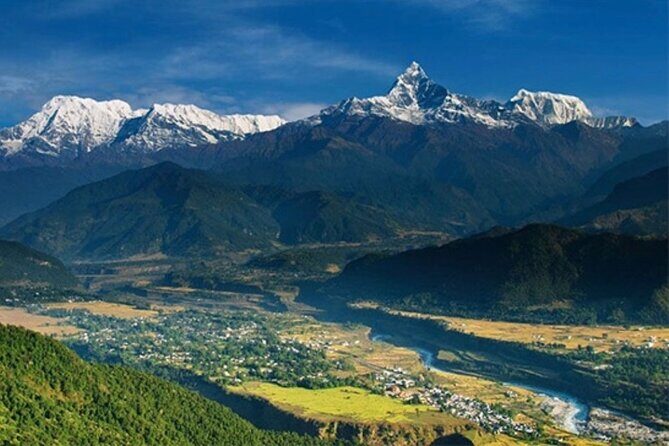
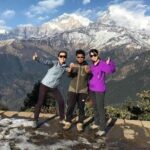
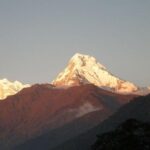
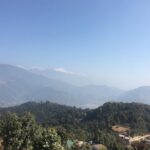
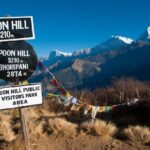
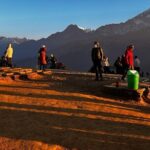
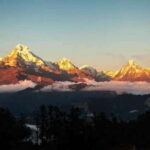
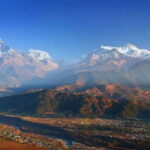
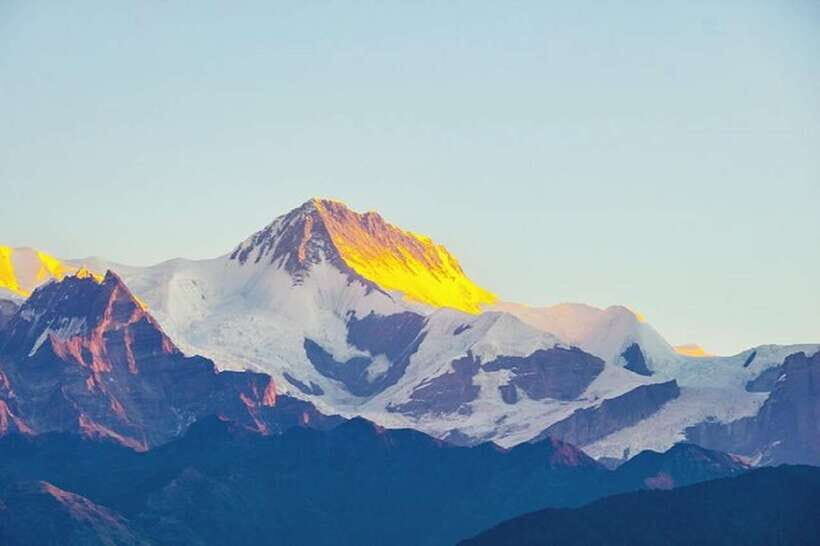
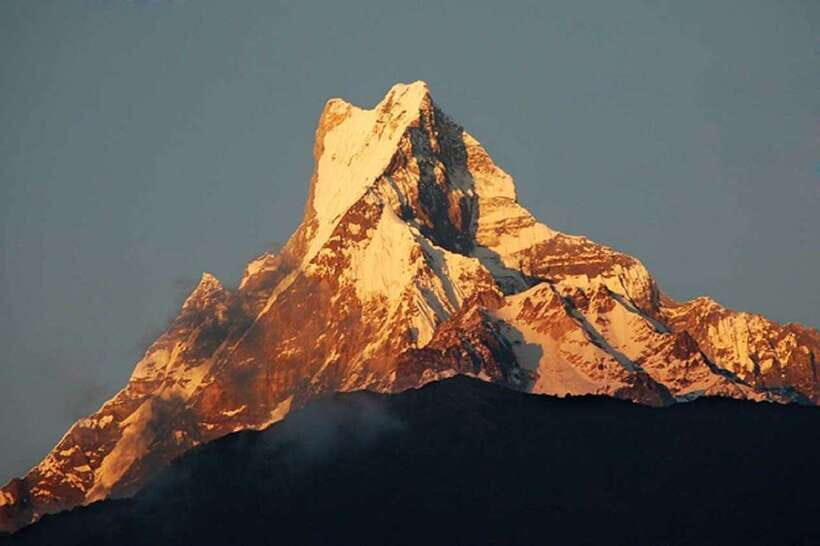
Australian Camp is one of the big reasons people choose this route. The hike segment toward the viewpoint includes forested trails, then the terrain opens up as you reach the camp area. Expect time on the hill station viewpoint with panoramic views of the Annapurna range and nearby valleys, plus another block of time specifically for sightseeing and photos.
You’ll get both: a shorter hiking push up to the area, then a longer window for photo stops, free time, and guided sightseeing. That’s key. When you’re chasing mountain views, it’s not the climb alone that matters. It’s being able to actually pause and look.
How to make Australian Camp feel worth it
Bring a water bottle and use the breaks. High viewpoints encourage you to overexert, then suddenly you’re hungry, thirsty, and cold. Plan for a slow rhythm once you get there.
Also, if you’re a photographer, use the extra free time. You’ll have a better chance of capturing the peaks properly when you’re not rushing to the next stop.
Possible drawback: viewpoints can be crowded and busy at peak hours in Nepal. This doesn’t ruin the experience, but it can affect how quietly you can look. The upside is that the route is built with multiple pauses, so you can move around and still get your shots.
Dhampus: Gurung village culture you can actually walk through
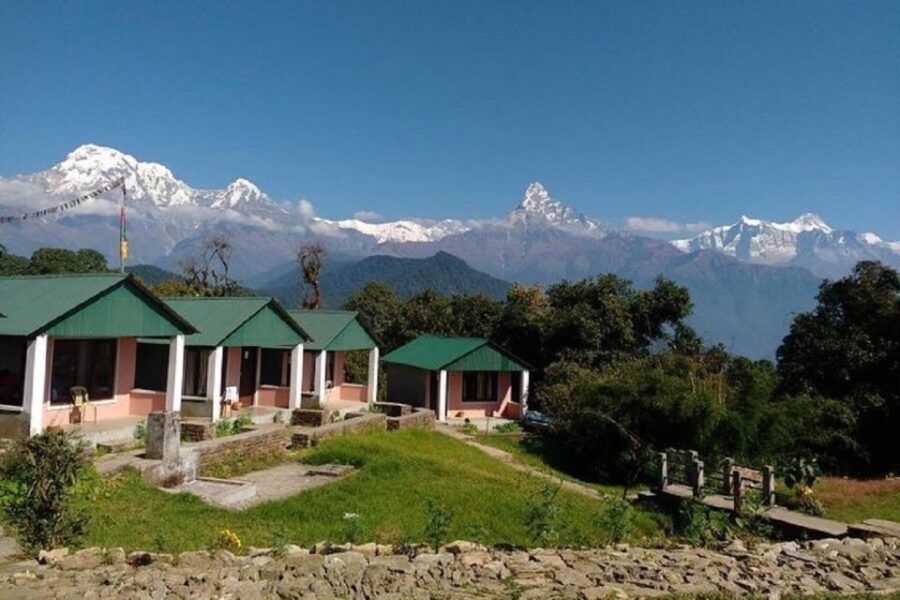
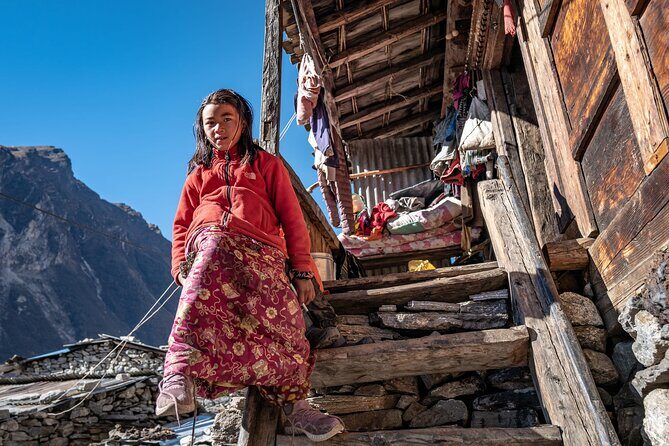
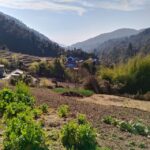
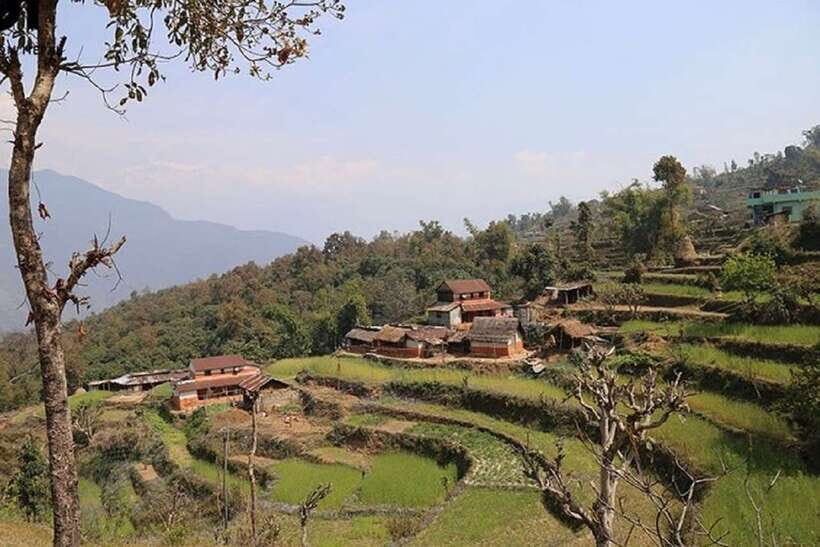
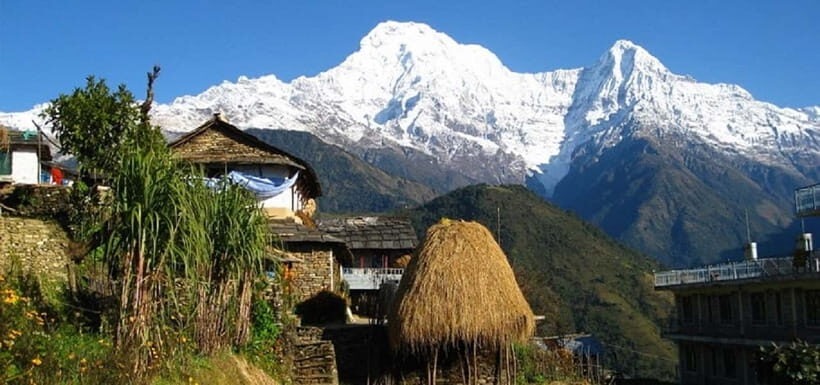
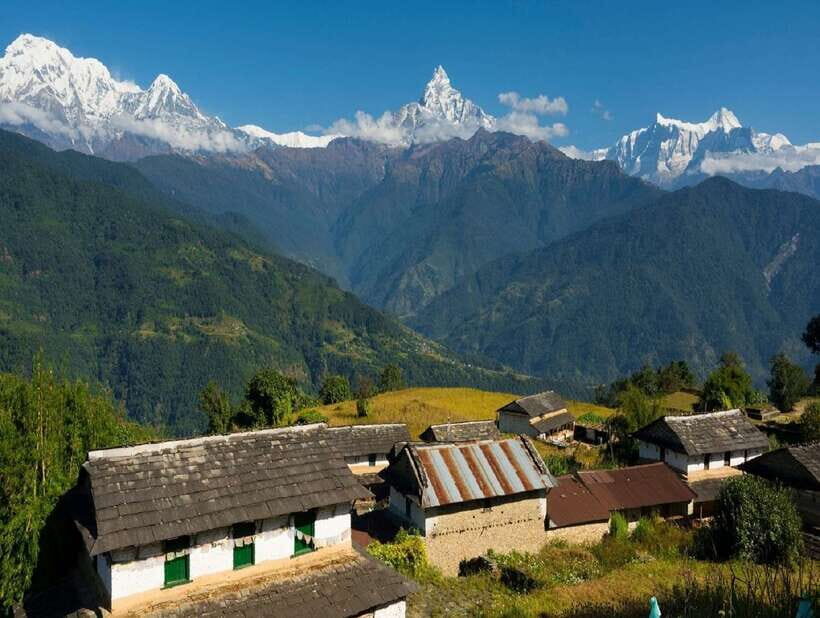
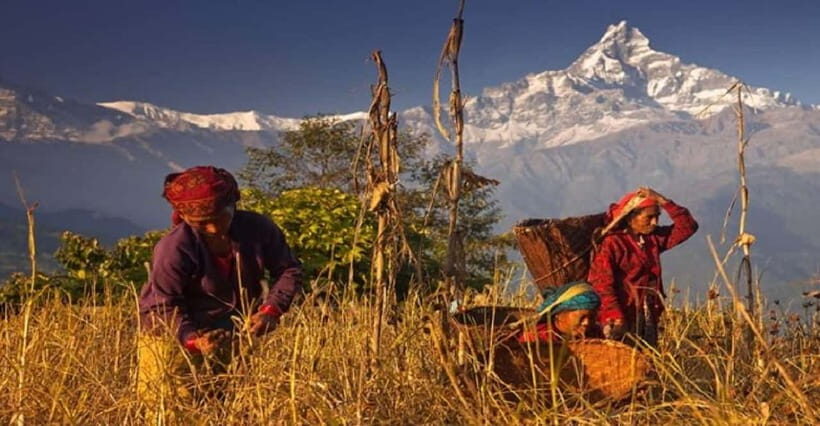
After the viewpoint time, the route shifts from big mountain scenery to everyday life. Dhampus is known as a traditional Gurung village, and the walk into it moves through terraced fields and local countryside.
In Dhampus, you’ll get photo stops and a guided visit, plus time to walk around and soak in the village atmosphere. This is where the day stops being only about the mountains and becomes about the people who live in the foothills every day.
The cultural part here is practical, not performative. You’re not just looking at buildings from a distance. You’re walking through terraced landscapes and getting a guide-led introduction to village lifestyle and traditions.

What you should expect to feel
- Less “wow, peaks” and more “human scale.”
- A slower rhythm as the path and scenery become more rural.
- A better sense of why Pokhara hikers come to this region again and again.
For first-timers
If you’re new to hiking, Dhampus can be a mental reset. One review described this as their first hiking experience and noted that the guide asked about preferred hiking speed and moved slowly enough to keep it manageable. That kind of adjustment can make Dhampus feel like a reward, not a checkpoint.
The descent to Phedi: finishing with calmer walking
The end of the trek is a downhill descent through forests and fields to Phedi. This last section is important because it changes the feel of the whole day. Your legs may be tired by then, but going down often feels easier than the uphill grind, especially after the most demanding climb.
Phedi is where your hiking concludes. From there, you’ll be driven back to Pokhara, wrapping up the day with less time on the trail and more time relaxing.
Why I like this ending: it gives you a natural decompression. You’ve had the big view moment, the cultural stop, and then a final walk that lets your body cool down before you hit the road.
Your guide matters more than you think
This is a guided day hike with an English, Hindi, and Nepali live guide. In the reviews, the guide name that comes up strongly is Moti Thapa. People highlight that he’s patient, kind, and fun, and that he helped them get the most out of the trek at a pace that suited them.
That pacing detail is more important than it sounds. On a day hike, you don’t have multiple days to recover. If the guide pushes too fast, the experience becomes about surviving the climb. If the guide reads the group, the experience becomes about enjoying the views.
If you’re worried about your stamina, bring that up early. Ask for a pace that matches you. A good guide will treat that as normal information, not as a problem.
Price and value: what you’re paying for
At $53 per person, the price is reasonable for a guided, private-group trek with transport. What’s included is what usually drives the value:
- Government registered experienced trekking guides
- Round-trip transportation from Pokhara to Kande
- Views of the Annapurna and Dhaulagiri mountain ranges
- Village exploration (Gurung village experience)
- An experienced local guide throughout the hike
What’s not included is also straightforward: meals and beverages, plus personal expenses like snacks and souvenirs.
How to judge if it’s a good deal for you
This tends to be a good value if you want:
- a plan that runs smoothly from pickup to drop-off
- a guide you can rely on for timing and pacing
- real cultural walking time at Dhampus
If you already have your own hiking setup and you’re comfortable navigating with no local guidance, you might find cheaper options. But for most people, the combination of viewpoint structure, village stop, and guided pacing is what you’re really buying here.
What to bring so the day feels easy
You only get one shot at “feels good hiking,” so pack with comfort in mind. Bring:
- Comfortable shoes
- Hat
- Water
- Comfortable clothes
Given that it’s a day hike with viewpoint breaks and a full circuit, I’d also keep snacks handy even though meals aren’t included. The listing doesn’t say meals are provided, so plan on buying or carrying something small.
Who this hike fits best

This route is described as perfect for adventure and nature lovers and suitable for all levels of hikers. From what you’ll experience on the ground, here’s where it fits best:
- You want Annapurna foothills scenery in a single day
- You like viewpoint photo stops but also want real village time
- You want a guided pace you can adjust, especially if you’re new to hiking
- You want private-group attention rather than being lost in a crowd
If you’re very sensitive to steep uphill sections, go slower from the start and ask your guide about pacing early.
Should you book this Annapurna day hike from Pokhara?
I’d book it if you want a well-shaped day: transport taken care of, viewpoints built in, and a cultural stop that doesn’t feel rushed. The big reason to choose it is the combination of Australian Camp panoramas and the walk into Dhampus, plus the guide approach that can be adjusted for comfort.
I’d skip it or choose a different option if you’re not comfortable with uphill walking, because even with a guide pacing you, the route includes climbs and descents over multiple segments.
If you can handle a full 8-hour day outdoors and you want Annapurna views plus Gurung village walking, this is a solid, practical way to spend time in Pokhara.
FAQ
How long is the hike?
The duration is listed as 8 hours.
Where does the hike start and end?
You’re driven from Pokhara to Kande to begin, and the hike ends at Phedi before you’re transported back to Pokhara.
What mountain views can I expect?
You’ll enjoy views of the Annapurna range and the Dhaulagiri mountain range.
Are meals included?
No. Meals and beverages are not included.
What language is the guide?
The live guide is available in English, Hindi, and Nepali.
What should I bring for the hike?
Bring comfortable shoes, a hat, water, and comfortable clothes.