REVIEW · KATHMANDU
Mardi Himal Trek – 9 Days
Book on Viator →Operated by Alliance Adventure Pvt. Ltd · Bookable on Viator
Mardi Himal gives you mountain drama without the crowds. This 9-day trek in Nepal’s Annapurna region mixes big Himalayan views with highland village life, and it’s built around the kind of early-morning timing that makes you feel like you’re watching the peaks switch on.
What I love most is the support team—an English-speaking guide plus strong porters who handle the heavy lifting—and the fact that your days are paced so you can actually enjoy what you’re walking through. I also like that the itinerary includes the classic sunrise moments at the Mardi area and later at Badal Danda, so you’re not just hiking in the dark for the sake of it.
One consideration: the trip includes permits, gear, and a medical kit, but it does not include medical treatment for altitude sickness. If you’re sensitive to altitude, you’ll want to take the pace seriously and come prepared.
In This Review
- Key Highlights You’ll Care About
- Day-by-Day: How Mardi Himal Unfolds, Day 1 Through Day 10
- Kathmandu first: culture on arrival, not jet-lag chaos
- The transition to the hills: flights, private drives, and fewer hassles
- Forest days (and Fish Tail views): what trekking here feels like
- Mardi sunrise and Base Camp: the 4am hike that makes the whole trek click
- Badal Danda: your last big viewpoint, then the long walk down to real life
- Village culture days: it’s not just scenery, it’s people
- Pokhara reset: tea garden morning, then free time
- Farewell and Kathmandu wrap-up: Nepal history and a final dinner
- Value and What You’re Actually Paying For (Not Just the $1,315)
- Lodges, Food, and Daily Pace: What “Leisure Trek” Means in Real Life
- The Team: Why Guides and Porters Change the Quality of Your Trek
- Packing and Comfort: What to Bring for Cold, Sun, and Early Starts
- Kathmandu and Temple Etiquette: Small Rules That Save You Time
- Should You Book Mardi Himal With Alliance Adventure?
- FAQ
- How long is the Mardi Himal Trek experience?
- Where does the trek start?
- Is this a private tour or shared group trek?
- What transport is included?
- What is included during the trek days?
- Do I need a visa for Nepal?
- What documents do I need for the trek permits?
- What should I pack even though some gear is provided?
Key Highlights You’ll Care About
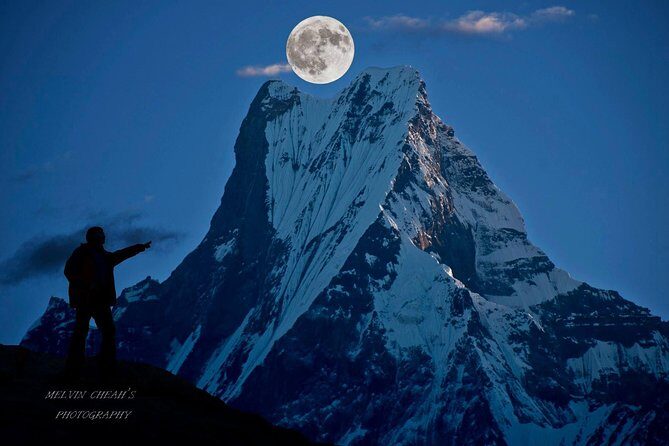
- Sunrise-focused hiking that gets you to the Mardi viewpoint/Base Camp area around 4am
- English guide + porters for comfort, logistics, and safer trekking days
- Provided cold-weather gear like a warm down jacket, sleeping bag, and a trekking pole (returned after)
- Lodges, meals, and hot drinks on the trail so you’re not hunting food every step
- A gentle cultural wrap-up in Pokhara with tea garden time and a farewell dinner in Nepal
Day-by-Day: How Mardi Himal Unfolds, Day 1 Through Day 10
You can also read our reviews of more hiking tours in Kathmandu


Kathmandu first: culture on arrival, not jet-lag chaos
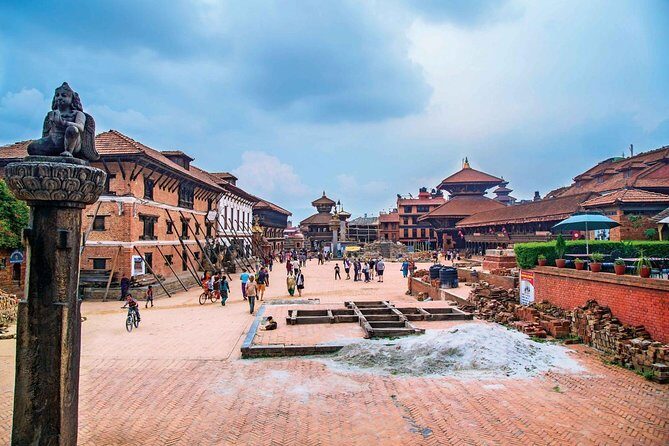
Day 1 is for getting into Nepal mode in Kathmandu. You land, then you’re set up to explore the city’s culture right away—perfect if you’ve got restless energy after travel. With hotel time and breakfast included, you start the trek with a real base instead of scrambling for arrangements.
Day 2 is all about timing. If the weather is clear, you’ll see more of the Himalayan range and you’ll also pass through local villages. That day matters because it helps you understand what kind of scenery you’re about to chase on foot—mountain views plus the everyday rhythm of people living in the hills.
Practical note: Kathmandu includes temple guidance for visitors (some temple entry can be restricted for non-Hindus, and leather items aren’t allowed inside temple precincts). If you plan to visit religious sites during these days, pack accordingly.
The transition to the hills: flights, private drives, and fewer hassles
The trek isn’t just “walk from point A to point B.” Your package is built around movement: flights from Kathmandu to Pokhara and back, then private transport from Pokhara to the trail start area (through Dhampus Village and Lumre), plus drives back as the trek ends.
This matters for value. You’re paying for less uncertainty: you’re not coordinating transport yourself, and you’re not trying to time local connections while tired. It also means you reach the trek with less friction—always a win on a multi-day hike.
Forest days (and Fish Tail views): what trekking here feels like
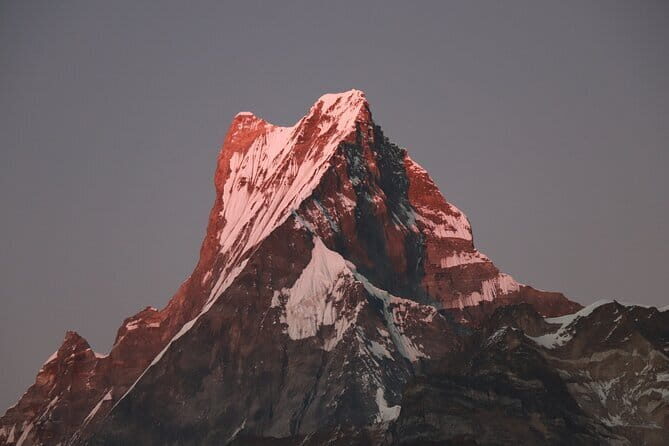
On Days 3 and 4, you start earning altitude while moving through forested sections. Day 3 shifts you into the trek’s rhythm—traveling deeper into the mountains and passing areas connected to the classic regional silhouette, including references to Mount Fishatail. These are the days when the trail can feel like a living corridor: trees, changing air, and the gradual build-up of big-sky moments.
Day 4 adds another layer. You continue through forest, then you get open sky and mountain visibility. If you like “earned views” more than instant postcard scenery, these two days are your sweet spot: steady walking, scenery that grows, and a sense that you’re moving through habitats rather than just climbing a line.
Watch for this: these days can feel easier than the sunrise-heavy one later, but they still add up. Stick to a steady pace and don’t sprint just because the scenery looks calm.
Mardi sunrise and Base Camp: the 4am hike that makes the whole trek click
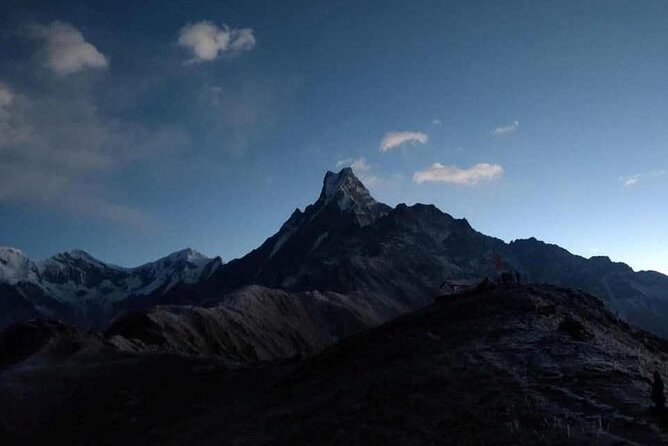
Day 5 is the reason people want Mardi Himal. You start walking around 4am toward the Mardi viewpoint and then onward toward Base Camp. The plan allows roughly 4–5 hours to reach the view/base area, and then you trek back down toward Badal Danda.
Here’s why this day is so special: sunrise trekking isn’t only about the light. It’s about how the mountains change as you gain early perspective. Even if you’ve seen Himalayan peaks before, there’s something about arriving while the world is still quiet—when your own effort lines up with that first glow.
Along the way, you can catch sunrise from the viewpoint or on the trek route. That flexibility is important because weather and cloud cover can shift. You’re not stuck with one single moment—your day is designed so you still get a payoff.





Badal Danda: your last big viewpoint, then the long walk down to real life
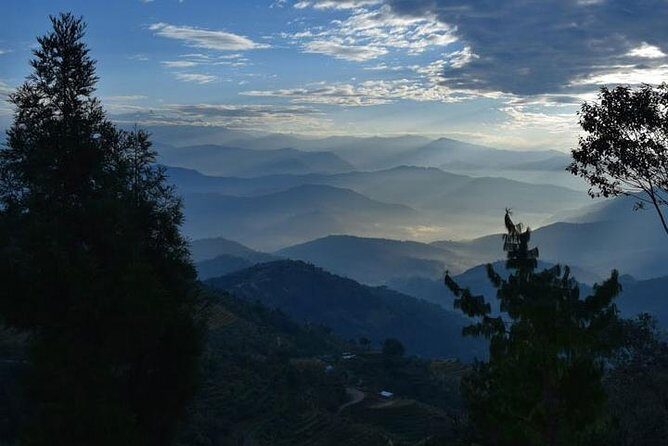
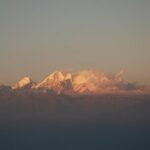
Day 6 gives you Badal Danda, described as one of the best sunrise view points and also the last major viewpoint on the trek. After that, the trail becomes about descent and connection. You walk down all the way toward local villages, trading high-altitude drama for village reality.
For many hikers, this is the emotional shift of the whole journey. Sunrise days can feel intense; descent days feel grounding. You’ll notice how the trekking route becomes part of local life—smaller paths, village sounds, and fewer “only mountains” moments.
Village culture days: it’s not just scenery, it’s people
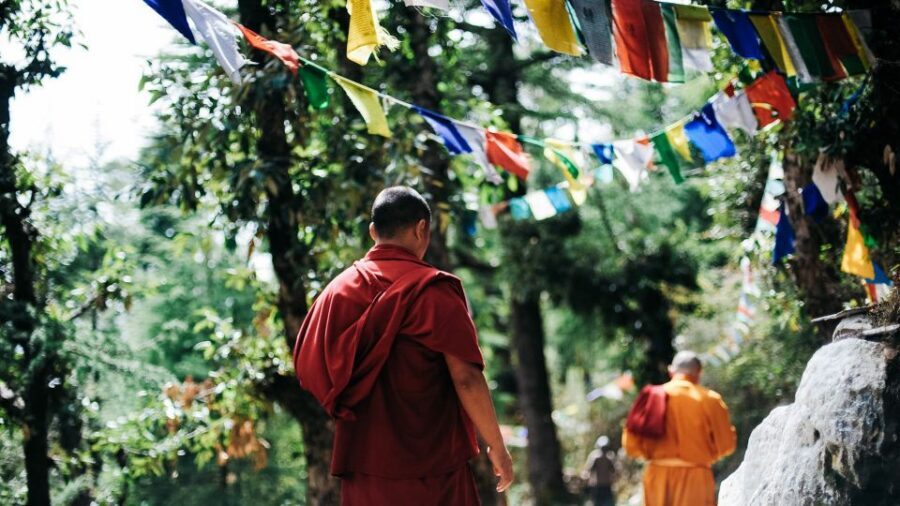
Day 7 continues the downhill flow through local villages with attention to culture and lifestyle. This is where you stop feeling like you’re watching the mountains from a distance and start feeling like you’re passing through a living region.
If you enjoy slow, human travel—talking (through your guide) about daily routines, food, and what life looks like higher up—this day is one of the best parts of the itinerary.
Pokhara reset: tea garden morning, then free time
Day 8 is a soften-the-edges day. You start early to explore Himalayan tea garden areas and village lifestyle, then you drive back to Pokhara with time labeled free and easy.
That “free” stretch is valuable because it lets you choose how you want to recover. Some people want a long meal and sleep. Others want to walk, stretch, or just take in lakeside Pokhara without another timetable.
Farewell and Kathmandu wrap-up: Nepal history and a final dinner
Day 9 is for last-minute exploring of Nepal history and a farewell dinner. This is a nice contrast to trekking days—less physical, more reflective. It also gives you one last structured moment with your guide and team before everything breaks into individual plans.
Day 10 is your final Kathmandu time for shopping for family and friends, then the company helps you with safe transfer to Kathmandu International Airport for your flight.
Value and What You’re Actually Paying For (Not Just the $1,315)
The price is listed at $1,315 per person, and this package covers a lot of the expensive “friction” items that usually add up fast on treks.
You get:
- Transportation covering arrival to departure plus domestic flights Kathmandu ↔ Pokhara
- Hotels in Kathmandu (2 nights, breakfast included) and Pokhara (1 night, breakfast included)
- All lodges and trail meals: breakfast, lunch, dinner plus tea/coffee and several hot drink options (including hot lemon/ginger honey and hot chocolate)
- Trekking permits and TIMS cards
- A warm down jacket and sleeping bag, plus a trekking pole (returned after the trek)
- Trek duffel bag (waterproof) and a T-shirt
- A friendly speaking English guide and porters during the trek
- Insurance for guide and potters and a medical kit along the trail
You don’t get:
- Cold drinks and bottled water, plus hot shower (not included)
- Tips for guide and porters
- Any medical treatment if you get altitude sickness or other medical issues
- International flights and Nepal entry visa fee
- Lunch/dinner in Kathmandu and Pokhara
That last point matters. A lot of treks advertise “meals included,” then quietly exclude key city meals. Here, the core trekking food support is covered; your city meals are the part you budget separately.
Lodges, Food, and Daily Pace: What “Leisure Trek” Means in Real Life
This trek is described as spread out enough to feel more leisurely than some harsher options, and you’ll likely feel that in how the days are staged. You also get comfortable lodge stays with breakfasts, and dinners are included during the trek.
Still, you should plan for the physics of walking in the mountains. Day 5 starts at 4am and includes a long push to viewpoint/Base Camp, plus a return trek to Badal Danda. Day 6 is also a longer walk down toward villages. Even with a “leisure” approach, you’ll spend serious hours on your feet.
My advice: treat the days before Day 5 as training for the early start, not as casual warm-up. If your sleep is poor or your pace is too fast, the sunrise day is where you feel it.
The Team: Why Guides and Porters Change the Quality of Your Trek
One standout theme from the experience is the emphasis on team quality: friendly English-speaking guides and strong, helpful porters. That combination changes everything—your route is clearer, meal timing is more reliable, and you’re less stressed about logistics.
I also saw one guide name come up directly: Urja. In a trek like this, a known, stable guide makes the whole trip feel smoother because you’re not constantly recalibrating. Plus, insurance for guides and porters is included, which is a small detail that reflects how the operator manages risk around the crew.
Packing and Comfort: What to Bring for Cold, Sun, and Early Starts
The trip’s provided gear is a big help, but you still need to pack smart for real trekking conditions.
Bring:
- A windproof outer jacket and a warm down-filled jacket if you’re cold-prone (the package provides warm down jacket, but your personal cold tolerance still matters)
- Warm/wool or thermal socks (plain socks might work if you run warm)
- Gloves, hat or cap, sunglasses, sunblock, and lip balm
- Lightweight trekking shoes
- Thermal undergarments for nights if you get cold at elevation
- A flashlight and spare batteries
Also follow the common Nepal etiquette notes in the package: keep valuables low-key, avoid wandering without staying in safe group areas, and be careful around street beggars. You’ll enjoy the trip more when you spend less energy on distractions.
Kathmandu and Temple Etiquette: Small Rules That Save You Time
The package includes a few practical reminders that can save awkward moments. Some temples restrict entry for non-Hindus, and leather items are prohibited in temple precincts. Kathmandu is one of those places where you’ll want to be flexible—if you plan temple visits on Day 1–2, pack to avoid last-minute issues.
And yes, you’ll likely want to do some shopping at the end on Day 10. This kind of trek ends with a “return to normal life” feeling, and having time for family gifts helps that land smoothly.
Should You Book Mardi Himal With Alliance Adventure?
Book it if you want a trek that’s clearly organized around sunrise moments, with lodges and trail meals handled for you, and with private transport and flights that reduce the hassle factor. This is a good fit if you have moderate fitness and you like the Annapurna mix of mountain views plus village culture.
Skip or reconsider if altitude health is your biggest worry. The package notes that medical support for altitude sickness isn’t included, so you’ll need to rely on your own acclimatization and preparation. Also, if you’re the type who hates early mornings, Day 5’s 4am start will be a real factor.
If you want a straightforward trekking experience where the hard logistics are managed and your main job is to walk and enjoy the views, this one makes a strong case.
FAQ
How long is the Mardi Himal Trek experience?
The experience is listed as 9 days, with an approximate 10-day duration including the Kathmandu and Pokhara segments and airport timing.
Where does the trek start?
The meeting point is Kathmandu, Kathmandu Valley (Bagmati Zone, Central Region).
Is this a private tour or shared group trek?
It’s a private tour/activity, meaning only your group participates.
What transport is included?
It includes flights from Kathmandu to Pokhara and back, plus private transport (including drive segments from Pokhara to the trek start area and back).
What is included during the trek days?
You’ll have all comfortable lodges, and breakfast, lunch, dinner, plus tea/coffee and hot drink options on the trek. The package also includes the trekking permit and TIMS cards.
Do I need a visa for Nepal?
You can apply on arrival in Kathmandu. The visa fee is USD 25 for 15 days and USD 40 for 30 days (or you may apply from your own country as well).
What documents do I need for the trek permits?
You need your flight details and a copy of your passport, plus a passport-size photo, to obtain the trekking permit and TIMS card.
What should I pack even though some gear is provided?
You should still bring cold-weather and sun protection items such as gloves, hat/cap, sunglasses, sunblock, lip balm, and suitable trekking shoes. A windproof outer jacket and warm down-filled jacket are recommended, along with thermal items for nights if you get cold.