REVIEW · KATHMANDU
12 Days Everest Base Camp Trek
Book on Viator →Operated by Himalayan Social Journey · Bookable on Viator
Everest Base Camp without the guesswork. This is a guided trek where the big moving parts are lined up—Lukla flights and Sagarmatha National Park permits—so you spend less time worrying and more time walking the Khumbu. I love the licensed English-speaking guide + porter system (1 porter for 2 travelers), and I like that the itinerary is built around altitude with real acclimatization stops. One heads-up: breakfasts are included, but lunch and dinner during the trek are not, and the higher-altitude tea houses can feel pretty basic.
You’ll also get a one-night stay at luxurious Gokarna Forest Resort in Kathmandu, plus round-trip transfers and transport before and after the trek. For me, the best part is that you can treat Everest like a serious journey without needing to be a logistics expert first.
In This Review
- Key reasons this Everest Base Camp trek works well
- Your Money’s Value: what’s really included (and what you’ll still pay for)
- Day 1: the Lukla flight and your first legs to Phakding
- Days 2–3: Namche Bazaar, Monjo checks, and acclimatization that actually makes sense
- Days 4–5: Tengboche monastery, Deboche river crossing, and Dingboche setup
- Day 6–7: the Dingboche reset day and the Thukla Pass push to Lobuche
- Days 8–9: Gorakshep, Everest Base Camp on the Khumbu Glacier route, and Kala Patthar sunrise
- Days 10–11: the return to Namche and the Lukla finish
- Day 12: fly back to Kathmandu and ease into real life
- Guide and porter support: why the people on your team change everything
- Tea-house lodging and meals: where comfort ends and the mountains begin
- Who should book this trek (and who might want a different fit)
- Should You Book This 12-Day Everest Base Camp Trek?
- FAQ
- What does the trek include for flights?
- Where does the trek start and end?
- Is a guide included?
- How many travelers are in the group?
- Are permits and park fees included?
- What kind of accommodation do you get during the trek?
- Are meals fully included during the trek?
- Do you need travel insurance?
- Is there an acclimatization day built into the itinerary?
- What is the cancellation window?
Key reasons this Everest Base Camp trek works well
- Lukla flights + national park fees included: you’re not juggling extra add-ons at the start line.
- Guide-led acclimatization rhythm: Namche and Dingboche aren’t just scenic stops; they’re part of the plan.
- Porter support built in: with 1 porter for 2 travelers, your pack load stays sane.
- Tea-house style lodging with breakfast: guesthouses, twin sharing, and a predictable daily pattern.
- Kala Patthar timing focus: early-morning work for sunrise views is part of the route.
- Max group size of 30: you get company without feeling swallowed by a crowd.
Your Money’s Value: what’s really included (and what you’ll still pay for)
At $1,099 per person, the value here isn’t just “you go trekking.” It’s the way the essentials get handled so you can show up with decent footwear and a good attitude.
From the included list, you’re covered for:
- Domestic flights between Kathmandu (or Ramechhap) and Lukla, plus the return flight.
- Sagarmatha National Park fees and Lukla entrance fees with local taxes.
- A licensed English-speaking guide, plus porters (1 porter for 2 travelers).
- Guesthouse accommodation during trekking days with breakfast on a twin-sharing basis.
- A first aid kit and government taxes/office costs.
- Hotel port pickup and drop-off, and transport before and after the trek.
- One-night stay in Kathmandu at Gokarna Forest Resort (highlighted as included).
What you should plan to pay out of pocket:
- Lunch and dinner during the trek (breakfast is the included meal).
- Alcoholic drinks (available to purchase).
- Personal gear and clothing.
- Travel insurance and accommodation in Kathmandu beyond the included night.
Why this matters for your budget: if you’re comparing treks, make sure you’re not accidentally comparing “breakfast included” with “all meals included.” Here, you’ll likely spend extra each day for lunch and dinner at tea houses. Still, having permits, flights, and a guide wrapped in is a real time-saver.
You can also read our reviews of more hiking tours in Kathmandu


Day 1: the Lukla flight and your first legs to Phakding
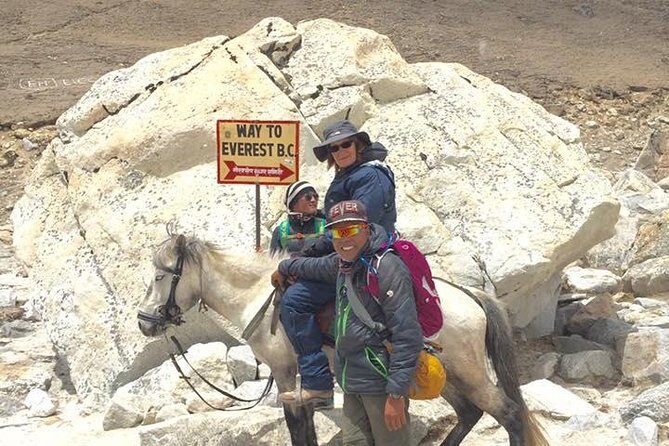
This trek’s rhythm starts with a flight from Kathmandu to Lukla, the gateway town for the Everest region. The itinerary frames it as about an hour of flight time, and the trek begins right as you land.
Then it’s straight into your first walking day: you head toward Phakding, descending through pine forests and Sherpa villages. The goal is to get moving, get your boots used to the trail, and settle into a tea house without turning Day 1 into a suffering contest.
What I’d watch for here:
- Even a “first day” can feel long if you’re anxious, so slow your pace and save energy.
- The best way to enjoy Phakding is to keep it simple: eat well, hydrate, and let your body adjust to the air.
By evening, you’ll arrive in Phakding and have time to explore the village lightly before sleep.
Days 2–3: Namche Bazaar, Monjo checks, and acclimatization that actually makes sense
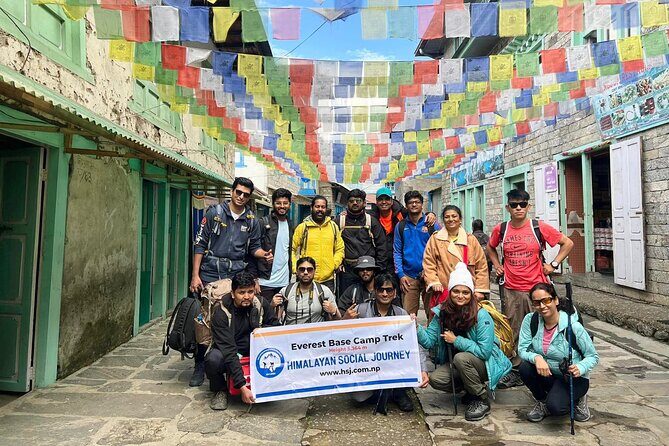
Day 2 is where the trek begins to feel like Everest trekking in earnest. After breakfast, you cross suspension bridges and follow a route through pine forests. You pass through the small checkpoint at Monjo, where your entry into Sagarmatha National Park is verified—one of those unglamorous steps that keeps everything legal and on track.
You’ll also keep moving alongside the Dudh Koshi River, passing Jorsalle, and then you start a notable climb after crossing Tenzing Hillary Suspension Bridge. The pace here can be steep, and the views can make you forget you’re working hard.
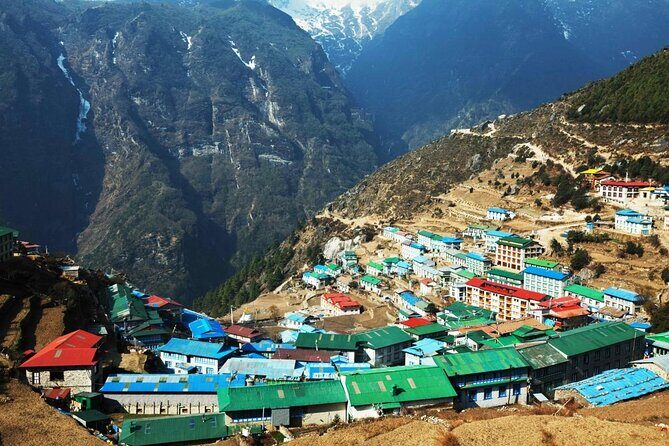
You end in Namche Bazaar, which is more than a pretty stop. It’s described as a commercial hub with ATMs, government offices, shops, and restaurants—so you get a taste of modern services in a place that still feels very remote.
Day 3 is an important change of pace: acclimatization in Namche Bazaar. This is exactly where good planning pays off. Instead of pushing higher every day, you stay put long enough for your body to adapt.
Then there’s a quick altitude-boost walk to Syangboche / Hotel Everest View, built as an acclimatization hike with major mountain views.
Why this is valuable: those hours in Namche can be the difference between feeling “fine” and feeling wrecked later. Use the day to hydrate, eat steadily, and keep your energy for the next climbs.
Days 4–5: Tengboche monastery, Deboche river crossing, and Dingboche setup
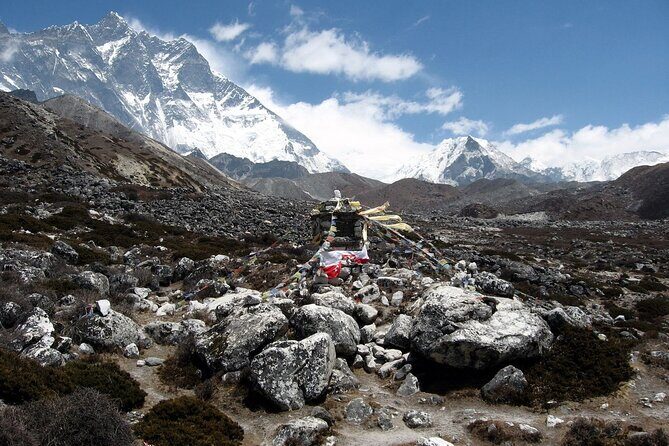
On Day 4, you ascend toward Tengboche village, known for its Tengboche monastery—called the biggest monastery in the Everest region. This is one of those cultural stops that makes the trek feel more human. You’re not only chasing altitude; you’re walking through a living community with spiritual roots.
After spending time in Tengboche, you move to Deboche, crossing the Imja River and settling into a tea house for the night.
Day 5 shifts into the “trail quality” phase. The route descends slightly and goes through forests of birch, conifer, and rhododendron. You’ll get views of Mt. Everest, Lhotse, and Ama Dablam while you travel through the Imja Valley and past the Lobuche River, before ascending up to Dingboche.
What to expect:
- More ups and downs than a casual hike.
- Short “awe moments” that come right when your legs are ready to protest.
- Dingboche is where you start feeling the altitude more clearly, so keep your pace controlled.
If you’re the type who speeds early because you’re excited, this is where I’d slow down.
Day 6–7: the Dingboche reset day and the Thukla Pass push to Lobuche
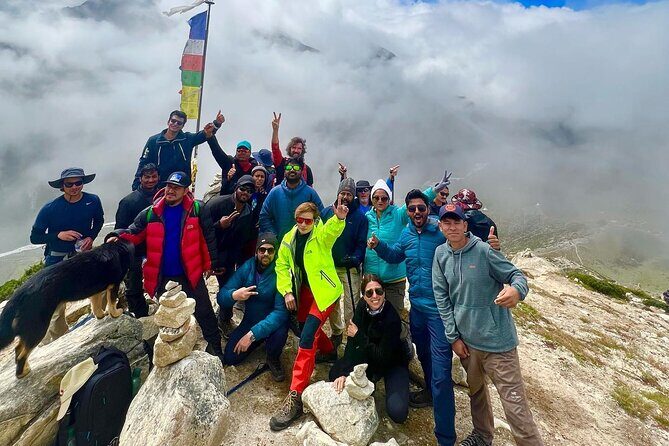
Day 6 is built for altitude safety: acclimatization time in Dingboche. You rest, explore, and give your body a chance to adjust. There’s also an extra hike option to Nangkartshang Peak for panoramic views that can include Makalu, Lhotse, Cholatse, Tawache, and Ama Dablam.
This is a smart design. A rest day isn’t a lazy day—it’s a planned buffer before the thinner air starts stacking up.
On Day 7, you trek from Dingboche to Lobuche, getting closer to base camp. The itinerary notes the landscape becomes rougher and the air gets thinner, which matches what you’ll feel in your breathing. You climb toward Thukla Pass, take a lunch break there, then continue to Lobuche.
This segment matters because:
- It’s the transition from “pretty hiking” to “high-altitude trekking with grit.”
- Thinner air makes “small climbs” feel bigger. Your guide’s pacing matters more here than your enthusiasm.




Days 8–9: Gorakshep, Everest Base Camp on the Khumbu Glacier route, and Kala Patthar sunrise
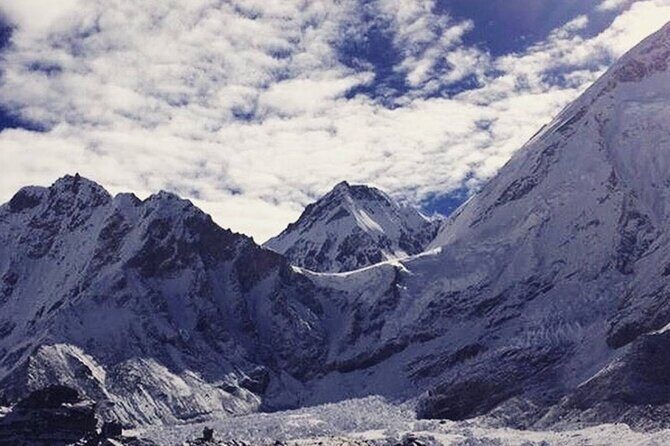
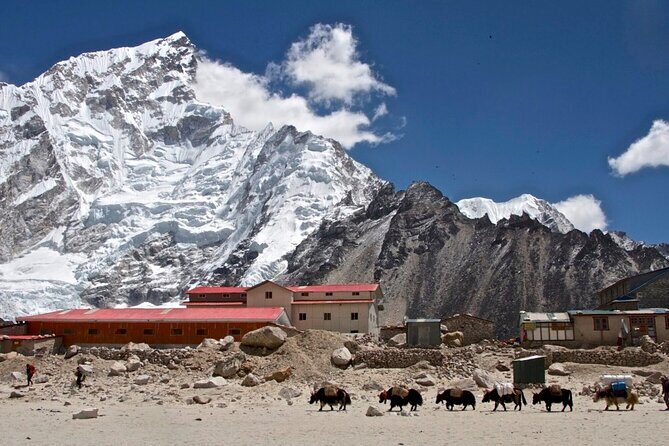
Day 8 is the big push. You leave Lobuche and head to Gorakshep, the last settlement area before the base camp effort. Expect rocky terrain and an ascent.
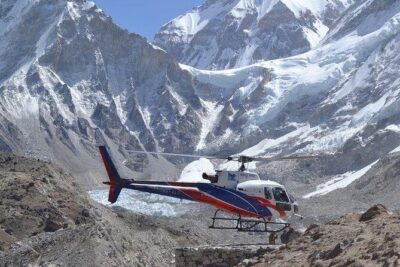
You check into a tea house for a quick lunch, then continue on toward Everest Base Camp. The itinerary describes the journey crossing toward base camp via the Khumbu Glacier. Once you arrive, you spend time at Everest Base Camp for photos and the moment you came for, then head back to Gorakshep.
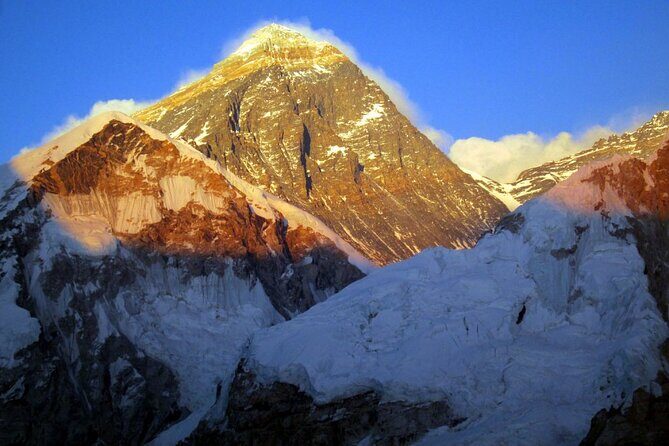
On Day 9, you get the sunrise play: start early for Kala Patthar to catch views over the Himalayas, then descend back to Gorakshep.
After breakfast at Gorakshep, you trek down toward Pheriche, with a lunch stop in Lobuche or Thukla (depending on timing), and then check into a tea house.
How to think about these two days:
- Day 8 is effort + payoff.
- Day 9 is payoff + recovery.
- Going early to Kala Patthar is work, but it’s also where the views can feel most dramatic because the light hits the peaks at just the right angle.
If you tend to think in straight lines, remember: the best way to enjoy Day 9 is to treat the descent as a win, not a “fall behind.”
Days 10–11: the return to Namche and the Lukla finish
Day 10 is a steady descent from higher altitude back toward Namche Bazaar. Going down usually feels like relief, and the route becomes more familiar.
You’re also mentally shifting here. You’re not “racing,” but you’re wrapping up the hard part. Keep your hydration up even when it feels easier.
Day 11 is your last trekking day: descend from Namche Bazaar to Lukla. The trail passes through villages and forests you recognize from earlier days. You stop for tea breaks along the way, have lunch in Phakding, cross suspension bridges again, and finally reach Lukla.
At the end of the day, you’ll check into a tea house in Lukla—one more small “pause” before the flight out.
Day 12: fly back to Kathmandu and ease into real life
In the morning, you fly from Lukla back to Kathmandu, then get transferred to your trip hotel.
One practical note: this experience is explicitly weather-dependent. So keep your expectations flexible. Your best move is to plan low-stress activities for the day you return, because altitude fatigue is real even when your legs feel “fine.”
Guide and porter support: why the people on your team change everything
This trek is staffed with a professional, licensed English-speaking guide plus a porter setup designed around comfort—1 porter for 2 travelers.
In practice, that matters because EBC treks are not only about “how hard is the hike.” They’re also about:
- pacing you for altitude,
- keeping logistics running when weather shifts,
- helping you pack smart, and
- giving you confidence when you’re tired.
Strong guide support also shows up in the names people associate with this trek: Mingmar and Khilraj are repeatedly mentioned as professional and attentive, while Indra, Santosh, Sonam, and Dawa Sherpa come up as guides who provide encouragement and clear day-to-day guidance. If you have the choice, I’d ask to meet your guide in advance and confirm your plan for acclimatization pacing.
Also, if you’re a first-timer, don’t be shy about speaking up. A good guide will usually help you find a pace you can sustain, not a pace that makes you panic.
Tea-house lodging and meals: where comfort ends and the mountains begin
You’ll stay in guesthouses during trekking days on a twin-sharing basis, with breakfast included. Lunch and dinner are not included, meaning you’ll purchase meals at tea houses along the way.
This is standard for Everest treks, but it’s still worth setting expectations:
- Higher up, rooms can be basic. At roughly 5,000m, one recurring theme is that accommodation may feel uncomfortable compared to home.
- Your energy depends on steady meals and smart hydration, so don’t skip food just because you’re “not that hungry.”
If you like a lot of creature comforts, this is the part where you’ll need to make peace with simple surroundings. If you’re okay with that trade, the trek feels more authentic anyway—tea houses, shared tables, and your own small wins as the day ends.
Who should book this trek (and who might want a different fit)
This trek is recommended for active travelers with some mountain trekking experience, and the operator also frames it for a moderate fitness level.
I think it’s a good match if you:
- want a hassle-free plan for flights, permits, and daily route structure,
- like group trekking with a guide who manages the details,
- prefer guesthouse travel instead of camping,
- are comfortable with acclimatization days and daily walking uphill.
It may be less ideal if you:
- need fully inclusive meals (breakfast only is included),
- dislike basic lodging at altitude,
- want total independence with no group pacing (this is a group tour with max 30 travelers).
Should You Book This 12-Day Everest Base Camp Trek?
Book it if you want the Everest Base Camp experience with less mental load. The inclusion list is strong: flights to Lukla, park fees, guide + porter support, and structured acclimatization. At this price point, it’s the kind of deal that can save you time and stress—especially if you’d rather spend your energy on the trail.
I’d pause before booking if you’re counting on all meals being included or you’re very sensitive to basic accommodation. Also, Kathmandu hotel logistics can be a variable. Even when a specific hotel night is part of the highlight, last-minute changes can happen, so don’t plan your entire Kathmandu evening around one exact property.
If you have your passport ready, get travel insurance, and enter with a steady pace mindset, this is a solid way to reach Everest Base Camp without getting lost in the details.
FAQ
What does the trek include for flights?
You get domestic flight coverage between Kathmandu (or Ramechhap) and Lukla, including the return flight.
Where does the trek start and end?
It starts in the Lukla area after the flight from Kathmandu (or Ramechhap) and ends in Lukla, with a flight back to Kathmandu on Day 12.
Is a guide included?
Yes. The tour includes a professional and licensed English-speaking guide, and porter support is included as well.
How many travelers are in the group?
The maximum group size is 30 travelers.
Are permits and park fees included?
Yes. Sagarmatha National Park fees, Lukla entrance fees, and local taxes are included.
What kind of accommodation do you get during the trek?
You stay in guesthouses during trekking days on a twin-sharing basis, with breakfast included.
Are meals fully included during the trek?
No. Breakfast is included, but lunch and dinner during the trek are not included. Alcoholic drinks are also not included.
Do you need travel insurance?
Yes. Travel insurance is listed as not included, and you should bring it along for the trip requirements.
Is there an acclimatization day built into the itinerary?
Yes. You spend time acclimatizing in Namche Bazaar and also have a rest/acclimatization day in Dingboche.
What is the cancellation window?
You can cancel up to 6 days in advance for a full refund, and you may receive a partial refund if you cancel 2–6 days before the experience start time.