REVIEW · KATHMANDU
Upper Mustang Trekking
Book on Viator →Operated by Sherpa Expedition & Trekking · Bookable on Viator
Lo-Manthang feels like Tibet’s time capsule. This Upper Mustang trekking route takes you into the old walled world of Lo-Manthang, where restored monasteries and everyday Buddhist study sit right beside a stubborn, living culture. I also like that the trip handles the paperwork side with permits (ACAP, Upper Mustang special permit, and TIMS), so you can spend your energy on the journey instead of chasing forms.
The only real catch is timing and expectations: the plan lists an approx 2 days trek, yet it also includes two nights in Kathmandu and two nights in Pokhara. Add in the fact that the experience depends on good weather, and you’ll want to be flexible with how you picture the schedule.
In This Review
- Key things I’d watch before you go
- Why Upper Mustang is different from most Nepal trekking
- What your 6:15 am start means in real life
- Kathmandu and Pokhara: the ride days that shape your comfort
- Pokhara–Jomsom flights: fast access, limited margin for error
- Permits and TIMS: what’s included, and why that matters
- Lo-Manthang culture: what to expect beyond the photos
- Trekking support that actually helps: guide and porter setup
- Lodging and meals: where you get coverage and where you don’t
- Value check: what $2,666.67 covers (and what it doesn’t)
- How fit you need to be for this short-but-real trek
- Private group experience: better control, fewer compromises
- Combining Upper Mustang with other Nepal challenges
- Should you book Upper Mustang Trekking?
- FAQ
- Where is the meeting point, and what time does the tour start?
- Is airport pickup included?
- How do you get between Kathmandu and Pokhara?
- Are flights included in the itinerary?
- What permits are included?
- What meals are included?
- Is a guide and porter provided?
- What is not included?
- FAQ
- Can I cancel and get a full refund?
- What happens if the trek is canceled due to weather?
Key things I’d watch before you go
- Airport pickup by private car/jeep plus clear meeting details at Tribhuvan International Airport at 6:15 am
- Permits and TIMS included, including ACAP and the Upper Mustang special permit
- Guide plus porter support, with one porter for two people
- City-to-trail transportation planned, including tourist bus Kathmandu–Pokhara and a Pokhara–Jomsom flight
- Meals and lodging covered during the trip (with specific exclusions to note)
- Good-weather requirement, with a swap date or refund if canceled for weather
Why Upper Mustang is different from most Nepal trekking
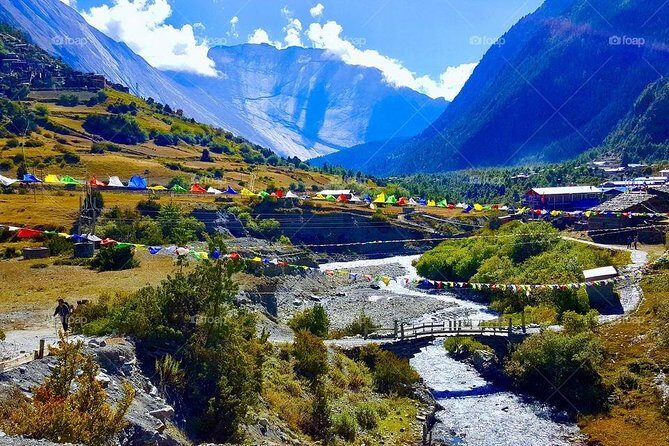
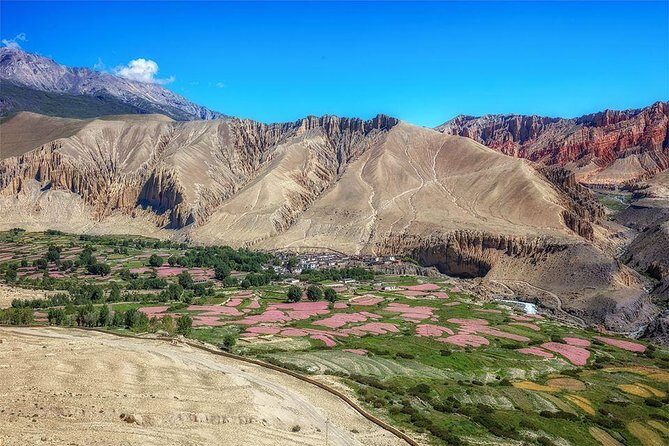
Upper Mustang sits in a strange in-between zone, shaped by both Tibet’s historical reach and Nepal’s modern borders. The result is not just “another trekking region.” It’s a place visitors often describe as culturally distinct, and the core reason is simple: the old Kingdom-era identity still shows up in what you see and how people live.
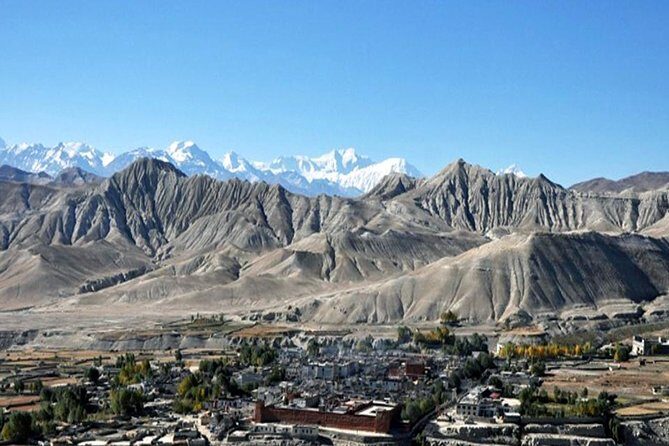
Lo-Manthang, the walled city that anchors this area, was linked to the Tibetan Kingdom of Gungthang until the 1830s. Local early history is wrapped in myths and legends more than clean records, which is part of the atmosphere. You’ll likely feel it when you look at the monasteries and the art—especially because the region is actively restoring crumbling works. That restoration matters because it changes what you experience. Instead of only seeing ruins, you’re seeing a living effort to keep traditions alive.
I also like the way the tour framing focuses on everyday culture, not just big monuments. You’ll be in a place with around 275 houses in Lo-Manthang and a traditional social structure described as four castes. Even if you don’t talk with everyone you pass, the built environment and religious routines give you plenty to notice.
You can also read our reviews of more hiking tours in Kathmandu
What your 6:15 am start means in real life
This trip starts at Tribhuvan International Airport, with a 6:15 am pickup/dropoff plan. That’s early, but it’s also practical. A morning departure helps you connect transportation pieces with less stress—especially when flights or mountain schedules can shift.
The meeting point is listed right at the airport area (Ring Rd, Kathmandu). That matters because getting lost on day one is the last thing you want. The description also notes that the meeting point is near public transportation, which is helpful if you need a backup plan for getting there.
Because pickup and dropoff are handled by private car/jeep, you don’t need to coordinate taxis and timetables on your own. For many people, this is a huge value even before you reach the mountains.
Kathmandu and Pokhara: the ride days that shape your comfort
Even though Upper Mustang is the star, the logistics days decide how you feel later. Here’s what’s planned:
- Kathmandu ↔ Pokhara by tourist bus
- Pokhara → Jomsom (and back) by flight fare included in the trip cost
This is a smart approach for a region like Upper Mustang. Flights can reduce the amount of time you spend traveling at high altitude, and they save energy for the days you’ll actually be observing Lo-Manthang.
Another detail I like: the trip includes two-night accommodations in both Kathmandu and Pokhara (each with breakfast). That creates breathing room. You’re not rushing straight from jet lag into long days without a buffer. Still, it also means your overall trip rhythm is more than “two trekking days.” If you’re the type who likes to travel light and keep plans ultra-short, you should double-check how much time you have in your calendar.
Pokhara–Jomsom flights: fast access, limited margin for error
A Pokhara to Jomsom flight is included, and that’s usually where the trip’s flow turns from city travel to Mustang territory. It also means your plan depends on weather and operating conditions. Even when operators are experienced, mountain aviation can be sensitive, so it’s worth going in with a calm mindset.
Since the experience requires good weather (and they offer a different date or full refund if canceled due to poor conditions), treat weather as part of the itinerary, not a surprise twist. If you’re booking around a fixed event date, build in flexibility.
Practical note: because your schedule starts early, plan on being ready the night before. Have your documents easy to find, and keep essentials in a small, grab-and-go bag so you’re not digging around in the dark.
Permits and TIMS: what’s included, and why that matters
This tour includes the ACAP and Upper Mustang special permit plus a TIMS card fee. That’s not just paperwork for bureaucracy’s sake. In a region like Upper Mustang, permits tie you to an authorized route and help ensure access is properly managed.
For you, the value is time and peace of mind. Instead of worrying about whether you’re following the rules correctly, your tour structure covers those legal requirements. It also helps explain why the experience feels more “organized on purpose” rather than loosely assembled.
If you’ve ever tried to stitch together trekking logistics in Nepal on your own, you already know how quickly permit steps can snowball. Having them included is one of the strongest reasons this package makes sense—especially if you want to spend your energy on the cultural experience.
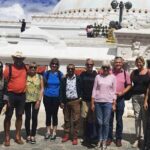
Lo-Manthang culture: what to expect beyond the photos
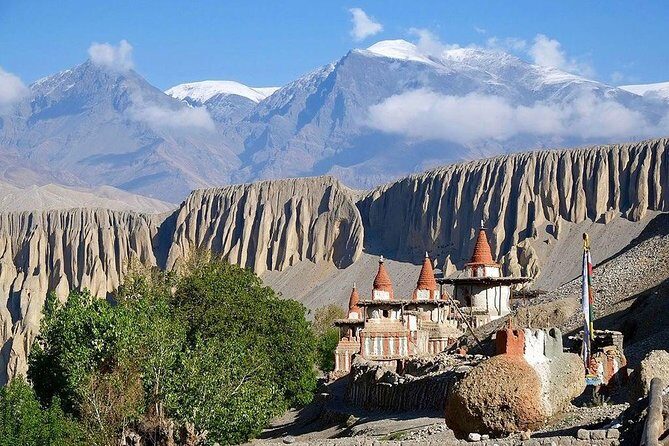
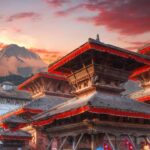
When people picture Mustang, they often focus on dramatic views and classic old-world ruins. Here, the emphasis is a bit more grounded: Lo-Manthang and the surrounding religious sites are described as undergoing restoration, with crumbling monasteries being rebuilt and artworks slowly restored.
That restoration changes the feel of the visit. You’re more likely to see places that are actively cared for instead of only looking at what time has taken. And it’s the human side that people remember: shaved-headed children in robes studying ancient Buddhist teachings is the kind of detail you don’t get from a quick photo stop. It’s part of the daily rhythm of the region.
You can also expect the city to feel tight and structured—walled, with a clear sense of boundaries. Social structure is described as four castes. If you’re respectful and observant, this helps you understand why the area feels so different from typical trekking villages.
A respectful approach goes a long way here. Keep your distance when needed, avoid interrupting study, and ask before photographing people if you get the chance. Even without perfect language, basic courtesy helps you fit in.
Trekking support that actually helps: guide and porter setup
This package includes a trekking guide and porter. The porter arrangement is clearly stated: one porter for two people. That matters because it’s a fair distribution. You still share the load help, but you’re not paying for a “single-person porter” experience unless you choose a different arrangement elsewhere.
You’ll also get a first aid kit included. That won’t replace good judgment, but it’s part of what makes a trek feel managed rather than improvised.
One more included touch: you receive a Sherpa Expedition and Trekking T-shirt and duffel bag. Those items aren’t the reason to book, but they signal this is a staffed operation, not a DIY-only listing.
Lodging and meals: where you get coverage and where you don’t
The trip includes breakfast, lunch, and dinner during the trekking/covered days, plus coffee and/or tea. That’s a big deal in remote regions. When meals are handled, you don’t waste energy deciding where to eat while also trying to adjust to altitude, schedule, and fatigue.
There is, however, a specific exclusion you should note. Lunch and dinner in Kathmandu and Pokhara are not included. Breakfast is included, and you’ll have accommodations with breakfast in both cities. So if you’re planning your budget or food routine, expect to pay for some meals in town.
The tour also lists exclusions for wifi, hot water, hot shower, and laundry. That means you should plan on basic comforts, not “hotel amenities.” Even if your lodging is comfortable, don’t expect consistent hot water or a laundromat vibe. This is normal for much of trekking Nepal; it’s better to align your expectations than fight reality.
Value check: what $2,666.67 covers (and what it doesn’t)
At $2,666.67 per person, Upper Mustang isn’t a budget trip. So the real question is: does the structure justify the price?
Here’s what you’re paying for, based on what’s included:
- Airport pickup/dropoff by private car/jeep
- Tourist bus Kathmandu–Pokhara (and back)
- Pokhara–Jomsom–Pokhara flight fares
- Two nights in Kathmandu and two nights in Pokhara, each with breakfast
- ACAP, Upper Mustang special permit, and TIMS card fee
- Guide and porter (one porter for two people)
- All accommodation during the trek
- Breakfast/lunch/dinner during the covered trek portion plus coffee/tea
- First aid kit, plus a trekking t-shirt and duffel bag
What’s not included:
- Visa fee
- Personal travel insurance
- Personal trekking equipment
- Tips for trekking staff
- Wi-fi, hot water, hot shower, laundry
- Personal expenses
- Lunch and dinner in Kathmandu and Pokhara
When you line that up, the price looks less like “just transport” and more like a full package of the hardest-to-coordinate pieces: permits, supported trekking staff, and mountain-area movement via flight. That kind of value is strongest if you want a guided, rules-compliant trip and don’t want to spend your time managing paperwork and transfers.
If you already have a guide you trust, enjoy self-planning, and want to handle permits separately, you might find cheaper ways to do Nepal treks. But if your priority is smooth logistics and cultural access—this style of package tends to pay off.
How fit you need to be for this short-but-real trek
The tour says you should have moderate physical fitness. That suggests the trek isn’t meant to be an extreme endurance campaign, but it still won’t be a casual stroll the whole way.
Moderate means you should be able to walk for sustained periods with uneven ground and handle elevation changes calmly. If you’re coming from sea level and you rarely do hills, consider doing a few weeks of stair work and long walks before you go.
Also remember: even if the trek portion is short on paper, you still have travel days that start early and involve flight connections. The fatigue factor is real.
Private group experience: better control, fewer compromises
This is described as a private tour/activity, with only your group participating. That matters more than people think. In a place where schedules can shift due to weather, having a private setup usually gives you more control than joining a big mixed group.
The trip plan also includes confirmation at booking, so you should have clarity on arrangements ahead of time. And because they’re explicit about pickup and meeting point timing, you’re less likely to show up early and wait around while trying to guess which car is yours.
Combining Upper Mustang with other Nepal challenges
One review-style takeaway that’s useful for planning: you can sometimes combine Upper Mustang with bigger circuit-style trekking. For example, one traveler mentioned pairing Upper Mustang with the Dhaulagiri Circuit, and that they added a Dhaulagiri Peak challenge as well.
That’s not a promise that every booking can be combined the same way, but it’s a sign the operator can handle multi-region plans. If you’re the type who wants one foot in remote culture and another in serious trekking goals, ask early about combination options so your flights and permits align.
Should you book Upper Mustang Trekking?
Book it if you want:
- A guided, permit-covered way into Upper Mustang and Lo-Manthang culture
- A package that handles the most annoying logistics (permits, TIMS, guide, porter, and movement between Kathmandu, Pokhara, and Jomsom)
- Comfort planning, since breakfast and key meals are included and city lodging is covered
Skip it (or ask more questions) if:
- You’re trying to fit everything into a truly tight schedule. The plan lists multiple nights in Kathmandu and Pokhara even though the trek duration is approx 2 days.
- You hate early mornings or you have a hard non-flexible calendar. The experience requires good weather, so flexibility is helpful.
If you’re reading this, you probably already want a trip that feels more cultural than checklisty. Upper Mustang can deliver that—especially when the trip structure takes care of the busywork so you can focus on the restored monasteries, the walled city atmosphere, and the quiet rhythm of Buddhist life.
FAQ
Where is the meeting point, and what time does the tour start?
The meeting point is Tribhuvan International Airport (Ring Rd, Kathmandu, Nepal). The start time is listed as 6:15 am.
Is airport pickup included?
Yes. Airport pickup and dropoff are included by private car/jeep.
How do you get between Kathmandu and Pokhara?
Transportation between Kathmandu and Pokhara is by tourist bus, and the return is also by tourist bus.
Are flights included in the itinerary?
Yes. The Pokhara to Jomsom flight fare is included (and it’s listed again for the return flight fare between Jomsom and Pokhara).
What permits are included?
The tour includes ACAP and the Upper Mustang special permit fee, plus the TIMS card fee.
What meals are included?
Breakfast is included. The tour also includes lunch and dinner during the trekking portion, plus coffee and/or tea. Lunch and dinner in Kathmandu and Pokhara are not included.
Is a guide and porter provided?
Yes. A trekking guide is included, and a porter is included. The porter arrangement is one porter for two people.
What is not included?
Not included are the Nepal entry visa fee, personal travel insurance, personal trekking equipment, wifi, hot water, hot shower, laundry, personal expenses, and tips for trekking staff.
FAQ
Can I cancel and get a full refund?
You can cancel for a full refund if you cancel up to 24 hours in advance of the experience’s start time.
What happens if the trek is canceled due to weather?
If the experience requires good weather and is canceled due to poor weather, you’ll be offered a different date or a full refund.