REVIEW · POKHARA
Ghorepani Poonhill Trek from Pokhara – 4 Days
Book on Viator →Operated by Trekking Guide Team Adventure · Bookable on Viator
Four days, one big sunrise payoff in the Himalaya. This Ghorepani Poon Hill trek from Pokhara strings together Poon Hill sunrise drama, Magar village life in Ulleri, and the classic stop in Ghandruk—all in a time frame that works when you can’t spare a full week.
I like the practical setup: pickup is offered, you use private transport to reach the trail start at Nayapul, and you get 3 nights of accommodation with breakfast, lunch, and dinner during the trek. I also like that the package includes the Annapurna Conservation Permit and TIMS, so you’re not scrambling for paperwork right when you’re excited to hike.
The main drawback to plan for is weather. If clouds sit on the peaks, your sunrise view can be less crisp, and the trek still asks for moderate physical fitness for early starts and walking on uneven paths.
In This Review
- Key things that make this trek worth your time
- Four days to Poon Hill: what you’re really signing up for
- Day 1 in Ulleri: Magar village culture and an easy first walking day
- Day 2 through oak and rhododendron woods: steady walking with real scenery variety
- Day 3 sunrise payoff and Ghandruk village life
- Day 4 to Nayapul and back to Pokhara: turning miles into a smooth finish
- Guide and porter setup, plus TIMS and permits
- Price of $450: what’s included, what’s extra, and where the value shows up
- Who this Ghorepani Poonhill trek suits best (and who should adjust expectations)
- Should you book this Ghorepani Poonhill Trek from Pokhara – 4 Days?
- FAQ
- How long is the Ghorepani Poonhill trek from Pokhara?
- Where does the trek start and where does it end?
- Can I start the trek from Kathmandu instead of Pokhara?
- What meals are included during the trek?
- Is accommodation included?
- Will I have a guide and porter?
- What permits are covered?
- What’s not included in the price?
- What is the cancellation refund timeline?
Key things that make this trek worth your time
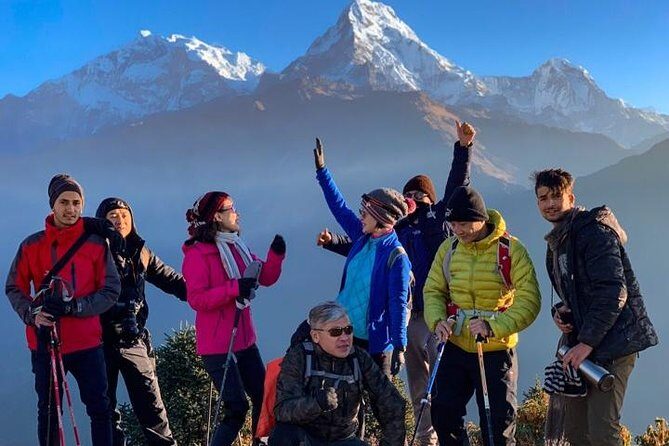
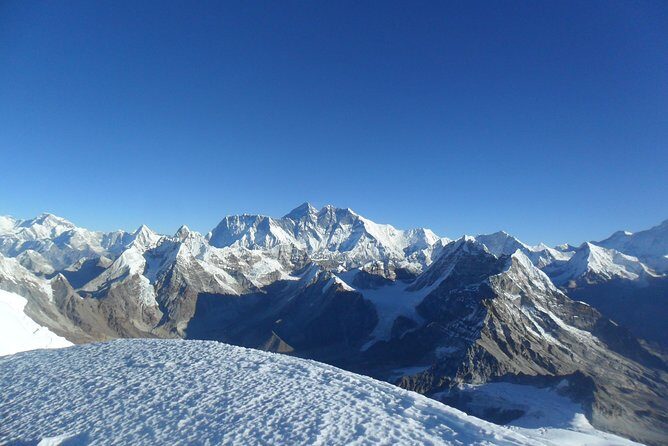
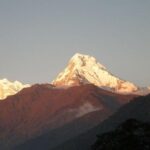
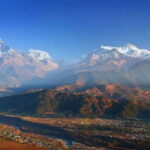
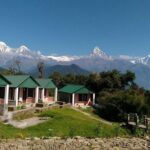
- Poon Hill sunrise with views of Annapurna, Dhaulagiri, and Machhapuchhre
- Ulleri’s Magar community stop gives you culture alongside the hiking
- Oak and rhododendron woods on Day 2 add variety (not just stone steps)
- Ghandruk village time on Day 3 for a more “people and place” feel
- Guide + porter ratio: one English-speaking trekking guide and one porter for every two tourists
Four days to Poon Hill: what you’re really signing up for
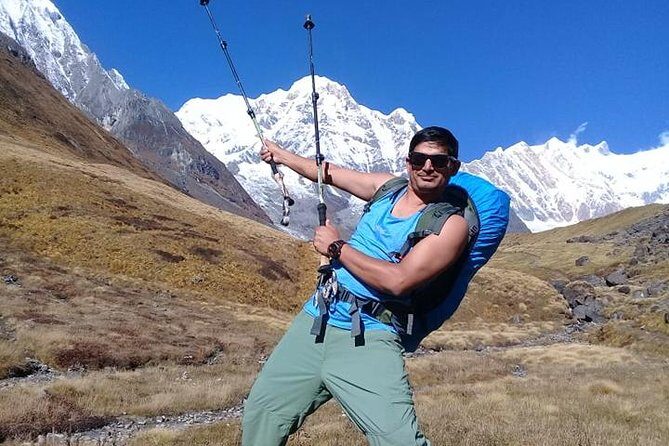
This is a short trek, so it’s efficient by design. You’re not collecting ten different viewpoints over ten different days. Instead, you focus on one of the most famous payoff moments in the Annapurna region: early-morning views from the Poon Hill area, with big-name mountains in the frame.
What you’ll feel most on this trek is rhythm. Day 1 eases you in with Ulleri and local village scenery. Day 2 shifts into forest walking through oak and rhododendron woods, plus cultivated and grazing areas. Day 3 is the payoff day—sunrise first, then a trek to the village of Ghandruk. Day 4 brings you downhill toward Nayapul and then a drive back to Pokhara.
Because the schedule is tight, it’s a good fit when Nepal time is limited. It’s also a good fit if you want the mountain experience without the bigger commitment of longer high-altitude treks. The trade-off is simple: you’ll have less margin for detours, extra rest, or slowdowns.
You can also read our reviews of more hiking tours in Pokhara
Day 1 in Ulleri: Magar village culture and an easy first walking day
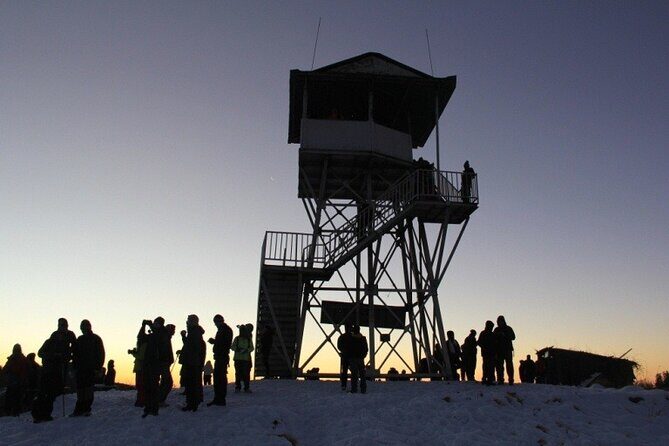
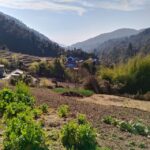
Day 1 includes a stop in Ulleri, a village tied to the Magar community. This matters because it balances the “only mountain photos” trap. You’ll see how trekking routes connect to real daily life—homes, fields, and a sense of culture that’s local, not staged.
The Ulleri stop is also listed as having a free admission ticket. That’s not a huge “wow” item, but it’s a small sign that this day is about walking and observing rather than extra fees and sidetrips.
One thing I’d keep in mind: with shorter treks, your first day sets the tone. If you arrive tired or underpacked, you’ll feel it more. If you start the trek feeling prepared—snacks you actually like, layers you can manage, and boots that are broken in—you’ll enjoy Day 1 a lot more.
Day 2 through oak and rhododendron woods: steady walking with real scenery variety
Day 2 is described as passing through grazing landscapes and cultivated areas, then through oak and rhododendron woods. This is a great mix for a mid-trek day because it breaks up monotony. In the middle of four days, variety is what keeps you mentally fresh.
Oak and rhododendron woods also tend to change how the trail feels. Depending on conditions, you might get cooler air under trees, and the light can soften—so even when you’re working, the walk doesn’t feel harsh. And because you’re moving through different types of land—fields, grazing areas, and forest—you’ll likely notice more than just stairs.
This day is also where your “pace strategy” matters. With a short itinerary, you’ll probably cover a meaningful amount of ground each day. Your best move is to keep a steady, conversational rhythm. If you go too fast early, you’ll pay for it when the next day asks for an early sunrise.
Day 3 sunrise payoff and Ghandruk village life
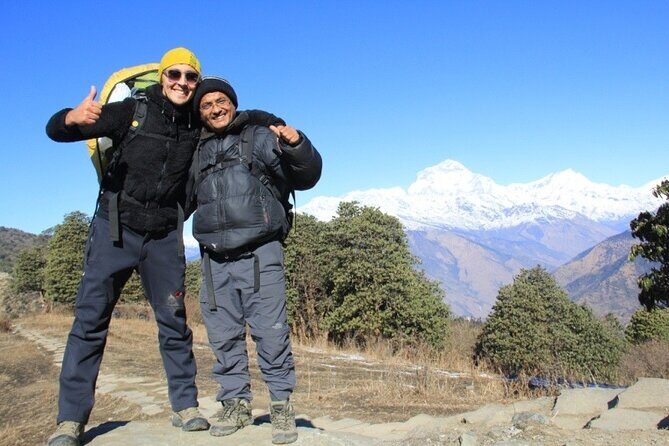
Day 3 has two parts: sunrise views and a trek to the village of Ghandruk.
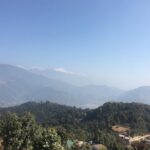
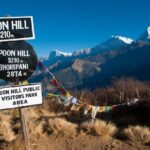
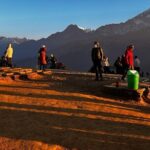
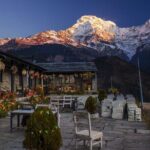
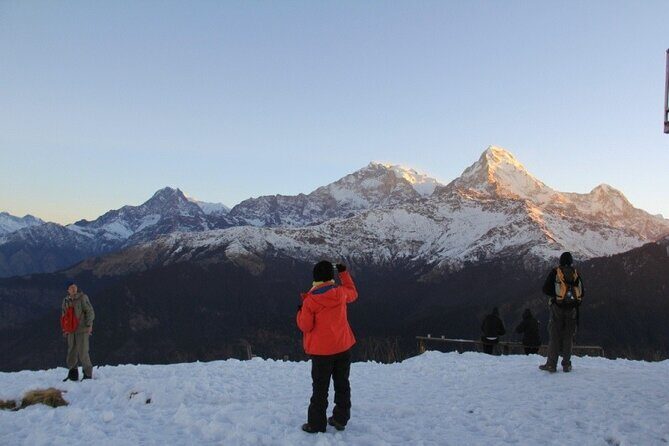
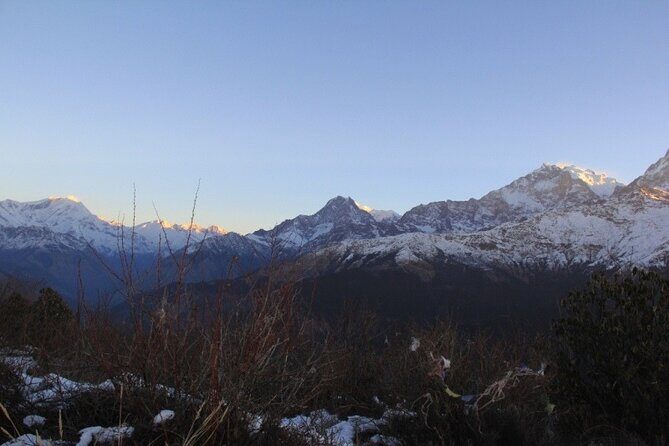
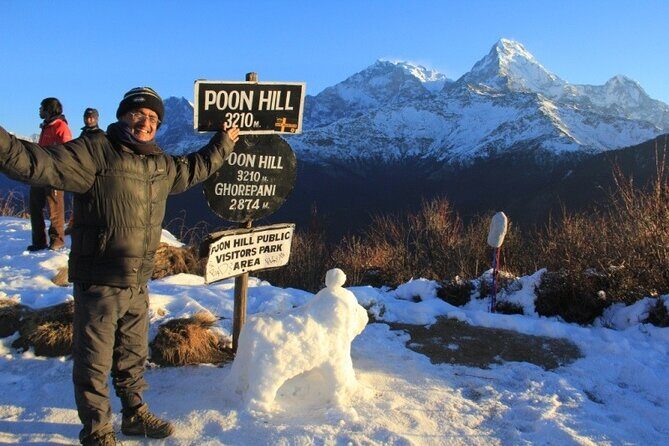
The sunrise view is set up to show Annapurna, Dhaulagiri, and Machhapuchhre. That’s the classic reason people choose this route. Sunrise is also when the mind feels most awake. Even if you’ve done early mornings before, expect this one to feel extra early—because the payoff depends on catching clear light.
Then comes the trek to Ghandruk, described as the world’s well-known village. Even without getting too poetic, Ghandruk earns attention for one practical reason: it gives you a place to land. Instead of sleeping “on the way,” you experience village life as part of the trek story.
If you’re a beginner, this is a smart day. You’ll see why the effort is worth it, and you’ll have a meaningful destination at the end of the day. In the past experiences connected to this operator, the guide support was repeatedly praised—especially when people were new to trekking. Guides such as Shambu Basnet showed up in multiple accounts as friendly and supportive, with an ex-military background noted in one description—useful traits when weather or pacing gets tricky.
Day 4 to Nayapul and back to Pokhara: turning miles into a smooth finish
Day 4 is the “wrap it up” day. You trek down to Nayapul, then drive back to Pokhara with scenic natural views.
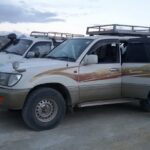
This is more important than it sounds. Many treks end with a bus ride that feels rushed or complicated. Here, transportation is included in the trek logistics: you’re taken to the trekking start point at Nayapul by private transport, and you’re returned to Pokhara at the end.
For your mood, the downhill day is often the best kind of fatigue. You get a chance to keep moving without as much relentless uphill effort. And because it’s shorter, you’re not trapped in a long final grind.
A few more Pokhara tours and experiences worth a look

Guide and porter setup, plus TIMS and permits
This tour is built around professional support. You get one experienced English-speaking trekking guide and a porter for every two tourists. That porter detail is one of the biggest quality signals in a short trek. It reduces the load burden, and it also makes it easier to stay steady when the weather turns.
In real-world accounts tied to this operator, the organising role is mentioned often—Kabi comes up as running trips to a high standard, keeping guests safe and informed along the way. People also name guides like Jit and Ram Sharan Timsala, describing attentive guidance and good coordination. Another person specifically described Shambhu as ex-military and praised efficiency, responsibility, and caring attention to needs. Those aren’t small points when you’re trying to enjoy the mountains instead of managing stress.
On the paperwork side, you get what many trekkers forget to plan for:
- Annapurna Conservation Permit
- TIMS (Trekkers’ Information Management System)
Having those included usually means fewer last-minute hurdles at checkpoints. It also helps your guide keep the route smooth.
Price of $450: what’s included, what’s extra, and where the value shows up
The price is listed as $450 per person for roughly 4 days.
At first glance, it’s easy to compare this to “cheaper” do-it-yourself options. But this price includes the parts that most often derail budget treks: meals, permits, guide time, and transport to and from the trail start.
Here’s what’s included:
- Transportation: Nayapul to start, and return to Pokhara by private transport
- Daily meals: breakfast, lunch, dinner for your 3N/4D trip (during trekking days)
- Accommodation: 3 nights are included
- Guide and porter support (English-speaking guide; porter for every two tourists)
- Annapurna Conservation Permit and TIMS
And here’s what is not included:
- Accommodation in Kathmandu and Pokhara, plus your meals in Pokhara
- Personal trekking equipment
- Personal travel insurance
- Kathmandu to Pokhara transport (if you start in Kathmandu)
- Tips for guide and porter
- Drinks and sweet snacks
- WiFi/internet/phone charging
- International airfare
So where is the value? For many people, it’s not the guide alone. It’s the combined effect: you pay once, you get permits handled, and you don’t have to coordinate the daily meal and lodging rhythm while you’re tired from walking.
If you’re already going to spend on insurance, meals, and transport anyway, this package often looks more reasonable. If you’re also budgeting for Kathmandu-Pokhara logistics, make sure you estimate that separately.
Who this Ghorepani Poonhill trek suits best (and who should adjust expectations)
This trek is a strong match if you:
- have limited time in Nepal but still want a real sunrise mountain experience
- want a guided trek without complicated planning
- are okay with moderate fitness expectations
- like mixing nature with village culture (Ulleri and Ghandruk)
It might feel tight if you:
- want a slow, lingering pace with lots of extra rest days
- hate early mornings (sunrise is part of the deal)
- need non-stop modern comforts (WiFi, internet, and charging aren’t included)
- expect Pokhara meals and lodging to be part of the package (they’re not)
Also note the group style: it’s private, so you’re not sharing the trek with strangers. That can make the pace feel more flexible, but it also means you should speak up early if you need an adjustment.
Should you book this Ghorepani Poonhill Trek from Pokhara – 4 Days?
I’d book it if your priority is a short, well-run trek with a clear highlight: sunrise views of Annapurna, Dhaulagiri, and Machhapuchhre, plus a cultural stop in Ulleri and village time in Ghandruk. The inclusion of TIMS, the Annapurna Conservation Permit, and transport to Nayapul takes real work off your plate.
I’d be cautious if you’re highly weather-sensitive and need the sunrise to be guaranteed. In mountain regions, clarity isn’t fully controllable. Also, plan your budget beyond the base price for tips, drinks, sweets, and your Kathmandu/Pokhara hotel setup.
If you want one practical checklist item: confirm what you’re packing for a cold early-morning start, and double-check your own insurance coverage before you go.
FAQ
How long is the Ghorepani Poonhill trek from Pokhara?
It’s listed as approximately 4 days.
Where does the trek start and where does it end?
Your trekking starts at Nayapul (reached by private transport), and the trek ends back in Pokhara (via private drive).
Can I start the trek from Kathmandu instead of Pokhara?
Yes, the trek can start from Pokhara or Kathmandu. However, transportation between Kathmandu and Pokhara is not included.
What meals are included during the trek?
Breakfast, lunch, and dinner are included for the 3N/4D trip while you’re trekking.
Is accommodation included?
Yes, accommodation for the 3 nights is included during the trip.
Will I have a guide and porter?
Yes. You get an English-speaking trekking guide, and a porter for every 2 tourists.
What permits are covered?
The Annapurna Conservation Permit and TIMS are included.
What’s not included in the price?
Not included: Kathmandu and Pokhara accommodation, personal trekking equipment, personal insurance, meals in Pokhara, tips for the guide/porter, drinks and sweet snacks, WiFi/internet/phone charging, and international airfare.
What is the cancellation refund timeline?
Cancel up to 6 days in advance for a full refund. For 2–6 days before, you get a 50% refund. Within 2 days, there is no refund.