REVIEW · KATHMANDU
1 Hour Mount Everest flight from Kathmandu With Hotel Pick Up
Book on Viator →Operated by Welcome Nepal Treks P.ltd · Bookable on Viator
Everest, in about an hour, from your window seat. What makes this flight special is the mix of simple logistics and real mountain time: you roll from your hotel to Tribhuvan International Airport, then you’re airborne on a scheduled-style hop where the pilot calls out Everest as you approach. It’s for ages five and up, capped at 15 people, and the whole goal is clear: see the world’s highest peak without the trek.
I love how the package handles the hardest part for many people—early-morning organization. Pickup in Kathmandu, transfer to the airport, and help with the process means you can focus on one thing: getting the best possible sightlines. I also like that the flight crew often points out what you’re seeing, turning a short ride into something you can actually understand.
One thing to consider: seat location matters. Some seats can be partially blocked by the aircraft wings, and that can turn a dream shot into a frustrating crop. If you’re picky about photos, plan to ask for seating that keeps the wing out of your view.
In This Review
- Key highlights worth knowing
- Hotel Pickup at 5:15 AM: The Real Test of This Trip
- The Airport Handoff: What You’ll Do Before You Fly
- Your 53-Minute Flight: Short Time, Big Payoff
- Spotting Mount Everest: When the Pilot Calls It Out
- The Himalayan “Bonus Peaks” You Might See
- Seat Strategy: The One Flaw That Can Ruin Photos
- Group Size and Control: Why 15 People Feels Different
- Airlines You Might Fly With, and Why It Affects the Vibe
- Value for $160: What You’re Really Paying For
- Best Fit: Who Should Book This Everest Flight
- If Weather Hits: How to Think About Delays
- Should You Book This Mount Everest Flight From Kathmandu?
- FAQ
- How long is the Mount Everest flight from Kathmandu?
- What time does the experience start?
- Is hotel pickup included?
- Where does the flight depart from?
- How many people are in a group?
- What kind of flight is it?
- How will I know when I’m seeing Everest?
- What other mountains might I see?
- What happens if the flight can’t operate due to weather?
Key highlights worth knowing
- Hotel pickup in Kathmandu keeps the early start from feeling stressful
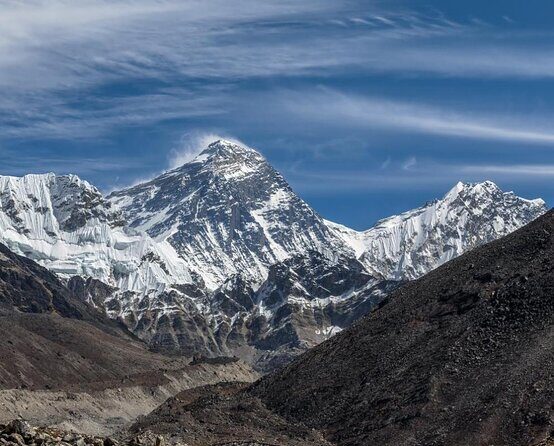
- Pilot-guided Everest spotting so you know when you’re actually looking at it
- Small group size (max 15) for a more controlled experience at the airport
- Commercial flight experience with cabin staff who may point out mountain ranges
- Morning skies often help, since weather delays are more likely later
- Wing-view risk means you should request a better seat for photos
Hotel Pickup at 5:15 AM: The Real Test of This Trip
This tour is built for mornings. The start time is listed as 5:15 am, and you should assume weather can shift departure later. That early schedule is not random. Morning flights tend to have better clarity over the Himalayas, which is exactly when you want the view to be crisp instead of hazy.
The hotel pickup is a big deal because the airport portion is where many “easy” plans fall apart. You’re dealing with an early call, getting checked in, and finding the right place to wait before boarding. With a pickup, the ride from your hotel to Tribhuvan International Airport becomes just transport, not a mini-adventure.
In the best cases, the transfer team acts like a buffer between you and the chaos: you’re met, you’re guided through what to do next, and you’re not standing around trying to decode the airport rhythm. Guides named Hari and Nawa show up in service stories I saw, and the pattern is consistent: they help you stay calm and get through smoothly.
A few more Kathmandu tours and experiences worth a look
The Airport Handoff: What You’ll Do Before You Fly
After pickup, you drive to Tribhuvan International Airport (TIA). From there, the flight is handled as a commercial-style operation—meaning you’ll go through normal airport steps and then board.
A key practical tip is that you should be ready to communicate your seating preference. One lesson that comes up again and again is that the “best views” are not just luck. Ask your contact for guidance, and when you check in, tell the counter agent that you want a seat with an unobstructed window view if possible. The goal is to avoid being seated where the wings block your camera angle.
There’s also a rhythm to the wait time. Even when everything is planned, weather can delay departure. Build margin into your morning. If your schedule has tight connections later the same day, you may want a backup plan.
Your 53-Minute Flight: Short Time, Big Payoff
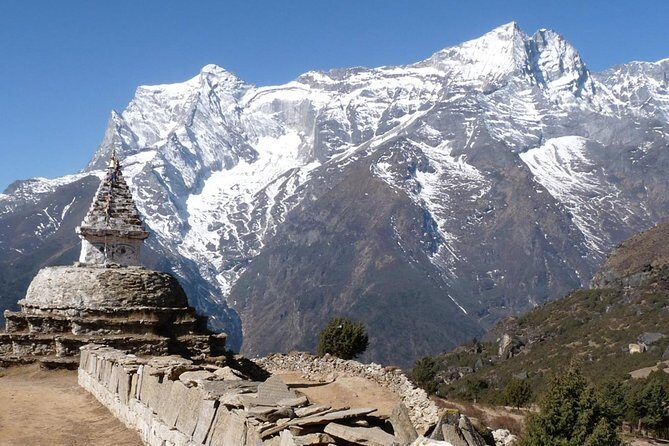
The flight duration is listed as about 53 minutes, and the flight itself is usually in the 50-to-60 minute range. That’s the main value equation here: you’re buying a small chunk of time that still delivers big views.
Once you’re in the air, the experience becomes mostly about observation. You don’t have to hike, climb, or manage altitude sickness. You just sit back and scan the sky for silhouettes, ridgelines, and the bright white caps that stand out against darker rock.
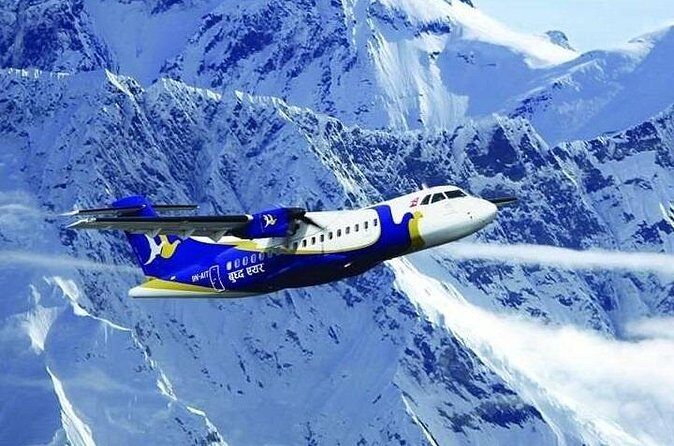
Because this is a commercial flight (not a private charter), you’re also getting a more realistic airplane experience: normal cabin rules, normal takeoff and landing, and typical in-flight staff behavior. Some flights have crew who move around and identify mountains for passengers outside the windows, which helps a lot. Even if you’re not a “mountain person,” it turns random peak shapes into something you can name and track.
Spotting Mount Everest: When the Pilot Calls It Out
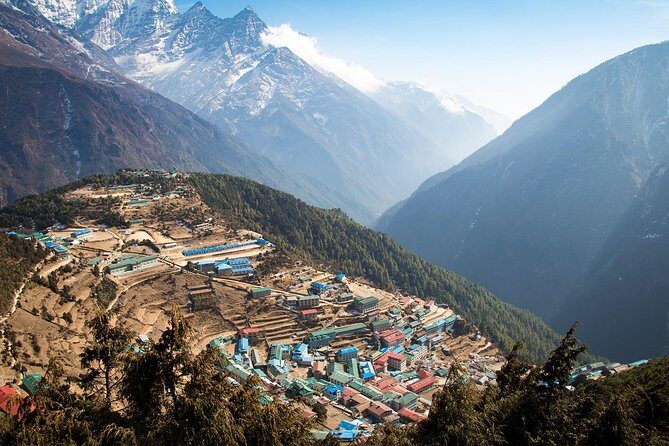
The highlight is straightforward: your pilot lets you know when Mount Everest appears. That matters more than people think. From the ground in Nepal, seeing Everest can be easy or impossible depending on cloud cover and distance. From the sky, it’s still about timing and angle—but at least you’re not guessing.
When that call happens, get ready immediately. Have your camera set to the right mode before the moment. Windows on aircraft are not always perfect photo surfaces, and you don’t want to fumble with settings right when Everest is in view.
If you’re traveling with kids or first-time visitors, this pilot cue is a great anchor. It makes the flight feel like an actual “guided view” rather than just being in a plane looking out.
The Himalayan “Bonus Peaks” You Might See
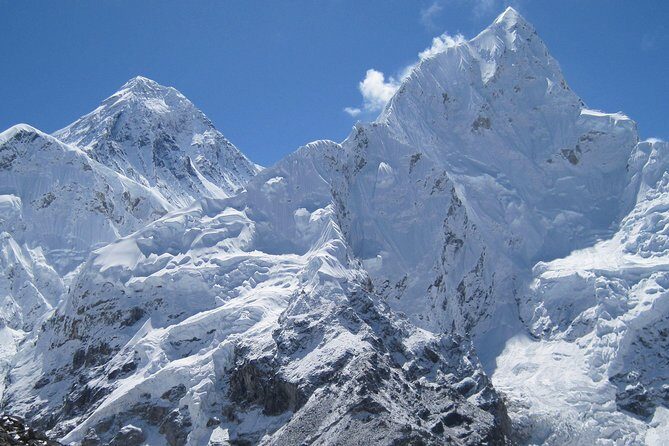
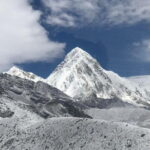
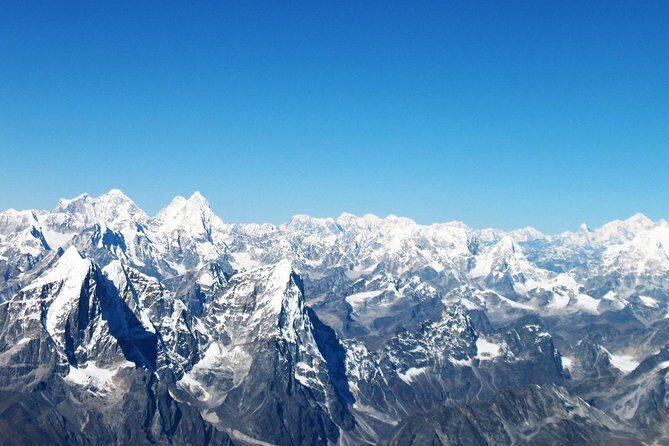
Everest is the headline, but the flight is marketed around a wider sweep of the Himalayas. You can expect to cross over a chain of peaks, and the experience is described as including mountains such as Gauri Shankar and Langtang Lirung.
The route description also notes a set of 20 mountain peaks you can explore from the air, starting from Langtang Lirung Peak and reaching Everest and Chamlang Peak. While you shouldn’t assume every specific peak will be visible in every flight condition, the concept is consistent: you’re not just flying over one mountain. You’re sampling a high-altitude wall of names and ridges.
For photo lovers, this is where the flight earns its keep. You may get more than one moment that feels like a postcard, not only one “Everest or nothing” shot.

Seat Strategy: The One Flaw That Can Ruin Photos
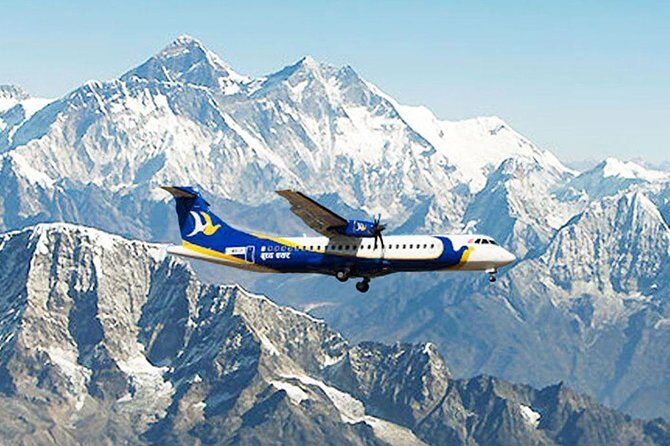
Let’s talk about the elephant in the cabin: wing-blocked views. At least one traveler had two seats obstructed by the wings and called it a disappointment. That’s the risk with any short sightseeing flight where passengers are assigned seats based on availability.
Here’s how to reduce your odds:
- When you check in, explicitly ask for a window seat with the clearest view and try to avoid wing-adjacent positions.
- If your tour contact or guide can advise you before boarding, use that info. Some guidance is specifically geared toward getting a better window angle.
- If you’re traveling with a group, plan who will sit where. A photo-heavy trip goes smoother if you think about seating early rather than after you’re already in place.
If you get a clean window, the payoff is huge—clear views from both sides of the plane are possible on the right flight. If you don’t, you’ll still likely see Everest, but your photos might look less dramatic.
Group Size and Control: Why 15 People Feels Different
The group cap is 15 travelers. On paper, that might sound minor. In practice, it helps at the two pain points of this experience: the early pickup and the pre-flight airport steps.
Smaller groups usually mean less confusion when you’re moving from lobby to car to check-in. It also helps the guide staff manage the flow—especially important when weather delays happen. If departure is pushed back, fewer people means it’s easier to regroup, confirm next steps, and keep everyone from wandering off at the worst time.
Airlines You Might Fly With, and Why It Affects the Vibe
Your flight may be operated by different airlines depending on schedules and weather shifts. Service stories include Yeti Airlines and Shree Airlines (also spelled similarly in some notes). One person also described an airline switch after a delay.
Does this change the core experience? Not much. You still fly for about an hour and you’re still looking for Everest when the pilot calls it out. But it can affect two things:
- how often cabin staff point out mountains
- how smoothly the crew moves through the cabin during sightseeing moments
So if you care about in-flight guidance, pick a time that’s most likely to take off on schedule. That’s usually the early morning slot, not the later backup option.
Value for $160: What You’re Really Paying For
At $160 per person, the first question is simple: is it worth it?
For me, value comes from three parts:
- You’re buying time, not effort. A one-hour flight replaces days of hiking for Everest views.
- You’re buying support, not just a plane ticket. The hotel pickup and airport handholding take real stress off your morning.
- You’re buying a guided sighting moment through the pilot cue, plus likely in-flight mountain identification.
Could you buy the airline ticket yourself? Possibly, and some people prefer that approach. But the risk is you lose the “early morning buffer” that helps you get set up correctly at the airport and figure out the best seating plan fast.
So the decision is mostly about your comfort level:
- If you like DIY and you’re confident with airport processes, you might be fine going direct.
- If you’d rather pay to reduce uncertainty, this kind of pickup + flight package usually feels worth it—especially because departure is early and weather can complicate everything.
Best Fit: Who Should Book This Everest Flight
This tour makes the most sense for:
- first-time visitors who want Everest views without trekking
- families with kids age five and up
- travelers with limited time in Kathmandu who still want a signature experience
- photographers who understand that seats matter and are willing to ask for the best window option
It may be less satisfying for people who are very sensitive to seat obstruction and don’t want to think about seating at all. If that sounds like you, treat seat planning as part of the trip, not an afterthought.
Also note: pets are not suitable for this activity, which is standard for flights but important to know.
If Weather Hits: How to Think About Delays
This experience requires good weather. Start times can vary due to weather, and departures may move later. When that happens, you’ll wait at the airport longer than planned.
The silver lining is that the core goal is weather-dependent anyway. If clouds roll in and Everest disappears, no amount of rushing helps. Booking a morning slot gives you the best chance, but you should still stay flexible.
Should You Book This Mount Everest Flight From Kathmandu?
Yes, if you want an efficient way to see Everest and the surrounding peaks without hiking, and if you’re willing to do one small bit of homework: request a great window seat and plan for an early start.
No, or at least think twice, if you hate the idea of waiting for weather or you’re the type who needs a perfectly unobstructed photo frame and doesn’t want to manage seat strategy.
For most people, this is one of the cleanest “big dream” experiences in Kathmandu. It’s short, focused, and built around a clear moment when Everest appears. If you go in knowing that seating can make or break your photos, you’re set up for a genuinely memorable flight.
FAQ
How long is the Mount Everest flight from Kathmandu?
The flight is listed at approximately 53 minutes, and it usually runs about 50 minutes to an hour depending on conditions.
What time does the experience start?
The start time is listed as 5:15 am, though actual timing can vary due to weather.
Is hotel pickup included?
Yes. Pickup from your hotel in Kathmandu is offered, followed by a short drive to the airport.
Where does the flight depart from?
The flight departs from Tribhuvan International Airport in Kathmandu.
How many people are in a group?
The tour/activity has a maximum of 15 travelers.
What kind of flight is it?
It’s described as a commercial flight.
How will I know when I’m seeing Everest?
Your pilot will let you know when Mount Everest appears during the flight.
What other mountains might I see?
The experience mentions views of Everest plus peaks including Gauri Shankar and Langtang Lirung, and it references multiple peaks across the route.
What happens if the flight can’t operate due to weather?
This experience requires good weather. If it’s canceled due to poor weather, you’ll be offered a different date or a full refund.