REVIEW · POKHARA
From Pokhara: Australian Camp & Dhampus 1, or 2-Day Trek
Book on GetYourGuide →Operated by Cordial Trek Pvt. Ltd. · Bookable on GetYourGuide
Australian Camp makes mountains feel close. If you want sunrise and sunset over the Annapurna range without a long slog, this 1–2 day trek is a smart bet. You trade Pokhara’s streets for forest trails, Gurung villages, and that classic viewpoint people hike for.
Two things I really like: the 180° Himalayan panorama from Australian Camp, and the fact that your walk passes through real Gurung life in Dhampus and nearby villages—not just viewpoints. One drawback to think about is weather: if clouds roll in, you can miss sunrise or softened sunset moments at the top, and the mountain lodging is basic by city standards.
In This Review
- Australian Camp’s 180° Annapurna Views: What You’ll See and When
- From Pokhara to Kande or Phedi: The Easy Logistics That Keep Time for the Trek
- 1-Day Express Plan: A Focused Climb, Fast Views, and a Downhill Return
- 2-Day Overnight Plan: Sunset, Sunrise, and Sleeping in a Mountain Lodge
- Dhampus and Gurung Villages: More Than a Photo Stop
- Guides, Equipment, and Food: What’s Included and What You Should Pack
- Effort Level and Best-Fit Travelers: 1 Day vs 2 Days
- Price and Value: Why This Package Works for Short Time in Nepal
- Should You Book Australian Camp & Dhampus? My Decision Guide
- FAQ
- How long is the trek from Pokhara to Australian Camp & Dhampus?
- What’s included for the 2-day trek accommodation and meals?
- Do I need to bring trekking gear or can the tour provide it?
- Where do you start the hike for each option?
- What should I bring and what is not allowed?
- Is there flexibility with booking and cancellation?
Australian Camp’s 180° Annapurna Views: What You’ll See and When
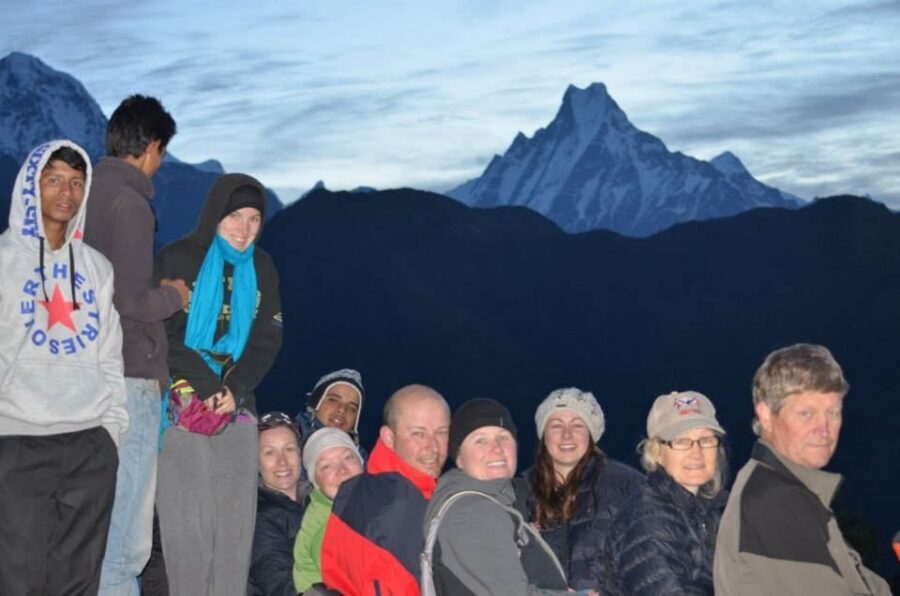
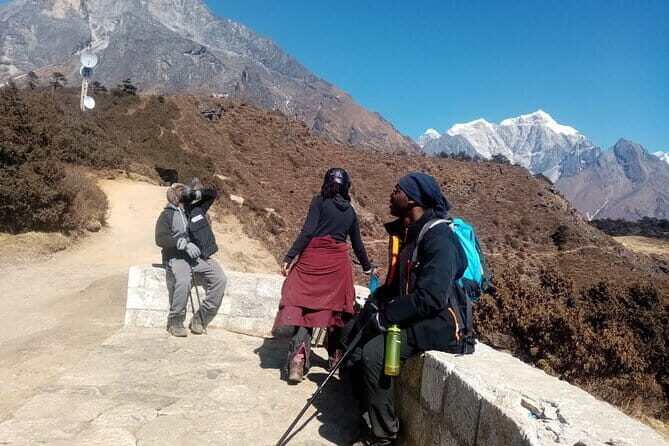
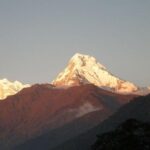
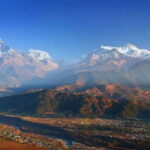
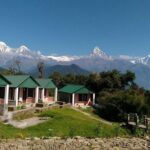
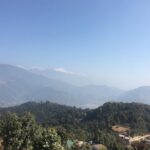
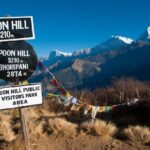
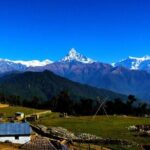
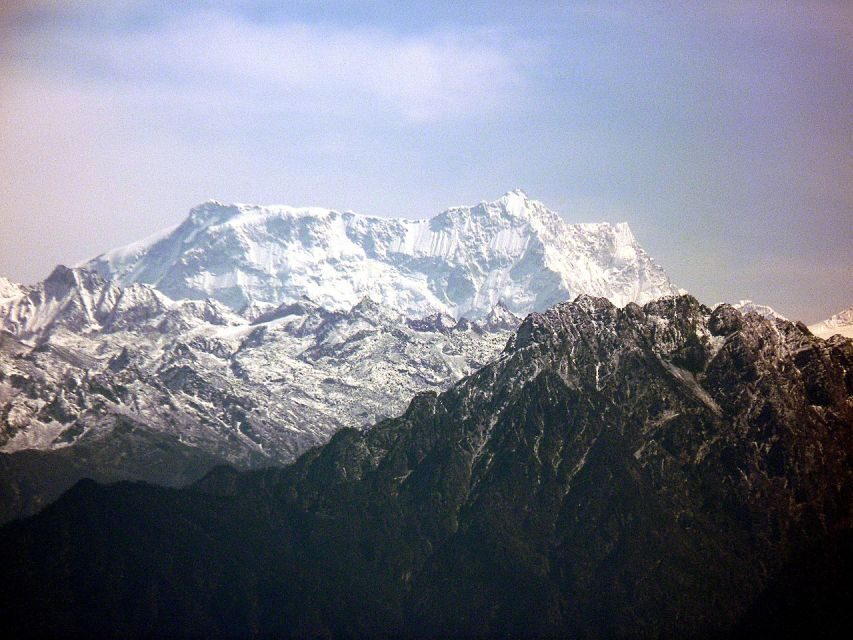
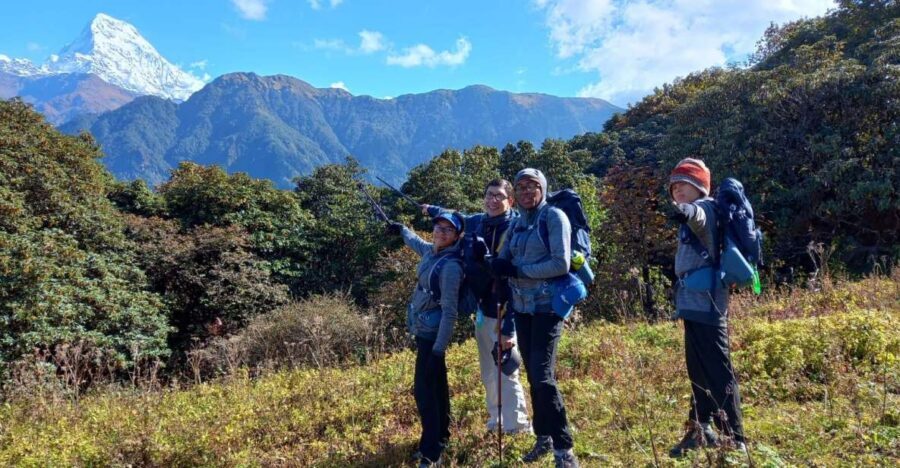
Australian Camp sits around 2,060 meters on a wide, grassy plateau. What you’re hiking for is the viewpoint: an easy-to-stare-at spread of the Annapurna region, including Annapurna South, Hiunchuli, and the famous Fishtail (Machhapuchhre). On a clear day, it feels almost unreal—big shapes, crisp angles, and light that changes fast.
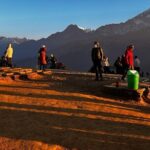
Timing matters here. If you do the 1-day express, you’ll climb to the camp and then come back down the same day. That means you’ll see the range in daylight, usually at its most scenic after the morning climb. If you do the 2-day overnight, you’ll get the two moments most people dream about: golden light around sunset on Day 1 and an early wake-up for sunrise on Day 2.
In practice, sunrise isn’t guaranteed. One guest had the trip booked for the early view but couldn’t see it clearly. So I’d treat sunrise as a bonus, not a promise. If you’re going in with that mindset, you’ll still enjoy the views, even if the sky gives you clouds instead of fireworks.
From Pokhara to Kande or Phedi: The Easy Logistics That Keep Time for the Trek
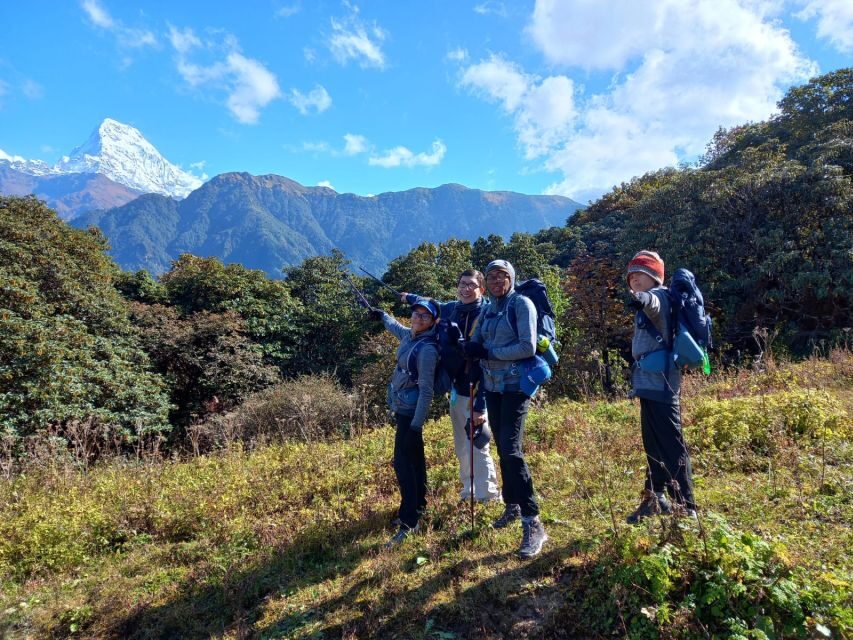
This trek is built for short-trip travelers. You start in Pokhara and transfer by private vehicle to the trailhead—either Kande for the 1-day option or Phedi for the 2-day option. The vehicle ride is not just convenience; it also protects your energy so you spend it on the climb and the views.
You’ll typically begin with an early hotel pickup (around 8:00 AM in the standard plan). Then it’s a drive, a short set-up period, and you’re walking. At the end, you return by car to Pokhara for drop-off, usually late afternoon for the 1-day trek and around early afternoon if you do the overnight version.
A nice detail is the way the experience is paced around clear milestones:
- drive to trailhead
- climb through forest and village paths
- reach Australian Camp for the big views
- descend through Dhampus (and sometimes Pothana)
- finish with a return drive
If you like organized days that don’t feel rushed, this format fits. If you hate mornings, the 2-day plan forces an early start on Day 2—but only because sunrise is the reward.
You can also read our reviews of more hiking tours in Pokhara
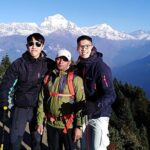
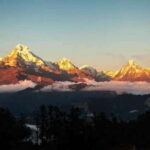
1-Day Express Plan: A Focused Climb, Fast Views, and a Downhill Return
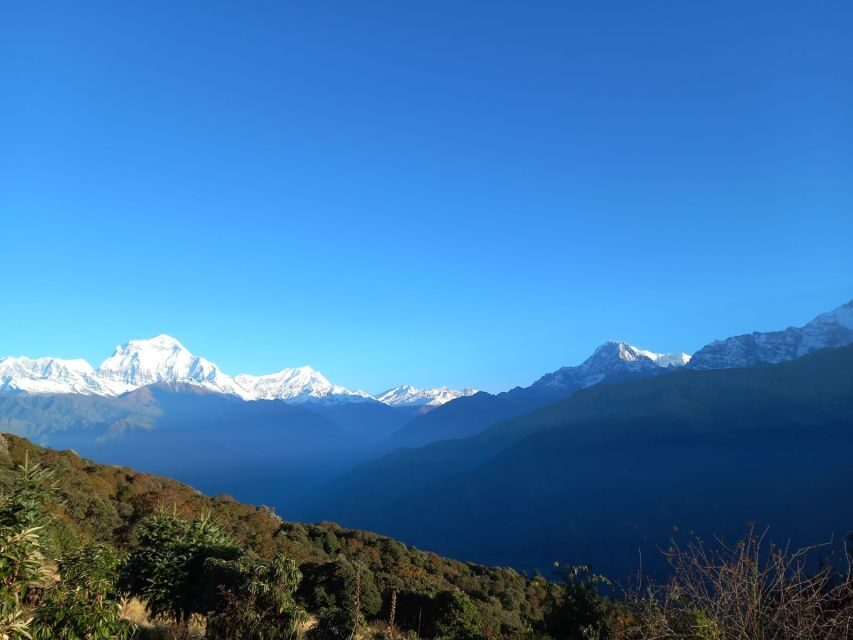
The 1-day express is ideal when you’re short on time but still want the Annapurna range viewpoint and village walking. Plan for a full day, but it’s efficient.
Morning flow
- Pickup from your Pokhara hotel around 08:00
- Drive to Kande
- Start hiking around 09:00
- A moderate climb of about 2 hours through lush forest to Australian Camp
Australian Camp is your payoff. You’ll stop for lunch with Himalayan views, and this is where the trek becomes more than exercise. From the grassy plateau, you can look across the range and pick out the big landmarks—Annapurna South, Hiunchuli, and Machhapuchhre/Fishtail—while the light shifts.
Afternoon flow
- After the view time, you descend toward Dhampus Village
- You’ll also stop for warm Himalayan tea in Pothana Village
- Then you go back down to Phedi and transfer by car to Pokhara
- You’re usually back at your hotel in the late afternoon
The trek itself is described as moderate with a strong effort-to-view reward. In real terms, that means you’ll be walking on a trail with some uphill challenge, but it’s not a multi-day grind. If you’re new to trekking, or you just want a taste of Nepal’s mountain side without committing two nights away from the city, the 1-day version makes a lot of sense.
2-Day Overnight Plan: Sunset, Sunrise, and Sleeping in a Mountain Lodge
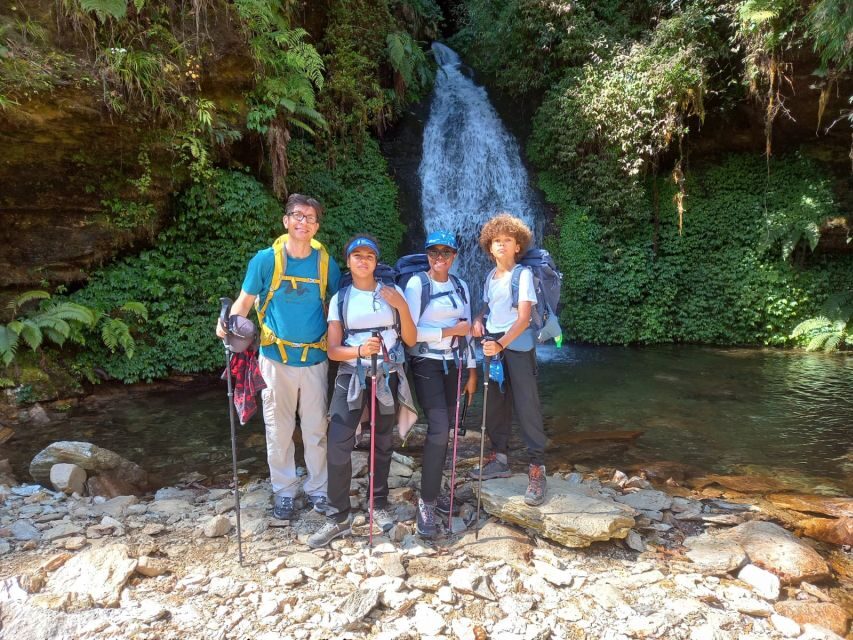
The 2-day option turns the trek from a photo mission into a real mountain interlude. You’ll sleep at or near Australian Camp, which means you’re not racing the clock back to Pokhara.
Day 1
- Pickup from Pokhara in the morning (around 08:00)
- Drive to Phedi
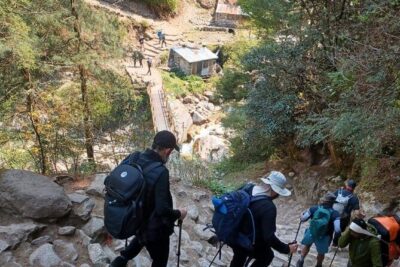
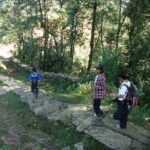
- Trek via Dhampus Village, taking your time to enjoy forest trails and village life
- Reach Australian Camp (2,060 m)
- Spend the evening for sunset views
- Overnight in a mountain lodge, under the stars
Day 2
- Wake early for sunrise over the Annapurna range
- Descend slowly back down toward Kande
- Then transfer by car back to Pokhara, with typical arrival around early afternoon
The overnight part is where this trek earns its keep. You’re not just walking in; you’re staying long enough for evening and morning light, when the mountains look different in a way you can’t get from a same-day trip.
Just be realistic about accommodation expectations. The trek is set up for authentic mountain comfort, not city-level amenities. One guest noted that rooms can be very simple, including missing items like toilet paper or towels. The good news is that your package includes a guest house night with a private bathroom (for the 2-day option). Still, I’d bring small personal basics so you’re not relying on what’s available in the lodge.
Dhampus and Gurung Villages: More Than a Photo Stop
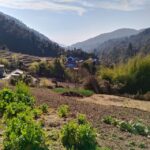
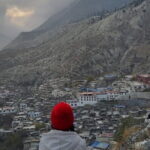
This is not a trek that cuts through empty scenery. You walk through lived-in areas—Dhampus Village and nearby stops like Pothana. Dhampus is described as a traditional Gurung settlement with features like slate-roofed houses and terraced fields. That matters because you’re seeing how people farm, build, and move through the day.
Culturally, the Gurung connection is part of the experience, not an add-on. You’ll likely hear village stories and local context, including references to Gurkhas and how British service ties into family histories. Even if you don’t catch every detail, walking through these villages gives you a sense of scale and rhythm. It’s slower than the viewpoint portion—and that balance is the point.
Also, these villages are where your trek becomes human. You’re not just looking up at mountains. You pass homes, see daily routines, and get tea breaks that feel like an earned pause instead of a forced stop.
Guides, Equipment, and Food: What’s Included and What You Should Pack
The experience is built around a guided trek. You’ll have a live English-speaking trekking guide, and it’s set up as a private group, which usually means less waiting and more flexibility in how the day unfolds.
The reviews highlight guides who know the trail and explain what you’re seeing. Names that came up include Mr Raju, Prakash, and Pratip—all praised for being friendly, attentive, and willing to answer questions. That’s not a small point. On a short trek, a good guide helps you get more meaning from the time you have.
Food is included as full-board for the 2-day option: breakfast Day 1, lunch and dinner, plus an additional lunch for the 1-day version. In the mountains, your meals are likely simple and filling, not fancy. One key value here is that you’re not managing meal logistics while trekking. Your day stays smooth.
Equipment is another practical advantage. If you need it, the package can provide or help you borrow key items like:
- a down jacket
- trekking poles
- a sleeping bag
(For porter setups, you’ll also get a duffel bag.)
I’d still pack:
- camera (the views are a big part of the reason to go)
- hiking shoes
- passport
And two “don’t get stuck” notes from the rules: oversize luggage isn’t allowed, and alcohol and drugs aren’t allowed.
Finally, think about warmth. Even though this is only 1–2 days, you’re at elevation, and early morning light typically comes with cooler temperatures. The down jacket rental support helps, but comfortable layers matter.
A few more Pokhara tours and experiences worth a look
Effort Level and Best-Fit Travelers: 1 Day vs 2 Days
This trek is described as a moderate trek with a high effort-to-view payoff. The core climb is about two hours to reach Australian Camp from Kande in the 1-day plan. That means you’ll feel the hike, but you’re not facing multi-day high-altitude trekking.
So who should choose which?
Choose the 1-day express if:
- you only have a day and still want the core viewpoint
- you’re a beginner or returning to trekking after a break
- you prefer getting back to Pokhara the same day
Choose the 2-day overnight if:
- you want the full mountain rhythm—sunset and sunrise
- you’re okay with waking early
- you’d rather spend time on the mountain than rush down after a single view window
If you’re traveling as a family, the short format can work well. One booking included kids aged 12 and 8, and they had fun with a guide who taught them things along the way.
If you’re traveling solo and want reassurance, the private guide setup helps. The schedule is structured, and your guide is there to keep you on track.
Price and Value: Why This Package Works for Short Time in Nepal
No matter what you pay, the value here comes from the combination of four things that can easily eat up time on your own:
- private vehicle transfers from Pokhara to the trailheads and back
- an English-speaking guide who handles the moving parts
- permits/paperwork and the included trekking logistics
- meals and a lodge night for the overnight option
If you’re trying to squeeze mountain experience into a tight Nepal itinerary, this is a strong deal conceptually. You’re not spending your precious free hours figuring out transport, permits, and meal planning. You show up, climb, see the Annapurna range from Australian Camp, and return.
It also helps that you can match the effort to your schedule: 1 day for the viewpoint, 2 days for the full light show and rest.
The only “value risk” is weather, since sunrise visibility can be affected. Still, even with clouds, you’re getting real trekking time plus village walking, and the viewpoints still deliver in softer light.
Should You Book Australian Camp & Dhampus? My Decision Guide
Book it if you want:
- a short trek that still feels like Nepal mountains, not a quick scenic drive
- 180° Annapurna views from Australian Camp
- Gurung village walking through Dhampus and nearby areas
- the option to choose 1 day or 2 days with sunrise/sunset
Consider skipping or switching options if:
- you strongly need guaranteed sunrise conditions (weather can interfere)
- you want hotel-level lodging comforts (the mountain lodge is simple, and some basic items may not be there)
If you’re the type of traveler who likes meaningful views and real village life, this trek fits neatly. You’ll come away with the Annapurna region on your camera roll and a clearer sense of how daily mountain living works—not just a one-off photo moment.
FAQ
How long is the trek from Pokhara to Australian Camp & Dhampus?
You can choose a 1-day express option (about 7 hours) or a 2-day overnight trek (1 night at Australian Camp).
What’s included for the 2-day trek accommodation and meals?
For the 2-day option, you get 1-night accommodation in a guest house with a private bathroom and full board meals (breakfast, lunch, and dinner as listed in the plan).
Do I need to bring trekking gear or can the tour provide it?
The experience includes borrowed equipment such as a down jacket, trekking poles, and a sleeping bag as needed.
Where do you start the hike for each option?
The 1-day option starts trekking from Kande, while the 2-day option starts from Phedi.
What should I bring and what is not allowed?
Bring camera, hiking shoes, and passport. Oversize luggage isn’t allowed, and alcohol and drugs are not allowed.
Is there flexibility with booking and cancellation?
You can take advantage of free cancellation up to 24 hours in advance for a full refund, and you may be able to use reserve now & pay later to keep plans flexible.