REVIEW · KATHMANDU
14 Days Everest Base Camp Trek
Book on Viator →Operated by Eco Nepal Trekkers · Bookable on Viator
Your legs remember this trip. This 14-day trek mixes Lukla flight logistics with paced Namche acclimatization so you can focus on the views instead of guessing the plan. I like how the route hits the key Everest region landmarks without pretending you can skip the hard parts. One possible drawback: the long uphill days and high altitude mean you need a steady fitness base, not just motivation.
I also like the human touch built into the support system. A licensed guide and a porter plan (one porter per two clients) help keep your energy for the trail, and the team led by owner Pemba Tamang—with guide Prayash mentioned in past client feedback—has a reputation for organization and real customer care. That matters here, because when the mountains get serious, you want decisions made for you.
Still, plan for a few “real life” issues. The itinerary includes an early push to Kala Patthar (5,545 m) and a couple of tough hiking days, plus cold, thin-air nights that aren’t the kind of comfort you can buy your way out of. And like most Everest routes, flight timing can be weather-dependent, so keep your mindset flexible.
In This Review
- Key things I’d watch for before you go
- Thamel to Lukla: how Kathmandu setup sets your pace
- The Lukla jump: 20 minutes up after a 4–5 hour drive
- Into the Khumbu: Phakding to Namche Bazaar, then the Everest View Hotel
- Tengboche monastery and Dingboche rest day: the route slows down on purpose
- Gorak Shep to Everest Base Camp: the long build to a big moment
- Kala Patthar (5,545 m): the early start that’s worth planning for
- Heading back: Namche to Lukla, then a landing in Kathmandu
- What’s included in the $2,200 price (and what isn’t)
- Who should book this Everest Base Camp trek (and who should rethink)
- Should you book this 14-day Everest Base Camp trek with Eco Nepal Trekkers?
- FAQ
- How much does the Everest Base Camp trek cost?
- How long is the trek?
- Do you get airport pickup and drop-off in Kathmandu?
- Are flights included to get to and from the trekking area?
- What accommodation is included in Kathmandu?
- Is a guide and porter included?
- Are meals during the trek included?
- What is the highest point on the trek?
- Do I need travel insurance?
- Can I cancel and get a refund?
Key things I’d watch for before you go
- Private tour, minimum 2 travelers: your group stays together, which usually means less waiting and clearer pacing.
- Licensed guide + porter sharing: support is built in, not a last-minute add-on.
- Two acclimatization checkpoints: Namche Bazaar and Dingboche are scheduled for altitude work, not just scenery.
- Everest Base Camp via Gorak Shep: the approach feels like a slow reveal, then a big payoff.
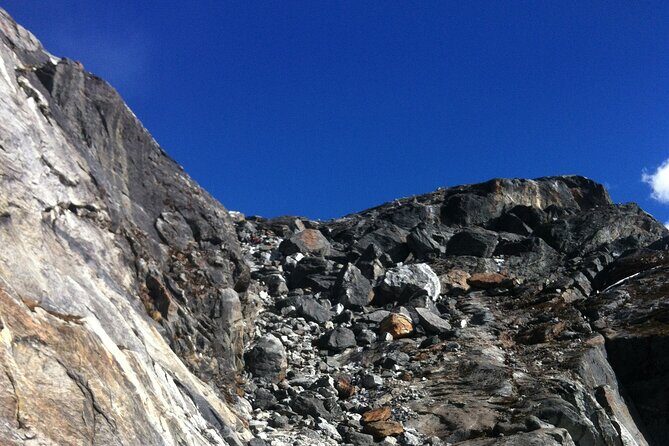
- Kala Patthar as the high view day: the itinerary puts the 360-degree panorama near the end of the hardest stretch.
- Permits + TIMS included: you’re not left juggling paperwork during your Everest week.
Thamel to Lukla: how Kathmandu setup sets your pace
Kathmandu is where your trek either feels smooth or stressful. This trip starts with a private airport pickup and a 3-star hotel stay in Thamel (two nights, twin sharing, breakfast included). That’s not just convenience—it’s time. You get a controlled landing, time to sort your gear, and a practical base where you can handle small problems fast (power banks, boots issues, last-minute snacks).
Thamel is also useful in a quieter way: you can walk it during the afternoon on Day 1 and get your bearings without rushing. If you’re the type who likes to compare hiking store prices or check that your layers actually fit over everything, this buffer day helps a lot.
You’ll also get a mobile ticket mentioned in the trip details. While the itinerary doesn’t spell out every step, the key for you is simple: keep the ticket accessible on your phone, and don’t assume you can fix app issues at the airport five minutes before boarding.
You can also read our reviews of more hiking tours in Kathmandu


The Lukla jump: 20 minutes up after a 4–5 hour drive
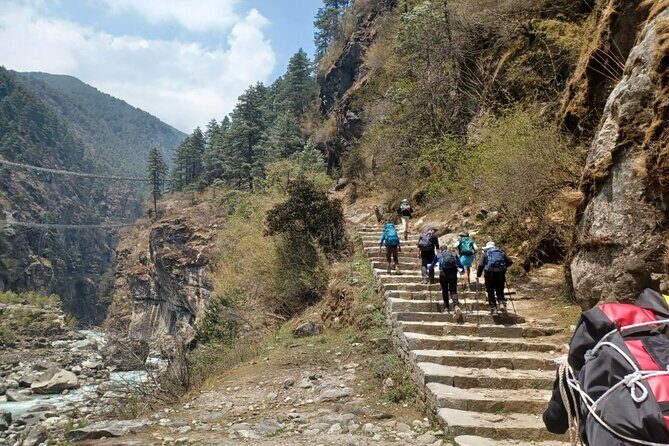
Day 2 is the classic Everest rhythm: drive first, fly after. You’ll spend about 4–5 hours getting from Kathmandu to Manthali/Ramechhap, then take a short flight to Lukla (about 20 minutes). It’s a small window in the air, but it’s a big change on the ground, because altitude and terrain both start to matter immediately.
Why this matters for you: it changes how you pace your first hiking day. If you’re imagining an easy warm-up, remember that you’ll start with travel fatigue and switch right into the trail. The itinerary then takes you toward Phakding, giving you a first real taste of the Khumbu region before deeper climbs begin.
Practical tip: treat Day 2 as a “get moving without racing” day. If you try to power through early, the mountain tends to collect that debt later.
Into the Khumbu: Phakding to Namche Bazaar, then the Everest View Hotel
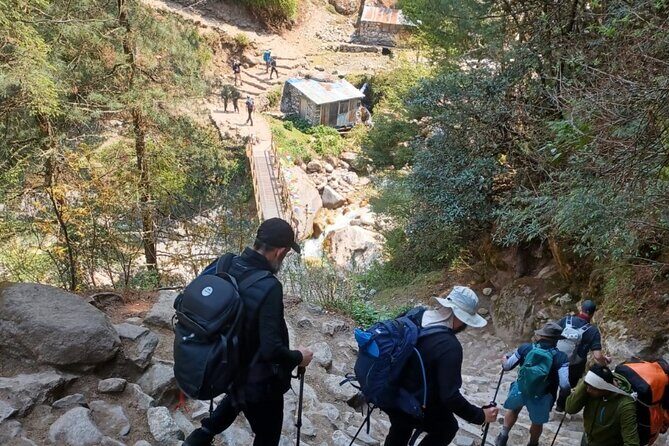
From Phakding, the trek builds toward Namche Bazaar, and Day 3 is where the trail starts asking for effort. You’ll pass Sherpa communities like Benkar and Chumoa, reach Monjo (the Sagarmatha National Park entrance), and then climb uphill and steep to Namche. Expect the kind of trail where you keep moving, stop often, and focus on steady breathing rather than speed.
Namche itself is more than a checkpoint. It’s the entry hub of the Everest region—where supplies, lodge life, and local life all mix. That means you’re not just walking through; you’re stepping into a real functioning town at altitude, including the chance to see how Sherpa culture shows up in daily rhythms.
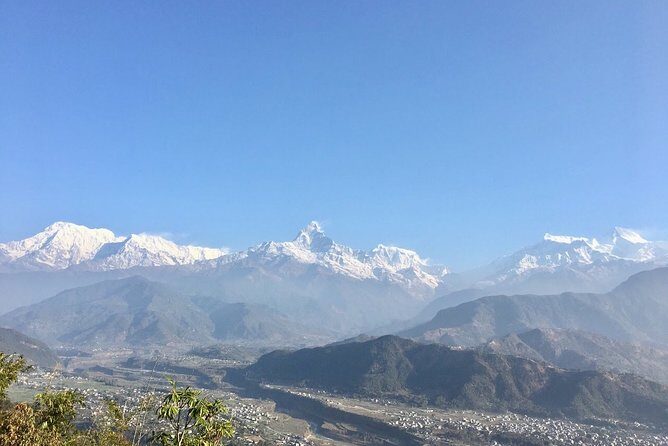
Day 4 is your acclimatization hinge. You don’t just rest at Namche—you walk to the Everest View Hotel area for wide 360-degree views of peaks like Ama Dablam, Thamserku, Everest, and Nuptse. This is valuable because it’s altitude training with a reason. You get higher, you look out, and you come back down—exactly what your body likes better than pushing straight upward.
If you’re hoping to avoid altitude problems, this is the part of the schedule you should respect most.
Tengboche monastery and Dingboche rest day: the route slows down on purpose
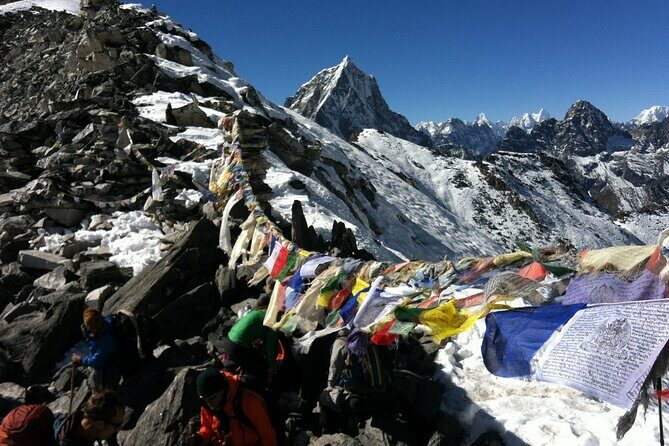
Tengboche is one of the trek’s emotional highlights. Day 5 shifts gears with a more leisurely walk and fewer steep sections—great for photos. Along the way, you’ll pass things like prayer flags and stupas, and the views of Ama Dablam are a recurring theme worth noticing (it pops up repeatedly on this route).
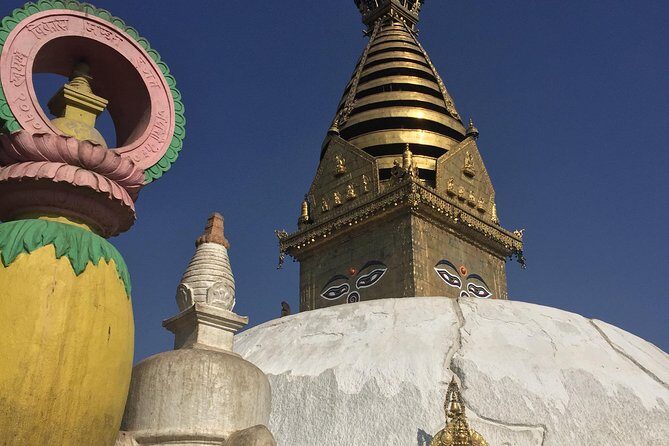
Then you reach Tengboche, home to a revered monastery. The itinerary specifically calls out sunrise and sunset views of Everest from this area. Even if clouds steal the show some days, the place still matters because it’s a cultural anchor, not just a viewpoint.
Day 6 takes you onward to Dingboche via scenic settlements like Pangboche, with views of Mt. Ama Dablam, plus chortens and mani walls. This isn’t just decoration: those features help you read the route and feel the spiritual and cultural texture of the Khumbu.
Day 7 is another “don’t skip this” day. Dingboche is a key rest and acclimatization checkpoint, and the plan includes an easy-but-not-zero activity: a quick walk to Nagarjun Hill (about 5,100 meters). You’re staying active without overloading. The reward is a stunning view payoff, which you’ll appreciate more when you’ve already saved your legs.
Gorak Shep to Everest Base Camp: the long build to a big moment
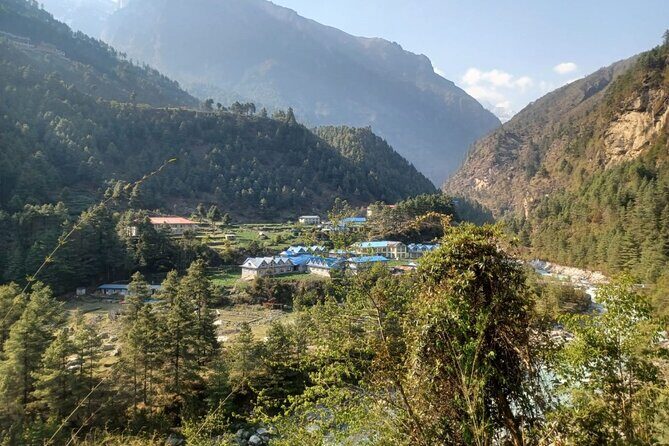
As you move toward Gorak Shep, the scenery tightens into glacial country. Day 8 brings you through places like Pheriche Valley with alpine brush and yak pastures, along with a gradual ascent. You’re also getting recurring mountain views from the valley floor, including Ama Dablam and surrounding peaks.
Day 9 is the big arrival day for Everest Base Camp. You’ll reach Gorak Shep and then trek to Everest Base Camp, described as being along the lateral moraine of the Khumbu Glacier. That phrase matters to you in plain terms: you’re walking beside the moving story of ice and rock, not just pretty mountain backdrops.
The Base Camp area is also where weather tends to decide your mood fast. If visibility is good, the peaks feel close enough to point at. If it isn’t, you’ll still get the reality of the place—the scale, the stillness, the way everything changes when you reach the end of the effort.






Kala Patthar (5,545 m): the early start that’s worth planning for
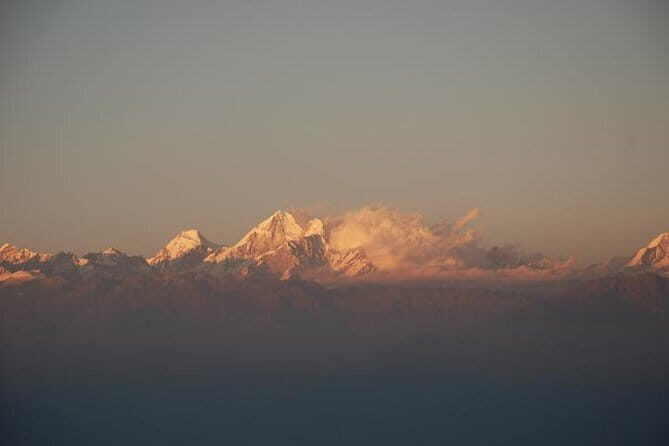
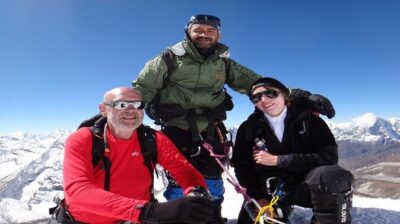
Day 10 is scheduled for a strenuous walk to Kala Patthar, the trek’s highest point at about 5,545 meters. You’ll start before dawn and then work toward that classic 360-degree panorama, including Everest, Nuptse, Lhotse, and Ama Dablam.
For you, the reason this day is worth extra respect is simple: it’s both physically demanding and mentally focused. Cold mornings make your steps feel heavier, and the low-light start means you need layers, gloves, and the calm patience to walk one step at a time.
This is also why the earlier acclimatization days matter. If you do Namche and Dingboche as written, Kala Patthar is still hard—but it’s hard in the way you can manage.
After this day, the trek shifts into return mode with more downhill hiking rhythm. Your body will notice. Your best move is to keep walking, drink consistently, and avoid dramatic pacing.
Heading back: Namche to Lukla, then a landing in Kathmandu
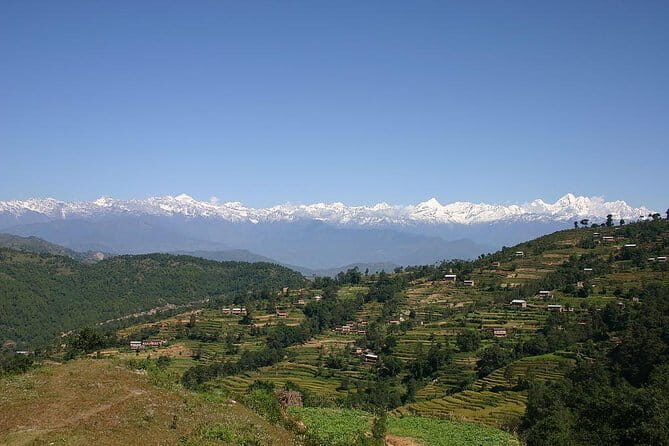
Day 11 brings a long and difficult hike as you move back toward Namche, with some trail decline and uphill stretches. The itinerary notes restoration of forests and flora revitalizing the scenery. That’s a quiet benefit: as you drop in altitude, the world looks different in a way your body can feel.
Day 12 is the final hiking day in the mountains, returning to Lukla for a night and then resetting for Kathmandu travel. You’ll fly back when scheduled, depending on flight availability and weather.
Day 13 includes the transfer back to Kathmandu by flight (or to Manthali Airport) and then time to shop before the trip wraps up. You’ll also have a reminder that Nepal is more than the mountain: this is the moment to pick up small gifts that you’ll actually bring home, not just souvenirs you’ll leave in a drawer.
Day 14 is straightforward: a staff member takes you to the airport about three hours before departure. It’s a nice finish. You don’t need to invent your own transport plan on the last day.
What’s included in the $2,200 price (and what isn’t)
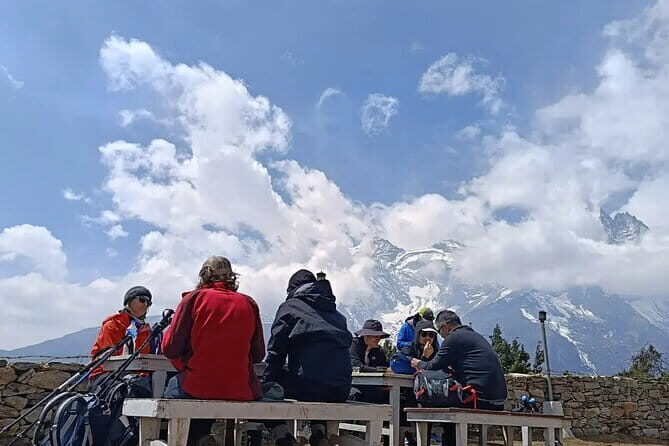
Let’s talk value, because Everest trekking pricing can get confusing fast.
For $2,200 per person, the included pieces that matter most are:
- Private airport pickup and drop-off in Kathmandu
- Domestic flights between Lukla and Ramechhap/Manthali (listed as LUK-RMH-LUK) plus airport tax
- 2 nights in Kathmandu at a 3-star hotel (twin sharing, breakfast included)
- Meals during the trek: breakfast, lunch, and dinner
- Permits: Sagarmatha/Everest National Park and TIMS
- Licensed trekking guide plus porter support (one porter shared by two clients)
- Farewell dinner in a typical Nepali restaurant
- An achievement certificate after completing the trip
- Staffing costs and related taxes/office service charges
What’s not included, and you should plan for:
- Nepal entry visa fee
- Your international airfare and international airport departure tax
- Travel insurance, specifically including high-altitude emergency evacuation coverage
- Personal trekking gear
- Lunch and dinner in Kathmandu
- Extras like hot shower, WiFi, bar items, and drinks (the itinerary explicitly notes alcohol, mineral water, hot water, and coffee are not included)
- Tips for your guide, porter, and driver
In plain terms: you’re paying for structure. That structure is where local companies like Eco Nepal Trekkers often win—organization, permits sorted, guide and porter in place, and food handled. If you’re someone who hates last-minute scrambling, this kind of “everything handled” package usually feels like money well spent.
Who should book this Everest Base Camp trek (and who should rethink)
This trek is aimed at people with moderate physical fitness. The route includes multiple steep and long walking days, plus strenuous early starts (notably Kala Patthar). If you’re new to trekking at elevation, this can still work, but only if you follow the acclimatization days and don’t treat the plan like a personal challenge.
It’s also a smart choice if you want a private tour with only your group (minimum 2 travelers). That usually makes pacing easier because you aren’t fighting for oxygen and elbow room with strangers. Also, porter sharing can make a big difference to your comfort if you pack smart.
One caution: the altitude does not care how strong you feel at home. Build in patience. If you’re prone to rushing, this itinerary will teach you otherwise, fast.
Should you book this 14-day Everest Base Camp trek with Eco Nepal Trekkers?
If you want a classic Everest Base Camp experience with solid support, this is the kind of plan I’d point you toward. The included package covers the stuff that tends to trip people up—permits, licensed guidance, porter help, Kathmandu lodging, and trek meals. Past feedback also highlights organization and customer care, plus customization by owner Pemba Tamang and assistance from guide Prayash, which is a good sign for how they handle real-world issues.
Book it if:
- you like clear structure and don’t want to juggle permits and meal plans
- you can handle a few difficult hiking days and early starts
- you want the Everest View Hotel and Tengboche monastery moments without cutting acclimatization corners
Skip it (or at least talk to your doctor first) if:
- you’re not confident about moderate fitness over many steep days
- you’re relying on cheap gear or no layers for cold mountain nights
- you don’t have travel insurance planned with high-altitude emergency evacuation coverage
If you’re ready for effort, this trip gives you the right mix of challenge and reward in one of the most famous places on Earth.
FAQ
How much does the Everest Base Camp trek cost?
The price is listed as $2,200.00 per person.
How long is the trek?
The duration is 14 days (approx.).
Do you get airport pickup and drop-off in Kathmandu?
Yes. The trip includes airport pick up and drop off via private vehicle.
Are flights included to get to and from the trekking area?
Yes. Domestic flight ticket is included as LUK-RMH-LUK, along with domestic airport tax.
What accommodation is included in Kathmandu?
You get 2 nights in a 3-star hotel in Kathmandu on a twin sharing basis with breakfast.
Is a guide and porter included?
Yes. An experienced, government-licensed trekking guide is included, and a porter is available. The porter arrangement is 1 porter assigned to two clients.
Are meals during the trek included?
Yes. The trip includes breakfast, lunch, and dinner during the trek.
What is the highest point on the trek?
The itinerary lists Kala Patthar at 5,545 meters.
Do I need travel insurance?
Travel insurance is not included, and it specifically notes you should have high-altitude emergency evacuation coverage.
Can I cancel and get a refund?
You can cancel up to 6 days in advance for a full refund. For a 50% refund, cancel 2–6 days before the start. Less than 2 days before the start is not refundable.