REVIEW · POKHARA
Independent Trekking Guide in Pokhara
Book on Viator →Operated by Trekking Guide in Pokhara · Bookable on Viator
A good trek plan starts with the right guide. This private Annapurna-region trekking service in Pokhara helps you choose a route that fits your ability and goals, then takes care of the busy work like permits, transport, and tea-house logistics.
I really like that you get a private, group-only trek setup (up to 8 people), so your plan can stay flexible instead of forcing everyone into a preset schedule. I also like the added photography angle: the guide, Roshan, is a Ministry of Tourism trekking guide trainer and brings photo gear so you can learn as you walk.
The main thing to consider is cost clarity: the $50 is for 1 day only, not the entire trek. On top of that, your food, lodging, permits, and transport may be extra unless you book the full package.
In This Review
- Key takeaways
- Why This Guide Service in Pokhara Works Better Than DIY
- Choosing Your Annapurna Trek: Flexibility Without Guesswork
- Price and Logistics: What You’re Actually Paying For
- The Gear You’ll Get (And Why It Matters on Trail)
- Your 5-Day Trek, Broken Into Real Phases
- Day 1: Meet in Pokhara and lock in the plan
- Day 2: Transport out to the trail start and first tea house night
- Days 3–4: Main trekking days with built-in support
- Day 5: Finishing up and returning with your trek notes (and photos)
- What to Pack and What to Expect From a Tea House Trek
- The Human Factor: Roshan’s Teaching Style and Photo Help
- Who This Trek Guide Is Best For
- Should You Book This Pokhara Trekking Guide?
- FAQ
- FAQ
- What time does the trekking guide service start?
- Is pickup available in Pokhara?
- How big is the group for this private experience?
- What does the $50 price include?
- Can you change to a different trek after booking?
- Does the guide organize permits and transport?
- Are food and accommodations included?
- What gear does the guide provide?
- Are porters available?
- Do I need trekking insurance?
- What happens if weather is bad?
Key takeaways
- Tailored trek selection based on your details, so you’re not guessing between Annapurna options
- The guide handles permits, transport, and tea-house planning, which saves real time and stress
- Private group setup (only your group), with flexibility on trekking days
- Gear support includes trekking poles, a sleeping bag, rain ponchos, and head lamps
- Photography coaching with binoculars and a Canon 5D Mark IV carried by the guide
- Porters are available for extra cost, up to 20 kg per porter
Why This Guide Service in Pokhara Works Better Than DIY
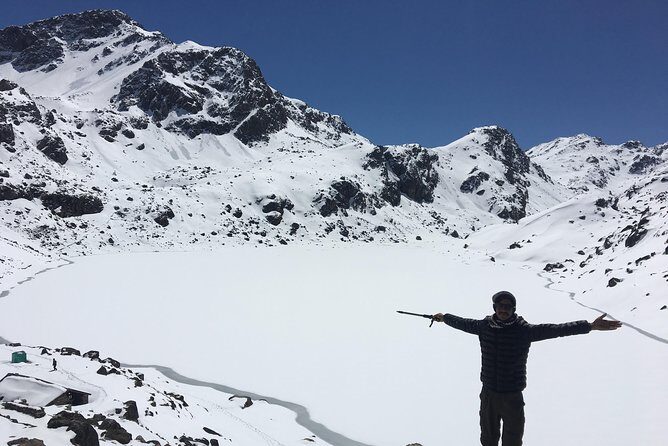
Pokhara is a great base for trekking, but “great base” can also mean “so many choices.” If you don’t want to spend days comparing routes, chasing permits, and figuring out transport, hiring an independent guide is the cleanest path. You’ll get an experienced person who can help you decide on the prefect trek (their word) for your group and then coordinate the pieces that usually eat up your time.
Two things make this style of guiding feel practical. First, it’s private—you’re not sharing the experience with strangers or getting dragged into someone else’s fitness level. Second, the service is built around planning + paperwork + daily trekking logistics. That means you show up, hike, and enjoy the views without constantly thinking about the next admin step.
One more real-world point: the guide says they’re prepared “to the highest extent possible” for safety, and they provide core gear like rain protection and head lamps. That matters in Nepal, where weather can change quickly and trail conditions can be dark and wet.
You can also read our reviews of more guided tours in Pokhara

Choosing Your Annapurna Trek: Flexibility Without Guesswork
The heart of this experience is the matching process. If you’re confused about which trek to do, the guide recommends the best option after learning your details. That’s a big deal because “Annapurna trek” can mean very different hiking rhythms, comfort levels, and daily distances. You’ll avoid the common trap of choosing a route that sounded good on paper but doesn’t fit your ability or your preferred pace.
Here’s how the flexibility tends to work:
- You can book a trek, then later change to a next one (or cancel for free) after contacting the provider.
- You can also book a full package trek that bundles guide + porters + food + accommodation + transport + trekking permits.
- Trekking days are your choice. In other words, you can scale the experience up or down instead of being locked into a fixed-length schedule.
Also, where you start depends on the trek. For Annapurna Circuit, Langtang & Gosaikunda, the guide offers pickup from Kathmandu. For other treks, they start from Pokhara—which fits this service’s theme. So when you’re planning, it helps to tell the guide what you want to focus on (short and sweet, a longer acclimation-style trek, or a specific region).
Price and Logistics: What You’re Actually Paying For
Let’s talk money in plain terms, because this is where travelers often get surprised.
- The listed price is $50 per group (up to 8).
- The guide clarifies that the price mentioned is payment for 1 day only, not the full trek.
So what does that mean for you? If your trek takes 5 days, you should expect that the $50-day rate applies across the trekking days (unless your booking is structured differently). Then you may also pay additional costs depending on whether you choose:
- A-la-carte guidance (where your trekking permits/tickets/transport and your food and accommodations aren’t included), or
- A full package booking (where those items can be included, up to a group of 50 pax).
On top of that:
- Porters are available for extra charge at USD 20 per porter per day, and they help carry up to 20 kg of luggage.
- Your trekking insurance is not included (and you’re asked to arrange it yourself).
This guide model can be great value if you want control over your lodging choice and daily pacing, and you don’t mind managing some logistics yourself. It’s even better value if you choose the full package, because it consolidates most of the hard parts—permits, transport, lodging, food—into one plan.
The Gear You’ll Get (And Why It Matters on Trail)
Packing for trekking in Nepal is not just about warmth. It’s about rain, darkness, and keeping your energy for walking. This service includes a few items that meaningfully reduce your packing stress:
- Trekking poles
- Sleeping bag
- Pair of rain ponchos (this is huge for wet paths and unexpected downpours)
- Head lamp
That list is practical because it targets the most common discomfort points. Poncho + head lamp is a combo that helps you stay moving and safe even when afternoons get gloomy or weather turns.
If you’re also the type who likes taking photos, you’ll appreciate the added equipment. The guide carries:
- Bushnell 8×21 binoculars
- A Canon 5D Mark IV with a scenery lens
Even if you bring your own camera, using binoculars on the trail can help you spot ridgelines, distant peaks, and composition opportunities before you pull out the lens.
Your 5-Day Trek, Broken Into Real Phases
The experience duration is listed at about 5 days, but your guide is clear that trekking days are up to you. Since there’s no one fixed itinerary spelled out here, think of this as the way your trek typically flows when your guide is handling the logistics and you’re choosing the length.
You can also read our reviews of more hiking tours in Pokhara
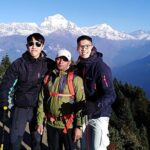
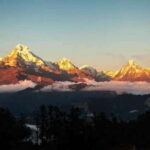
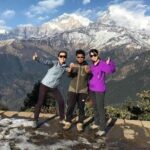
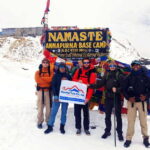
Day 1: Meet in Pokhara and lock in the plan
You start at 8:00 am at the meeting point (and pickup is offered). This first day is about decision-making and setup. Your guide will learn your details and recommend the best trek option for your group, then outline how permits, transport, and lodging will work.
What’s valuable here is that you’re not stuck with a “you must do X” pitch. You get a plan you can talk through early—before you’re already on the trail.
Possible drawback: if your group arrives without clear expectations (fitness level, how many walking hours you want, photo goals, how comfortable you are with weather), the decision-making may take longer. The fix is simple: come ready with a few answers.
Day 2: Transport out to the trail start and first tea house night
Next comes the transport portion your guide coordinates. You’ll move from Pokhara toward the trail start area, then begin hiking at your chosen pace.
Tea houses are part of the trekking rhythm here. The guide arranges lodging and fooding in tea houses on the trails, which means you’re not scrambling for a place to sleep after a long day of walking.
If you care about comfort, ask your guide how they’re choosing tea houses and whether there are any preferences within the route they recommend. They mention “best tea houses,” but it still helps to clarify what best means to you.
Days 3–4: Main trekking days with built-in support
These are the days where your group’s pace and the route choice really show. Because this is private, you can keep breaks reasonable and adjust timing when the weather changes.
The safety angle is part of why this setup is worth it. The guide emphasizes preparation for safety and provides essential gear like rain ponchos and head lamps. That’s especially helpful in shoulder-season conditions or when evenings turn cold and visibility drops.
Also, if you’re into photography, this is when the guide’s trainer background becomes more than a marketing line. They can provide photos and explanations tied to your interests—things like how to think about natural and cultural elements, geography, and what to look for when you’re composing shots.
One thing to remember: photo stops can slow a hike if the group isn’t aligned. If you want lots of picture time, tell the guide early so they can shape the pacing.
Day 5: Finishing up and returning with your trek notes (and photos)
On the final day, your guide handles the wrap-up—getting you back through the planned transport and closing out the logistics. If you booked the guide plus full support, this is also when permits and lodging coordination are already handled end to end.
This last phase is often underrated. A good guide doesn’t just get you to the trail; they help you transition smoothly back to normal life in Pokhara with less stress and fewer loose ends.
What to Pack and What to Expect From a Tea House Trek
The service includes key gear, but you’ll still need your personal items. Plan for Nepal trekking basics like layers, footwear you trust, and rain layers (though you’ll have ponchos from the guide).
Tea houses bring a different pace than hotels. Expect simple rooms, shared dining spaces, and meal choices that are tailored to hikers who need fuel for walking. The guide’s promise is that they’ll arrange food and accommodation in tea houses along the trails—either directly as part of a full package or by organizing it if you’re booking guidance only.
Weather is a real factor. The experience is described as requiring good weather, and if it’s canceled due to poor conditions, you’ll be offered another date or a full refund. That’s not a small detail; mountain days can change fast, so keep your schedule flexible if you can.
The Human Factor: Roshan’s Teaching Style and Photo Help
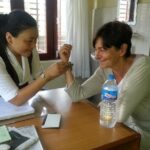
One review response credits the guide by name—Roshan—and that’s telling. The praise focuses on more than just route knowledge. It points to the way he looked after the group and went above and beyond, plus the teaching aspect—he shared what he knew and showed people along the way.
That matches what the service description claims: Roshan is a landscape photographer and trekking guide trainer from Nepal’s Ministry of Tourism, Nepal, with produced 100s of trekking guides. In practice, that usually translates to two benefits:
- you get clearer explanations during the hike, not just a checklist of locations
- you get a better shot at learning how to see and photograph what you’re walking through, based on your interest
If you want a trek that feels like a conversation—guided, explained, and supported—this is a strong fit.
Who This Trek Guide Is Best For
This works especially well if you:
- want a private Annapurna-region trek instead of a group tour
- need help choosing between treks and tailoring the pace to your group
- prefer outsourcing permits and daily logistics
- care about photography and enjoy learning while you hike
It’s also a good option for groups up to 8, since the price is per group and not per person. If you’re traveling with friends, this is an efficient way to keep things personal.
The guide also notes a moderate physical fitness level requirement. So if you’re fairly active and comfortable with multi-day trekking, you’re in the right zone. If anyone in your group is on the edge, tell the guide your concerns early so the route recommendation can reflect that.
Should You Book This Pokhara Trekking Guide?
If you want a trek that’s planned around your group—fitness, interests, pacing—this is a solid buy. The value isn’t just that you get a guide; it’s that you get someone to manage the details that usually steal your time: permits, transport coordination, tea-house logistics, and the daily “what now” questions. With Roshan, you also get the added bonus of a trainer’s teaching style and photo help.
Book it if you’re comfortable with the fact that $50 is per day and that permits/food/lodging/transport may cost extra unless you choose the full package. If you want a fully bundled, predictable price, ask directly whether you’re booking the full package or guide-only support.
FAQ
FAQ
What time does the trekking guide service start?
The start time is 8:00 am.
Is pickup available in Pokhara?
Yes, pickup is offered.
How big is the group for this private experience?
It’s a private tour/activity, and the group price is listed for up to 8 people.
What does the $50 price include?
The price is listed as $50 per group, and the guide notes that the price mentioned is for 1 day only, not the whole trek. The description also notes that food, accommodation, permits, and transportation may be extra unless you book a full package.
Can you change to a different trek after booking?
Yes. The guide says you can book a trek and later change to a next one or cancel for free after we contact.
Does the guide organize permits and transport?
Yes. The guide says they will organize permits and transport. They also note these can be included in a full package booking.
Are food and accommodations included?
Food and accommodation are not listed as included unless you book the full package. The included section specifies food and accommodation for the guide, while your food and accommodations can be added in the package.
What gear does the guide provide?
The guide provides trekking poles, a sleeping bag, rain ponchos, and a head lamp.
Are porters available?
Yes. Porters are available for an extra charge of USD 20 per porter per day, and they can help carry up to 20 kg.
Do I need trekking insurance?
Yes. Trekking insurance is not included, and you should arrange it yourself.
What happens if weather is bad?
The experience requires good weather. If it’s canceled due to poor weather, you’ll be offered a different date or a full refund.