REVIEW · POKHARA
Pokhara: 4-Day Poon Hill and Ghandruk Guided Trek
Book on GetYourGuide →Operated by MTA Trekking Pvt. Ltd. · Bookable on GetYourGuide
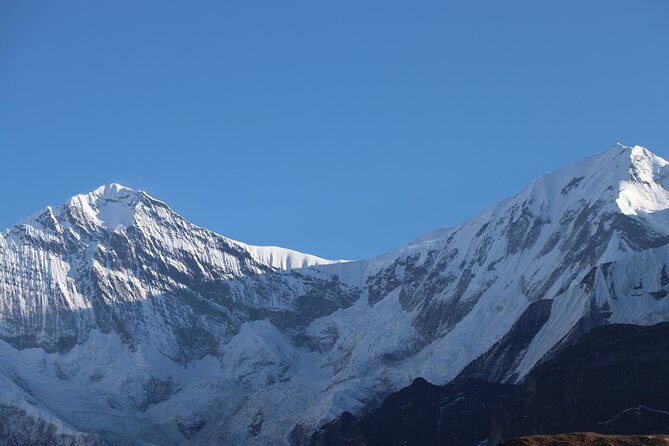
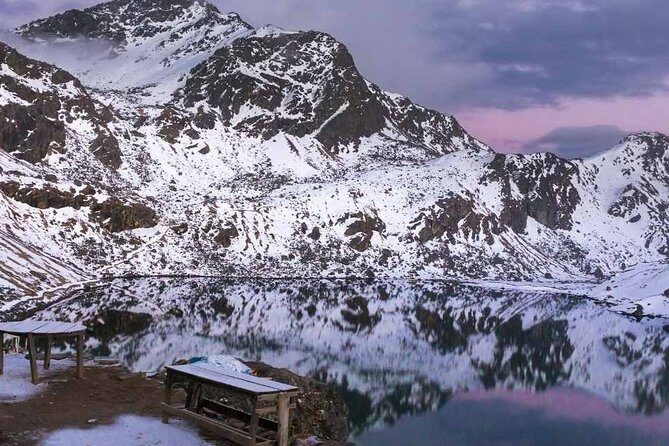
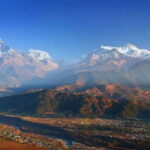
Four days, two sunrises, and Annapurna close up. On this guided hike from Pokhara, you target the Poon Hill sunrise at about 3,210m and finish in the Ghandruk village heart of the Annapurna region. The route is short enough to fit many travel plans, but it still delivers that classic Himalayan wow—mountain views, tea-house nights, and real village life.
What I like most is how much the trek is about people, not just peaks. The local licensed guide keeps things moving and helps you handle the practical bits, like timing the early start for sunrise and making sense of village routes and tea-house stops. I also love the balance of hard walking and easy moments: river views near the start, rhododendron forests, then a slower day for Ghandruk culture at the end.
The main drawback is simple: you’ll climb a lot of steps, especially early on. If your knees are touchy, or if you hate steep switchbacks, plan for extra breaks and slow pacing—this is still a real trek, even though it’s only four days.
In This Review
- Key Takeaways Before You Go
- Why This 4-Day Poon Hill Trek Feels Worth Your Time
- Day 1: From Pokhara Through Nayapul to Ulleri’s Stair Climb
- Day 2: Ulleri to Ghorepani with Rhododendron Forest Walking
- Day 3: Poon Hill Sunrise at 3,210m and the Long Walk into Ghandruk
- Day 4: Ghandruk Village Time, Traditions, and the Return to Pokhara
- Guides Make This Trek Easier: Pacing, Care, and Photo Help
- Tea Houses, Meals, and What “Included” Actually Buys You
- Price and Value: What $226 Per Person Covers
- Altitude and Effort: A Short Trek Still Demands Respect
- Best Season for Rhododendrons and Clear Views
- Practical Packing Notes for This Exact Trek Style
- Should You Book This Poon Hill and Ghandruk Guided Trek?
- FAQ
- How long is the trek?
- What is the highest altitude you’ll reach?
- Is this a private group trek?
- Does the guide speak English?
- What’s included in the price?
- What should I bring since trekking equipment is not included?
- When is the best time to go?
- Is free cancellation available?
Key Takeaways Before You Go
- Poon Hill at dawn: a short, high-impact sunrise mission that anchors the whole trip
- Rhododendron walking: spring routes can be especially good for blooming forests (March–May)
- Ghandruk and Gurung culture: village time includes traditions and food/costume experiences
- Private guide support: your pace and timing are easier to manage with a guide who’s paying attention
- Permits handled: TIMS and required trekking permits come with the full package
Why This 4-Day Poon Hill Trek Feels Worth Your Time
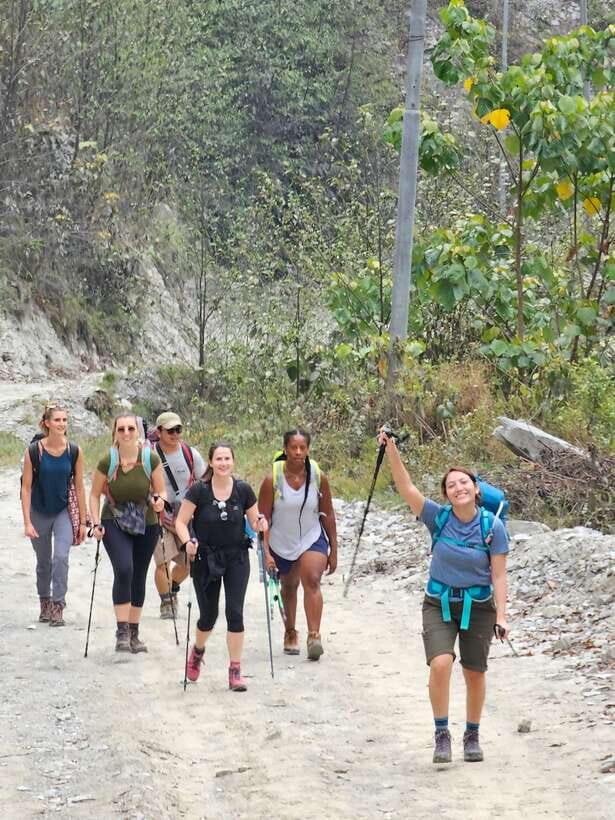
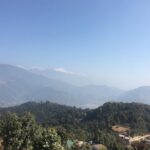
If you’re trying to see the Annapurna region without signing up for a long expedition, this trek hits a sweet spot. You’re in the high hills early, with the big sunrise moment at Poon Hill, then you finish in Ghandruk, a village where you can actually slow down and notice daily life.
The value here isn’t only the views (though, yes, the views are the headline). It’s the shape of the trip: you get multiple “feel” changes—riverside walking, step-heavy ascent, forest sections, then a cultural village finish. Even on a short timeframe, you’re not stuck repeating the same trail mood all day.
And because it’s a private group with an English-speaking guide, you avoid the awkward pacing mismatch you sometimes get on larger group treks. Your guide can nudge you to start when it matters (sunrise), slow down when your body needs it, and help with the decision calls that come with tea-house trekking.
You can also read our reviews of more guided tours in Pokhara

Day 1: From Pokhara Through Nayapul to Ulleri’s Stair Climb
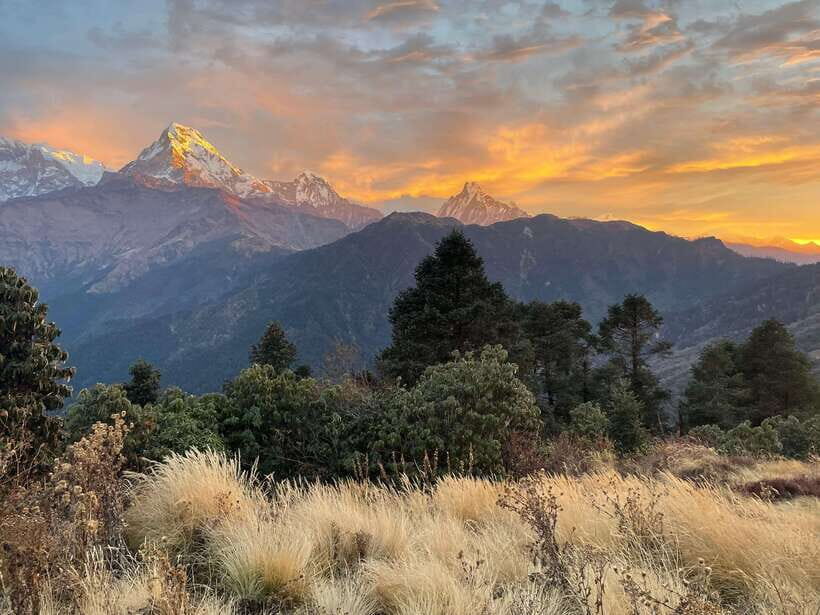
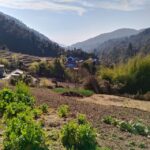
Day one starts in Pokhara with transportation that brings you to Naya Pul for a fresh trekking start. You then walk along the Modi River, which is a nice way to ease into things: you’re moving, you’re outside, and you get early impressions of the Annapurna foothills.
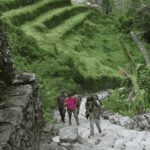
After that, the day’s big work is the climb—lots of steps up toward Ulleri. This part matters more than it sounds. In a short trek, the first day sets your rhythm for the whole trip. If you go out too fast, the rest of the week can feel harder than it needs to.
What to aim for:
- A steady, slow pace you can hold for the full climb
- Frequent micro-breaks (stand, breathe, water) rather than long stops that cool you down
- Breath control over speed
By the end of the day, you’re in Ulleri and relaxing at a tea house. That’s where the trek starts to feel like a proper Nepal rhythm: simple meals, quiet evenings, and the sense that you’re living inside the trail loop rather than just passing through.
Day 2: Ulleri to Ghorepani with Rhododendron Forest Walking
The second day is more step climbing, but it adds variety. The route passes through areas known for rhododendron forests, and this is especially promising in spring (March–May) when blooms can turn the trail into a color show. Even when flowers aren’t happening, rhododendron areas tend to feel more shaded and “hike-friendly” than exposed stretches.
This day also gives you something I think many people underestimate: practice. You learn what your legs want after a full day of steps, and you build confidence for the next day’s early wake-up.
You end in Ghorepani with another tea-house night. Ghorepani is basically the practical hub for the Poon Hill sunrise move—so getting comfortable here helps. Sleep may not be perfect (mountain air and altitude can do that), but the guide’s job is to keep you organized so sunrise doesn’t turn into stress.
Day 3: Poon Hill Sunrise at 3,210m and the Long Walk into Ghandruk
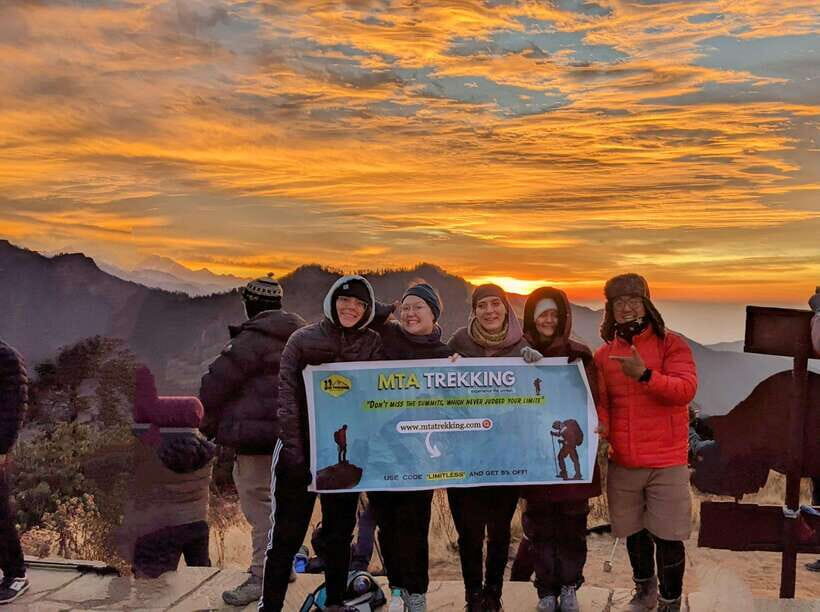
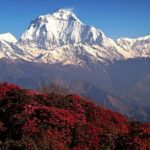
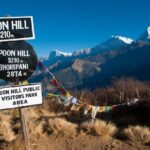
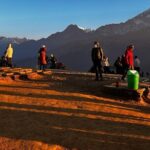
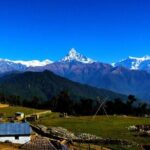
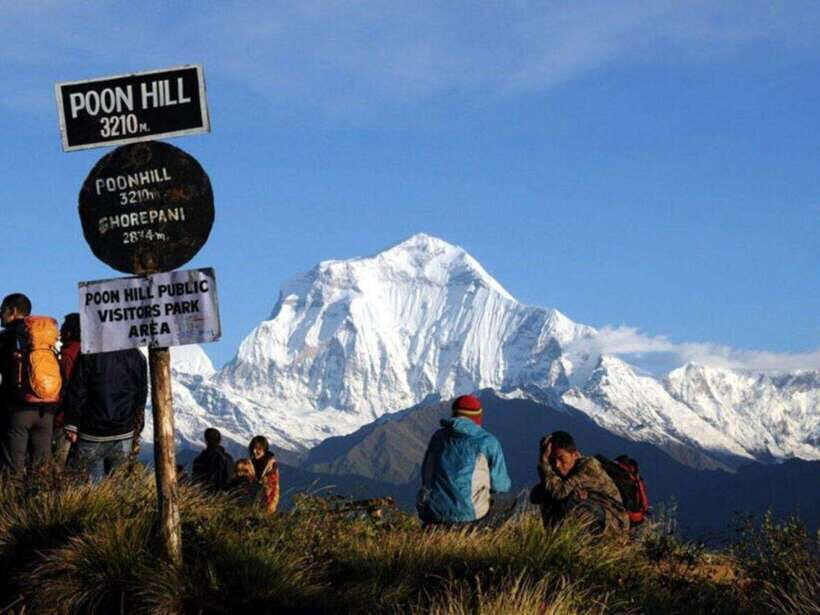
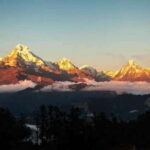
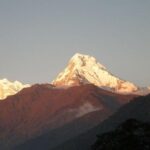
This is the day people book for. You wake up early for the sunrise at Poon Hill, then continue onward to Ghandruk. The sunrise part is only a couple of hours, but it does a lot of emotional work. You’re at a viewpoint where the Annapurna range and Dhaulagiri are both part of what you’re looking for, and the sky timing makes it feel like the mountains are putting on a show just for you.
Because it’s early, dress smart. Cold air at dawn on a Himalayan ridge is no joke, even when the sun is strong later. Bring layers you can peel off quickly once you’re standing there watching the sky change.
After sunrise, you hike to Ghandruk. This is also the day that reminds you you’re on a trek, not a sightseeing tour. The walk is long, and the pace matters. You’ll be tired by the time you arrive, so fuel early and don’t skip a proper breakfast when offered.
When you get to Ghandruk, the mood shifts. Instead of sunrise scramble energy, you’re entering a village atmosphere—smaller streets, homey tea-house spaces, and the feeling that you’ve arrived at somewhere with a real identity.
Day 4: Ghandruk Village Time, Traditions, and the Return to Pokhara
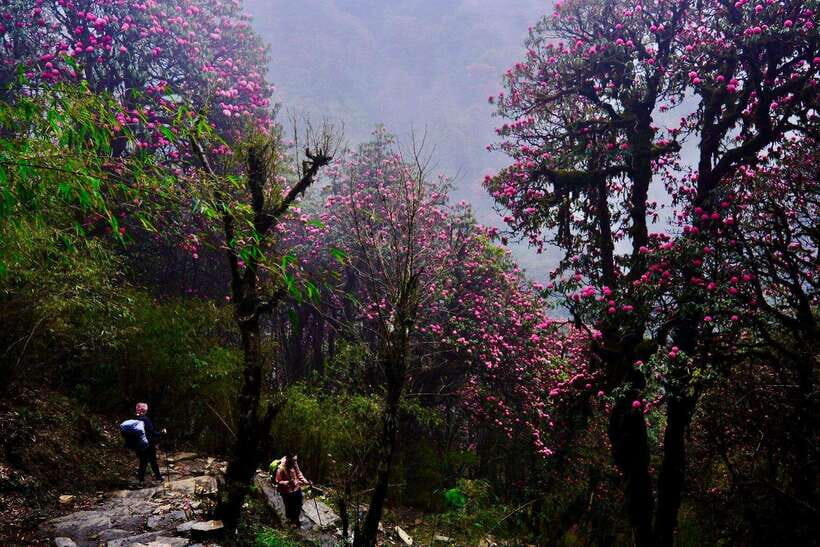
Day four is more relaxed in structure. You spend time exploring Ghandruk and its traditions, including a guided tour component that helps you understand what you’re seeing rather than just snapping photos and moving on.
Then you walk back toward Naya Pul and take the drive back to Pokhara. The car ride is part of the payoff. After a week of stair-climbing in your muscles, the transfer back lets you decompress and turn the experience into memories instead of soreness.
This last day is also where I think the “guided” part matters most. Ghandruk isn’t just a backdrop; it’s a Gurung community with cultural patterns you can notice when your guide points them out in plain language. You get time for culture without rushing.
You can also read our reviews of more hiking tours in Pokhara
Guides Make This Trek Easier: Pacing, Care, and Photo Help
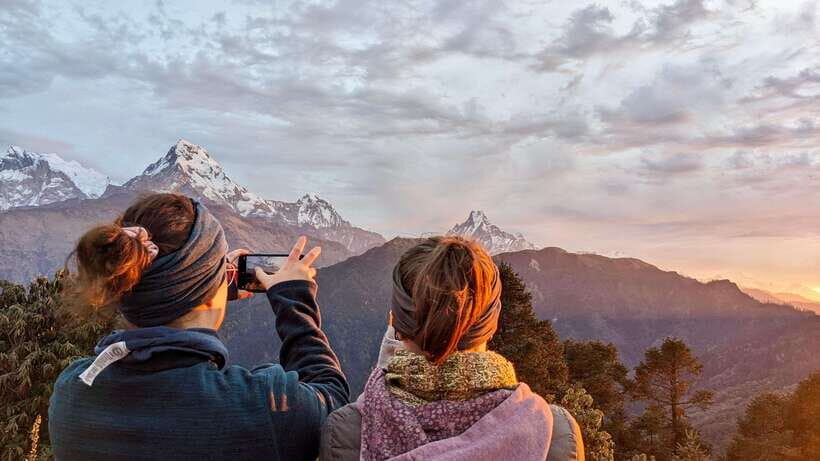
A short trek has less room for mistakes. That’s why guide quality is not a minor detail.
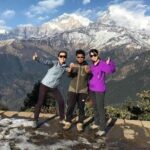
From the way the guides are discussed in the experience notes, three names come up often: Prabit, Ramit, and Sishir. They’re described as attentive and supportive, with a knack for keeping pacing right. In particular, Ramit is noted for timing that keeps you from burning out too early, and Prabit is mentioned as helpful with more than logistics—one standout detail is that he’s also a great photographer, so you might end up with better group shots than you planned.
Here’s what that means for you in real life: you’re less likely to get stuck in the wrong tea house line, less likely to scramble when sunrise timing hits, and more likely to keep walking at a comfortable effort level.
If you’re booking with any trekking company for the first time, this is the kind of trek where the guide can make you feel like you know what you’re doing.
Tea Houses, Meals, and What “Included” Actually Buys You
The full package includes accommodation and meals during the trek, plus round-trip transportation, a local licensed guide, and permits and TIMS. That matters because it removes the “budget math” that can mess with a trip.
Tea-house trekking usually means meals are simple but reliable, and your biggest decision is what to eat and when. Since your days include long walking and an early wake-up, you’ll want:
- A hearty breakfast before big walking hours
- Enough fluids even when it feels cool
- Something warm in the evening to help your body reset
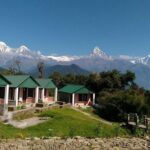
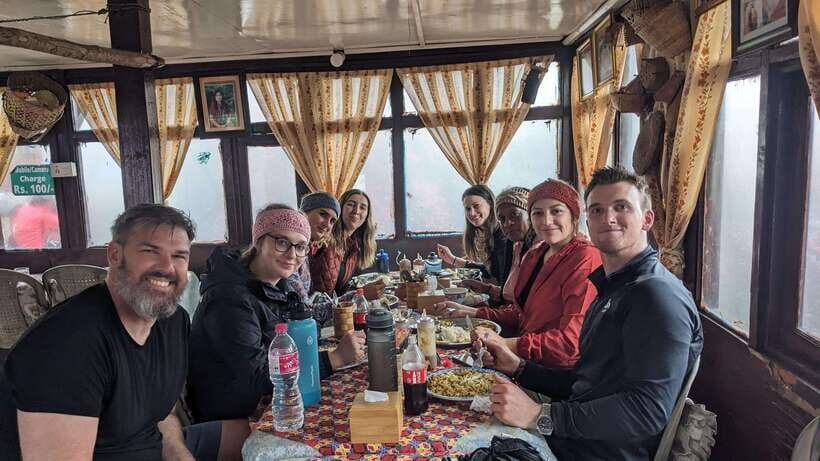
You’ll also want to think about your expectations. Tea houses are practical, not luxury. The win is the atmosphere: quiet rooms, mountain nights, and the sense that you’re part of the trail community for a few days.
Price and Value: What $226 Per Person Covers
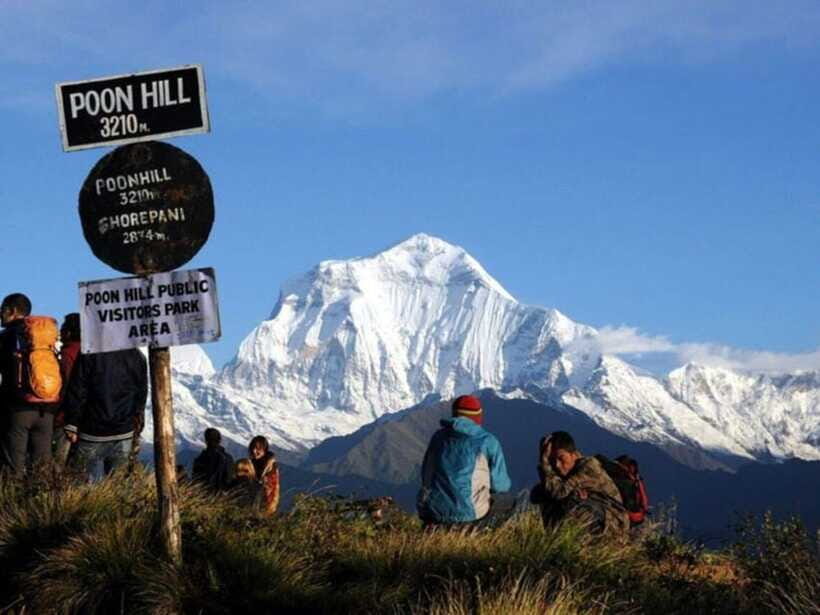
At $226 per person for a 4-day guided trek, the price is best understood as “organized trail time.” This isn’t just a route; it’s the combination of transport from Pokhara, guide work, tea-house stays and meals (for the full package), and the administrative side via TIMS and permits. Emergency rescue assistance is also included.
So where’s the value? You’re paying for:
- Reduced planning stress (permits and trail logistics are handled)
- A guide who can match pacing to your group
- Built-in trek meals and overnight stays
- Transportation to and from the trailhead
What you still pay for is mostly your personal side: your trekking gear and any personal expenses if something unexpected happens. In other words, you don’t need to plan the whole system, but you do need to pack like a trekker.
If your goal is to “do the big hits” (Poon Hill sunrise plus Ghandruk culture) in a short window, this is a fair way to buy time and certainty.
Altitude and Effort: A Short Trek Still Demands Respect
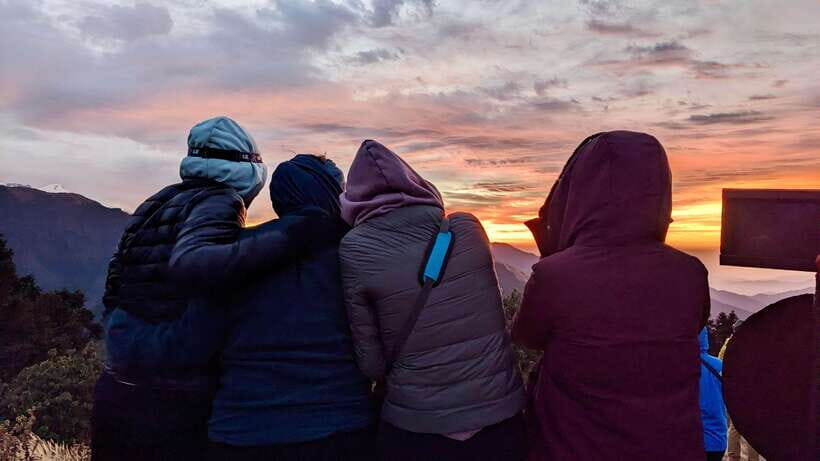
The trek places you around 3,210m for the Poon Hill sunrise viewpoint. Even though this isn’t a multi-week altitude program, you should still take it seriously.
How to keep it reasonable:
- Walk slower than your ego wants
- Stop when you need to, even if it feels like you should push
- Drink water steadily
- Treat the first day’s steps as the start of a pattern, not a sprint
This is also why the early sunrise day can feel intense. Cold air, early hours, and a long day later means your body needs a little help. If you’re prone to headaches or nausea at altitude, tell your guide early so they can adjust the pace.
Best Season for Rhododendrons and Clear Views
Timing is part of the experience here.
- Spring (March–May) is highlighted for rhododendron blooms, which can make the trail feel more alive and colorful.
- Autumn (September–November) is known for clear skies, which matters a lot for sunrise visibility and mountain contrast.
If you can choose, I’d base the decision on what you want most:
- Want color and forest vibe? Go spring.
- Want crisp, visible peaks? Go autumn.
Practical Packing Notes for This Exact Trek Style
Your route is short but step-heavy, with tea-house nights and a dawn sunrise viewpoint. That means you’ll want gear that works for:
- uphill days with lots of steps
- cold early mornings
- simple tea-house evenings
The important part: since personal trekking equipment isn’t included, don’t assume the basics will be provided. Even if the guide handles logistics, you still need your own shoes, layers, and daily trekking essentials.
If you want one guiding principle: pack for motion first, then warmth. It’s easier to add a layer than it is to walk comfortably when your feet and legs are unhappy.
Should You Book This Poon Hill and Ghandruk Guided Trek?
Yes—if you want a focused Nepal trek that hits the classics in a short time.
Book it if:
- You want Poon Hill sunrise without committing to a long trek
- You care about Ghandruk village culture and not just the view
- You prefer a guided, private experience with permits and key logistics handled
- You’re okay with step climbing and want a manageable challenge
Skip it (or think carefully) if:
- Your knees struggle on steep stair routes and you can’t slow your pace
- You’re expecting a totally relaxed walk every day
This trek is a good fit for first-time trekkers who want real Himalayan payoff and a real village ending. It’s also ideal for people who are already in Nepal and want an efficient, well-organized way to experience the Annapurna region without guesswork.
FAQ
How long is the trek?
The experience runs for 4 days.
What is the highest altitude you’ll reach?
Poon Hill is the key high point, with the trek reaching around 3,210m.
Is this a private group trek?
Yes. The group is private.
Does the guide speak English?
Yes. The live tour guide provides English.
What’s included in the price?
Included items are round-trip transportation, a local licensed guide, accommodation and meals during the trek for the full package, emergency rescue assistance, and permits including TIMS.
What should I bring since trekking equipment is not included?
Personal trekking equipment is not included, so you’ll need to bring what you require for comfort and safety on a short mountain trek.
When is the best time to go?
Spring (March–May) is best for rhododendron blooms, and autumn (September–November) is best for clear skies.
Is free cancellation available?
Yes. You can cancel up to 24 hours in advance for a full refund.