REVIEW · POKHARA
10 Days Private Guided Annapurna Basecamp Trek via Poon Hill
Book on Viator →Operated by MTA Trekking · Bookable on Viator
Himalaya mornings start at Poon Hill. This 10-day private guided trek strings together the classic sunrise viewpoint, Rhododendron-and-terrace village walking, and a big finish at Annapurna Base Camp (4,130 m / 13,550 ft). It also ends with a real reward: a soak at Jhinu Danda hot spring after days of stone steps.
I love how the itinerary gives you the best kind of variety: steep climbs (hello, Ulleri steps), slower village stretches, and then the big “wow” moment at base camp. I also like that you get timed views on multiple days, not just one lucky morning—Poon Hill sunrise plus mountain-sunset/sunrise moments near base camp.
One consideration: the package does not include a porter. That doesn’t mean you can’t do it (plenty of people do), but it does mean you’ll want a smart packing plan and a willingness to carry your own day-to-day load.
In This Review
- Key Highlights You’ll Feel on the Trail
- Entering the Annapurna Circuit: Why This Route Fits So Well
- Poon Hill Sunrise: The 5:30 a.m. Wake-Up That’s Worth It
- Ulleri to Ghorepani: Steps, Forests, and Village Life That Moves at Trek Speed
- Chhomrong and the Suspension Bridge: Where the Views Start Getting Serious
- Deurali and Hinku Cave: A Day That Feels Like You’re Walking Through a Mountain Engine Room
- Up to Annapurna Base Camp: The Modi Khola Valley and the Big Peak Moment
- Jhinu Danda Hot Spring: Your “Don’t Touch My Legs” Day
- Price and What $800 Actually Buys You
- Pace, Fitness, and the Reality of Altitude Days
- Guides and Service: What Good Feels Like on a Long Trek
- Who This Trek Best Suits (and Who Might Want Another Option)
- Should You Book This Private Guided Annapurna Basecamp Trek via Poon Hill?
- FAQ
- Where does the trek start from?
- Is pickup offered?
- Is this a private trek?
- Do I get to see Poon Hill sunrise?
- What are the altitude highlights?
- Are meals included?
- Is the hot spring included?
- Are trekking poles included?
- What’s not included?
- What level of fitness do I need?
- If I need to cancel, is there a refund?
Key Highlights You’ll Feel on the Trail
- Poon Hill sunrise, on purpose: you start the day early for sunrise in the window of about 5:15–6:15 a.m.
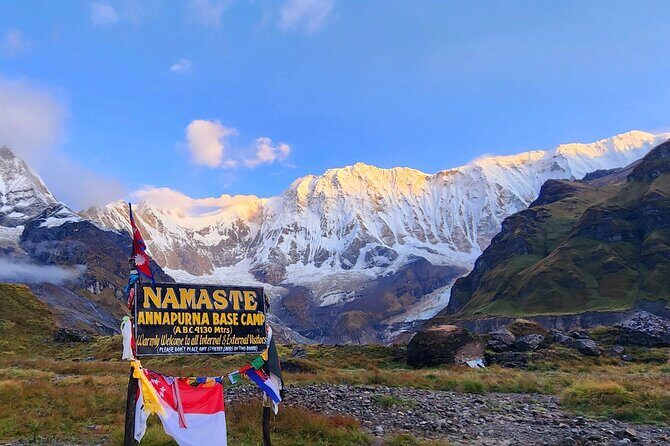
- Annapurna Base Camp payoff: you reach 4,130 m and get big glacier-and-peak views on the hike in.
- Stone steps are real: Day 1 to Ulleri includes an ascent of over 3,000 steps.
- Classic village route: Ulleri, Ghorepani, Chhomrong, and Deurali give you a grounded trekking experience, not only mountain scenery.
- Hot spring recovery day: Jhinu Danda hot spring is included so your legs get a proper reset.
- Private means your group sets the rhythm: it’s just your party, with pickup and a guide managing the flow.
Entering the Annapurna Circuit: Why This Route Fits So Well
This is one of the smarter versions of the Annapurna adventure because it combines two famous goals without feeling like you’re racing. You get Poon Hill for sunrise drama early on, then you keep trekking until Annapurna Base Camp becomes the final target. That matters because your excitement stays high for days, not just hours.
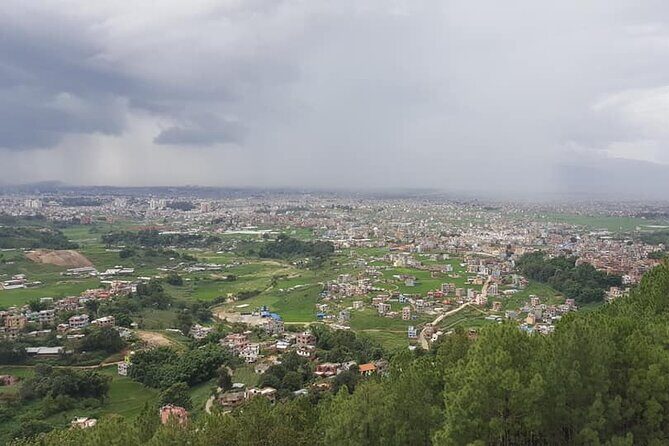
The trek starts with a hotel pickup and a drive from Pokhara toward Nayapul (about 2 hours). After that, the trail does what you want it to do: it turns Nepalese hills into steps, rivers, forests, and small villages you can actually navigate day by day. You’ll also get a mobile ticket, which helps keep things simple once you’re in-country.
And since it’s private, you’re not stuck with random strangers’ pace. Your guide can adjust how hard you push on steep sections and how long you linger for views. In practical terms, that’s the difference between arriving at Chhomrong feeling human versus arriving feeling like you fought a staircase and lost.
You can also read our reviews of more guided tours in Pokhara

Poon Hill Sunrise: The 5:30 a.m. Wake-Up That’s Worth It
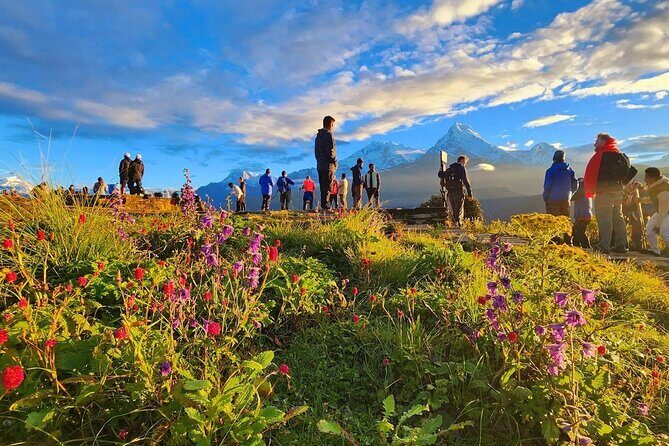
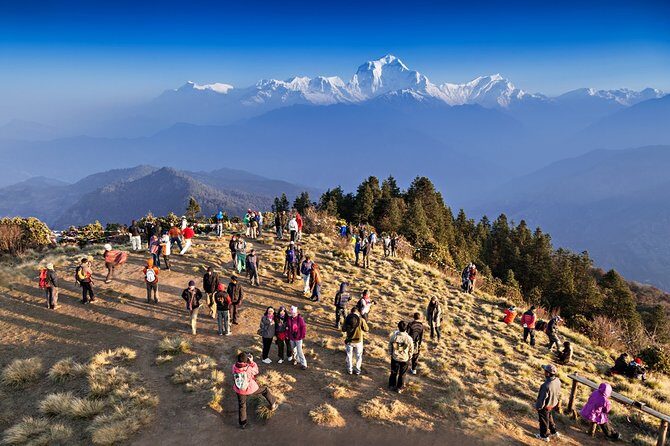
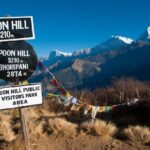
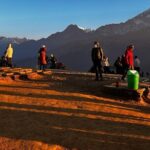
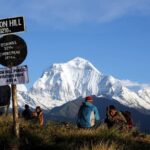
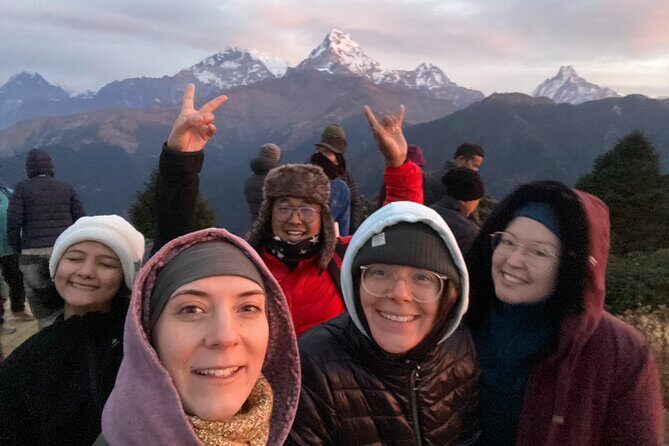
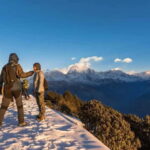
Poon Hill is the kind of stop that sounds touristy until you’re there, then it makes total sense. You’ll hike up early—about 1.5 hours—so you’re in position for sunrise, typically between 5:15 and 6:15 a.m. The timing is built into the experience, not left to chance.
Here’s the practical part: mornings at this altitude can be chilly, and you’ll likely be cold before the sun shows up. The trail plan helps because you’re not guessing. Once you reach Poon Hill, you can grab warm tea or coffee while you wait. That small detail makes a difference because waiting for sunrise isn’t fun on an empty stomach.
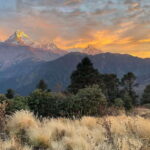
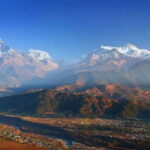
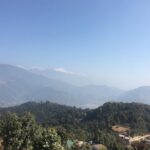
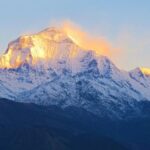
If the weather cooperates, you’ll get that famous golden shift over the Annapurna range. If it doesn’t, you’ll still have a tough, satisfying sunrise ritual and a clear sense of where the mountains sit in the morning sky. Either way, this is the moment that turns the trek from hiking into a story you’ll tell later.
Ulleri to Ghorepani: Steps, Forests, and Village Life That Moves at Trek Speed
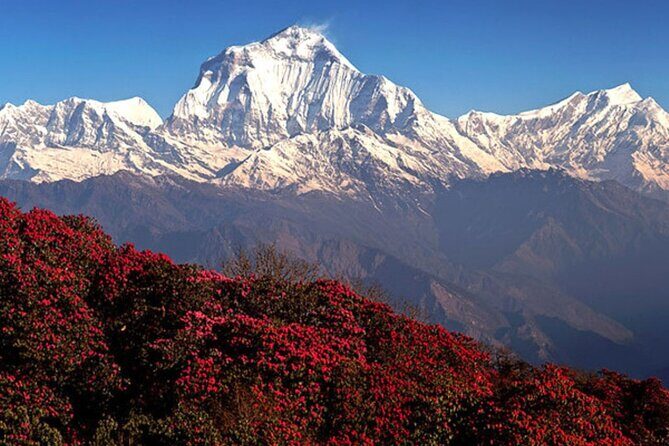
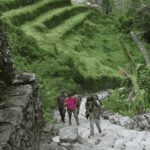
Day 1 starts with a real climbing wake-up. After the drive to Nayapul, you trek to Ulleri, including an ascent of over 3,000 stone steps. That’s a lot. Not all in one straight climb like a treadmill, but still: plan on slow, steady footwork and don’t treat it like a speed trial. Your reward is that the trail starts to open into classic Annapurna village scenery once you reach Ulleri.
Day 2 walks you onward to Ghorepani. Expect 6–7 hours and more stone steps until you eventually reach Ulleri, where the path becomes less punishing. That rhythm—grind, then easing—helps your body learn the pace. It’s not one big continuous suffering session. You get breaks, scenery changes, and moments to catch your breath.
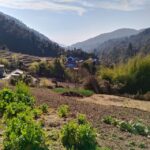
You’ll spend time passing through local houses and village areas along the way. This matters because it keeps the trek grounded. You’re not just walking through untouched wilderness; you’re moving through inhabited Nepalese communities where trekking is part of daily life and tea houses are ready for your arrival.
Chhomrong and the Suspension Bridge: Where the Views Start Getting Serious
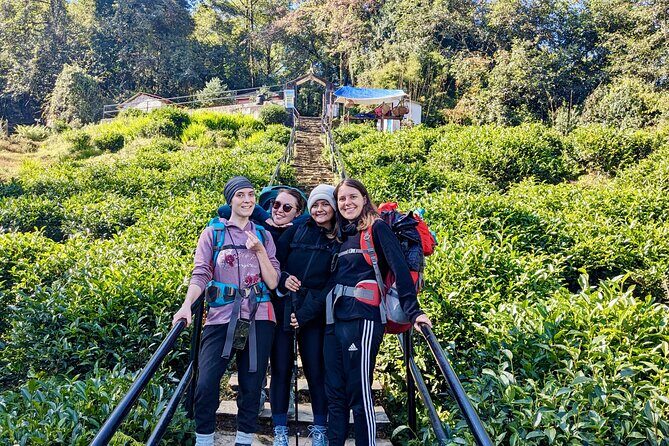
From Ghorepani, the next big anchor is Chhomrong. Day 3 ends with a long day setup for sunrise, and the trail keeps rolling. Day 4 is described as easier-going for the day—first a light climb, then a descent to Kimrong Khola, plus another gentle ascent afterward.
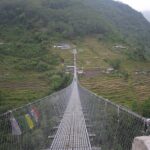
Then Day 5 adds the kind of detail that makes trekkers grin: you descend toward Chomrong Khola, cross a swaying suspension bridge, and move through forests of bamboo, rhododendron, and oak. That mix matters because it changes your walking conditions. Forest sections can feel cooler and more sheltered, and the sounds of rivers and birds replace the echoing silence you get higher up.
Chhomrong is also one of those places you’ll feel in your legs. It sits where the trail starts tightening toward the higher zones. So while the scenery is great, Chhomrong is also a turning point: you’re shifting from “views between villages” to “views as the main event.”
One heads-up: because this route includes both descents and climbs across Chhomrong-area steps and rivers, you’ll want to use trekking poles if your knees aren’t thrilled. (Good news: trekking poles are included.)
Deurali and Hinku Cave: A Day That Feels Like You’re Walking Through a Mountain Engine Room
Day 6 is where the trek leans into the more secluded feel. You’ll trek through a bamboo forest, climb a steep hill to Hinku Cave, and then continue down to Deurali. There’s also a note that you’ll miss the mountain view on this day. That can sound disappointing if you’re chasing panoramas every hour, but it’s often a blessing in disguise.
The mountain-view breaks are helpful because they reduce pressure. You can focus on breathing, pacing, and foot placement instead of stopping every ten minutes to stare. Also, walking through bamboo tends to feel more shaded and consistent, which can make the day physically easier than expected.
Deurali itself is described as a teahouse area for trekkers. That’s where you get the usual rhythm: warm meals, rest, early evenings, and planning for the next day’s altitude and effort.
You can also read our reviews of more private tours in Pokhara
Up to Annapurna Base Camp: The Modi Khola Valley and the Big Peak Moment
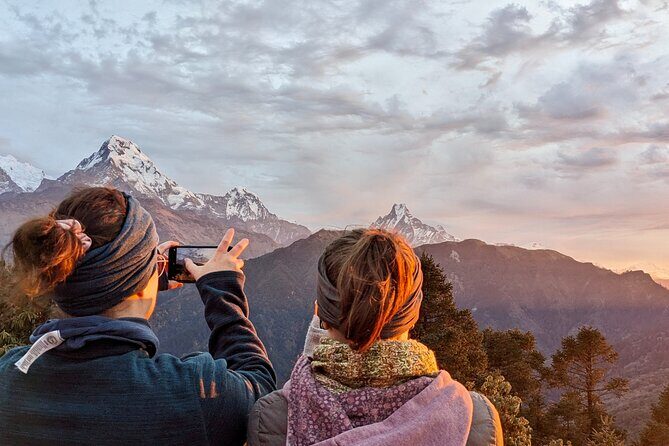
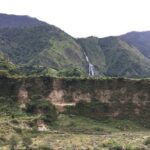
Day 7 is one of the main days. You’re heading to Annapurna Base Camp, and the route runs through the narrow Modi Khola Valley. Narrow valley terrain can feel dramatic—more canyon-like, with a river nearby—and it often keeps you busy with constant turns, footing, and steady uphill effort.
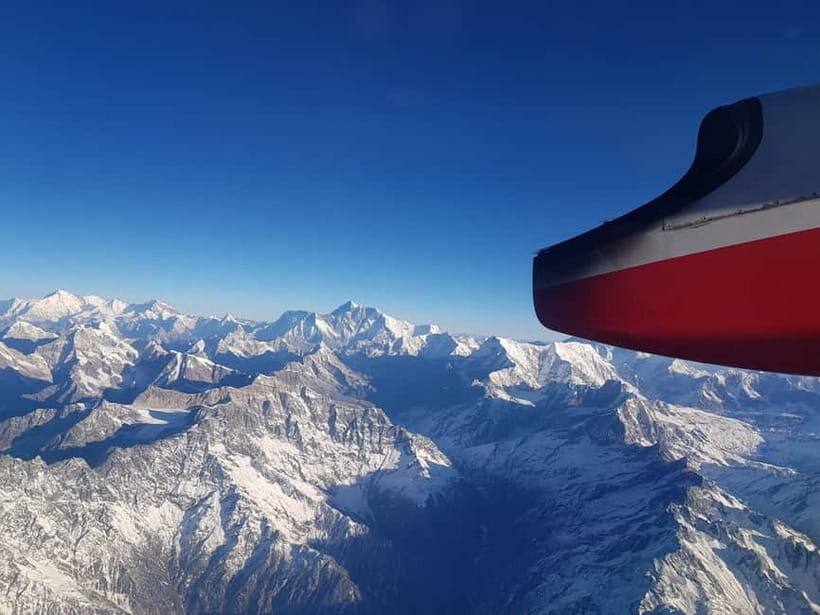
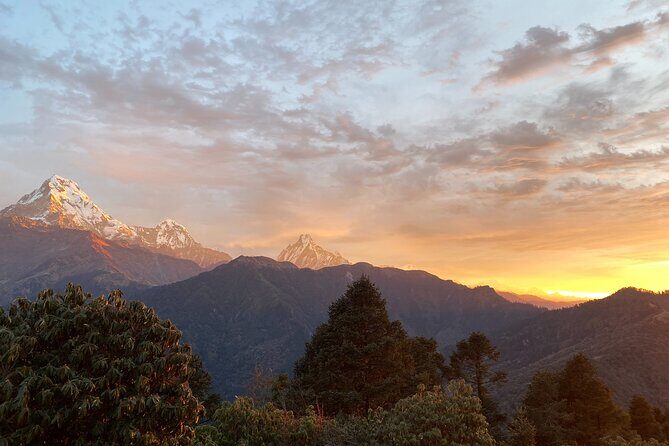
You’ll also get mountain “bookends” as described for this day: stunning sunsets over Fishtail and sunrises over Annapurna I, with a glacier in view as you head in. Even if clouds roll in, arriving at base camp always changes your sense of scale. You’ve been climbing toward this moment for days, and then suddenly the topography stops being a backdrop and becomes the main show.
Day 7 is about reaching the milestone. Day 8 is about living in it. Day 8 is a longer trek, mostly downhill, and you’ll have time before leaving Annapurna Base Camp to take in the views. That’s smart. People rush base camp and then regret it later. This plan gives you a calmer rhythm: look, breathe, and then start the long descent.
Jhinu Danda Hot Spring: Your “Don’t Touch My Legs” Day
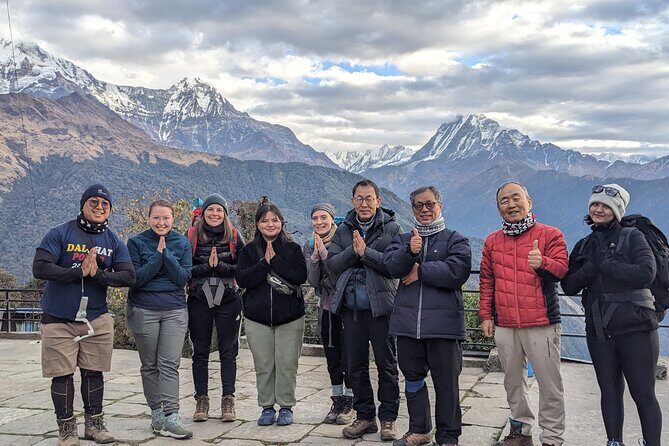
After the mostly-downhill work of Day 8, Day 9 starts with an uphill to Kuldighar, then moves down toward Chomrong River. You’ll climb stone steps back to Chomrong village before continuing down to Jhinu Danda hot spring.
This is exactly the kind of layout you want after a big summit-style day. The hot spring isn’t just a fun add-on. It’s recovery. You soak along the Modi Khola river area, and it’s described as a perfect place to soothe aching muscles after finishing the Annapurna Base Camp trek.
Then Day 10 ties it up neatly: trek back to Nayapul and drive to Pokhara, with drop-off at your preferred location. It’s the right kind of ending because you don’t feel stranded in a high-altitude zone. You get back to real comforts—shower, food choices, and a chance to re-enter normal life without delay.
Price and What $800 Actually Buys You
At $800 per person, the value depends on what you plan to bring with you and what you want included. The big plus here is that the package includes a lot of the operational friction trekkers usually end up paying for or scrambling to manage:
- Trekking poles are included (useful for the step-heavy portions).
- Meals are mostly covered: breakfast (9) plus lunch (10) and dinner (10).
- Jhinu Danda hot spring entry is included.
- Pickup is offered, and you’ll have a mobile ticket.
- Since it’s private, you’re not paying for a random group dynamic.
What’s not included matters too:
- Porter is not included, so you’re responsible for carrying your own gear strategy.
- Trekking insurance is not included.
- Hot water, hot shower, WiFi, and battery charging are not included during the trek.
- Tips are not included.
So here’s the honest math in plain language: you’re paying for a guided, meal-supported trek with key inclusions, while carrying your own load and managing your own tech/comfort expectations. If you’re the type who wants everything handled and you don’t want to guess about meals, this price can feel fair. If you’re trying to travel ultra-light, you’ll probably love the included poles and the structured food plan.
Pace, Fitness, and the Reality of Altitude Days
This trek is best for you if you have moderate physical fitness. That doesn’t mean you need to be a gym rat. It means you should be comfortable walking uphill for long stretches and handling repeated step climbing.
The itinerary itself hints at the effort distribution:
- Day 1 includes a grind: 3,000+ stone steps up to Ulleri.
- Several days include climbs that can feel longer than the clock suggests because you’re walking at altitude and on uneven footing.
- You’ll have early starts around the sunrise window for Poon Hill.
Altitude is part of the deal. You’ll hit Poon Hill at 3,210 m and reach Annapurna Base Camp at 4,130 m. That’s where acclimatization habits matter: slow pace, hydration, and paying attention to how your body feels.
Since porter service is not included, your training should also reflect that. Practice carrying your backpack on hikes if possible. Pack like a minimalist, but not like a hero who refuses to bring what you’ll need at altitude.
Guides and Service: What Good Feels Like on a Long Trek
One reason people choose this kind of private guided setup is the mental load reduction. You’re not negotiating routes, meal timing, or day-by-day planning. The guide handles the flow and keeps you moving safely.
In the feedback around this trek, the guide support shows up strongly. I’ve seen names like Lalit mentioned for being kind and caring, and Kajidai mentioned for arranging things smoothly for solo and private travelers. The repeated theme is simple: when you’re tired, having someone calm and organized can be the difference between enjoying the views and grumbling at every step.
Also, the private format tends to make those guide interactions more personal. If your pace is slower—especially after a hard start day—you can ask for slower stops. That’s exactly the kind of flexibility you want in a trek with multiple climbs and early mornings.
Who This Trek Best Suits (and Who Might Want Another Option)
This is a great fit if you want:
- A classic Annapurna itinerary with both Poon Hill sunrise and Annapurna Base Camp.
- A guided, private experience from Pokhara with pickup.
- A plan that includes meals and a key recovery stop at Jhinu Danda hot spring.
It might feel less ideal if:
- You rely on a porter to carry everything. Since porter is not included, you’ll need a gear plan that works for you.
- You strongly expect WiFi, hot showers, or battery charging during trekking days. This package doesn’t include those.
If you’re excited by villages like Ulleri, Ghorepani, and Chhomrong, and you’re okay with the fact that not every day will be a postcard view, you’ll probably enjoy this route a lot. Trekking here is a sequence of effort and reward, not a constant scenic movie.
Should You Book This Private Guided Annapurna Basecamp Trek via Poon Hill?
If your goal is to do the big-name Annapurna highlights with less stress—sunrise at Poon Hill, full push to Annapurna Base Camp, and a hot spring recovery day—this trek is worth serious consideration. The inclusions (meals, trekking poles, hot spring, pickup) help keep costs predictable once you’re on the trail.
My main “book it carefully” note is the porter gap. If carrying your own gear would turn the trek into a burden, then budget for a porter separately or choose a different package. If you can carry smartly and you like the rhythm of step climbs plus village walking, this private route is one of the more satisfying ways to experience the Annapurna region in about ten days.
FAQ
Where does the trek start from?
The trek begins after a drive from your hotel area in Pokhara toward Nayapul. The trek itself then starts from Nayapul and continues through the route to Ulleri, Ghorepani, and onward to Annapurna Base Camp.
Is pickup offered?
Yes. Pickup is offered, and you’ll also be driven back to Pokhara at the end of the trek after reaching Nayapul on Day 10.
Is this a private trek?
Yes. It’s a private tour/activity, and only your group participates.
Do I get to see Poon Hill sunrise?
Yes. You’ll trek up to Poon Hill early, with sunrise timing described between about 5:15 a.m. and 6:15 a.m. Tea or coffee is available at the hill.
What are the altitude highlights?
Poon Hill is listed at 3,210 m (10,530 ft) and Annapurna Base Camp is listed at 4,130 m (13,550 ft).
Are meals included?
Yes. The package includes breakfast (9) and lunch (10) and dinner (10).
Is the hot spring included?
Yes. Jhinu Danda hot spring is included on Day 9.
Are trekking poles included?
Yes. Trekking poles are included.
What’s not included?
Not included: porter, trekking insurance, hot water/hot shower, WiFi, and battery charge during the trekking, plus tips.
What level of fitness do I need?
You should have a moderate physical fitness level, since the route includes long trekking days and steep sections with many stone steps.
If I need to cancel, is there a refund?
You can cancel up to 3 days in advance for a full refund. If you cancel less than 3 full days before the experience’s start time, the amount paid is not refunded.