REVIEW · CHITWAN NATIONAL PARK
From Chitwan: Full Day Jeep Safari in Chitwan National Park
Book on GetYourGuide →Operated by Adventure in Nepal · Bookable on GetYourGuide
Wildlife days feel different when you’re driving low and slow. A full-day Jeep safari in Chitwan National Park puts you in the right places and right times for Nepal’s standout mammals and birds, with a guide who helps you read the habitats. Two things I really like: you’re not rushed, and the long day boosts your odds for animals that show up later.
What also makes this tour work is the way it mixes serious wildlife watching with a simple break that still feels outdoorsy—especially the packed picnic lunch by the river area. One consideration: pickup timing can vary (one recent group started later than expected), so if you’re the type who needs a tight morning schedule, plan for a bit of flexibility.
In This Review
- Key things to know before you go
- Why Chitwan by Jeep is such a practical wildlife choice
- Price and value: what $197 really covers in Chitwan
- Morning pickup, park paperwork, and getting your timing right
- Morning Jeep safari: grasslands, forest edges, and birding that adds up
- The packed picnic lunch by the river: recharging without losing the day
- Afternoon tracking: how guides improve your odds
- River safari on the Rapti: crocodile chances and the gharial question
- Wildlife reality check: tigers, rhinos, and what to expect realistically
- Comfort rules, what to bring, and how not to slow the day down
- The guide matters: what “private with a live guide” changes for you
- Should you book this Chitwan full-day Jeep safari?
- FAQ
- How long is the Chitwan full-day Jeep safari?
- Where is pickup provided?
- What languages does the live tour guide speak?
- Is lunch included?
- Is a river safari included?
- What’s the best season to go?
Key things to know before you go
- Full-day timing for dusk wildlife: a longer day often means more action later.
- Bird focus is real: you’re going to notice species fast when your guide points them out.
- Rhino sightings happen: even a smaller baby rhino can be a highlight.
- Tiger sightings are possible but not guaranteed: you’re there for the whole ecosystem, not just one animal.
- Lunch stays scenic: a riverside picnic helps you recharge without losing the day.
- River safari depends on your package: crocodiles (and a gharial sighting chance) can be part of the plan.
Why Chitwan by Jeep is such a practical wildlife choice
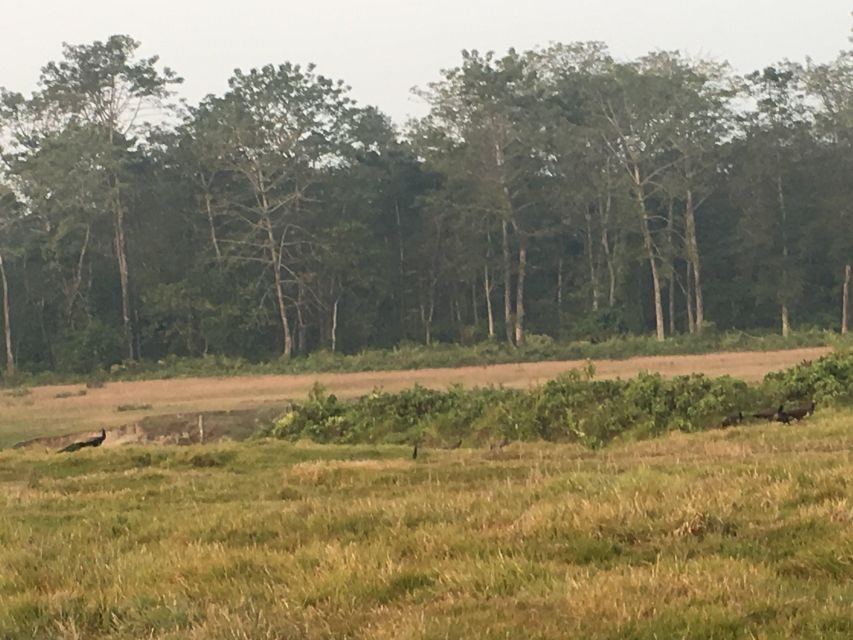
Chitwan National Park is famous for good reasons, but the main one is simple: it’s set up for spotting animals. You’ve got a mix of grasslands, dense forest edges, and waterways that concentrate life. A Jeep safari is a smart way to experience this because you cover ground without turning the day into a long walking slog.
A big advantage of the full-day format is the rhythm. Many animals shift their activity as the light changes, and a long tour gives you the chance to watch those patterns instead of chasing sightings for a couple hours and calling it a day. I also like that you’re not locked into one single type of habitat. Your route typically moves through different zones, which means your chances aren’t only tied to one landscape.
Finally, the tour is guided. That matters in Chitwan because the fun isn’t only spotting animals—it’s understanding what you’re seeing. When you know what habitat you’re in, you can interpret the day much better (and you’ll spot more of the smaller stuff, especially birds).
A few more Chitwan National Park tours and experiences worth a look

Price and value: what $197 really covers in Chitwan
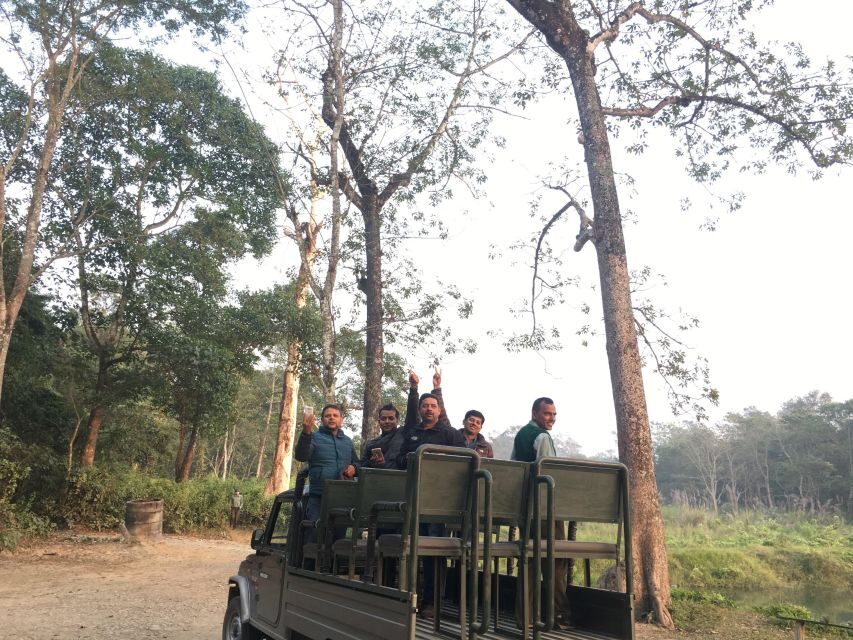
At $197 per person for about 8 hours, the value comes from what’s included, not just the vehicle ride. You get hotel pickup and drop-off, a full-day Jeep safari, and a professional tour guide. You’re also covered for national park permit fees and official documentation, which is one of those details that can turn into surprise admin if you try to DIY.
You also get a private tour format. Even without knowing every operational detail, “private” generally means the day is more about your group’s pace and questions than about squeezing everyone into a rigid, shared schedule.
One practical angle: Chitwan safari days can cost you time no matter what. By bundling the park paperwork and logistics into the price, you spend your energy watching, not hunting for permits or trying to coordinate transport at the gate.
Morning pickup, park paperwork, and getting your timing right
Most safari days start early with pickup from your hotel or a designated meeting point in Chitwan, with pickup included specifically within the Sauraha area. Expect the drive to the national park entrance to be roughly 30 minutes to an hour depending on where you start.
When you arrive, there’s paperwork at the entrance. Your guide handles the process, but it’s still good to understand what’s happening: you’ll need an ID/passport, and you’ll be issued/processed for the day’s access. This is also when you’ll get a safari briefing with rules and safety notes. Pay attention here. Jeep safaris can be safe and enjoyable, but the driver and guide need everyone cooperating to keep viewing respectful and safe.
Here’s the small timing consideration worth taking seriously: one group started pickup at 8:30 instead of the earlier expectation they had (they still felt it was worth it because animals can be more active as day shifts toward dusk). If you’re coming from another activity, give yourself buffer time so you’re not sprinting to the Jeep with your camera battery at 3%.
Morning Jeep safari: grasslands, forest edges, and birding that adds up
The core of your day is the Jeep safari, typically lasting several hours through different habitats. In Chitwan, that habitat mix is the secret. Open grasslands help you spot large animals when they move along feeding paths, while dense forest and river-side edges are where you often catch activity that’s easy to miss from the road.
Your guide’s job is to translate what you’re seeing. In a good morning, you won’t just watch for the headline animals; you’ll also notice patterns—where birds feed, where monkeys hang out, and how the light changes what you can see. One recent participant loved the birding so much that it helped expand their personal species list, and that’s exactly what strong bird-focused guidance does: it turns random sightings into identifiable moments.
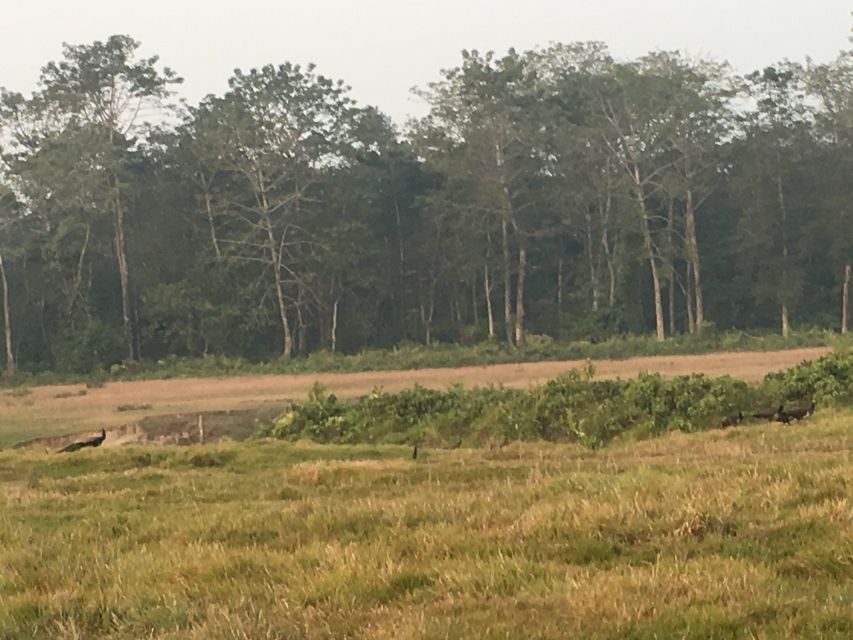
What you might spot in the morning and mid-day areas include deer, wild boar, monkeys, and a variety of birds. Crocodiles can also show up around water edges, and the park’s famous mammals are always part of the background possibility: rhino, elephants, leopards, and yes, tigers. The key is that your chances improve when your guide is moving you to the habitats where animals tend to be active.
The packed picnic lunch by the river: recharging without losing the day
Lunch is more than fuel here. You’ll have a pack lunch (included), often timed around midday during the safari. In many Chitwan safari days, lunch is connected to a scenic riverside setting, which changes the feel of the whole trip.
Why this matters: Jeep safari viewing can be stop-and-watch for long stretches. If lunch is rushed or indoors, it can feel like a chore. A riverside picnic break gives you breathing room while still keeping the day outdoors. It’s also one of the best times to reset your gear habits: wipe your lens, check your battery, and refill water.
A small tip that pays off: after lunch, you’ll likely be more focused if you take a minute to scan quietly before the Jeep starts moving again. Animals often react to people and movement, and that brief pause can help you see what was there before the next drive.
And if your lunch area is near water, you’ll often keep seeing bird activity between vehicles and walking distances—so you’re not just waiting for “the next stop.”
Afternoon tracking: how guides improve your odds
After lunch, the Jeep safari continues, and this is where the full-day format starts proving itself. You’re still working the park’s mix of ecosystems, but the guide will typically aim for areas where wildlife chances are higher at that point in the day.
One of the biggest reasons animals show up at different times is light and water. As the day progresses, animals may move toward watering spots and feeding areas. In a recent experience, the group was glad they booked full-day because animals seemed more active later, especially around dusk. That’s a common pattern in wildlife watching: the day isn’t uniform. Your job is to be there when the park decides to be generous.
In the afternoon, you may see more of the same animals you encountered earlier—deer, birds, rhino—but also potentially different ones depending on where your guide steers the Jeep. There are also standout possibilities: you could catch elephants moving, spot leopards if conditions align, or see rhinoceroses up close enough to make your day. One participant even reported seeing a baby rhino along with two female rhinos, which is exactly the kind of “once-in-a-while” moment you hope for on a longer safari day.
River safari on the Rapti: crocodile chances and the gharial question
Depending on your package, you may also include a river safari on the Rapti River. This is a different viewing style—less about scanning a grassland and more about reading the waterline and the bird activity around it.
If you do get the river portion, you should keep your eyes on: crocodiles and the elusive gharial. The gharial is a type of crocodile with a long, slender snout, and while sightings aren’t promised, the chance adds excitement because it’s so distinctive.
Even without a gharial sighting, the river safari can be rewarding. Aquatic life, water birds, and movement along the shoreline often show up in patterns—so you’re still “doing wildlife watching,” just in a different habitat.
Wildlife reality check: tigers, rhinos, and what to expect realistically
Chitwan’s wildlife is real, but the order of your sightings isn’t guaranteed. Tigers are a major draw, and yes, tiger sightings can happen. But they’re generally not something you should plan your entire day around expecting on demand.
That’s true for several reasons: animals roam, they don’t appear when you want them, and conditions like light and distance matter. What you can control is your effort and time. This is where the full-day Jeep approach helps. You’re giving yourself multiple chances across habitats, and that’s how wildlife watching works when you’re not in a theme-park setting.
Rhinos are a strong possibility. One review highlight included a baby rhino plus multiple female rhinos, and another experience mentioned rhino alongside tiger and crocodiles. That tells you the park can deliver dramatic mammal moments, not only birds.
Elephants and leopards also sit on your potential list. Expect deer, wild boar, monkeys, and lots of birds as consistent companions to the big-ticket animals. In other words: if you go for the ecosystem and not only one target, you’ll enjoy the day even when the tiger stays out of sight.
Comfort rules, what to bring, and how not to slow the day down
This is a Jeep safari, so you’ll want to travel light. The tour notes that luggage or large bags aren’t allowed, and pets aren’t allowed. You should plan on bringing only what you need: camera gear, water, and the essentials.
Bring a passport or ID card. You’ll need it for park documentation. And since the tour is set in the best season window from October to June, pack for changing conditions across the day. Even in good seasons, mornings can feel cooler than midday, and your time out on the Jeep means you’ll notice temperature shifts.
Also, the tour is not suitable for pregnant women or wheelchair users. If that affects you, it’s better to look for a different format early, because these safaris can involve uneven movement and getting in/out of the Jeep.
The guide matters: what “private with a live guide” changes for you
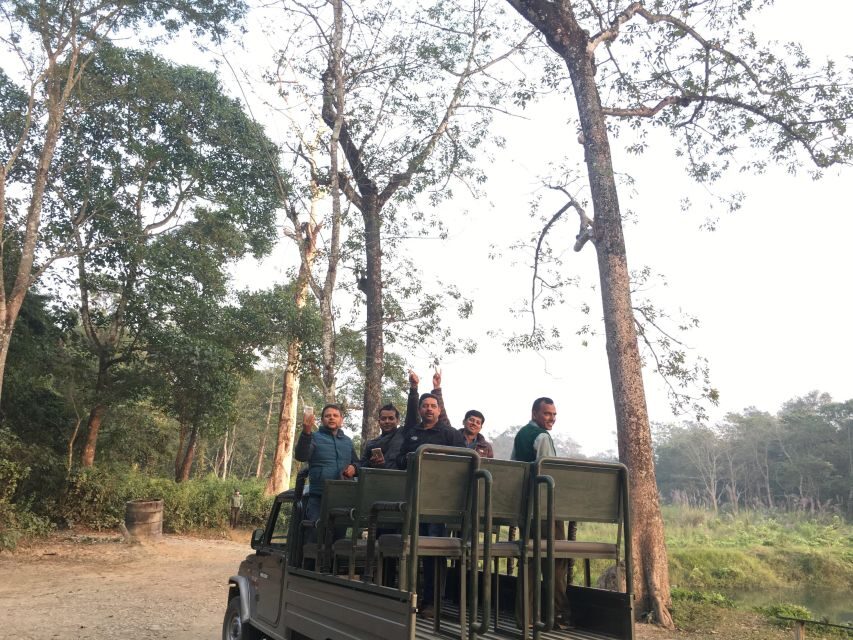
A live guide who can speak Nepali, English, and Hindi makes the day more than just a ride through the park. The value is in the explanations: your guide helps you understand habitat cues and the behavior you’re seeing, which boosts spotting success for both mammals and birds.
You’ll also get the safety briefing upfront, and you can ask questions on the fly instead of guessing. That is especially useful when you’re trying to identify birds or interpret why a particular animal might be in view today.
I like a guided safari because it turns your day into a learning loop. You see something, you get a clue about what to watch for next, and suddenly you’re not just hoping for luck. You’re paying attention with a plan.
Should you book this Chitwan full-day Jeep safari?
If your goal is to maximize wildlife chances in a manageable way, this is a strong pick. The reasons are straightforward: it’s full day, it’s guided, it includes permits, and it builds in time for the park’s shifting activity (including the possibility of dusk sightings). You’ll also likely enjoy the birds, not just the big mammals.
Book it if you’re excited by a day that’s part safari, part outdoor picnic break, and part wildlife education. It’s best for people who can handle early starts and who are comfortable on a Jeep-based format.
Skip it if your schedule is rigid and you can’t tolerate early timing changes, or if the physical setup won’t work for you (pregnancy or wheelchair access issues are specifically noted). And if tiger sightings are the only thing you care about, temper expectations—this tour is about the whole Chitwan experience, not guaranteed tiger poker.
FAQ
How long is the Chitwan full-day Jeep safari?
The tour duration is 8 hours.
Where is pickup provided?
Pickup is included within the Sauraha area.
What languages does the live tour guide speak?
The guide speaks Nepali, English, and Hindi.
Is lunch included?
Yes. You’ll receive a pack lunch.
Is a river safari included?
A river safari on the Rapti River depends on your tour package.
What’s the best season to go?
October to June is the best season for this tour.