REVIEW · POKHARA
Overnight Dhampus Australian Camp Easy Hiking from Pokhara
Book on Viator →Operated by Arpan Nepal · Bookable on Viator
Two sunrises, one easy mountain trek. Climb from Pokhara toward Australian Camp at around 2,000 meters, then earn your views with a second day hike to Dhampus and Hemja. It’s a simple, well-paced route that mixes big scenery with real village life.
I love how the trip is built around sunrise and sunset viewpoints, with Australian Camp as the main stage. I also like the human side: the English-speaking trekking guide Kris focuses on what you’re walking past, including daily life and local culture as you move through the settlements.
One thing to plan for: meals aren’t included, so you’ll want to think ahead for food and snacks—especially with an early morning start for sunrise.
Key takeaways
- Australian Camp (about 2,000m) gives you the classic sunrise and sunset timing without a hardcore grind.
- English-speaking guide Kris brings the villages to life with clear explanations on what you see.
- Overnight is flexible with guest house or tent options, so you should expect basic mountain comforts.
- Dhampus Gurung village adds culture and home-stays vibes as you explore and then descend.
- Private trip setup with hotel pickup and round-trip private vehicle makes logistics calmer.
In This Review
- Australian Camp at 2,000m: Why the Views Feel Worth It
- Day 1 From Lakeside to Australian Camp: The Uphill You’ll Actually Enjoy
- Overnight at Australian Camp: Guest House or Tent, and How to Handle It
- Day 2 Sunrise to Dhampus Gurung Village: Walking, Exploring, Descending
- Hemja Drive Back to Pokhara: Why the Finish Feels Smooth
- Price and Value: Is $90 Fair for Two Days?
- Who Should Book This Trek (and Who Might Not)
- Should You Book? My Practical Take
- FAQ
- What time does the tour start?
- Is hotel pickup and drop-off included?
- How long is the hike on Day 1?
- What is the total hiking time on Day 2?
- What kind of overnight accommodation do you get?
- Are meals included in the price?
Australian Camp at 2,000m: Why the Views Feel Worth It
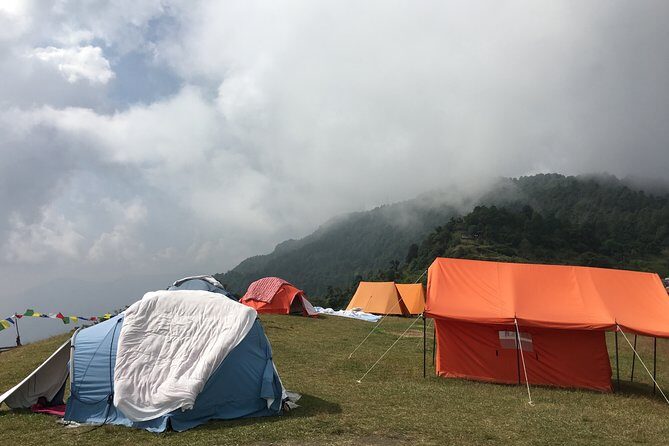
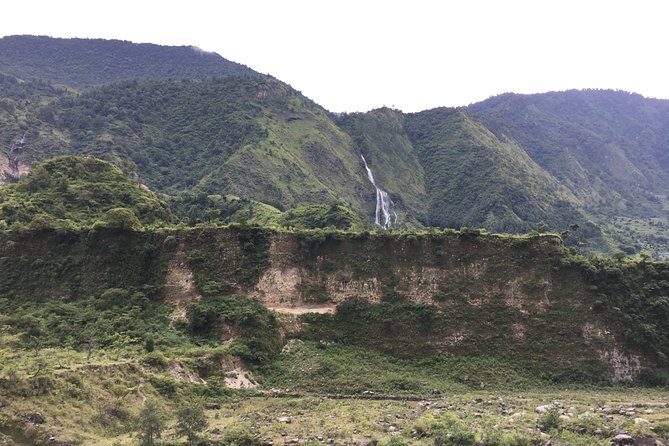
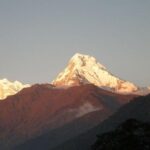
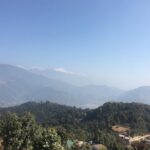
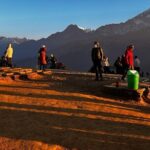
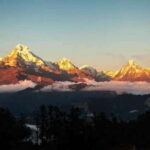
Australian Camp is the reason most people do this route—and it’s easy to see why. You’re hiking up from Pokhara’s lakeside area to roughly 2,000 meters, which puts you in the sweet spot for big-sky mountain views. The reward is timed for sunrise and sunset, so you’re not just passing through the higher ground. You’re there when the light changes, when shadows sharpen, and when the air feels a bit cooler and clearer.
What I like about structuring the trip this way is that it turns the “work” part of the hike into something you can actually feel. Day 1 is about getting up to the viewpoint; Day 2 starts with the payoff before you move on. That means you’re not spending the whole trip rushing. You get time at the camp area, plus the walking on both days stays moderate enough for “active, but not elite” hikers.
That said, you should treat this as a mountain overnight first, hike second. The main draw is the view experience at altitude, so comfort and timing matter. Pack for cool mornings, and plan your energy so sunrise doesn’t feel like a race. If you go in expecting a relaxed, nature-and-village two-day walk, Australian Camp delivers.
Day 1 From Lakeside to Australian Camp: The Uphill You’ll Actually Enjoy
Your day starts in Pokhara with hotel pickup, then you’re brought into the lakeside area to begin. The tour is designed so you’re not wrestling with transport on your own. From there, the route shifts from city rhythm to trail rhythm.
You drive to Kande and then hike uphill to Australian Camp. The uphill segment takes about 2 hours, which is short enough to feel manageable but long enough to warm you up and get you into the mountain mindset. This is the kind of hike where the path matters, but so does the slow looking. As you go, you’ll explore small village areas and nearby spots around Australian Camp—time here is part of the plan, not dead time.
This is also where guide Kris shines. In the experience details you shared, Kris is described as caring and thoughtful, sharing information about each village you pass and explaining life in the mountains and local traditions. That kind of guiding matters on a trek like this because the trail is only part of the story. You’re learning what the community does day to day, and why certain places feel the way they do as you walk past them.
A practical note: Day 1 is more uphill than Day 2, so set a steady pace. Don’t go hard early just because you want to get the view fast. Your goal is to arrive feeling good enough to enjoy the camp area afterward.
You can also read our reviews of more hiking tours in Pokhara
Overnight at Australian Camp: Guest House or Tent, and How to Handle It
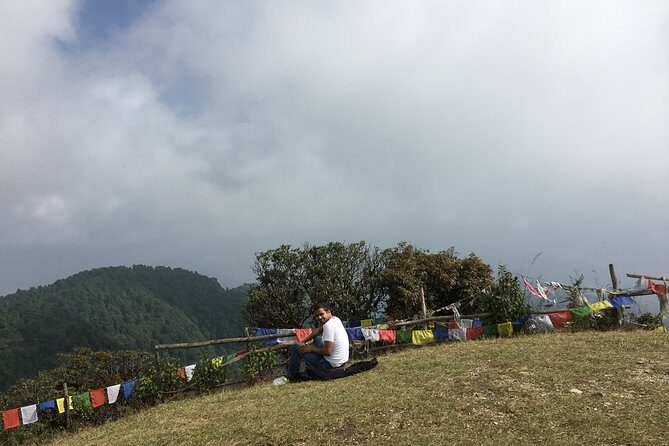
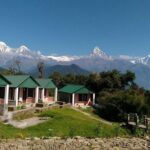
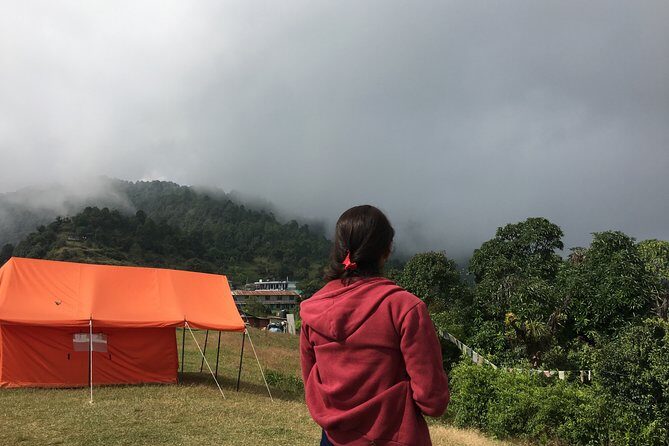
After you reach Australian Camp, you sleep close to the viewpoint, which is exactly what makes sunrise possible. The tour includes overnight accommodation in a guest house or tent. That flexibility is useful, but it also means you shouldn’t assume “hotel comfort.” This is a mountain overnight—simple, practical, and focused on being in the right place.
The upside of the overnight setup is convenience. You’re not traveling in the dark to chase sunrise. You’re already there, able to settle and then get up when the light begins to shift. That’s the difference between a “see the view” outing and a “experience the view” trek.
The downside is what you should mentally budget for: basic conditions. Since meals aren’t included, your food situation depends on what you bring and what’s available to you during the trek (not specified in the details). You’ll want to plan for snacks and drinks, especially for early morning.
Also consider how you’ll manage the night. If you’re camping, temperatures can drop at altitude. If you’re in a guest house, you still shouldn’t expect consistent warmth like you’d get at lower elevations. Pack with the cold morning in mind, not just the daytime hike.
If you accept the “simple overnight” reality upfront, you’ll likely enjoy how close you get to the mountain rhythm—sleep near the viewpoint, wake for sunrise, then keep walking.
Day 2 Sunrise to Dhampus Gurung Village: Walking, Exploring, Descending
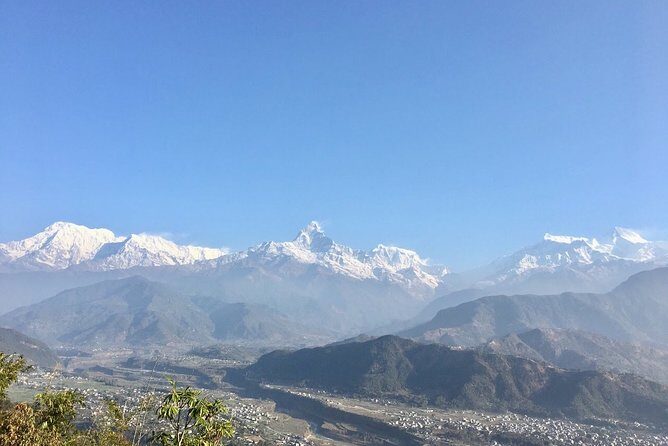
Day 2 begins after you enjoy sunrise from Australian Camp. That means you start the day with the moment most people travel for, then you move on while you’re still in trekking mode.
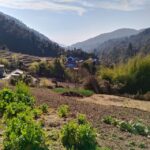
From Australian Camp, you continue hiking to Dhampus Gurung village. The total hiking time for this portion of the route is listed at about 4 hours, and it includes exploring the village area along the way. This is the part of the trip that changes the vibe. Day 1 is mostly about climbing and viewpoints; Day 2 adds a deeper look at how communities live in the hills.
Dhampus is particularly interesting for culture-focused travelers because it’s centered on a Gurung village. The details you provided emphasize exploring village areas and learning about local traditions, and that matches what Kris is described as doing on the route—pointing out the human side of what you’re seeing, not just the view.
After visiting Dhampus village area, you continue with a descend to Hemja. Descents can be tricky even on “easy” hikes. Your challenge here is more about knees and footing than altitude. Take your time, keep steps controlled, and don’t rush just because the walk is downhill.
By the time you reach Hemja, you’re done with the main trekking effort for the trip—and you’re ready for the short drive back toward Pokhara.
Hemja Drive Back to Pokhara: Why the Finish Feels Smooth
Once you arrive in Hemja, the tour shifts to easier pacing. You take a car ride back to Pokhara, and the drive time is listed at about 35 minutes.
This is a smart design choice. It protects your day-end energy. A lot of treks end with a long slog back on foot. Here, you get a clear stop point: explore your final village segment on foot, then let the vehicle handle the rest.
It also makes the whole experience feel like a complete package. You start with pickup from your hotel, you end with drop-off back to your hotel, and you’re not stuck arranging extra transport after you’re tired. For most people, that’s where value lives: less logistics, more time for the trek itself.
If you’re planning a second activity on your final day in Pokhara, you’ll probably want to keep it light. Even with the short drive, you’ve been walking and sleeping at altitude. Plan something easy afterward—tea, a slow lakeside meal, or a relaxed wander.
Price and Value: Is $90 Fair for Two Days?
The price is $90 per person for an approximately 2-day experience. On paper, that might sound simple—but when you break down what’s included, it’s easier to judge.
What you’re getting included:
- Hotel pickup and drop off
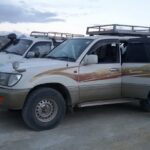
- Round trip transfer by private vehicle
- English speaking trekking guide
- Overnight accommodation (guest house or tent)
- Private trip
What you’re not getting included:
- Meals and personal expenses
- Gratitude
So you’re paying for logistics + guiding + a bed (or tent setup) + transport. In other words, you’re not paying extra for sightseeing tickets since the listed admissions are free. The biggest “cost you control” is food. Since meals aren’t included, plan for at least some meals/snacks on your own.
Does $90 feel like a bargain? It likely feels fair when you compare it to what you’d spend if you tried to piece together transport, an English guide, and an overnight stay alone. The private vehicle and pickup reduce friction a lot, especially if you’re not traveling with a driver or local friend.
If you want the viewpoint experience but you also value simple logistics, this price structure makes sense.

Who Should Book This Trek (and Who Might Not)
This overnight Dhampus and Australian Camp walk is a good fit if you:
- Have moderate physical fitness
- Want sunrise and sunset views without committing to a long multi-day trek
- Like guided cultural context while hiking through villages
- Prefer a trek with calmer logistics: pickup, transfers, and hotel drop-off are included
It might not be the right match if you:
- Expect meals to be included or hate planning around food
- Need high-comfort overnight conditions (guest house or tent is part of the setup)
- Don’t want to wake up early for sunrise
One more thing: because the trip is a private tour/activity with only your group participating, it’s often more comfortable for families, friends, or solo travelers who want a consistent pace with less crowd pressure.
If you’re looking for a “doable trek” that still feels like it has story—views plus Gurung village exploration—this is a solid candidate.
Should You Book? My Practical Take
If your goal is a two-day, value-driven mountain experience out of Pokhara, I’d say this is worth serious consideration. The core strengths are clear: Australian Camp at around 2,000m for sunrise and sunset, and a second day that includes Dhampus Gurung village exploration instead of just walking point A to point B.
The other deciding factor is guidance. Kris is specifically highlighted as caring and communicative, sharing information about the villages and local culture as you pass through. That’s what turns a hike into an actual experience you’ll remember.
Just go in prepared for the trade-offs: meals aren’t included, and overnight comfort is basic by mountain standards. If you pack well, pace yourself, and treat sunrise as the real payoff, you’ll likely feel like the $90 buys you exactly what it promises.
FAQ
What time does the tour start?
The meeting start time is listed as 9:00 am.
Is hotel pickup and drop-off included?
Yes. The tour includes hotel pickup and drop off in Pokhara, plus round trip transfer by private vehicle.
How long is the hike on Day 1?
Day 1 includes a hike uphill to Australian Camp that takes about 2 hours.
What is the total hiking time on Day 2?
Day 2 includes hiking from Australian Camp to Dhampus (with village exploring) and then descending to Hemja, for about 4 hours total on the hiking portion.
What kind of overnight accommodation do you get?
Overnight accommodation is included and is described as guest house or tent.
Are meals included in the price?
No. Meals and personal expenses are not included.