REVIEW · KATHMANDU
500 hours Advanced Yoga Teacher Training at Nepal Yoga Home (Every 1st of month)
Book on Viator →Operated by Nepal Yoga Home · Bookable on Viator
Kathmandu turns quiet when you’re doing yoga every day. This advanced 500-hour teacher training runs for about 29 days at Nepal Yoga Home, with Yoga Alliance-certified instructors and a Hatha–Ashtanga–Iyengar mix that feels both traditional and current. I especially loved the warm, home-style hospitality led by Shanti and the feeling that learning stays personal, not like a factory class schedule. I also liked the way healing work shows up beyond poses, with options like singing bowls and Reiki healing. One consideration: tours and trekking are optional extras and cost extra, so you’ll get the best value if you’re happy building your own Kathmandu time.
The setting matters here. You train in a private home base in Tarkeshwor-5, start around 7:15 am, and keep a small group size (up to 25), which helps the teachers know your body and your questions. If you want a training that also feeds your daily life—through organic Ayurvedic meals and calm practice time—this is a strong fit.
In This Review
- Key things that make this training stand out
- A Private Home Base in Kathmandu (Tarkeshwor-5)
- 29-Day Advanced 500-Hour Training: What You’re Actually Signing Up For
- Hatha, Ashtanga, and Iyengar: How the Styles Change Your Teaching
- Morning Rhythm and Daily Practice Flow
- Yogic Therapies: Singing Bowls, Reiki, and Healing Skills
- Organic Ayurvedic Meals: Food That Supports the Whole Schedule
- Free Time in Kathmandu: What You Can Add, and What Costs Extra
- Price and Value: Is $2,506.42 Worth It?
- Who This Course Fits Best (and Who Should Rethink)
- A Few Booking Smarts Before You Commit
- Should You Book Nepal Yoga Home’s 500-Hour Training?
- FAQ
- When does this yoga teacher training start?
- How long is the training?
- What time does the training start on the first day?
- Where is the meeting point?
- Is the training Yoga Alliance certified?
- What yoga styles are included?
- What’s included in the price, and what’s not?
- What is the cancellation policy?
Key things that make this training stand out
- Yoga Alliance-certified instructors leading an advanced 500-hour program in Kathmandu
- Traditional + modern yoga blend: Hatha, Ashtanga, and Iyengar-style work
- Healing add-ons like singing bowls and Reiki healing, not just stretching
- Organic Ayurvedic meals included (breakfast, lunch, dinner) every day
- Small-group feel with a maximum of 25 travelers in the course
A Private Home Base in Kathmandu (Tarkeshwor-5)
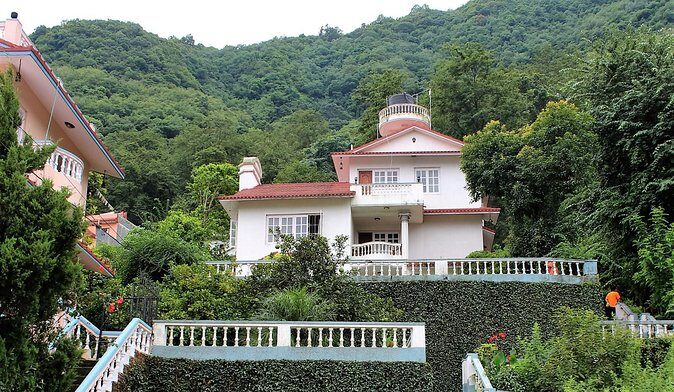
Nepal Yoga Home is not a big resort complex. It’s a private home setting in Kathmandu (Tarkeshwor-5, Kathmandu 44600), near public transportation. That detail matters more than it sounds: you’re not trekking across town for classes, and the day-to-day rhythm stays stable.
The experience starts from the meeting point at Nepal Yoga Home, and it runs for about 29 days, ending back there. You’ll meet your teachers, settle in, and then focus on the work instead of constant logistics. The start time listed is 7:15 am, so plan for early mornings and an easy evening.
I like that the group size is capped at 25. Smaller groups often mean more feedback and fewer unanswered questions. You can also find it easier to bond with classmates when the setting is home-like instead of hotel-like.
Practical tip: Kathmandu has traffic and air quality shifts, so having a consistent home base helps you avoid burning energy on getting around before class.
You can also read our reviews of more tours and experiences in Kathmandu.



29-Day Advanced 500-Hour Training: What You’re Actually Signing Up For
This is a “first of the month” training. The course begins on the 1st each month in Kathmandu, and you’re there for about 29 days. That monthly timing is useful if you want to plan your year around a single, repeatable window.
The “500 hours” part isn’t just a marketing label. In a training this long, you should expect repeated teaching practice, more structured learning about technique, and more time spent refining your own practice. Also, the description calls it advanced, which is a clue that you’re not just collecting beginner-friendly stretches. You should be ready to work on alignment, safer options, and teaching cues.
One more thing that can affect your day: the training is based at a yoga home, so your schedule will likely be dominated by classes and practice time. If you’re the type who wants long afternoons to wander without thinking, you might feel more limited. But if you want a daily practice container, this kind of setup is exactly the point.
Hatha, Ashtanga, and Iyengar: How the Styles Change Your Teaching
The training blends Hatha, Ashtanga, and Iyengar approaches, described as a traditional and modern mix. Here’s why that matters to you.
- Hatha brings foundational structure: breath work, body awareness, and careful sequencing.
- Ashtanga influence pushes steadiness and flow awareness, which helps you learn how to pace a class and keep attention on rhythm.
- Iyengar influence strengthens alignment thinking—how to use props, how to teach shapes safely, and how to guide students through details.
If you’ve only trained in one style before, you’ll likely notice the teaching language changes. Teachers may cue students differently depending on which style approach is in play. That’s valuable because teaching is not just doing a pose correctly—it’s explaining what to do and why, in plain body terms.
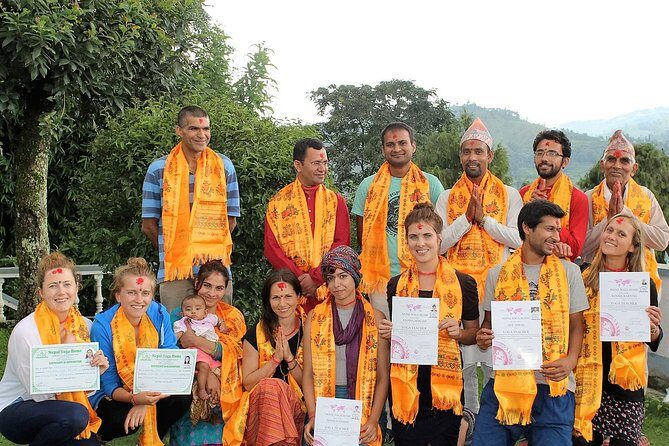
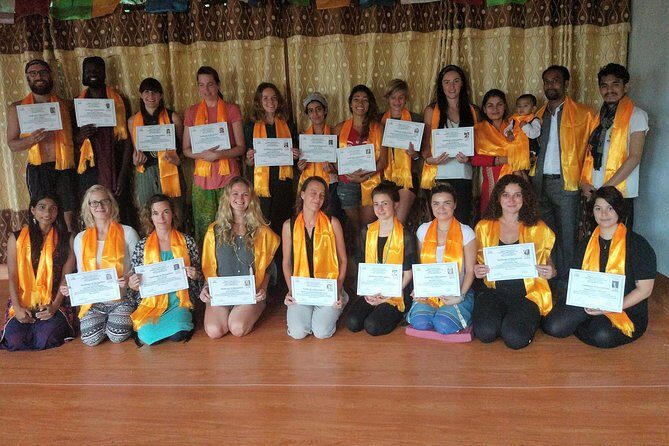
I also appreciate that the teachers are described as Yoga Alliance certified. That typically means the curriculum is organized in a way that supports teaching goals, not just personal practice.
From the reviews you can feel this is not a one-teacher-show. Each instructor shares their own expertise, and that variety can help you build a teaching toolkit. I saw names pop up too: Prakash is mentioned specifically, and Shanti is repeatedly credited for making the place feel welcoming and organized.
Morning Rhythm and Daily Practice Flow
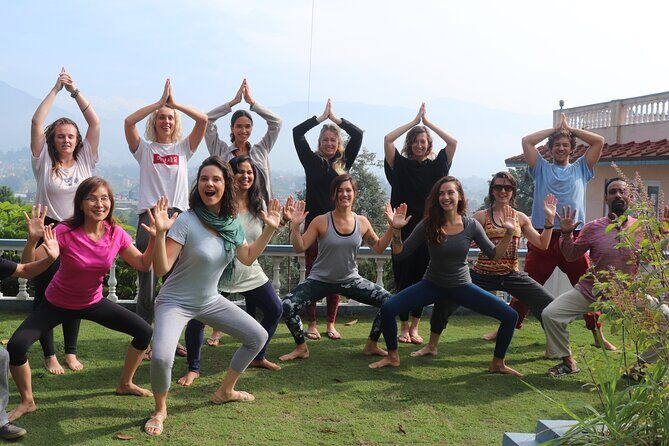
The only exact timing detail given is the 7:15 am start time, but you can infer the rest: you’re in a daily training environment, so you should expect more than one class a day and a serious amount of practice.
What I like about setups like this is how they remove decision fatigue. You don’t wake up wondering what to do today. You show up, practice, learn, and adjust. Over nearly a month, that repetition helps your body settle and your mind sharpen.
Also, this is a training at a yoga home, not a quick workshop. That longer runway is where you should see real progress—more clarity in your own practice, better teaching confidence, and more understanding of how different students learn.
One consideration: because it’s advanced, you’ll want a realistic self-check before booking. The training asks for moderate physical fitness. That doesn’t mean you have to be an athlete, but it does mean you should be comfortable with consistent movement, breath work, and focus.
Yogic Therapies: Singing Bowls, Reiki, and Healing Skills
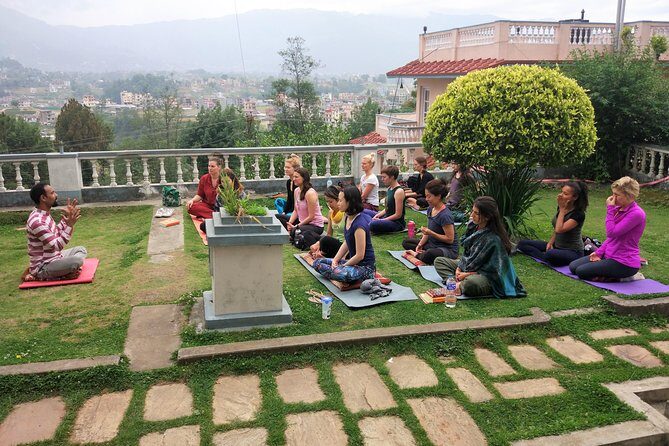
This course is interesting not only because of yoga technique, but because it includes yogic therapy experiences. The highlight list calls out singing bowls and Reiki healing, plus more.
Here’s the value for you: even if you never become a “full-time healer,” these tools can expand your teaching beyond physical cues. Healing work trains you to notice subtle body states—tension, energy shifts, and stress patterns. That can help when students are stuck, unsure, or simply need a different kind of attention than a standard class provides.
The reviews point toward an emotional and spiritual quality too: people describe a peaceful, transformative experience and emphasize the caring tone of staff and teachers. That doesn’t mean the training is all head in the clouds. It means the environment supports reflection, not only performance.
Practical note: if you’re sensitive to energy work or sound-based practices, it’s worth deciding ahead of time. Singing bowls and Reiki can be deeply calming for some people and distracting for others. You’ll want to be honest with yourself about what helps your nervous system.




Organic Ayurvedic Meals: Food That Supports the Whole Schedule
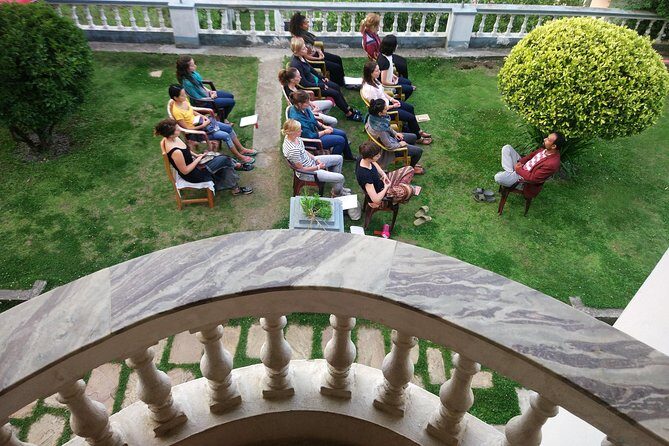
Food is included here, and it’s not an afterthought. The summary says you’ll get three tasty yogic and Ayurvedic meals each day, using organic, Ayurvedic food. The “Included” list also explicitly states breakfast, lunch, dinner, plus all fees and taxes and admission to Nepal Yoga Home.
That combination is a big deal for value. In Kathmandu, eating well can be hit or miss, and when you’re training for hours, your body notices. Having meals handled means you can focus on practice instead of constantly choosing where to eat and what to trust.
Ayurvedic-style meals often aim for digestion and steadier energy. Even if you’re not tracking doshas, you may still notice better comfort during practice days when food timing and ingredients are consistent.
If you have dietary restrictions, the data here doesn’t spell out specifics beyond organic Ayurvedic meals. You should confirm how they handle allergies or strict diets when you book.
Free Time in Kathmandu: What You Can Add, and What Costs Extra
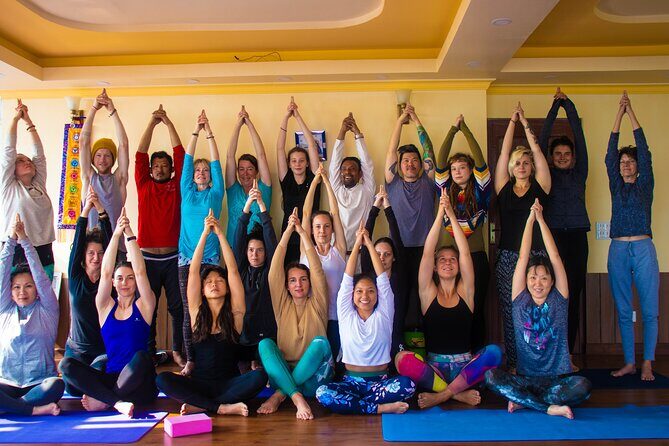
You do get time on your own. The highlight section says you can explore further independently, but tours and trekking are extra and at your own expense. Sightseeing also falls under the “not included” list.
This is one of the most practical parts to plan. If you expect your money to automatically buy day trips and guided hikes, this training won’t work that way. Instead, think of it as your daily yoga container, plus optional add-ons if you want them.
Given you’re in Kathmandu with a near-public-transport base, you can still build your own rhythm: quiet mornings, class days, and then choosing a couple of activities when you feel ready. Just keep expectations realistic about time and cost.
Price and Value: Is $2,506.42 Worth It?
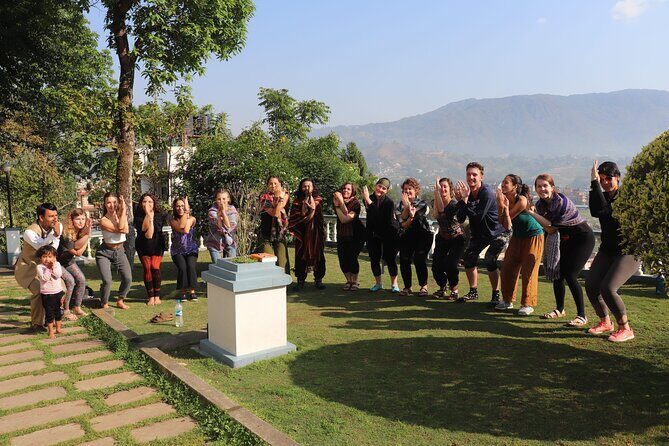
The price listed is $2,506.42 per person for a 29-day program, with mobile ticket delivery. To judge value, I look at what’s actually covered.
Included:
- Breakfast, lunch, dinner
- Accommodation (stated in the tour summary)
- Organic, Ayurvedic meals
- All fees and taxes
- Admission to Nepal Yoga Home
Not included:
- Tours, sightseeing, trekking
- Laundry
- Flights (international and domestic)
Now do the math in your head. If you tried to recreate this on your own—getting a certified teacher training space, daily meals, and accommodation—you’d likely spend a lot just on housing and food in Kathmandu. The “fees and taxes” and admission being included also removes annoying add-ons at the end.
So when does the price make extra sense?
- When you plan to stay the full month and not constantly pay for meals
- When you want a structured, teacher-led program with healing experiences
- When you prefer a small-home setting over hotel-style training
When it might not:
- If you’re only looking for occasional yoga classes
- If you want a lot of pre-planned trekking and guided tours already built into the package
For many people coming for advanced 500-hour training, the cost is easier to justify because you’re paying for the entire training environment and daily support.
Who This Course Fits Best (and Who Should Rethink)
This is a training for people who want to teach and deepen their own practice. The “advanced 500-hour” label and the styles taught point toward committed students.
You’ll likely enjoy Nepal Yoga Home if you:
- Want a Yoga Alliance certified teacher training pathway
- Are comfortable with early starts like 7:15 am
- Have moderate physical fitness and can handle daily movement
- Like the idea of learning teaching cues across multiple styles
- Want healing elements like singing bowls and Reiki alongside yoga
You might think twice if you:
- Want only light practice and lots of free days
- Have strict dietary needs that you can’t confirm they accommodate
- Expect included sightseeing or trekking plans (those are extra)
Also, maximum group size is 25 travelers, which tends to support a personal experience, but you should still expect a structured training schedule. If you hate schedules, this might feel controlling.
A Few Booking Smarts Before You Commit
Here are the real-world checks I’d do before booking any training like this:
- Confirm how they handle dietary requirements beyond organic Ayurvedic meals.
- Ask what “advanced” means in their context—especially if you’re coming from a mostly gentle practice background.
- Decide in advance how you’ll spend your free time. Since tours and trekking aren’t included, you’ll want a simple plan for what you’ll do with that freedom.
- Pack for daily practice. Kathmandu weather can change, and classes run in a consistent rhythm.
One more detail that can help you mentally: because the course starts every month on the 1st, you’re joining a repeating training cycle. That can feel grounding. You’re not arriving mid-chaos; you’re stepping into the program on day one.
Should You Book Nepal Yoga Home’s 500-Hour Training?
If your goal is advanced teacher training with a real daily practice structure, Nepal Yoga Home is the kind of place you should seriously consider. The standout reasons are straightforward: Yoga Alliance-certified instruction, a Hatha–Ashtanga–Iyengar mix that broadens your teaching voice, and included organic Ayurvedic meals that keep your energy steady for 29 days. Add in healing tools like singing bowls and Reiki healing, and you get a training that supports both body and mind.
I’d say book it if you want a home base in Kathmandu, a small-group feel (up to 25), and a month-long container that makes practice happen even when motivation dips.
I’d hold off or ask extra questions if you’re mainly interested in casual yoga, expect trekking to be included, or need clarity on how advanced physical demands match your current fitness.
If you want, tell me your current yoga background (style(s), experience teaching or not, and any injuries). I can help you judge whether the advanced nature and style mix is a good match—and what to ask before booking.
FAQ
When does this yoga teacher training start?
It runs from the first of every month in Kathmandu, Nepal.
How long is the training?
The duration is 29 days (approx.).
What time does the training start on the first day?
The start time is listed as 7:15 am.
Where is the meeting point?
The meeting point is Nepal Yoga Home, Tarkeshwor-5, Kathmandu 44600, Nepal.
Is the training Yoga Alliance certified?
Yes. The instructors are certified by Yoga Alliance.
What yoga styles are included?
The course uses a traditional and modern mix of Hatha, Ashtanga, and Iyengar.
What’s included in the price, and what’s not?
Included: breakfast, lunch, dinner, all fees and taxes, and admission to Nepal Yoga Home. Not included: tours, sightseeing and trekking, laundry, and international and domestic flights.
What is the cancellation policy?
Free cancellation is available if you cancel up to 24 hours in advance for a full refund. If it’s canceled due to poor weather, you’ll be offered a different date or a full refund. If the minimum number of travelers isn’t met, you’ll be offered a different experience or a full refund.