REVIEW · POKHARA
Half day Tibetan cultural tour
Book on GetYourGuide →Operated by The Tibetan Encounter Day Tours (P) Ltd · Bookable on GetYourGuide
Tibetan culture, close up, in just 4.5 hours. This half-day tour led by Mr. Thupten Gyatso brings you to a Tibetan refugee settlement near Pokhara, then into a monastery where you learn what prayer wheels, prayer flags, and stupas mean in everyday life. I especially like the chance to meet a Tibetan doctor and ask questions about traditional medicine, and the straightforward visit to a carpet workshop and showroom. One heads-up: pickup is only included around Lakeside and a separate transport fee applies if your hotel is outside that area.
With a small group capped at 8 participants and an English guide, the pace stays easy while you visit Tibetan schools, a photo gallery showing life in exile, and then sit down for Tibetan food. You’ll get tasting time for momos and thenthuk plus tea/coffee, making the $61 price feel like a solid culture-and-people package for a short day in Pokhara.
In This Review
- Key highlights I’d pencil in first
- Tibetan culture near Pokhara’s Lakeside: what this tour actually delivers
- Meet Mr. Thupten Gyatso and get explanations that make sense
- Tashiling Tibetan settlement: why the walk is the point
- Buddhist monastery stop: what to look for beyond the symbols
- Tibetan schools: learning how education is kept alive
- Carpet workshop and showroom: from hands-on making to smart shopping
- Photo gallery history: the refugee timeline in images you can grasp
- Tibetan medical center and meeting a doctor: traditional health, explained with care
- Tibetan lunch at a local restaurant: momos, thenthuk, and real options
- Price and logistics: is $61 good value in Pokhara
- Who should book this half-day Tibetan cultural tour
- Should you book this tour or skip it
- FAQ
- How long is the half-day Tibetan cultural tour?
- Where is the pickup included?
- Is there an extra fee if my hotel is outside Lakeside?
- How big is the group?
- What language is the tour guided in?
- What places are included in the tour?
- Do you get lunch on this tour?
- What food options are available?
- Can I cancel for a full refund?
- Is it suitable for wheelchair users and young children?
Key highlights I’d pencil in first
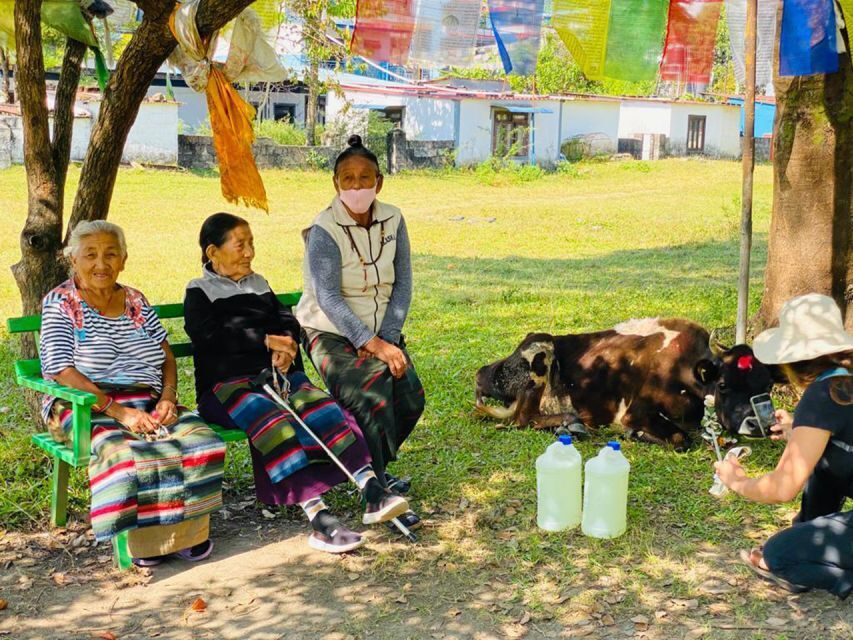
- A real Tibetan refugee settlement visit near Pokhara instead of only staged explanations
- Buddhist symbols decoded for daily life (prayer wheels, prayer flags, stupas, and more)
- Tibetan school look-and-feel that helps you understand how education works inside the settlement
- Handmade carpet making, from workshop to showroom with a process you can actually picture
- A Tibetan doctor visit that connects tradition and everyday health questions
- Tibetan lunch included with momos and thenthuk, plus vegetarian and gluten-free options
Tibetan culture near Pokhara’s Lakeside: what this tour actually delivers
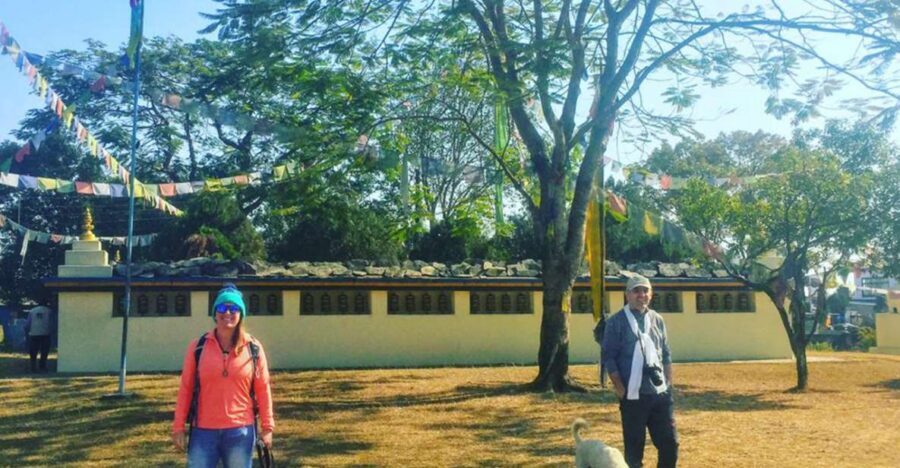
This isn’t a museum-style tour where everything is behind glass. It’s a guided walk and conversation through living parts of Tibetan community life in Nepal, starting with a refugee settlement outside the usual sightseeing lane near Pokhara. You leave with more than photos. You leave with context for why certain objects, words, and routines matter.
The best part is how many angles you get in just 4.5 hours. You’re not only seeing buildings and crafts. You’re also hearing the “why” behind Buddhist symbols, learning how Tibetan education is kept alive, and getting a chance to talk about Tibetan medicine. It’s the kind of day that helps you connect culture to real people.
You can also read our reviews of more historical tours in Pokhara
Meet Mr. Thupten Gyatso and get explanations that make sense
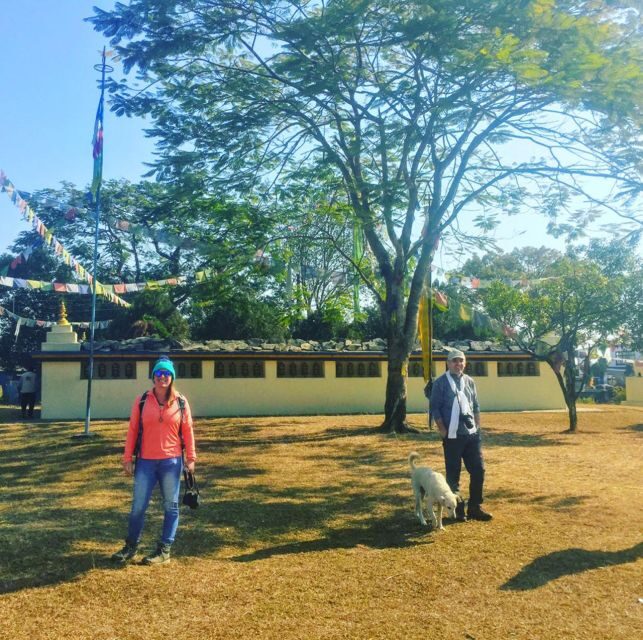
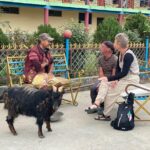
A tour lives or dies on the guide’s ability to translate culture into something you can use. Mr. Thupten Gyatso, a Tibetan native with deep regional roots, is the engine here. He keeps the story grounded in what you can see: how communities function, how tradition gets passed on, and how identity is maintained over time in exile.
In the same morning window, you’ll meet people connected to different aspects of settlement life: monks, doctors, and educators. That mix matters. It prevents “culture” from feeling like a single topic. Instead, it becomes a set of daily systems: learning, health, faith, and craft.
And yes, you’ll also hear about food in a way that connects to lifestyle, not just taste. When your lunch includes momos and thenthuk, it’s easier to remember what you learned earlier in the day.
Tashiling Tibetan settlement: why the walk is the point
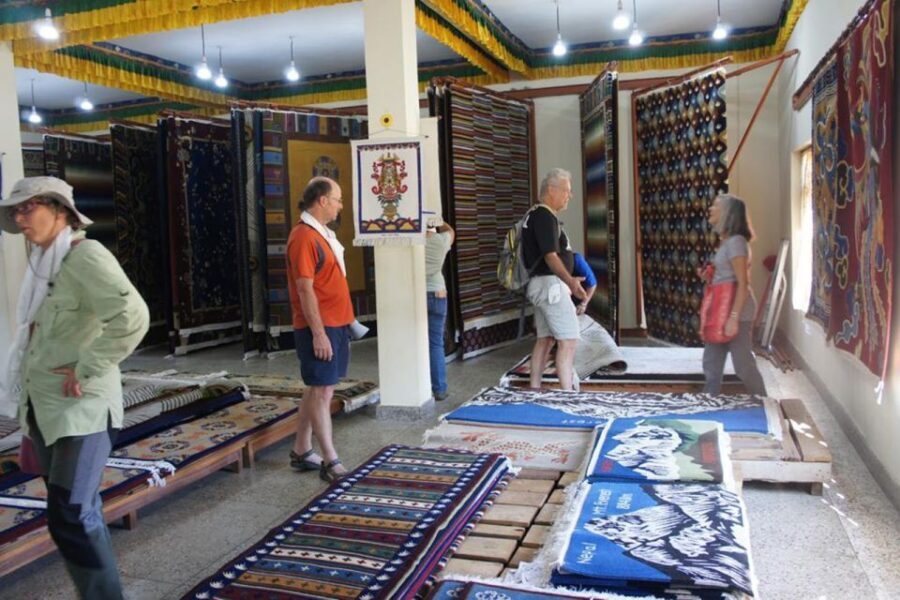
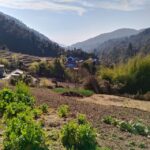
You start with a pickup from the Lake Side area, then head to the Tashiling Tibetan settlement for the main cultural portion. The early stop includes a photo pause, plus coffee and tea, which is a smart move in Nepal. It gets you settled before you start reading life through buildings, small courtyards, and daily routines.
Once you’re walking through the settlement, you’re watching how Tibetan community life is organized. You also get guided time to learn how Tibetan people have preserved language, identity, and Buddhist culture while living in Nepal as refugees. That’s the theme tying the day together: continuity under difficult circumstances.
Two things I’d pay attention to during this part:
- How Tibetan language and culture show up in everyday places, not just in ceremonies.
- How the settlement layout supports community life, including schools and religious spaces.
If you like cultural travel that doesn’t feel scripted, this stop is where the tour earns its keep.
Buddhist monastery stop: what to look for beyond the symbols
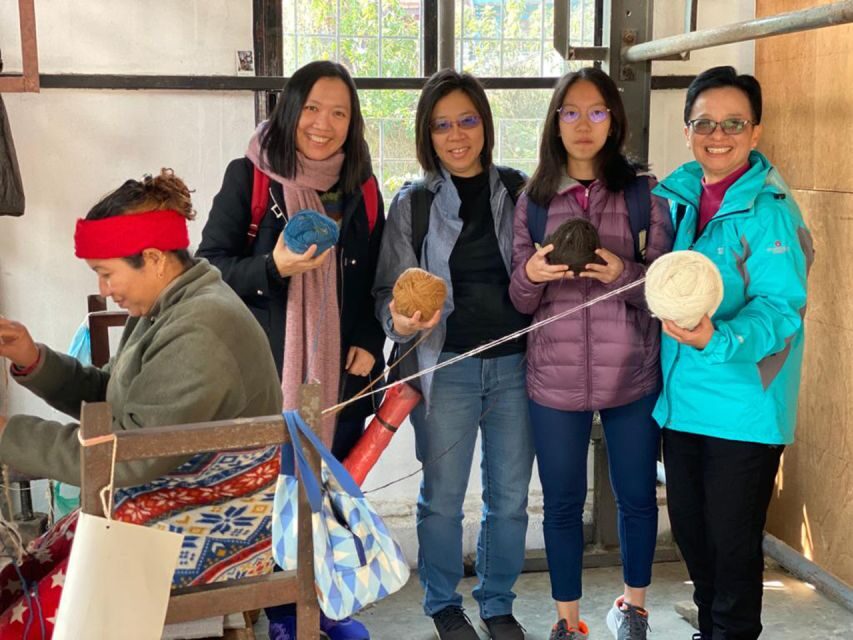
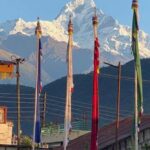
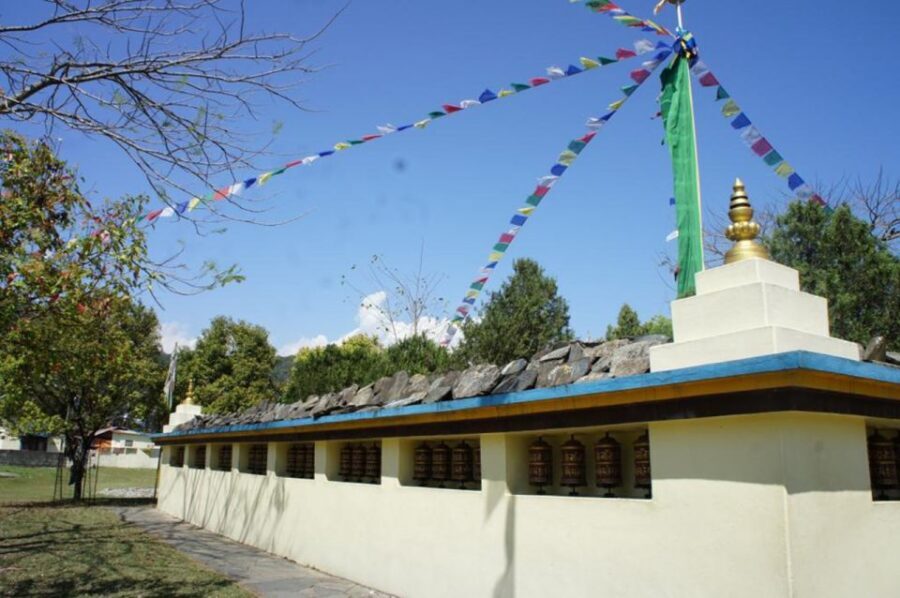
A highlight is the monastery visit where you learn the significance of Buddhist signs and symbols used in daily life. You’ll hear meaning behind prayer wheels, prayer flags, stupas, and other visible markers. This matters because so many visitors see these items as decoration. With explanation, they become a language you can read.
The monastery segment also helps you understand how faith shows up in routines. Even if you’re not Buddhist, you can still appreciate the logic of repetition, meaning, and public symbols. It gives you a way to interpret what you’re seeing as you move through the settlement.
Practical tip: keep your questions simple. Ask what a symbol is saying in ordinary life, not only in a ceremony. Your guide can connect those dots fast, and it makes the visit feel personal instead of academic.
Tibetan schools: learning how education is kept alive
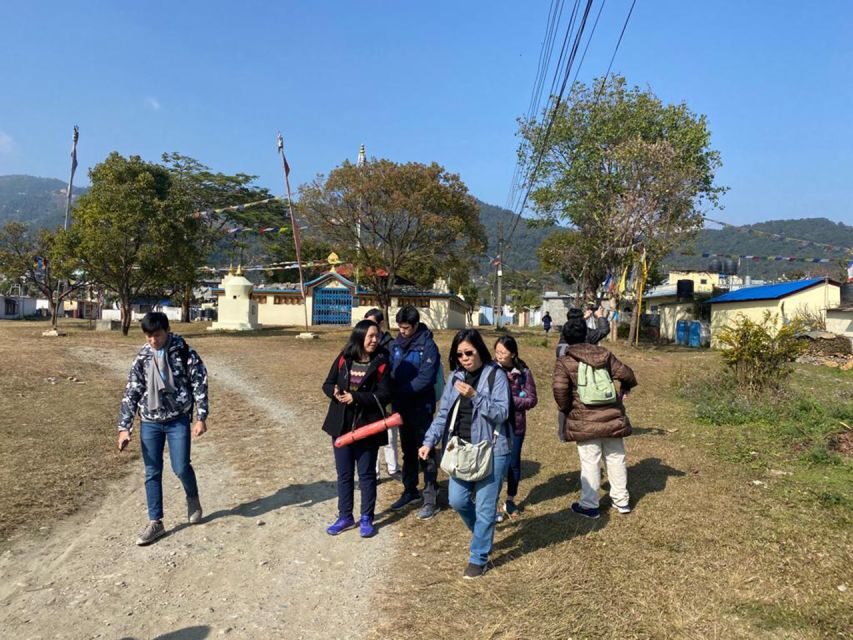
The tour includes time exploring Tibetan schools and their educational system inside the settlement. This isn’t just a quick photo opportunity. You get to see what education looks like when a community is protecting its identity across generations.
For you, that means a more complete picture of exile. Refugee life is often discussed in terms of housing or history. But education shows another truth: people want children to grow up fluent in culture, values, and language, even when circumstances forced them to leave home.
If you care about how traditions survive, the school visit is a key anchor in the day. It connects to everything else you see: religion, language, and community structure.

Carpet workshop and showroom: from hands-on making to smart shopping
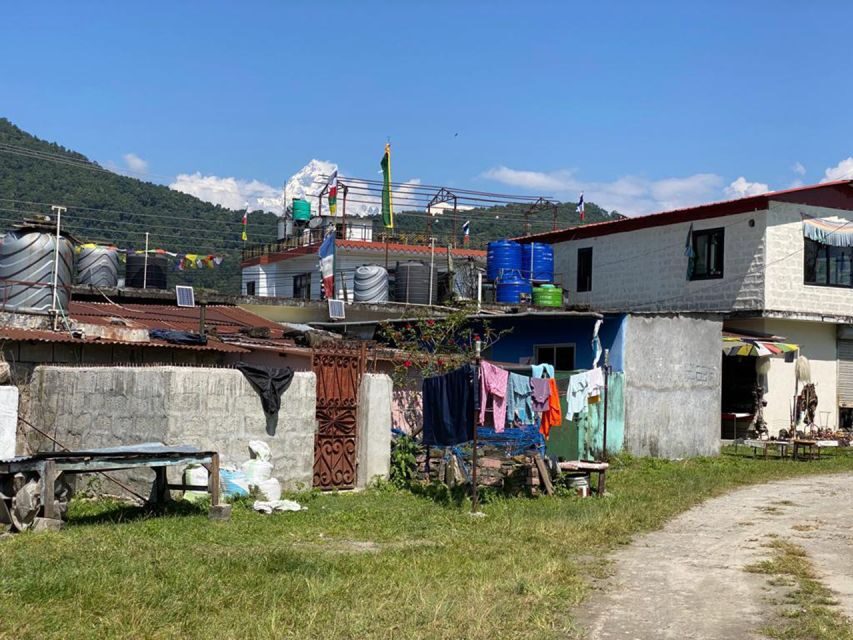
Then you head to a carpet workshop to see how Tibetan carpets are made by hand, step by step. This is the part where craft stops being vague. You’ll understand the workflow and why the designs and colors take time to produce.
After that, you move to a carpet showroom with a variety of designs and colors. This is where you can browse with understanding instead of guessing. If you enjoyed watching the process, you’ll likely notice differences in patterns and finishing that would otherwise fly under your radar.
One practical consideration: if you’re only browsing and not buying, set expectations early. Showrooms are naturally sales-focused. Still, having seen the workshop, you’ll be more confident about what you’re looking at and what questions to ask.
Photo gallery history: the refugee timeline in images you can grasp
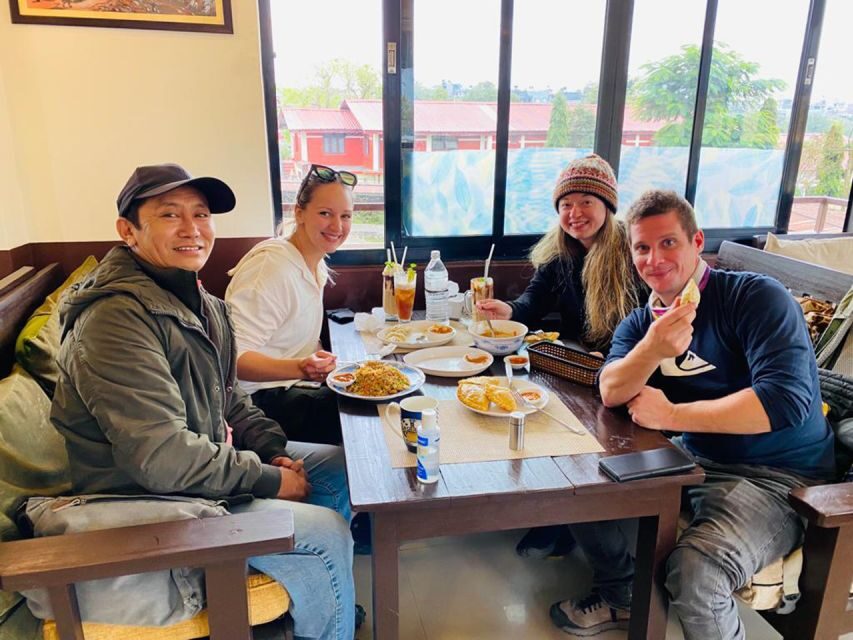
To help you connect today’s settlement to the past, you’ll visit a photo gallery with images showing the history of Tibetan refugees and their settlement in the early 1960s. A photo wall can sound basic, but here it works because it frames the entire day.
Instead of treating culture preservation as a vague idea, you see it as a timeline with real people and real displacement. You’ll understand that what you’re seeing now did not appear overnight. It was built, protected, and carried forward.
If you like getting the “big picture” without reading a textbook, this photo stop gives you just enough historical grounding to make the rest of the tour click.
Tibetan medical center and meeting a doctor: traditional health, explained with care
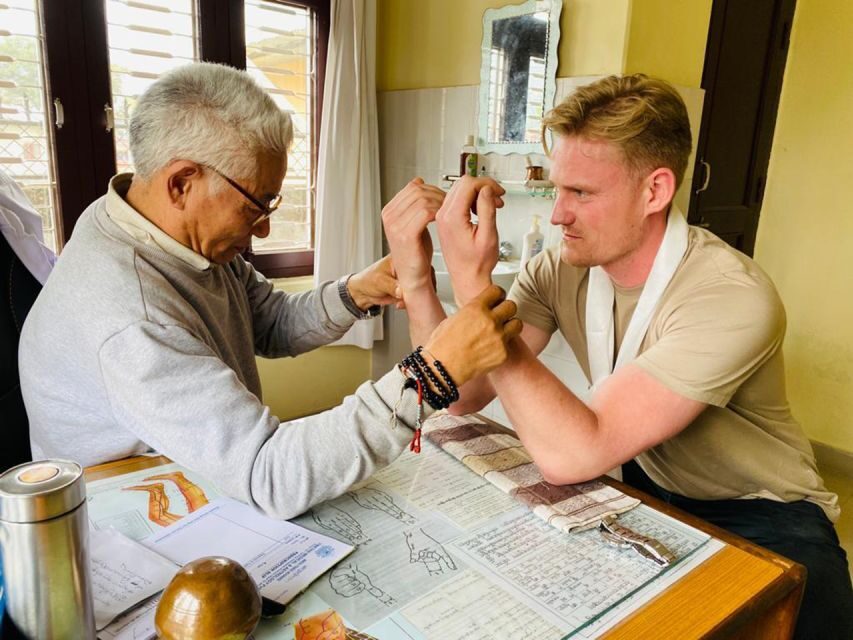
One of the most memorable parts is the visit to a Tibetan medical center and the chance to consult a Tibetan doctor. You’ll get basic knowledge about Tibetan medicine and how it’s used for treatment, and you can experience medical check-ups directly with the doctor.
This is not a replacement for modern care, and the tour doesn’t claim it is. But it is genuinely useful if you’re curious about how traditional health systems work and how people manage wellness in their cultural context.
What I suggest you do here: go in with a few clear questions. For example, ask what the doctor looks for during a check-up, and how treatment is decided. The tour structure gives you the opportunity to ask, not just watch.
Also, this stop adds emotional weight to the day. Meeting a doctor makes the settlement feel fully human, not just cultural.
Tibetan lunch at a local restaurant: momos, thenthuk, and real options
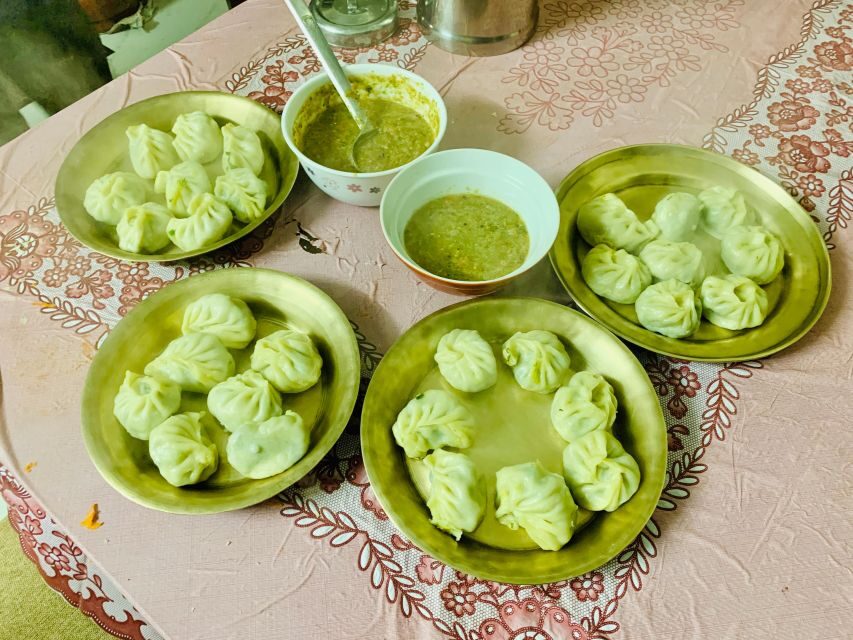
Food is included, and it’s a big part of why this tour feels complete. You’ll have an afternoon lunch at a Tibetan restaurant with options including Tibetan momos and thenthuk, a nourishing soup made with freshly kneaded dough, plus meat and vegetables. There are both vegetarian and non-vegetarian options, so you aren’t forced into one style of meal.
You’ll also have gluten-free options, including plain rice and vegetable curry. That’s not something every short tour handles well, so it’s worth appreciating. You’ll get mineral water, fresh juice, and tea/coffee too, which saves you from hunting for snacks right after a busy morning.
If you want an easy way to enjoy the meal more, remember earlier lessons about symbols and routine. Thenthuk, for example, is comforting and filling by design. It fits the idea that culture isn’t only what’s worshipped. It’s also what’s eaten, daily.
Price and logistics: is $61 good value in Pokhara
At $61 per person for a 4.5-hour tour, the value comes from the number of “people and practice” stops packed into a short window. You’re not just paying for transport. You’re paying for:
- guided visits to a settlement and school areas
- a monastery explanation of Buddhist symbols
- hands-on craft time at a carpet workshop plus a showroom
- a medical center visit with consultation
- a full Tibetan lunch plus drinks
That’s a lot of different experiences in one sitting, and it’s why the price doesn’t feel like a basic sightseeing add-on.
Logistics wise, the tour includes pickup and drop-off around Lakeside. If your hotel is outside Lakeside, there’s an additional transportation fee based on your location. Before booking, double-check where you’re staying so there are no surprise costs. Also note it’s designed for a small group of up to 8 people, which is usually the difference between a thoughtful tour and one that feels rushed.
Who should book this half-day Tibetan cultural tour
Book this if you want a short Pokhara day that connects culture to everyday systems. It’s ideal for you if you care about:
- Buddhist symbols and how they show up in daily life
- Tibetan education in exile through actual school visits
- traditional craft through a carpet workshop, not just shopping
- Tibetan medicine through a doctor consultation
- a genuine lunch with momos and thenthuk
It may feel less fitting if you only want scenery photos or you don’t like guided discussions. And if you need wheelchair access, this one isn’t suitable. It’s also not meant for children under 5.
Should you book this tour or skip it
If you’re in Pokhara and want more than a surface “Tibet overview,” I think booking makes sense. This tour is built around direct contact with community life: settlement visits, monastery meanings, school structure, craft process, and a medical consultation. That blend is the whole point.
Skip it if you already know Tibetan basics and you’re looking for something more adventure-based or off-the-beaten-path outdoors. Also consider your hotel location. If you’re not near Lakeside, you’ll need to factor in the extra transport fee.
FAQ
How long is the half-day Tibetan cultural tour?
It runs for about 4.5 hours.
Where is the pickup included?
Pick-up and drop-off are included around the Lakeside area in Pokhara.
Is there an extra fee if my hotel is outside Lakeside?
Yes. If your hotel is outside Lakeside, there is an additional transportation fee based on your hotel location.
How big is the group?
The group is limited to 8 participants.
What language is the tour guided in?
The live tour guide speaks English.
What places are included in the tour?
You visit a Tibetan refugee settlement, a monastery, a carpet workshop and showroom, a photo gallery, and a Tibetan medical center.
Do you get lunch on this tour?
Yes. You have afternoon lunch at a local Tibetan restaurant, with mineral water, fresh juice, and tea/coffee included.
What food options are available?
Meals include Tibetan momos and thenthuk, with both vegetarian and non-vegetarian options. Gluten-free options include plain rice and vegetable curry.
Can I cancel for a full refund?
Yes. You can cancel up to 24 hours in advance for a full refund.
Is it suitable for wheelchair users and young children?
No. It is not suitable for wheelchair users, and it is not suitable for children under 5 years old.