REVIEW · KATHMANDU
Everest Base Camp Trekking – 13 Days
Book on Viator →Operated by Nepal Adventure Team · Bookable on Viator
Everest Base Camp has a way of changing your breathing. This 13-day trek pairs big, iconic high-mountain scenery with solid logistics and day-by-day pacing through Sagarmatha National Park. I especially like how the itinerary builds in acclimatization (Namche, Khumjung, Dingboche, and Nakarjun) and how the team structure is clear: a fully licensed trekking guide plus an assistant sherpa and porter support for 1 to 2 trekkers. The main drawback to consider is the real-world risk of Lukla flight delays from weather, so you’ll want flexibility before and after the trek.
If you want the classic route—rivers, suspension bridges, monastery stops, and that steady climb toward Everest—you’ll find a lot here. The price of $1,697.37 per person is best understood as paying for mountain-grade guidance, crew support, permits/taxes via TIMS, and a big chunk of your meals—not just for the trail time. The trek is also described as requiring moderate physical fitness, and that’s true: you’ll be walking every day at altitude, with long days between villages.
In This Review
- Key highlights to look for on this Everest Base Camp trek
- Why this 13-day EBC route feels doable (even when it isn’t easy)
- From Kathmandu to Lukla: getting your bearings on Day 1
- Namche Bazaar: the gateway feeling (and the bridge day basics)
- Khumjung acclimatization: viewpoint time plus a village hike
- Tengboche Gompa: monastery culture and wildlife glimpses
- Pangboche to Dingboche: river crossings and the rhythm shift
- Dingboche acclimatization: Nakarjun day without overreaching
- Toward Lobuche: longer days and the approach phase
- Gorakshep and Everest Base Camp: the big goal day (with lunch included)
- Kala Patthar early morning: big effort, then return to Pheriche
- Retracing steps: Namche to Lukla on Days 10 and 11
- Kathmandu again: ending the trek and keeping the timing clean
- What’s included (and why it matters for value)
- What you need to plan for yourself
- Group size, safety decisions, and how flexible you should be
- Who should book this Everest Base Camp trek
- Should you book this Everest Base Camp trek?
- FAQ
- How long is the Everest Base Camp trek?
- Where does the trek start and end?
- Does the tour include pickup in Kathmandu?
- What group size is the trek limited to?
- What guiding support is included?
- Are TIMS and taxes included?
- Which meals are included?
- What optional gear can the tour provide?
- What is not included in the price?
- What happens if you need to cancel your booking?
Key highlights to look for on this Everest Base Camp trek
- Licensed guide + assistant sherpa with porter service for 1 for 2 trekkers, so you’re not guessing or carrying everything yourself
- Lukla to Phakding, then Namche: early structure that gets you used to trails, bridges, and village life
- Acclimatization days in Khumjung and Dingboche so you can handle higher elevations more safely
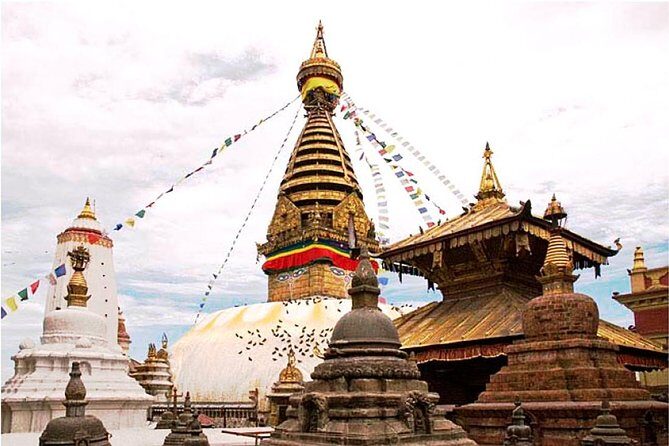
- Tengboche Gompa and Pangboche Monastery: spiritual stops in classic Sherpa country
- Kala Patthar early morning plus a return trek that keeps you moving with purpose
- Group size capped at 26 for a more manageable experience on narrow trails
Why this 13-day EBC route feels doable (even when it isn’t easy)
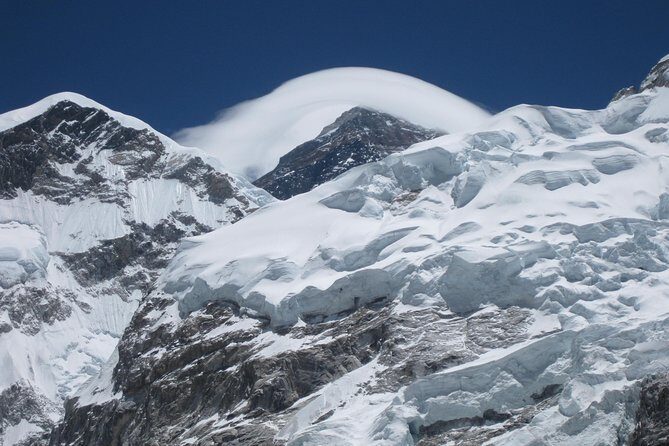
This trek is famous for a reason, but what matters is how you experience it on the ground. Over 13 days, you’re not just “walking to Everest Base Camp.” You’re moving through a sequence of villages and checkpoints that gradually raise altitude while giving you specific days to adjust. That makes a huge difference for most first-timers.
I also like the way the tour is set up around crew support. You get a fully licensed trekking guide and an assistant sherpa, plus porter service that covers a major share of carrying needs (listed as 1 porter for 2 trekkers). That’s not about comfort—it’s about energy. When you arrive at the end of the day less drained, you sleep better, wake up better, and keep your pace steady.
Now the practical catch: the trek is dependent on flights to and from Lukla. Even in good weather, flight delays or cancellations can happen, and the tour explicitly warns to plan for an extra day or two. If your schedule is rigid, the whole trip can feel stressful at the start.
You can also read our reviews of more hiking tours in Kathmandu


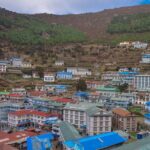
From Kathmandu to Lukla: getting your bearings on Day 1
Day 1 is all about transition. You start in Kathmandu, with the meeting point at Nepal Adventure Team Pvt. Ltd in Amrit Marg 26. The tour also notes pickup is offered, which helps if you don’t want to wrestle with transport logistics after travel.
Then comes the big jump: you fly to Lukla and trek to Phakding village for an overnight at a tea house lodge. The walking is described as easy, and you’ll pass the Dudhkoshi River plus suspension bridges. You’ll also visit monasteries and village areas.
What I like about this kind of first day is that it sets expectations. You’re not immediately climbing hard at thin air. Instead, you get a taste of the trail rhythm: small hills, river views, bridge crossings, and local culture—without turning Day 1 into a fight.
Namche Bazaar: the gateway feeling (and the bridge day basics)
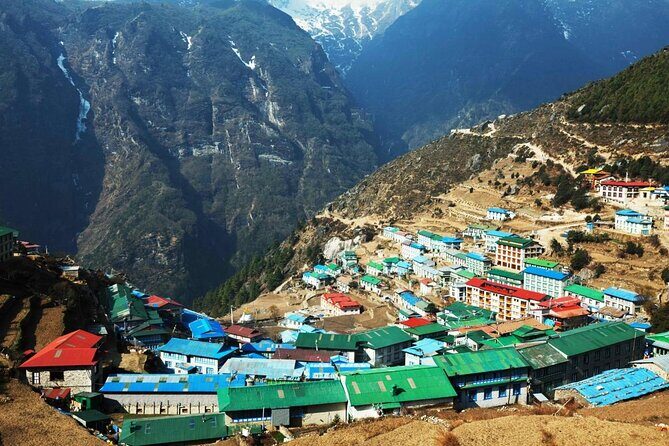
On Day 2, you trek to Namche Bazaar, often described as the gateway to Everest Base Camp. The route details include pine forest walks, river crossings, and suspension bridges—specifically naming the Tengjing Hillary Bridge.
This is one of the days where you’ll likely feel your altitude for the first time. Even when the trail doesn’t look dramatic on paper, your body reacts differently higher up. I like that this itinerary gives you a “setup day” style of travel: you’re walking toward the region’s main hub rather than pushing through to the highest elevations immediately.
One practical takeaway: suspension bridges and uneven mountain trail surfaces mean you should keep your footing calm. If you rush, you’ll burn energy you need later.
Khumjung acclimatization: viewpoint time plus a village hike
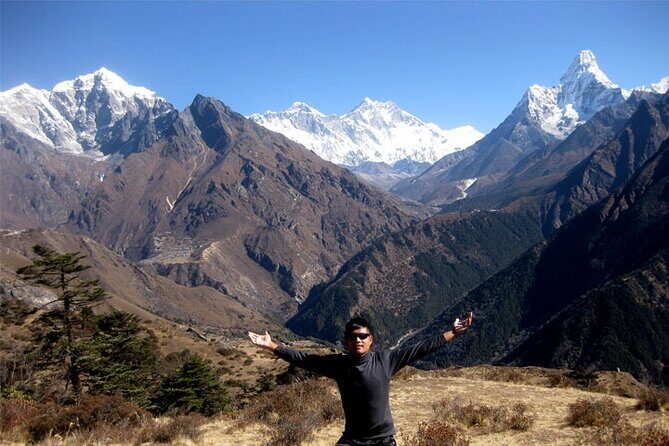
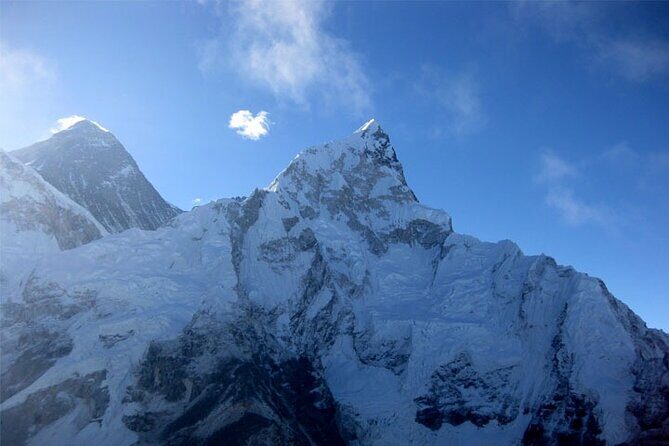
Day 3 is your acclimatization day, and it’s built with intention. You visit the national park headquarters (with a viewpoint of Everest noted) and then hike to Khumjung Village.
Acclimatization days can feel boring on paper, but they’re one of the most valuable parts of any Everest plan. Here’s why: you’re not just waiting for your body to adjust. You’re moving carefully, at a controlled pace, and getting time at altitude without going too hard.
Also, Khumjung and its surrounding stops tend to be a strong cultural anchor—village life, monastery connections, and that slow shift into the Everest region’s pace. This day helps you transition from “tour mode” into “trek mode.”
Tengboche Gompa: monastery culture and wildlife glimpses
Day 4 brings a classic highlight: Tengboche Gompa. The itinerary says you walk through pine forest and can spot Himalayan Thar and musk deer, plus visit the biggest monastery at Tengboche.
This day tends to be memorable for two reasons. First, the scenery around Tengboche is tied to religious and cultural importance, and that matters even if you’re not deeply into temples. Second, the wildlife notes remind you you’re trekking through a living ecosystem, not a movie set.
Timing-wise, this is also a steady walking day (listed as about 5 hours). So if you’re the kind of person who needs an early start to feel mentally ready, plan to take breakfast seriously and move on schedule.





Pangboche to Dingboche: river crossings and the rhythm shift
Day 5 heads toward Pangboche, including a river crossing and a visit to Pangboche Monastery. You then overnight in a hotel in Dingboche.
The most important thing about this day is the rhythm shift. After multiple villages and bridge crossings, you’re moving deeper into the high-altitude trekking chain where mornings and packing routines begin to define the trip.
Monastery visits here are more than a photo stop. They give context to the Sherpa communities you’re walking through—and they help break up the long hours with something human and local. After a hard stretch, that can make a difference in how you experience the trail.
Dingboche acclimatization: Nakarjun day without overreaching
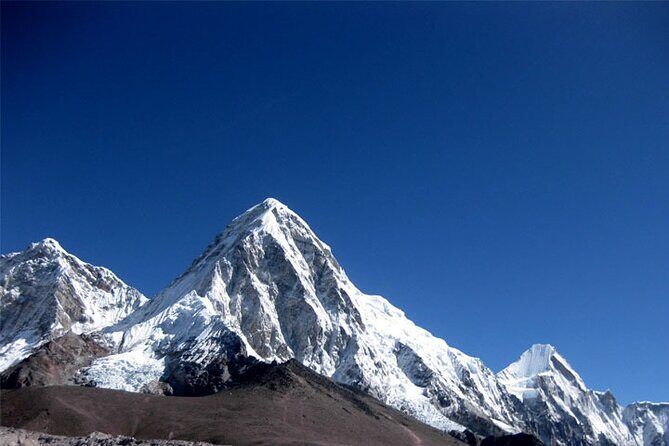
Day 6 is another acclimatization day in Dingboche, and it includes a hike to Nakarjun Peak. The listing doesn’t spell out the hike length in a clear “hours” format, but it’s clearly presented as a controlled acclimatization outing.
I like this because it matches how altitude planning should work: you’re going higher to help your body learn, then you sleep at the same altitude for recovery. It’s not a “go big” day. It’s a “teach your body” day.
Also, Dingboche is a key spot for logistics. You’ll feel more prepared for the high-elevation villages after this day, especially mentally.
Toward Lobuche: longer days and the approach phase
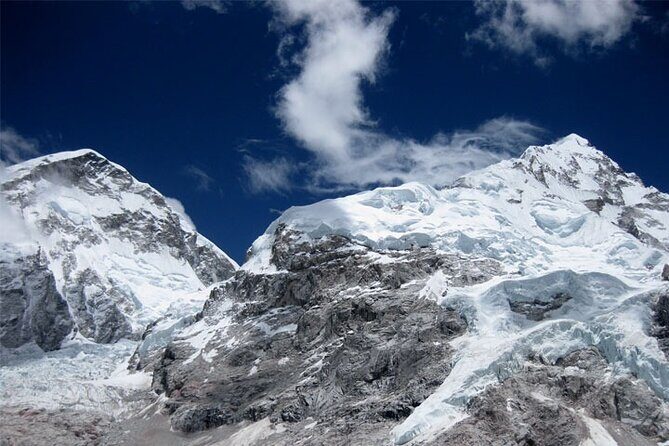
Day 7 treks to Lobuche, crossing Thukla village along the way. The itinerary lists about 5 hours of trekking.
This is where many people feel the trip shift from “scenery and culture” into “Everest mission.” You’re still moving through local places, but your mind tends to start counting toward the Base Camp goal. If you’re prone to pushing ahead, this is where you should be extra careful. Steady walking beats sudden surges at altitude.
Gorakshep and Everest Base Camp: the big goal day (with lunch included)
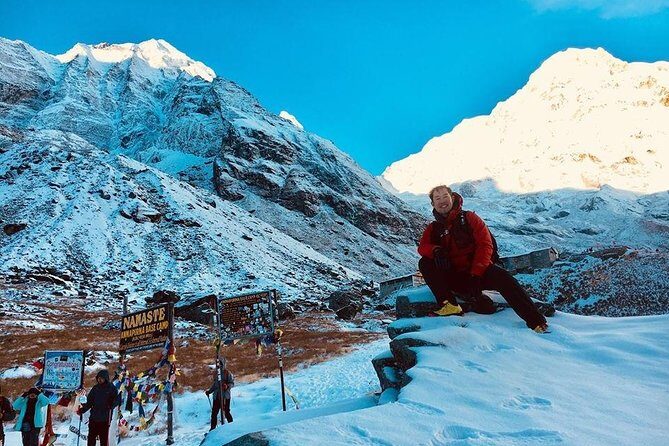
Day 8 goes to Gorakshep, then you take lunch and visit Everest Base Camp.
This is the day you’ve likely been dreaming about since you booked. What makes it more comfortable in this itinerary is that the plan doesn’t treat it like a quick drop-in. You reach Gorakshep first, you eat, and then you visit Base Camp.
One consideration: even though it’s a goal day, it’s still a trekking day. You’ll still need to manage your energy and not overdo it once you arrive. The best approach is to treat the visit like a moment of awe, not an all-day endurance test.
Kala Patthar early morning: big effort, then return to Pheriche
Day 9 is built around an early morning climb up to Kala Patthar, followed by trekking back to Pheriche village.
The “early morning” part matters. At altitude, mornings can feel colder and your legs might be stiff at first. You’ll do best if you start moving with patience and keep a consistent pace rather than sprinting up.
This day also sets up your return. After the Base Camp push, you’re now switching from “going up” to “rebuilding strength,” while still putting in real trekking hours.
Retracing steps: Namche to Lukla on Days 10 and 11
Day 10 takes you back to Namche Bazaar. Day 11 continues the return trek to Lukla.
Some people worry that the return feels repetitive. Here’s my practical take: your body and mind are different on the way down. You’re lower now, which can feel like a gift. Plus, your second pass through villages often turns into something more reflective—less “hike to the next checkpoint,” more “notice what I missed.”
Still, descending can be rough on knees and ankles. Suspension bridges and rocky trail bits don’t disappear just because you’re going down.
Kathmandu again: ending the trek and keeping the timing clean
Day 12 returns to Kathmandu, and Day 13 is final departure (the itinerary doesn’t add details beyond that). If you’re flying out, this is where having a buffer day can help if anything shifts.
The itinerary timing highlights the need to stay flexible around Lukla flights. The tour even warns that you may want an extra day or two in your plan if flights are delayed or cancelled.
What’s included (and why it matters for value)
This package isn’t just a trail route. A lot is included, which is part of the value equation at $1,697.37 per person.
Included highlights:
- Fully licensed trekking guide plus an assistant sherpa
- Porter service listed as 1 porter for 2 trekkers
- TIMS card and government/local taxes
- Optional gear supply if needed, such as sleeping bag, down jacket, and duffel bags (not keep forever; they’re returned)
- Trekking route maps, plus a NAT T-shirt and certificate of appreciation
- First aid medical kit
- Meals: Breakfast (12), Lunch (11), Dinner (12)
Why that matters: with Everest Base Camp treks, the costs add up in odd ways. Permits, management cards, guided logistics, and crew support aren’t “small extras.” They’re core to keeping the trip running and reducing avoidable uncertainty.
Also, I appreciate that the tour lists that staff expenses—including flights, salary, equipment, and insurance—are handled. That tells you there’s an organized staffing plan behind the scenes, not just a local guide and a promise.
What you need to plan for yourself
The big “not included” items are clear:
- Extra drinks (alcoholic and non-alcoholic)
- Travel and rescue insurance
- Tips to guide and porters
In practical terms, you should budget for spending money on drinks (tea houses and lodge extras can add up fast). And you should not treat rescue insurance as optional if you’re going to the Everest region—altitude adds risk even when the trek is well organized.
Also think about packing for altitude. Even though sleeping bag and a down jacket can be supplied optionally, you’ll still need a system that works for you—warm layers, reliable footwear, and basics that don’t fail you on long days.
Group size, safety decisions, and how flexible you should be
The trek states a maximum of 26 travelers, which helps keep things from feeling chaotic on the narrower paths. It also means your crew can manage pacing without everything turning into a traffic jam.
One more safety-related note: the leader has authority to amend or cancel parts of the itinerary if safety requires it, including due to weather conditions, health conditions of a person, or unexpected natural disasters. That’s not a loophole; it’s a reality of high-altitude trekking. You’ll enjoy this trip more if you travel with flexibility in mind.
Who should book this Everest Base Camp trek
This tour fits best if you:
- Want the classic Everest Base Camp route through Sagarmatha National Park
- Prefer an organized plan with acclimatization days rather than rushing
- Like having a strong team structure (licensed guide, assistant sherpa, porter support)
- Are comfortable with moderate fitness and daily trekking hours at altitude
- Value value in the “all-in running costs” sense: TIMS, taxes, route maps, and major meal support
Should you book this Everest Base Camp trek?
I think this is a strong choice if you want structure, support, and a classic progression toward Everest Base Camp without improvising. The two standout strengths are the acclimatization strategy (Namche, Khumjung, and Dingboche) and the crew model (licensed guide plus assistant sherpa with porter coverage for small groups). If you’re the type who gets stressed by travel uncertainty, keep one thing in mind: Lukla flight delays are realistic, so give yourself breathing room before and after.
If your schedule is flexible and you’re aiming for a well-run, classic EBC experience, this itinerary looks like a solid bet.
FAQ
How long is the Everest Base Camp trek?
The duration is 13 days (approx.).
Where does the trek start and end?
It starts at the meeting point in Kathmandu (Nepal Adventure Team Pvt. Ltd, Amrit Marg 26) and ends back at the same meeting point.
Does the tour include pickup in Kathmandu?
Yes, pickup is offered.
What group size is the trek limited to?
The tour has a maximum of 26 travelers.
What guiding support is included?
A fully licensed trekking guide (leader) and an assistant sherpa are included, along with porter service listed as 1 for 2 trekkers.
Are TIMS and taxes included?
Yes. TIMS Card and all government and local taxes are included.
Which meals are included?
Breakfast is included 12 times, lunch 11 times, and dinner 12 times.
What optional gear can the tour provide?
The tour lists optional supply if necessary, including sleeping bag, down jacket, and duffel bags (to be returned after).
What is not included in the price?
Extra drinks, travel and rescue insurance, and tips to guide and porters are not included.
What happens if you need to cancel your booking?
Cancellation is free up to 24 hours before the experience’s start time. Within 24 hours, the amount paid is not refunded.