REVIEW · KATHMANDU
Rafting in Nepal: Trishuli, Bhotekoshi & Other River Rafting
Book on Viator →Operated by Shepherd Holidays · Bookable on Viator
Whitewater rafting from Kathmandu sounds simple, and it mostly is: you get a full day on the river with hotel pickup and a safety briefing that keeps things organized. I like how the day is built for real access, not a whole production—especially if you’re staying near Thamel and want minimal hassle. I also like the two different flavors on offer: Trishuli for Class II–III and Bhote Koshi for the more serious Class III–V ride.
One thing to watch is transport time and road comfort. If you end up on public buses, the trip can stretch long and feel crowded, and that can make the day feel more like a bus tour than a rafting vacation.
In This Review
- Key Things You Should Know Before You Go
- A Kathmandu Whitewater Day: Trishuli vs Bhote Koshi
- Price and What $90 Buys You in the Real World
- Getting to the River: Pickup, Buses, and Time Reality
- Trishuli River Rafting: Class II–III for Confident Beginners
- Bhote Koshi River Rafting: Class III–V for Adrenaline Seekers
- Safety, Guides, and the Stuff That Keeps It Fun
- Lunch and Comfort: The Part You’ll Appreciate Later
- What to Expect During the Rafting Window
- Who This Trip Fits Best (and Who Should Rethink It)
- Should You Book This Nepal Rafting Day Trip?
- FAQ
- How long is the rafting experience?
- What rapids level is Trishuli rafting?
- What rapids level is Bhote Koshi rafting?
- Does the trip include hotel pickup and drop-off?
- Is lunch included?
- Do I need to be very fit?
- What happens if weather is poor?
Key Things You Should Know Before You Go
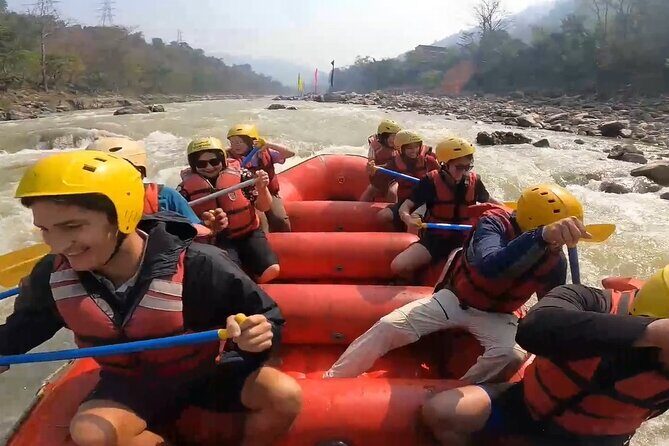
- Two river styles: Trishuli is beginner-friendly with Class II–III rapids; Bhote Koshi is for stronger paddlers and Class III–V thrills.
- Warm-water feel on Trishuli: the river is described as relatively warm, and rafting can run in most seasons.
- Built-in lunch: a typical Nepali lunch is included, so you’re not scrambling for food mid-day.
- Small group size: the cap is 15 travelers, which usually means less waiting and smoother coordination.
- Guides run the safety side: you get a thorough briefing before you hit the water, and rafting is guided by trained staff.
- Logistics can change with transport choice: private transport tends to save time; public/tourist buses can add hours.
A Kathmandu Whitewater Day: Trishuli vs Bhote Koshi
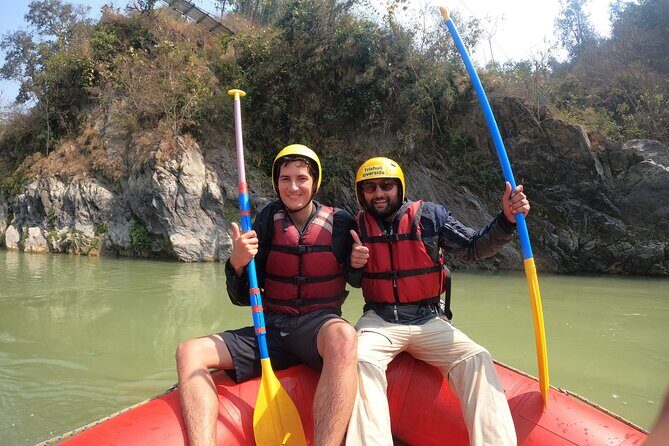
If your Kathmandu plan needs something physical, but you still want it simple, this rafting setup is made for you. It’s a day trip built around two popular rivers: the calmer, friendly option on Trishuli, and the harder-hitting Bhote Koshi for adrenaline seekers.
What makes it especially practical is the way the day is structured. You start with road time out of Kathmandu, then shift to river time with a briefing and a crew that’s used to moving groups safely. You’re not doing this as a solo quest into the wild—you’re getting a guided, organized outing with the right gear and support.
The big decision is which river matches your comfort level. Trishuli’s rapids are classed as II and III, which usually fits first-timers who want action without white-knuckle chaos. Bhote Koshi ramps up to Class III to V, which means it’s for people who can handle rough water and want a stronger challenge.
You can also read our reviews of more tours and experiences in Kathmandu.



Price and What $90 Buys You in the Real World
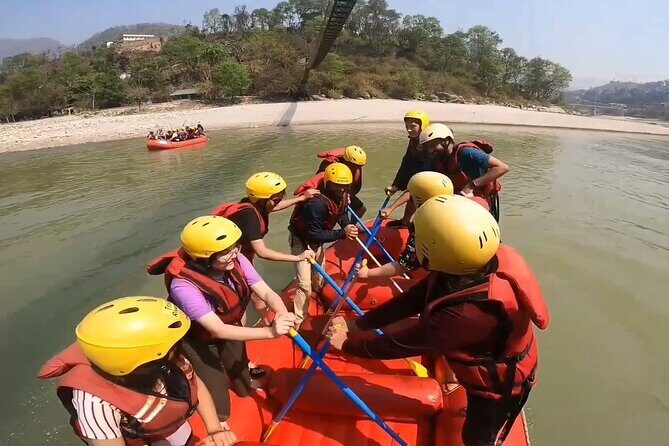
At $90 per person, you’re paying for a lot of the parts that can otherwise cost time (and patience) in Nepal: pickup/drop-off, transport to the put-in area, rafting costs, and lunch. That’s the true value here. The rafting itself is only one slice of the day.
It also helps that you’re getting a mobile ticket and group discounts. If you’re traveling with friends, that can make the per-person cost easier to justify versus booking everything separately.
One more value point: your day isn’t just “go to the river.” The included list also covers transportation back from the ending point so you’re not stuck figuring out how to return after the run. That matters on long rafting days.
Getting to the River: Pickup, Buses, and Time Reality
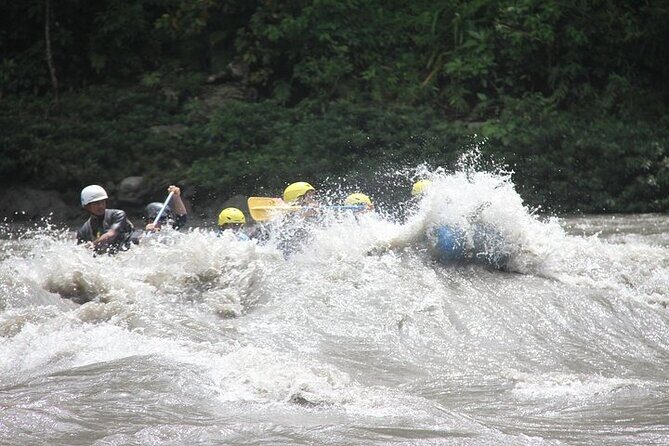
From Kathmandu, expect a drive that can be around a few hours each way depending on your route and river schedule. The goal is straightforward: you get pickup from your hotel and return transport back into Kathmandu.
Now the honesty part. Road conditions can make bus transfers feel long. One shared experience highlighted that on a public bus you might spend more than five hours getting to the rafting area when roads are slow and the bus is crowded. That doesn’t mean the trip is bad, it means you should choose your transport option based on your stamina and tolerance for long, bumpy rides.
If you’re in for comfort and want to protect your energy for rafting, private transportation is the safer bet. If your budget is tight and you don’t mind waiting, public/tourist buses can still work, but go in knowing the ride can be the hardest part of the day.
Also note the trip duration is listed as about 6 to 12 hours. That wide range makes sense when you’re factoring in drive time, check-in, briefing, and the actual time on the water.
Trishuli River Rafting: Class II–III for Confident Beginners
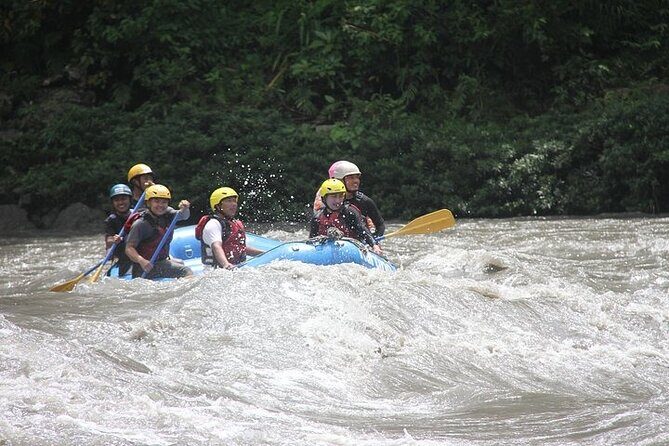
Trishuli is the “start here” river if you want whitewater without feeling like you signed up for a test. The rapids are described as Class II and III, which fits beginners and people who want real excitement without constant fear.
Your day starts with a scenic drive out toward Charaudi, where you begin the adventure. Then comes the part that turns nerves into readiness: a safety briefing from experienced guides. Even if you’ve never rafted before, this is where you’ll learn how the crew expects you to sit, hold on, and react when the water gets loud.
Once you’re on the river, the run focuses on manageable rapids and the feel of moving through Nepal’s hilly valleys. There’s also a practical advantage: the river is described as relatively warm-water, and rafting is possible in most seasons thanks to the river flow.
What I like about Trishuli for a lot of people is that it doesn’t waste your day. You’re on the water for around three hours in the typical schedule described, which is long enough to feel like a real rafting experience rather than a quick taste.
Bhote Koshi River Rafting: Class III–V for Adrenaline Seekers
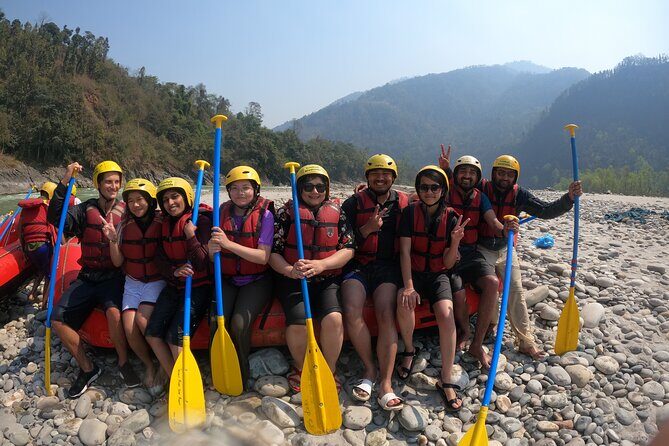
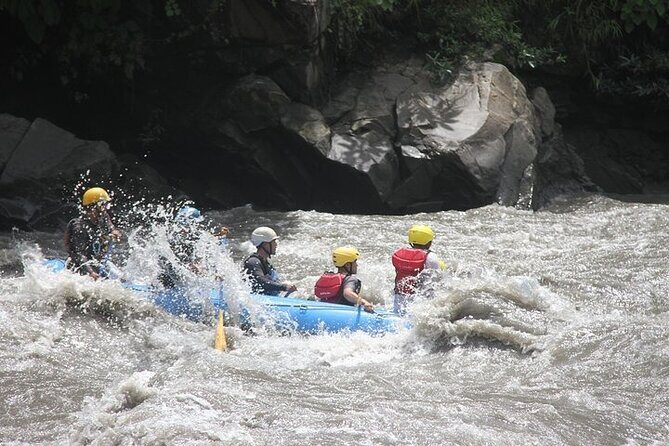
Bhote Koshi is the “hold on and pay attention” option. Rapids range from Class III to V, which signals more demanding water, more powerful currents, and a greater chance you’ll get tossed around by waves and holes.
Your route starts with a drive to Sukute, where the stronger water is waiting. As with Trishuli, you get a safety briefing before you go in. That briefing matters even more here because Bhote Koshi is described as winding through narrow gorges, meaning the river environment can feel tighter and more intense than on wider systems.
This trip is built for adrenaline seekers and more experienced rafters. If you’ve done rafting before and you want a step up, Bhote Koshi is the right kind of challenge. If you’re truly new to whitewater, you’ll want to be honest about your comfort level—Class III–V isn’t just “a bit rough,” it’s a different category.
Like the other run, you’re typically on the water for about three hours. Then you head back toward Kathmandu.




Safety, Guides, and the Stuff That Keeps It Fun
This rafting day is designed around good instruction. You’re told to expect a thorough safety briefing, and the experience description emphasizes well-trained guides and staying safe.
That’s not a marketing line—it’s the difference between rafting that feels like play and rafting that feels like panic. When the crew is prepared, you get clear directions on what to do in rapids, how to hold your position, and what to watch for as the boat moves through different sections of water.
The overall group size is capped at 15 travelers, which helps the guides manage everyone without turning the day into a constant wait-and-wait game. In rafting, that matters because you don’t want long gaps between instructions and getting on the boat.
Also, gear is included. The description says you receive all the gear you need for the experience, so you’re not left at the mercy of finding rentals last minute.
Lunch and Comfort: The Part You’ll Appreciate Later
A typical Nepali lunch is included. That sounds simple, but it’s a big deal on rafting days. You’re spending hours on the road and then sitting in wet gear and cold air depending on the season. Having food provided keeps the day moving and reduces stress.
In terms of timing, your schedule is built around drive time, briefing, river time, and then lunch before or after the run depending on the day’s flow. Either way, having lunch included means you don’t lose time hunting for something quick when you’re already tired.
If you’re someone who gets chilled easily, plan to change out of wet clothes afterward. Even when the day is warm, rafting gear can keep you damp longer than you expect.
What to Expect During the Rafting Window
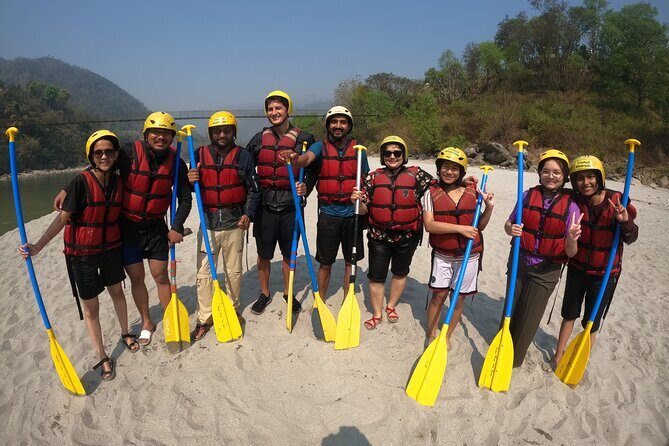
Across both rivers, the structure is consistent: pick-up and transport to the put-in area, briefing, then a focused run with manageable chunks of time on the water.
Trishuli’s three-hour window is built around Class II–III excitement. Bhote Koshi’s three-hour window is where you’ll feel the stronger current and more intense rapids in a tighter river setting.
So if you’re deciding between the two, think less about “which is more scenic” and more about “which matches the kind of day you want.” Trishuli is the do-it-for-fun day. Bhote Koshi is the prove-it day.
Who This Trip Fits Best (and Who Should Rethink It)
This experience asks for moderate physical fitness. You don’t need to be an athlete, but you should be comfortable with a full day schedule and active participation as the crew guides you on and off the boat.
Best fits:
- Beginners or first-time rafters choosing Trishuli
- Intermediate rafters who want a meaningful step up on Bhote Koshi
- Travelers who want a day trip that’s guided, structured, and efficient rather than a long wilderness journey
Consider another plan if:
- You’re highly sensitive to rough transport and long road delays (public buses can be slow and crowded)
- You’re new to rafting and your booking is for Bhote Koshi’s Class III–V rapids without a higher level of comfort
One small practical note: service animals are allowed. If you travel with one, it’s worth confirming the details during booking.
Should You Book This Nepal Rafting Day Trip?
I’d book it if you want the sweet spot: Kathmandu convenience plus real river time. The included pickup/drop-off, lunch, and gear mean you can show up and focus on the rapids rather than the logistics.
Choose Trishuli if you want action that still feels approachable, especially for a first rafting day. Choose Bhote Koshi if you’re craving harder water and you’re ready for the stronger classes and narrower gorge feel.
And if you’re trying to protect your energy, pay extra attention to how you’re getting to the river. The rafting may be the main event, but your ride there can shape the whole mood of the day.
If you’re flexible, bring your best attitude, and pick the river that matches your comfort level, this is a strong way to get Nepali whitewater without spending days arranging everything from scratch.
FAQ
How long is the rafting experience?
The overall trip is listed as about 6 to 12 hours. The rafting time for each river option shown is about 3 hours, with additional time for driving and meals.
What rapids level is Trishuli rafting?
Trishuli rafting is described as Class II and III rapids, suitable for beginners.
What rapids level is Bhote Koshi rafting?
Bhote Koshi rafting is described as Class III to V rapids, aimed at adrenaline seekers and more experienced rafters.
Does the trip include hotel pickup and drop-off?
Yes. Pick up and drop off at your hotel are included.
Is lunch included?
Yes. A typical Nepali lunch is included.
Do I need to be very fit?
No extreme fitness is required, but you should have a moderate physical fitness level.
What happens if weather is poor?
This experience requires good weather. If it’s canceled due to poor weather, you’ll be offered a different date or a full refund.