REVIEW · POKHARA
Pokhara City Tour in Sharing Bus
Book on Viator →Operated by Swami Narayan Travels Pvt Ltd · Bookable on Viator
Six hours of Pokhara in one shared bus. This Pokhara city tour is interesting because you bounce between temples, caves, lakes, and waterfalls without paying big-tour prices. You start from the Lakeside area, then work your way across the highlights at a pace that suits a limited day.
I especially like the low-cost value for hitting multiple sights in one outing, and the fact that pickup and drop happen from Lakeside. That combo makes it easier to fit into your plans without adding extra transport hassles.
One possible drawback: since it’s a basic shared mini-bus, you should expect less hand-holding and tight timing at each stop, plus entrance fees are extra for several major sights.
In This Review
- Key highlights you’ll actually feel during the day
- Pokhara city in one day: what the shared bus really means
- Lakeside pickup and the mini-bus comfort trade-off
- Stop 1: Shree Bindhyabasini Temple in half an hour
- Stop 2: Mahendra Cave for quick cave time
- Stop 3: Begnas Lake for an hour of breathing room
- Stop 4: Devi’s Fall—unique water scenery, with extra entry
- Stop 5: Gupteshwor Mahadev Cave for the longest cave segment
- Stop 6: Phewa Tal finish—end close to where you’ll sleep
- Price and value: why $10.29 can make sense
- Who this tour suits best (and who might be happier elsewhere)
- Tips to make the day smoother
- Should you book this Pokhara sharing bus tour?
- FAQ
- What is the tour start time?
- Where do you get picked up and dropped off?
- How long does the Pokhara city tour take?
- What does the tour include?
- Are entrance fees included in the price?
- Which places are visited on the tour?
- How much time do you spend at each stop?
- What is the maximum group size?
- Do you need to bring a ticket to enter?
- Can I get a full refund if I cancel?
Key highlights you’ll actually feel during the day
- A full Pokhara highlights loop: temple, caves, Begnas Lake, Devi’s Fall, Gupteshwor, and Phewa Tal
- Lakeside pickup and drop so you don’t burn time getting to a separate meeting point
- Small enough to move fast with a maximum of 22 people on the bus
- Budget-friendly format: one shared seat with group cost savings
- Easy finish near your hotel at Phewa Tal, where you can walk onward instead of catching more rides
Pokhara city in one day: what the shared bus really means
If you want to see a lot in a single stretch, this shared bus format is a practical choice. The plan runs about 6 to 7 hours, starting at 9:40 am, and it’s built around doing several well-known Pokhara sights back-to-back.
The shared part matters. A mini-bus with other people means there’s less flexibility to linger, and the schedule depends on everyone boarding and getting moving again. That said, the payoff is that you get an efficient day out of it—more like a local day of errands and sightseeing than a slow, curated private tour.
Also, keep expectations aligned with the style. This isn’t a fancy, guide-supplies-everything setup. You’ll be moving between locations, getting basic context, and then spending most of your time at the sites themselves. If you’re the type who likes structure without paying for a private driver, you’ll probably appreciate it.
You can also read our reviews of more city tours in Pokhara
Lakeside pickup and the mini-bus comfort trade-off
Most days in Pokhara start with Lakeside energy, so the Lakeside pickup is a convenience you feel immediately. You don’t have to hunt for a distant bus stop or reorganize your whole morning.
Once you’re on board, the bus is described as basic shared transport. That can go two ways, depending on your tolerance. One traveler experience described the bus as very basic with minimal guiding, while others found the bus comfortable and enjoyed the flow. My practical take: it’s best to pack for “functional transport.” Bring a small layer in case it’s cooler on the ride and keep your phone charged for the views.
A few more details that affect your day:
- The group is capped at 22 travelers, so you’re not stuck in a huge crowd.
- The tour uses a mobile ticket, which is handy if you don’t want to juggle paper.
- Group discounts can help if you’re traveling with friends, since shared costs often get better the more you bundle.
In short: you’re paying for access and route efficiency, not luxury.
Stop 1: Shree Bindhyabasini Temple in half an hour
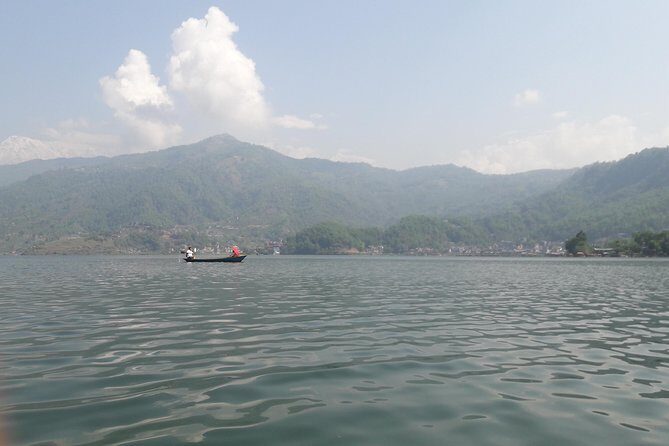
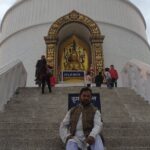
You’ll start with Shree Bindhyabasini Temple, a Hindu temple visit that lasts about 30 minutes and has admission free.
This first stop is smart because it sets the tone early. Temples in Pokhara aren’t just photo stops; they’re where locals go for worship and daily rhythm. Even with limited time, you’ll get that immediate sense of being in the real city, not only sightseeing-from-a-bus.
What to watch for:
- Thirty minutes goes fast. If you want slower photos or extra time at the courtyard edges, you’ll need to be ready to move as the group moves.
- Dress code can matter at religious sites. Keep it modest.
Why I like this stop in the itinerary: it’s free and short, so it doesn’t drain your day before the paid attractions and longer lake-and-cave segments begin.
Stop 2: Mahendra Cave for quick cave time
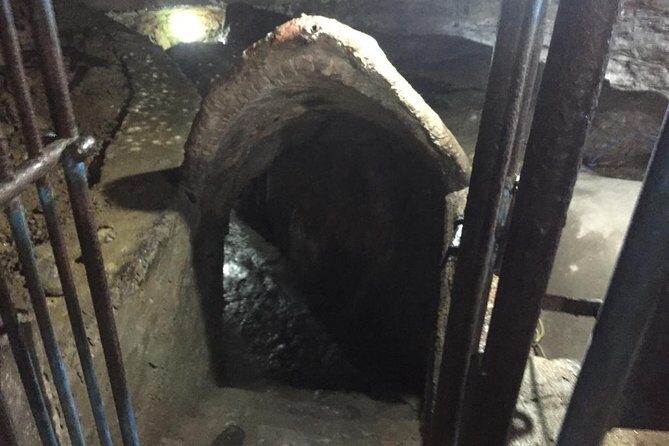
Next up is Mahendra Cave, typically about 20 minutes. The key point: admission is not included, so you’ll want to budget extra for entry.
Caves are a different kind of Pokhara experience. Even without long stays, you get the switch from daylight city scenes into enclosed, limestone-feeling atmosphere. It’s a good fit for a shared tour because it doesn’t take half the day to enjoy.
The consideration here is simple: cave time is short. If you love crawling through every nook and reading every plaque, this stop may feel like a teaser. But if you want a taste of Pokhara’s geology and local cave culture without committing hours, it works.
Practical tip: wear shoes you’re comfortable walking in, since cave interiors can feel slick compared to outdoor paths.
Stop 3: Begnas Lake for an hour of breathing room
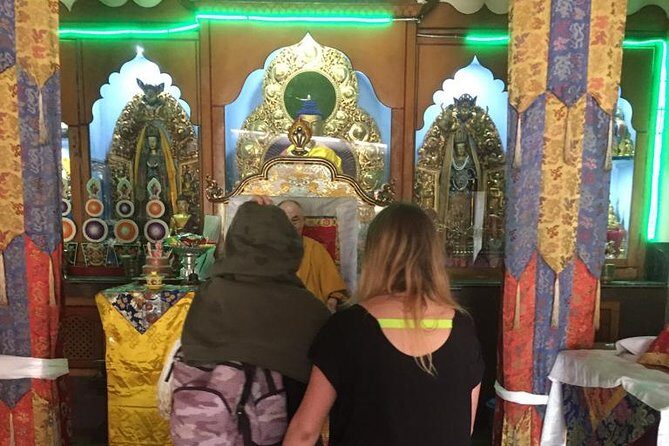
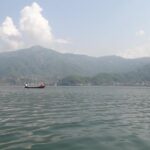
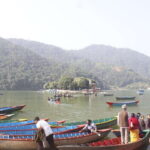
Begnas Lake is one of the more relaxing breaks on the route. You get about 1 hour, and admission is free.
This is where the day shifts from “tour stops” into “time outside.” Begnas is a natural lake experience, and the longer time slot gives you room to wander at an easy pace, enjoy the water, and reset before the more intense sights like Devi’s Fall and the caves.
Why this stop adds real value: the day includes multiple places where you might feel rushed (caves, falls). Begnas gives you a chunk of slower time. Even if you don’t do much more than take in the views, that hour helps make the overall tour feel less like a checklist.
One drawback to note: one hour is not enough for “full day at the lake.” You’re there to enjoy the lakeside moment and then keep rolling.


Stop 4: Devi’s Fall—unique water scenery, with extra entry
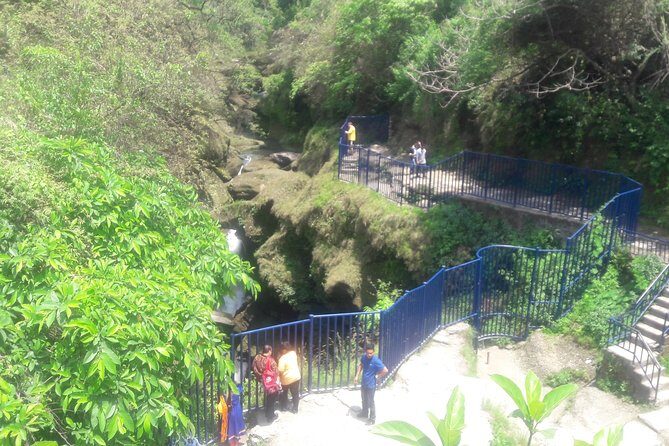
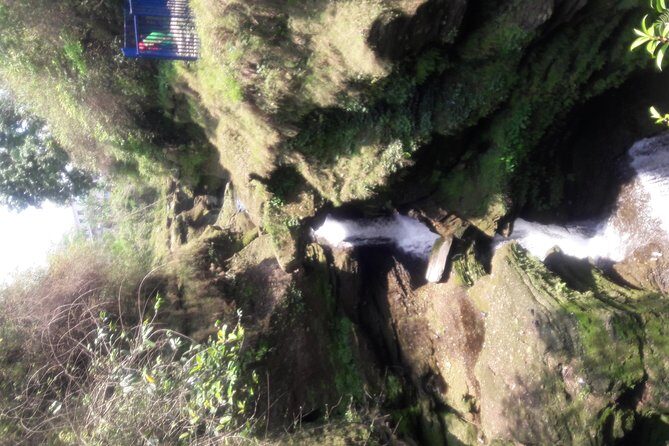
After Begnas, the tour heads to Devi’s Fall for about 25 minutes. This is one of the famous Pokhara sights, and it’s marked as admission not included.
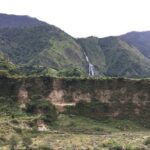
What makes it special is the look and feel: water dropping from higher up down to the lower area, with a dramatic shape compared to typical waterfalls. It’s also the kind of place where you can stand in one spot and still watch changes in the water flow and surrounding flow patterns.
The practical consideration: since admission isn’t included, you’ll need to pay this separately. Also, with only 25 minutes, you’ll want to arrive ready to move, pick a good viewing angle quickly, and then enjoy what’s in front of you.
If you’re photographing: bring patience for group timing. Shared buses don’t wait for the perfect shot. Still, Devi’s Fall is the type of sight where the main views are obvious once you’re there.
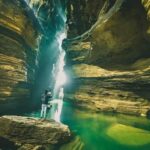
Stop 5: Gupteshwor Mahadev Cave for the longest cave segment
Then comes Gupteshwor Mahadev Cave, with about 45 minutes on the schedule. Like the other cave stop(s), admission is not included.
This is the longest site on the tour after Begnas, and that matters. More time means you’re not just rushing through a doorway and out again. You get a better chance to slow your steps, take in the limestone cave feel, and enjoy the atmosphere without feeling completely timed.
The name also signals the religious side—Mahadev is associated with Shiva. Even if you’re mostly there for the cave setting, you’ll likely see worship elements or devotional behavior around the cave experience.
Trade-off: you’ll pay entrance fees here. But for many visitors, the extra time makes that cost feel more reasonable than short, extra-charge stops.
Practical tip: keep your phone flashlight or torch ready if the lighting inside feels dim. The tour doesn’t mention gear, so you’ll want to be self-sufficient.
Stop 6: Phewa Tal finish—end close to where you’ll sleep
The final stop is Phewa Tal, with only about 5 minutes listed, and admission free. The big win is that your hotel is in walkable distance from here.
This ending is actually a smart way to close the day. Instead of squeezing in one more transport step after a long 6-to-7-hour loop, you finish near the lake area where a lot of Pokhara hotels are. You can get out, stretch your legs, and walk back.
The short timing also means you shouldn’t plan on a deep lake session at the end. Think of Phewa Tal as the “we’re done, now catch your bearings” moment—especially useful if you’re trying to avoid evening transport costs or scheduling a ride after you’re already tired.
Price and value: why $10.29 can make sense
The price is listed as $10.29 per person, and the tour includes one shared bus seat plus pickup and drop from the Lakeside area. You also get a mobile ticket, and the schedule is built around covering multiple major sights in one day.
What you’re paying for here is the route efficiency:
- You get several high-recognition Pokhara highlights in a single outing.
- You don’t have to coordinate separate rides between distant points.
- You stay inside a structured timeframe, which is great if Pokhara is only one stop on a tight itinerary.
What’s not included is also important: entrance fees are extra for Mahendra Cave, Devi’s Fall, and Gupteshwor Mahadev Cave (and possibly other site-related charges). So the true cost of the day is:
- the $10.29 for transport and basic tour flow,
- plus whatever entrance fees you choose to pay at the sites marked as not included,
- plus any personal spending.
If you’re budget-first and you don’t mind paying a few extra fees once you’re on site, this tour can be a great deal. If you hate the idea of add-on costs, you may want to plan ahead for entrances so the day doesn’t feel like surprise payments.
Who this tour suits best (and who might be happier elsewhere)
This shared Pokhara bus tour fits best if you:
- want a single-day highlights circuit,
- are staying around Lakeside,
- like simple, moving sightseeing instead of slow private pacing,
- are budget-conscious and okay with basic transport.
It may not be ideal if you:
- want deep time at each attraction (you won’t get it),
- expect a very formal, always-on guide for every moment,
- dislike sharing vehicles and timing with a group.
Also, since the tour has a maximum of 22 travelers, it’s not too crowded. But it still isn’t private. If you’re sensitive to waiting at stops, you might feel it.
A small personal note on service style: the tour is often described as running efficiently, and there’s even mention of staff coordination linked with a guide/arrangement person named Mr. Ravi. That suggests they try to keep the day organized, even in a shared setting.
Tips to make the day smoother
These are the practical things that help most on this kind of schedule:
- Bring a bit of cash (or whatever payment method you’re comfortable with) for entrance fees at stops marked as not included.
- Wear comfortable shoes. You’ll be walking around temples, cave areas, and lake viewpoints.
- Have a flexible mindset. Some days in shared tours move like clockwork; other days, groups bunch up. Either way, you’ll still see a lot if you stay calm.
- Keep your phone and power bank ready for photos. The cave and fall scenes are very photogenic, and you’ll want capacity.
If you want a Pokhara day that feels both budget-friendly and genuinely local-ish, this route gives you that balance: real places, real pacing, and no complicated planning.
Should you book this Pokhara sharing bus tour?
I’d book it if you’re trying to hit Pokhara’s main highlights in one day, especially from Lakeside, and you’re fine with a basic shared bus style. At $10.29, the value is strong because the transport and the day’s structure are included, and the day ends conveniently near Phewa Tal so you’re not stuck finding a ride after you’re tired.
Skip or reconsider if you want long stays, no shared timing, or you’d rather avoid extra entrance fees. For most people doing a first visit and wanting a smart overview, this is a solid, efficient choice.
FAQ
What is the tour start time?
The tour starts at 9:40 am.
Where do you get picked up and dropped off?
Pickup and drop are from the Lakeside area of Pokhara.
How long does the Pokhara city tour take?
It lasts about 6 to 7 hours.
What does the tour include?
It includes one seat in a basic shared mini-bus and pickup/drop from the Lakeside area.
Are entrance fees included in the price?
No. Entrance fees are not included, so you’ll need to pay separately at some stops.
Which places are visited on the tour?
The tour includes Shree Bindhyabasini Temple, Mahendra Cave, Begnas Lake, Devi’s Fall, Gupteshwor Mahadev Cave, and Phewa Tal.
How much time do you spend at each stop?
You spend about 30 minutes at Shree Bindhyabasini Temple, 20 minutes at Mahendra Cave, 1 hour at Begnas Lake, 25 minutes at Devi’s Fall, 45 minutes at Gupteshwor Mahadev Cave, and about 5 minutes at Phewa Tal.
What is the maximum group size?
The tour has a maximum of 22 travelers.
Do you need to bring a ticket to enter?
You receive a mobile ticket.
Can I get a full refund if I cancel?
Yes. Free cancellation is available if you cancel up to 24 hours before the experience starts for a full refund.