REVIEW · KANDE
From Pokhara: Annapurna View Day Hike
Book on GetYourGuide →Operated by Linkage Tour & Travel · Bookable on GetYourGuide
One hike, three big Annapurna moments. This Kande to Phedi trek packs the postcard view at Australian Camp and pairs it with a real village walk through Dhampus and Gurung culture. It’s a great way to see why Pokhara is the launch point for mountain travel, without committing to multi-day trekking.
I especially like how the route stays varied: forests and terraced farmland up top, then village lanes and viewpoints as you descend. You also get an English-speaking guide who knows the mountain story, and that matters when you’re looking at peaks like Machapuchare (Fishtail) and Annapurna South. One consideration: it’s still an all-day outing (listed as 8 hours), with both uphill and downhill walking.
In This Review
- Key Highlights at a Glance
- The Kande-to-Phedi Route You’ll Actually Remember
- From Lakeside Pokhara to Kande: The Morning Setup
- Australian Camp: Panoramas of Annapurna and Machapuchare
- Dhampus Village: Gurung Homes, Forest Trails, and Breaks for Photos
- Phedi Finish and the Easy Return to Pokhara
- Price, Inclusions, and Real-World Value at $37
- Should You Book This Day Hike From Pokhara?
- FAQ
- FAQ
- How long is the total experience?
- How much does it cost?
- Where does the hike start and end?
- What route does the hike follow?
- What’s included in the price?
- Is pickup included?
- What language is the guide?
- What is not included?
- FAQ
- Is cancellation flexible?
- What kind of group is this?
Key Highlights at a Glance
- Australian Camp viewpoint time for photos, rest, and mountain context
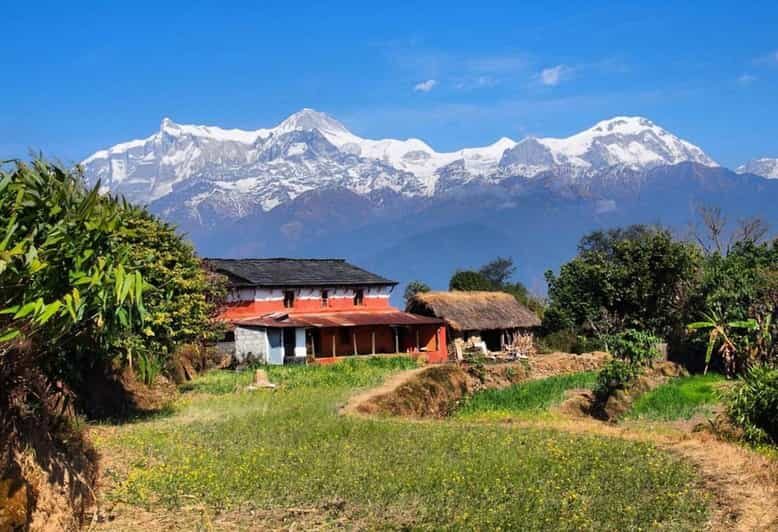
- Dhampus Village for Gurung homes, friendly local interaction, and valley views
- Kande-to-Phedi variety: forests, terraced fields, and downhill trail segments
- Guide-led pacing that helps you manage your condition and photo stops
- Lunch included so you’re not hunting for food mid-hike
The Kande-to-Phedi Route You’ll Actually Remember
This is a day hike that feels balanced: enough effort to feel like you did something meaningful, but planned so you’re not racing for sunrise or trying to “power through” like a long-distance trek. The core idea is simple: start at Kande, gain height toward Australian Camp for the big show, then descend through Dhampus and finish at Phedi.
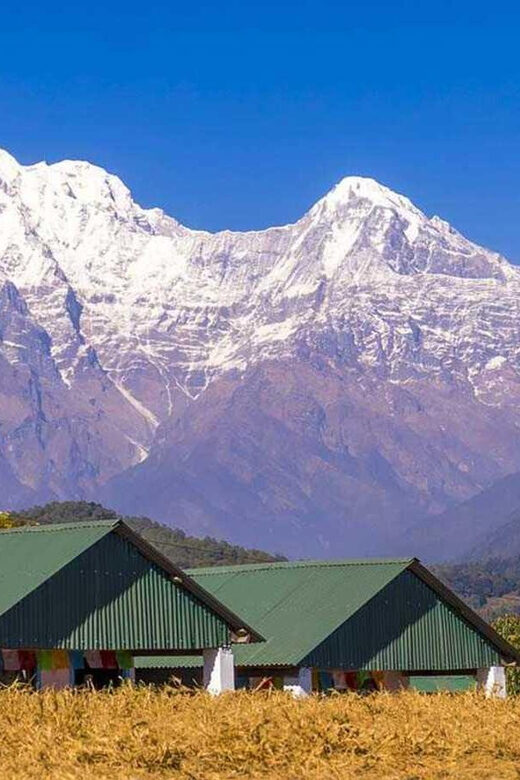
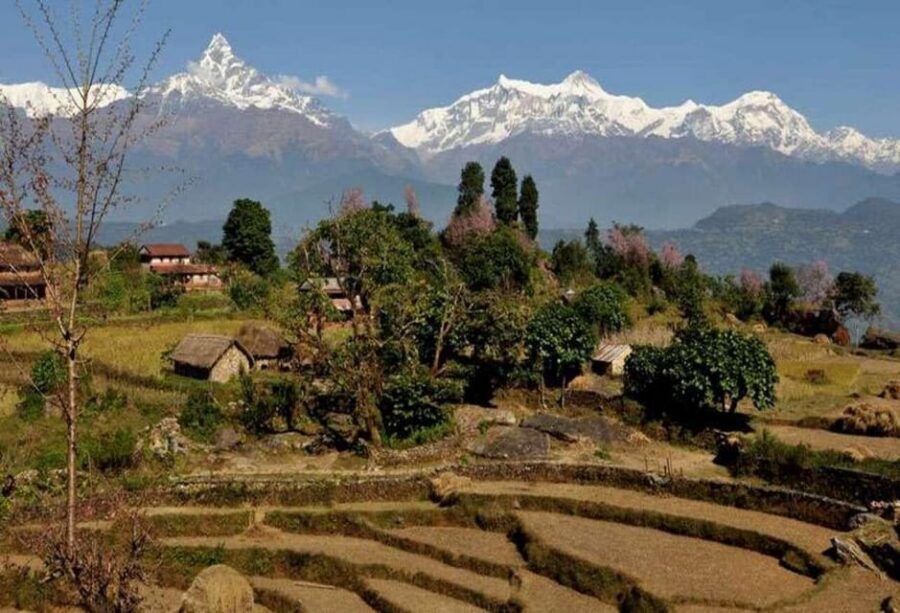
What makes this route especially appealing is how the mountain views come in layers. From higher ground you’re looking at the Annapurna and Dhaulagiri ranges, and you’ll recognize key silhouettes as you pause along the way. At Australian Camp, that panorama is the reason most people sign up. Then, when you go down toward Dhampus, the experience shifts from pure mountain scenery to day-to-day life: terraced fields, traditional houses, and a calmer pace that feels more like walking through a community than chasing a viewpoint.
You’ll also get a taste of Gurung culture through what you see around the village, plus time to pass through Dhampus with a guided focus. And even though this is a “views” hike, it’s not just rocks and skyline—there’s mention of diverse flora and fauna, plus the chance to notice plants and changes in the forest as you move along the trail.
You can also read our reviews of more hiking tours in Kande
From Lakeside Pokhara to Kande: The Morning Setup
The day starts with pickup in Pokhara—any hotel in Lakeside or from the airport. You ride in a private, air-conditioned vehicle, which is a real quality-of-life upgrade if you’re traveling in warmer months or you just don’t feel like sweating before the hike.
Getting to Kande includes a scenic drive out of Pokhara, and you’ll have a dedicated Kande stop with photo time and sightseeing. There’s also a block of time that lets you settle in before the walking begins—use it to check your gear (water, sunscreen, shoes), and take a few photos before you’re focused on the trail.
One practical tip: because you’re starting from a base area and then hiking toward a viewpoint, your energy management matters. If you go out too fast in the morning, the downhill later can feel surprisingly tiring. A good day hike has a rhythm, and with a guide, you’ll usually find that rhythm quickly—especially if your guide is someone like Bidur, who is specifically mentioned as knowing the mountains and keeping the experience organized.
In short, the morning is not only transport. It’s a buffer that makes the hike feel smoother, not rushed.
Australian Camp: Panoramas of Annapurna and Machapuchare
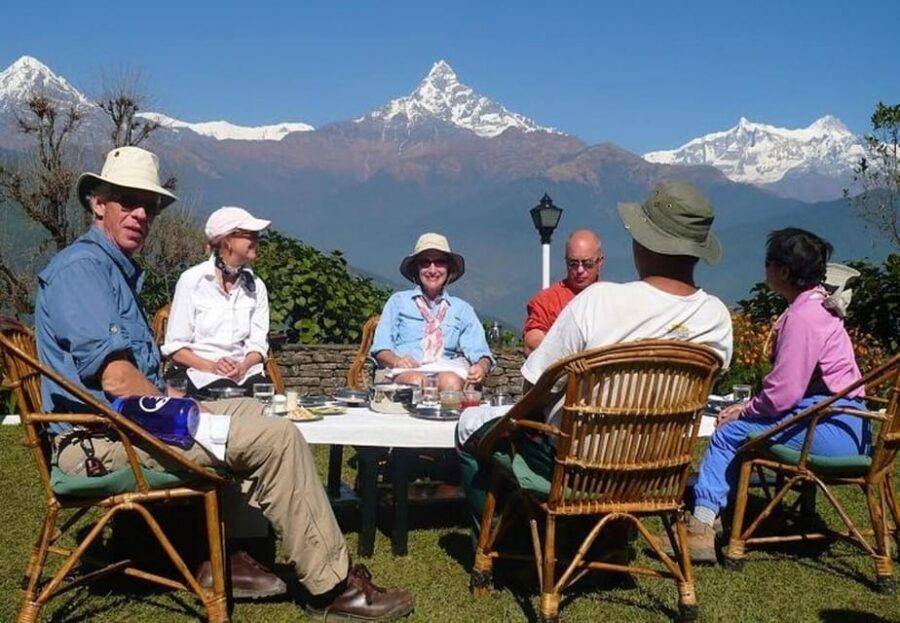
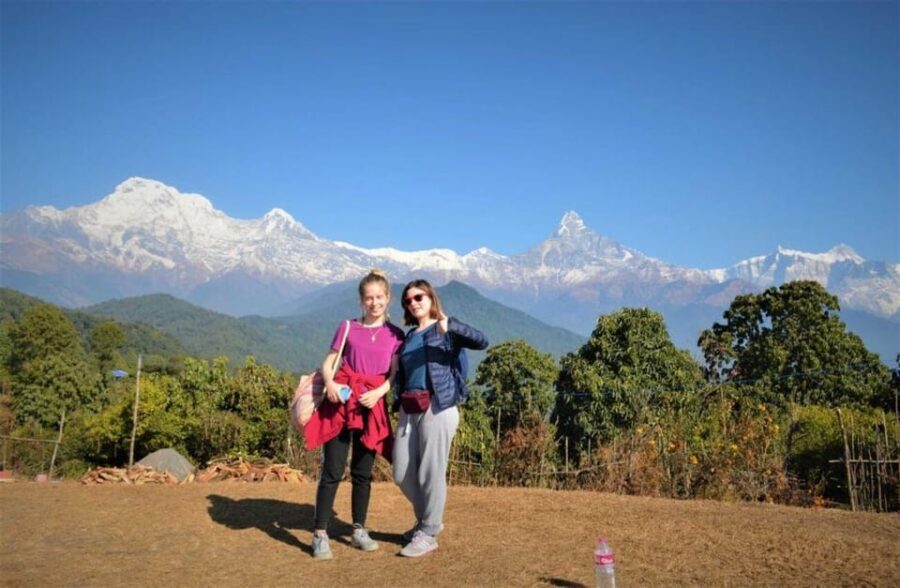
Australian Camp is the highlight stop for a reason: it’s known for stunning panoramic views across the Annapurna and Dhaulagiri ranges. This is where you’ll likely spend real time resting, taking pictures, and letting the scenery sink in. It’s also the point where mountain names become useful. You’ll see peaks like Machapuchare (Fishtail) and Annapurna South in the backdrop.
What I like about a viewpoint stop like this is the “pause and reset” factor. You’re not hiking continuously for hours. You reach the payoff, you get a break, and then you keep moving down with more calm energy. One guide example that stands out: Krishna is credited with giving enough time for photography and adjusting to the group’s conditioning—exactly what you want at a place where people naturally slow down for photos.
A note on expectations: mountain views depend on weather and visibility. When skies cooperate, this part of the day delivers. If clouds roll in, you may still enjoy the trail and village atmosphere, but the big panorama may be muted.
This stop also includes entry/admission to Australian Camp, so you’re not scrambling for tickets or dealing with last-minute payments. It’s one less headache.
Dhampus Village: Gurung Homes, Forest Trails, and Breaks for Photos

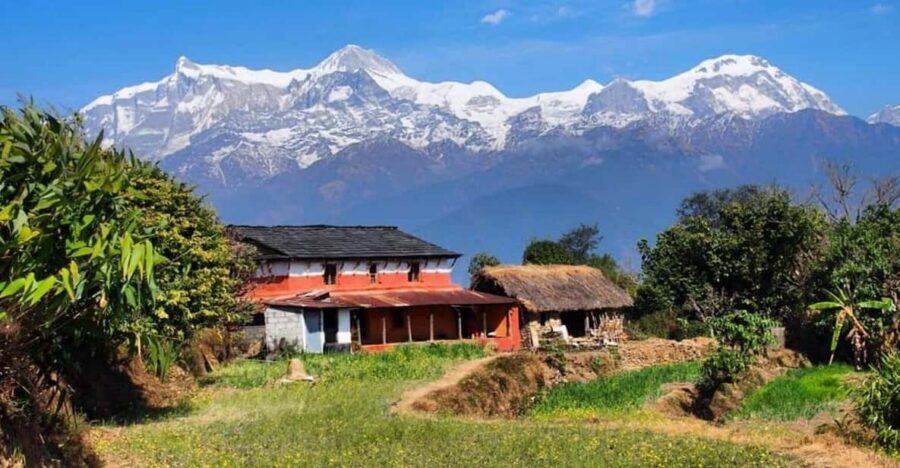
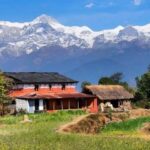
After Australian Camp, the trail shifts into descent toward Dhampus Village. The walking here is described as gradual, and the scenery changes from viewpoint atmosphere to everyday rural mountain life. Expect traditional houses, terraced farmlands, and chances to notice forest areas along the path.
Dhampus is where the trip stops feeling like a pure scenic hike and starts feeling like a cultural walk. You’ll have time for photo stops and visits, plus a chance to experience the village’s character up close. This is the part that connects the mountains to people—how they live, how the homes sit in the hills, and how the landscape is shaped for farming.
The cultural side here is explicitly linked to Gurung culture. You’re not just passing through a village like a drive-by stop. The timing builds in time to slow down, look at what’s around you, and interact with locals in a friendly setting. That’s why I think Dhampus is worth it, even if your main goal is the view: the village makes the mountain experience feel grounded.
Also, Dhampus is a good place to pace yourself mentally. If you’re someone who gets anxious on descents, you’ll appreciate that you’re not plunging downhill nonstop. The day structure keeps you moving, but it also gives you breaks, and your guide helps with timing and sightseeing choices.
Phedi Finish and the Easy Return to Pokhara
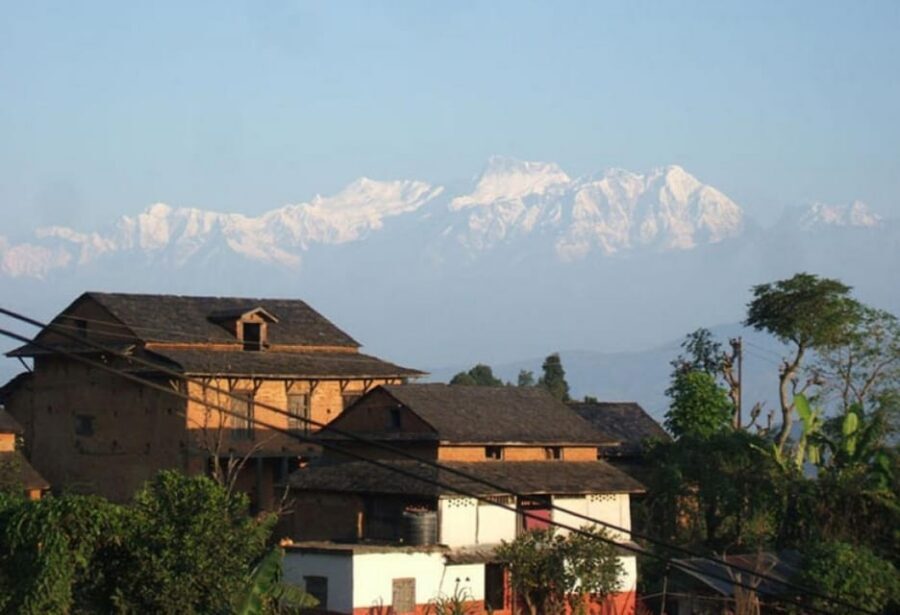
The final stretch takes you from Dhampus to Phedi, with the trail descending through more terraced fields and dense forest areas. This segment is quieter in tone than the viewpoint portion because you’re focused on the path and the changing greenery rather than big panoramic reveals. It’s a nice “landing” phase—like coming off a high note and letting your legs recover as the day wraps up.
Once you reach Phedi, the hike ends and a vehicle is waiting to return you to Pokhara. That’s important for day hikes: you don’t want to finish with the stress of organizing your own transport after walking all morning and afternoon. The whole design is built to keep the day feeling complete, with an uncomplicated end.
A small but meaningful detail: you’ve got bottled water included, and there’s a Nepali traditional lunch during the day. That combination helps prevent the common day-hike problem of being underfed or underhydrated, which can turn a scenic outing into a slog.
Price, Inclusions, and Real-World Value at $37
At $37 per person for a full day (listed duration: 8 hours), this isn’t just “walking with a guide.” You’re also paying for the parts that are expensive or annoying to do alone in one day: private air-conditioned transport, an English-speaking guide, entrance included for Australian Camp, plus lunch and bottled water.
Here’s how I think about the value:
- Transport + guide: You’re not figuring out the timing from Pokhara to Kande and back, which can cost you time and energy on a single-day outing.
- Australian Camp entry included: Small line item, but it keeps the day running smoothly.
- Lunch included: Getting a Nepali traditional meal planned into the schedule is the kind of comfort that makes you want to actually enjoy the hike instead of managing hunger.
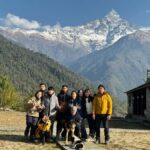
And because it’s a private group, you’re not stuck in a “drag the pace behind the slowest person” situation. That private setup also helps at viewpoint stops where people naturally want photos and time to look around. In the experience of guides mentioned by name, time for photography and pacing to your condition are part of the job, not an afterthought.
For me, the biggest value signal is that the schedule includes enough breaks to make the hike enjoyable, not just athletic. That’s the difference between a “did it” day and a “loved it” day.
Should You Book This Day Hike From Pokhara?
If you want a one-day hike that gives you Annapurna-range views and a real taste of mountain village life, this is a strong choice. You’ll get the big viewpoint moment at Australian Camp, then you’ll slow down in Dhampus and finish with an easy pickup-to-return flow back to Pokhara.
I’d book it if:
- You want a guided walk with English support and planned photo stops
- You’d like the mix of views + Gurung village atmosphere
- You prefer a day that includes lunch and doesn’t require extra planning at the end
I’d think twice if:
- You’re dealing with limited tolerance for sustained uphill/downhill walking, since the day includes both ascent and descent
- You’re counting on maximum clarity for mountain panoramas and you’re traveling in a weather window that often hides peaks
FAQ
FAQ
How long is the total experience?
The total duration is listed as 8 hours.
How much does it cost?
The price is $37 per person.
Where does the hike start and end?
The hike starts in Kande and ends in Phedi, with return transport back to Pokhara.
What route does the hike follow?
It goes from Kande to Australian Camp, then down through Dhampus Village, and finally continues to Phedi.
What’s included in the price?
Included are a private air-conditioned vehicle, bottled water, Nepali traditional lunch, an English-speaking guide, and entry/admission to Australian Camp.
Is pickup included?
Yes. Pickup is included from any hotel in Lakeside, Pokhara, or from the airport.
What language is the guide?
The guide is English speaking.
What is not included?
Personal expenses are not included.
FAQ
Is cancellation flexible?
Free cancellation is available up to 24 hours in advance for a full refund.
What kind of group is this?
This is a private group.