REVIEW · KANDE
Pkr. Backpacker Group Dep.: 4 Day Mardi Himal Base Camp Trek
Book on GetYourGuide →Operated by CAN Travels · Bookable on GetYourGuide
Four days, and the Annapurnas feel close. The Mardi Himal Base Camp Trek in Nepal is a short push into the Annapurna Range, with a quieter route than many nearby treks and plenty of Himalayan payoff for your time.
I really like two things about this trek: the sunrise-and-sunset mountain views and the fact that you climb to about 4,500 meters without needing a long Himalayan expedition. You also get that Nepal walking rhythm—tea house nights, slow altitudes gains, and villages where you can feel local life.
One possible drawback: you’ll earn the views with early starts and some stair-climbing to viewpoints. If you’re an experienced hiker who hates constant caution reminders, talk with your guide about your pace upfront so the trip stays comfortable.
In This Review
- Quick hits before you lace up your boots
- Why Mardi Himal Base Camp fits a short Nepal trip
- Pokhara to Forest Camp: Kande, Australian Camp lunch, and a forest start
- Forest Camp to High Camp: Low Camp tree line vibes and Machhapuchhre gets closer
- Sunrise push to 4,500m Mardi Himal Base Camp (then back to Low Camp)
- Low Camp to Siding Village: The descent that feels like closure
- Price and logistics: what $181 really buys you
- Guide Birendra (Biru): flexible pace, good details, and how to avoid friction
- Weather and what to pack for mountain days
- Who should book this trek, and who should skip it
- Should you book the 4-Day Mardi Himal Base Camp Trek?
- FAQ
- How high does the trek go?
- How long is the Mardi Himal Base Camp Trek?
- Is a guide included?
- Are permits and official documents included?
- What transfers are part of the package?
- Is food included in the price?
- What should I bring?
Quick hits before you lace up your boots
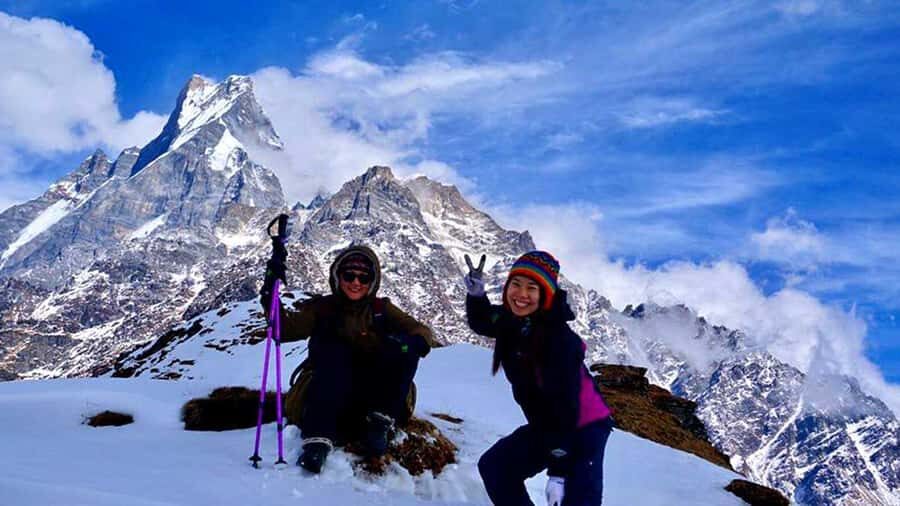
- Quiet route, real views: less-crowded feel while still hitting major sights over the Annapurnas
- Altitude that’s reachable: around 2,550m (Forest Camp) up to ~4,500m (Mardi Himal Base Camp) in four days
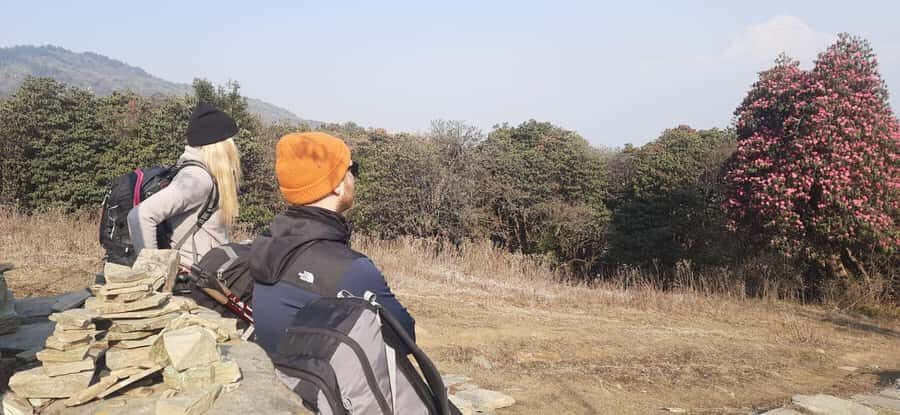
- Rhododendron forests on Day 1–2: deep color in season, plus cool shade for the climb
- Guide Biru’s style: Birendra (Biru) is flexible with pace and pays attention to where you sleep and eat
- Teahouse nights: simple guest houses each night, with food you buy along the way
- Day 3 is the big moment: early start to the base camp, then back down the same day
Why Mardi Himal Base Camp fits a short Nepal trip
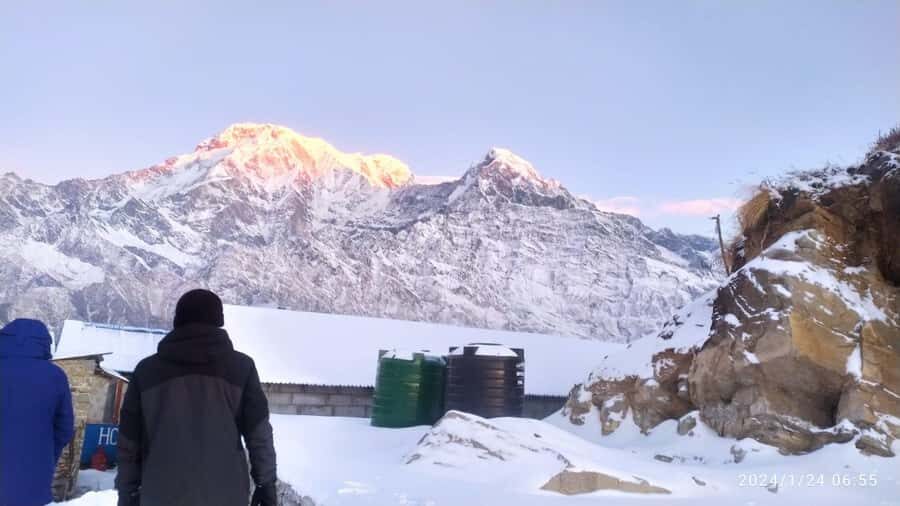
If you want big Himalayan scenery but only have a few days, Mardi Himal is one of the best bets in the Annapurna region. You’re not spending a whole week just getting to a high point. Instead, you climb steadily, then cash in on wide views—especially around Machhapuchhre and the Annapurna peaks.
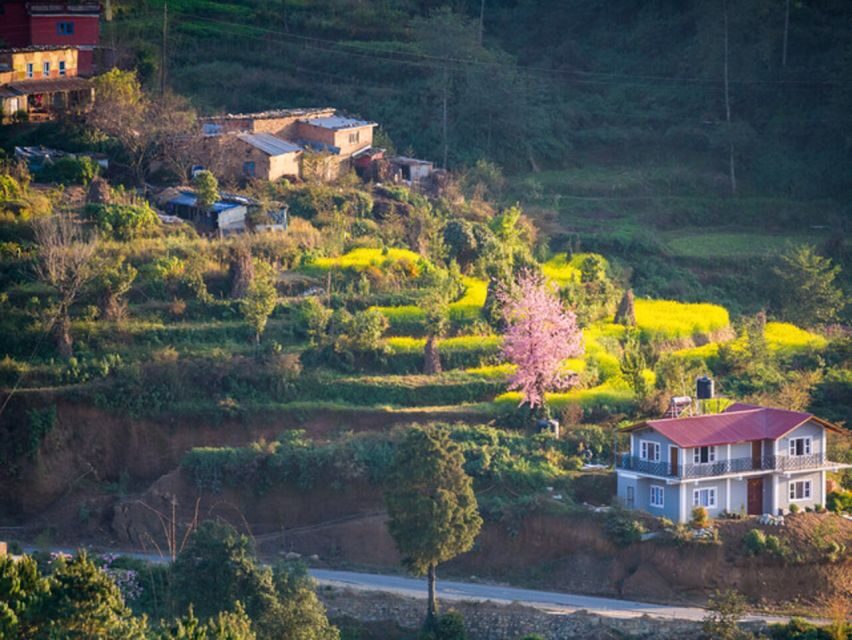
The trek also leans “quiet” in a good way. You walk through rhododendron forests, terraced hillsides, and small settlements where the pace feels local. That matters because it changes the whole feel of the trip: you’re not just chasing views, you’re moving through a working rural landscape.
The altitude profile is another reason it works. You’re not going extreme, but you are climbing enough that you should respect the day-by-day schedule. Plan to go slow, drink water, and accept that Day 3 is a long one even though it’s “only” a few hours each way.
You can also read our reviews of more hiking tours in Kande

Pokhara to Forest Camp: Kande, Australian Camp lunch, and a forest start
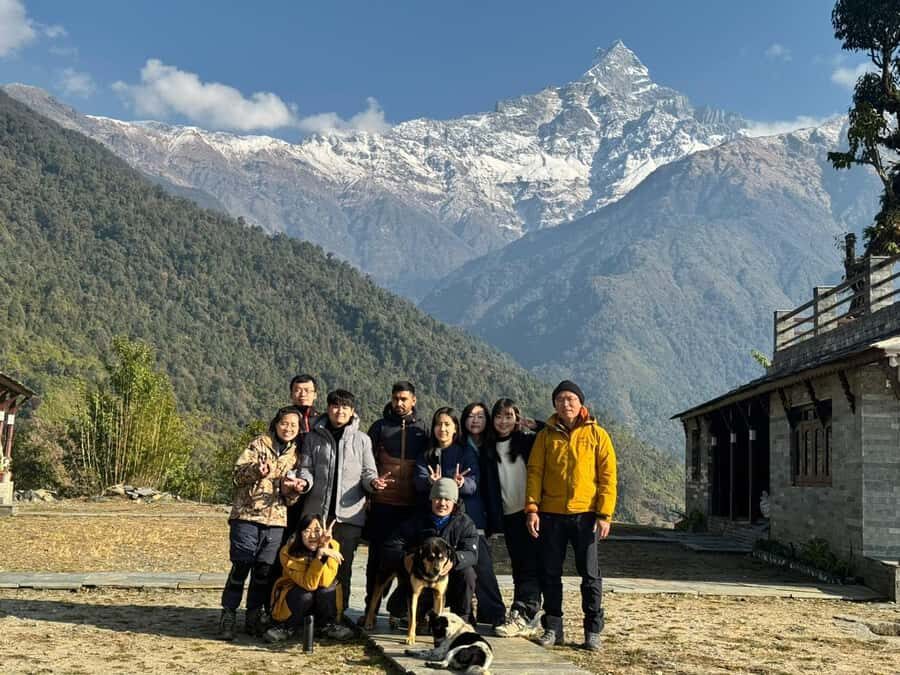
Day 1 is all about the transition from city to trail. You’ll start with a drive from Pokhara to Kande (about 1.5 hours), then begin hiking right away. The early hours matter because you ease into the route through rhododendron forests, which can feel cooler and shaded compared to open slopes.
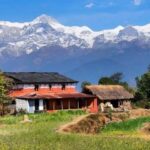
From the trail, the route passes by places like Australian Camp and Pothana. These stops aren’t random names on a map. Australian Camp is where you get a proper lunch break with classic mountain sightlines over Annapurna and Machhapuchhre. It’s a nice moment to sit, eat, and let the scale of the peaks sink in.
By late afternoon, you reach Forest Camp (around 2,550m) for the night. This is the kind of overnight where you’re not thinking about luxury. A tourist-standard guest house and a warm meal are the real goal, since you’re preparing for the next climb when the forest starts to thin out.
Practical note: Day 1 is long (about 5–6 hours trekking), but it’s a very manageable start for most people. If you’re prone to rushing, remind yourself that you’ll do better by arriving calm.
Forest Camp to High Camp: Low Camp tree line vibes and Machhapuchhre gets closer
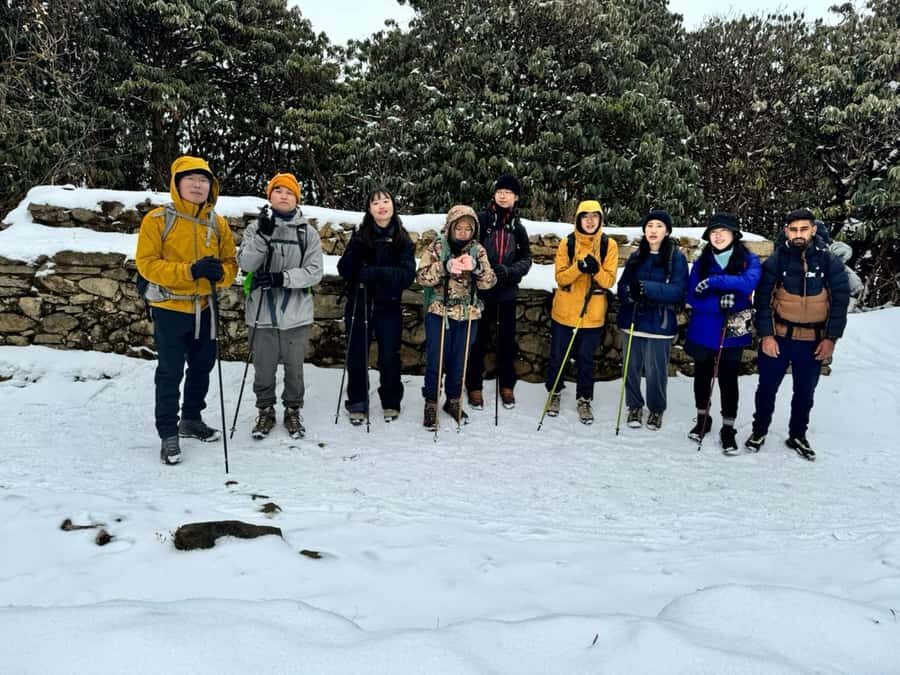
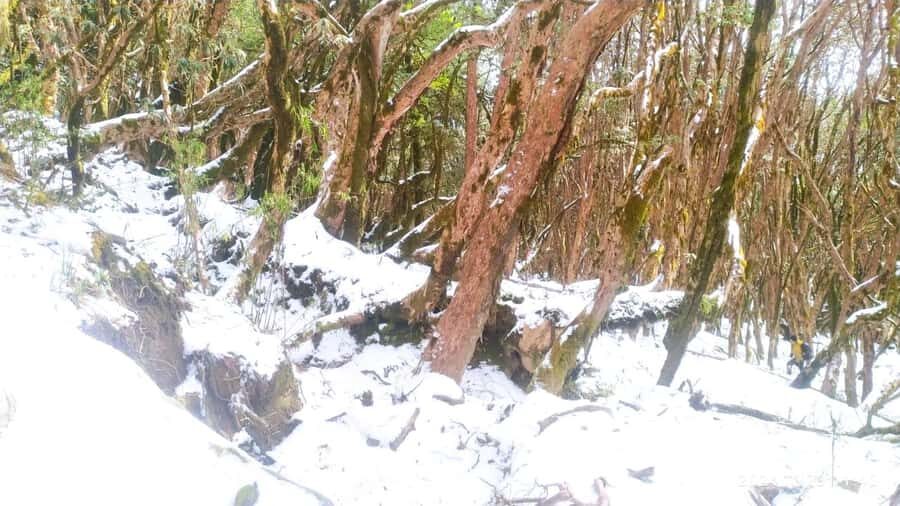
Day 2 pushes you higher and changes the feel of the trek. You climb from Forest Camp (2,550m) toward Low Camp (where the tree line begins to fade) and then onward to High Camp (around 3,550m). That “tree line” shift is one of the most noticeable moments on this route—you go from forest shade to more open, higher-air views.
The trekking time is again about 5–6 hours. This is where your breathing pattern becomes your best friend. Even if you feel okay, try not to turn the day into a race. The payoff is that by the time you reach High Camp, the mountains feel much more present.
High Camp is also where Machhapuchhre starts to look like a close-up feature, not just a distant peak. You’re not just getting views; you’re seeing the forms of the ridges and how the snow lines sit on the rock.
Overnight is in a tea house. You’ll be buying meals and drinks, so it helps to plan your budget for food. My advice: eat early and don’t overthink it. Get warm, drink something, then sleep.
Sunrise push to 4,500m Mardi Himal Base Camp (then back to Low Camp)
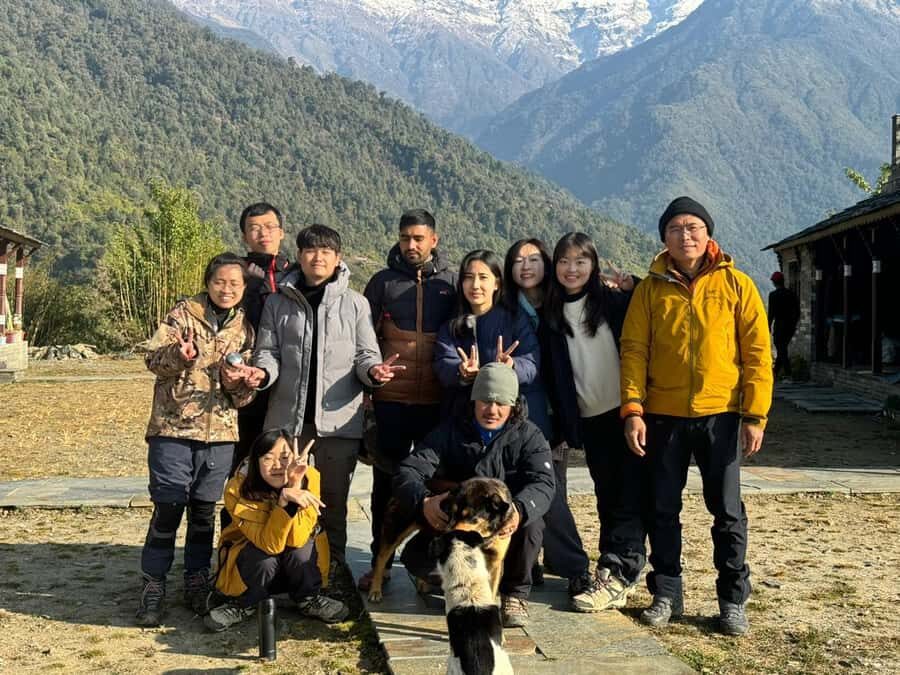
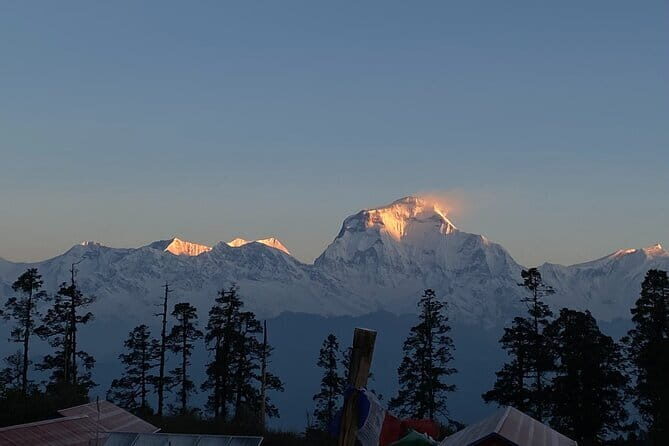
Day 3 is the main event. You start early so you can reach Mardi Himal Base Camp (around 4,500m) for the sunrise views. This isn’t a lazy morning. It’s an “aim, walk, breathe, arrive” day.
The route runs from High Camp to the base camp (with the round trip back down to Low Camp at night). Trekking time is about 7–8 hours total—so even with breaks, you’ll be moving for most of the day.
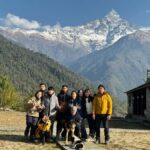
What makes this day special is what you can see once the morning light hits. From base camp, you get panoramic views across the Annapurna Range, including peaks like Annapurna South, Hiunchuli, and Machhapuchhre. The mountain shapes can look different when the sun is still climbing, and that’s part of the magic of an early start.
After you spend time at base camp, you descend to Low Camp for the night. That down-movement is important because it reduces the strain of being high for longer. It’s also your proof that the trek is built for short duration: you still get a big high point, but you don’t stay there for multiple nights.
If you want the best experience on Day 3, keep your expectations realistic. You’re going to work for the views. Bring your water, move steadily, and don’t let the “I must get there fast” mindset ruin the day.
Low Camp to Siding Village: The descent that feels like closure
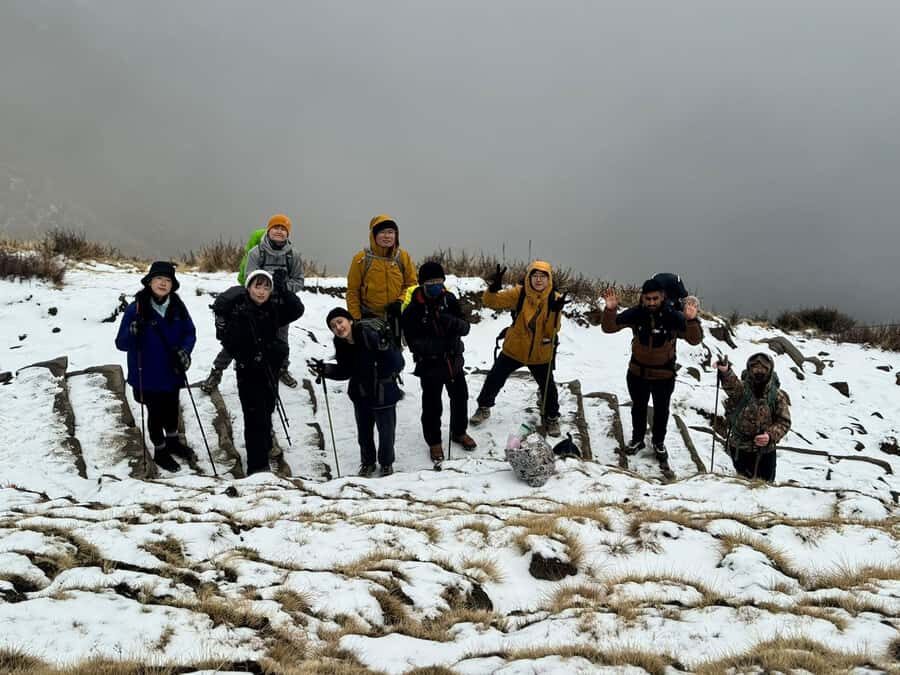
Day 4 is shorter on paper and it feels that way once you’re on the trail. You trek down from Low Camp to Siding Village (about 3–4 hours). The air usually feels easier because you’re dropping in altitude.
This descent also brings you back toward real village life. You’ll pass through traditional settlements, and that helps the whole trip feel connected instead of like a separate “mountain bubble.”
After Siding, you’ll transfer to Pokhara by jeep (about 2.5–3 hours). That last ride is the practical reward. You go from quiet tea house nights to lakeside Pokhara life without needing a complicated travel plan.
Think of Day 4 as your recovery day. You’re still walking, but the goal is smooth pacing rather than effort.

Price and logistics: what $181 really buys you
At $181 per person for a 4-day trek, you’re paying for a setup that removes a lot of uncertainty. You get hotel pickup and drop-off, transfers to and from the trail, a licensed guide, and the official permits and documents handled for you.
Here’s what’s included that matters most:
- English-speaking license holder guide during the trek
- Permits and official paperwork
- Pokhara to Kande by private vehicle, plus Siding to Pokhara by jeep
- Tourist-standard guest house accommodation during the trek
- Guide expenses and a normal first aid kit
- A trekking pole
- Transfers and pickup from the lakeside area
What’s not included (and you should budget for):
- Food and drinks (available to purchase along the way)
- Emergency rescue coverage (not included; plan on travel insurance)
- Personal expenses
- Porter per day (listed as $25)
If you’re comparing costs, don’t just look at the base price. Food is the main add-on. Also, if you hate carrying a pack and want to keep your legs fresh, decide early whether you’ll hire a porter. The trek’s schedule is busy enough that reducing weight can make a noticeable difference.
Overall, the value is strongest if you want an organized, guided trek with fewer moving parts.
Guide Birendra (Biru): flexible pace, good details, and how to avoid friction
A big part of the experience here is the guide’s ability to handle real-world hikers. One guide name that pops up is Birendra (Biru), and the tone you want from a guide on a short trek is calm practicality.
From the way Biru’s guidance is described, he tends to:
- keep the group moving while adjusting to different walking speeds
- check that your overnight stays work well
- make sure meals and timing don’t drag too long
- get you out early enough to enjoy the afternoon at the camps (depending on your speed)
That flexible approach is what you want on Mardi Himal. On a tight 4-day timeline, small timing issues can pile up. A guide who manages it keeps the trek from feeling stressful.
Now for the heads-up. If you’re confident with altitude, you may not enjoy lots of repeated caution reminders. One practical tip: set expectations on Day 1. Tell your guide you’ll move carefully, but you’d like fewer interruptions once you’re already self-aware. A little communication goes a long way.
Weather and what to pack for mountain days
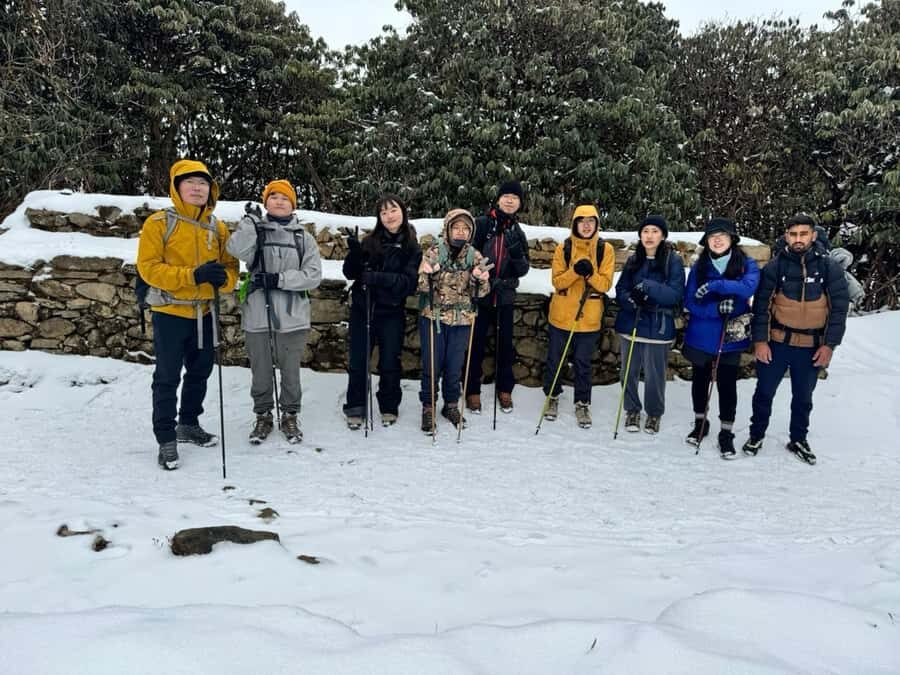
You can trek Mardi Himal through the year, but the best windows are spring (March–May) and autumn (September–November). Those seasons usually give you steadier weather and clearer views—crucial when the whole point is sunrise and panoramic high-mountain sights.
Still, mountain weather is unpredictable. Layers matter. You’ll want warm clothing for early mornings and for the higher camps, plus comfortable clothes for daytime trekking.
Bring:
- comfortable shoes
- warm clothing
- a reusable water bottle
- cash
- passport (a copy is accepted) and a passport-sized photo
A practical gear tip: since a trekking pole is included, you don’t need to buy one. But you should still check your footwear comfort before you leave home. Your knees will thank you on the descents.
Who should book this trek, and who should skip it
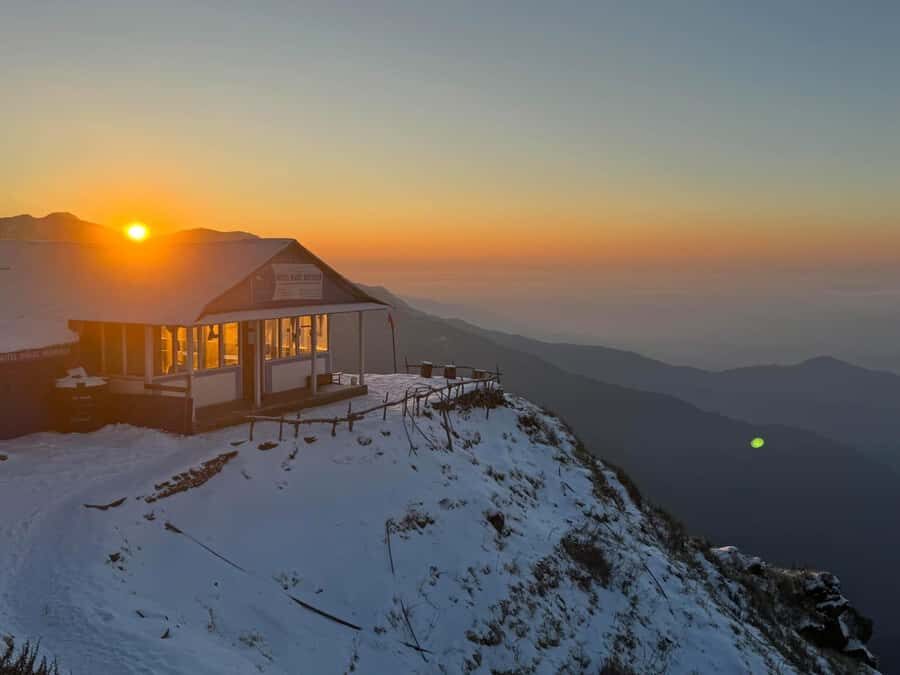
This is a smart choice for hikers who want a short trek with a real altitude high point and major Annapurna views. It’s also a good fit if you like forest walking, tea house nights, and getting a taste of local culture along the route.
It may not fit you if:
- you’re pregnant
- you have back problems
- you use a wheelchair
Also note that pets aren’t allowed.
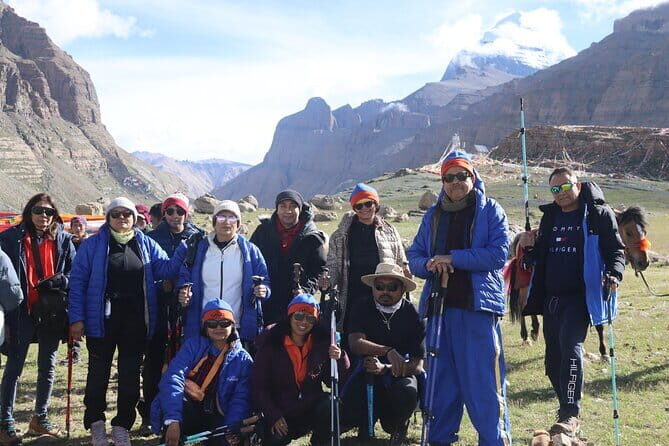
If you’re traveling solo and want a guided group experience, this trek can still work, but group size can be unpredictable. Either way, the guide’s flexibility is the key. Make sure you tell them your walking pace early.
Should you book the 4-Day Mardi Himal Base Camp Trek?
I’d book this if you want the Annapurna big-picture views without committing to a long trek. The route offers a quieter feel, a forest start, and a true high point around 4,500m in just four days. If sunrise is part of your dream, this itinerary is built for it.
Skip it if you want a fully relaxed walk with no long days. Day 3 is a long effort, and you’ll feel it. Also, if you hate frequent “slow down” coaching, ask for a lighter touch early so the guidance matches your style.
If you want a short, organized Himalayan experience that still feels authentic on the ground, this is a strong bet.
FAQ
How high does the trek go?
The trek reaches around 4,500 meters at Mardi Himal Base Camp. You also pass through overnights around 2,550m (Forest Camp) and 3,550m (High Camp).
How long is the Mardi Himal Base Camp Trek?
It’s a 4-day trek.
Is a guide included?
Yes. You get an experienced, friendly, licensed English-speaking guide during the trek (English and Hindi are available).
Are permits and official documents included?
Yes. Trekking permits and all official documents are included.
What transfers are part of the package?
You get hotel pickup and drop-off, a Pokhara to Kande transfer by private vehicle, and a Siding to Pokhara transfer by jeep.
Is food included in the price?
No. Food and drinks are not included, but you can purchase them along the way at tea houses.
What should I bring?
Bring comfortable shoes, warm clothing, comfortable trekking clothes, cash, a passport (a copy is accepted), a passport-sized photo, and a reusable water bottle.