REVIEW · KATHMANDU
Spiritual Journey to Kailash Manasarovar 16 Days Overland Trip
Book on Viator →Operated by Kaleidoscopic Nepal · Bookable on Viator
Kailash Manasarovar is not a casual trip. This 16-day overland yatra pairs practical logistics with real spiritual moments, from the evening Pashupatinath aarti in Kathmandu to the puja at Lake Manasarovar and the multi-day Kailash kora trek. I especially like the way this itinerary keeps you supported with health checks and a team that’s focused on comfort, not just checklists.
Here’s the good part I’ll underline: you’re not figuring out the Tibet border and permits on your own, and the trip is run in small groups (max 10). One possible drawback: the schedule includes long drive days and serious altitude trekking around high passes, so you’ll want solid moderate fitness and patience for slow, acclimatizing travel.
In This Review
- Key things I’d plan around on this Kailash Kora route
- Why this overland Kailash Manasarovar plan feels workable
- Day 1 Kathmandu: Pashupatinath aarti right away
- Day 2 Kathmandu-to-Tibet prep: visa formalities and Chandragiri Hills
- Day 3 UNESCO day: Swayambhunath, Boudhanath, Patan, and more
- Day 4 Bhaktapur + Shiva stops: Durbar Square, Doleshwor, and the Standing Mahadev statue
- Day 5 Syabrubesi: collecting Tibet visa and starting the long drive
- Day 6 Cross the border to Gyirong (Kyirong)
- Day 7 Saga County: plateau travel, herders, and patience
- Day 8 Lake Manasarovar: puja at the water
- Day 9 Darchen base: the start of the Kailash kora
- Day 10 Diraphuk leg: Darchen to Diraphuk trek
- Day 11 Dolma La pass day: Diraphuk to Zuthulphuk
- Day 12 Return kora: Zuthulphuk back to Darchen
- Day 13 Saga recovery: Darchen to Saga
- Day 14 Gyirong overnight: rest before immigration
- Day 15 Rasuwa Gadhi to Kathmandu: the long ride home
- Day 16 Fly out of Tribhuvan International Airport
- Price and value: what $3,999 includes (and what it doesn’t)
- The human side: team support is the difference-maker
- Who should book this Kailash Manasarovar overland trip
- Quick practical notes you shouldn’t ignore
- Should you book this Kailash Manasarovar trip?
- FAQ
- What is the meeting point and start time?
- How long is the trip?
- What is the price per person?
- Does the tour include Tibet visa and permit fees?
- Are meals included?
- Is altitude support included?
- What is not included for Kathmandu sightseeing?
Key things I’d plan around on this Kailash Kora route
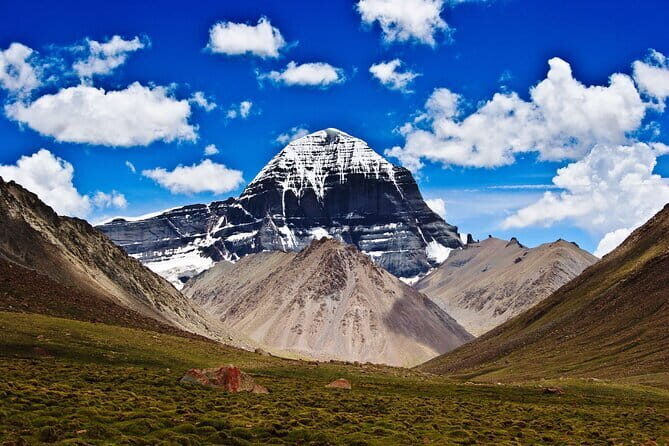
- Evening Pashupatinath aarti in Kathmandu sets the tone with a real riverbank Shiva ritual and chants by the Bagmati.
- Tibet visa + permit handling is built into the flow, so you spend less time chasing paperwork and more time on the journey.
- Oxygen cylinder + daily monitoring (blood pressure and blood oxygen) are included, which matters a lot at altitude.
- Lake Manasarovar puja gives you a calm, sacred break before the Kailash kora starts from Darchen.
- The trek includes Dolma La pass on the Diraphuk to Zuthulphuk leg, so pace and acclimatization are everything.
- Most meals are covered as pure veg full board during the trip, which is a real comfort on long travel days.
Why this overland Kailash Manasarovar plan feels workable
Kailash Manasarovar trips have two big realities: you’re traveling far, and you’re doing it at altitude. This tour handles the first reality with private transportation and a structured sequence of days from Kathmandu into Tibet and back again. It handles the second reality with built-in support like an oxygen cylinder and daily health monitoring.
I also like that this isn’t a “race to the goal” style itinerary. The plan gives you breaks where they count, including a dedicated day at Lake Mansarovar and recovery time after the kora. You’ll still have driving days that feel long on the clock, but the trip design is clearly meant to prevent the worst kind of scrambling.
You can also read our reviews of more tours and experiences in Kathmandu.



Day 1 Kathmandu: Pashupatinath aarti right away
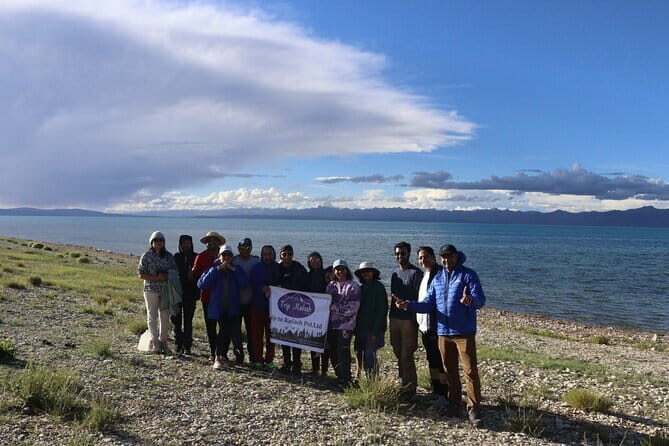
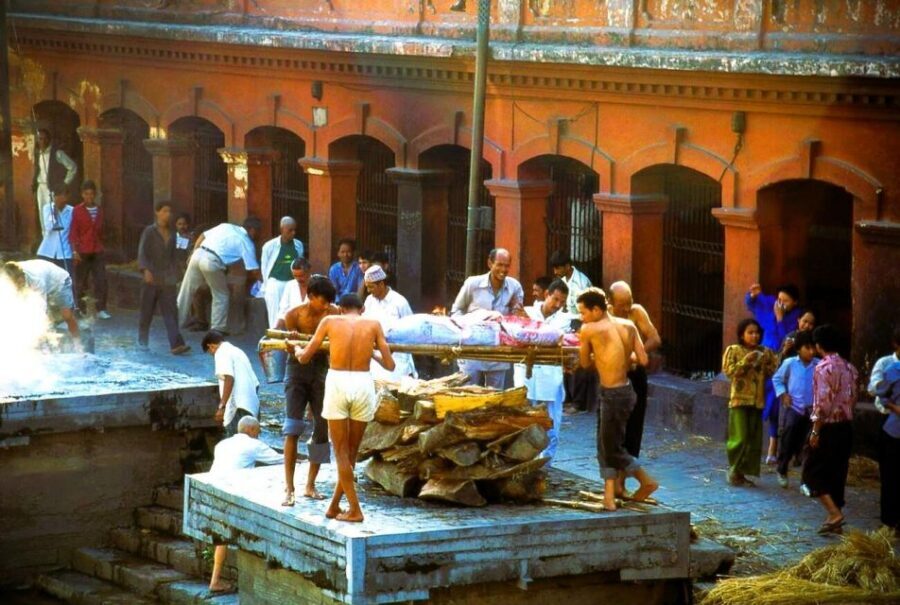
On your first evening, you go to Pashupatinath Temple for the aarti on the Bagmati River. Even if you’ve read about it, seeing it in person is another level. The soundscape and the concentration of devotion make it feel less like sightseeing and more like a living religious moment.
This is also a smart choice for day one. You land in the right mindset before you start visiting UNESCO sites. You get oriented to how spiritual life is practiced here, not just how temples look.
Practical note: the stop is listed for about 2 hours, and admission is free for the experience as described.
Day 2 Kathmandu-to-Tibet prep: visa formalities and Chandragiri Hills
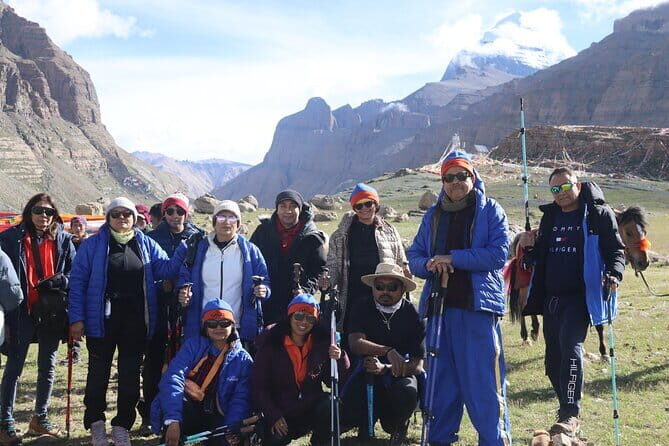
Day two has a clear “paperwork then views” rhythm. You head to the Chinese Visa Centre to apply for the Tibet visa, then after formalities you drive to Chandragiri Hills.
This is one of those days that can feel a little admin-heavy, but it’s also a pressure relief. If you’ve ever dealt with visas during travel, you know how fast a good plan becomes stress. Building the visa step into the itinerary helps you keep momentum.
Chandragiri Hills is a useful break from temple-hopping. It gives you a physical pause, plus a different kind of Nepalese scenery over the valley.
Day 3 UNESCO day: Swayambhunath, Boudhanath, Patan, and more
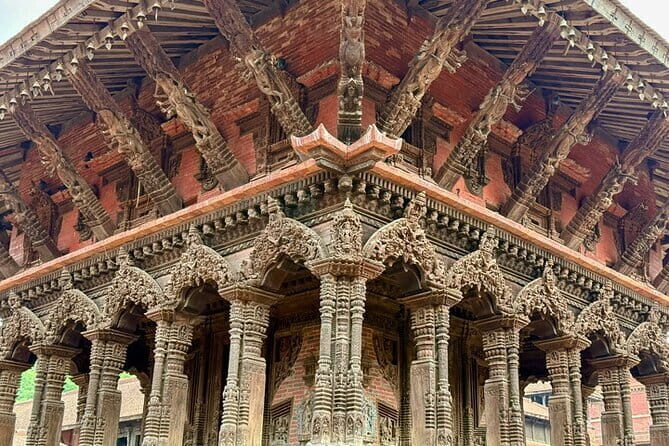
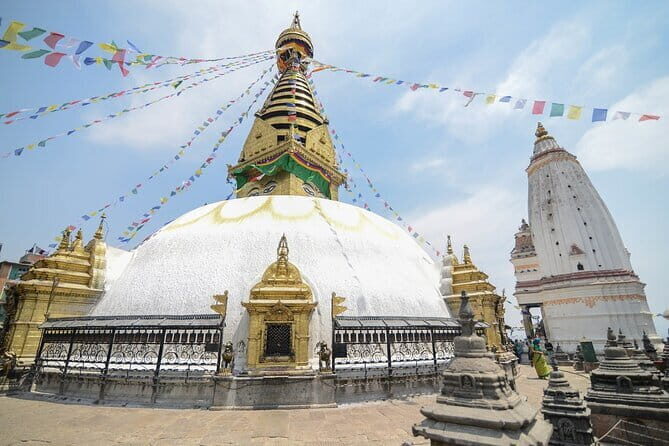
Kathmandu’s UNESCO circuit is the backbone of day three. You visit Swayambhunath (Monkey Temple), Boudhanath Stupa, Pashupatinath Temple, and Patan Durbar Square.
What I like about this set of stops is that they show different faces of faith in one day. Swayambhunath is all about atmosphere and altitude views. Boudhanath is about stillness and stupa energy. Patan’s Durbar Square adds the artistic, city-level layer.
The itinerary lists about 5 hours, and the key monument admissions are described as free in the plan. Still, you should expect that some individual site tickets can pop up in real life, so if you’re budgeting time and money, keep a small buffer.
Day 4 Bhaktapur + Shiva stops: Durbar Square, Doleshwor, and the Standing Mahadev statue
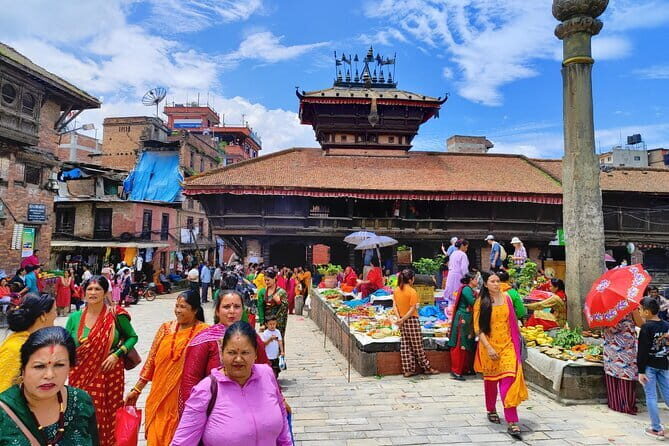
Day four shifts you from Kathmandu proper to Bhaktapur, plus a set of Shiva-focused stops.
You start with Bhaktapur Durbar Square, a UNESCO site with medieval architecture, the well-known 55-Window Palace, and the Nyatapola Temple. It’s a good day if you like craftsmanship and old-city details, because you’re not just passing through big monuments. You’re walking a dense historic area.
Then you add Doleshwor Mahadev, a pilgrimage site with a lingam where devotees perform rituals. It’s described as associated with Lord Shiva mythology, and that devotional focus gives the day a more grounded feel.
Finally, there’s the Standing Mahadev statue in Sanga: a huge Shiva representation at about 143 feet (43.5 meters), noted as the tallest Shiva statue globally. It also gives you a panoramic view of the Kathmandu Valley area, which is a nice visual payoff after temples and squares.



Day 5 Syabrubesi: collecting Tibet visa and starting the long drive
Day five turns from Kathmandu sightseeing into the yatra road mode. You collect your Tibet visa and drive from Kathmandu to Syabrubesi.
Syabrubesi sits around 1,550 meters, and it’s described as the gateway to the Tibetan border. That makes it a useful staging point. You’re building from “lower altitude travel” toward the higher elevations you’ll soon face.
Expect about 7 hours of drive time. This is where you’ll learn one of the unglamorous truths of overland travel: the journey itself is a big part of the experience.
Day 6 Cross the border to Gyirong (Kyirong)
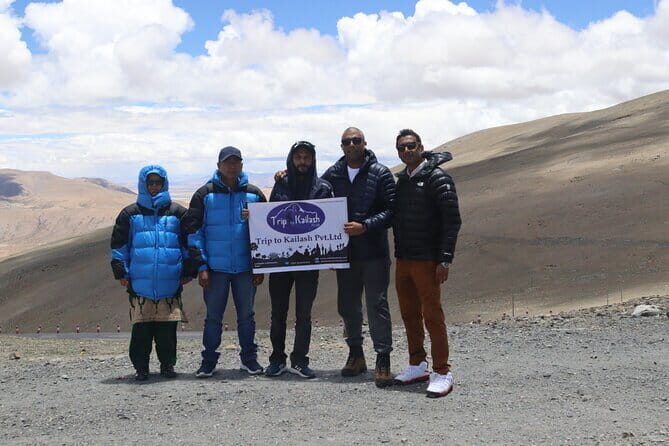
Day six is your Tibet entry and acclimatization start. You cross the Nepal-Tibet border and drive to Kyirong (Gyirong).
This day is less about dramatic stops and more about transitioning landscapes and altitude. The itinerary keeps the tone simple: a scenic drive, then acclimatization support as you prepare for what’s ahead.
Total drive time is listed at about 7 hours.
Day 7 Saga County: plateau travel, herders, and patience
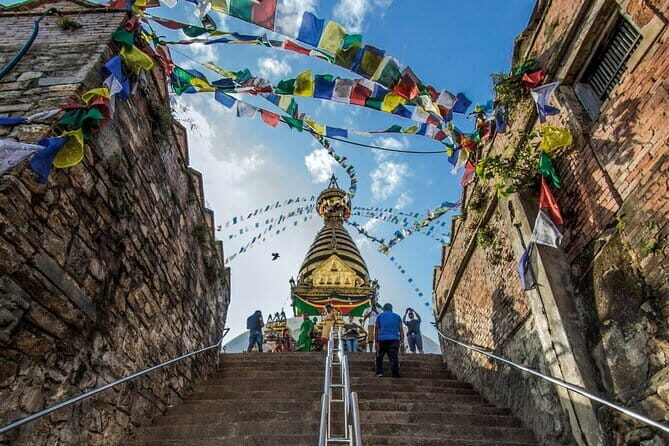
On day seven you drive from Kyirong onward to Saga County. This is described as rugged Tibetan terrain with large plateau views, nomadic herders, and traditional village scenes along the way.
The value here is the slow visual education. At this stage, you’re not only heading somewhere sacred. You’re learning how life looks out on the Tibetan plateau, which helps make the kora feel less like a disconnected event and more like part of a living region.
Drive time is around 6 hours.
Day 8 Lake Manasarovar: puja at the water
Then you reach Lake Mansarovar, one of the highest freshwater lakes in the world and sacred for Hindus and Buddhists. This is the day that often feels like a turning point, because the itinerary includes a spiritual puja on the shores of the lake with panoramic views of Mount Kailash.
The stop is listed around 4 hours, and the experience notes that the puja is part of what’s included.
What I like about this arrangement is pacing. You don’t go straight from border days into the toughest trek. You get a meaningful sacred moment first, which can make the physical work later feel more intentional.
Day 9 Darchen base: the start of the Kailash kora
Day nine moves to Darchen, described as the starting point of the Kailash kora circumambulation. It also gives you context about the altitude, since the plan lists Darchen at about 4,575 meters.
This is your base-camp transition day: you’re not trekking yet, but you are now living in the reality of high elevation.
Itinerary time is about 7 hours of travel.
Day 10 Diraphuk leg: Darchen to Diraphuk trek
Now the kora begins in earnest. Day ten is the trek from Darchen to Diraphuk.
This segment is described as challenging rugged terrain with big views of Mount Kailash and surrounding Himalayan peaks. The plan lists about 7 hours.
One practical consideration: when you see wording like rugged and challenging, don’t treat it as a suggestion. You’re at altitude and you’re on foot for hours. If you’re prone to rushing, you’ll want to consciously slow down and give your body time.
This leg is where you start feeling how the kora differs from a standard hike. It’s not just distance. It’s rhythm.
Day 11 Dolma La pass day: Diraphuk to Zuthulphuk
Day eleven is the second day of the circumambulation: Diraphuk to Zuthulphuk and the famous Dolma La Pass crossing.
The plan explicitly calls out Dolma La as the highest point of the trek and notes this is where spiritual renewal happens in the pristine wilderness. It also lists about 9 hours for this day.
If you want one reason to take this tour’s altitude support seriously, this is it. This is the leg most likely to test your stamina, your pace, and your ability to stick with the plan when conditions or your breathing slow you down.
Day 12 Return kora: Zuthulphuk back to Darchen
Day twelve finishes the circumambulation leg by leg: Zuthulphuk to Darchen, listed around 7 hours.
This is the day where the kora starts to feel less like a task and more like closure. The itinerary frames it as reflection on the significance of circumambulating the sacred mountain as you return to Darchen.
In real terms, it’s also your chance to consolidate whatever you learned about your own pace and comfort the previous days. If you felt great on the earlier trek but struggled later, this leg is still your final rehearsal before the return road days.
Day 13 Saga recovery: Darchen to Saga
After the kora, day thirteen is travel back across the plateau to Saga County, listed around 6 hours.
This day is a breather. You’re moving again, but the emotional load shifts. Instead of focusing on the trek, you focus on settling your body and letting the itinerary do its job.
If you’re the kind of person who needs decompression after intense days, you’ll appreciate having a dedicated “unwind” style day here.
Day 14 Gyirong overnight: rest before immigration
Day fourteen drives back toward Gyirong (Kyirong) country for an overnight stay, listed around 5 hours.
The itinerary frames it as a chance to get relaxed, and it makes sense. Your body has spent days at elevation and on foot; this is the pause before you deal with the border and long return to Kathmandu.
Day 15 Rasuwa Gadhi to Kathmandu: the long ride home
On day fifteen you complete immigration at Rasuwa Gadhi and then drive back to Kathmandu, listed as around 9–11 hours and about 265 km.
This is a very real “travel day” in the no-nonsense sense. Expect it to be long. The earlier kora days can feel intense, but return driving can also be draining because you’re sitting for hours when your legs are used to movement.
Still, this day matters. It puts you back in the rhythm of everyday life so you can actually land the trip.
Day 16 Fly out of Tribhuvan International Airport
Your final day is straightforward: after breakfast you depart for Tribhuvan International Airport.
The plan lists about 2 hours for the final travel window.
It’s a simple finish, which I like. After a spiritual and physical journey, you don’t want your last day to feel like another hurdle.
Price and value: what $3,999 includes (and what it doesn’t)
At $3,999 per person, this isn’t a budget trip. But it also isn’t just transportation and a hotel. The price is tied to high-cost, paperwork-heavy parts of the journey and to altitude safety support.
Here’s what’s included as listed:
- Private transportation
- All fees and taxes
- Tibet visa fees and permit fees
- Accommodation: 3-star hotels in Kathmandu and the best possible option during the parikrama period
- Full board pure veg meals (breakfast, lunch, dinner)
- Kathmandu sightseeing plus hiking at Shivapuri National Park
- Oxygen cylinder in case of altitude sickness
- Daily health checkups including blood pressure and blood oxygen monitoring
What’s not included:
- Horse and pony fees during the kora (if you choose that option)
- Personal expenses and tips
- Kathmandu monument entry fees roughly $30
So the real value question becomes: are you paying for a guided, supported structure at altitude rather than trying to DIY it? If you want Tibet permits handled and you want included health monitoring, the cost starts to make sense.
Also, small group size (max 10) helps the experience feel more human. You’re not lost in a crowd.
The human side: team support is the difference-maker
This kind of trip is physical, but it’s also emotional and logistical. The strongest praise tied to this journey focuses on the team: guide support, plus a thoughtful chef and porters, with a leader named Kashyap highlighted as a steady presence and motivator.
Even without getting overly emotional about it, you can use that pattern to guide your expectations. When you pick a tour like this, the guide team isn’t just there for route directions. They’re there to keep you calm, handle practical needs, and help you manage your day at altitude.
If you prefer trips where someone is genuinely watching the details, this team-centered model is a major selling point.
Who should book this Kailash Manasarovar overland trip
This fits you best if:
- You have moderate physical fitness and can handle multi-hour trekking days at altitude.
- You want a structured plan for Tibet permits and border days.
- You value spiritual moments that are built into the schedule, not tacked on.
- You’d rather travel with a small group (max 10) than go fully independent.
You might want to think twice if:
- You’re uncomfortable with long drive days and want everything fast and light.
- You’re not confident with the idea of trekking legs like the Dolma La pass day (listed at about 9 hours).
- You hate any administrative steps. This tour includes them, but it still includes them.
Quick practical notes you shouldn’t ignore
- Meeting point: Tribhuvan Airport, Kathmandu, Nepal with a start time of 10:15 am.
- You’ll need to plan ahead: the tour data says booking should be at least 20 days in advance for the Tibet entry permit.
- Passport basics matter: you’ll be asked for a passport photo soon after booking, and your passport should be valid for at least 6 months.
Should you book this Kailash Manasarovar trip?
If your goal is Kailash Manasarovar with real support, I’d lean yes. The included Tibet permits, private transport, health monitoring, and oxygen cylinder are the backbone of a safer, less stressful journey at high elevation. Add in the spiritual anchors like Pashupatinath aarti and the Lake Manasarovar puja, and you get a trip that treats the journey as more than a box-checking exercise.
But book with eyes open. You’re choosing a demanding itinerary: long road days, a trek with a high pass, and the reality of altitude. If you’re ready for that blend of devotion and effort, this tour structure can be a strong match.
FAQ
What is the meeting point and start time?
The meeting point is Tribhuvan Airport, Kathmandu, Nepal, and the start time is 10:15 am.
How long is the trip?
The experience is 16 days (approx.).
What is the price per person?
The price is $3,999.00 per person.
Does the tour include Tibet visa and permit fees?
Yes. The tour includes Tibet visa fees and permit fees.
Are meals included?
Yes. It’s listed as full board pure veg meals, with breakfast, lunch, and dinner included.
Is altitude support included?
Yes. The tour includes an oxygen cylinder (in case of altitude sickness) and daily health checkups with blood pressure and blood oxygen monitoring.
What is not included for Kathmandu sightseeing?
The plan notes that entry fees to various monuments in Kathmandu are roughly $30 and are not included.