REVIEW · KATHMANDU
Kathmandu Walking Tour
Book on GetYourGuide →Operated by Breakfree Adventures Pvt. Ltd. · Bookable on GetYourGuide
A half-day walk that shows Kathmandu at street level. I love how this route strings together daily local life with two UNESCO World Heritage Sites, and I also like the small-group feel (up to 10) that keeps the pace human. One drawback to plan around: it’s not wheelchair-friendly and it involves a hilltop visit at Swayambhunath, so comfortable shoes matter.
You’ll start near your hotel area and head straight into the noise of Kathmandu—busy streets, shop fronts, temple corners, and old squares. If you get a good guide, you’ll get the story behind what you’re seeing, not just a list of names. I also appreciate that mineral water is included, so you’re not scrambling for a bottle mid-walk.
On the guide front, names like Shankar Bhattarai and Madan Sakota have been associated with this experience, and they were praised for being clear, organized, and willing to answer questions. If you’re the type who asks why something is built a certain way, you’ll likely enjoy the Q&A rhythm.
In This Review
- Key things that make this Kathmandu walk work
- The 4-hour route in plain language: what you’ll actually do
- Starting at Ason: getting your bearings fast
- Kathmandu Durbar Square: UNESCO without the tourist fluff
- Freak Street: a quick hit of Hippy-era Kathmandu
- Monkey Temple and Swayambhunath: the view is worth the climb
- Getting back to Thamel: walk it off or take the taxi
- Price and value: is $30 worth it?
- What to bring and how to prepare (so you don’t suffer)
- Who this tour fits best (and who should pass)
- Should you book this Kathmandu walking tour?
- FAQ
- How long is the Kathmandu Walking Tour?
- What does the tour cost, and what’s included?
- Which places will we visit?
- Do I get pickup from my hotel?
- What should I bring?
- Is it refundable if my plans change?
Key things that make this Kathmandu walk work
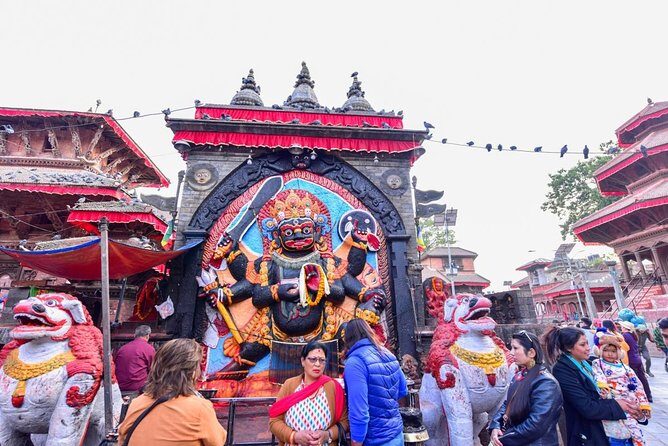
- Ason Market first thing for quick immersion into everyday Kathmandu street life
- Kathmandu Durbar Square as a UNESCO stop focused on temples, palaces, shrines, and squares
- Freak Street for a fast, readable slice of Kathmandu’s Hippy-era history at a famous junction
- Swayambhunath (Monkey Temple) for the big hilltop panorama over the valley
- Small group max 10 to keep the walk flexible instead of feeling like a cattle line
- Skip the ticket line on-site, while still budgeting for monument entrance fees
The 4-hour route in plain language: what you’ll actually do
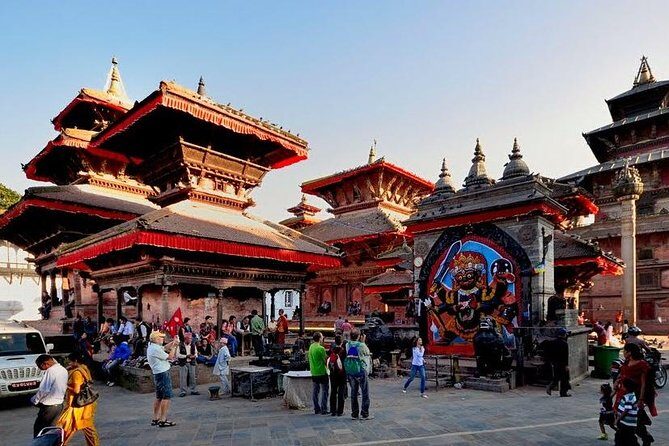
This is a 4-hour walking tour designed to connect Kathmandu’s “look up” places (temples and UNESCO squares) with “look around” moments (markets, alleys, daily errands). You’re not rushing across the city with lots of transfers. Instead, you’re moving on foot through a concentrated loop that’s easy to understand—even if you’re new to Kathmandu.
The backbone of the walk goes like this:
- Start at your hotel area in Thamel, then walk toward Ason, Kathmandu’s oldest market place
- Continue to Kathmandu Durbar Square (UNESCO)
- Stop at Freak Street, the iconic Hippy-era junction
- Climb and visit Swayambhunath (Monkey Temple, UNESCO) for panoramic valley views
- Return to Thamel by walking or taking a taxi from Swayambhunath
The walking plan is simple, but the city isn’t. Streets can be crowded, intersections can feel chaotic, and you’ll be stepping through temple areas and older lanes where things are tighter. If you like practical guidance and a steady pace, this format makes a lot of sense.
You can also read our reviews of more walking tours in Kathmandu

Starting at Ason: getting your bearings fast
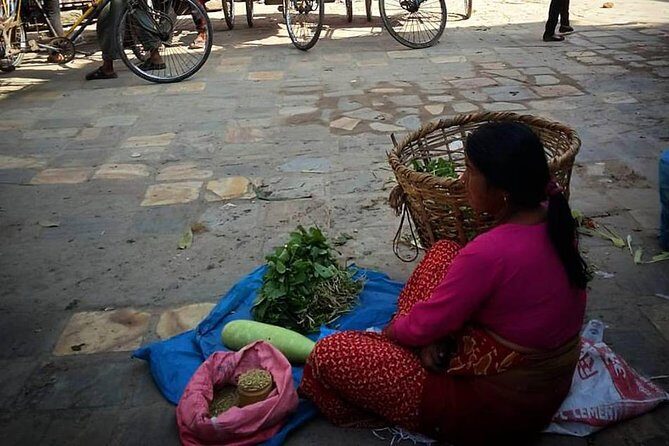
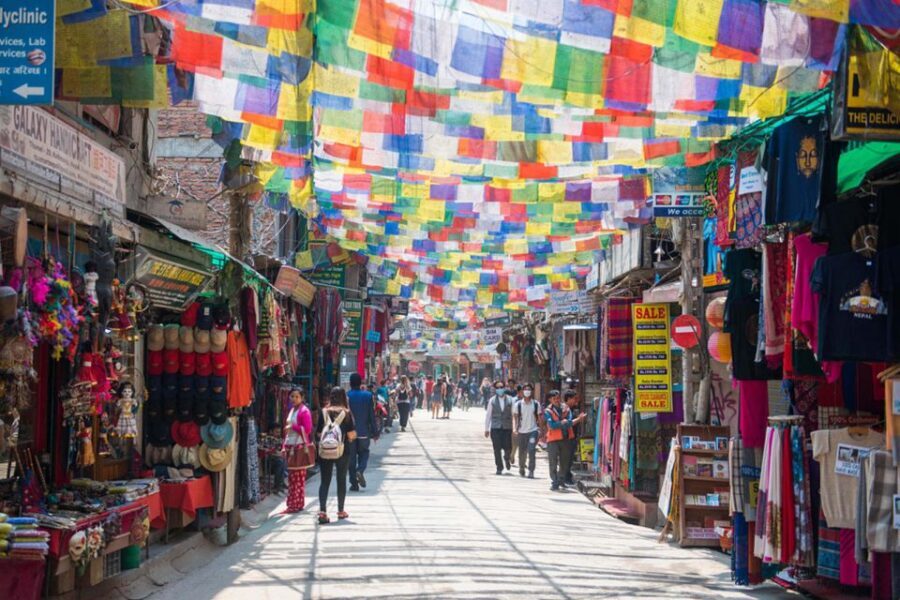
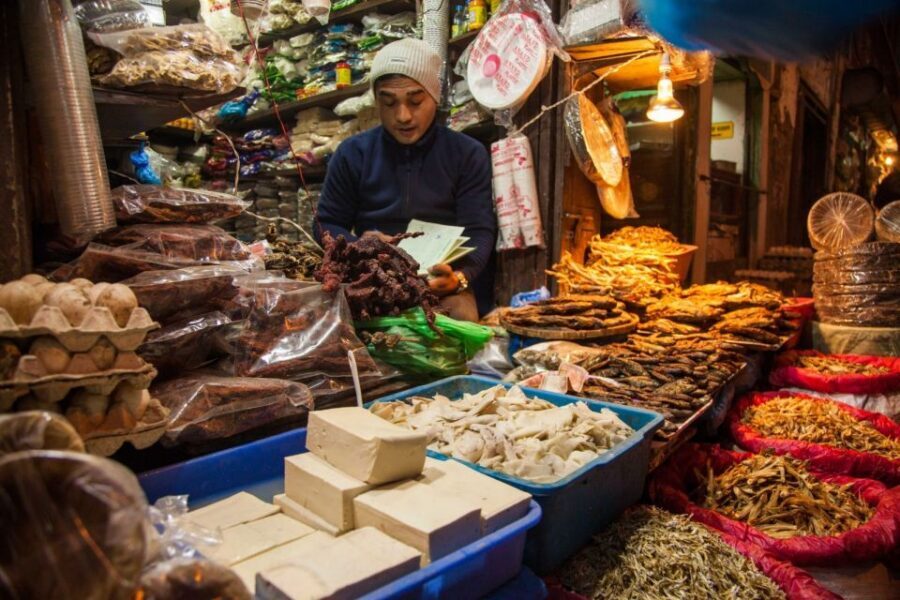
The tour begins with a walk from your hotel toward Ason, described as the oldest market place in Kathmandu. This is a smart first move because it puts you where locals already are. You’ll pass through busy streets, shops, squares, and ancient temples, which helps you understand Kathmandu as a living city instead of a museum.
Why I like this start: markets are where culture shows up in small decisions. People are buying, bargaining, carrying, praying, and chatting—all at street level. Even if you don’t know the names of the stalls, you’ll feel the rhythm quickly. A good guide also turns the street scenes into explanations you can remember later.
Practical note: Ason is active, so plan for sensory overload. Wear shoes with grip, keep your bag close, and don’t expect quiet sidewalks. You’ll likely be walking through a mix of open storefront areas and narrower temple-adjacent lanes.
Kathmandu Durbar Square: UNESCO without the tourist fluff
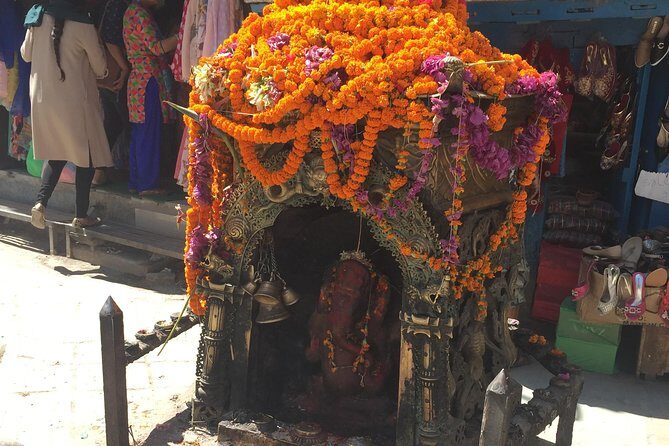
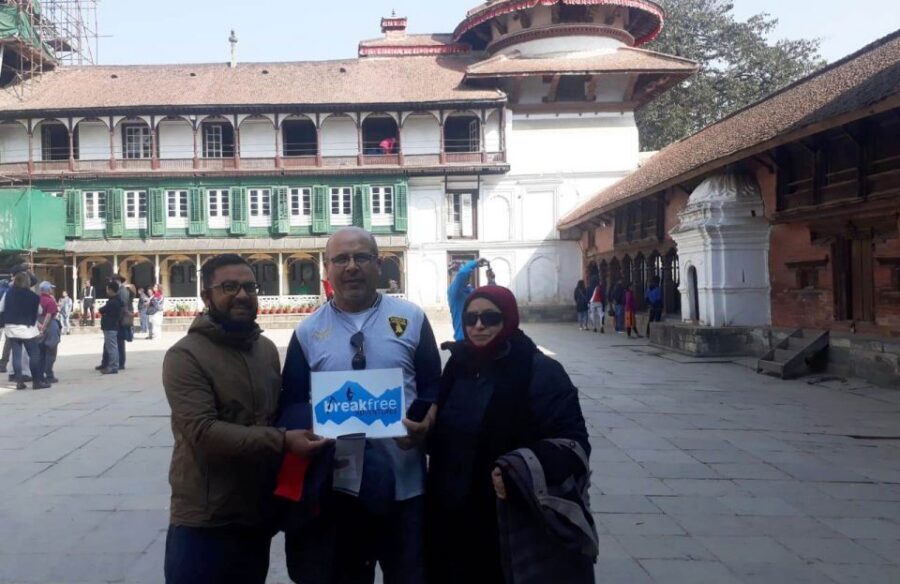
Next comes Kathmandu Durbar Square, a UNESCO World Heritage Site and the historical/religious heart of the old city center. Here the tour shifts from street markets to a cluster of monumental places—temples, palaces, shrines, and squares—where the city’s spiritual and cultural life overlaps.
What makes this stop especially valuable is the way it reads on foot. You don’t just look at one building. You move through the space and notice how many sacred corners exist in one concentrated area. A guide can help you connect:
- which parts function as religious spaces
- which parts relate to royal/historic significance
- why the squares matter for community gathering
What to watch for: Durbar Square areas can get busy, and some sites may require careful ticket handling. This tour includes skip the ticket line, which can save time when you’re trying to keep momentum on a 4-hour schedule. Still, monuments entrance fees are not included, so it helps to budget for that separately.
Freak Street: a quick hit of Hippy-era Kathmandu
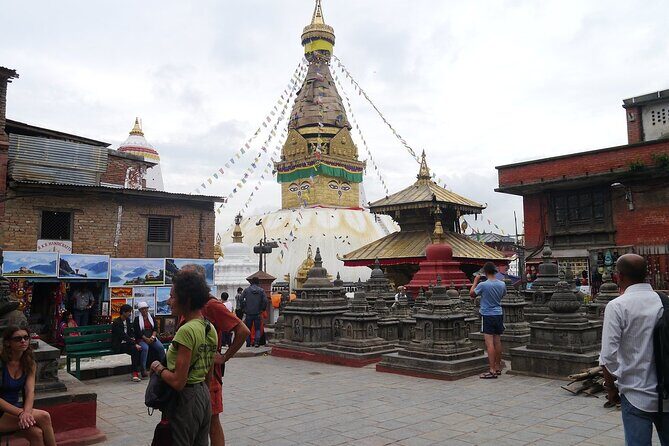
After Durbar Square, you’ll head to Freak Street, described as the most popular junction during the Hippy era. This is one of those stops that works well in a walking tour because you’re not trying to read history from a single plaque. You’re standing at the junction itself, letting the place explain its own identity.
Even if you don’t care about the Hippy-era story, this stop has a practical payoff: it helps you understand how Kathmandu became a magnet for long-term travelers. The city’s tourism culture didn’t appear out of nowhere—it formed around specific streets, bars, and gathering points. Seeing Freak Street in context makes later conversations (or future museum reads) easier to follow.
Downside to consider: it’s a junction, which means it can feel more touristy than the temple and square areas. If you’re looking for quiet contemplation, you may need a moment to reset your expectations.
Monkey Temple and Swayambhunath: the view is worth the climb
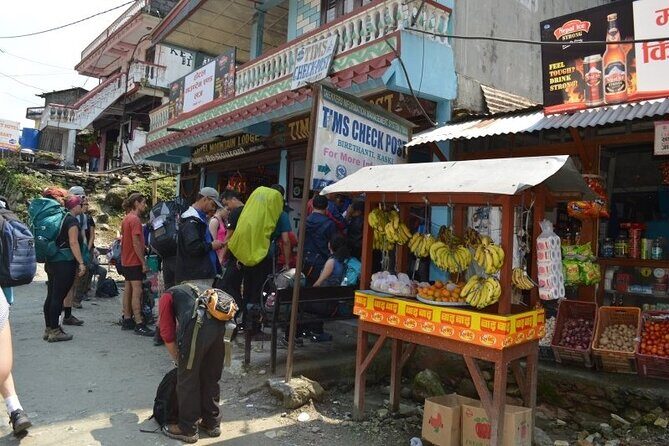
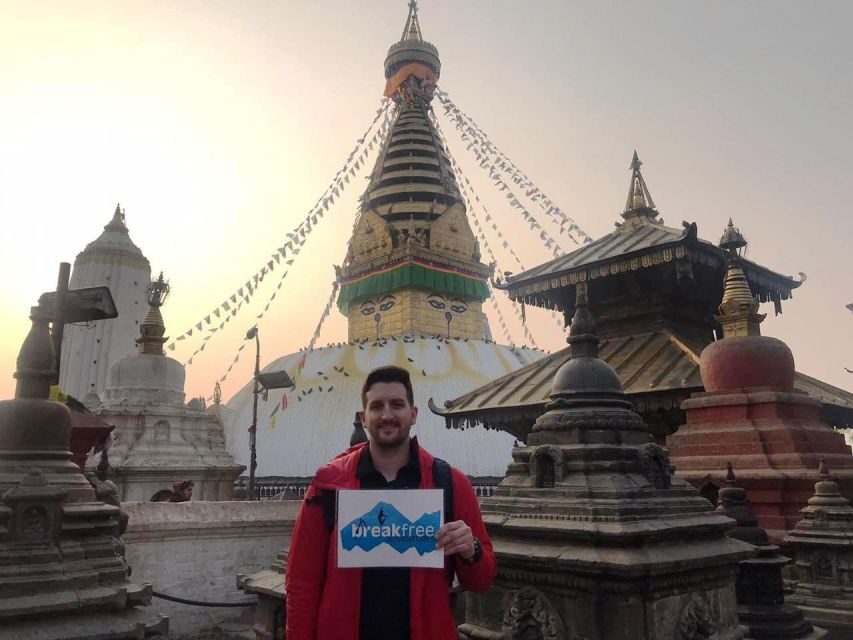
The biggest “wow” moment is Swayambhunath (Monkey Temple), the second UNESCO stop. This site sits at the top of a hill, and the walk is timed so you reach that hilltop viewpoint when you’re ready for the panorama.
The tour explicitly promises spectacular panoramic views of the entire Kathmandu Valley from Swayambhunath. That view is the reason many people put this place on their list—and it’s also why walking tours like this can be more rewarding than a quick taxi stop. When you’ve seen the city’s street scale and square scale first, the valley view lands harder. You can feel the geography: the density of Kathmandu, the way settlements spread, and how the city sits within a wider basin.
What to expect on-site: temple shrines and the general sacred feel of the area. You may also notice monkeys around the temple complex (hence the nickname). The tour description doesn’t go into rules of interaction, so stick to your guide’s directions and avoid sudden movements around animals.
Accessibility note: this portion is on a hill. The experience is not suitable for wheelchair users, and pregnant travelers are also listed as not suitable. Even if you’re fit, the walking surfaces and steps can be uneven in places, so keep your pace steady and don’t rush.






Getting back to Thamel: walk it off or take the taxi
From Swayambhunath, you’ll either:
- walk back to Thamel, or
- take a taxi from Swayambhunath to Thamel
This choice matters because the hilltop energy can swing either way. Walking back can help you keep the tour flow and see street-level scenes you might otherwise miss. A taxi can be smart if you’re tired, if crowds make walking slow, or if you want to conserve energy for your evening plans.
Also note: any transfers/taxi are not included. So if you choose the taxi option, you’ll pay separately. If you want to reduce extra costs, plan to walk back.
Price and value: is $30 worth it?
At $30 per person for a 4-hour tour, the value depends on what you’re comparing it to.
Here’s what you get for that price:
- an experienced English live guide
- pickup from your hotel in the Thamel area
- mineral water
- skip the ticket line
- a small group up to 10
What you don’t get:
- monument entrance fees
- any additional taxi/transfers
So the honest math is: your base cost is solid for guided time and organization, but you should expect extra spending at sites that require entry fees. If you’re the kind of traveler who hates waiting in lines and enjoys having context while you walk, this price usually feels fair. If you’re only interested in one or two photo spots and don’t care about explanations, you could find cheaper DIY options—but you’d lose the benefit of connecting streets, squares, and UNESCO sites into one coherent storyline.
The small-group limit also changes the feel. With a maximum of 10 participants, you’re more likely to get individual attention and clearer guidance at busy intersections.
What to bring and how to prepare (so you don’t suffer)
This walk is straightforward, but it rewards simple preparation.
Bring:
- Passport or ID card
- Comfortable shoes (you’ll thank yourself on the hill)
- Cash (useful for entrance fees and any on-the-spot costs)
A practical heads-up: the guide will come collect you from your hotel, so you’ll need to provide your hotel name when booking.
If you’re sensitive to crowds, consider carrying a small layer (even if it’s warm) and a light water plan. Mineral water is included, but you’ll still want to stay comfortable.
Who this tour fits best (and who should pass)
This Kathmandu Walking Tour is a good match if you:
- want a short, guided introduction to the city
- like UNESCO sites but prefer them explained through movement and street context
- enjoy markets and squares, not just landmarks
- ask questions and want real explanations, not scripted photo stops
It’s not suitable for:
- wheelchair users
- pregnant women
Also, because you’re walking through lively areas, it suits travelers who are comfortable navigating crowds and uneven temple-adjacent streets.
If you’re traveling solo, the small group can feel friendly without being overwhelming. If you’re traveling with a partner, this is one of those shared experiences where you can talk about what you learned right after each stop.
Should you book this Kathmandu walking tour?
I’d book it if you want a high-impact first day in Kathmandu: markets, major squares, a historic junction, and a hilltop UNESCO viewpoint—done in one tidy 4-hour block. The price is reasonable because you’re paying for a guide who can connect what you see and keep the route understandable, plus pickup, small group size, and skip-the-line time savings.
Skip it if you hate walking, need step-free access, or you’re only in Kathmandu for a quick hit of photos. Also, factor in that you’ll likely pay monument entrance fees separately, so keep a bit of cash aside.
If you want one practical win, aim to wear the best shoes you own and come ready to ask questions. That’s when a guided walk like this turns into more than sightseeing—it becomes a way to understand the city.
FAQ
How long is the Kathmandu Walking Tour?
The tour lasts 4 hours.
What does the tour cost, and what’s included?
It costs $30 per person. Included are an English live guide, mineral water, and skip the ticket line. Monument entrance fees and any transfers/taxi are not included.
Which places will we visit?
You’ll walk through the Ason market, visit Kathmandu Durbar Square (UNESCO), see Freak Street, and visit Swayambhunath / Monkey Temple (UNESCO) for panoramic views.
Do I get pickup from my hotel?
Yes. Pickup is included from your hotel in the Thamel area.
What should I bring?
Bring passport or ID, comfortable shoes, and cash.
Is it refundable if my plans change?
The tour offers free cancellation up to 24 hours in advance for a full refund, and you can reserve using pay later.