REVIEW · KATHMANDU
Everest Base Camp Trek 14 days
Book on Viator →Operated by Happyland Treks · Bookable on Viator
Lukla flights and Everest views, all in one plan. This 14-day Everest Base Camp trek takes you from Kathmandu up through Sherpa country and into the high Himalaya, where you’ll hit altitudes above 5,000m. I like two things most: the English-speaking guide and the slow acclimatization rhythm built into the schedule.
That said, you’re going high for real. You’ll range from about 2,840m in Lukla up to Kalapathar at 5,550m, so your body needs time and steady effort, and the Lukla flights depend on weather.
In This Review
- Key Highlights You’ll Actually Feel On the Trail
- Why This Everest Base Camp Route Works at 5,000m Plus
- Kathmandu: Two Nights, Airport Pickup, and Trek Prep That Doesn’t Stress You Out
- Day One: Gear Check and Getting the Trek Mindset Right
- Kathmandu to Lukla: The Flight That Sets the Tone
- Lukla to Phakding: Warm-Up Walking in Sherpa Country
- Phakding to Namche Bazaar: The Gate to Higher Elevations
- Namche Acclimatization Day: Rest That Actually Matters
- Namche to Tengboche: Higher, Colder, and Visually More Intense
- Tengboche to Dingboche: The Climb Continues
- Dingboche Acclimatization Day: Your Second Big Breathing Pause
- Dingboche to Lobuche: Approaching the Thin-Air Zone
- Lobuche to Gorakshep and Everest Base Camp: The Big Day Sequence
- Kalapathar Sunrise: The Reward for Paying the Altitude Tax
- Pangboche to Namche to Lukla: Coming Down Without Losing the Magic
- Tea Houses, Meals, and the Reality of Comfort at Altitude
- Porter Support and Medical Kit: Why This Matters More Than People Think
- Price and Value: What $1,897 Covers (and What It Doesn’t)
- Who This Trek Suits Best (And Who Should Reconsider)
- Should You Book Happyland Treks for Everest Base Camp?
- FAQ
- What’s the highest point on this Everest Base Camp trek?
- How do you travel between Kathmandu and Lukla?
- What’s included in meals during the trek?
- What lodging do you stay in on the trek?
- Do I get porter support?
- Where is the meeting point and when do we start?
- Is this trek private?
Key Highlights You’ll Actually Feel On the Trail
- Guided, English-friendly trekking so you’re not guessing at altitude rules and route choices
- Acclimatization days in Namche Bazaar and Dingboche to help you adjust before going higher
- Tea house lodging plus full trekking meals (breakfast/lunch/dinner) and three cups of tea or coffee a day
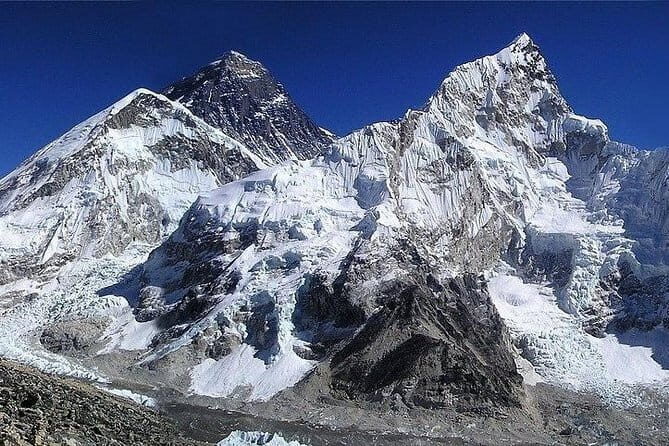
- Everest Base Camp and Kalapathar: you get the EBC visit and a sunrise viewpoint day
- Porter support (1 porter between 2 people) to ease your carry on the steep, thinner-air days
- Owner Bimal Dahal (Happy Bimal) as a strong pre-trek help point, known for answering questions and sharing lodging options with pictures
Why This Everest Base Camp Route Works at 5,000m Plus
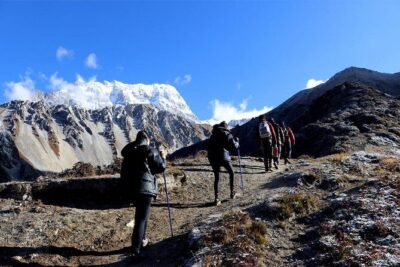
Everest Base Camp sounds like one destination. On the ground, it’s really a process. The best EBC treks treat altitude like a boss you can’t ignore, and this itinerary does that with multiple “go up, then breathe” moments. You aren’t just marching upward every day until your lungs say no.
You also get a classic shape to the trek. You’ll start with the lower valleys, ease into busier Sherpa hubs, then shift into higher, colder country. The trip includes tea house stays and standard meals through the trek days, which matters because at altitude, spending mental energy on food logistics is the last thing you want to do.
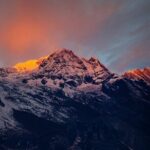
The schedule also gives you a standout day for views. The Kalapathar sunrise hike is the part many people remember most, and it’s built in right after an overnight at Gorakshep—so you’re not asking your body to do everything at once from sea level.
You can also read our reviews of more hiking tours in Kathmandu
Kathmandu: Two Nights, Airport Pickup, and Trek Prep That Doesn’t Stress You Out
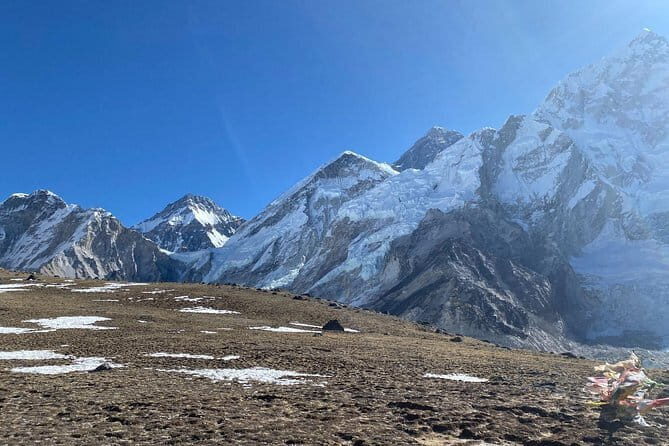
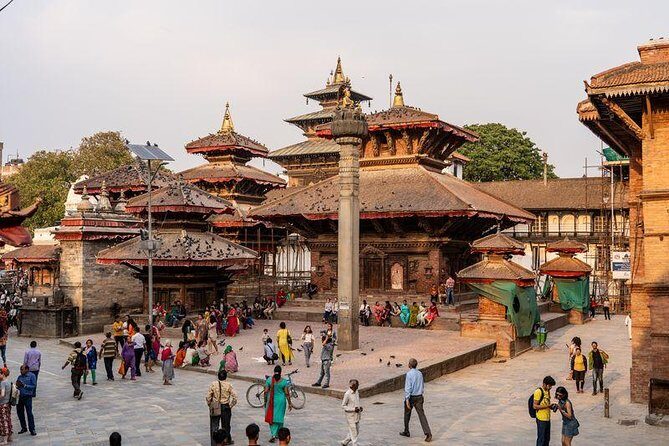
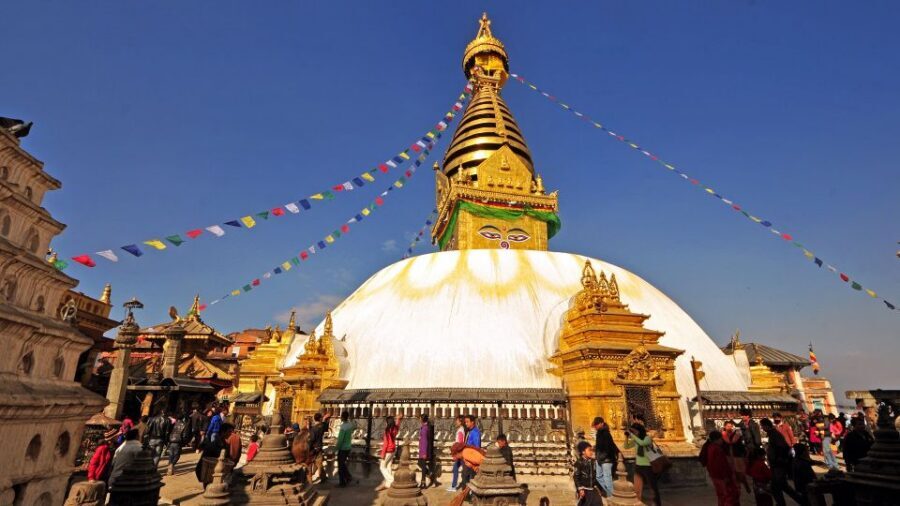
Your trek starts in Kathmandu with a simple plan: arrive, transfer to your hotel, and settle in. You get two nights in Kathmandu with breakfast, plus airport pickup and drop by car/van/bus. That may sound basic, but for a first-time Nepal trek, it can be the difference between calm prep and chaotic scramble.
You’ll also have a head start on paperwork and systems. The package includes the TIMS card (Trekkers Information Management System) and the Everest National Park trekking entry permit. Even if you’re an organized person, having this handled means fewer surprises when you’re already adjusting to a new country and a new time zone.
One practical catch: meals during your Kathmandu hotel days are not included. The trek covers meals during the trek itself, so in Kathmandu you’ll want to budget for lunch and dinner on your own. You’ll likely appreciate that flexibility anyway, since Kathmandu is where you can choose from lots of different food styles after a travel day.
Day One: Gear Check and Getting the Trek Mindset Right
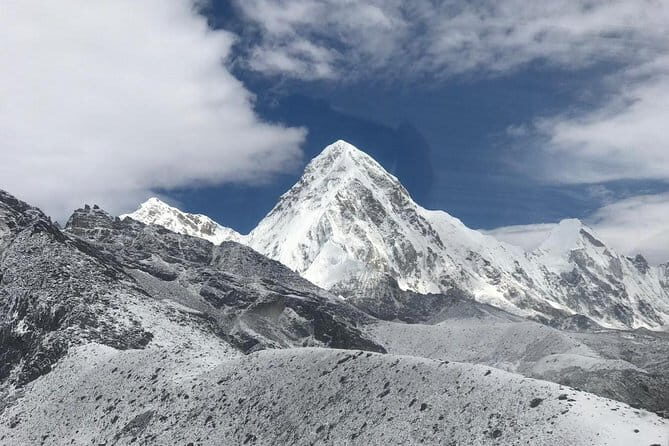
On the first day, the focus is preparation. After you arrive, you’ll transfer to your hotel and sleep in Kathmandu so you’re ready for an early start the next morning.
This is also a smart time to do the quiet tasks:
- confirm your gear is packed for cold mornings and windy ridgelines
- plan how you’ll handle valuables (phones, charging, cash)
- set expectations for the long, slow climb ahead
If you’re the type who worries about details, you’ll probably appreciate that Happyland Treks includes a medical kit and covers staff insurance and medicine for the team. That doesn’t remove your need for travel medical insurance (not included), but it signals the operation expects real mountain conditions.
Kathmandu to Lukla: The Flight That Sets the Tone
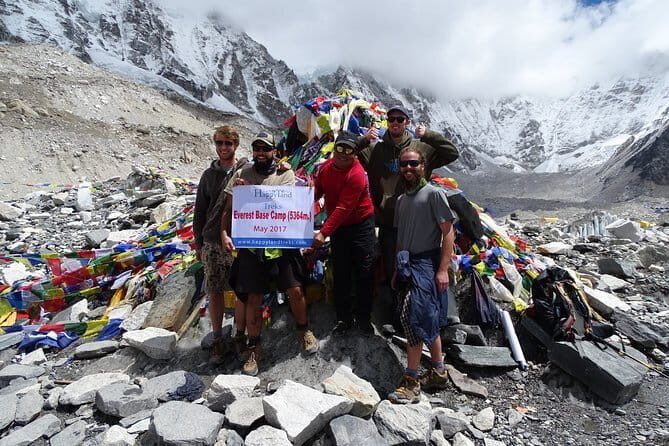
The trek doesn’t begin with a bus ride. It begins with a 40-minute flight from Kathmandu to Lukla (2,840m). Then you’ll eat breakfast in Lukla and start walking toward Phakding (2,610m).
This flight is a big moment for two reasons:
1) you save a lot of time compared to trekking in from Kathmandu
2) you immediately enter the altitude world where even simple movement feels different
Weather is the reality here. The experience requires good weather, and the provider notes that if it’s canceled due to poor weather you’ll be offered a different date or a full refund. That’s not something you can control, so it’s best to build your schedule with a calm attitude rather than assuming flights always run on the first attempt.
Lukla to Phakding: Warm-Up Walking in Sherpa Country
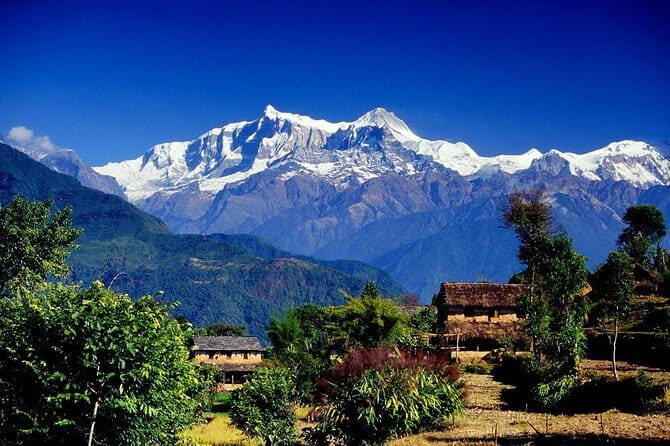
From Lukla, you trek to Phakding (2,610m). It’s a good early transition day because you’re not immediately climbing to the thick-air zone. It helps you get your rhythm, test your footwear, and start understanding how the trail feels when your body isn’t used to it yet.
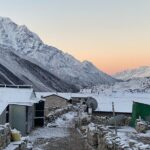
Phakding is also your first glimpse of the trekking infrastructure: tea houses, trails busy enough to feel alive, and a landscape that gradually changes as you gain elevation.
If you tend to walk fast, this is where you want to slow down. Your legs can feel fine while your breathing starts to lag. The sooner you match your pace to the altitude, the better the week usually goes.
Phakding to Namche Bazaar: The Gate to Higher Elevations
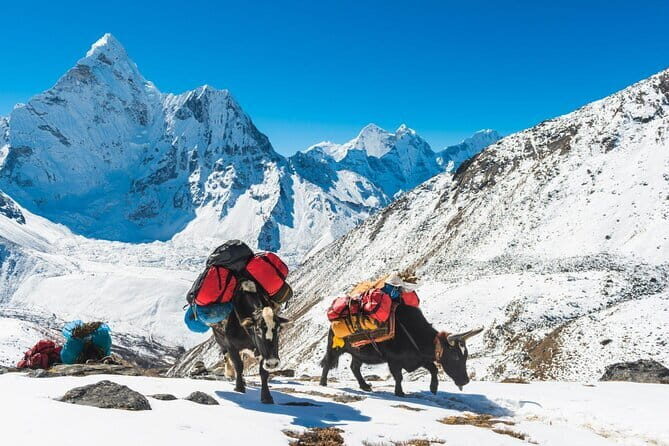
Next comes the trek to Namche Bazaar (3,440m), passing through Monjo. Namche is the classic Everest base-camp gateway town, and it’s where the trek becomes more “real” in terms of height.
Your day includes a long trekking stretch (it’s listed as about 12 hours). Long days are normal on the EBC route, so this is a good place to remember that pace beats speed. You’ll gain elevation gradually, and once you reach Namche, you’ll finally get the first real “stop and breathe” stage.
Monjo is also a threshold area because you’re moving deeper into the national park trekking zone. Having the permit handled in your package is useful here—you’re not trying to fix paperwork at the gate.
Namche Acclimatization Day: Rest That Actually Matters
After arriving in Namche Bazaar, you get an acclimatization day. This day is for rest, chilling, light exploration, and taking in the views.
This is one of the best parts of the plan because acclimatization works best when it’s not just theory. You’re at a higher altitude than before, and your body needs time to adjust before the next climb. Even if you feel energetic, your best move is to keep the effort moderate.
Think of this day as your “altitude lessons.” You learn how quickly you breathe, how your appetite changes, and how your energy feels when moving uphill at 3,000m plus.
Namche to Tengboche: Higher, Colder, and Visually More Intense
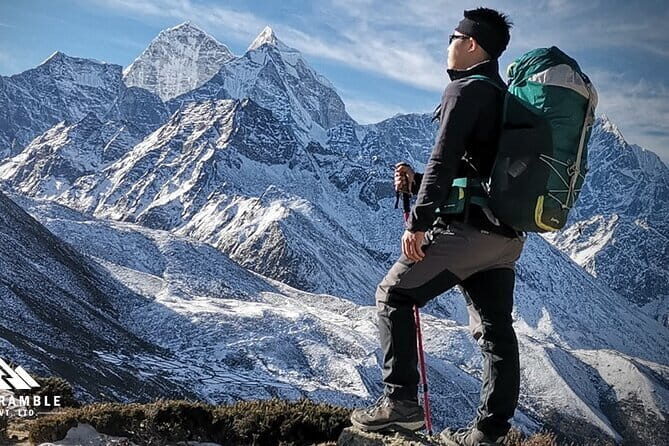
From Namche Bazaar, you trek to Tengboche (3,868m). This step keeps the pace moving upward while still staying within a range your body can handle if you take it gently.
Tengboche is known for its spiritual setting and mountain views, and this day often feels like a shift from valley trekking to something more dramatic. Even if you don’t have a strong religious interest, the stillness in this area can be a mental break from the constant focus on foot placement.
One practical note: colder mornings and wind can show up fast at these elevations, so layered clothing matters more than you think.
Tengboche to Dingboche: The Climb Continues
You then move to Dingboche (4,410m). This is one of those “don’t underestimate it” days, because elevation adds up even when the trail feels familiar.
You’ll then get another acclimatization day, which is exactly what you want in this part of the route. Without that kind of pause, many trekkers would feel the altitude hit harder.
Dingboche Acclimatization Day: Your Second Big Breathing Pause
You stay at Dingboche for a full day. The purpose is to explore around and help your body adjust.
This is your second chance to get ahead of altitude trouble. If you’ve been feeling okay, it’s still worth keeping the day easy. Drink water regularly, avoid racing up hills for views, and remember that tired days often look like “I’ll push a bit more,” which is usually not the move at high altitude.
This is also a good day for checking your gear again:
- are your socks staying comfortable?
- do you need to manage your water/thermos setup?
- is your sleeping layer warm enough?
Dingboche to Lobuche: Approaching the Thin-Air Zone
Next you trek to Lobuche (4,910m). By now, the route is moving into the higher band where you’ll feel less oxygen and more exposure to cold.
Days in this zone often feel slower because your body takes longer to recover between steps. This doesn’t mean you’re failing—it means you’re working at the correct intensity for the altitude.
Lobuche is where the trek becomes psychologically focused too. You’re close enough to Everest country that it starts to feel like something is “coming,” and you’ll want to keep your pace steady rather than sprinting mentally toward the finish.
Lobuche to Gorakshep and Everest Base Camp: The Big Day Sequence
The next segment is one of the most important: Trek to Gorakshep (5,180m), and then onward to Everest Base Camp (5,364m). You’ll also sleep in Gorakshep.
This pattern matters. You get the EBC experience as part of a day-to-night progression, which helps you manage energy and cold. You arrive at base camp feeling the altitude more strongly, since you’re well above 5,000m.
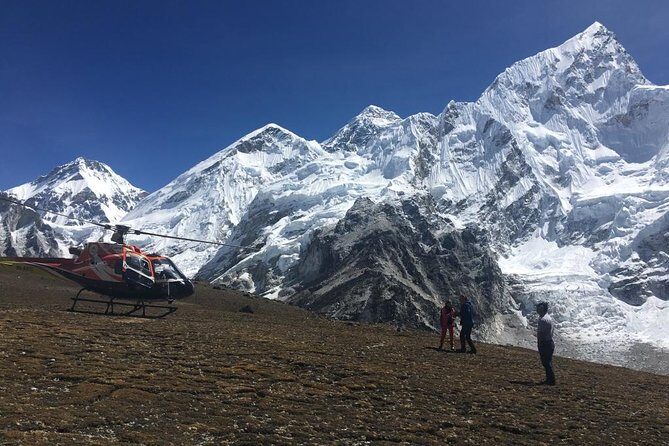
Everest Base Camp at this elevation is not a casual viewpoint. It’s part of a high-altitude day where your breathing will be louder and your body will demand more focus. That’s why it’s such a satisfying accomplishment: you’re not just seeing the world’s most famous mountain area, you’re reaching it while working through real physiological strain.
Kalapathar Sunrise: The Reward for Paying the Altitude Tax
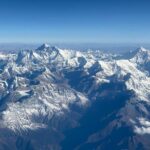
After your overnight in Gorakshep, you do an early morning hike to Kalapathar (5,550m) to see sunrise and mountain range views, including Everest, then return for breakfast. After that, the itinerary continues by trekking down to Pangboche (3,990m).
Kalapathar is the kind of day where planning helps. Starting early and staying disciplined beats pushing too hard. You’re climbing in cold conditions at a high altitude, so patience is a bigger skill than speed.
The descent to Pangboche is also smart. Once you’ve reached your top viewpoint, you get to shift into a lower altitude zone and start feeling more like yourself again.
Pangboche to Namche to Lukla: Coming Down Without Losing the Magic
The return trip is still trekking, just in reverse altitude logic.
- Day 11: Pangboche to Namche Bazaar (back to about 3,440m)
- Day 12: Namche Bazaar to Lukla (down to about 2,840m)
Coming down can feel good, but it’s not automatically easy. Knees and shins can take a beating on downhill sections, especially after weeks of uphill walking. This is where trekking poles (if you bring them) and a careful pace make a real difference.
Then the trek ends with a morning flight back to Kathmandu from Lukla on Day 13.
Tea Houses, Meals, and the Reality of Comfort at Altitude
One reason this trek feels manageable is that your standard meals are included while trekking: breakfast, lunch, and dinner, with three cups of tea or coffee per day. You also get tea house accommodation during the trek.
At altitude, food and warmth are not “nice to have.” They help you keep energy steady so you can climb again tomorrow. Having meals planned means you can focus on the actual climbing rather than negotiating everything with each stop.
You should also expect that some comforts cost extra or aren’t always available. The package doesn’t include hot shower, battery charging, and personal water bottles in the trekking costs list. So plan for extra expenses on the trail and don’t assume every tea house has the same setup.
Porter Support and Medical Kit: Why This Matters More Than People Think
You’ll travel with porter service (1 porter between 2 people basis). That’s a big deal on EBC treks because your own load gets heavier than you expect once the air thins and the hills keep arriving.
You’re also covered with a medical kit included in the package. Staff insurance and medicine for the team are included too. Still, this package notes that travel medical insurance and emergency evacuation cost are not included, so you should treat that as your responsibility.
If you’re going to spend money on an EBC trek, spending on proper medical coverage is not the place to cut corners.
Price and Value: What $1,897 Covers (and What It Doesn’t)
At $1,897 per person (for this 14-day experience), you’re paying for a lot more than “walking with a guide.”
Included value adds up:
- Two nights in Kathmandu with breakfast
- Airport pickup and drop
- TIMS card and Everest National Park permit
- All trekking meals (breakfast/lunch/dinner) plus three tea/coffee drinks per day
- Tea house accommodation
- English-speaking guide
- Porter support (1 between 2)
- Domestic flights Kathmandu–Lukla–Kathmandu (plus airport tax for those flights for member and guide)
- Trip certificate, plus a company duffel bag and t-shirt
- All government and local taxes
What’s not included is equally important:
- Nepal entry visa fee and international airfare
- travel medical insurance and evacuation costs
- tips for guide and porter (tipping is expected)
- personal equipment and personal expenses like alcohol, cold drinks, hot shower, battery charge, and donations
When I look at the total, the real value is the set-and-forget logistics: flights, permits, guides, meals, and tea house stays are handled. For most trekkers, that’s where time and stress get expensive.
Who This Trek Suits Best (And Who Should Reconsider)
This is listed as a trek for people with moderate physical fitness. In practice, that means you can walk for long days, manage steep sections, and handle basic altitude discomfort without turning it into panic.
This trek is also private, meaning only your group participates. If you prefer a less crowded experience or you want your pace to match your group’s comfort level, that’s a plus.
Who might think twice:
- anyone who’s not ready for high altitude work (even with acclimatization)
- anyone who can’t accept that Lukla flights require good weather and the schedule can shift
Should You Book Happyland Treks for Everest Base Camp?
If you want a classic EBC trek with real structure, this one makes sense. I’d book it if your priorities are:
- clear acclimatization stops
- meals and tea house stays included so you can focus on walking
- strong local support, including an operation associated with Bimal Dahal (Happy Bimal) who helps with detailed trek info and lodging expectations
I’d pause before booking if:
- you’re not comfortable paying extra for personal items on the trail (hot shower, charging, drinks)
- you’re not ready to handle the altitude reality from Lukla upward
- you haven’t lined up solid travel medical coverage for emergency situations
If you’re disciplined about pacing and you treat altitude like the main event, this itinerary gives you a sensible path to Everest Base Camp and a sunrise payoff at Kalapathar.
FAQ
What’s the highest point on this Everest Base Camp trek?
The route includes a hike up to Kalapathar at 5,550m. Everest Base Camp itself is listed at 5,364m.
How do you travel between Kathmandu and Lukla?
You fly by air between Kathmandu and Lukla, with the Lukla flight from Kathmandu listed as about 40 minutes. The package includes domestic flights Kathmandu–Lukla–Kathmandu.
What’s included in meals during the trek?
During the trek you get breakfast, lunch, and dinner, plus three cups of tea or coffee per day.
What lodging do you stay in on the trek?
You stay in tea house accommodation during the trekking days.
Do I get porter support?
Yes. The package includes porter service (1 porter between 2 people basis).
Where is the meeting point and when do we start?
The meeting point is Happyland Treks on Paknajol Marg, Kathmandu 44600, and the start time is 5:00 am.
Is this trek private?
Yes. It’s listed as a private tour/activity, so only your group participates.