REVIEW · NEPAL
Kathmandu: Guided -Day Tour of World Heritage Sites
Book on GetYourGuide →Operated by Nepalaya Treks & Expedition · Bookable on GetYourGuide
Four UNESCO stops, one well-paced day. If you want to understand Kathmandu Valley fast, this guided World Heritage tour is a practical way to connect the dots between Hindu temples, Buddhist stupas, and royal-era squares. The sites feel scattered across a sprawling city, so the big win here is having a guide and a driver handle the movement while you focus on what you’re seeing.
I like two things most: the hotel pickup and drop-off options make the day low-stress, and the English-speaking guide helps you make sense of what you’re looking at instead of wandering from sign to sign. You’ll also get a smooth private-car route that keeps the walking manageable for a one-day plan.
One consideration: it’s a 1-day hit list, so you won’t get long, slow time at every corner. Also, entry fees and food aren’t included, so budget a bit extra if you plan to snack between stops.
In This Review
- Key things that make this tour work
- A one-day sprint across UNESCO sites in Kathmandu Valley
- Hotel pickup and private car: reducing Kathmandu stress
- Pashupatinath Temple on the Bagmati River
- Boudhanath Stupa: one of the largest in the world
- Patan Durbar Square in Lalitpur: carved temples and palaces
- Swayambhunath Monkey Temple: hilltop views over the valley
- Price and value at $37 per person
- What “private guided” means in real terms
- Practical tips for a smooth Kathmandu Valley day
- Who this tour suits best
- Should you book this Kathmandu Valley UNESCO day tour?
- FAQ
- What sites does this Kathmandu Valley tour cover?
- How long is the tour?
- Where can I be picked up and dropped off?
- What’s included in the price?
- Are entry fees or meals included?
- What should I bring?
- Are there any restrictions on what I can bring?
Key things that make this tour work
- Private car plus hotel transfers: you don’t waste time figuring out routes on your first day
- Four UNESCO-style anchor stops: Pashupatinath, Boudhanath, Patan Durbar Square, and Swayambhunath
- Meaningful context from the guide: you get the why behind the sights, not just the what
- Big, recognizable landmarks: Boudhanath’s scale is hard to miss, even from afar
- Great for orientation: ideal when you only have one full day in Kathmandu
A one-day sprint across UNESCO sites in Kathmandu Valley
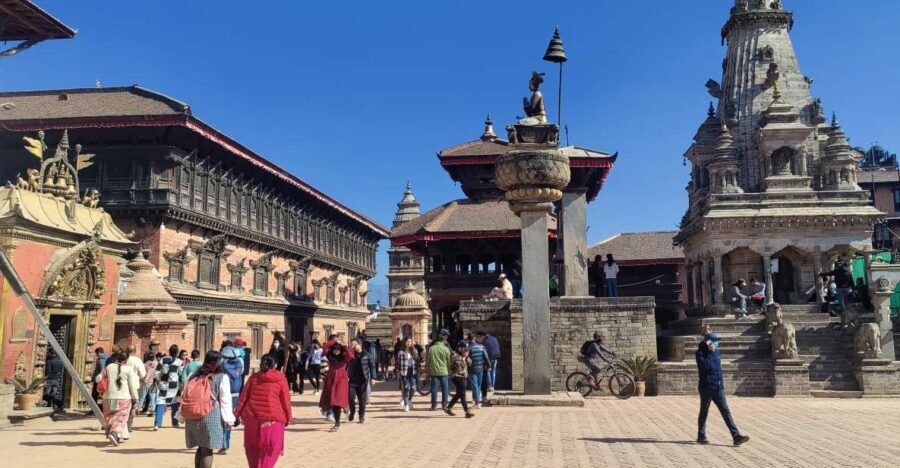
Kathmandu Valley is small, but it’s packed. You’re dealing with three districts-worth of famous sites, and the mix is what makes it special: Hindu temples, Buddhist stupas, and monasteries scattered across the city like an outdoor museum.
This is the kind of tour that helps you get your bearings fast. Instead of spending your first day chasing maps and bus routes, you follow a route that links the main spiritual and historical centers in the valley.
The itinerary also fits real travel time. With a private car and hotel transfers, you can see multiple landmarks in one day without feeling like you’re living inside taxis.
You can also read our reviews of more guided tours in Nepal
Hotel pickup and private car: reducing Kathmandu stress
A big part of the value is simple logistics. You start with pickup from one of three places: Hotel Nepalaya, Kathmandu, or Thamel. Your driver meets you at your hotel at the tour start time, then you’re handled through the day and returned to one of the three drop-off options (Kathmandu, Hotel Nepalaya, or Thamel).
In practice, this matters because Kathmandu traffic and navigation can chew up your energy. A private car keeps the plan moving so you can spend time where you want it: at the temples, stupas, and squares.
You’ll also have your guide traveling with you. That means questions don’t have to wait until you’re standing in front of a building with no context.
Pashupatinath Temple on the Bagmati River
Pashupatinath Temple is one of the most important Hindu sites in Nepal. It sits on the banks of the holy Bagmati River, and it became a UNESCO World Heritage Site in 1979.
What I like about this stop is the clear sense of religious purpose and architecture in one place. The temple is described as a two-storied shrine built in pagoda style, so it doesn’t feel like a random stop on a checklist. It looks like a place designed to impress and to endure.
There’s also a reason the crowds can be intense around major festivals. On Maha Shivaratri, more than one million devotees visit Pashupatinath, which tells you how central it is in the Hindu calendar.
A review also highlighted a powerful moment: seeing a cremation ceremony at Pashupatinath. You should treat that as something you might witness if your timing lines up, not as a guaranteed schedule event.
Practical note: this stop includes walking and a scenic drive connection, so comfortable shoes are worth it. You’ll feel it if you come in with lightweight footwear that isn’t made for uneven ground.
Boudhanath Stupa: one of the largest in the world
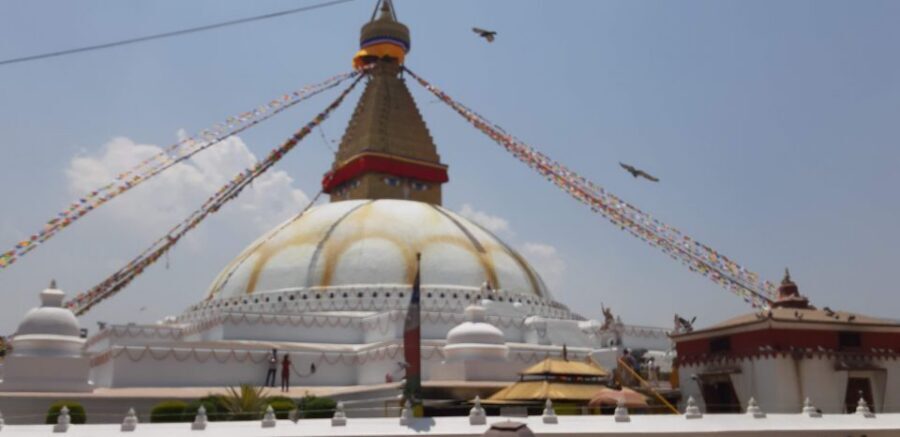
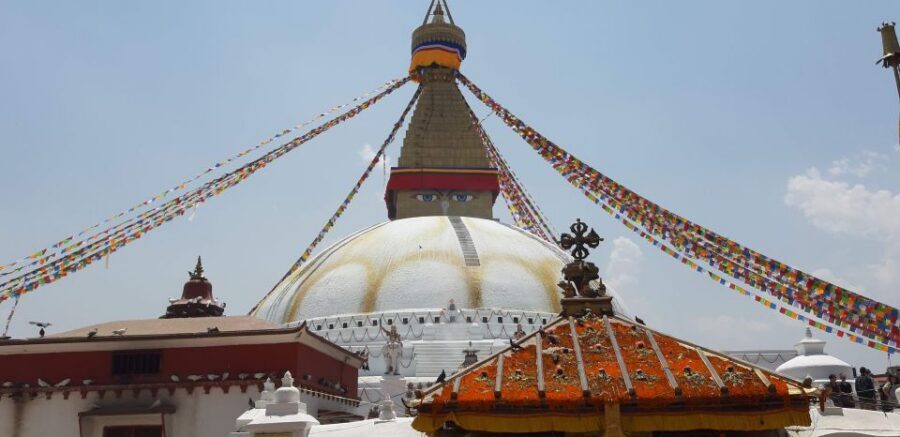
Boudhanath Stupa is the kind of landmark that dominates your sense of place the moment you get close. It’s described as one of the largest stupas in the world, and it’s both ancient and significant for Hindus and Buddhists.
If you like scale, this is your stop. The stupa is listed with an approximate 100m diameter and about 40m high. In other words, you’re not just visiting a monument—you’re entering a huge spiritual presence that visibly shapes the skyline.
Boudhanath is also a UNESCO World Heritage Site, so it’s not only famous locally; it carries worldwide recognition. That makes it a reliable anchor point in a one-day plan, because you’ll come away with at least one sight that feels fully “major.”
Expect the guided component to matter here. Stupas can look straightforward from a distance, but a guide helps explain why the design and setting matter for different traditions using the site.
Patan Durbar Square in Lalitpur: carved temples and palaces
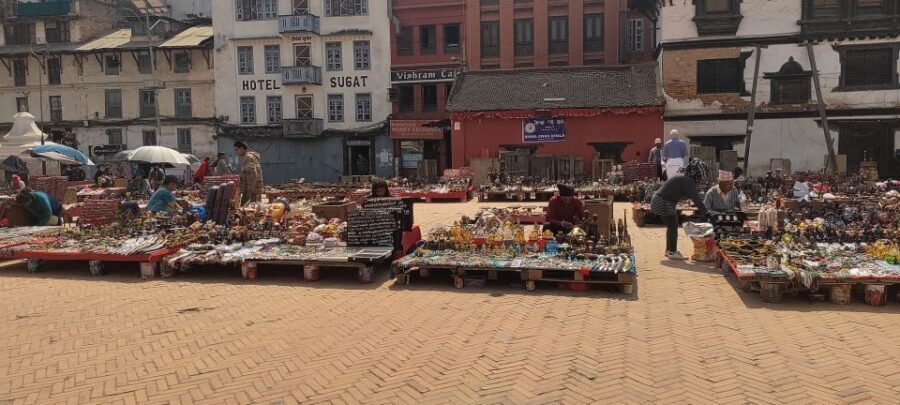
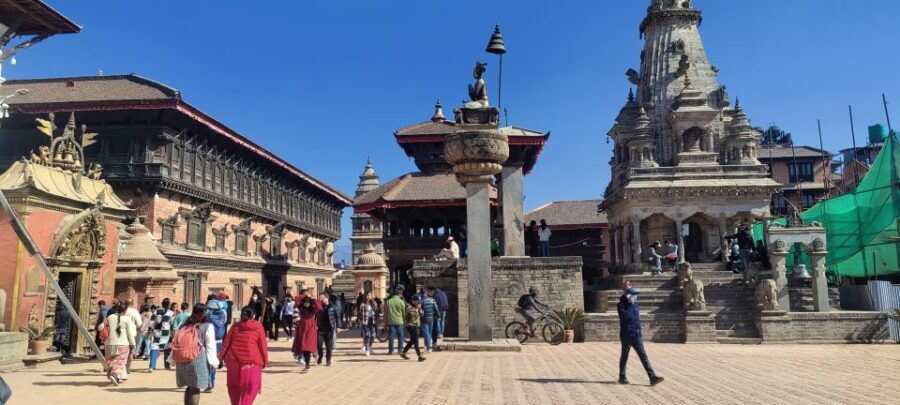
Patan is often described as the oldest of the three cities in Kathmandu Valley, and Lalitpur is the name you’ll hear used too. Patan Durbar Square is the focal point for this area, packed with ancient temples, palaces, and monuments.
What makes this stop feel worth the effort is the craftsmanship. The square is known for wonderful carving in wood and stone, so even if you’re not hunting for photos, you’ll likely enjoy slowing down to look at details.
This is also a good change of pace from the stupa-heavy feel of Boudhanath and Swayambhunath. Durbar squares are where you sense civic and royal power expressed in stone. You’re looking at a different kind of heritage than a temple on a riverbank or a stupa dominating the horizon.
If you’re short on time, you’ll appreciate that this stop brings dense visual interest into a compact area. The carvings keep your attention from drifting, even during a quick schedule day.
Swayambhunath Monkey Temple: hilltop views over the valley
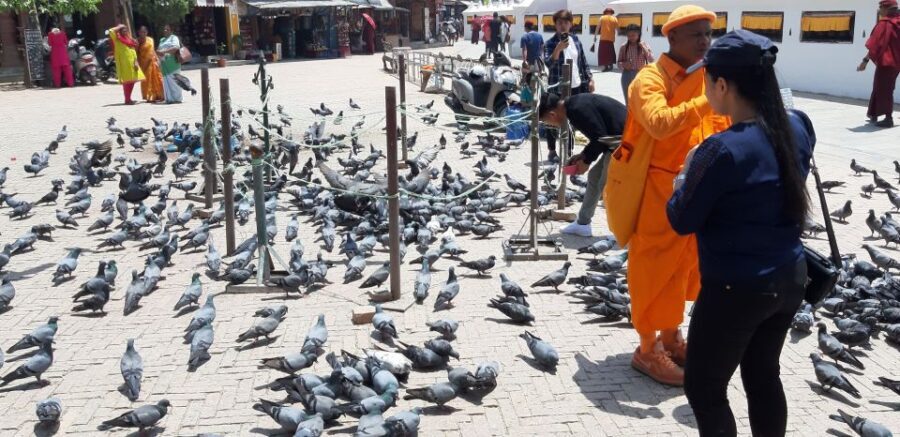
Swayambhunath is located on a hillock in the northwest part of the Kathmandu Valley, and it’s commonly called the Monkey Temple. It’s a Buddhist stupa site, but the name is memorable—and the setting is too.
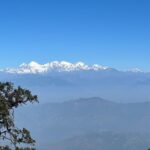
This stop is your panoramic payoff. You’ll be in position to take in views of the valley from above, which helps you understand how the sites relate to each other across the city.
There’s also an origin story people share about the site: it’s believed the stupa was built when the Kathmandu Valley was once a lake more than 2,000 years ago. Even if you treat such stories as tradition rather than a lab fact, it adds context to why the place is framed as older than the city itself.
Because it’s on a hill, you should expect walking on uneven terrain. Again, comfortable shoes really help. The views are the reward, and the climb is the price.
Price and value at $37 per person
At $37 per person, this tour is priced to feel doable—especially because you’re not paying just for a guide. The private car, hotel pickup and drop-off, and English-speaking guide are included, along with government tax and service charge.
Where the value shows up is in time saved. If you tried to assemble your own day—driver, routing, and interpretation—you’d quickly spend more than you expect, even if you’re good at navigating.
Two things cost extra: food and drinks, plus sightseeing entry fees. That’s not a deal-breaker, but it’s important for budgeting. If you’re the kind of traveler who likes a snack between stops, set aside a bit of money so you don’t end up rushed or annoyed by timing.
Also, this is a 1-day tour. You’re buying focus and convenience, not slow travel. If you want to linger at one site for hours, you might prefer a longer multi-day plan. But if you want a strong introduction, $37 is a reasonable way to get your first big bearings.
What “private guided” means in real terms
This isn’t a lecture from the back of a bus. With an English guide traveling with you, you can ask practical questions while you’re still near the subject. That turns a site from a stop into a story you understand.
You’ll also notice the guide and driver coordination matters. Several journeys highlight punctual pickups and professional driving—names that come up include Ramesh, Sujan, and driver Tirtha, plus an organizer named Kamal. That pattern is a good sign if you want a tour that feels organized rather than chaotic.
Language options are also useful. The guide support is listed for English, Hindi, and Nepali, which can help if you prefer something other than English or want clarity through translation.
If you’re traveling solo, the format can feel reassuring because you’re not trying to piece together a day alone. One solo traveler described feeling safe during the outing, which fits the overall logic of a private driver and a guide managing your route.
Practical tips for a smooth Kathmandu Valley day
Here’s what you should plan around based on the tour rules and what helps on the ground.
Bring:
- Passport (and/or an ID card, as listed)
- Comfortable shoes
- Water
Not allowed:
- Drones
- Alcohol and drugs
That last bit matters for photography planning. If you’re hoping to fly a drone, you’ll need to keep it off during this tour.
For pacing, remember this is a one-day route across multiple major sites. So start with the right footwear and hydration, then let the guide keep the day moving.
Also, your day begins with meeting your driver at the start time at your pickup point. If you’re even slightly late, it can throw off the schedule. Aim to be ready before pickup rather than trying to sprint out at the last moment.
Who this tour suits best
This is the kind of tour I recommend if:
- You only have one full day in Kathmandu and want a high-impact introduction to the valley
- You’d rather rely on a guide than navigate between distant sights on your first day
- You want a structured loop through major UNESCO-recognized landmarks
- You’re traveling solo and prefer a route managed by someone local, with safe, professional driving
It can also work well as a first booking in a longer trip. Once you see Pashupatinath, Boudhanath, and the hilltop view at Swayambhunath, you’ll be better able to decide what to revisit later.
Should you book this Kathmandu Valley UNESCO day tour?
If your goal is orientation—to connect Kathmandu Valley’s spiritual and historical anchors in one day—this tour is a solid choice. The included hotel transfers, private car, and English-speaking guide make it practical for limited time.
Book it if you want:
- Four major sites without the stress of planning transport
- A guided route that helps you understand what you’re seeing
- A day that starts and ends in convenient central areas like Thamel and Kathmandu
Skip or rethink it if you’re the type who wants deep, slow time at one site, or if you’re traveling with a tight budget that can’t handle additional entry fees and meals. For most first-timers, though, it’s an efficient, low-hassle way to make your Kathmandu day count.
FAQ
What sites does this Kathmandu Valley tour cover?
The tour visits key World Heritage landmarks in the Kathmandu Valley, including Pashupatinath Temple, Boudhanath Stupa, Swayambhunath (Monkey Temple), and Patan Durbar Square.
How long is the tour?
It’s a 1-day tour. Starting times depend on availability.
Where can I be picked up and dropped off?
Pickup options listed are Hotel Nepalaya, Kathmandu, and Thamel. Drop-off options are the same: Kathmandu, Hotel Nepalaya, or Thamel.
What’s included in the price?
Included: hotel pickup and drop-off, a private car, an English-speaking guide, and government tax and service charge.
Are entry fees or meals included?
No. Food and drinks and sightseeing entry fees are not included.
What should I bring?
Bring passport (or passport or ID card, as stated), comfortable shoes, and water.
Are there any restrictions on what I can bring?
Yes. Drones are not allowed, and alcohol and drugs are also not allowed.