REVIEW · KATHMANDU
Short Annapurna Base Camp Trek – 7 Days
Book on Viator →Operated by Trekking Guide Team Adventure · Bookable on Viator
The Himalaya hits fast on this short trek. You get the pull of Annapurna Base Camp with the added thrill of Machhapuchhre Base Camp, plus hands-on time through Gurung, Magar, and Tamang village life. What makes this version smart is that it aims for the same emotional payoff as the classic route, just in fewer days and with solid human support from your guide and porter team.
I really like how much is handled for you: meals during the trek, tea house/lodge beds, and the key permits and logistics so you can focus on altitude, pacing, and taking in the views. The one thing to watch is that the package is built for trekking comfort, not luxury. Hot shower, laundry, Wi‑Fi, and most drinks/snacks are not included, so you’ll need to budget a bit and plan your own gear for cold mornings.
In This Review
- Key Highlights That Matter in Real Life
- Annapurna Base Camp in Fewer Days: What Makes This Short Trek Work
- 1:15 am Start Times: Your Daily Rhythm on the Trail
- Kathmandu to Trailhead: Getting There Without Turning It Into a Project
- Lodge Life and Meals: What’s Included, What’s Not, and How to Plan
- Guides and Porters: The Human Safety Net Behind the View
- Annapurna, Machhapuchhre, Dhaulagiri: How the Views Show Up
- Culture on the Trek: Gurung, Magar, and Tamang Village Life
- Gear and Cold Reality: Don’t Underpack for a 7-Day Mountain
- Price and Value: What You’re Paying For at $650
- Who Should Book This Short Annapurna Trek (and Who Might Want Another Option)
- Should You Book Short Annapurna Base Camp Trek for 7 Days?
- FAQ
- How long is the Short Annapurna Base Camp Trek?
- Where does the trek start and end?
- What time does the trek start?
- What permits are included?
- What’s included for meals and accommodation during the trek?
- What do I need to pay for that isn’t included?
Key Highlights That Matter in Real Life
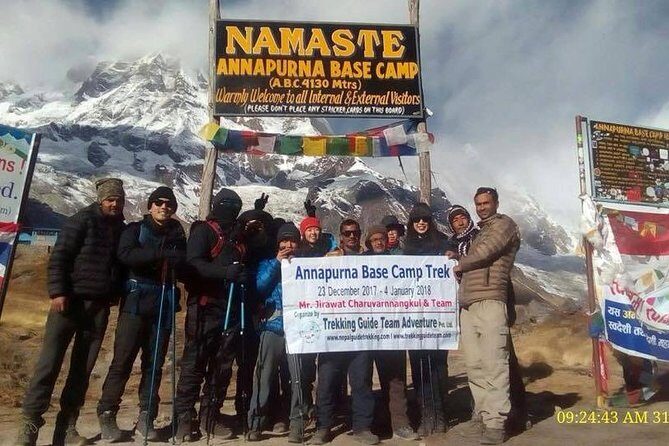
- Early start logistics: The trek begins around 1:15 am, which you’ll feel immediately in your body and schedule.
- Two base camps in one trip: Annapurna Base Camp and Machhapuchhre Base Camp are both part of the goal.
- Village immersion time: You’ll pass through typical Gurung, Magar, and Tamang communities rather than only moving between viewpoints.
- Family-run lodge rhythm: Your overnight stays are in normal lodge/tea houses run by Nepali families.
- The guide/porter ratio is personal: You travel with 1 guide and 1 porter for each two tourists, with insurance included for the team.
Annapurna Base Camp in Fewer Days: What Makes This Short Trek Work
The Annapurna Base Camp trek is one of those bucket-list ideas where the anticipation is half the fun. This short version keeps the headline goal—reaching the base camp area of Annapurna (8091m)—but compresses the timeline so you can still experience the big-mountain feeling without committing to the longer classic schedule.
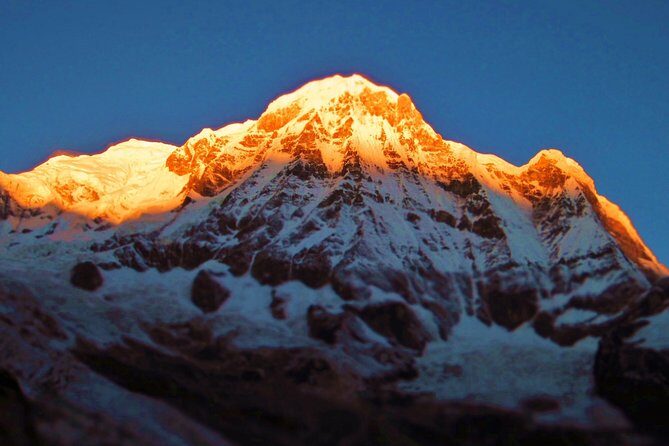
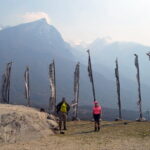
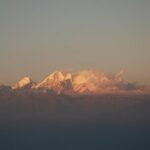
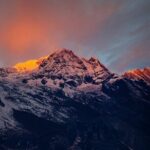
What you’re aiming for is not just a single destination. You’ll also reach Machhapuchhre Base Camp (often called the Fishtail, 6997m). Even if you’ve seen photos before, the first time you understand the shape of those ridges and how they layer in the air is a real moment. And along the way, the route is designed so you keep getting broad views of the Annapurna range and the Dhaulagiri range too, especially from places like the Himalayan hotel viewpoint you’ll use for mountain perspective.
The cultural component is also more than a checkbox. You’ll trek through typical villages associated with Gurung, Magar, and Tamang ethnic groups. That matters because it changes what the trip feels like. You’re not just hiking in a line; you’re moving through living communities with their own daily rhythms, food, and small-world hospitality.
You can also read our reviews of more hiking tours in Kathmandu


1:15 am Start Times: Your Daily Rhythm on the Trail
This trek starts early—about 1:15 am. That early kick is not just for timing; it shapes the whole day. Expect mornings where you’re up before your brain is fully online, eating what you can, then setting a steady pace while the air is colder and the path can feel more serious.
Because this is a 7-day trek and not a multi-week marathon, your days are likely to be more “efficient.” That’s good if you like a clear plan and steady progress. It can be tough if you’re expecting slow, leisurely hiking all the way. The operator also notes strong physical fitness is expected, so you’ll want to show up able to handle uphill walking for multiple days in a row.
Also, this is a private tour/activity, meaning only your group participates. That can be a comfort if you hate surprises in group pace. It also makes it easier for your guide to manage people who need extra time or a slower rhythm.
Kathmandu to Trailhead: Getting There Without Turning It Into a Project
The pre-trek travel is part of what makes this package feel manageable. You’re in Kathmandu (with pickup offered), then you’re moved by tourist bus for land transportation, and you use a local jeep for the leg between Pokhara and New Bridge, which is listed as your trekking start and end point.
Pokhara gets two nights in a hotel setting: breakfast included, listed as 3-star bed & breakfast for 2 nights. You’ll also have that Himalayan hotel stop described for mountain views, which is helpful because it gives you at least one built-in moment to acclimate to the idea of seeing those peaks daily—not only on the trek.
One more practical detail: you’ll receive a mobile ticket and confirmation at booking time. The goal here is fewer handoffs and less confusion once you arrive in Nepal.
If you’re someone who wants logistics to be boring (in a good way), this is the right approach. If you love doing every transfer yourself, you’ll find the included transportation less thrilling—but you’ll probably appreciate not having to coordinate schedules in a second language.
Lodge Life and Meals: What’s Included, What’s Not, and How to Plan
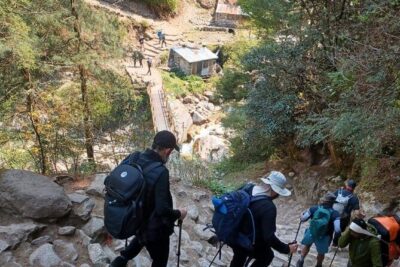
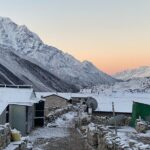
During the trek, meals are built into the price structure. You get daily breakfast, lunch, and dinner during the trek. Lodging is also included using normal lodge/tea houses run by Nepali families. That’s the honest comfort style of the Annapurna region: simple rooms, communal dining, warm layers rather than high-tech amenities, and food that’s geared toward hikers.
Breakfast/dinner at the lodge can be a big deal because it affects your energy. Since your lunches are included too, you’re less likely to lose time hunting for food mid-hike.
But here’s where you should budget realistically:
- Lunch and dinner in Kathmandu and Pokhara are not included, and the plan given is around $3–$7 per item, depending on what you order from the menu.
- Drinks and most snacks are not included. The package says all alcoholic and non-alcoholic drinks (tea, coffee, mineral water, hot water) are extra.
- Hot shower and laundry are also not included while trekking.
- Wi‑Fi, internet, phone calls, and battery charging are not included.
So you’ll want to bring your own mindset. Treat drinks and comfort extras as occasional upgrades, not guaranteed daily perks. If you know you’ll want lots of bottled water or frequent warm drinks, you can set aside money for that now rather than later.
Guides and Porters: The Human Safety Net Behind the View
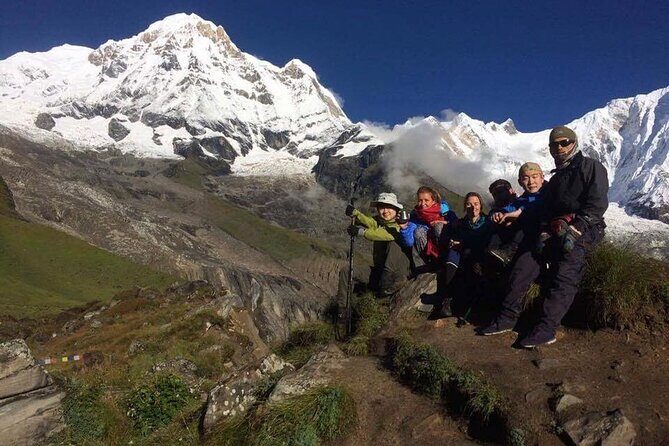
A trek lives and dies on the people walking beside you. The reviews you shared emphasize that the guide and porter team is not a “check the box” accessory. They’re involved, attentive, and—importantly—flexible when weather or health changes.
You’ll see a pattern in names and roles across the feedback: guides like Jit, Shambu, Ram, Sujan, Deepak, Santosh, and Tej Bagale come up repeatedly. Porters are mentioned too, including CP, Nama, Suga, Namraj, and Amrit. The common theme is polite, professional support, and people being treated like family—not like luggage.
Practical things you can take from this:
- If it rains or snows, your guide should help you make safety calls.
- If someone has a knee issue or gets slowed down, the team can adjust pace and care.
- When you’re new to the region, a guide who explains what’s happening and supports your comfort level matters a lot.
One sweet detail from the feedback: the group atmosphere. There are mentions of guides like Shambu cheering people up with dancing and singing when tired. That’s not a logistics feature, but it’s real morale support when you’re hours into a cold stretch.
You also get insurance for the guide and porter team, and the itinerary includes a staffing structure of 1 guide + 1 porter for each two tourists. That ratio is a big deal. It usually means less crowding, more questions answered, and easier support if you’re carrying less than you expected (since porters are part of your plan).
A few more Kathmandu tours and experiences worth a look
Annapurna, Machhapuchhre, Dhaulagiri: How the Views Show Up
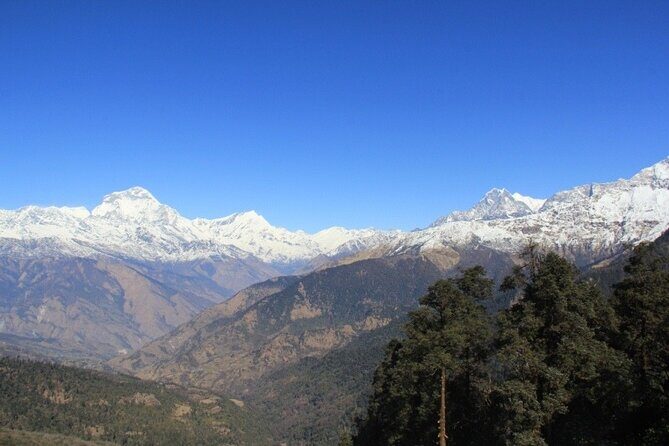
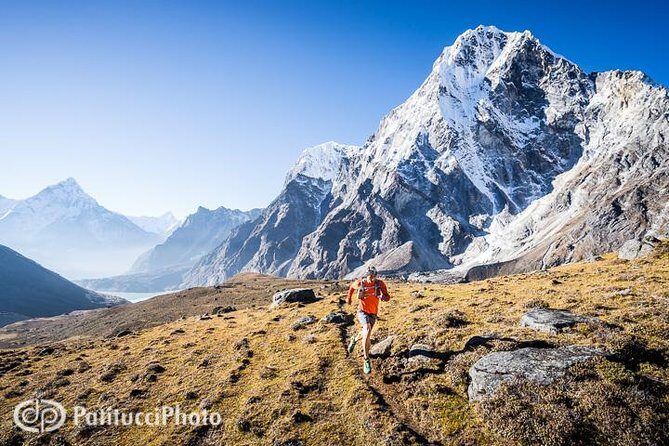
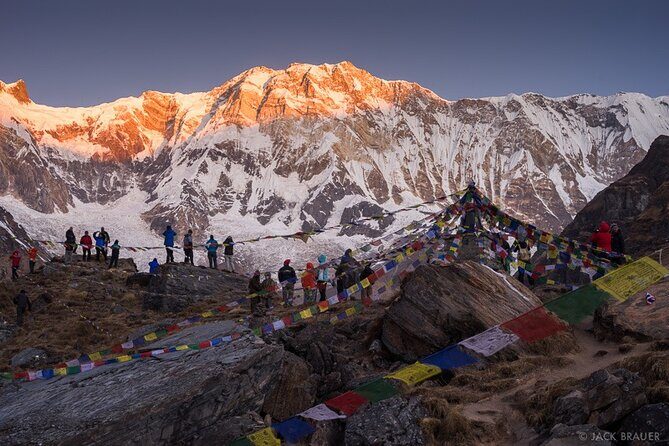
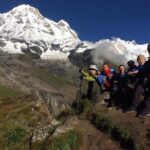
The headline promise is big: Annapurna Base Camp and Machhapuchhre Base Camp. The route also aims to give you memorable views of the Annapurna range and the Dhaulagiri range, not just at the very end.
You’ll also get described mountain views from a Himalayan hotel. That’s useful because it sets expectations. Instead of only seeing peaks when you’re already exhausted, you get at least one moment of perspective that helps you understand what you’re working toward.
Weather in the Himalaya can be unpredictable. Even with good planning, you may see rain or snow. The reviews specifically reference snow and rain experiences, and guides are praised for managing it. So think of the views as “the prize you earn,” but also accept that clouds can change what you see day to day.
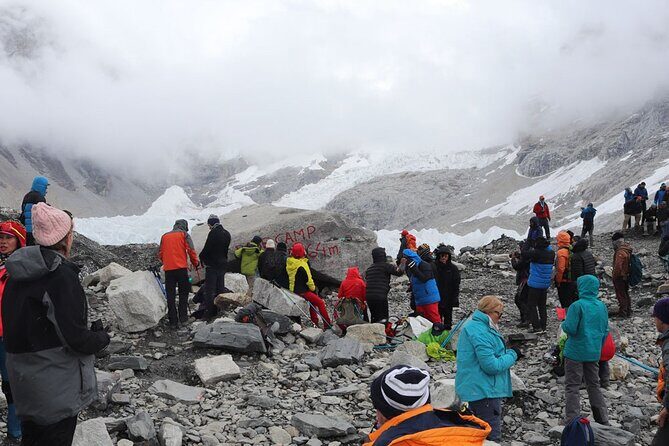
When the air is clear, base camp areas tend to make you feel small in a way that photos can’t copy. When the clouds roll in, the trek still has value: you’re walking through communities, moving through changing weather, and building endurance one steady hour at a time.
Culture on the Trek: Gurung, Magar, and Tamang Village Life
One of the most enjoyable surprises in Himalayan trekking is how quickly you stop thinking of villages as “stops” and start thinking of them as places. This short Annapurna route includes typical villages connected to Gurung, Magar, and Tamang ethnic groups.
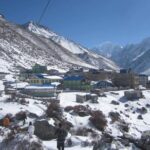
What that means for you day to day is simple: you’ll experience the culture through ordinary things—local food styles, how tea houses are run by Nepali families, and the daily social flow of small settlements. You’ll likely see how people live with the mountain as a constant reference point, not just as a backdrop.
A smart way to engage is to be gentle and curious. Ask your guide what’s worth trying on menus, which areas to photograph respectfully, and how to act in lodges and community spaces. Since you have a guide who has done this often, you’ll get more than generic cultural talking points.
Gear and Cold Reality: Don’t Underpack for a 7-Day Mountain
The trek includes trekking lodging and meals, but it does not include your personal trekking equipment. You’re told to bring what you need, including a sleeping bag, down jacket, gloves, sunglasses, sunscreen, trekking stick, and trekking shoes.
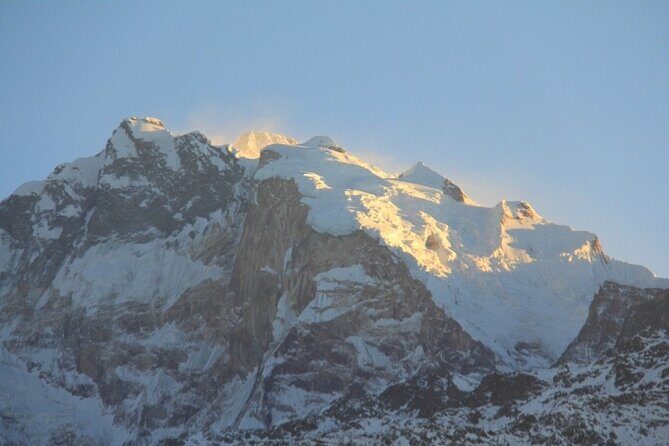
That list is not decorative. Base camp trekking can be cold, especially early in the morning around those starts. Even if the day warms up, you’ll still get hit by wind and temperature drops, and rain or snow is possible based on the experiences shared in the feedback.
If you’re traveling with a limited gear budget, prioritize warmth and footwear. Most discomfort on treks comes from cold feet and cold hands, not from lack of style. Good trekking shoes and gloves can save you from turning “scenic walking” into “survive the day.”
Also, if you’re bringing a sleeping bag, check that it matches expected cold conditions for the season you’re going. The operator’s materials don’t specify temperatures, so it’s your job to align your gear with the month you travel.
Price and Value: What You’re Paying For at $650
At $650 per person for about 7 days, the key question isn’t just whether the price seems fair. It’s what’s included versus what you’ll have to add later.
Included:
- Dinner, daily breakfast, and lunch and dinner during the trek (so most of your day-to-day food is covered)
- Hotel in Pokhara for 2 nights with breakfast (3-star bed & breakfast)
- 1 guide + 1 porter for each two tourists
- Insurance for guide and porter
- Land transportation by tourist bus for transfers in Nepal
- Local jeep from Pokhara to New Bridge (start/end point)
- TIMS permit and Annapurna Conservation and Trekkers’ Information Management System paperwork
- Lodge/tea house accommodation during the trek
Not included:
- Nepal entry visa (with the note to bring 2 passport size photos)
- Personal insurance (noted to cover helicopter rescue)
- Emergency rescue evacuation
- Kathmandu accommodation
- Tipping for guide and porter
- Coffee/tea and other drinks, mineral water, hot water
- Snacks like chocolate and desert
- Hot shower and laundry during trekking
- Personal expenses, personal hygiene items
- Wi‑Fi, internet, phone charging
So you’re paying for guided trekking support, permits, most meals, and the core transport chain. You’re not paying for comfort extras, and you’re not paying for the kind of insurance that can cover expensive rescue scenarios. If you’re organized and you budget for drinks, visa, tips, and personal insurance, $650 can be a solid deal for a structured, supported Himalayan trek.
If you want every beverage included and you picture hot showers and constant connectivity, you’ll feel the gaps fast—and that’s true for most treks, not just this one.
Who Should Book This Short Annapurna Trek (and Who Might Want Another Option)
This trek is designed for people with strong physical fitness. If you’re comfortable with multi-day uphill walking and you can handle cold starts, you’ll likely enjoy the pace of a shorter ABC-style itinerary.
It also seems especially good for:
- First-timers who want support and clear logistics
- People who care about having a caring, attentive guide (names like Jit and Shambu come up often, plus guides like Deepak and Santosh)
- Groups that prefer a private experience with a defined guide/porter ratio
Based on the feedback, guides and porters show up as problem-solvers when conditions change, and some people have mentioned health challenges like knee injuries. That said, you should still be realistic. If you’re unsure about altitude tolerance or mobility limitations, ask the provider questions before you commit.
Should You Book Short Annapurna Base Camp Trek for 7 Days?
You should book if you want the Annapurna Base Camp experience in a tighter timeframe, you like the idea of reaching both Annapurna Base Camp and Machhapuchhre Base Camp, and you value hands-on guidance with a guide/porter team that’s described as polite, attentive, and flexible. It’s also a good fit if you don’t want to build your own logistics chain across Kathmandu, Pokhara, and the trekking start at New Bridge.
You might pause if you’re expecting included hot showers, unlimited drinks/snacks, or constant Wi‑Fi. This is a trekking package with lodge life and real mountain conditions, not a comfort-first resort deal.
If you book, plan smart: pack the gear you’ll actually need for cold mornings, set aside money for visa, tips, and drinks, and come ready to hike steadily. Do that, and the payoff is a real Himalaya week, not a complicated travel project.
FAQ
How long is the Short Annapurna Base Camp Trek?
It’s listed as 7 days (approx.).
Where does the trek start and end?
The trek starts and ends at New Bridge, using a local jeep transfer from Pokhara.
What time does the trek start?
The start time is listed as 1:15 am.
What permits are included?
The trek includes the TIMS permit and Annapurna Conservation and Trekkers’ Information Management System documentation.
What’s included for meals and accommodation during the trek?
During the trek, dinner, daily breakfast, and lunch and dinner are included, along with normal lodge/tea house accommodations run by Nepali families.
What do I need to pay for that isn’t included?
Not included are personal trekking equipment (like a sleeping bag and down jacket), the Nepal entry visa (with 2 passport size photos), personal insurance, tipping for guide and porter, Kathmandu accommodation, and most drinks/snacks (coffee/tea, alcoholic and non-alcoholic drinks), plus hot shower/laundry during trekking.