REVIEW · KATHMANDU
Luxury Everest Base Camp Trek – 11 Days
Book on Viator →Operated by Himalayan Trekking · Bookable on Viator
Everest Base Camp is one of the hardest trips on earth.
And this version adds luxury comfort and helicopter shortcuts so you spend less time stressing and more time absorbing the mountains. I like the basic plan: guided walking, strong logistics, and nice sleeping during a high-altitude journey.
Two things I especially like: the Kathmandu–Lukla helicopter takes the most complicated travel leg out of the picture, and you trek with a guide plus porters who have their daily wage, insurance, and meals covered. The main drawback is altitude reality—this tour calls for moderate physical fitness, and it flags asthma as a concern, so you’ll want to plan carefully.
In This Review
- Key highlights before you commit
- Entering the Everest region from Thamel, Nepal’s launchpad
- Price and value: why this costs more (and what you’re buying)
- Day 1 to Lukla: the helicopter jump that sets the tone
- Phakding to Namche Bazaar: forests, the Monjo area, and the first big feeling
- Namche’s rest day plus Everest View Point: where the trip clicks
- Tengboche: rhododendron trails and monastery atmosphere
- Dingboche and Chukhung: acclimatization that isn’t just a checkbox
- Lobuche: getting closer to the Khumbu Glacier feel
- Everest Base Camp and Gorak Shep: the classic target, managed well
- Kala Patthar at first light: the early start you actually want
- Luxury on the trek: what it changes day to day
- The people factor: Surya, Prakash, and the guide-porters system
- Logistics you should plan around (without losing the fun)
- Should you book this Luxury Everest Base Camp trek?
- FAQ
- How long is the Luxury Everest Base Camp trek?
- Where does the tour start and what time?
- Do you fly from Kathmandu to Lukla?
- Is helicopter travel included for the return from the Everest area?
- What meals are included in the package?
- What type of accommodation do you get during the trek?
- What’s the group size limit?
- Is travel insurance included?
- Is cancellation free?
Key highlights before you commit
- Helicopter to Lukla cuts one of the toughest logistics steps
- Luxury accommodations on the route makes long days feel less punishing
- Small group size (max 15) keeps the trek feeling more personal
- Acclimatization built into the route via Namche, Dingboche, and Chukhung
- Kala Patthar early hike for those first-light Everest views
- Guides and porters as a real team (wages, insurance, and meals included)
Entering the Everest region from Thamel, Nepal’s launchpad
Most people start in Kathmandu, and the vibe in Thamel makes it easy to get your bearings fast. You’ll have a guide meet you at the airport and transfer you to a booked hotel in Thamel, which is convenient for a quick morning prep before your mountain days begin.
What I like about this setup is the tone: you’re not thrown into a maze. A person is there from the jump, and that matters when you’re coordinating gear, timing, and early wake-ups.
One small practical note: your first real “start time” for the mountain focus is listed as 5:15 am. If you’re not a morning person, you’ll feel it later—so it’s worth shifting sleep schedule a few days before you arrive.
A few more Kathmandu tours and experiences worth a look
Price and value: why this costs more (and what you’re buying)
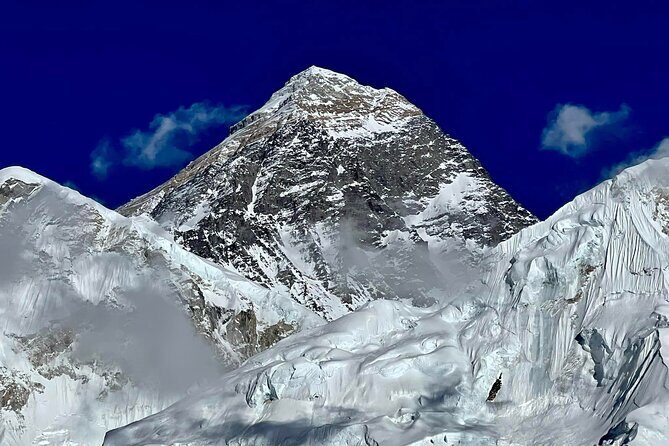
This trek is listed at $4,070 per person for about 11 days. That number can feel steep until you translate it into what’s actually included: luxury stays on the trek, most meals, and two helicopter legs tied to the route.
Here’s what you’re effectively paying for:
- Helicopter transfers (Kathmandu to Lukla, and Gorakshep to Kathmandu)
- Guides and porters with their wage, insurance, and daily meals included
- A lot of food covered during the trek days (more on that below)
- All fees and taxes handled for the experience
If you’re comparing against cheaper Everest Base Camp options, this one is trying to remove friction. Instead of spending extra days and energy on transport headaches, you get a tighter schedule with the biggest travel bottleneck handled by helicopter.
The tradeoff: you still hike in thin air. Luxury doesn’t change altitude. It just makes the recovery side of the trip more comfortable.
Day 1 to Lukla: the helicopter jump that sets the tone
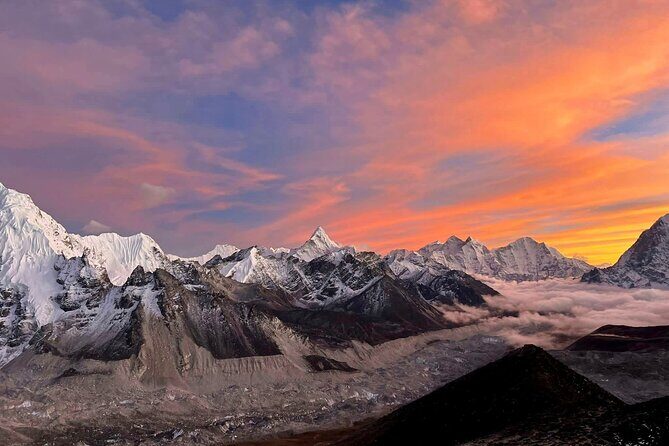
After your arrival and hotel transfer, the next key move is your flight from Kathmandu to Lukla by helicopter. For many Everest trekkers, Lukla is a stressful start because travel can get delayed. Here, the plan is direct helicopter transport to Lukla, which means you’re already in the Khumbu region sooner and with less fuss.
Once you land in Lukla, you meet your trekking crew and begin walking toward Phakding, a trek that takes about 4 hours. This section is long enough to feel like you’ve started, but it’s not designed to flatten you on day one.
I like this because it gives you a gentle on-ramp. You’ll settle into rhythm: pack, pace, breathe, and start watching the mountains show themselves in pieces instead of all at once.
Phakding to Namche Bazaar: forests, the Monjo area, and the first big feeling
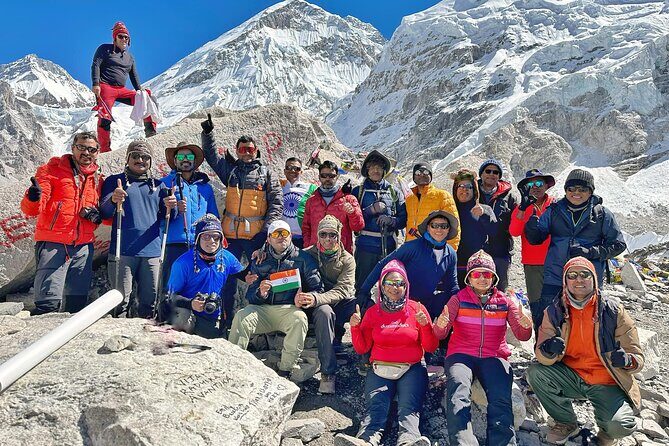
From Phakding, you head toward Namche Bazaar, passing through pine forests and the Monjo area. The walk here is described as challenging but rewarding, with the trail starting with a gentle ascent. That “gentle start” is a big deal on Everest treks because it helps your body adapt before you hit steeper terrain and higher altitudes.
Namche is the region’s hub—markets, Sherpa culture, and mountain views all in one. It’s where you start to understand why people fall for this part of Nepal. The town gives you a pause point that feels human-sized after days of hiking.
Also, you’ll see why time spent on logistics is time stolen from views. This trek keeps you moving through the key nodes (Monjo, Namche), so you’re not stuck in transit limbo for long.
Namche’s rest day plus Everest View Point: where the trip clicks
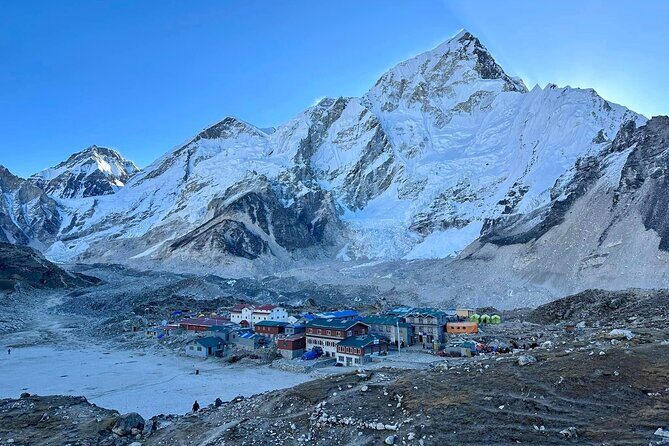
A day in Namche is built in to let your body adjust. This is where the trek becomes smarter, not just tougher. You take it easier, wander the town, and get your bearings—no steep push required.
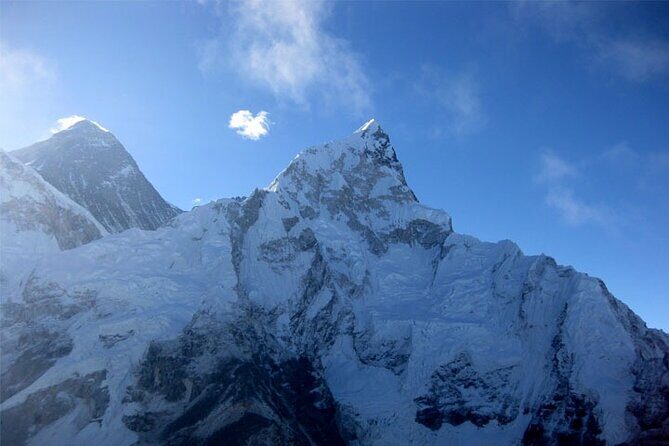
Then you get to Everest View Point, which is one of those places where the experience becomes real fast. The goal isn’t just a pretty photo. It’s a mental checkpoint: you’re close enough to feel like Everest is no longer a faraway symbol.
From a practical standpoint, Namche is also where you manage small problems early—cold feet, sore knees, gear issues. If something feels off, this is your window to address it before you go higher.
You can also read our reviews of more hiking tours in Kathmandu



Tengboche: rhododendron trails and monastery atmosphere
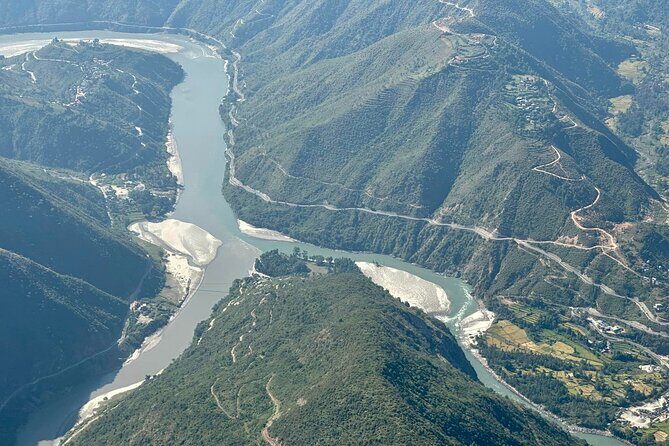
As your trek transitions onward, you head toward Tengboche. The route description points to dense rhododendron forest, which matters in two ways: it often softens the hike with shade and it adds that distinctly Himalayan plant-season feel.
Tengboche is also strongly tied to spiritual life. The idea here is more than scenery. The monastery setting gives you a different pace—people slow down, listen, and take in the stillness between waves of mountain air.
The potential drawback? If the weather turns, this can be one of the days you want clear visibility. Luckily, the tour’s pattern includes acclimatization stops, which helps your body stay in the game even if clouds steal some sightlines.
Dingboche and Chukhung: acclimatization that isn’t just a checkbox
You’ll reach Dingboche at about 4,410 meters. The trek to Dingboche is typically 5–6 hours from Tengboche, and that’s enough elevation gain to make acclimatization feel necessary, not optional.
Dingboche sits in the Imja Valley, and it’s positioned as an acclimatization base. That’s what you want here: a day (or stop) that helps your breathing adjust as altitude rises.
Then you move toward Chukhung, which the tour frames as both progress and acclimatization. This is where the trek stops start serving two purposes at once: getting higher, while giving your body a chance to catch up.
One honest consideration: acclimatization days can feel boring compared to big summit-style hikes. But on Everest, boring is good. Boring usually means fewer headaches and a better shot at pushing forward confidently.
Lobuche: getting closer to the Khumbu Glacier feel
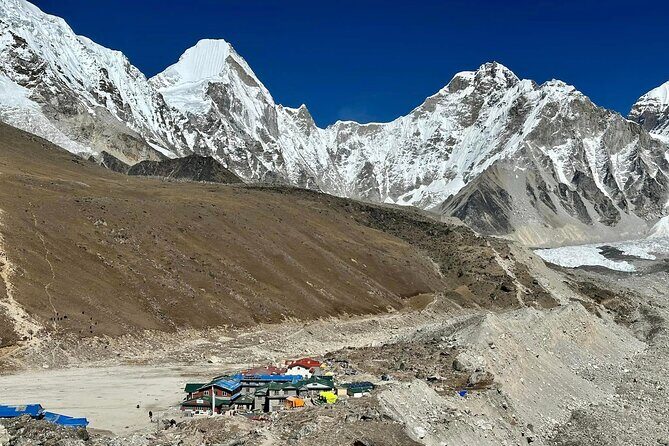
Next comes the walk toward Lobuche, described as passing through the terminal moraine of the Khumbu Glacier. This isn’t just a line on a map. Glacial moraines look and feel different from forest paths or town streets, and that shift is part of the emotional arc of the trek.
As you ascend, the air becomes crisp. That matches what you’ll notice at higher elevation: less humidity, more dry cold, and a body that burns calories even when you’re standing still.
If you hate surprises, know this: the closer you get to Lobuche and beyond, the more weather becomes a factor. You might get dazzling views—or you might get clouds. Either way, the trek is about being there, not controlling everything.
Everest Base Camp and Gorak Shep: the classic target, managed well
Reaching Everest Base Camp is the core moment for most people. You’ll also pass through Gorak Shep (at about 5,164 meters), which is described as the last stop on the trek to the base area.
At this point, you’re dealing with a different kind of fatigue. It’s less about legs alone and more about breath and how you pace your energy. The best advice I can give is simple: move slower than you think you should. Thin air turns fast walking into a sprint you don’t want.
This part of the trek is where good guiding shows up. A strong team helps you keep pace, manage effort, and choose when to push and when to save strength for sunrise hikes.
Kala Patthar at first light: the early start you actually want
Kala Patthar is one of those “say it and smile” places in Everest trekking. It’s located on the south ridge of Pumori above Gorak Shep, and the plan is an early morning hike when the light hits.
Your start time for this section is set to match dawn. The idea is clear: go before the sky goes dull and before the day gets crowded with cloud.
The tour info also notes helicopter landing at Kalapathar. I take this as part of the overall “high-effort day, high-comfort exit” design. Then you head out via Gorakshep to Kathmandu by helicopter, which is a major perk after pushing high and cold conditions.
If you’re planning for photos, aim for patience. Sunrise can be stunning, but visibility is weather-dependent. When the clouds cooperate, the views can feel almost unreal. When they don’t, you’ll still have a serious sense of scale.
Luxury on the trek: what it changes day to day
The tour includes luxury accommodation during the trek. The exact lodge layout isn’t specified, so I won’t guess details like room size or bathroom setup. But the overall approach is clear: better comfort and recovery than the most basic Everest tea house style.
That matters on an 11-day high-altitude trek. When your legs get sore and your sleep gets light, a warm, comfortable place to reset can make the next day’s walking feel manageable instead of brutal.
Also included are meals: 9 breakfasts, 8 lunches, and 8 dinners. You’ll also get some Kathmandu meals covered, including breakfast and a farewell dinner, while other Kathmandu meals aren’t included.
From a practical angle, plan on simple food that sits well at altitude. If you’re picky back home, Everest is not the time to test new culinary experiments.
The people factor: Surya, Prakash, and the guide-porters system
The strongest theme in feedback is that the trip runs smoothly because the people running it are on the ball. Names like Surya (organizer) and Prakash (guide) appear in positive accounts tied to the Everest Base Camp experience and even a Kathmandu primer.
Other guides are also mentioned, including Keshab, Babu, and Ram, with praise for friendly guidance and strong support. Porters named Govinda, Kumar, and Partap show up too, which is a good reminder that this kind of trek depends on teamwork behind the scenes.
The tour package also includes guide and porter daily wage, insurance, and meals. That’s not just “nice to have.” It usually means fewer gaps in staffing and more consistency in how your trek is managed.
Logistics you should plan around (without losing the fun)
This is a small-group experience with a maximum of 15 travelers, which usually helps keep the pace and communication clearer.
It also includes pickup and airport coordination in Kathmandu, but it does not include international flights. You’ll need to get to Nepal on your own, then the local mountain plan takes over.
The tour also lists asthma problem as a note. If you have asthma or any breathing condition, don’t treat that as a fine print detail. Ask your clinician first, and share it with the tour provider.
And because this is Everest, weather can change plans. One of the big practical wins here is that the company is set up to handle disruptions—especially relevant when flights or schedules are affected by mountain conditions.
Should you book this Luxury Everest Base Camp trek?
If you want Everest Base Camp with comfort, structure, and reduced transport stress, this is a strong fit. The value comes from bundling luxury accommodations, most meals, guides and porters, and helicopter legs that shorten the most complicated travel sections.
I’d tell you to book if:
- You’re aiming for Everest without spending mental energy on the messiest travel parts
- You like having a clear plan and a small group
- You want the classic Everest landmarks plus a more comfortable recovery setup
I’d hesitate if:
- You have significant breathing issues and haven’t cleared altitude with a professional
- You’re on a tight budget and want the cheapest possible Everest experience
- Early mornings grind you down, because the timing for Kala Patthar is part of the magic
FAQ
How long is the Luxury Everest Base Camp trek?
The trek is listed as 11 days (approx.).
Where does the tour start and what time?
Your guide meets you at the airport in Kathmandu, and the listed start time is 5:15 am.
Do you fly from Kathmandu to Lukla?
Yes. The tour includes Kathmandu to Lukla by helicopter.
Is helicopter travel included for the return from the Everest area?
Yes. The tour includes Gorakshep to Kathmandu by helicopter.
What meals are included in the package?
Meals included during the trek are 9 breakfasts, 8 lunches, and 8 dinners. Meals in Kathmandu are not included except breakfast and a farewell dinner.
What type of accommodation do you get during the trek?
The package includes luxury accommodation during the trek.
What’s the group size limit?
This experience has a maximum of 15 travelers.
Is travel insurance included?
No. Travel insurance is not included.
Is cancellation free?
Yes. You can cancel up to 24 hours in advance for a full refund.