REVIEW · KATHMANDU
Explore Nepal In A Week – 7 Days
Book on Viator →Operated by Alpine Club of Himalaya · Bookable on Viator
One week. Four regions. Zero headaches. This Nepal trip strings together temples, sunrise views, and wildlife time with private guiding and built-in transport, so you spend less energy on planning. I especially love the tight-feeling combo of Sarangkot’s early lightshow and the Chitwan days where meals and activities are handled. The one real consideration: the schedule moves fast, and the dawn start in Pokhara is not optional.
You’ll also feel the human touch. In feedback, host Mr. Sujan and guides such as Mr. Lama come up again and again, and that kind of steady on-the-ground help matters in a country where details can shift. If you want a smooth route with minimal back-and-forth—and you’re okay traveling by car and flight—this format makes a lot of sense.
In This Review
- Key Highlights Worth Your Attention
- Arrival in Kathmandu: Land, Eat, Reset
- Kathmandu Valley Temples: Durbar Square to Swoyambhunath to Pashupatinath
- Flight to Pokhara: Seti Gorge, Waterfalls, Caves, and Phewa Lake
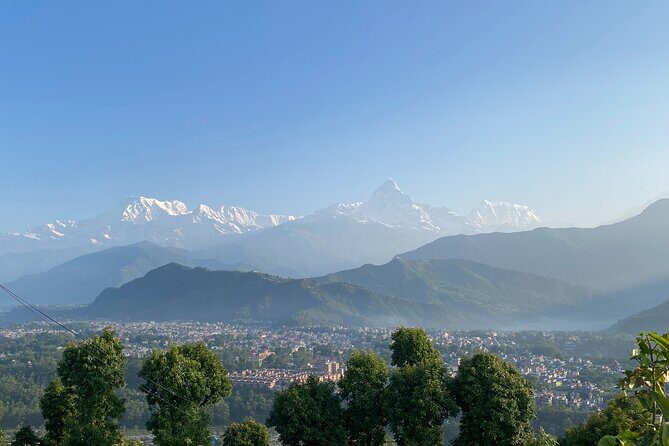
- Sarangkot Sunrise Over the Annapurna Range
- Chitwan National Park: Wildlife Time With Full-Board Convenience
- Chitwan’s Safari Options: Jeep, Walk, Canoe, Elephant, and Tharu Villages
- Back to Kathmandu: Farewell Dinner and a Clean Finish
- Price and Logistics: Is $999 Good Value?
- Who This Tour Really Suits (And Who Should Look Elsewhere)
- Should You Book This 7-Day Nepal Plan?
- FAQ
- What parts of the trip include transport?
- Is this tour private?
- What’s included with meals?
- What kind of accommodation should I expect?
- What will I do in Chitwan National Park?
- Do I need a visa or pay for international flights?
- Are entrance fees included?
- Can I cancel for free?
- Is the Sarangkot sunrise activity physically demanding?
Key Highlights Worth Your Attention
- Private guides in every stop, not just a quick overview
- Kathmandu–Pokhara flight included, plus ground transport by private car
- Full-board in Chitwan, with meals and park activities handled
- Sarangkot sunrise hike, timed for views over the Annapurna range
- Lumbini visits beyond the main sites, including Maya Devi Temple and more
- Customizable private trip, suited for couples, friends, or large families
Arrival in Kathmandu: Land, Eat, Reset
Day 1 is built for arrival-day sanity. You land at Kathmandu International Airport, get met by a representative, and transfer to your 3-star hotel for check-in. Then you get the rest of the day free to find your rhythm in the city, plus a welcome dinner to ease you into Nepal without “what now?” stress.
Kathmandu is a good place to loosen up on day one. It’s old-world in temple density and busy with human life, and even a casual walk helps you get your bearings. If you’re used to one or two “big sights” per day, this trip is different. You’re here long enough to do the important stuff with a guide, not just snap photos and run.
Practical note: the hotel is described as near public transportation, which can be comforting if you want extra flexibility after guided time. Still, the main value is that you won’t be figuring out rides and timing while you’re jet-lagged.
A few more Kathmandu tours and experiences worth a look

Kathmandu Valley Temples: Durbar Square to Swoyambhunath to Pashupatinath
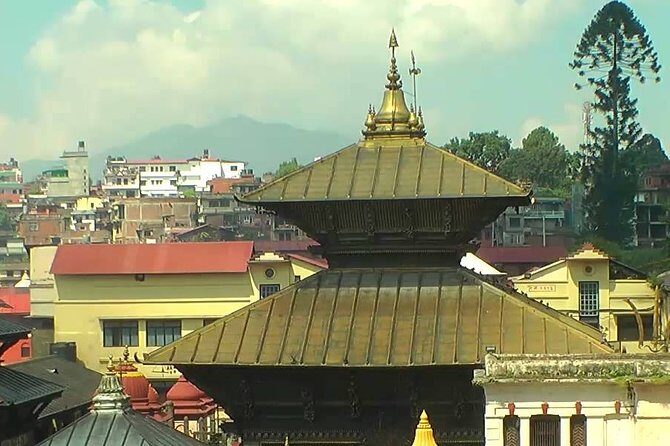
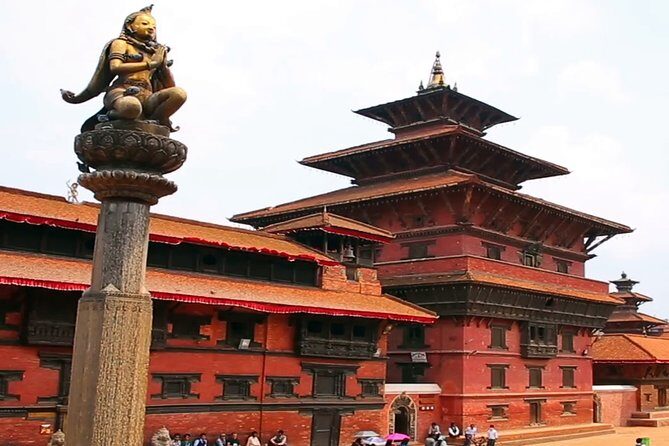
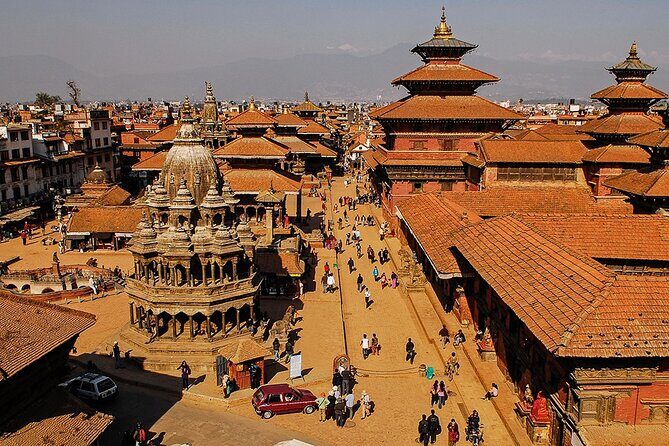
Kathmandu’s full-day sightseeing is where the itinerary earns its name. You start after breakfast with a guided tour that takes in the Kathmandu Valley highlights, including Durbar (Palace) Square—an epicenter for religious and cultural life with Newari architecture that’s both detailed and historically grounded.
You’ll move through major sites that help explain how Nepal layers Hindu and Buddhist traditions in everyday space. Expect stops such as:
- Durbar Square, including places like Kal Bhairav and Hanuman Dhoka
- Taleju Temple and Kasthamandap
- Kumari Ghar, home to the Living Goddess
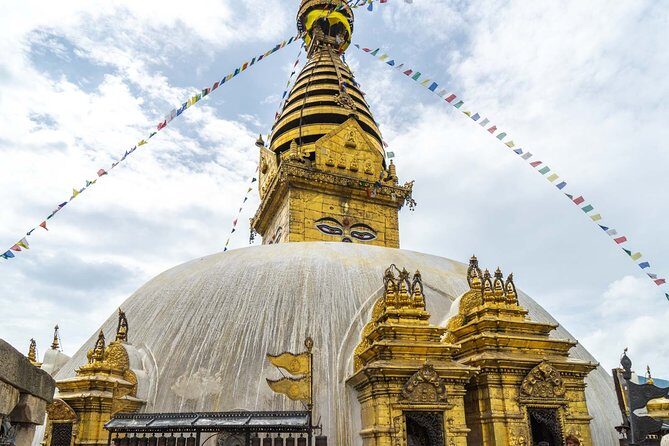
Then you head to Swoyambhunath Stupa, one of the world’s oldest Buddhist stupas, set high above Kathmandu Valley. It’s the kind of viewpoint stop where you can feel the geography immediately—valley below, temple above, and a constant flow of people moving through ritual space.
After that comes Pashupatinath Temple, a major Hindu complex dedicated to Lord Shiva, right along the riverbank. If you’ve never visited a working temple complex, this is your crash course—serious, spiritual, and very real.
One small reality check: Kathmandu can be weather- and crowd-dependent, and walking/standing time adds up at heritage sites. That’s normal here. The advantage of private guiding is that you can keep momentum without feeling lost.
Flight to Pokhara: Seti Gorge, Waterfalls, Caves, and Phewa Lake
Day 3 shifts you from city temples to lakeside scenery. After breakfast, you take a short scenic flight to Pokhara—about 25 minutes. That alone is worth real money in time saved and energy spared, especially compared with road travel.
Once you arrive, you go see the deep, narrow gorge of the Seti River, known for its roaring presence. The route continues to Davi’s Falls, then on to Gupteswar Cave and the Bat Cave area. These stops are practical for two reasons: they’re close enough to stack in one day, and they mix nature with local curiosity.
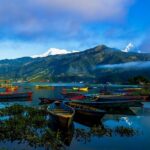
In the evening, you shift into low gear with time at Phewa Lake. You can relax by the water, and you even get a leisurely row on the sparkling lake. It’s a gentle contrast after a full sightseeing block, and it’s a good way to let your head catch up.
What I like about this day: you get variety without the “run all day then crash” feeling. What to watch for: if you’re not comfortable with cave visits, it’s worth checking in with your guide about what’s involved at each stop. The data doesn’t spell out difficulty levels, so use your guide to calibrate your comfort.
Sarangkot Sunrise Over the Annapurna Range
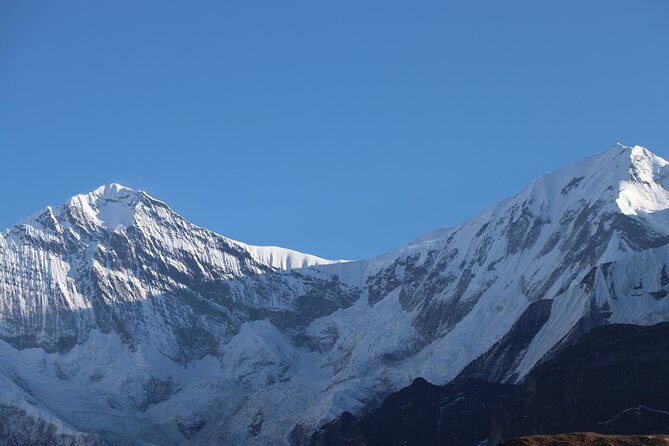
Day 4 starts early, with a dawn hike up to Sarangkot viewpoint for sunrise. The idea is simple: you arrive in time to watch the sun rise over the Annapurna range and turn peaks from white toward gold. Whether you’re a sunrise person or not, the timing changes your whole mood. It’s the kind of moment that makes the long route feel worth it.
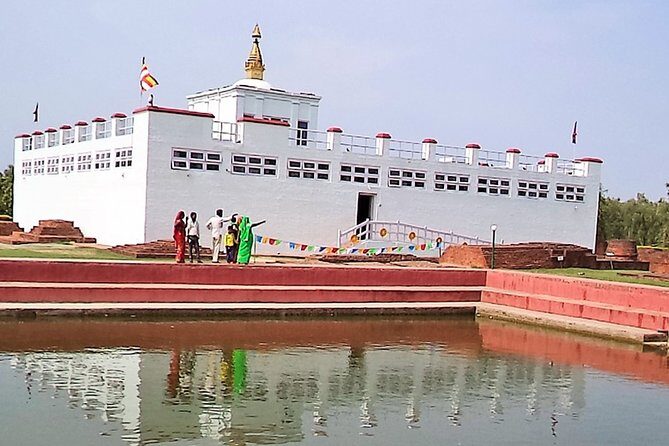
After breakfast, you drive to Lumbini, the birthplace of Buddha. That’s your second big emotional shift in two days: from mountain spectacle to spiritual calm.
Lumbini sightseeing is guided, with key stops like:
- Maya Devi Temple, tied to Buddha’s birth under a Bodhi tree
- Ashoka Pillar
- Buddhist monasteries
- World Peace Pagoda
- Lumbini Crane Sanctuary
This isn’t just “see the main temple and leave.” You get multiple perspectives on the site—temple-focused, monastery-focused, and nature-focused. Even if you’re not deeply religious, places like this help you understand why Nepal draws people who travel slower.
Practical thought: sunrise and driving are both energy-drainers. If you get motion sick on roads, mention it ahead of time so the driver and guide can plan breaks accordingly.
Chitwan National Park: Wildlife Time With Full-Board Convenience
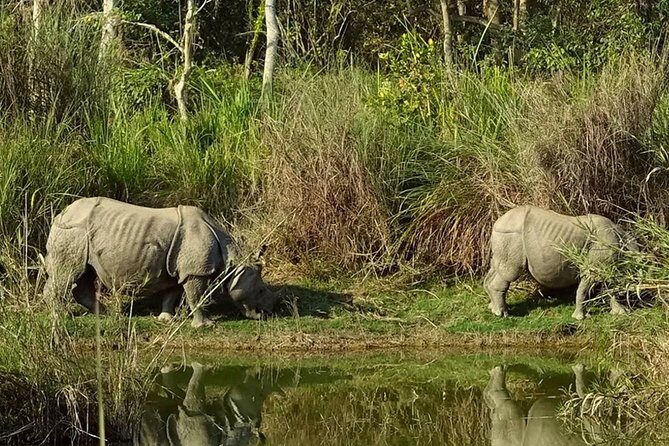
Day 5 is where the tour changes pace again—this time toward wildlife. You drive to Chitwan National Park, described as a World Heritage site, with an excellent chance to spot one-horned rhinos, deer, monkeys, leopards, wild elephants, and even Royal Bengal Tiger, plus 450 species of birds.
Here’s what makes this portion feel like good value. Your Chitwan stay is full-board, meaning meals and park activities are included. In real life, that matters because wildlife areas eat time and create decision fatigue. When meals and activities are already organized, you’re free to focus on the park.
What to expect: you won’t be spending time hunting down lunch plans or wondering whether you booked the right safari timing. You’re in the flow—breakfast, wildlife time, then lunch and dinner as part of the package.
A balanced note: wildlife sightings aren’t guaranteed anywhere. The tour is clearly designed to maximize chances, but animals move on their own schedule. The upside is that the itinerary builds options and multiple ways to experience the park, instead of pretending one safari will “solve” wildlife for you.




Chitwan’s Safari Options: Jeep, Walk, Canoe, Elephant, and Tharu Villages
Day 6 is built around choice. For wildlife, birds, and flora/fauna, you can go for a jungle safari by four-wheel jeep, a walk inside the park, or a canoeing trip along the Rapti or Narayani Rivers. There’s also the option of elephant riding, described as thrilling rather than comfortable.
I like this structure because “the best way to see Chitwan” depends on your body and your priorities:
- If you want maximum coverage and typical spotting routes, a jeep makes sense.
- If you want slower observation, walking can feel more intimate.
- If you want a different pace and a quieter feel, canoeing offers a change of perspective.
Then you can add a cultural layer with Tharu villages in the surrounding area. That’s a smart move because it adds context—Chitwan isn’t only animals; it’s also people and local life shaped by the region.
One consideration: elephant riding is included as an option. If you’re sensitive to animal welfare concerns, you can steer toward canoeing or jeep/walking instead. The tour data doesn’t push one choice; it presents alternatives, and that gives you leverage.
Back to Kathmandu: Farewell Dinner and a Clean Finish
Day 7 returns you to Kathmandu. You’ll drive back, and the trip wraps with a farewell dinner plus breakfast earlier in the day. This final evening is a good moment to reflect because you’ve seen four very different parts of Nepal in a single week: temple Kathmandu, tourist-friendly Pokhara, spiritual Lumbini, and wildlife-forward Chitwan.
If you’re extending your time in Nepal after the tour, Kathmandu is a logical place to add a day or two. You’ll already have familiar landmarks and a sense of how the city works thanks to the early guided time.
Price and Logistics: Is $999 Good Value?
At $999 per person for about a week, the big question is what’s driving the cost—and whether you get those benefits back in convenience. Here’s the value story that stands out:
- Transport is already baked in
You get Kathmandu–Pokhara flights plus private-car ground transport. Those are not “small” items in Nepal. Flights also reduce your travel fatigue, which you feel later in the week if you’re worn out.
- Guides are private across locations
You’re not relying on a single city guide to cover everything. Kathmandu, Pokhara, Lumbini, and Chitwan all include tour guiding. That adds real value because it improves your understanding while you’re moving between sites.
- Chitwan full-board removes daily hassles
Full-board in Chitwan isn’t a luxury detail. It means less time sorting meals, scheduling, and timing. The park experience becomes simpler because your day is already mapped.
- Entrance fees and key operational costs are included
Entrance fees, fuel, road taxes, and parking fees are covered. That’s the kind of line item travelers often forget to budget, then resent later.
Now the trade-offs. The accommodations are 3-star across the route. That can be totally fine, but it’s not “boutique and fancy.” Also, this is a fast-paced sampler. If you want slow travel and lots of free time, you’ll likely feel the pressure to keep up.
The best fit is someone who wants a guided highlight route with real logistics handled, not someone who wants to wander completely on their own.
Who This Tour Really Suits (And Who Should Look Elsewhere)
This experience is a strong match for:
- First-time Nepal visitors who want the top regions in one week
- Families or groups who like the idea of private guiding
- People who prefer early planning and clear structure
- Travelers who don’t want to negotiate transport day-by-day
It may be less ideal if:
- You want long stretches of free, unscheduled time every day
- You’re very averse to early starts like Sarangkot sunrise
- You expect guaranteed wildlife sightings
Should You Book This 7-Day Nepal Plan?
My take: if you want Nepal’s main contrasts—temples, lakes, sacred birthplace, and wildlife—this package does the job efficiently. The combination of private guiding plus included transport is the heart of the value, and the full-board Chitwan days keep the wildlife experience from turning into a logistical puzzle.
I’d book it if you’re the type who likes seeing a lot without having to run the meeting agenda. I’d think twice if you’re craving a slow, do-it-yourself style trip.
Either way, do one thing before you go: decide how you feel about the early hike on day 4 and the safari choices on day 6. Once you’re comfortable with those two parts, the rest of the week tends to click.
FAQ
What parts of the trip include transport?
You’ll have ground transportation by private car, plus a Kathmandu to Pokhara flight with departure taxes included.
Is this tour private?
Yes. It’s a private tour/activity, so only your group participates.
What’s included with meals?
Dinner is included (including the welcome and farewell dinners as part of the trip). Breakfast is included for 6 mornings, and Chitwan is full-board with meals and activities.
What kind of accommodation should I expect?
The tour includes 3-star accommodation in Kathmandu (3 nights), Pokhara (1 night), Lumbini (1 night), and Chitwan National Park (2 nights).
What will I do in Chitwan National Park?
You’ll have wildlife-focused time with options such as a jungle safari by jeep, a walk, canoeing on the Rapti or Narayani Rivers, and the option of elephant riding. You can also explore surrounding Tharu villages.
Do I need a visa or pay for international flights?
Visa and international flights are not included. The tour covers local transportation and selected travel taxes, but not entry paperwork from your home country.
Are entrance fees included?
Yes. Entrance fees are included.
Can I cancel for free?
You can cancel for a full refund if you cancel up to 24 hours in advance of the experience start time. If you cancel less than 24 hours before, the amount paid won’t be refunded.
Is the Sarangkot sunrise activity physically demanding?
The plan includes an early hike to Sarangkot viewpoint for sunrise. The exact difficulty level isn’t specified, so it’s smart to gauge your comfort with early hiking and let your guide know if you need adjustments.