REVIEW · KATHMANDU
Half Day Cooking Class in Thamel with Local Market Visit
Book on GetYourGuide →Operated by Nepal Cooking School · Bookable on GetYourGuide
In Thamel, you can turn a few hours into a hands-on Nepalese food crash course, starting with a local market walk. I like how the class is designed so you cook, then you eat immediately, which keeps everything fresh and hot. I also like the small group size (up to 8), because it makes the instructor’s step-by-step guidance feel personal instead of rushed.
You’ll cook four courses chosen from three rotating menus, and each menu includes momos so nobody misses the crowd favorite. The format is built for real flavor control too: if you want more chili, you add more, and if you don’t, you leave it out.
The main thing to keep in mind is that this is a short 3-hour experience, so you won’t get deep training in advanced techniques or long, multi-day practice sessions. Also, if you’re booking on a day when market timing is tight, the market visit can feel less expansive than you’d hoped, even though it’s part of the plan.
In This Review
- Key highlights at a glance
- Why this Thamel class works as real cooking practice
- The local market visit: learning flavors before you chop
- Three menus, four courses each: what you’ll cook and taste
- The cooking flow: step-by-step lessons with spice control
- Timing in Thamel: morning, afternoon, or evening shifts
- Price and value: is $21 worth your time?
- What’s included (and what to plan around)
- Small practical tips that make the class smoother
- Who should book this cooking class in Thamel?
- Should you book this half-day cooking class in Thamel?
- FAQ
- How long is the cooking class?
- Where does the pick-up happen?
- What language is the instructor?
- How many people are in the group?
- What do you cook and eat?
- Are there different menus?
- What’s included in the price?
- What should I bring?
Key highlights at a glance
- Market ingredients first: You shop for the flavors before you cook.
- Cook-and-eat structure: One course, then straight to tasting while it’s hot.
- Three menus with momo guaranteed: 4 dishes per menu, including momos.
- Adjust your spice level: Add as much or as little chili and seasoning as you like.
- English-speaking instruction: Easy to follow step-by-step guidance.
- Small group pace: Limited to 8 participants, so questions don’t get swallowed.
Why this Thamel class works as real cooking practice
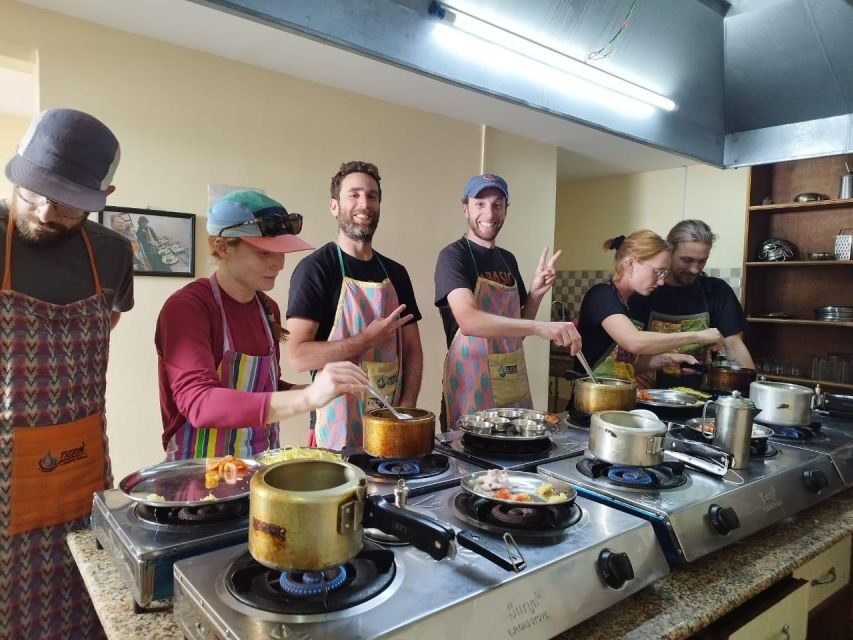
Thamel is packed with things to do, but most food tours are mostly about watching. This class is different. You’re in the kitchen from the start, and the instructor walks you through the process step by step so you’re not guessing what goes where.
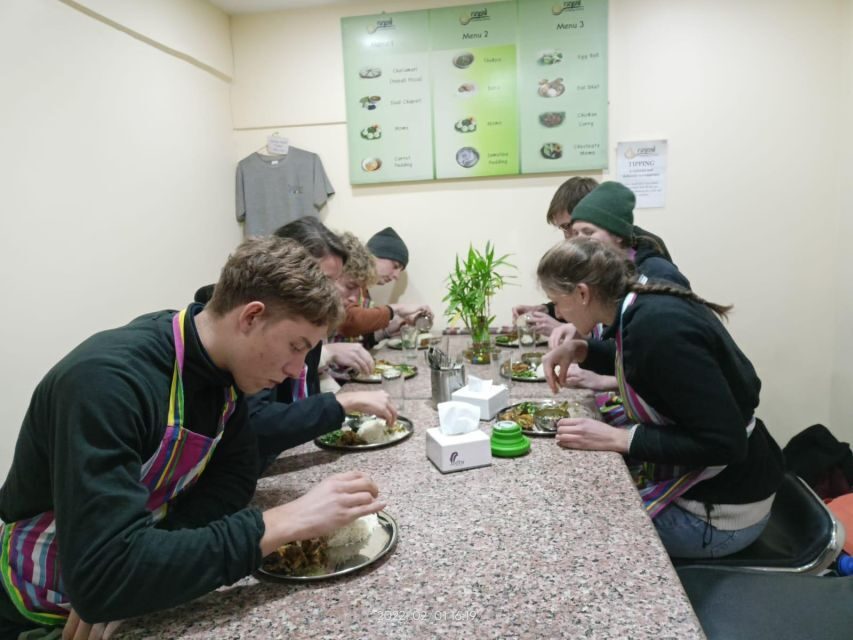
The cook-and-eat rhythm matters. When you make one course and then taste it right away, you learn faster because you can connect the method to the result. And it’s simply more satisfying—you get a meal that’s fresh, not a buffet that’s been sitting too long.
You also get a practical kind of “Nepalese cooking education.” It’s not just about listing ingredients. You’ll learn how spices behave, how the balance shifts when you change heat, and how Nepalese dishes can feel both comforting and bold without being complicated.
You can also read our reviews of more shopping tours in Kathmandu

The local market visit: learning flavors before you chop
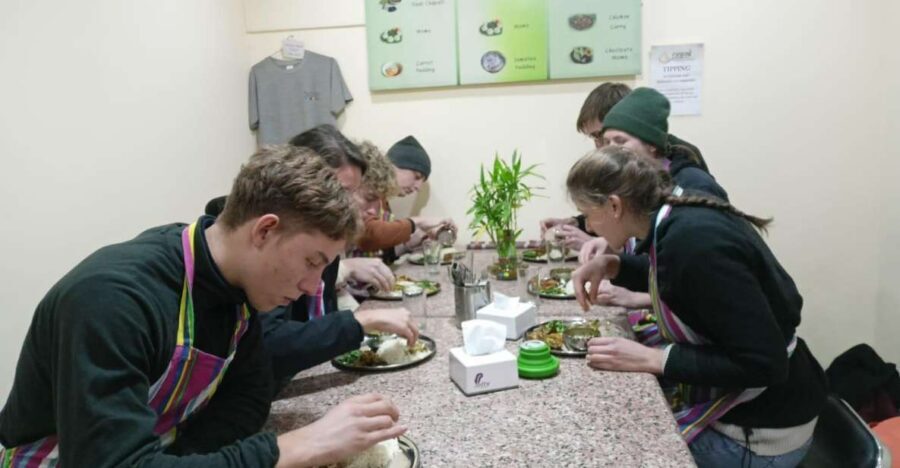
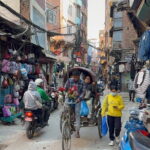
The experience starts with a local market visit for fresh ingredients. That’s not a throwaway add-on. Market shopping is where you pick up the ingredient logic that makes Nepalese and Newari cooking click, like how different spices are used for heat, aroma, and depth.
You’ll see the kinds of items the recipes depend on, and you’ll get a feel for what “fresh” means in this context. In practice, it also helps you understand the recipes later, because you’ll remember what you saw, touched, and chose.
One thing to watch: if you end up buying spices on your own during the walk, you might notice prices can feel high depending on the day and vendor. The good news is you’re not required to purchase anything—your class includes the ingredients you need.
If you’re the type who likes to understand what you eat beyond the final flavor, this market portion is where the experience becomes more than a cooking class.
Three menus, four courses each: what you’ll cook and taste
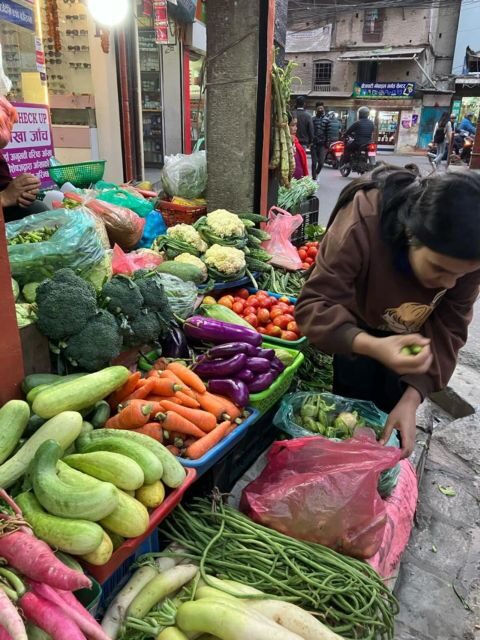
This is a half-day menu experience built around variety. The school runs three different menus, and each menu includes four traditional dishes, so you aren’t stuck repeating one big theme. You’ll also cook four courses of traditional Nepali and Newari food as part of the class.
The important promise here is momos. Your menu includes momos every time, so even if you’re new to Nepalese cuisine, you’ll get that signature bite. Since momos are also the dish that most visitors want, this setup saves you from the disappointment of signing up for Nepalese food and getting only a small taste of it.
What I like about the menu structure is the flexibility. You’ll have enough variety to sample multiple styles, but you still get a coherent learning flow because you’ll be working through dishes in a guided order rather than jumping randomly.
In addition, there’s room for adjustment if you’re booking solo. The class supports individual attention within the menu structure, so the experience can feel tailored instead of strictly identical for everyone.
The cooking flow: step-by-step lessons with spice control
The chef/instructor takes you through the cooking process step by step. You don’t just get a checklist—you get the why behind the steps, especially around seasoning and flavor building.
Then you eat what you just made. That’s a big deal for learning, because you can immediately calibrate what you did. If a dish tastes too spicy, you’ll remember the chili choice next time. If you went easy on seasoning and it felt flat, you can adjust on the next course.
One of the best parts for picky eaters or spice skeptics is the ingredient control. You can add as much or as little of each ingredient as you like. So if you love chili, you can go harder. If you don’t like spicy food, you simply add less or skip it.
If you’re traveling with friends who disagree on spice levels, this format also makes life easier. You can each cook in your own lane while still following the same instructor guidance.
Timing in Thamel: morning, afternoon, or evening shifts
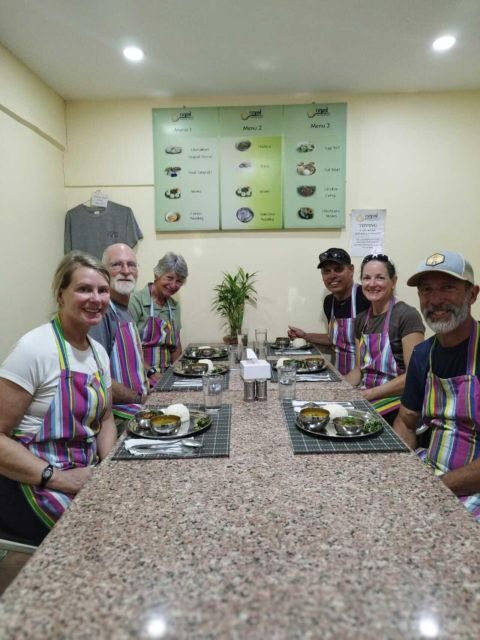
You have three class options in the day. The morning shift starts at 9:00 am, the afternoon shift runs at 1:30 pm, and the evening class starts at 4:30 pm. The overall duration is listed as 3 hours, and you can also see it described as 2–3 hours, so plan around a half-day commitment.
This matters because Thamel activities stack up fast. If you’re doing sightseeing, you’ll want a shift that doesn’t clash with your main plan—especially if you’re also trying to fit in trekking prep, temple visits, or shopping.
My practical tip: if you’re going for the evening class, eat a light snack before you arrive. The experience says come hungry, and you’ll be cooking and then tasting multiple courses, so your appetite will help you enjoy it.
Also note that pick-up is inside Thamel, and it’s described as by walk. That’s helpful if your hotel is near the main Thamel area—you won’t need separate transport arranged just to reach the class.
A few more Kathmandu tours and experiences worth a look
Price and value: is $21 worth your time?
At $21 per person, this is priced like a short, practical activity, not a premium culinary retreat. The value is in what you actually get during those hours: a guided local market visit, an English-speaking instructor, all cooking equipment and ingredients, and four courses that you prepare and then taste.
You’re paying for structure and ingredients. You could theoretically buy ingredients and follow a recipe at home, but you’d miss the step-by-step coaching and the flavor adjustments that come from cooking in a guided flow. Here, you get that, plus multiple dishes instead of only one.
It’s also good value compared to many “food experiences” that mainly teach you by walking and tasting others. This class focuses on you cooking. Even at a half-day length, that’s a lot of hands-on time for the price.
What isn’t included can affect your personal total. Alcoholic beverages are not included, and private transportation is not included either. If you’re already staying in Thamel, though, the inside-Thamel pickup-by-walk keeps things simple.
What’s included (and what to plan around)
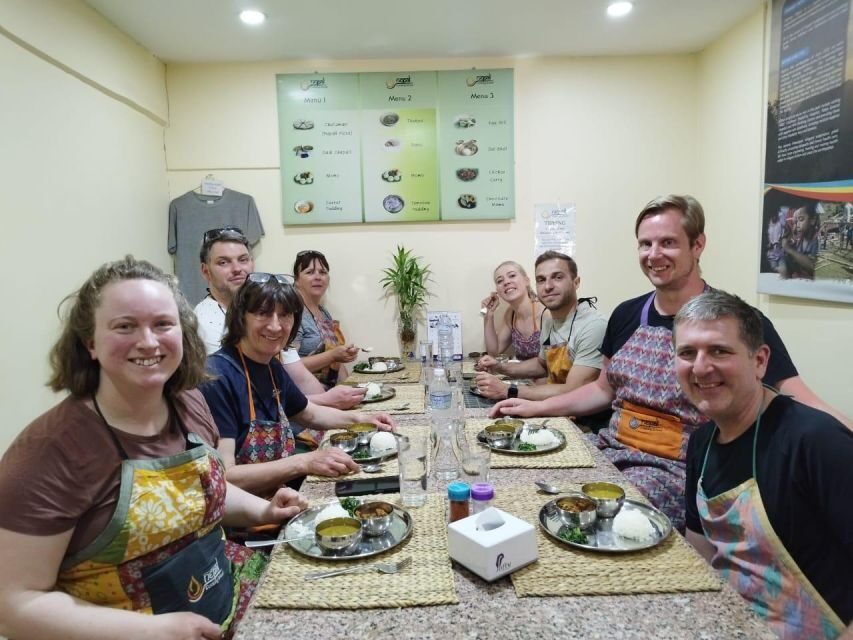
The included pieces are the ones that make the class feel smooth from start to finish:
- a cooking class running about 2–3 hours (with the activity listed at 3 hours)
- 4-course meal from the assigned menu
- market visit for fresh ingredients
- all equipment and ingredients
- English-speaking instructor
- masala tea and drinking water
- tasting your own creations
- pick-up inside Thamel by walk
What’s not included:
- pick-up if you’re outside the Thamel area
- alcoholic beverages
- private transportation
That last point is where your logistics matter. If your hotel is far from central Thamel, you may need to get yourself there by public means or a taxi. If you’re staying close to the action, the “by walk inside Thamel” detail helps keep costs and hassle down.
Small practical tips that make the class smoother
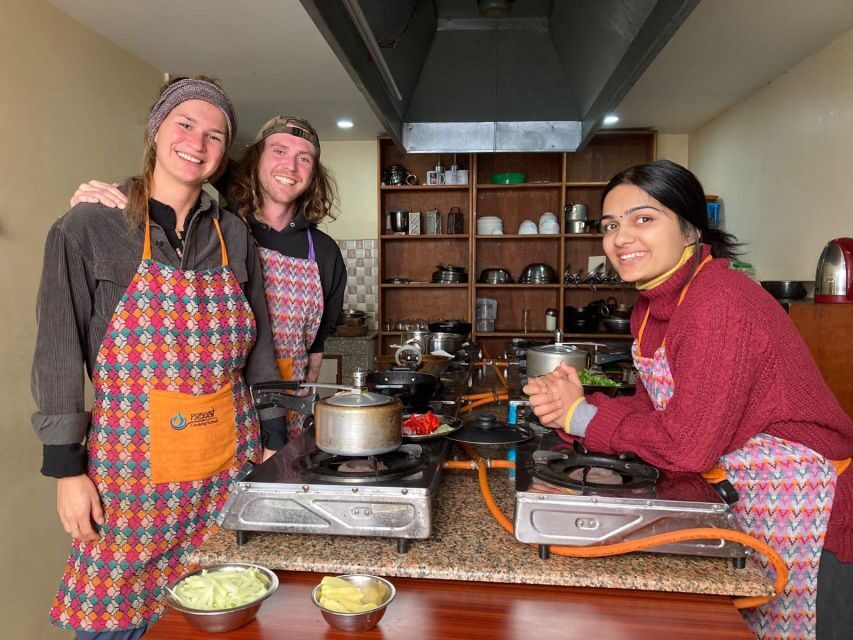
Bring a camera. That’s specifically listed, and you’ll probably want photos of the market ingredients, the cooking steps, and the finished dishes you made.
Also, if you have dietary restrictions or allergies, tell the school ahead of time. The experience explicitly asks you to communicate restrictions so the instructor can make accommodations or suggest alternative ingredients.
Finally, treat it like a fun skill session, not a strict exam. The format is designed to be relaxed and interactive. If you don’t speak a ton of Nepali, the English instruction helps you keep up, and the small group size makes it easier to ask questions.
And yes—come hungry. You’ll be tasting a variety of dishes, cooking multiple courses, and getting masala tea and drinking water along the way.
Who should book this cooking class in Thamel?
This works best for people who want more than a snack stop. If you like cooking, learning flavors, or understanding Nepalese and Newari food beyond the basics, you’ll probably enjoy the structure.
It’s also a good fit if you travel solo. A small group and an instructor-led flow make it easy to participate without feeling like you’re competing for attention.
If you’re short on time, this is a strong option. Three hours in Thamel gives you a meaningful cultural activity without eating up your whole day.
And if you’re on a budget, the price-to-inclusions ratio is the point. You’re not just watching cooking—you’re shopping for ingredients, cooking four courses, and eating what you made.
Should you book this half-day cooking class in Thamel?
If you want a hands-on food experience that teaches you how to build Nepalese flavors (not just what they taste like), I’d book it. The best reasons are the market ingredients first approach, the cook-and-eat pace, and the guaranteed variety with three menus and momos included.
Skip it only if you’re expecting a long, deep technical course or if you need complicated dietary support that isn’t something you’ve already communicated to the instructor. For most visitors, though, this is an efficient, satisfying way to leave Thamel with both new recipes and a clearer sense of how Nepalese cooking works.
FAQ
How long is the cooking class?
The class lasts about 3 hours, and it may be listed as 2–3 hours depending on the schedule.
Where does the pick-up happen?
Pick-up is inside Thamel by walking. Pick-up outside the Thamel area is not included.
What language is the instructor?
The instructor is English-speaking.
How many people are in the group?
The group is small, limited to up to 8 participants.
What do you cook and eat?
You cook 4 courses of traditional Nepali and Newari food, and you taste what you make.
Are there different menus?
Yes. There are 3 different menus, and each menu has 4 traditional dishes. Momo is included on each menu.
What’s included in the price?
The price includes the cooking class, ingredients and equipment, the local market visit, masala tea, drinking water, English instruction, and tasting your own creations.
What should I bring?
Bring a camera. Also let the school know about any dietary restrictions or allergies so they can accommodate you if needed.