REVIEW · KATHMANDU
Cultural tour in Kathmandu
Book on Viator →Operated by Himalayan Circuit · Bookable on Viator
365 steps can reset your whole day. This private Kathmandu culture tour strings together Patan and Swayambhunath with clear art-and-architecture storytelling, from the Krishna temple’s 21 pinnacles to the living faith you feel at the city’s oldest stupa. I especially love the way the route is built around recognizable landmarks (Krishna temple, the chowks around the complex, then the big climb up to Swayambhu). I also like that it ends at Kathmandu Durbar Square, where you see the Living Goddess Kumari and the nine-story pagoda-style palace. One consideration: it’s about 8 hours and includes serious walking and stairs, plus there’s no lunch included.
What makes it feel easy is the smooth setup: pickup is offered, you ride in an air-conditioned vehicle, and bottled water plus all fees and taxes are covered. You’ll also get a mobile ticket, which helps when your schedule is already packed. On top of that, the day is built for good weather, so if clouds or rain roll in, you’ll want flexibility.
In This Review
- Key highlights worth knowing
- Why This Kathmandu Heritage Route Really Works
- Patan’s Malla-Era Art: Krishna Temple, Mahaboudha, and the Chowks
- What to watch for here
- The Quiet Power of Alleys and Traditional Houses
- Swayambhunath: The Monkey Temple, 365 Steps, and City Views
- A real-world tip for this part
- Kathmandu Durbar Square and the Living Goddess Kumari
- How this finale feels
- Price and What You’re Getting for It
- Timing, Walking Pace, and What to Bring
- Guide Quality and How the Day Feels
- Should You Book This Kathmandu Cultural Tour?
- FAQ
- FAQ
- What sites are included in this Kathmandu cultural tour?
- How long is the tour?
- What time does the tour start?
- Is pickup included?
- Is the tour private?
- What does the price include?
- Is lunch included?
- Do I get a ticket on my phone?
- Is there free cancellation?
- What happens if the weather is bad?
Key highlights worth knowing
- UNESCO sites in one run: Patan and Kathmandu Durbar Square are both UNESCO listed, so you’re not bouncing randomly around town.
- Malla-period detail, not just big monuments: Krishna temple pinnacles, Mahaboudha, and multiple chowks around the complex give you finer texture.
- Swayambhunath’s “monkey temple” climb: 365 stone steps up to panoramic views over Kathmandu Valley.
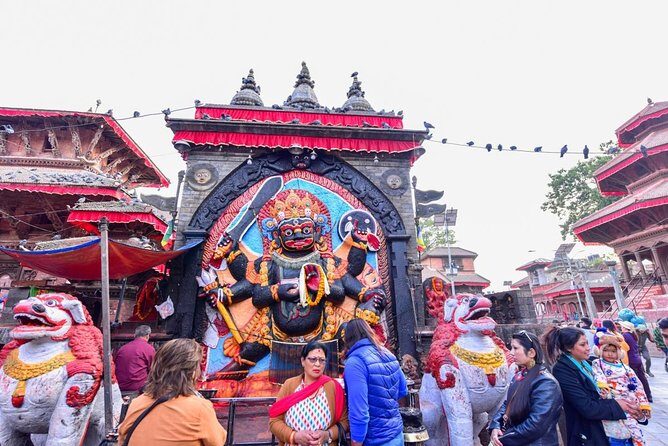
- Living heritage at Kathmandu Durbar Square: You’ll see the courtyard and temples around the Living Goddess Kumari.
- Woodcraft you can actually look for: The nine-story pagoda-style palace is known for superior wooden craft from the 14th century.
Why This Kathmandu Heritage Route Really Works
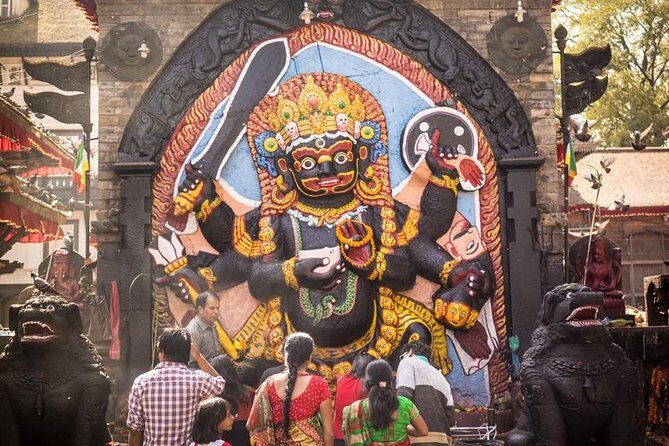
If you only have a day to understand Kathmandu, you need two things: strong anchor sites and a route that connects them. This tour is built like that. It starts in Patan with UNESCO cultural heritage, then moves into Swayambhunath, and finally finishes at Kathmandu Durbar Square. You end up with a coherent picture of how art and architecture developed in the Kathmandu Valley—without spending the whole day guessing where to go next.
I like that the tour doesn’t treat temples as isolated “photo stops.” The day is framed around how traditions overlap here: Hindu and Buddhist practices, Tibetan cultural influence, and the everyday presence of many castes and communities. That’s not just cultural trivia. When you’re on foot in the courtyards, chowks, and alleys, the blend becomes visible in the design choices—what’s emphasized, how space is arranged, and how devotion is expressed.
You’ll also get a very practical benefit: the hard parts of planning are handled. Pickup is offered, you ride together in an air-conditioned vehicle, and fees and taxes are included. With Kathmandu’s traffic and tight lanes, that means you spend less time managing logistics and more time paying attention.
You can also read our reviews of more historical tours in Kathmandu

Patan’s Malla-Era Art: Krishna Temple, Mahaboudha, and the Chowks
Patan is where the tour starts to feel specific. You’re not just looking at temples; you’re looking at art decisions from a historical period. The day’s Patan segment highlights the Krishna temple—a stone-built temple noted for its artistic design and 21 pinnacles. That’s the kind of detail you can’t really appreciate from a distance, so getting close matters.
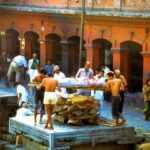
From there, you move through the surrounding cultural zones connected to Malla period art and culture. The tour includes Mahaboudha and several chowks: Mul Chowk, Sundari Chowk, Mani Chowk, and Narayan Chowk. These names may sound like labels on a map, but in practice they help you understand the layout of the area. Chowks are like social and spiritual crossroads—places designed for people to gather, process, and watch life unfold.
One of the best parts of this section is that you’re guided to notice how the architecture behaves as you shift viewpoints. You’ll pass through alleys and traditional houses, so the complex doesn’t feel like a single sealed monument. It feels like a lived neighborhood around sacred spaces.
Then there’s the mention of Golden temple and nearby stupas around the area. Even without obsessing over every term, you’ll feel the rhythm: stone structures, clustered sacred points, and sightlines that keep pulling you forward. That matters because Patan is visually busy. A guide’s job here is to help you see what you’re looking at.
What to watch for here
- Pinnacles and symmetry: The Krishna temple’s 21 pinnacles are the kind of landmark that makes it easy to orient yourself.
- Chowk-to-chowk movement: It’s not random walking. You’re moving through designed meeting spaces.
- Small architectural cues: Look at how the courtyards and edges frame views toward other temples and stupas.
The Quiet Power of Alleys and Traditional Houses
Between the big-ticket stops, the tour deliberately includes time in the alleys and around traditional houses. This is the segment that often becomes the most memorable, because it’s where Kathmandu feels less like a checklist and more like a place.
In a dense heritage area, the lanes act like a slow reveal. You round a corner and suddenly you’re facing a doorway pattern, a façade detail, or a temple axis that you couldn’t have guessed from the street. Even if you’re not there to study architecture academically, you start to understand why these complexes were built where they were. They’re connected to daily movement and local life.
I also appreciate that this portion sets you up emotionally before the big climb later. You’re not thrown immediately into altitude, steps, and crowds. You get time to get your bearings—literally—so Swayambhunath later feels like a goal, not just more walking.
Swayambhunath: The Monkey Temple, 365 Steps, and City Views
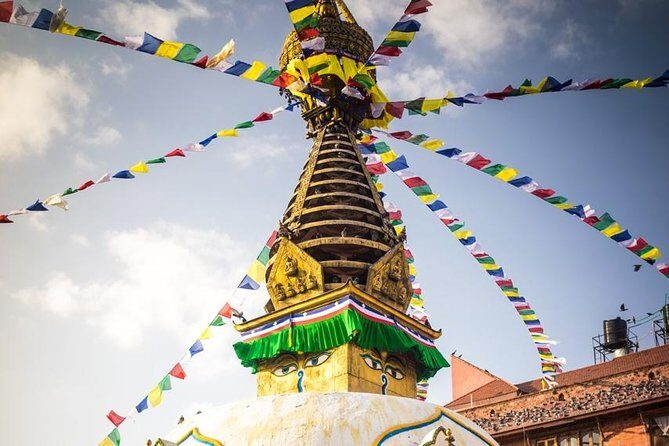
Then comes the climb to Swayambhunath, the site famously known as the monkey temple. The tour points out something key: 365 stone steps lead up to Nepal’s oldest stupa. Whether you’re religious, spiritual-curious, or simply a design nerd, it’s hard to shrug off the weight of that fact. An old stupa isn’t just “ancient.” It’s a visual anchor for how long people have gathered and how devotion has been maintained across centuries.
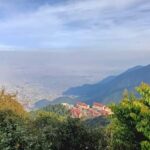
From the top, you’re promised magnificent panoramic views over the city. That’s the practical payoff of your effort. Kathmandu can look chaotic from street level. From an elevated viewpoint, you start to see the structure: what’s clustered where, how valleys and ridgelines shape the urban sprawl, and where sacred spaces sit in relation to each other.
Also, the tour frames Swayambhunath as a hallmark of faith and harmony. That’s not just poetic language. When you’re up there, you’ll notice people moving at different speeds—some stopping, some passing through, some praying, some just taking in the scene. The stupa sits in a space that encourages patience.

A real-world tip for this part
Plan for the stairs. The tour includes the 365-step climb, and temple stone steps can be uneven or slick depending on the day. Wear shoes you trust. Bring water from your included bottle if you need to pace yourself.
And if you’re thinking about photos: you’ll want to take at least a few on the climb and a few at the top. The whole point is the change in perspective.
Kathmandu Durbar Square and the Living Goddess Kumari
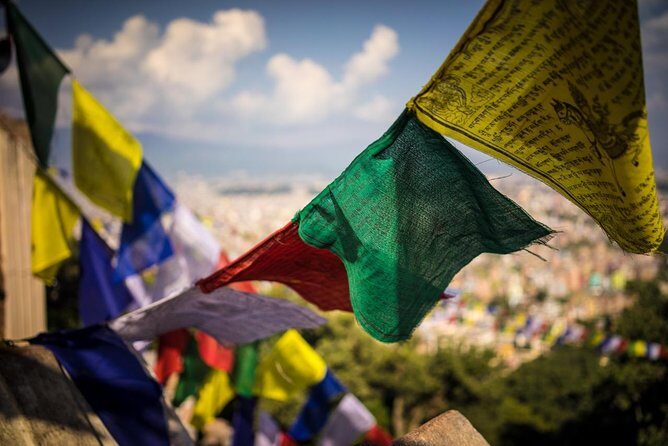
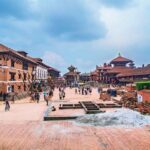
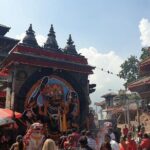
The day ends at Kathmandu Durbar Square, which used to be a royal palace complex and is now home to the Living Goddess Kumari. This is a UNESCO listed cultural site, and it’s not just one temple or one courtyard. You’re walking through a space that includes ancient temples, palaces, and a courtyard.
The main attraction is the pagoda-style palace with nine stories. The tour also highlights that you can get a great panoramic view of the city from here. That’s important because it gives you a second “from above” moment to compare with Swayambhunath. Two viewpoints, two different angles on how Kathmandu is put together.
Another detail worth paying attention to is the wooden craft. The pagoda-style architecture here is noted for superior wooden craft that flourished in the 14th century. You don’t need to be a carpentry expert to appreciate this. Look for how wood elements shape the look of the upper structures and how the palace’s layered design creates visual depth.
How this finale feels
Swayambhunath gives you altitude and sweeping views. Durbar Square gives you context—how power, devotion, and daily life connect in one royal-civic space. Ending here makes sense because you leave with a “why” behind what you saw earlier.
Price and What You’re Getting for It
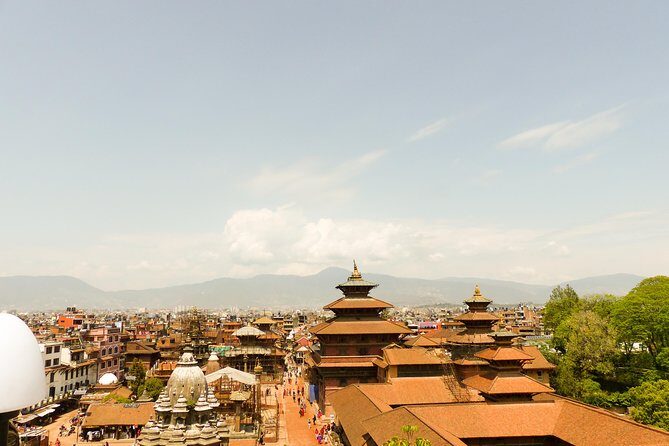
At $102.57 per person for about 8 hours, the value here comes from a few specific things working together.
First, it’s a private tour/activity, so you’re not sharing the day with strangers. That matters in heritage areas where you might want to ask questions, slow down for a particular detail, or spend extra time at one stop because you’re spotting something you didn’t expect.
Second, pickup is offered and the tour includes an air-conditioned vehicle. For Kathmandu, that reduces stress. You’re less exposed to traffic time and the logistics headaches that can eat up a day.
Third, all fees and taxes are included, and bottled water is provided. Those are small line items, but in real budgeting they add up fast once you’re paying for multiple sites and guides.
The only meaningful gap is food. Lunch isn’t included, and coffee or tea isn’t included either. In practical terms, plan to bring a snack or budget for lunch on your own. If you go in hungry, your energy for stairs and viewing will drop, and you’ll miss details.
Timing, Walking Pace, and What to Bring
The tour starts at 8:15 am, which is a gift. Morning light is often kinder, and you’ll get moving before the day heats up or thickens with crowds and traffic. Starting early also helps you manage the energy load, because this day isn’t a gentle stroll.
Here’s what you should mentally prepare for:
- Temple walking and uneven surfaces: Stone steps and heritage courtyards can be slippery or irregular.
- A real climb: Swayambhunath includes 365 stone steps.
- No lunch included: You’ll want to plan food so the later part of the day doesn’t feel like a slog.
What to pack is simple: comfy shoes, a light layer (weather can change), and a small amount of cash for your own meal or drinks since coffee and tea aren’t included. The tour includes bottled water, but you may still want a snack if you’re sensitive to long gaps between meals.
Guide Quality and How the Day Feels
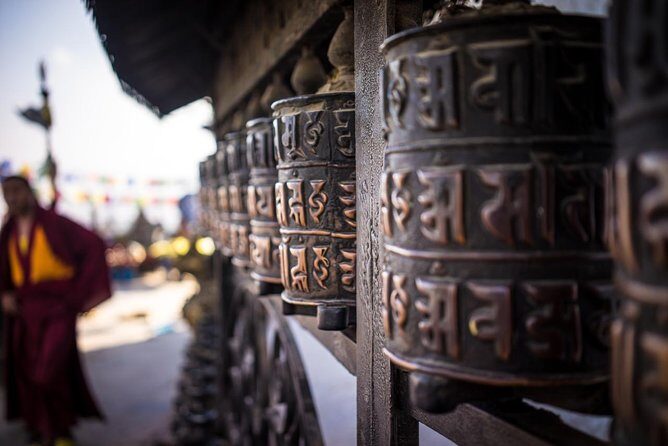
I’m drawn to tours where someone clearly knows how to explain what you’re seeing. The feedback around this experience consistently points to friendly help, smooth coordination, and strong English. A local contact named Anish shows up in positive recommendations for arranging tours, and the Himalayan Circuit team gets credited for taking care of the day from start to finish.
You don’t need to be an expert to benefit from that. A good guide helps you notice the art and architecture instead of just collecting stamps. It also helps you keep your day moving at a comfortable pace—important when your route includes both Patan’s complex spaces and Swayambhunath’s stairs.
Should You Book This Kathmandu Cultural Tour?
Book it if you want a single, structured day that connects UNESCO heritage sites with a logical story: Patan’s Malla-era art details, Swayambhunath’s historic stupa and big city views, and Kathmandu Durbar Square’s royal-civic space with the Living Goddess Kumari.
Skip or choose something lighter if you’re not comfortable with sustained walking and especially stairs. This tour includes a climb of 365 stone steps, and there’s no lunch included to reset your energy.
If you’re traveling with a group and want a private pace with pickup, included water, and someone handling the on-the-ground flow, this is a strong pick for first-timers and return visitors alike. You’ll leave with images, yes, but also with a clearer sense of how Kathmandu’s sacred art and architecture connect across time.
FAQ
FAQ
What sites are included in this Kathmandu cultural tour?
The tour includes Patan (a UNESCO cultural heritage site) and Kathmandu Durbar Square (another UNESCO listed site). It also visits Swayambhunath and stops at multiple cultural landmarks within the Patan area, including the Krishna temple and Mahaboudha.
How long is the tour?
The duration is about 8 hours.
What time does the tour start?
The start time is 8:15 am.
Is pickup included?
Pickup is offered.
Is the tour private?
Yes. It’s a private tour/activity, and only your group will participate.
What does the price include?
It includes an air-conditioned vehicle, all fees and taxes, and bottled water.
Is lunch included?
No. Lunch is not included, and coffee and/or tea are also not included.
Do I get a ticket on my phone?
Yes. The tour includes a mobile ticket.
Is there free cancellation?
Yes. You can cancel for a full refund up to 24 hours in advance of the experience’s start time.
What happens if the weather is bad?
This experience requires good weather. If it’s canceled due to poor weather, you’ll be offered a different date or a full refund.