REVIEW · KATHMANDU
Kathmandu: Nepali Cooking Class with Hotel Pickup
Book on GetYourGuide →Operated by Himalayan Social Journey · Bookable on GetYourGuide
Food lessons in Kathmandu beat any cookbook. This experience pairs a rickshaw trip to the Ason market with a hands-on sel roti and momo-making class, so you learn the how and the why, not just the recipe. I also like that the food and culture are taught together, with Nepali folk music playing during class and at mealtime.
One thing to think about: the schedule can run tighter than the headline length, and the market stop may feel more like a quick ingredient hunt than a long wander, depending on the day. If timing matters to you, it’s smart to confirm how your 4-hour booking will be paced.
In This Review
- Key highlights worth planning for
- Why this Kathmandu class works so well for real travelers
- Thamel hotel pickup and the rickshaw ride to Ason
- Market visit: buying ingredients that make the lesson click
- Cooking class lineup: momo, curries, roti, and sel roti
- Momo: the hands-on dumpling lesson
- Curries: variety, sauce building, and ingredient choices
- Roti and the bread portion: more than a side dish
- Sel roti: the signature challenge and sweet reward
- Folk music, Nepali phrases, and the mealtime vibe
- Price and value: is $60 a fair deal?
- Timing, weather, and what to do if your schedule is tight
- Who this cooking class suits best (and who should skip it)
- Practical tips: what to bring and how to get more from the class
- Should you book this Kathmandu cooking class?
- FAQ
- Where is hotel pickup and drop-off offered?
- How long does the cooking class last?
- Do I get an English-speaking instructor?
- Do we visit a market before cooking?
- What dishes will I cook or learn to make?
- What should I bring?
- Is the tour canceled for bad weather?
- Are alcohol and drugs allowed?
Key highlights worth planning for
- Ason market by rickshaw: get a local-feeling shopping run before you cook
- Hands-on Nepali dishes: momo, curries, roti, and sel roti
- Ingredient shopping with guidance: buy what you’ll actually use in the class
- English instruction plus audio support: chef teaching in English, plus English audio guidance
- Culture in the room: Nepali folk music and a few simple phrases during the session
Why this Kathmandu class works so well for real travelers
Kathmandu cooking classes can go two ways: you either watch a demo, or you actually get your hands dirty. This one leans hard toward the practical side. You start with a local market visit, so when you cook later, ingredients don’t feel random or unfamiliar. Then you move into the kitchen (or classroom kitchen setup) and make the food yourself.
I particularly like that the session isn’t just about dishes. You learn how Nepali food culture ties into what you cook—ingredients, cooking styles, and what locals consider everyday comfort. That matters because Nepal’s flavors aren’t built the same way as many South Asian dishes you might already know. Even if you love spicy food, you’ll still pick up new ideas on textures and combinations.
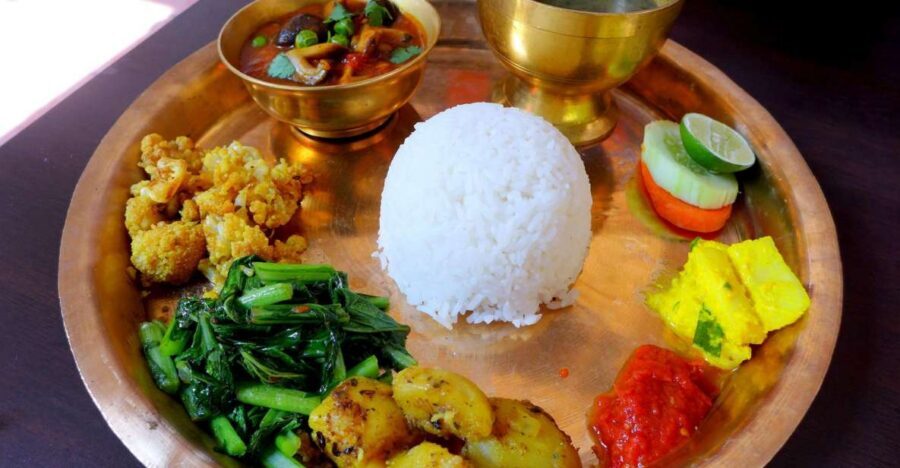
The other big plus is the menu range. You’re not limited to one item. Expect to work on a full meal lineup: momo (Nepali dumplings), multiple curries, a roti-style bread, and sel roti, the sweet, ring-shaped fried bread that’s often compared to a donut in spirit—though it’s made with its own method and batter.
You can also read our reviews of more cooking classes in Kathmandu

Thamel hotel pickup and the rickshaw ride to Ason
Your day starts with hotel pickup and drop-off from the Thamel area. That’s a real convenience in Kathmandu, where routes can be chaotic and distances can surprise you. In practice, you don’t waste your morning figuring out how to get to the market—you’re already in motion.
Then comes the fun part: a ride to a typical local market in Kathmandu called Ason, using a rickshaw. It’s an efficient way to experience the city’s daily rhythm. You pass shops, stalls, and street life at a speed that lets you notice things without feeling stuck in traffic.
This market segment is also where the class earns its authenticity. You meet local merchants and see the hustle firsthand—what people buy for daily meals, what’s available, and how produce and spices move through the neighborhood. You’ll be shopping with a purpose, not wandering for the sake of photos.
Market visit: buying ingredients that make the lesson click
A market tour can be either helpful or distracting. The goal here is the first one. You go to pick up ingredients for the meal you’ll cook later. That means you’re learning with immediate payoff: you’ll remember what you saw because you’ll use it.
What you can look for during the market visit:
- Staples and produce that show up in everyday Nepali meals
- Spices used for curries (and how sellers think about what’s fresh)
- Items that connect to the bread and dumpling components
The experience provider includes an English-speaking chef instructor guiding you, so you’re not stuck with hand-wavy explanations. Even if you don’t know the names of ingredients yet, you’ll connect them to dishes you’ll be making. That’s where value builds.
That said, one practical note from real-world variability: the market time can feel short for some schedules. If you expect a long, slow browse, plan for it to be more of a focused ingredient run. If you want extra time for shopping afterward, keep some buffer in your personal itinerary.
Cooking class lineup: momo, curries, roti, and sel roti
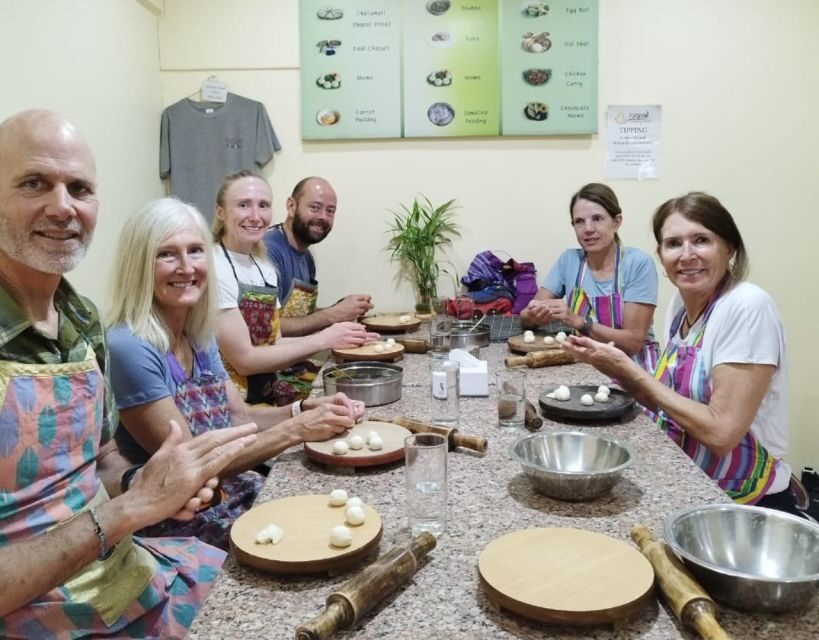
Once you finish the market stop, the session shifts into cooking mode. The class is described as about 3–4 hours, and it’s led by an experienced chef instructor with instruction in English.
Momo: the hands-on dumpling lesson
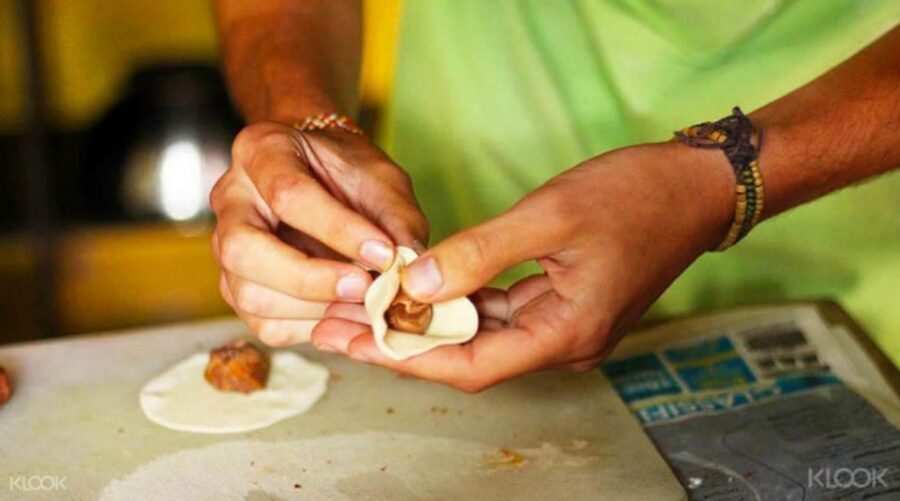
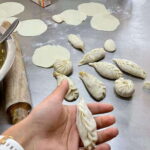
Momo is the gateway dish for many first-timers. It’s also one of the best learning foods because it forces you to understand a few basics at once: dough handling, filling balance, and cooking method. You’ll likely spend time working the dough and assembling the dumplings rather than just watching.
Why this dish is worth prioritizing: if you can make momo once, you get a template you can repeat later at home. It’s not just a one-off meal.
A few more Kathmandu tours and experiences worth a look

Curries: variety, sauce building, and ingredient choices
You’ll also learn about varieties of curries. The key benefit isn’t only eating them—it’s hearing how ingredients are chosen and how the flavors are built.
In Nepali cooking, curries can feel both familiar and new. You might recognize some spices, but the combinations and how they’re used can differ from what you’ve cooked before. This is where the market visit helps again: when you handle and select ingredients earlier, the curry lesson sticks.
Roti and the bread portion: more than a side dish
The class includes a unique bread approach described as involving roti. Bread in Nepal isn’t just “something to eat with curry.” It changes how you scoop, how you balance flavors, and how you experience the meal overall.
If you’re the type who likes to understand the whole plate, the bread component makes the class feel like a complete meal rather than a single-dish workshop.
Sel roti: the signature challenge and sweet reward
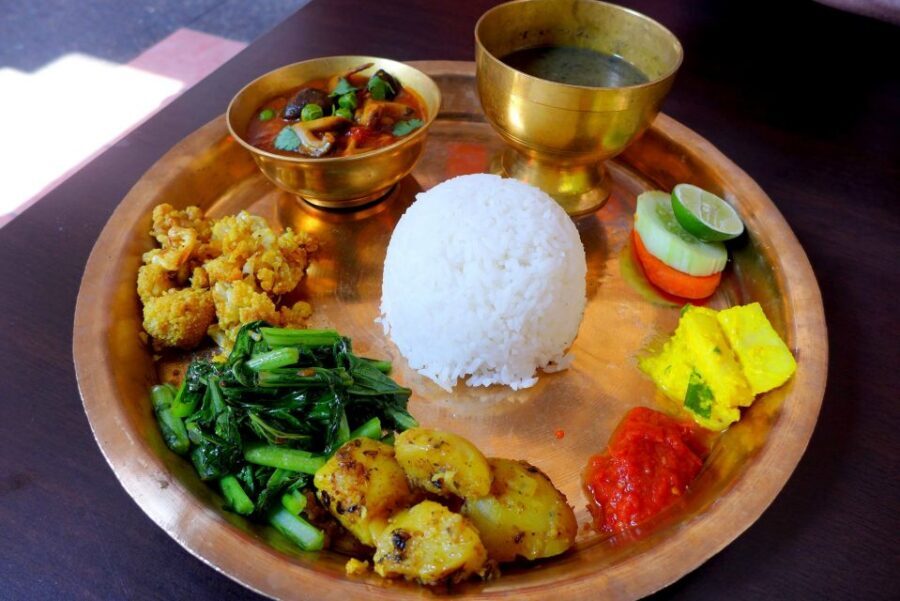
Sel roti is the star described here: a sweet, slightly donut-like fried bread made from a batter. This one can be visually satisfying because of the shape and the frying process. It’s also a good lesson piece because fried breads require attention to heat control and batter consistency.
I like including sel roti because it’s recognizable as Nepali. It’s harder to accidentally “guess” how it’s made from memory, so you’ll learn something genuinely new.
Folk music, Nepali phrases, and the mealtime vibe
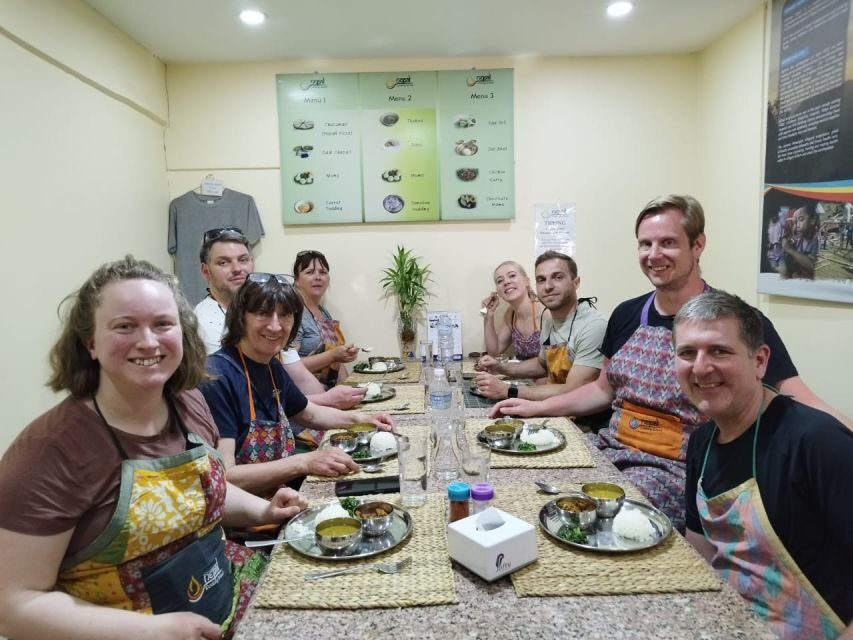
Food is social, and this class treats it that way. You’ll listen to Nepali folk music during the class and again at mealtime. That turns the cooking session into more of a shared cultural moment rather than a silent, classroom-only event.
There’s also mention of learning some Nepalese phrases. You won’t leave speaking fluently, but you’ll gain small pieces that help you interact with people afterward. In Kathmandu, even a few friendly words can make markets and restaurants feel easier.
If you like experiences where the cultural “soundtrack” is part of the memory, this is a strong fit.
Price and value: is $60 a fair deal?
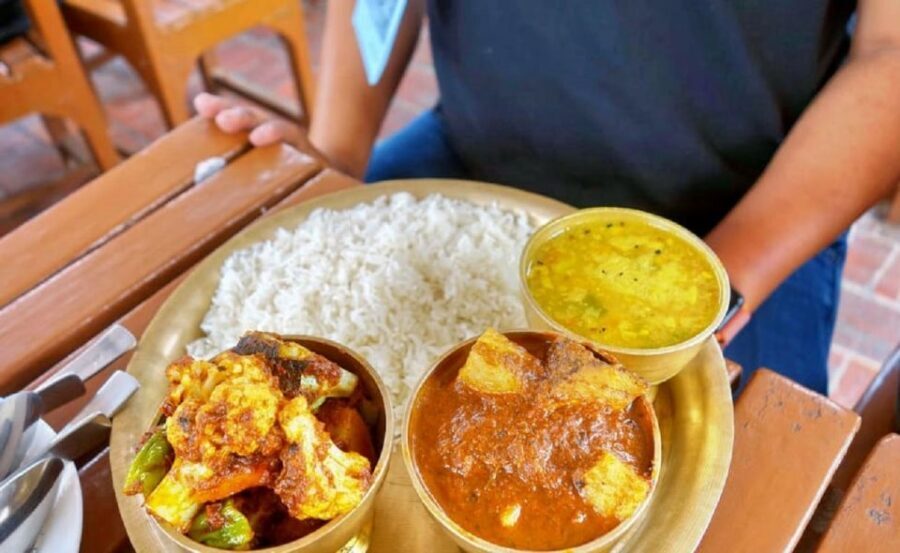
The price is $60 per person for a total time around 4 hours. For Kathmandu, that’s not a budget bargain, but it can still be good value if you want a guided blend of market + cooking.
Here’s why the cost can make sense:
- You get hotel pickup and drop-off (especially helpful from Thamel)
- You get an English-speaking chef instructor guiding hands-on cooking
- You get a market ingredient trip that connects directly to what you cook
- You cover multiple dishes in one session, including sel roti
The only caution is that time allocation may vary. One booking report described less cooking time than expected, and another described a market stop that felt like a quicker detour back to the hotel. If you’re paying for a full half-day experience, confirm the pacing before you book.
If you’re short on time in Kathmandu but want more than a restaurant meal, this can be one of the best “value-per-day” ways to learn a real plate of Nepali food.
Timing, weather, and what to do if your schedule is tight
This activity runs rain or shine. Kathmandu weather can change quickly, so it’s good to know the class isn’t canceled because the sky looks dramatic.
Also, the duration is listed as 4 hours and you should check starting times based on availability. If you’re planning a busy day with other tickets or tours, give yourself some breathing room. Cooking takes time, and the market part adds movement.
And if your main goal is to maximize cooking time, don’t assume the full 4 hours will feel evenly distributed. Ask how much time is set for market versus kitchen.
Who this cooking class suits best (and who should skip it)
This class is a strong match if:
- You want hands-on cooking, not just watching
- You enjoy learning food culture along with recipes
- You’re staying in Thamel and want easy pickup/drop-off
- You’re excited by dumplings and fried breads like sel roti
You might want to choose another option if:
- You’re extremely time-sensitive and can’t risk a shorter session
- You expect a long market wander, not a focused ingredient run
- You only care about one dish and don’t want the full meal approach
The English instruction is helpful if you don’t speak Nepali. And the experience is listed as wheelchair accessible, which is a plus if you need that consideration.
Practical tips: what to bring and how to get more from the class
Bring a passport or ID card. A copy is accepted, so you don’t need to carry the original if you’d rather be cautious.
You’re not allowed alcohol and drugs. If you have dietary restrictions, the provided info doesn’t spell out options, so I’d ask in advance what the class can accommodate. Basic allergies and dietary needs are important—don’t leave it to chance.
A couple of “small but real” tips:
- Wear comfortable clothes you can move in, since you’ll be cooking
- Expect some heat and kitchen smells if you’re sensitive
- Arrive on time for pickup from Thamel so the market and cooking start together
Should you book this Kathmandu cooking class?
I’d book it if you want a guided, practical introduction to Nepali food with more than one dish on the menu. The Ason market rickshaw ride plus hands-on cooking (momo, curries, roti, and sel roti) is the kind of combo that turns a meal into a skill.
Skip—or at least verify closely—if you’re banking on a strict schedule or you want a long, leisurely market experience. With that said, even shorter pacing can still be worthwhile if you care more about cooking and eating than browsing.
If your priority is learning the real flow of a Nepali meal—from ingredients to dumplings to sweet fried bread—this class is a solid choice.
FAQ
Where is hotel pickup and drop-off offered?
Pickup and drop-off are included from the Thamel area.
How long does the cooking class last?
The duration is listed as about 4 hours, with a cooking class described as 3–4 hours.
Do I get an English-speaking instructor?
Yes. The instructor and class guidance are listed as English, and an English audio guide is included.
Do we visit a market before cooking?
Yes. The experience includes a visit to a typical local market in Kathmandu called Ason to buy ingredients.
What dishes will I cook or learn to make?
You’ll make traditional Nepali dishes including momo, varieties of curries, a roti-style bread, and sel roti.
What should I bring?
Bring a passport or ID card. A copy is accepted.
Is the tour canceled for bad weather?
No. The class runs rain or shine.
Are alcohol and drugs allowed?
No. Alcohol and drugs are not allowed on this activity.