REVIEW · RATNANAGAR
Chitwan: Full-Day Safari Canoeing and Jungle Walk and Jeep
Book on GetYourGuide →Operated by Chitwan National Park Sauraha · Bookable on GetYourGuide
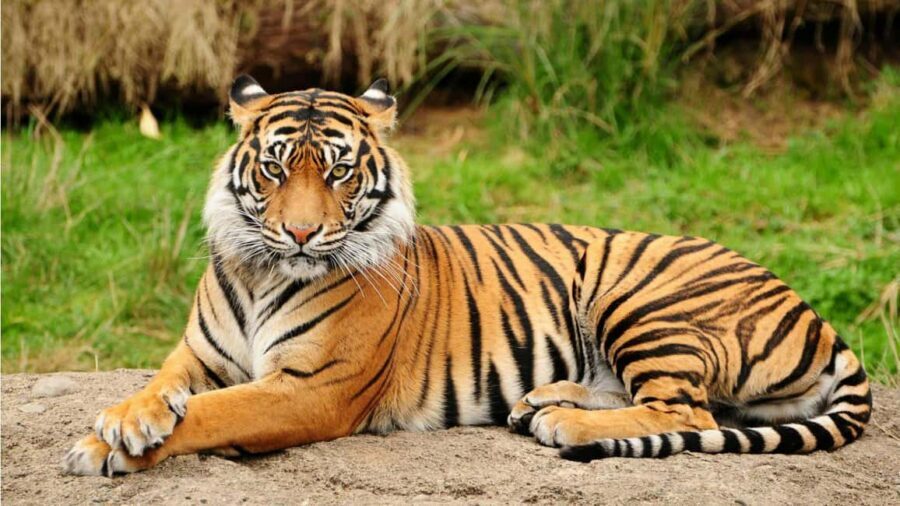
Chitwan in one day feels like a highlight reel. This full-day safari is built around three different wildlife experiences—canoeing on the Rapti River and two land-based searches with a guide—so you get both the calm and the adrenaline, with pros like Mohan and Ramu often leading the way.
What I like most is the close-up style of the canoe ride, where you’re floating near wildlife in a way jeeps never can. The second big win is the jungle walk approach, which pairs patient tracking with early chances at major sightings, including rhino moments that can happen fast. Still, one thing to plan around: the jeep portion is sometimes less comfortable, and the schedule shifts by season.
If you’re the type who wants to actually see Chitwan (not just ride through it), this day structure helps. You do your bird-and-water watching from the canoe, switch to quieter tracking on foot during the jungle walk, then end with a longer wildlife scan from the jeep route. You’ll also get a lunch break and enough time in the park to make the day feel full without being rushed.
The potential drawback is simple: jeeps aren’t promised to be comfy, and in monsoon months (June to mid-October) the jeep safari may be shortened, with a different jeep option replacing the standard 4-hour drive.
In This Review
- Key Points Before You Go
- Chitwan In One Big Day: Canoe, Footsteps, and a Jeep Track
- Canoeing the Rapti River: How to Spot Crocodiles and Birds
- Jungle Walk with Your Guide: Rhinos Aren’t Just a Rumor
- Jeep Safari Timing by Season: 4 Hours in Peak Months, Shorter in Monsoon
- Lunch, Small-Group Pace, and What the Guides Really Do
- What to Bring and What to Skip in the Park
- Optional Crocodile Breeding Center: The Extra 100 NPR Stop
- Price and Value for $86: What You’re Actually Paying For
- Should You Book This Full-Day Chitwan Safari?
- FAQ
- How long is the tour?
- What activities are included in this full-day safari?
- Is the jeep safari the same year-round?
- What’s the group size and guide languages?
- Is pickup and drop-off included?
- Do I need to pay for the crocodile breeding center?
- What should I bring for the tour?
- Can I cancel, and get a refund?
Key Points Before You Go
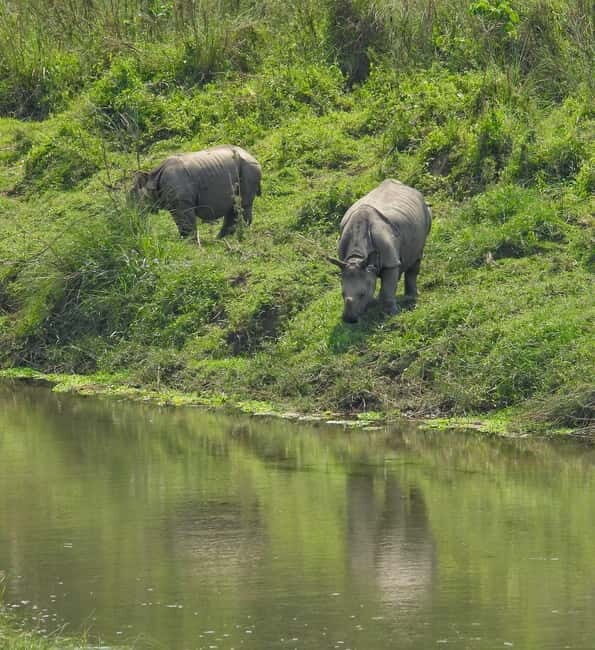
- Canoe first, then land: a logical flow for spotting crocodiles and birds before you switch to tracking on foot
- Small group size: limited to 6 participants, which helps the guides manage pace and attention
- Rhino odds improve on the walk: you can get big sightings early, not just later in the day
- Jeep length depends on the season: 4 hours in October–May, shorter in monsoon months
- Optional crocodile breeding center: a donation fee of 100 Nepali rupees if you want that extra conservation stop
Chitwan In One Big Day: Canoe, Footsteps, and a Jeep Track
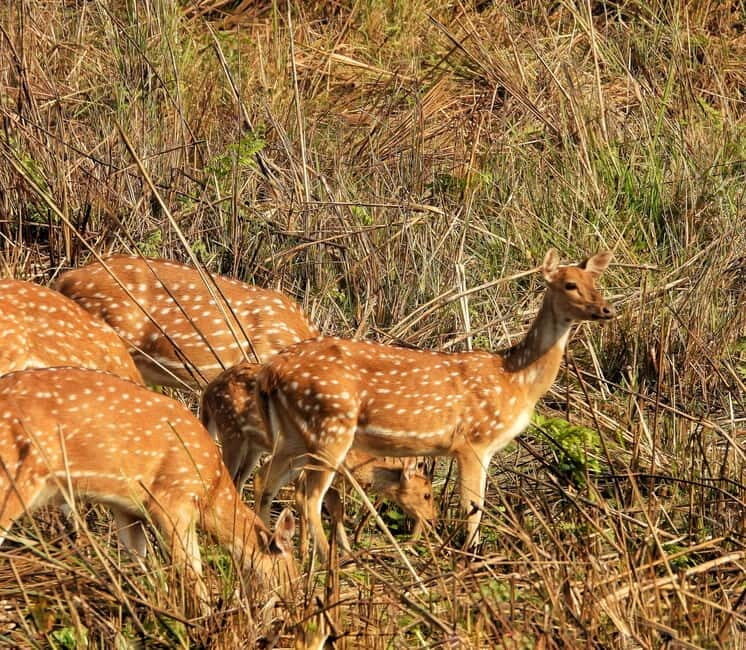
This is a full-day Chitwan National Park experience that’s designed for people with limited time—but still want variety. Instead of one method only, you switch gears three times: water, walking, and jeep driving. That matters because wildlife reacts differently to each setting. Birds and aquatic activity often pop near the river on the canoe. Terrestrial animals can show up along footpaths during the jungle walk. And the jeep route gives you a broader view of the park over a longer stretch.
You’ll start from Hotel National Park Sauraha. The day is run with a guide (English or Hindi), and it’s paced for wildlife viewing rather than stopwatch tourism. A big part of the value here is that you’re not just watching from a distance—you’re being guided to notice what’s right in front of you, including signs like movement in grass or bird behavior that hints at what’s nearby.
Group size is capped at 6. That’s not a random detail. With a smaller group, it’s easier to stop quietly, keep together, and let the guide reposition without turning the experience into a traffic jam. It also helps if you want photos without the constant scramble that bigger groups can create.
Canoeing the Rapti River: How to Spot Crocodiles and Birds
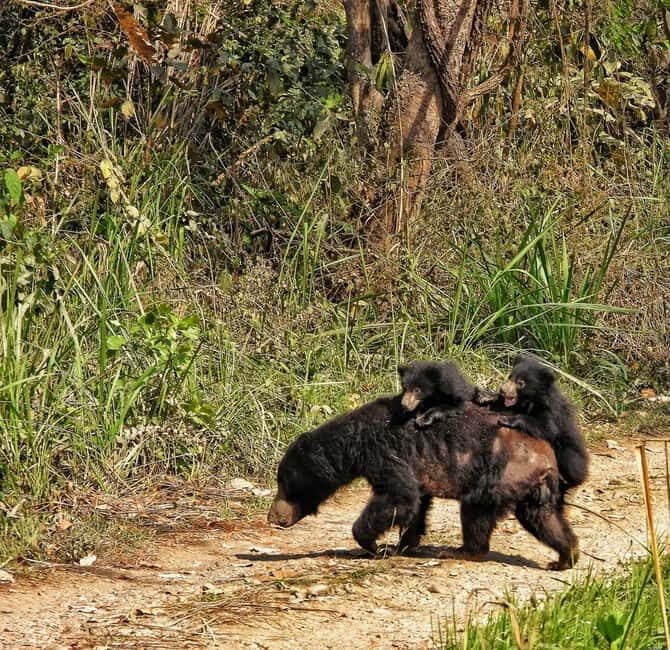
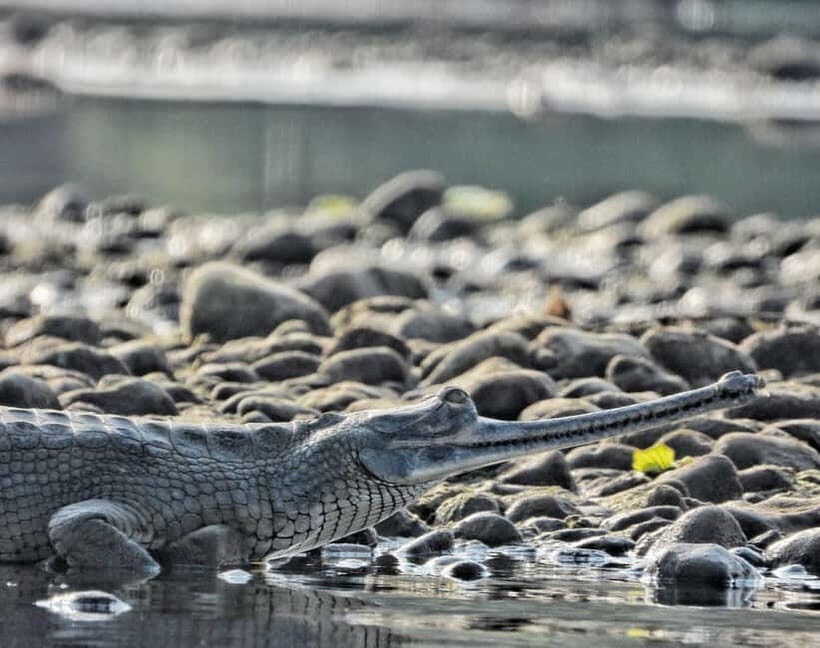
The canoe ride is the headline for a reason. Floating along the Rapti River gives you a slower pace, and it changes what you notice. In this kind of setting, you’re closer to the waterline and more likely to spot the small stuff—aquatic birds, riparian activity, and reptiles that may be lounging near the banks.
Plan for about 1 hour of canoeing. You’re not just sightseeing from a boat; you’re in a wildlife viewing mode. The guides focus on spotting, interpreting, and helping you get the timing right for photos. Crocodiles are specifically mentioned as part of what you may see, which is a big reason this ride feels more real than the typical, quick river cruise.
A practical note: bring your camera and be ready for light changes. River mornings and late-day light can be great for photos, but you may also have glare off the water. Sunscreen and water aren’t optional here—Chitwan sun can be strong, and you’ll be outside for most of the day.
Jungle Walk with Your Guide: Rhinos Aren’t Just a Rumor
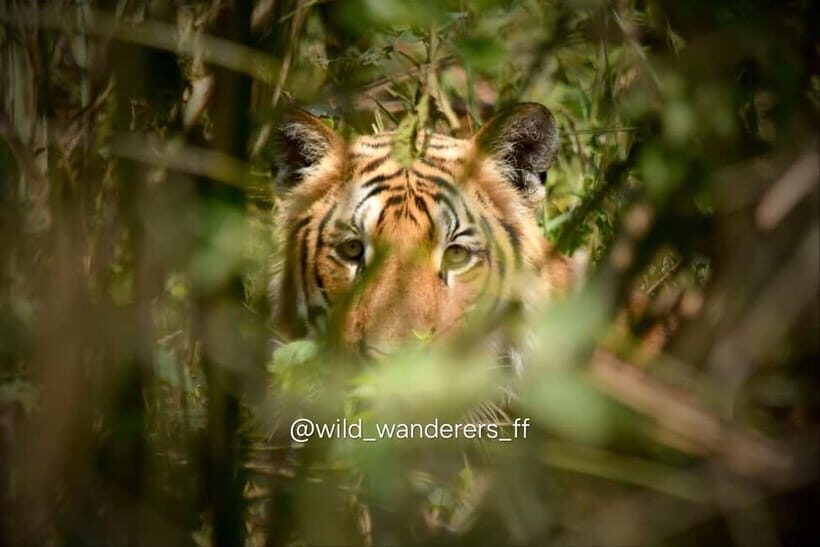
After the canoe, the day shifts to the jungle walk. This part is about quiet attention and reading the park, not sprinting through it. You’ll spend 3 hours on foot with a guide who helps you scan patiently and understand what you’re looking at.
This is also where the big-chance energy shows up. One of the most satisfying moments from the experience is how rhino sightings can happen early—sometimes within the first stretch of walking. If you’re chasing rhinos, that matters. You’re not waiting for a lucky break from the jeep; you’re actively looking with someone who knows how to spot activity and where to focus.
You can also expect smaller wins that add up: different bird species, chances to see deer, and the overall feel of moving through the habitat rather than just driving along roads. The best guides make the walk feel purposeful. People highlight how guides explain what they’re seeing and why it matters, which turns the walk into more than just exercise.
Comfort tip: wear comfortable shoes. The walk is a jungle walk, so think grip and support, not fashion sneakers.
Jeep Safari Timing by Season: 4 Hours in Peak Months, Shorter in Monsoon
The jeep safari is the third way you cover ground. In the ideal weather window, you get 4 hours for the jeep portion. That’s listed as available from October to May.
In monsoon season (June to mid-October), the standard 4-hour jeep safari is closed, and the alternative is a 2.5-hour jeep safari instead. If you’re traveling in wet months, that season change is the difference between a longer route and a shorter one, so manage expectations. The good news is you still get the structure of the day; you just don’t get the full jeep time.
Also know this: the jeep ride isn’t always described as super comfortable. If you’re sensitive to bumpy roads, bring a mindset of rough comfort and focus on the fact that you’re there for wildlife, not a smooth car ride. A small group helps here too, since you’re less likely to be crowded into a seat with no room to shift.
Lunch, Small-Group Pace, and What the Guides Really Do
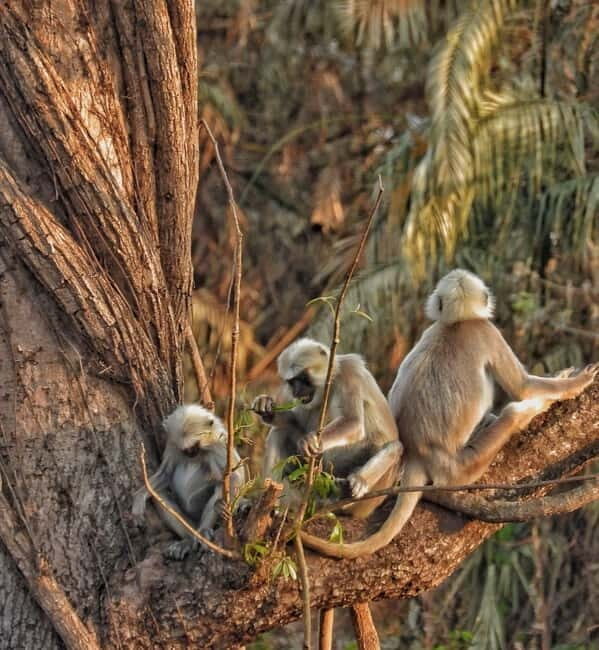
Your day isn’t just three activities in a row. The guides help connect the dots between them. One of the most praised parts of this experience is how the guides work—spotting animals, explaining what’s happening, and keeping you safe while you’re watching from different angles.
You’ll often see names like Mohan and Ramu attached to the guiding side, and you may also hear about Suraj as an organiser who coordinates the day smoothly. Another guide named Shiva is also mentioned for tracking ability and friendly, detailed explanations. What ties these accounts together is the same theme: people felt comfortable because the guides were paying attention to the group and to the park.
Lunch is included, and that matters more than you might think. Chitwan days can run long, and you don’t want to be hunting for food mid-tour. With lunch handled, you can stay focused on wildlife viewing instead of logistics.
You’ll also have transportation to the safari point as part of the package, which reduces your mental load. Do note the pickup limitation: pickup and drop-off are free only if you’re staying close to the provider area or in Sauraha. If you’re farther out, you’ll have to arrange your own transfer.
What to Bring and What to Skip in the Park
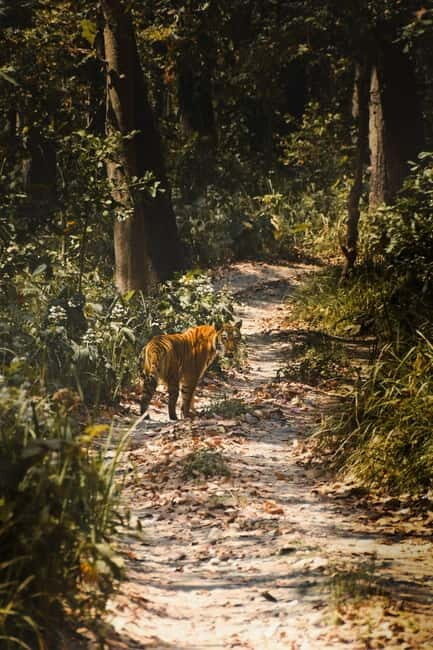
This tour gives you the gear basics by planning the day, but you still control what you show up with. Bring:
- Comfortable shoes
- Camera
- Sunscreen
- Water
- Insect repellent
In Chitwan, bugs are real, and a sunburn can ruin a photography day. Water keeps your head clear, especially if your guide is calling out sightings and you’re trying to react fast.
Also follow the rules listed for the park experience. Drones aren’t allowed. Fishing isn’t allowed. Avoid smoking and don’t bring or drink alcohol. Feeding animals is a strict no. The tour also notes restrictions like no large luggage or bags and no baby strollers. If you’re bringing a camera bag, keep it simple and easy to carry.
One more practical detail: bright colors aren’t allowed in the vehicle. That’s not a style judgment—it’s about keeping wildlife encounters calm.
Optional Crocodile Breeding Center: The Extra 100 NPR Stop
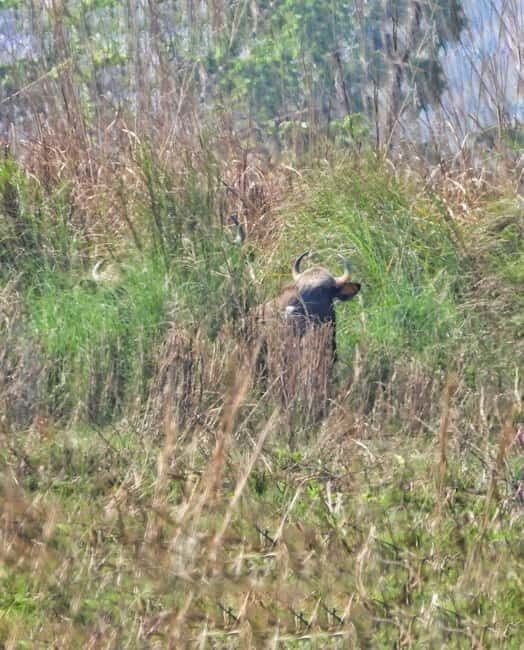
There’s an optional add-on that’s easy to miss if you don’t read carefully: the crocodile breeding center. If you’re interested in conservation beyond the river ride, you can pay 100 Nepali rupees as a donation for conservation.
Is it worth it? If you care about how conservation works in Chitwan, it’s the kind of stop that adds meaning to what you’ve just watched. It’s not required for the main safari, so treat it as a personal choice. If you’re mainly here for animal sightings and don’t want an extra cost, skip it and keep your focus on the three core activities.
Price and Value for $86: What You’re Actually Paying For
At $86 per person for a 10-hour experience, the real question is value: are you paying for activity count, or for the essentials that make wildlife viewing easier?
Here’s what’s included:
- Canoeing (1 hour)
- Jungle walk (3 hours)
- Jeep safari (4 hours in Oct–May), or 2.5 hours in monsoon if the standard jeep option is closed
- Professional guiding
- Transportation to the safari point
- Chitwan National Park entry permit
- Lunch
For many people, the value comes from having permits and a professional guide handled for you. Entry permits and park access can add up fast when you’re piecing things together on your own. Lunch included also protects you from the common problem of paying extra and then losing time.
The one value hit to consider is pickup logistics. If you’re not in the Sauraha area or staying close to the meeting setup, you’ll likely need to arrange transfer yourself. That may add cost depending on where your hotel is.
In short: the price feels fair when you want a full-day wildlife plan with guiding and access sorted. It’s less of a bargain if you already have your own transfer and you’re only interested in one segment, like the canoe.
Should You Book This Full-Day Chitwan Safari?
Book it if you:
- Want the best chance of variety in wildlife viewing during one day
- Like a guide who explains what you’re seeing and helps you spot animals (names like Mohan, Ramu, Shiva, and organiser Suraj come up often)
- Prefer a small group pace
- Are okay with the idea that jeep comfort can be average, because wildlife viewing is the goal
Skip it or rethink it if you’re:
- Traveling during monsoon and counting on the full 4 hours of jeep time
- Sensitive to bumpy rides and you expect vehicle comfort to be top-tier
- Not able to do a walk comfortably (wheelchair users are noted as not suitable)
If you’re deciding between doing one type of safari and doing all three in a day, this is the option that keeps your time in Chitwan productive: canoe for river life, jungle walk for close tracking, and jeep for wide-ranging wildlife scans.
FAQ
How long is the tour?
The experience runs for about 10 hours.
What activities are included in this full-day safari?
It includes canoeing (1 hour), a jungle walk (3 hours), and a jeep safari (4 hours in October–May, or 2.5 hours in monsoon months when the standard jeep option is closed), plus lunch.
Is the jeep safari the same year-round?
No. The 4-hour jeep safari is listed as available October to May. In monsoon season (June to mid-October), the 4-hour option is closed and a 2.5-hour jeep safari is organised instead.
What’s the group size and guide languages?
The group is limited to 6 participants. The live guide speaks English and Hindi.
Is pickup and drop-off included?
Pickup and drop-off are free only for people staying close to the provider’s location or in the Sauraha area. If you’re farther away, you’ll need to manage your transfer yourself.
Do I need to pay for the crocodile breeding center?
There’s an optional donation fee of 100 Nepali rupees for the crocodile breeding center if you’re interested in seeing it.
What should I bring for the tour?
Bring comfortable shoes, a camera, sunscreen, water, and insect repellent.
Can I cancel, and get a refund?
Yes. The tour offers free cancellation up to 24 hours in advance for a full refund.