REVIEW · KATHMANDU
15-Day Private Annapurna Circuit Trek from Kathmandu
Book on Viator →Operated by Himalaya Guide Nepal · Bookable on Viator
This trek feels like family. What makes this 15-day private Annapurna Circuit special is the homely environment and the chance to learn Nepali while you hike, run by a family-based team. I also like the built-in acclimatization in Manang before the real altitude test at Thorong La, so you’re not just sprinting uphill. One consideration: the days are long and the climb to Thorong La demands a steady pace and solid moderate fitness.
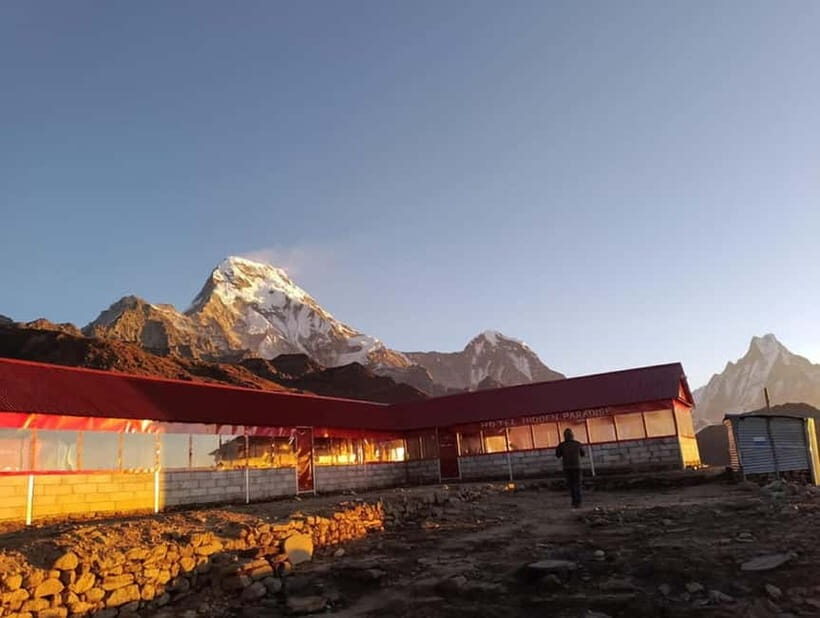
You start with an airport pickup in Kathmandu (Tribhuvan Airport) and a scheduled start time of 10:15 am, then you work into the trek with a bus ride toward Lamjung and the Annapurna trails. On the hiking days, you sleep in simple lodge-style rooms (normal lodge accommodation), and the tour includes your meals so you’re not constantly hunting for food at the end of each grind.
Price-wise, the big value is that the trek setup isn’t just a guide and a bed. You also get the permits handled (ACAP permit and TIMS card), the guide’s equipment and insurance coverage, and the transportation links that can be the headache in Nepal. The tradeoff is that this is not a luxury trek: hot and cold drinks, extra Kathmandu/Pokhara nights, and travel insurance are not included, so plan those separately.
In This Review
- Key Highlights You’ll Feel on the Trail
- Value for $995: What’s Actually Included (and What Isn’t)
- Day 1 to Day 2: Kathmandu to Lamjung, then Ghermu’s Village Rhythm
- Day 3 to Day 4: Chamje and Chame, Suspension Bridges and the Steep Parts
- Day 5 to Day 8: From Manang Forest Trails to a Real Acclimatization Reset
- Days 9 and 10: The Thorong La Approach and the Long Start
- Day 11 to Day 12: Muktinath Options, Then Tatopani’s Hot Springs and Down-Trek Energy
- Day 13 to Day 14: Magar Villages, Rhododendron Pine Forest, and Poon Hill Sunrise
- Day 15: Pokhara Back to Kathmandu, Plus the Farewell Dinner
- Guides, Safety, and the Human Touch Behind the Logistics
- Who This Trek Fits Best (and Who Should Rethink)
- Should You Book This Annapurna Circuit Trek?
- FAQ
- Where does the tour start, and when is the meeting time?
- How long is the Annapurna Circuit trek?
- What does the $995 per person price include?
- Are porter services included?
- Is travel insurance included?
- Do I need extra nights in Kathmandu or Pokhara?
- Will I trek the whole way after Thorong La?
- What kind of accommodation should I expect during the trek?
- What if I need to cancel?
- Is this a private tour?
Key Highlights You’ll Feel on the Trail
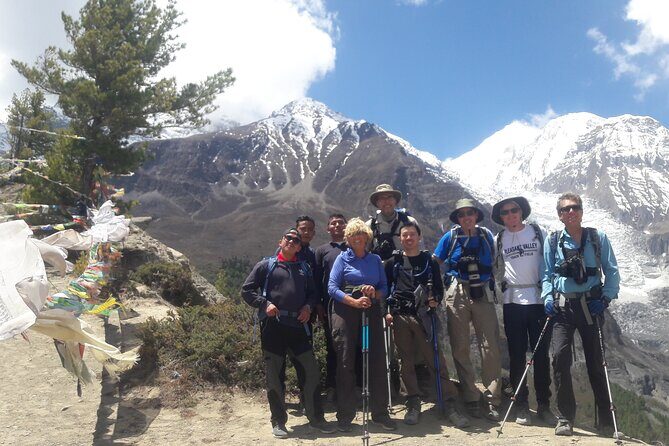
- Family-run team feel + Nepali language practice during the trek
- Acclimatization day in Manang before the Thorong La push
- Thorong La timing support, with an organized last-camp approach
- Permits and TIMS/ACAP included, so paperwork is one less stress
- Poon Hill sunrise and Pokhara lakeside to finish strong
- Private group logistics, with pickup, bus segments, and public-transport connections handled
Value for $995: What’s Actually Included (and What Isn’t)
At $995 per person for an about-15-day private Annapurna Circuit, the smartest way to judge value is to look at what’s bundled. Here, you’re not only buying a route. You’re buying the hard parts of organizing it: airport pickup, key transportation legs, and daily meals on the trek.
Your included basics:
- Airport pickup and drop (hotel-to-airport flow)
- A bus ride toward Bulbule (about 6–7 hours)
- Public transportation during the post-pass segment (Muktinath to Tatopani)
- Car transport from Nayapul to Pokhara (trek end to city)
- Deluxe tourist bus from Pokhara back to Kathmandu
- Lodge accommodation on the trek (normal lodge standard)
- An experienced guide (with the guide’s salary, equipment, insurance, and food covered)
- Legal permits: ACAP and TIMS
- Government taxes
- 15 breakfasts, 15 lunches, and 15 dinners
- A farewell lunch or dinner and a token from the company
What you should budget extra for:
- Travel insurance (not included)
- Hot/cold drinks like soda, beer, or mineral water
- Extra nights and extra meals in Kathmandu and Pokhara
- Personal expenses (laundry, charging gear, shower and hot water when available, phone costs)
- A porter (optional. They can organize one per request, but it’s not included)
The practical takeaway: if you want fewer moving parts, and you like the comfort of knowing your meals and permits are handled, this package is priced to make the trek smoother.
You can also read our reviews of more private tours in Kathmandu


Day 1 to Day 2: Kathmandu to Lamjung, then Ghermu’s Village Rhythm
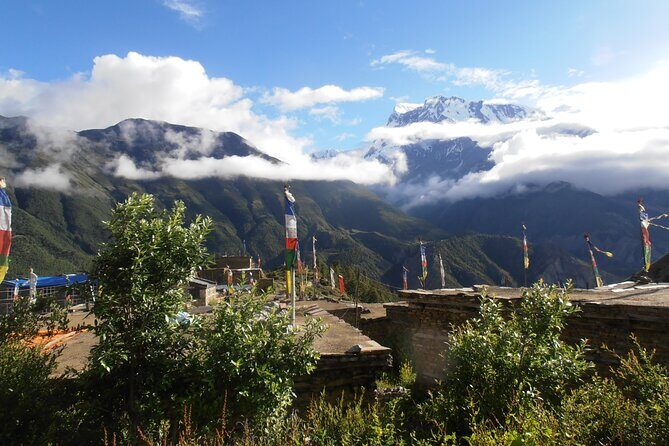
Day 1 starts with the Kathmandu-to-trail transition, using a local bus toward Besisahar-Bulbule, with views shaped by the highway corridor and the Trisuli River crossings. It’s not a dramatic “mountain summit” day. It’s the day you get set up—physically and mentally—for trekking life: sit, arrive, rest, and get your body used to Nepal’s pace.
Then Day 2 brings you into the village trek feel around Ghermu. After breakfast you walk through villages and roads, then follow the east bank of the Marshyangdi River. You’ll start doing what the Annapurna Circuit does best: turning river valleys into hiking corridors, with steady uphill followed by a solid lunch stop near Brahmin settlements around 1270 meters.
Why this early stage matters: it’s where you get your rhythm. If you rush here, you’ll pay later when the altitude climbs. If you move calmly, you’ll arrive with enough energy to enjoy the suspension-bridge moments and the stone-and-stair rhythm of the mid-trek villages.
Day 3 to Day 4: Chamje and Chame, Suspension Bridges and the Steep Parts
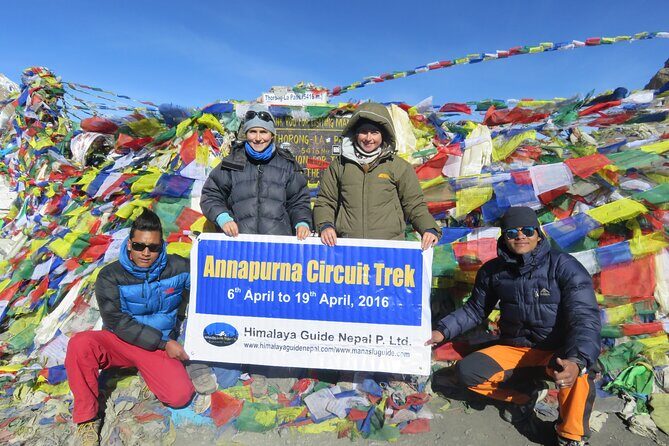
Day 3 targets Chamje, and the day’s structure is classic Annapurna Circuit energy: downhill to Syange, a suspension bridge crossing the Marshyangdi River, then a steep uphill push with dramatic cliff-face terrain along the way.
Day 4 lands at Chame, continuing the “river then rock then village” pattern. You cross another Marshyangdi suspension bridge to Karte, pass through stops like Dharapani and Bagarchhap (1960 meters), and reach Danque at 2300 meters—described with a stone entrance chorten (a small detail, but those details are part of why the trek feels grounded, not like a theme park).
Watch-out here: suspension bridges are scenic, but your steps matter. If you’re prone to dizziness or have weak balance, go slow, keep a steady breathing pattern, and avoid rushing photos.
Day 5 to Day 8: From Manang Forest Trails to a Real Acclimatization Reset
By Day 5 you reach Manang, and the day reads like a change of texture. The trail runs through dense forest and a narrow valley, then swings to the south bank of the Marshyangdi Khola. You climb toward high rock scenery where the river is dramatically below, and that “up from the river” feeling is a big part of why this circuit is so memorable.
Day 6 also centers on Manang, with the key idea that there are different ways depending on where you stayed the previous night (lower Pisang options are mentioned). The point isn’t which path is “best.” The point is that you get time to adjust to altitude while still moving.
Day 7 is your acclimatization day in Manang—and this is where your trek quality improves. You’re given time before pushing on toward Thorong La (5416 meters). There’s even an optional explore: a Lama/Monk visit where the guidance mentions a donation of 100 rupees if you go. It’s a small cultural touch, but it also gives your legs a break from the hardest elevation change.
Day 8 continues uphill movement leaving the Marshyangdi valley for the Jar Sang Khola valley route, passing pastures and scrubbier terrain as you head northward. This is still “climb, pause, climb” work—good for getting used to thinner air before the final pass challenge.
The practical value of those Manang-centered days is simple: Thorong La isn’t just a “big hike day.” It’s a whole system—sleep, hydration, pacing, and altitude tolerance. This itinerary builds the system instead of ignoring it.
Days 9 and 10: The Thorong La Approach and the Long Start
Day 9 is the last camp before crossing Thorong La Pass. The day follows yak grazing ground and includes a route down to Jarsang Khola, then a crossing back up to Durali Tea shop area. The structure matters: you’re not thrown into pass crossing without warning. You’re placed in the “ready to go” zone.
Day 10 is the day you start early for a long, hard push. It’s framed as the last night in the Manang District and described with the idea that “Phedi” means food of the hill. The emphasis is on beginning before the hardest part arrives—because the pass doesn’t care about your plans.
Here’s what I’d personally tell you to do with this day’s energy: pack your routine. Eat something that sits well. Hydrate steadily. Keep your layers ready for sudden temperature swings (even if you don’t get snow, early-morning mountain air can bite). And set expectations: the climb is repetitive in a good way. Step, breathe, step. The pass is rarely won by speed.
You can also read our reviews of more hiking tours in Kathmandu



Day 11 to Day 12: Muktinath Options, Then Tatopani’s Hot Springs and Down-Trek Energy
Day 11 is where the post-pass route options show up. The plan describes different routes from Muktinath to Tatopani or Pokhara. One option mentioned is taking a short flight from Jomsom to Pokhara, then walking through Tatopani over about three days, including Marpha, Ghasa, and Tatopa (spelling as provided). That’s a big deal for value if you’re trying to reduce time on long transport days while still getting a taste of the valley.
Day 12 heads to Shikha. You start after a day that includes hot springs (the itinerary calls out enjoying the hot spring), then trek down before crossing a suspension bridge over the Kaligandaki River. The route runs by Burung Khola for a while until arriving at a junction point for the next leg.
Why this segment is worth it: hot springs and a river crossing give you a physical reset after the pass. It’s also your mental reset. Thorong La is a high point in more than one way. Days 11–12 help you come down without feeling like you’ve been dropped back into normal life too fast.
Day 13 to Day 14: Magar Villages, Rhododendron Pine Forest, and Poon Hill Sunrise
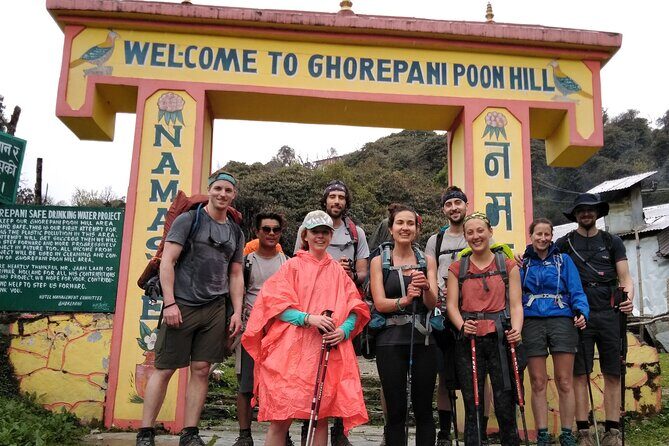
Day 13 brings you to Ghorepani. The day is described as walking through Magar villages of Phalate and Chitre, then into terraced fields and a dense rhododendron and pine forest. It’s also flagged as quite hard—so don’t treat it like a casual stroll just because you’re finishing the trek.
This matters for planning your energy. If you want to enjoy sunrise on Day 14, you’ll want your body to arrive at Ghorepani feeling tired but not wrecked.
Day 14 ends in Pokhara Lakeside, with an early hike to Poon Hill (3210 meters) for sunrise. The viewpoint is described as offering views of Mt. Dhaulagiri, Tukuche Peak, Nilgiri, Annapurna South, Himchuli, and surrounding peaks. The hike is described as short (about 40–50m in the provided description), and the tone is clearly about getting up, seeing the light, then returning for the next phase in comfort.
Practical expectation: sunrise mornings are cold. Bring layers you’re willing to carry. Even if your trek day clothes are fine for daytime, sunrise often needs extra warmth.
Day 15: Pokhara Back to Kathmandu, Plus the Farewell Dinner
Day 15 is your return travel and celebration day. The itinerary describes transport from Pokhara to Kathmandu using tourist bus options, and you finish with a farewell dinner.
This is a nice closure. You’re not left to scramble for your own return arrangements right after a pass crossing and a sunrise. You get to transition, shower (as available in your hotels), and digest the whole circuit.
Guides, Safety, and the Human Touch Behind the Logistics
This trek leans hard on guidance and daily order. Your included guide isn’t just a walking buddy. The package states the guide’s salary, equipment, insurance, transportation, lodging, and food are covered. That’s the kind of setup that tends to reduce the guesswork when conditions change.
From the names and impressions shared in the provided trek history, guides mentioned include Bhai Pratap, Dinesh, Salman, and Bashudev, with Chandra referenced for arrangements and Binoot mentioned alongside Dinesh. The repeated theme is safety-first and a friendly, high-energy style—cheerful enough to keep you moving, responsible enough to keep your day on track.
One more human detail that I really like here: the trek is framed as a family team running the company, and you’re offered Nepali language teaching during the trip. You won’t become fluent on a circuit trek, but you’ll pick up useful words and you’ll feel less like an outsider in tea houses and village stops.
Who This Trek Fits Best (and Who Should Rethink)
This is a strong fit if you:
- Want a private Annapurna Circuit with your own group only
- Prefer meals and permits to be handled
- Can handle days with 6–12+ hours of walking time blocks
- Want an acclimatization plan that doesn’t ignore altitude realities
You might rethink it if:
- You’re looking for a luxury lodge setup (this is “normal lodge”)
- You want constant access to bottled drinks and paid hot showers included in the price (those aren’t included)
- You’re not comfortable with the reality of Thorong La timing and early starts
The sweet spot is moderate fitness plus a willingness to walk steadily and accept that mountain days don’t run on your timetable.
Should You Book This Annapurna Circuit Trek?
I’d book this if you want the Annapurna Circuit without the paperwork stress, without figuring out transport connections, and without having to build each day’s meal plan. The included permits (ACAP and TIMS), the guide setup, and the daily meals are the kind of value that adds up fast once you’re in Nepal.
I’d hesitate if you’re the type who needs lots of downtime between steep days, or if you’d struggle with a long pass day that requires an early start. Also, if you don’t already have travel insurance, you’ll need to add it yourself.
If you like clear structure, cultural small moments, and a finish that includes Poon Hill sunrise plus a smooth ride back to Kathmandu, this itinerary makes a lot of sense for your money and your sanity.
FAQ
Where does the tour start, and when is the meeting time?
The meeting point is Tribhuvan Airport in Kathmandu, Nepal, with a start time of 10:15 am.
How long is the Annapurna Circuit trek?
It’s listed as 15 days (approximately).
What does the $995 per person price include?
The package includes international airport pickup and drop (airport to hotel to airport), a bus ticket to Bulbule, public transportation from Muktinath to Tatopani, Nayapul to Pokhara by car, a deluxe tourist bus from Pokhara to Kathmandu, lodge accommodation on the trek, an experienced guide, ACAP permit and TIMS card, government taxes, daily breakfasts/lunches/dinners, and a farewell lunch or dinner plus a token from the company.
Are porter services included?
Porter services are not included, but the company says they are happy to organize a porter per request.
Is travel insurance included?
No, travel insurance is not included.
Do I need extra nights in Kathmandu or Pokhara?
Extra night accommodation and food in Kathmandu and Pokhara are not included.
Will I trek the whole way after Thorong La?
There are optional routes after Muktinath, including options to reach Tatopani or Pokhara. A short route flight from Jomsom to Pokhara is also mentioned, followed by walking through Tatopani on a multi-day route.
What kind of accommodation should I expect during the trek?
You’ll stay in lodges during the trek with normal lodge accommodation.
What if I need to cancel?
Free cancellation is available if you cancel up to 24 hours in advance for a full refund. If you cancel less than 24 hours before the start time, the amount paid is not refunded.
Is this a private tour?
Yes. It’s a private tour/activity, and only your group participates.