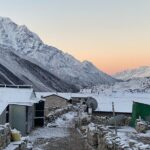
A quiet mind and big mountains share the same trail here. This 15-day Annapurna Base Camp yoga trek pairs daily morning and evening yoga with hikes that take you through villages like Chhomrong and Ghandruk, up to sunrise at Poon Hill, and onward toward the Annapurna Base Camp area with views that keep you looking up. I love the way the schedule builds in recovery (yoga after walking) and the way the team handles the moving parts with a professional guide like Manoj, plus the owner’s caring communication led by Tirtha. One drawback to consider: you still need solid hiking stamina and early starts, because the trek is active and the experience depends on good weather.
The value is in the combination: 15 nights of accommodation with breakfasts, transport between major stops, and yoga classes that don’t feel tacked on. With a max group size of 20, you get a social setting without it turning into chaos. If you want Annapurna Base Camp but also want breathing work and meditation to keep you steady, this format is a very practical fit.
In This Review
- Key things I’d plan around (from what this trip emphasizes)
- Why Annapurna Base Camp, and why add yoga?
- Price and logistics: what $2,133.34 really covers
- Kathmandu setup: yoga, welcome dinner, and getting your bearings
- Pokhara transfer: scenic road time and a reset before the trail
- Into the Annapurna trails: Tikhedhunga, Ghorepani, and Poon Hill sunrise
- Chhomrong to Dobhan: classic village views and steady climbing
- Deurali and the Machhapuchhre moment (plus Hinko Cave)
- Reaching Annapurna Base Camp and coming back down through Sinuwa
- Ghandruk: forest walking, Gurung culture, and dinner in a home
- Back to Kathmandu: shopping time and an easy final day
- Yoga on the trail: morning/evening classes that can change how you cope
- Who’s leading you: Manoj and the team vibe
- Pace, fitness, and weather: the reality check you should respect
- Packing and money notes that can surprise you
- Who should book this Annapurna yoga trekking plan
- Should you book this tour?
- FAQ
- How long is the Annapurna Base Camp yoga trekking trip?
- Where does the trip start and end?
- What does the trip include for meals?
- Does the tour include yoga and meditation?
- What transport is included?
- Is a sleeping bag included?
- What cancellation window is offered?
Key things I’d plan around (from what this trip emphasizes)
- Daily yoga morning and evening plus pranayama and meditation in the Kathmandu start phase
- Poon Hill sunrise at 3,210 m, then a return to keep the day’s effort balanced
- Village trekking rhythm through Tikhedhunga, Ghorepani, Chhomrong, Dobhan, Deurali, Sinuwa, and Ghandruk
- Special waypoints like Nangethanti at 2,460 m and Hinko Cave at 3,100 m
- Cultural dinner in Ghandruk with a Gurung ethnic family
- Transport handling with overland legs plus domestic flights mentioned in the plan
Why Annapurna Base Camp, and why add yoga?
Annapurna Base Camp is one of those routes where the scenery upgrades your effort. Even before you reach the final area, you’re regularly met with big mountain silhouettes and changing valleys, plus classic tea-house trekking villages. This trek also gives you a built-in reason to slow your breathing and reset your attention, not just push your legs.
The yoga part isn’t just a nice extra on paper. You practice morning and evening classes, and the plan explicitly includes pranayama and meditation when you’re in Kathmandu at the start. That matters because a long day of uphill can turn your mind into a checklist of aches; yoga gives you a different way to measure progress—how you feel, how you recover, and how steady your focus becomes.
One more reason this blend works: the itinerary repeats the same idea—walk, rest, move your body gently again. When you’re descending after a higher day, yoga and stretching can help you stay functional instead of just stiff. If you’re the type who likes structure, this trip’s rhythm will feel reassuring.
You can also read our reviews of more hiking tours in Kathmandu


Price and logistics: what $2,133.34 really covers
At $2,133.34 per person for about 15 days, the price looks like it includes the “hard parts” of organizing trekking in Nepal. You’re getting 15 nights of accommodation and daily breakfasts, plus yoga classes as part of the itinerary, not something you arrange yourself. The transport plan also includes overland travel and domestic flight coverage during the trek, which can reduce the number of separate bookings you’d otherwise juggle.
You’re also paying for the trail access side: applicable fees for the trekking route, national park, and conservation center are listed as included. In practical terms, that means less admin stress and fewer chances of forgetting a document or missing a fee that would otherwise create delays.
What you should plan to spend separately is also clear. Visa fees, medical insurance, airport tax, and travel and rescue insurance are not included. Personal meals beyond the included breakfasts, phone calls, laundry, bar bills, battery recharge, and potential extra costs like emergency evacuation charges are also not included. Finally, tips for guides and porters aren’t offered, so budget for gratuities if that’s your usual practice.
Kathmandu setup: yoga, welcome dinner, and getting your bearings
Day 1 and Day 2 are less about trekking and more about arriving in Nepal smoothly. You get accommodation in Kathmandu, plus time to rest or do shopping before the welcome dinner organized by the office. That first evening is useful if you arrive tired or jet-lagged, because you’re not immediately thrown into logistics.
Day 2 is where the trip starts teaching you its pacing. You do yoga in the morning before breakfast, then later you practice pranayama and meditation in the evening. If you like the idea of stepping onto the trail already grounded—rather than hoping you’ll “figure it out” after the first hard climb—this start phase is a strong match.
One thing I’d watch: the start time is listed early (12:15 am). That can mean you’ll need to coordinate your arrival so you can still function on Day 1. If you travel internationally, pick flight times that give you a real chance to sleep, not just land and sprint.
Pokhara transfer: scenic road time and a reset before the trail
On Day 3, the plan moves you from Kathmandu to Pokhara by bus, taking about 7 hours. Even if you’ve never road-tripped Nepal before, that long window matters because it sets expectations: you’ll spend hours seated, then you’ll start stepping toward the trekking route.
Pokhara is where you overnight before the first real walking days. You’re transferred to a hotel after arriving, and you get that short buffer to pack, rest your legs, and prepare your daypacks. It’s also a good psychological transition: you leave the Kathmandu city energy behind and step into the rhythm of a trekking region.
Into the Annapurna trails: Tikhedhunga, Ghorepani, and Poon Hill sunrise
Days 4 through 6 are your early traction phase. You drive to Nayapul (about an hour from the hotel base), then begin trekking through the lower valley rhythm. The route starts with walking to Birethanti, then continuing to Tikhedhunga where you overnight. Tikhedhunga is a common gateway stop, and it’s a good place to judge your pace: if you go out too fast, you’ll feel it right away.
Day 5 continues through forest-heavy trekking. You head toward Ghorepani, walking past rhododendron and oak forests and crossing Bhurungdi Khola (stream). You stop at Nangethanti at 2,460 m for lunch, then continue onward to Ghorepani for the night. This is the day where you learn what steady hiking feels like in this region: consistent effort, lots of foot placement, and a gradual sense of being higher.
Day 6 is the famous highlight with a purpose: sunrise at Poon Hill (3,210 m). The plan says early morning sunrise, then a return back to Ghorepani. After that, you start toward Tadapani, and the trail is described as steep through pine and rhododendron forests. You lunch at Deurali (2,960 m) and then continue down to Tadapani for the overnight.
Here’s the consideration: Poon Hill sunrise days are early by definition. If you hate waking up before your alarm even bothers to ring, this might feel rough. But if you’re the type who likes a clear goal that rewards the effort, it’s a big payoff—plus it helps you break the trek into meaningful segments rather than one long slog.




Chhomrong to Dobhan: classic village views and steady climbing
Day 7 takes you from Tadapani to Chhomrong, a beautiful village and a key base area near Himal Chuli. The plan highlights Chhomrong as the last permanent settlement in the valley. That matters because villages at this stage feel more substantial than “just a stop”; you often get a better sense of local life and where the trekking community has settled into the mountains.
On Day 8, you move from Chhomrong toward Dobhan. The route descends to Chhomrong Khola, then climbs to Sinuwa. From there, you walk through the upper Modi Khola valley, take lunch, then continue to Dobhan via forest. This day has a classic Annapurna feel: down to reset your legs, up to regain altitude, and plenty of time where your body learns to work with the terrain.
This is also where the yoga format can shine. When you’ve already done a few days of walking, your muscles begin to “talk back.” Daily yoga and breathing practices can make those conversations less painful and more manageable, especially when the hike alternates between climbs and descents.
Deurali and the Machhapuchhre moment (plus Hinko Cave)
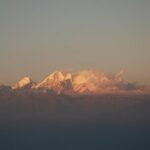
Day 9 is described as moving from Dobhan to Deurali with some standout natural moments. You pass Hinko Cave at about 3,100 m, then continue through jungle where wildlife like deer, jackals, and peacocks may appear. The itinerary also calls out close views of Machhapuchhre Mountain, known as Fish Tail.
If you love mountain shape recognition, this is a meaningful day. Machhapuchhre’s silhouette is famous for a reason, and the fact that the route points it out gives you a mental cue to stop and look. That’s where yoga can help too—slower breathing makes it easier to enjoy the view instead of just catching your breath and moving on.
You end the day in Deurali, setting you up for the final push described in the plan toward Annapurna Base Camp.
Reaching Annapurna Base Camp and coming back down through Sinuwa
Day 10 is the big transition: starting from Deurali toward the Annapurna Base Camp area, described as surrounded by mountains with very real views from the base. You overnight in the Annapurna Base Camp area. Even if your weather changes minute to minute, being there at the right time is the point.
Day 11 starts the return journey, walking from Annapurna Base Camp to Sinuwa. The plan notes the way is mostly descent and highlights enjoyment in the walk. Lunch is taken on the way, then you overnight in Sinuwa.
This is one of the most important “hidden” skills in trekking: descending well. It’s easier on your altitude stress than climbing, but harder on your knees and ankles. With yoga built into the schedule, you’re more likely to keep your movement smooth instead of guarding every step.
Ghandruk: forest walking, Gurung culture, and dinner in a home
Day 12 walks from Sinuwa to Ghandruk. The route is forested and heads downward, and you arrive at Ghandruk after walking from Deurali. The plan is specific that Ghandruk is a Gurung ethnic village, known for culture, tradition, language, dress, and lifestyle.
The dinner plan is a highlight: you eat dinner in the house of an ethnic family in Ghandruk. That’s one of those experiences that can be the difference between a trek that feels like a checklist and one that feels human. It’s not just scenery; you’re stepping into a community that has hosted trekkers for years.
Day 13 continues the descent to finish the main trek segment: you walk from Ghandruk to Nayapul, then drive back to Pokhara. You might celebrate that completion day, and you overnight in a hotel in Pokhara.
Back to Kathmandu: shopping time and an easy final day
Day 14 moves you from Pokhara to Kathmandu by drive, about 7 hours. The plan says you’ll have free time when you arrive, including time for shopping. This is where you can pick up trekking-friendly souvenirs, gifts, or simple Nepal reminders to take home.
Day 15 is the last day. You leave Nepal from Tribhuval International airport, with the trek returning you to the meeting point area in Kathmandu. It’s a clean wrap: trek, return, then go home without needing to invent one more logistical step.
Yoga on the trail: morning/evening classes that can change how you cope
This tour is built around yoga as a daily practice. You do yoga in the morning and evening, and the itinerary also includes pranayama and meditation early on in Kathmandu. That’s not a throwaway wellness program; it’s tied to your trekking days.
From the feedback patterns, the yoga element is often described as life-changing because it’s done in open natural space and paired with long walking. The idea is simple: breathwork helps you regulate effort, meditation helps you settle your mind when your body is tired, and stretching helps you recover between hiking days.
Practical note: this is still a hiking trek. If you expect a luxury yoga retreat where hiking is optional, you may feel disappointed. But if you want yoga to support your trekking—not replace it—this format fits well.
Who’s leading you: Manoj and the team vibe
The reviews put a spotlight on guide professionalism. One clear name that appears is Manoj, described as very professional and helpful in keeping the trek systematic. That matters because a trek with yoga still needs solid pacing, route knowledge, and quick problem-solving when conditions change.
The owner and trip coordinator role also shows up via Tirtha in communication and ongoing care. Reviews describe yoga teachers as kind and helpful, with one mention that the owner has a yoga and spiritual background. Even without getting poetic, the takeaway is practical: you’re not just buying transport and beds; you’re joining a team that understands how yoga and trekking need to be blended day to day.
Group size is capped at 20, which tends to keep things manageable: you can still talk with fellow hikers, but you’re less likely to feel like a number in a crowd.
Pace, fitness, and weather: the reality check you should respect
The plan asks for moderate physical fitness and hiking experience. That’s accurate: you’ll be walking daily, including steep sections and early starts like sunrise at Poon Hill. You’ll also do multiple days of altitude gain and descent, including forest trails and river crossings described along the route.
Weather is a real factor here. The experience requires good weather, and if it’s canceled due to poor conditions, you’ll be offered another date or a full refund. In the mountains, that’s not a small detail. It affects visibility, trail safety, and how enjoyable the final views are.
Pack for changing conditions. Even though the itinerary doesn’t list gear items, you should assume mornings will be cold (especially the sunrise day) and afternoons can warm up. And bring layers you can layer in and out between yoga sessions and hiking.
Packing and money notes that can surprise you
Some items are explicitly not included. You should plan for your own personal sleeping bag and bags, plus personal meals of your interest. If you rely on charging devices or want to use phones frequently, battery recharge costs and phone calls aren’t included.
Also note this: extra porter needs and emergency evacuation charges aren’t included. That doesn’t mean you’ll have those costs—it just means you should be prepared with travel insurance and a cushion if you want peace of mind.
Finally, the trip doesn’t offer tips for guides and porters. If you value good service (and you likely will here), budget for gratuities.
Who should book this Annapurna yoga trekking plan
I’d point this tour at you if you want Annapurna Base Camp but also want a structured way to manage stress and recovery. It’s best for fit, outdoor-loving travelers with hiking experience who like the idea of combining daily practice with daily movement.
It also suits you if you enjoy sunrise moments and route variety. The itinerary includes forest walking, village culture stops, and named waypoints like Poon Hill at 3,210 m and Hinko Cave at 3,100 m. If you want the trip to feel guided and organized, the team-led nature and group size cap make it easier.
Should you book this tour?
If your goal is Annapurna Base Camp with daily yoga and meditation built into the schedule, I think this is a smart booking. You get organized transport, 15 nights with breakfasts, daily yoga, and route/fee coverage, which removes many of the headaches that can make independent trekking stressful.
I’d hesitate if you dislike early mornings, or if you want a trip where yoga is the main event and hiking is light. This plan is still a real trek, with steep and active days that demand moderate fitness and hiking experience.
If you’re the type who likes practical structure and wants your mind as trained as your legs, go for it. It’s one of those rare mixes where the recovery practice is not an afterthought—it’s part of the journey.
FAQ
How long is the Annapurna Base Camp yoga trekking trip?
It’s listed as 15 days (approximately).
Where does the trip start and end?
It starts and ends back at the meeting point in Kathmandu, Nepal (Kathmandu 44600).
What does the trip include for meals?
Breakfast is included daily (15 breakfasts). Other meals are not included.
Does the tour include yoga and meditation?
Yes. The itinerary includes daily morning and evening yoga classes, and it also specifies pranayama and meditation during the Kathmandu portion.
What transport is included?
Overland travel is included, and domestic flights are also listed as part of the trek transport plan.
Is a sleeping bag included?
No. Personal sleeping bags and bags are not included.
What cancellation window is offered?
You can cancel up to 6 days in advance for a full refund, and cancel 2–6 days before for a 50% refund. Within 2 days, there is no refund. If canceled due to poor weather, you’ll be offered a different date or a full refund.