REVIEW · KATHMANDU
Mardi Himal
Book on Viator →Operated by Himalayan Wander Walkers · Bookable on Viator
Mardi Himal delivers big mountain payoff fast. This trek in the Annapurna region mixes classic villages with quick swings from forest paths to high, sharp ridgelines, so the scenery feels like it changes every day. I like how direct the route is for a short-duration trek, and I also like the sunset and sunrise moments built into the plan.
What I really appreciate is the mix of structured trekking time (so you’re not guessing each day) and the freedom to aim for Mardi Himal Base Camp when conditions allow. One possible drawback: you need above-average stamina for sustained uphill at altitude, and weather can decide how far you push toward the higher points.
In This Review
- Key points before you go
- Why Mardi Himal Fits the Annapurna Mood in Fewer Days
- Day 1: Kathmandu to Pokhara, a Long Transfer That’s Still Practical
- Day 2: Phedi to Deurali via Dhampus and Pothana (Forest to Tea House)
- Day 3: Deurali to Forest Camp and Low Camp, the Machhapuchchhre Angle
- Day 4: Badal Danda Panoramas to High Camp, Plus Sunset
- Day 5: Upper View Point, Mardi Himal Base Camp Option, Then Rest Camp
- Day 6: Forest Shade Down to Kalimati, Then a Hotel Lunch With Views
- Day 7: Pokhara to Kathmandu, 6–7 Hours of Road Time
- Price and Logistics: What $693.34 Buys You (and What It Doesn’t)
- Guides and Safety: Why Dawa, Wangdu, and Karsang Keep Showing Up
- Best Seasons, Weather Reality, and Packing Smart for Tea House Trekking
- Who This Trek Fits Best (and Who Might Choose Another Style)
- Should You Book Mardi Himal With Himalayan Wander Walkers?
- FAQ
- Where does the trek start and end?
- How long is the Mardi Himal trek?
- Is pickup from Kathmandu included?
- What transport is used between cities?
- Do I need good weather for this trek?
- What fitness level do I need?
- Are meals included?
- Do I get a mobile ticket and confirmation?
- Is this a private tour?
Key points before you go
- Short, focused trek for Annapurna views without a full-length marathon
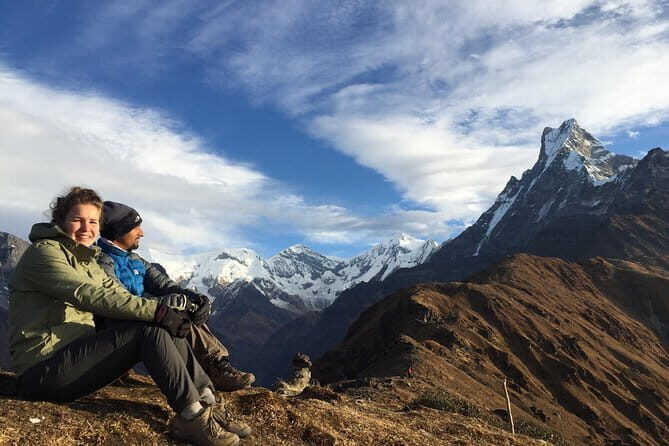
- Ridgeline moments at Badal Danda, High Camp, and an upper viewpoint for sunrise
- Tea house rhythm: lunch stops and overnight stays make the days feel manageable
- Guides named in real-life trips: Dawa, Wangdu, and Karsang are singled out for knowledge and safety
- Private setup: only your group, so the pace stays more personal
- All fees and taxes included for a smoother budget, with breakfasts covered
Why Mardi Himal Fits the Annapurna Mood in Fewer Days
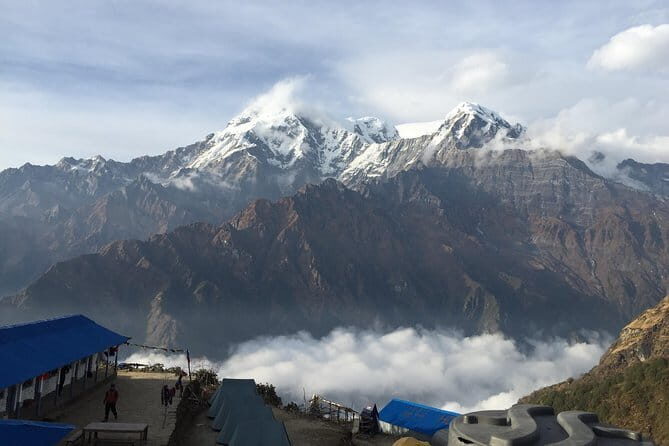
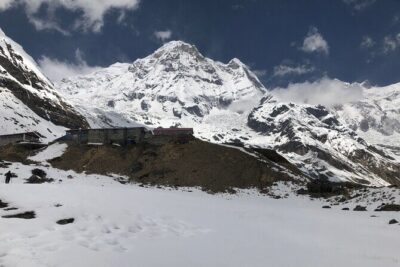
If you’re chasing Annapurna region views but don’t want a week-plus of nonstop trekking, Mardi Himal is a smart bet. You get that classic contrast: neat village life early on, then forests and ridges, then suddenly you’re staring at steep, high-mountain angles with views of Mardi Himal, Machapuchchhre (Machhapuchhare), Annapurna South, and Hiunchuli.
What makes this trek especially worth your attention is how the daily effort lines up with the scenery. You start in the lower country around Pokhara’s orbit, then the route gradually trains your legs for altitude. By the time you’re working near High Camp and beyond, the effort feels connected to payoff, not just “more uphill because we can.”
The other thing I like: it’s not just one big summit push. You’re given chances to see the mountains from different angles—panoramas from Badal Danda, sunset at High Camp, and an upper viewpoint for sunrise before the option to go toward base camp.
You can also read our reviews of more tours and experiences in Kathmandu.



Day 1: Kathmandu to Pokhara, a Long Transfer That’s Still Practical
Your trek begins in Kathmandu, with a pickup from the Thamel area. From there, you head to Pokhara by tourist bus—about 7 hours. It’s not a short hop, so treat this day like a setup day. Sit back, hydrate, and don’t overdo the big meals. You want your legs to feel decent for the first hike.
There’s also an easy logistics advantage here: the start point is near public transportation. That matters if you’re arriving on your own from other parts of town and need a place where getting there doesn’t turn into an expedition.
Day 2: Phedi to Deurali via Dhampus and Pothana (Forest to Tea House)
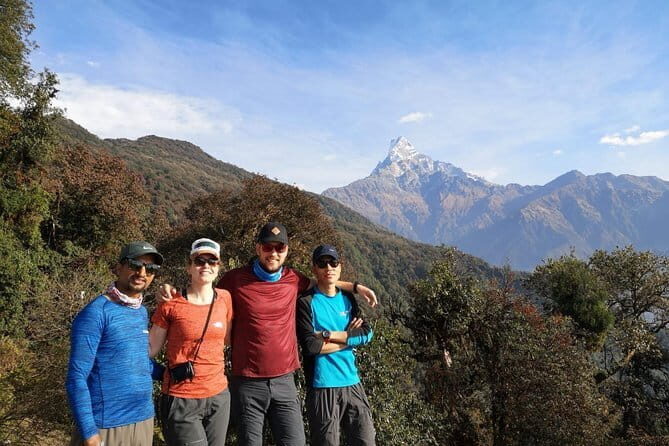
After breakfast, you drive to Phedi, then start trekking toward Deurali through Dhampus and Pothana. The walking time is about 5 hours. Early on, you ease into it: a slow climb at first, then you settle into a steady pace.
One detail I’d actually plan for: Dhampus is where the trekking permit check post is located. Lunch happens at Dhampus village, which is convenient because it wraps the paperwork moment into a normal meal break. It also helps the day feel less chaotic. You handle the formalities, eat well, and then continue hiking with less mental clutter.
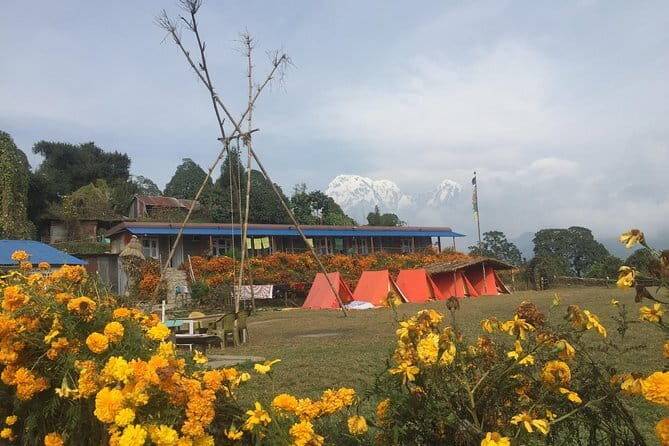
From Dhampus, the trail shifts into forest walking before reaching Deurali. You end the day overnight at a tea house. That’s the rhythm of the trek: eat, walk, check into a simple mountain base, repeat.
Potential snag: this is a steady day with a mix of climbing and forest trekking. If you’re prone to getting winded early, start slower than you think you need to.
Day 3: Deurali to Forest Camp and Low Camp, the Machhapuchchhre Angle
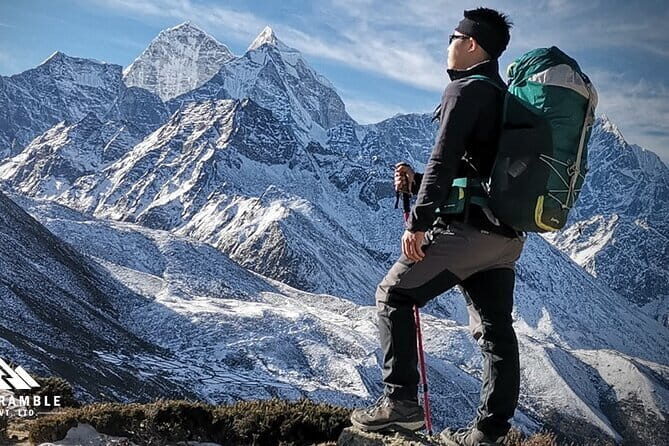
Today you’ll follow a turn in Deurali signposted Forest Camp. The trail moves through jungle at first, then undulates on a ridge. There’s a section where the trail drops steeply—so watch your footing, especially if it’s damp.
After about 4 hours, you reach Forest Camp at 2600m. The description of this part is important because it tells you what the day feels like: you’re not just trudging uphill; you’re moving along terrain that changes character. You’ll have lunch at Forest Camp, then continue for about 2 hours to Low Camp for your overnight tea-house stay.
Machhapuchchhre isn’t always a single straight-on view the entire time, but the route positions you for it. The ridges and ridge-adjacent walking make the mountain presence feel close and constant rather than something you only see from one viewpoint.
Day 4: Badal Danda Panoramas to High Camp, Plus Sunset
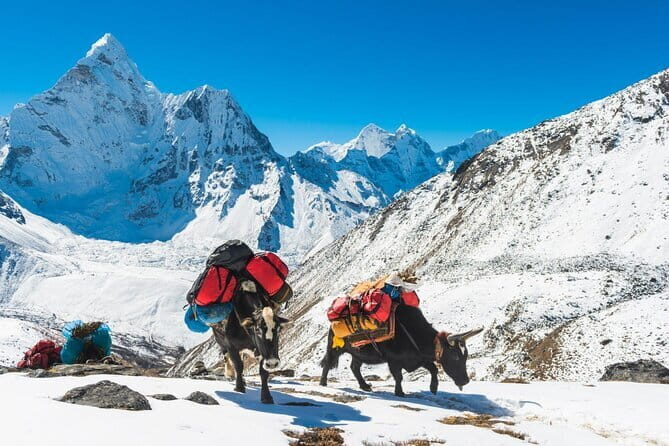
You start with breakfast, then hike about 1.5 hours to Badal Danda. This is your “stop, look around, and let your brain catch up” moment. From Badal Danda, you get excellent panoramic views of snow peaks.
From there, the plan is gentler: you hike slowly and enjoy the mountain views from each ridge. You then go directly to High Camp for lunch. In the evening, you experience sunset views, and you overnight at a tea house.
This day is built for people who like a slower, more scenic trekking style. You’re still working, but it’s not an all-out scramble. It’s more of a long walk with planned view breaks, which is exactly how you want the trek to feel before the higher base camp option on day 5.
Practical tip: sunrise and sunset trekking days are temperature swings. Plan for cold at higher altitudes and bring layers you can manage without wrestling gear mid-walk.




Day 5: Upper View Point, Mardi Himal Base Camp Option, Then Rest Camp
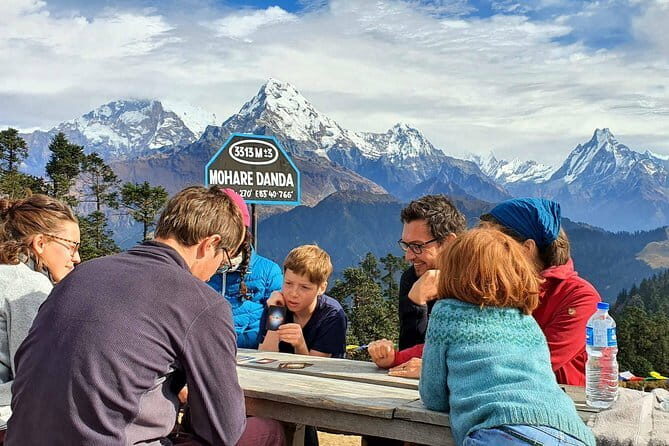
This is the day where you get the big choice. It’s possible to continue along the ridge for another 3 to 4 hours to Mardi Himal Base Camp (4500m).
Before base camp, you reach an upper viewpoint where you can catch sunrise and mountain views. The trek notes that many trekkers turn back here because the views are similar. That’s actually a useful option to know. If you’re feeling strong and the weather is cooperating, you push on. If not, you still get the core “high moment” without spending extra energy on a higher walk.
Then you return to your tea house for breakfast and trek to Rest Camp for about 3 hours. You overnight again at a tea house.
This is also the day where your body’s altitude response matters most. Don’t treat it like a race. If you’re nauseous, unusually dizzy, or your breathing feels out of sync, it’s smarter to choose the turn-back point.
Day 6: Forest Shade Down to Kalimati, Then a Hotel Lunch With Views
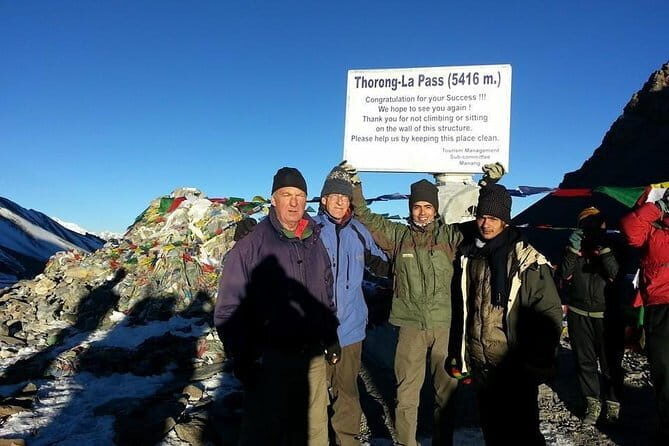
After a relaxed breakfast, you trek gently through forest shade via Forest Camp. Then you take a different route down, passing until you reach areas before terraced fields, eventually reaching Kalimati.
Lunch is at a hotel with beautiful views. That sounds like a small detail, but it’s a psychological win on a trek. After days of tea houses and simple meals, a proper hotel lunch can make you feel human again—like you’ve survived the mountains and now you’re getting rewarded.
After lunch, you drive to Pokhara. The drive takes about 2 hours, so you’re not stuck for the entire day in transit.
Day 7: Pokhara to Kathmandu, 6–7 Hours of Road Time
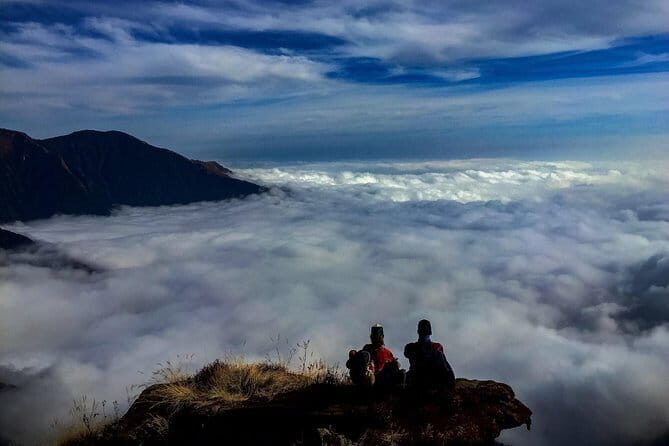
On the final day, you drive from Pokhara to Kathmandu, around 200 km, for about 6 to 7 hours by tourist bus, with a listed departure time of 7:30 am.
Your overnight accommodation in Kathmandu is arranged with a BB plan (bed and breakfast). The trip ends back at the meeting point in Thamel.
This last day is mostly a transport wrap-up. If you can, keep your day bag organized for the drive—water, layers, and something to keep you comfortable when you’re not in trekking motion.
Price and Logistics: What $693.34 Buys You (and What It Doesn’t)
At $693.34 per person for about 7 days, the value comes from what’s bundled rather than what’s missing. You get:
- Pickup offered in Kathmandu (from Thamel area) and return to the same meeting point
- Air-conditioned vehicle included for transfers where the route uses vehicle transport
- All fees and taxes included
- Breakfast for 6 days
What you should watch: the plan also says there are expenses not mentioned on the include side. The data doesn’t list every optional cost, so budget a little buffer for personal items, snacks, and anything you decide you need on the trail.
For me, the best “value” indicator is the private tour setup. When only your group participates, you get a more controlled pace and fewer awkward moments of waiting on different walking speeds. It also makes guide communication easier.
One more practical note: the trek requires good weather. If the mountains don’t cooperate, you’ll be offered a different date or a full refund, which is a fair safety net when you’re paying for altitude views you can’t control.
Guides and Safety: Why Dawa, Wangdu, and Karsang Keep Showing Up
One of the most convincing parts of this trek setup isn’t the brochure language—it’s how people describe the guidance. In past trips, Dawa is praised for planning and organization, including handling the behind-the-scenes details like permits. Wangdu gets credit for being excellent and taking care of everything with calm competence. Karsang is also highlighted for both knowledge and safety.
Even if you don’t know these names yet, the real takeaway is how you should expect your guide to operate: you want someone who explains the route clearly, helps with logistics (including permits at the check post area), and keeps you moving at a safe pace. On a trek with altitude up to around 4500m, that matters.
If you’re the type who likes to understand what’s next—where you’re going, why you’re going there, and what conditions might change—this guide style fits well.
Best Seasons, Weather Reality, and Packing Smart for Tea House Trekking
The best time window for this trek is spring (March to May) and autumn (September to November). That’s when weather tends to cooperate more often in the Annapurna region.
But the key word for planning is not the season—it’s that the experience needs good weather. In the mountains, you can have clear forecasts that still change fast. So you should pack for cold mornings and wind, and keep your layers ready.
For packing, I’d keep it simple:
- Dress in layers (warm top for sunrise/sunset days is a must)
- Good traction shoes or boots (you’ll hit steep sections and uneven footing)
- Water planning for long walking days
- A small daypack for snacks and extra layers during ridge hikes
Because the trek runs on tea houses, you don’t need to carry cooking gear. What you do need is comfort and warmth when you stop moving.
Who This Trek Fits Best (and Who Might Choose Another Style)
This trek suits people with at least a moderate physical fitness level, and it’s described as beneficial to have above-average fitness. Here’s how to interpret that:
- If you can handle several hours of walking uphill and you manage altitude slowly, you’ll likely enjoy it
- If you struggle with long days of sustained effort, you might find the higher viewpoint and base camp option tiring
The route also includes multiple days where the hiking rhythm is steady rather than sprint-like. That’s good for travelers who like predictable pacing. It’s less ideal if you want a mostly flat, easy stroll.
You’ll also like the private tour format if you value flexibility in pace and a more personal relationship with your guide.
Should You Book Mardi Himal With Himalayan Wander Walkers?
If you want Annapurna views without committing to a super-long trek, I think Mardi Himal is one of the most sensible choices. You get a compact itinerary, tea house nights, and multiple mountain moments tied to the schedule—plus the option to aim for Mardi Himal Base Camp (4500m) if conditions and your energy allow.
Book this trek if:
- You’re comfortable walking 5–6 hours most days
- You want a guide who handles key logistics like permits
- You want the mix of village life and high ridges, without spending weeks away
Skip it (or ask questions first) if:
- You don’t handle altitude well or you’re unsure about cold, early-morning starts
- You’re counting on perfect weather and cannot tolerate a date change if the mountains close in
FAQ
Where does the trek start and end?
It starts at Thamel, Kathmandu (44600, Nepal) and ends back at the same meeting point.
How long is the Mardi Himal trek?
The duration is listed as about 7 days.
Is pickup from Kathmandu included?
Yes. Pickup is offered in Kathmandu, and your guide assists with transport to the bus station for the drive to Pokhara.
What transport is used between cities?
You travel by tourist bus on the longer routes: Kathmandu to Pokhara (about 7 hours) and Pokhara to Kathmandu (about 6–7 hours).
Do I need good weather for this trek?
Yes. The experience requires good weather, and if it’s canceled due to poor weather, you’ll be offered a different date or a full refund.
What fitness level do I need?
You should have a moderate physical fitness level, and it’s beneficial to be in above-average shape for the trek.
Are meals included?
Breakfast is included for 6 days. The details for other meals are not listed as included.
Do I get a mobile ticket and confirmation?
You receive a confirmation at the time of booking, and mobile ticket access is listed as a feature.
Is this a private tour?
Yes. It’s private, meaning only your group will participate.