REVIEW · KATHMANDU
Ghorepani – Poon Hill Trek – 5 DAYS
Book on Viator →Operated by Alpine Club of Himalaya · Bookable on Viator
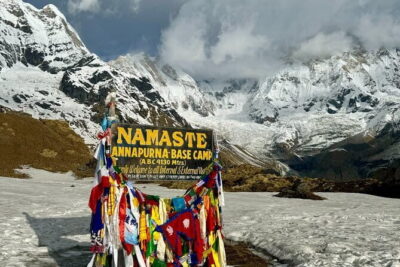
Sunrise at Poon Hill feels unreal. Sunrise at Poon Hill and the big Annapurna panorama are the hook here, but what makes this trip work is the mix of Gurung and Magar villages, rhododendron forest walking, and a guided route that handles the permits. You start with Kathmandu sights, fly to Pokhara, and end with a flight back to the capital.
I love how practical the trek setup is. Tea-house meals are included (breakfast, lunch, dinner, plus tea or coffee each time), so you’re not constantly hunting for food or options. I also like that you travel with an English-speaking guide and a porter, which matters a lot on stair-heavy days and for navigating the Annapurna permit checks.
One drawback to plan for: tea houses have shared bathrooms, and the trip notes that hot shower and hot water aren’t included. If you expect resort-style comfort, you’ll be happier tempering expectations ahead of time.
In This Review
- Key things that make this trek feel worth it
- Price and Logistics: What $999 Buys in a 5-Day Trek
- Kathmandu First: A Welcome Dinner and a Free Day to Get Oriented
- Into Pokhara by Flight: Falls, Caves, and Phewa Lake Before the Trek
- Ulleri’s Stair Test: Suspension Bridges, 3,300 Steps, and Rhododendron Forest
- Ghorepani to Poon Hill Sunrise: Machhapuchhre Dominates the Morning
- Syauli Bazaar to the Flight Home: Ending With One Last Annapurna Look
- Tea Houses and Included Meals: Comfortable Enough for the Trail
- Your Trek Team: English Guide, Porter Power, and Help That Moves Fast
- Who This Trek Fits Best (and Who Might Want a Different Option)
- Should You Book This Ghorepani–Poon Hill Trek?
- FAQ
- How long is the Ghorepani – Poon Hill trek?
- Where does the trek start after Kathmandu and Pokhara?
- How many nights do you stay in tea houses?
- What permits are required for the Annapurna trek?
- Are meals included during the trek?
- What’s included for guides and porters?
- What costs are not included in the trip price?
Key things that make this trek feel worth it
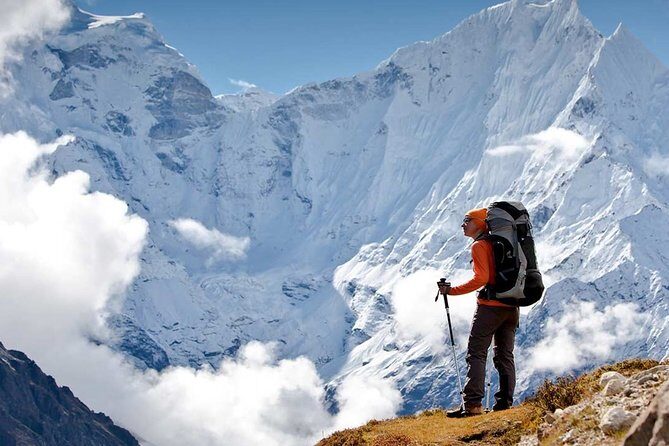
- Poon Hill sunrise panorama stretching from Dhaulagiri to Annapurna, with Machhapuchhre (Fishtail Peak) in the mix
- Permits handled for you: ACAP permit and TIMS card are part of the trek package
- Guided support on the tough parts: an experienced English-speaking guide plus a porter
- Tea-house nights with shared bathroom and included meals to keep logistics simple
- Flights to save time: Kathmandu to Pokhara and back, so you don’t spend extra days in transit
Price and Logistics: What $999 Buys in a 5-Day Trek
The first thing I check with a short trek is what gets done for you. At $999 per person, this one includes far more than just guiding. You get airport/hotel pickup and drop-off in a private van or car, an initial 1 night hotel in Kathmandu with breakfast, and then 3 nights in tea houses during the trek (with shared bathroom).
This price also covers the “big ticket” moving parts that usually add up fast:
- Flights: Kathmandu to Pokhara and return to Kathmandu, including domestic flight departure taxes
- Permits: National Park Permit and TIMS for Annapurna (so you’re not dealing with paperwork on the road)
- Most meals on the trek: breakfast, lunch, dinner, plus tea/coffee each time
- Guide + porter support: an experienced English-speaking trekking guide and a porter (not shared with strangers in your own group)
It’s also good to see gear included. The trip provides a down jacket and sleeping bag, then asks you to return them after the trek. There’s also an ACH kitbag and a T-shirt included.
Now the tradeoffs. The package doesn’t include Nepal entry visa fees, international airfare, travel insurance (including evacuation), and you’ll also want to budget for tips. Common comfort items like hot shower, hot water, and Wi-Fi are not included, and personal extras like bar bills or laundry aren’t covered. In other words: you’re paying for the structure and the route support, not for luxury comforts.
If you want a classic Annapurna trek highlight without stretching your vacation into a week-plus of travel and planning, this is priced like a “time-saver” package. And for many people, that’s exactly what they’re buying.
You can also read our reviews of more hiking tours in Kathmandu


Kathmandu First: A Welcome Dinner and a Free Day to Get Oriented
Day 1 is about arriving and resetting. You land at Kathmandu International Airport, get greeted by a representative, and check into your hotel. The rest of the day is free, which is useful because Kathmandu throws a lot at you on day one—traffic, noise, altitude awareness, and the fun chaos of a big city.
You do have a welcome dinner included, which is a nice soft landing. After that, you can walk off jet lag, get your bearings, and handle any last-minute items you forgot.
Also worth noting: the hotel is listed as being near public transportation, so you’re not trapped in one small bubble if you want to move around on your own.
Into Pokhara by Flight: Falls, Caves, and Phewa Lake Before the Trek
On Day 2, you fly from Kathmandu to Pokhara in about 25 minutes. That’s a smart way to start, because it cuts out a long overland transfer and gets you closer to trek start points sooner.
Pokhara day is packed with viewpoints and short stops:
- The Seti River gorge, from where you see the river run through a narrow cut
- Davi’s Falls
- Gupteswar Cave and Bat Cave
- Time to relax at Phewa Lake, including a row on the sparkling water
This matters because it makes the trek feel earned. Instead of going straight from paperwork and flights into hours of uphill walking, you ease into the region with easier-paced sights.
After the sightseeing, you drive about 41 km (25 miles) to Nayapul, where the trek begins. From there you head downhill toward a bridge over a small stream, continuing to Birethanti, described as a large, prosperous village.
There’s also a practical moment built in. When you reach the ACAP Check post, you’ll need to show your ACAP permit and TIMS card. Since permits are included, the main thing for you is making sure your documents match what you’re carrying on trek day.
Ulleri’s Stair Test: Suspension Bridges, 3,300 Steps, and Rhododendron Forest
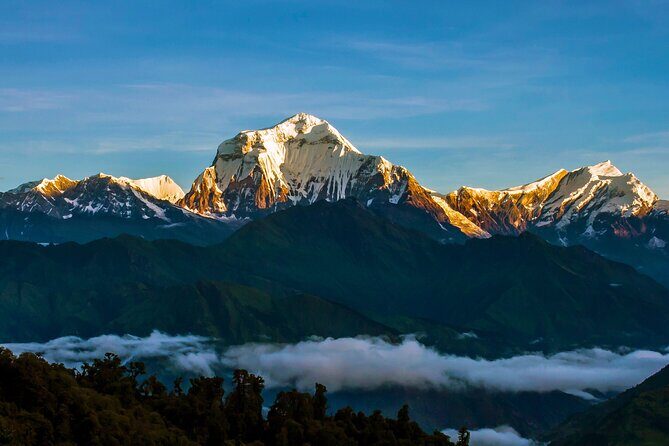
Day 3 is where the trek identity shows up. You walk for roughly 4–6 hours and you get a mix of bridges, climbs, and forest time.
The day starts with a suspension bridge crossing Tikhedhunga Khola, then you drop and cross Bhurungdi Khola on a larger bridge at 1,520 m. After that comes the part many people remember: a very steep climb on stone staircases, described as having more than 3,300 steps, leading up to Ulleri (2,080 m).
If you’re the type who wants a clear “effort level,” this is the day. The hiking is doable for many people, but it’s not gentle. You’ll likely spend more time managing your pace and breathing than looking at your watch.
After Ulleri, the route shifts. You climb gently pastures and cultivated fields, then move into deep forests toward Banthanti. The trail includes oak and rhododendron forests, plus a couple of streams—one of the described highlights is how clear and sparkling they look as you cross.
You continue toward Nangathanti (2,460 m), and about an hour later you reach Ghorepani.
This is also where the village culture becomes more present. The trek is described as passing through communities inhabited particularly by Gurungs and Magars, and that shows up in how villages feel—work, guest houses, and the rhythm of daily life rather than just a scenery stop.
Ghorepani to Poon Hill Sunrise: Machhapuchhre Dominates the Morning
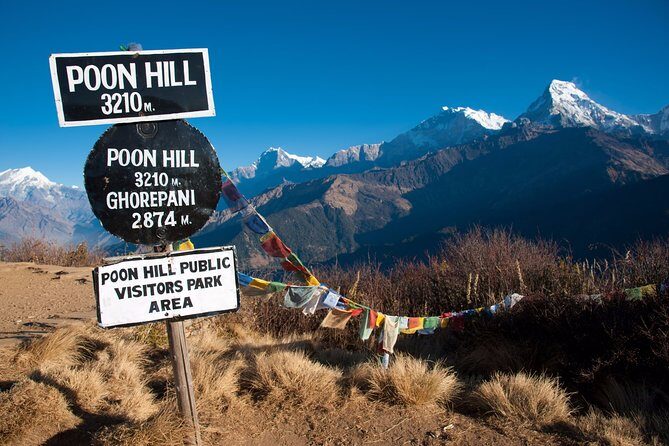
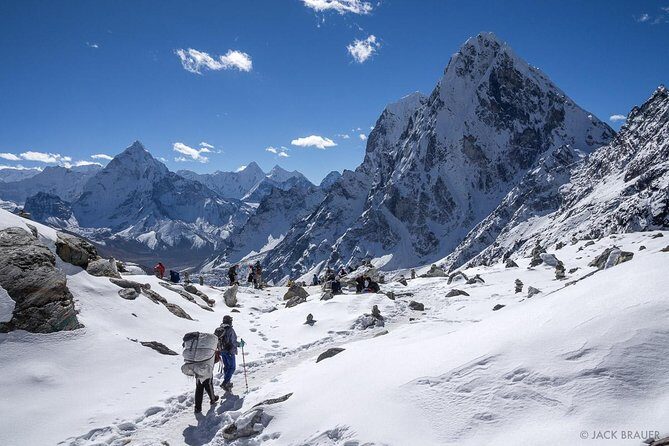
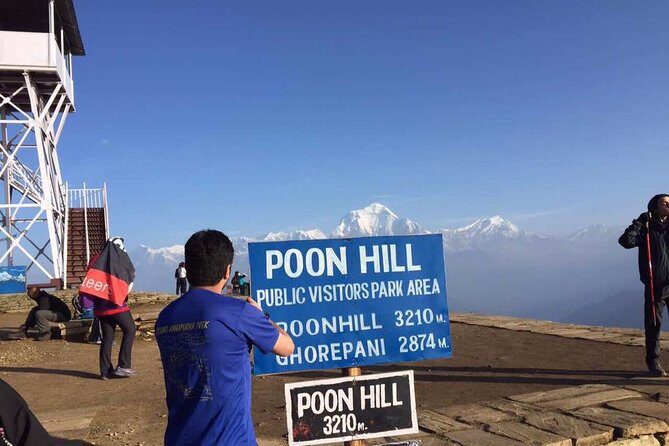
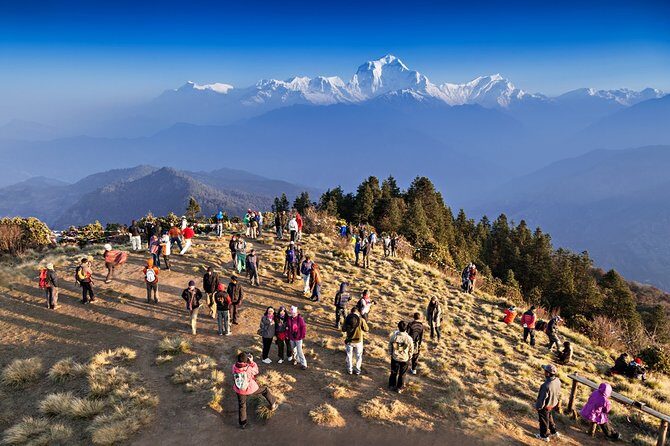
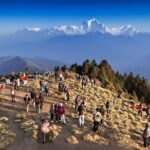
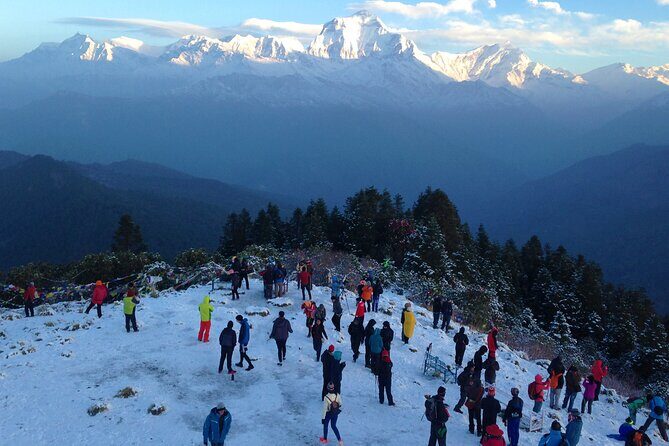
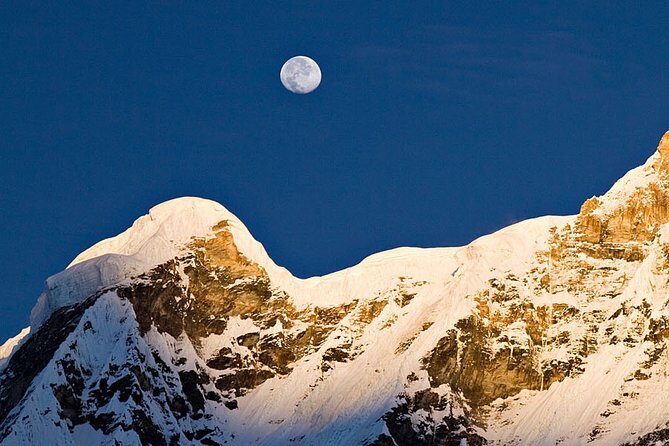
Day 4 is a morning climb with a payoff. After about an hour of climbing, you reach Poon Hill, famous for its panoramic sunrise view across the Annapurna region.
The mountain list for this viewpoint is specific, and it’s one reason this spot stays so popular:
- Dhaulagiri (8,167 m)
- Annapurna (8,091 m)
- Machhapuchhre (Fishtail Peak)
- Plus additional peaks named in the view: Tukuche (6,920 m), Nilgiri (6,940 m), Annapurna South, Hiunchuli (6,441 m), and Tarke Kang (7,193 m)
When sunrise hits, the description is that the snow-capped summits appear like magic. I’d put it more practically: you get a layered panorama where you can actually pick out peaks instead of just seeing a gray wall of mountains.
After Poon Hill, you head down. The route drops along the main trail at first using stair steps, then transitions to a stone paved trail that traverses higher above the river. You cross a stream at Chane (1,690 m), continue to Kimche (1,640 m), and then follow a ridge downhill.
You eventually join the Modi Khola at Syauli bazaar (1,140 m). From there, the walking becomes flatter and follows the river valley. That flatter stretch is your reward day after a sunrise summit push.
One consideration: sunrise viewing can depend on the sky that morning. The trek package is built around the viewpoint time, but the weather still controls how crisp the peaks look.
A few more Kathmandu tours and experiences worth a look
Syauli Bazaar to the Flight Home: Ending With One Last Annapurna Look
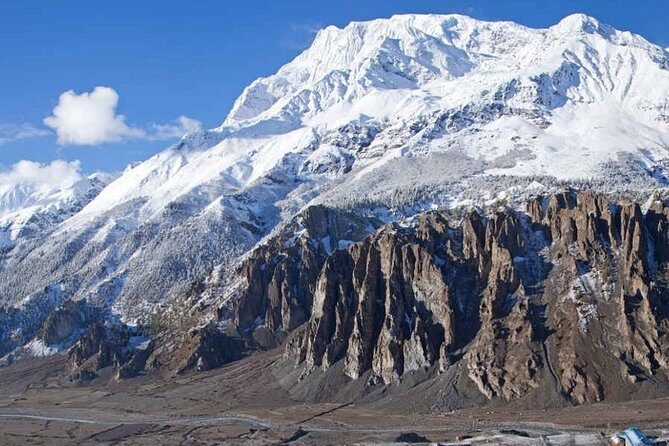
Day 5 keeps things simple. You take a last memorable look of the Annapurna ranges, then fly back to Kathmandu.
You also have breakfast included before the flight. This is the day you’ll likely feel the contrast: the mountains are still there, but you’re transitioning from trail time to city logistics again.
If you want to keep traveling beyond the trek, the trip notes that you can consult the operator for short add-ons like game drive at National parks, rafting, mountain biking, or even longer regional tours covering places like Tibet, India, or Bhutan. That’s handy if you’re building a multi-country trip and want the trek to be one chapter, not the whole story.
Tea Houses and Included Meals: Comfortable Enough for the Trail
Tea houses are a big part of why Poon Hill treks stay popular: you can experience the mountains without a hardcore camping setup. Here, you get 3 nights in tea houses with sharing bathrooms.
That shared-bath setup is the key “plan for it” detail. It’s not meant to sound scary—it’s just not private and it’s not hotel-clean. The good news is that the trip’s meal system reduces stress. During the trek you’ll have:
- Breakfast
- Lunch
- Dinner
- Tea or coffee each time
Hot shower and hot water are specifically not included, and Wi-Fi also isn’t listed as included. So think of tea-house nights as warm layers, blankets, and normal mountain-room practicality rather than modern convenience.
The trek gear supports that approach. Having a down jacket and sleeping bag provided means you’re not arriving and immediately worrying about whether you have cold-weather gear. You do need to return them after the trek, so don’t plan to treat it as personal equipment.
Your Trek Team: English Guide, Porter Power, and Help That Moves Fast
Even on a “beginner-friendly” trek, the best experiences come down to people. This trip includes:
- An experienced English-speaking trekking guide
- A porter to assist on the trek
- A staffing ratio described as 2 trekkers per 1 porter
What I like about this arrangement is that it’s not just about carrying weight. It’s also about pacing, safety judgment, and knowing where the route checks happen. Since you’re dealing with permits (ACAP and TIMS) and staying in tea houses along the trail, you want someone who can keep the flow steady.
There’s also a human support side that shows up in the feedback names you’ll recognize. A team member named Sujan is described as helpful in answering questions and organizing details, and another standout mentioned is Ding Nasa Sherpa, praised for patience, caring guidance, and making a less-experienced group feel comfortable.
Even if your specific guide on your departure is different, the core idea is clear: you’re not alone in Nepal mountain logistics.
And because this is listed as private with only your group participating, you’re not being folded into a random crowd mid-trek. Group discounts are mentioned, too, which can make the price feel less intimidating if you travel with someone.
Who This Trek Fits Best (and Who Might Want a Different Option)
This trek is labeled as suitable for most travelers, and it’s also described as a great option for beginners in the support style. The daily walking times are short enough to manage for many people, and the trek includes built-in rest via the tea-house rhythm.
Still, it’s not a stroll. The Ulleri day includes a major stair climb—more than 3,300 steps—so if stairs wreck you, you’ll want a stronger fitness base or a slower approach.
This trip is especially a good match if:
- You want the classic Poon Hill sunrise panorama without a long itinerary
- You like villages and local life, not just point-to-point hiking
- You prefer meals and permits to be handled, so you can focus on walking and views
- You value having English-speaking guidance and porter support rather than figuring everything out yourself
It might be less ideal if:
- You need private bathroom accommodations
- You expect hot shower/hot water and Wi-Fi as part of the standard mountain experience
- You don’t want early-morning summit efforts (Poon Hill is built around sunrise time)
Should You Book This Ghorepani–Poon Hill Trek?
I think you should book it if you want a short, organized Annapurna trek that delivers a real payoff fast: flight access, permit support, included meals, and a guided morning at Poon Hill with views toward Dhaulagiri, Annapurna, and Machhapuchhre. For $999, you’re also getting time saved by flying to Pokhara and back, plus included cold-weather gear for the trail.
Skip it if your travel style requires hotel-level comfort on every night or you need a fully private bathroom setup. You’ll also want to budget for what isn’t included—visa fees, travel insurance with evacuation coverage, international airfare, and tips.
FAQ
How long is the Ghorepani – Poon Hill trek?
It is listed as 5 days (approximately).
Where does the trek start after Kathmandu and Pokhara?
After flying to Pokhara and sightseeing, the group drives to Nayapul, and the trek starts from there.
How many nights do you stay in tea houses?
You stay for 3 nights in tea houses during the trek, with shared bathrooms.
What permits are required for the Annapurna trek?
The trip includes a National Park Permit and TIMS for Annapurna, and you’ll show an ACAP permit and TIMS card at the ACAP check post.
Are meals included during the trek?
Yes. During the trek you’ll have breakfast, lunch, and dinner, plus tea or coffee each time.
What’s included for guides and porters?
An experienced English-speaking trekking guide and a porter are included, with a stated ratio of 2 trekkers to 1 porter.
What costs are not included in the trip price?
Not included are Nepal entry visa fees, international airfare and departure tax, travel insurance (including evacuation), lunch in Kathmandu, tips, and items like hot shower/hot water and Wi-Fi.