REVIEW · KATHMANDU
Everest Base Camp Trek 14 Days
Book on Viator →Operated by Nepal Nirvana Trails · Bookable on Viator
14 days in the Himalaya can change your brain. This Everest Base Camp trek packs big scenery and Sherpa village life into a clear schedule, plus included Lukla flights that make the route feel more doable. I like how the plan builds in breathing-room days rather than just grinding uphill from the start.
I also like the people part. From the first Thamel pickup to the trek guide you meet in the evening, the experience leans on real support—names like KP, Man Bahadur, Navraj, Raju, Roshan, Ram, and Abinash show up in past trips. That kind of help matters when your body starts negotiating with the altitude.
One drawback to think about up front: it’s a physically demanding trek, with long walking days (some listed around 16 hours). If you’re not comfortable with sustained effort at altitude, you’ll feel it.
In This Review
- Key things I’d highlight before you go
- Kathmandu to Lukla: How the first days set your pace
- Thamel equipment check and the guide meet that helps later
- From Phakding to Namche Bazaar: the route that eases you in
- Namche acclimatization plus the Everest Hotel viewpoint
- Tengboche Gompa: where scenery meets culture
- Dingboche and the second acclimatization choice: Nangkartshang or Chhukung Ri
- Lobuche to Everest Base Camp: the day you’ll remember
- Kalapatthar viewpoint and the long descent back toward Namche
- Lukla return and a calmer finish in Kathmandu
- Price and value: what $999 covers, and what you must budget for
- The support that people remember: KP and guides like Raju, Roshan, Abinash
- Who this trek suits best (and who should reconsider)
- Should you book Everest Base Camp 14 Days with Nepal Nirvana Trails?
- FAQ
- What cities and meeting points are used for the start and end?
- What time does the trek start?
- What’s included in the tour price?
- What’s not included?
- Are flights between Kathmandu and Lukla included?
- Is this a private tour?
- What is the cancellation policy?
Key things I’d highlight before you go
- Lukla flights included: You don’t have to figure out transport on your own.
- Two acclimatization days: Namche, then Dingboche, so you’re not only climbing day after day.
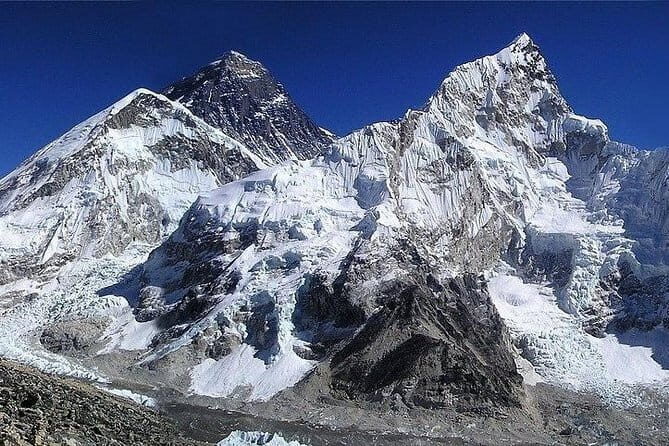
- Everest Base Camp + Kalapatthar: You get both the base area and the high viewpoint from the route.
- Cultural stop at Tengboche Gompa: Mountain views come with a spiritual stop along the way.
- Private group trekking: You’re trekking only with your group, not mixing with random strangers.
Kathmandu to Lukla: How the first days set your pace
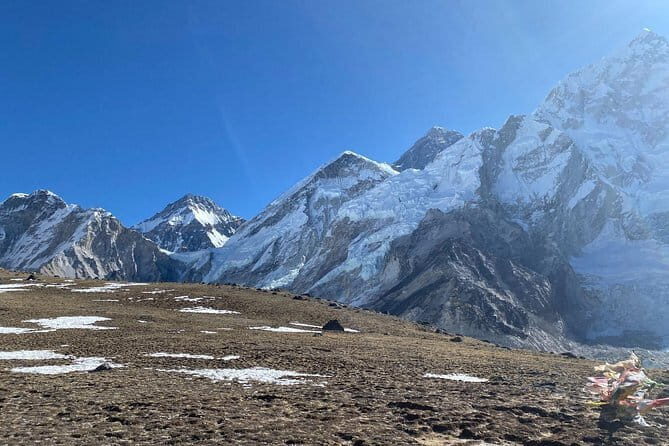
This trek starts in Kathmandu, in the Thamel area, with a representative meeting you for an airport-to-hotel transfer. Day 1 is mostly about getting settled and meeting your guide. Expect an equipment check as part of the evening introduction—small, practical stuff that helps you avoid silly problems on the trail.
Start time on the program is listed as 5:45 am, which tells you the days are run with early energy. That’s good for altitude trekking. It also means you should be ready to wake up when it’s still cool and quiet, not when you feel fully human.
Day 2 switches gears fast. You fly to Lukla (Tenzing Hillary Airport) and trek onward to Phakding for the night. This is where a lot of people feel the trip becoming real. After the flight, you’re walking in the Khumbu area with Nepalese villages right alongside the trail.
You can also read our reviews of more hiking tours in Kathmandu
Thamel equipment check and the guide meet that helps later
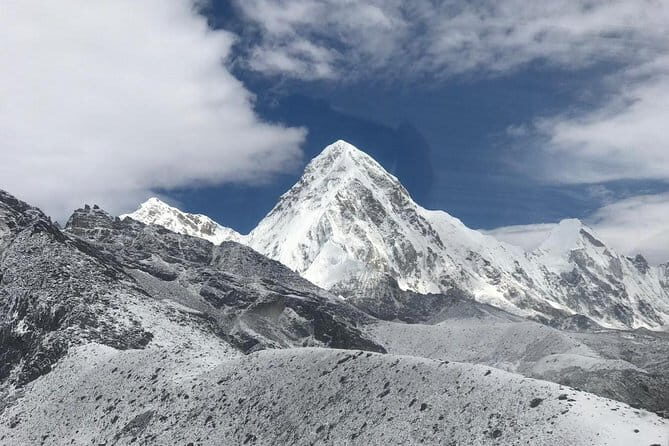
Day 1 in Thamel is more than a formality. You’re picked up from the airport, taken to your hotel or hostel, and then you meet your guide in the evening. The tour description specifically mentions checking your equipment during that meeting.
That matters because EBC trekking is unforgiving about basics: warm layers, good socks, a reliable daypack setup, and comfortable footwear. If you’re missing something obvious, it’s far better to sort it early in Kathmandu than after you’ve already started climbing.
I also like that the program keeps the human contact front and center. In past trips, the team’s support has been described as smooth and professional right from arrival. In one case, solo travel also came up, with the team helping put worries to rest before the trek even began.
From Phakding to Namche Bazaar: the route that eases you in
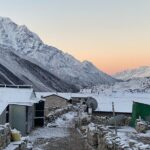
On Day 2 you trek from Lukla to Phakding. On Day 3, you start moving toward Namche Bazaar, with key moments like crossing the Dudh Koshi River and passing Monjo village as you enter Sagarmatha National Park.
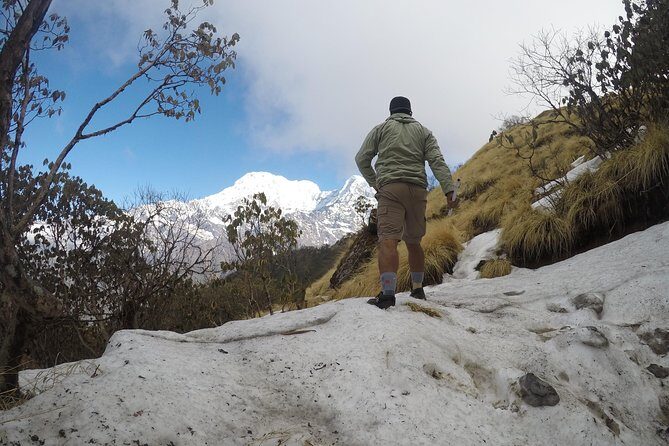
The Day 3 walk is listed as a long one (around 16 hours), and it includes time through forests. Practically, this is a smart way to get working: you’re not only dealing with elevation, you’re also building rhythm on varied terrain.
Namche Bazaar is the hub. It’s where you get a real feel for the Sherpa villages you’ll be trekking through. It’s also where altitude starts to matter more in how you feel, not just where you’re going.
Namche acclimatization plus the Everest Hotel viewpoint
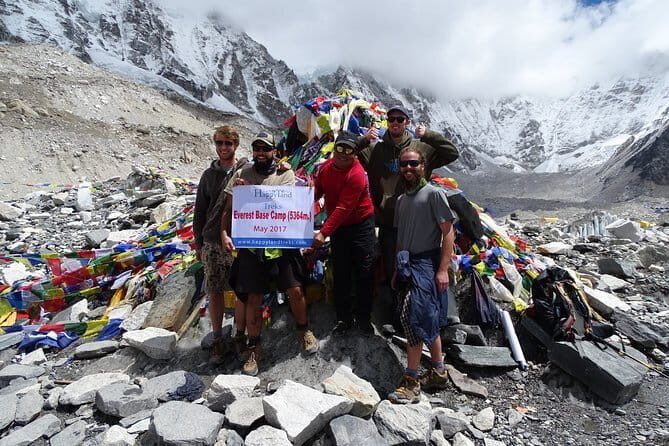
Day 4 is a stay day in Namche Bazaar, specifically to adjust to altitude. Then the plan adds a hike up to Everest View Point from the Everest Hotel for major mountain sightlines.
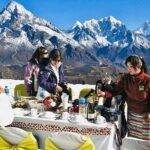
This is one of the best concepts on the whole itinerary: you get to earn your view with a short push, without trying to sprint all the way to the next village that day. The view list in the itinerary includes Mount Everest, Ama Dablam, Mt. Thamserku, and Mt. Lhotse—exactly the kind of moment that makes the earlier walking feel worth it.
If you’re prone to rushing, this is the day to slow down. Eat, hydrate, and keep your breathing calm on the hike. Your goal is to feel strong at the end, not wrecked.
Tengboche Gompa: where scenery meets culture
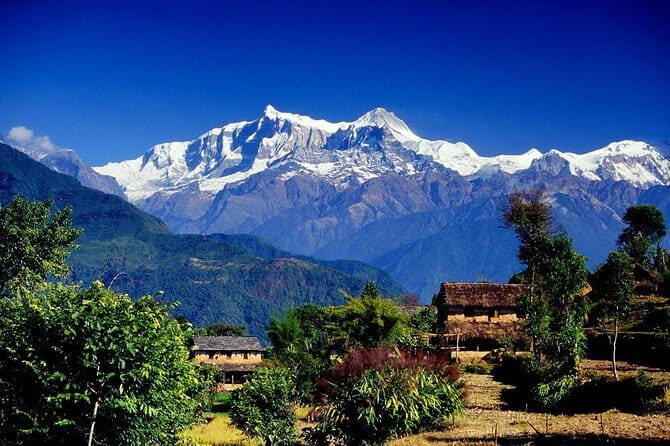
On Day 5 you move from Namche toward Tengboche, crossing juniper and rhododendron forests. You arrive for the highlight: visiting Tengboche Gompa.
This is the cultural counterweight to the heavy mountain focus. The Khumbu region isn’t only about peaks. It’s also about faith, community, and routine life in the villages that live near the big walls of rock and ice.
Day 5 is listed at a long walking day again (around 16 hours). So keep your expectations realistic: it’s not a short stroll. You’ll want layers, water discipline, and a steady pace.
Dingboche and the second acclimatization choice: Nangkartshang or Chhukung Ri
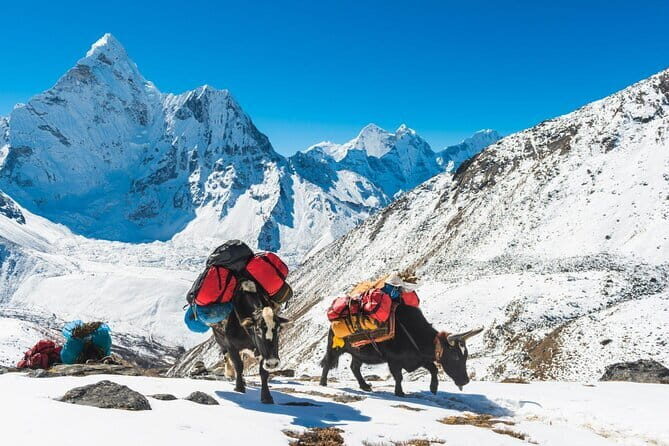
Day 6 takes you to Dingboche, crossing Imja Khola. You’re also walking with panoramic viewpoints of Island Peak and Ama Dablam.
Then Day 7 is your second acclimatization day—another stay in Dingboche with an option to hike higher. The program offers two route choices:
- Nangkartshang Peak (5083 m)
- Chhukung Ri (5546 m)
This is valuable because acclimatization is not one-size-fits-all. Some people want a shorter hike that still feels like progress. Others want the bigger altitude challenge. Either way, the itinerary still keeps the goal consistent: you’re giving your body time to adapt while still chasing world-class views, including Everest, Ama Dablam, Island Peak, and Pumori.
My advice: choose based on how you felt on Day 6. If you arrived in Dingboche feeling wiped out, your safest bet is the less aggressive option.
Lobuche to Everest Base Camp: the day you’ll remember
Day 8 continues toward Lobuche on an uneven rocky path. The itinerary calls out views of Mt. Pumori, Mt. Nuptse, and Lobuche Peak along the way.
Day 9 is the major push. Today is described as a long walk through the Khumbu Glacier to Everest Base Camp, then returning to Gorakshep. The itinerary also notes that you can view the Khumbu icefall from Everest Base Camp.
This is where the whole trek earns its reputation. You’re not just looking at Everest from a distance anymore—you’re in the base area where the landscape looks different. The glacier terrain and the scale around you can be mentally intense, even if you feel physically okay.
If you’re the type who gets anxious about “one big day,” plan to keep your focus simple: steady walking, take breaks before you’re fully tired, and don’t treat the day like a race.
Kalapatthar viewpoint and the long descent back toward Namche
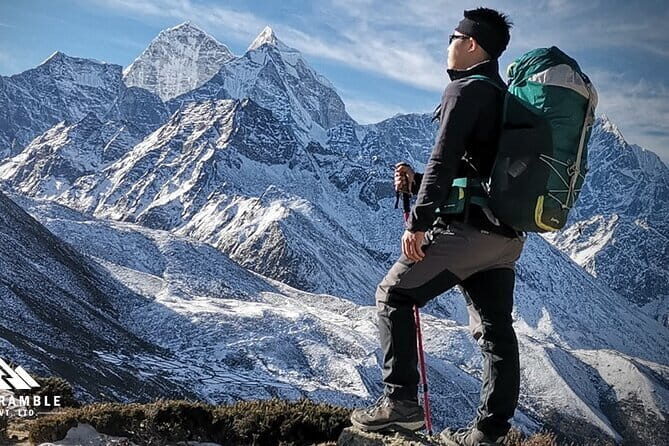
Day 10 includes a hike up to Kalapatthar for the magnificent Everest-area views, followed by trekking down to Pheriche.
The program description is brief here, but that’s actually helpful: it tells you the shape of the day. You climb, you view, and then you move downhill. Downhill is its own workout—your knees and quads will be talking to you—so pace matters.
Day 11 brings you back to Namche Bazaar. The itinerary mentions crossing suspension bridges and going through beautiful villages as you leave the mountains behind, at least for a while. Day 11 is again listed at around 16 hours, so don’t think of the return as easy. It’s more like a different kind of tough.
Lukla return and a calmer finish in Kathmandu
Day 12 gets you back to Lukla, trekking from the route through Jorsale and Monjo and back toward Phakding, crossing numerous bridges over Dudh Koshi River. It’s another long day (around 16 hours), and by now you’ll likely be thinking about hot showers and normal food.
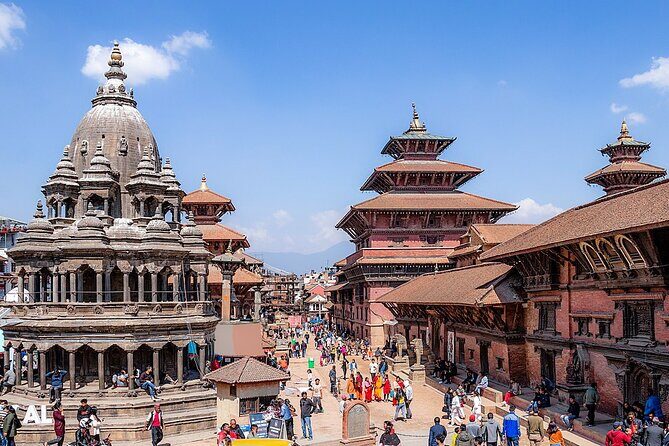
Day 13 is the relief day. You take an early morning flight to Kathmandu (about 35 minutes) and then you’re free for the rest of the day. The plan specifically calls out time to stroll Thamel and shop for souvenirs.
Day 14 is the final handoff: either a drop-off to the airport or an option to extend your Nepal stay. In other words, you’re not left scrambling at the end of a long trek. You get a clean landing back into the city.
Price and value: what $999 covers, and what you must budget for
The listed price is $999 per person, and it’s booked on average about 46 days in advance. That pricing level is mostly about what’s already taken care of for you: the big logistics.
From the included list, your money covers:
- Airport transfers on arrival and departure
- Flight tickets between Kathmandu or Manthali and Lukla, and back
- A guide (including guide food and insurance costs mentioned in the program)
- TIMS and local permits (and the national park permits)
- Official expenses and government tax/vat
- A mobile ticket for travel
What’s not included is just as important:
- International flights
- Nepal entry visa
- Travel and health insurance that covers emergency rescues/evacuations
- Accommodation and food for guests for the full trip
- Tips for the trek guide (expected)
So here’s the practical value take: you’re paying for structure—especially the flights and permits that can otherwise get messy. What you’re still responsible for is your own day-to-day living on the trail and the insurance that protects you if something goes wrong. If you’re the kind of traveler who likes to control every expense, you might find it annoying. If you want a clean plan with fewer moving parts, it’s a good fit.
The support that people remember: KP and guides like Raju, Roshan, Abinash
A big part of why people rate this trek so highly is that it’s not only a route on paper. The team focus shows up in guide names that guests have shared after finishing, including Raju, Roshan, Ram, and Abinash. Past travelers have highlighted that their guides brought care, humor, and practical support, even when their plans needed adapting.
The same goes for the leadership side. KP and the wider team show up repeatedly in communications—airport meetups, keeping things smooth, and being responsive when logistics get tricky. One guest even described help getting a helicopter back after a hard situation, which points to real-world problem solving rather than just following a script.
For you, the takeaway is simple: choose this trek if you want more than someone handing you a map. You want a guide who can read the situation, explain what you’re seeing, and keep your confidence up when the trek starts feeling long.
Who this trek suits best (and who should reconsider)
This experience lists moderate physical fitness as the requirement. That’s a helpful baseline, but the itinerary also shows that several days are long (often around 16 hours). So I’d treat it as: you should be comfortable with sustained walking and a strong pace for multiple days.
It also says it’s a private tour/activity, meaning only your group participates. That makes a difference if you want flexibility in how your day unfolds, especially during acclimatization choices like the hike options from Dingboche.
Who might reconsider? If you want a gentle hike with short days and lots of leisure time, this isn’t it. Also, since guest accommodation and food aren’t included, you should be okay managing those costs yourself rather than expecting a fully packaged meal-and-bed plan.
Should you book Everest Base Camp 14 Days with Nepal Nirvana Trails?
If you want a well-structured Everest Base Camp trek with included flights, permits, and guide support, I’d call this a strong option at $999. The route is built around acclimatization days in Namche and Dingboche, which is smart, and the itinerary hits both Everest Base Camp and Kalapatthar for the big payoff.
Before you book, do three quick checks:
- Confirm your budget for your own accommodation and meals along the route.
- Make sure you have the right travel and health insurance for rescue and evacuation, since it’s not included.
- Be honest about your fitness for long days, especially those listed around 16 hours.
If those boxes work for you, this is the kind of Everest trip that should feel organized, human, and memorable for the right reasons.
FAQ
What cities and meeting points are used for the start and end?
The trek starts in Kathmandu, with the meeting point at your hotel or Tribhuwan Airport. The end is also in Kathmandu.
What time does the trek start?
The start time is listed as 5:45 am.
What’s included in the tour price?
Included items are airport transfers (arrival and departure), guide salary plus guide food and insurances, equipment and insurances for the trip cost, TIMS and local permits, flight tickets to and from Lukla, and official expenses/government tax/vat.
What’s not included?
Not included are international flights, the Nepal entry visa, travel and health insurance for emergency rescues and evacuations, accommodation and food for guests, and tips for the trek guide.
Are flights between Kathmandu and Lukla included?
Yes. Flight tickets between Kathmandu (or Manthali) and Lukla, and Lukla back to Kathmandu (or Manthali) are included.
Is this a private tour?
Yes. It’s listed as a private tour/activity, with only your group participating.
What is the cancellation policy?
Free cancellation is offered up to 24 hours in advance for a full refund. If you cancel less than 24 hours before the start time, the amount paid is not refunded.