REVIEW · KATHMANDU
Annapurna Circuit Trek
Book on Viator →Operated by White Hill Adventure Treks & Expedition Pvt. Ltd. · Bookable on Viator
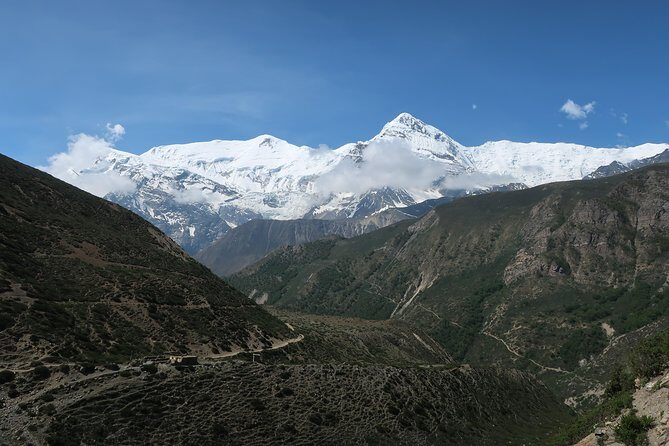
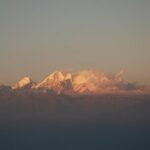
Mt views feel endless on this route.
The Annapurna Circuit strings together big scenery, changing elevations, and classic villages over two weeks. I like that this trip is set up for smooth pacing with all trek meals included, and I also like that you get permits handled before you step off into the mountains. One thing to consider: this is long, high, and at times cold, so you’ll want solid conditioning and a realistic attitude toward altitude.
You’ll get a structure that helps you focus on the trail: bus transport, tea-house stays, and a guide whose job includes managing food, schedule, and on-mountain logistics. The big payoff is the way the itinerary builds from low foothills up toward high camps without making every day a battle. The only caution I’d flag is simple: the itinerary includes a very high pass day, so plan for slower hiking and potential cold at elevation.
In This Review
- Key Highlights I’d Bet On
- Annapurna Circuit Setup: What You’re Actually Buying for $1,290
- Meeting Time and Getting Started in Kathmandu (6:15am Matters)
- Day 1-5: From Warm Lowlands Toward Chame’s Higher Air
- Day 6-7: Manang Village and the Value of a Real Rest Day
- Day 8-9: Yak Kharka to Thorong High Camp (The Serious Climb Starts)
- Day 10: Thorong-La Pass (5,416m) to Muktinath (3,800m)
- Day 11-13: Marpha via Jomsom to Lete, Then Tatopani’s Hot Springs
- Day 14-15: Ghorepani and the Poon Hill Finish
- Food, Tea Houses, and What’s Not Included (Plan for Small Costs)
- Guides, Porter Rishi, and Why Support Makes a Difference
- Who This Trek Fits Best (And Who Should Rethink)
- Practical Packing and Gear: The One Thing You Must Plan For
- Should You Book This Annapurna Circuit Trek?
- FAQ
- What is the duration of the Annapurna Circuit Trek?
- Where does the trek start?
- What time is the meeting?
- Is hotel pickup and drop-off included?
- How do you travel to the trek areas?
- Are permits included?
- What about accommodation?
- Are meals included?
- What is not included in the price?
- Is a porter included?
- What is the cancellation policy?
Key Highlights I’d Bet On
- Tea-house trekking with full breakfast/lunch/dinner so you’re not constantly hunting for meals
- Mountain permits included, which saves time and hassle before you start walking
- A rest day at Manang Village to help your body adjust before the higher sections
- Thorong-La Pass crossing (5,416m) followed by a descent toward Muktinath
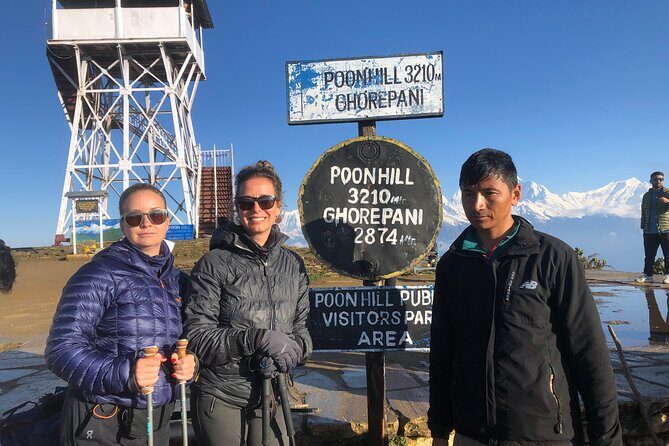
- Poon Hill (3,210m) near the end for a rewarding final mountain viewpoint
- Porter support available (but porter is not included in the tour fee) so you can decide your comfort level
Annapurna Circuit Setup: What You’re Actually Buying for $1,290
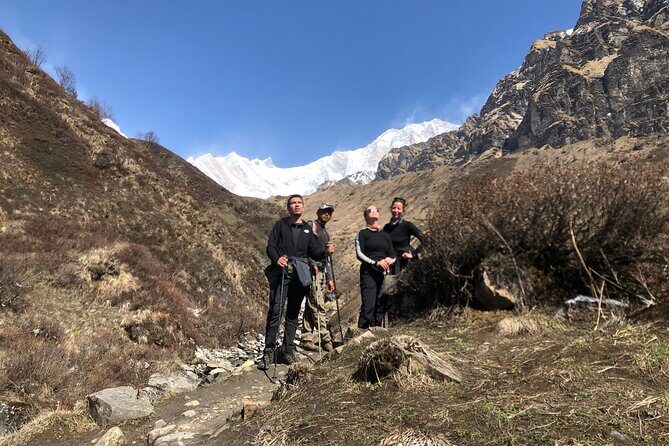
At $1,290 per person for about 15 days, this trek sits in the mid-range for a properly run, guided Annapurna experience. The value comes from what’s bundled rather than what’s flashy. You get bus transport plus hotel pickup/drop by taxi, you get all food during the trek, and you get tea-house accommodation—the daily backbone of the Circuit.
What’s easy to miss until you compare options: permits and logistics can add up fast if you piece them together. Here, the mountain trekking permit is included, and the guide is supported with food, salary, insurance, and equipment as part of the package. That means more of your time goes into walking and less goes into figuring out the mountain paperwork.
The tradeoff is what’s not included. You’ll still pay for your own trekking gear, and you’ll cover items like tea/coffee/beer/cola, mineral water, Wi‑Fi, battery charging, and hot shower. Those add-ons vary day to day, especially in remote tea houses where services can be limited.
You can also read our reviews of more hiking tours in Kathmandu


Meeting Time and Getting Started in Kathmandu (6:15am Matters)
The meeting time is 6:15 am, and the trip begins with a move from Kathmandu into the trekking region by bus, then on-foot days start from there. Hotel pickup/drop by taxi is included, which matters because early-morning departures are easier when you’re not coordinating a taxi yourself.
This kind of early start also hints at the style of the program: you’re not doing a slow, hangout-style vacation. You’re doing a trek with daily structure, and the bus days plus walking hours are planned as part of the rhythm.
Also note that this is a private tour/activity, meaning it’s for your group only. If you’re booking for two people, a couple, or a small crew, that can make the pacing and decisions more comfortable. You won’t have to guess how strangers will handle altitude or rest breaks.
Day 1-5: From Warm Lowlands Toward Chame’s Higher Air
Day 1 is a long first push, mixing a drive and a short hike: drive to Bulbule (840m), then hike to Nagdi (930m) for about 1 hour after roughly 5–6 hours of driving. It’s a gentle warm-up hike by height standards, but it still gives you that first taste of trail life.
Day 2 moves you to Jagat (1,300m) in about 4–5 hours. Day 3 continues upward to Dharapani (1,860m), also around 4–5 hours. Day 4 then climbs notably to Chame (2,670m), taking about 5 hours.
Day 5 brings you to Pisang (around 3,230m) with about 5 hours trekking.
What makes these early days worth paying attention to is the gradual change in conditions. As you climb, the air feels sharper and evenings cool down faster. Even if the daily hiking hours look manageable on paper, your body is adjusting. That’s why tea-house pacing works: you’re not forced into camping, and you can recover with familiar meal patterns.
A practical consideration: because Days 1–5 build elevation steadily, you’ll get more out of trekking if you start slow. Keep your effort steady rather than chasing speed.
Day 6-7: Manang Village and the Value of a Real Rest Day
Day 6 takes you to Manang Village (3,450m) for about 5 hours. Day 7 is a rest day at Manang Village.
That rest day is not just a break—it’s part of the altitude plan. At these heights, your body needs time to adjust. Even if you feel okay, your resting day can help reduce the odds of feeling rough later when the trail goes higher.
Manang is also a point where trekkers tend to want to slow down mentally. You’ll likely notice it in how you feel after lunch: breathing settles, fatigue gets less aggressive, and you start thinking more clearly about the upcoming high section.
If you’re someone who tends to push too hard early, Day 7 is your built-in correction. Use it to sleep well, drink water, and keep your walking light unless your guide suggests otherwise.
Day 8-9: Yak Kharka to Thorong High Camp (The Serious Climb Starts)
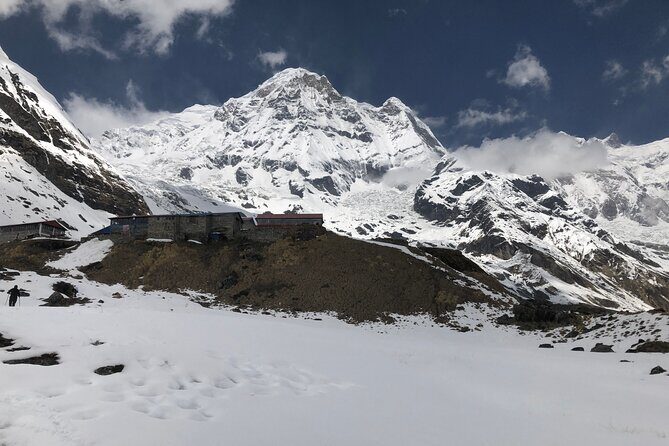
Day 8 climbs to Yak Kharka (4,110m) for about 4 hours. Day 9 heads to Thorong High Camp (4,600m) for about 4 hours.
This is where the Circuit changes character. You’re moving into the “thin-air” zone. Even if the trail distances aren’t huge, the effort feels amplified. Cold can show up fast too, especially later in the day.
The tea-house base at high elevation is part comfort, part strategy. You get warmth and a place to eat, but you also learn to keep moving within a routine—warm food, minimal time outside, early rest. If you’ve never trekked this high before, don’t underestimate how much energy you spend simply staying warm.




Day 10: Thorong-La Pass (5,416m) to Muktinath (3,800m)
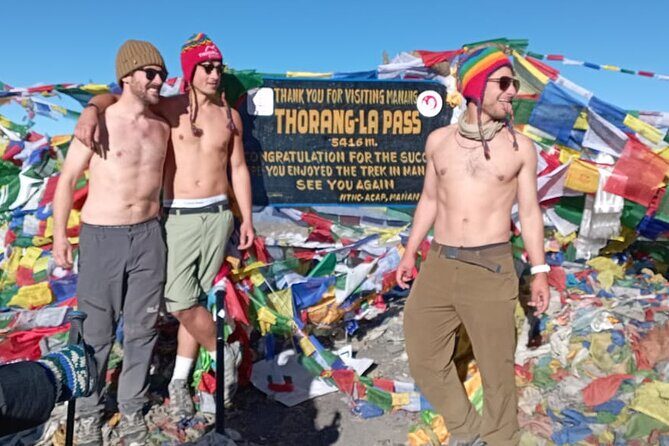
Day 10 is the headline day: you cross Thorong-La Pass (5,416m) to Muktinath (3,800m), with about 7 hours walking.
This is a long day because it combines climbing, pass crossing, and a descent. The main goal is consistency, not drama. You’ll want to pace yourself well before you reach the pass, because once you’re at altitude, every minute counts.
Muktinath at 3,800m is also a shift in vibe. You’re still high, but the drop from pass height can feel like a physical release. It’s the kind of day where you appreciate steady guiding and clear planning—especially with your timing.
If you’re considering whether you have the fitness for this, this is the segment to judge. You’ll likely hike slower than you expect at the pass. That’s normal on this route.
Day 11-13: Marpha via Jomsom to Lete, Then Tatopani’s Hot Springs
Day 11 goes to Marpha (2,670m) via Jomsom (2,715m) and takes about 6 hours. Day 12 brings you to Lete (2,480m) in about 6 hours.
Day 13 is a different kind of recovery day: you trek to Tatopani (Natural Hot Spring) at 1,190m, taking about 6 hours.
This section is good because it gives you variety after the high pass. Going from high altitude to lower elevations changes how your legs feel. The descent days can still challenge your knees, but breathing often gets easier and your energy can bounce back.
Tatopani’s natural hot spring stop is a real morale booster. You’re dropping in elevation enough that warmth becomes a bigger deal, and a soak can help your body feel less angry. Just remember you’ll be using local facilities where amenities like hot shower aren’t guaranteed—what’s included here is the experience of the natural hot spring setting, not modern spa comforts.
Day 14-15: Ghorepani and the Poon Hill Finish
Day 14 takes you to Ghorepani (2,880m) in about 6 hours. Day 15 includes Poon Hill (3,210m) and then continues onward to Nayapul (1,100m) before driving to Pokhara (860m) for about 6–7 hours.
This is a classic ending structure: you spend the final night at a higher village base, then head up for a viewpoint morning at Poon Hill. It’s a good way to wrap a long trek with a focused payoff—view, photos, then transition to the lower valleys and vehicle time.
The final drive to Pokhara is also valuable because it shortens the post-trek stress. You’re not left scrambling for transportation after a big walking finish.
Food, Tea Houses, and What’s Not Included (Plan for Small Costs)
The tour includes all food during the trek: breakfast, lunch, and dinner. Accommodation is at tea houses, which is typical for the Circuit and keeps the experience grounded in local infrastructure.
What’s not included covers the usual add-ons: tea, coffee, beer, cola, mineral water, and hot water. Battery charging and Wi‑Fi are also not included, along with hot showers.
So here’s the practical advice: budget a little extra for hydration and snacks you might want outside meals. Also plan your power use. If you bring a phone or camera, charge strategically at times when battery services are available, and consider a small power bank if that’s part of your gear plan.
Also, remember that altitude days can make you hungry in a way you didn’t expect. When meals are included, that’s a big comfort—just make sure you eat enough at lunch so dinner doesn’t become a scramble.
Guides, Porter Rishi, and Why Support Makes a Difference
This trek includes an excellent guide. The program specifies guide food, salary, insurance, and equipment, which tells you the role is treated as professional—not as a casual add-on.
There’s also porter guidance in the included vs. not included list: porter is not included. That doesn’t mean you can’t hire one—it means you’re deciding whether you want the added carrying help.
One name that comes up in porter support is Rishi, described as helpful, friendly, and serious about his job. If you want peace of mind with loads and pace, asking about porter availability and matching with someone experienced is a smart move.
Safety comes from systems: a guide who keeps the schedule, manages high-altitude pacing, and helps you make realistic choices about stops and timing. The permit inclusion also supports safer, smoother entry into regulated trek areas.
Who This Trek Fits Best (And Who Should Rethink)
This experience is for people with moderate physical fitness. That can be true and still mean you need a realistic plan: the day with the pass is demanding, and the route requires consistent walking across multiple days.
This is a great fit if you:
- want the classic Annapurna Circuit arc from lower warm valleys up into the high pass world
- prefer tea-house trekking over camping
- like having meals and basic logistics handled so your energy goes to hiking
Consider rethinking it if you:
- are planning to do the trek without any altitude awareness
- expect every day to feel easy
- don’t have the stamina for a long pass day and a multi-hour final travel day to Pokhara
Practical Packing and Gear: The One Thing You Must Plan For
Your trekking equipment is not included, so bring what you need for cold nights and high-altitude days. Even if you’re mentally prepared, the weather at higher elevations can surprise you.
Also, because hot water and hot shower are not included, treat wash and warmth as limited in some tea houses. Plan on wearing layers you can manage throughout the day and drying out what you can at reasonable times.
If you’re traveling with electronics, plan around limited charging and no Wi‑Fi as part of your daily rhythm.
Should You Book This Annapurna Circuit Trek?
If your priority is good value with real structure—meals covered, tea-house stays organized, permits included, and a guide who runs the day-to-day—you should seriously consider booking this. The itinerary makes sense: it climbs gradually, includes a rest day at Manang, then hits the pass with a full day dedicated to the crossing and descent.
I’d book it if you want a guided route that doesn’t leave you juggling paperwork and meal planning, and if you’re comfortable committing to long hiking days around altitude. I’d hesitate only if you want luxury amenities, assume warm showers every night, or expect the hardest day (Thorong-La) to feel casual.
If you do book, the smartest move is to prepare for the cold, pace your effort early, and consider adding a porter if carrying your gear would slow you down.
FAQ
What is the duration of the Annapurna Circuit Trek?
It’s listed as 15 days approximately.
Where does the trek start?
The location is Kathmandu, Nepal.
What time is the meeting?
Start time is 6:15 am.
Is hotel pickup and drop-off included?
Yes. Hotel pick up/drop by taxi is included.
How do you travel to the trek areas?
The tour includes all needed transport by bus.
Are permits included?
Yes. All needed mountain trekking permit is included.
What about accommodation?
You stay in mountain accommodations (tea houses).
Are meals included?
Yes. All food (breakfast, lunch, dinner) during the trek is included.
What is not included in the price?
Not included items include tea, coffee, beer, cola, mineral water, hot water, Wi‑Fi, battery charges, hot shower, your trekking equipment, your travel insurance, and a porter.
Is a porter included?
No, porter is not included.
What is the cancellation policy?
This experience is non-refundable and cannot be changed for any reason.