REVIEW · KATHMANDU
Everest Base Camp Trekking 16 Days
Book on Viator →Operated by Vyas Treks & Expedition · Bookable on Viator
Lukla airfields set the tone fast. This 16-day Everest Base Camp trek strings together the classic Khumbu route with guided Kathmandu highlights, then moves you from Namche to Tengboche, Dingboche, Lobuche, Everest Base Camp, and finally Kala Patthar. You also get practical touches like an airport pickup, equipment checks, and time to acclimatize before the hardest high days.
I love the human guidance pattern people describe, with standout Sherpa guides named in real trip feedback such as Shiva, Keshab, and Rajesh. I also love the built-in acclimatization structure, especially the extra days in Namche Bazaar and Dingboche that help your body catch up before Everest Base Camp.
One consideration is that mountain trips can be affected by outside conditions. In particular, I saw mixed experiences tied to timing and changes, including a case where a trek ended 2 days early and refund expectations weren’t met, plus complications during lockdown. The program also depends on weather, and poor conditions can trigger a different date or cancellation.
In This Review
- Key highlights to pay attention to
- How this 16-day Everest Base Camp trek is paced
- Kathmandu UNESCO day: Durbar Square, Pashupatinath, Swayambhunath, Bouddhanath
- The Lukla flight to Phakding: where the trail really begins
- Namche Bazaar acclimatization: markets, Khumjung, and early viewpoints
- Tengboche monastery day: rhododendron forests and the main gompa moment
- Dingboche and Lobuche: fields behind stone walls and memorial prayer flags
- Everest Base Camp: Gorak Shep approach and following your Sherpa
- Kala Patthar pre-dawn climb: listed -10 to -14 C for huge 360 views
- The return: Pheriche descent, Phakding plains, and Lukla’s rocky goodbye
- Guide quality and service: Shiva, Keshab, Rajesh, and Dibson in the mix
- Price and value: is $800 reasonable for 16 days?
- Who this trek fits best, and who should pause
- Should you book this Everest Base Camp Trek with Vyas Treks & Expedition?
- FAQ
- How long is the Everest Base Camp trekking experience?
- Where does the trek start and end?
- What is the price per person?
- Does the trip include airport pickup and drop-off?
- Do you fly from Kathmandu to Lukla?
- Are any UNESCO World Heritage sites included before the trek?
- Is there time for acclimatization during the trek?
- Which major high points are included?
- What is the weather situation and cancellation risk?
- What fitness level is required?
Key highlights to pay attention to
- Kathmandu UNESCO warm-up before you ever see Lukla, including Durbar Square and major sacred sites
- Lukla flight timing (about 40 minutes) that sets the pace for the trekking days after
- Acclimatization days in Namche Bazaar and Dingboche, not just a straight grind upward
- Tengboche monastery visit, paired with rhododendron-forest hiking
- Everest Base Camp approach with navigation guidance, including the note that the route can be misleading
- Kala Patthar day at pre-dawn temperatures listed around -10 to -14 C for big panoramic views
How this 16-day Everest Base Camp trek is paced
This trek is built around a simple truth: Everest is not just a destination, it’s the climb to get your body ready for altitude. You start with two days in Kathmandu, including guided UNESCO sites and an equipment check with your climbing leader, so you’re not scrambling right when the mountain starts to feel real. Then you fly to Lukla and ease into the Khumbu rhythm through Phakding, Namche Bazaar, and the Sherpa valleys.
The big high points come later, after acclimatization. Namche Bazaar gives you time to adjust at Sherpa altitude and practice short hiking. Dingboche does the same before you push toward Lobuche, Gorak Shep, Everest Base Camp, and Kala Patthar. That pacing matters because your toughest emotional moments on the route are tied to specific days—arrival at Everest Base Camp and then the pre-dawn climb to Kala Patthar.
You’ll also notice the route is not only about going up. The descent days are planned as part of the experience, including a steady return via Phakding and Lukla, then a flight back to Kathmandu.
You can also read our reviews of more hiking tours in Kathmandu


Kathmandu UNESCO day: Durbar Square, Pashupatinath, Swayambhunath, Bouddhanath
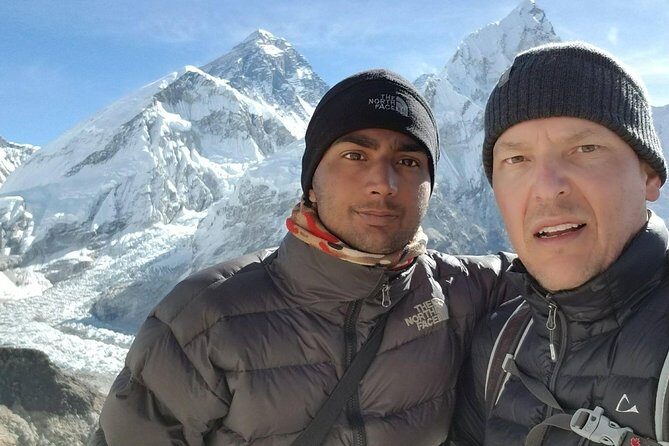
Before Everest, you get a guided Kathmandu introduction that covers four UNESCO-listed stops. You’ll visit Kathmandu Durbar Square, Pashupatinath, Swayambhunath (the Monkey Temple), and Bouddhanath, noted in the plan as one of the largest stupas in the world.
This is more than sightseeing. It helps you understand what you’re walking through later in the Khumbu: prayer stones, Buddhist shrines, and the Sherpa spiritual landscape you’ll see in monasteries and villages. It also gives you time to settle in from arrival without rushing straight to the mountain.
On the operational side, you also get your equipment checked by your climbing leader and meet other participants before flying out. That means you arrive in Lukla with fewer surprises and more confidence about what you’re wearing and carrying.
One extra practical perk: a welcome dinner is hosted on day 1 with authentic Nepalese cuisine. It’s the kind of detail that makes the trip feel organized from the first night, not like a scramble of transfers.
The Lukla flight to Phakding: where the trail really begins
Your jump from Kathmandu to the Khumbu happens via a short scenic flight to Lukla (about 40 minutes). The plan calls out that the landing happens on a hillside surrounded by high peaks. Even if you’ve flown before, this route tends to feel like the start button for the whole expedition.
Once you land, you begin walking the same day. After a gradual descent, you reach Cheplung for a glimpse of Mt. Khumbila (listed at 18,900 ft). Then you continue down toward Phakding, crossing into the trekking world with pine forests, river crossings, and Sherpa-influenced villages.
Phakding is where the trip starts showing you the local “texture.” You’ll cross the Dudh Koshi River, pass Chumoa, then go on to Monjo, which the plan identifies as the entrance to Everest National Park. From there, you cross suspension bridges, walk alongside Dudh Koshi and Bhote Koshi rivers, and then begin climbing again toward Namche Bazaar.
This first trekking chunk is a good reality check. It’s long enough to get your legs working, but not so punishing that you feel wrecked before the altitude days.
Namche Bazaar acclimatization: markets, Khumjung, and early viewpoints
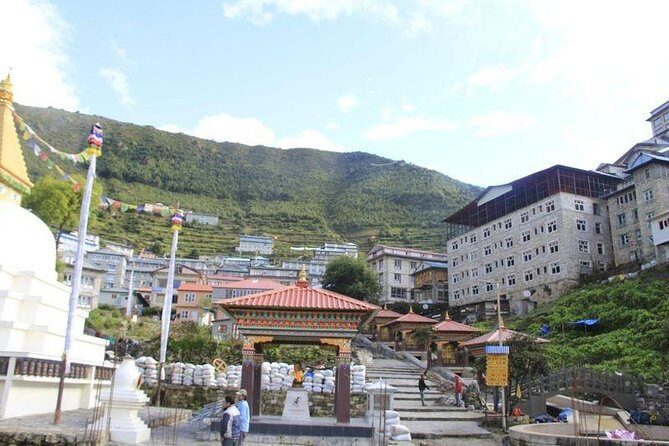
Namche Bazaar is the hub of the Khumbu region in this plan. You reach it on the day that involves a steep ascent after Monjo, so you’re not only arriving at altitude—you’re also arriving after a serious uphill effort.
The next day is set up for acclimatization. It includes time to explore Namche itself, plus structured options for hiking around the area. The plan even references an Irish Pub stop, which is a reminder that Namche functions like a real town, not a silent trail waypoint.
What I like here is the mix of culture and viewpoint hiking. If you’re interested, you can hike to Khumjung village (the plan lists it at 12,401 ft). You’ll also visit Khumjung Hillary School, and the guidance highlights that you’ll learn about traditional Sherpa life and see Himalayan flora and fauna at altitude.
If you want the classic “big sky” moments, the plan notes sunrise views from hikes connected to Sagarmatha National Park, where you can look out toward Everest, Lhotse, Nuptse, Ama Dablam, Thamserku, Kongde, and more. That’s a lot of eye candy packed into a day that still functions as altitude management.
Tengboche monastery day: rhododendron forests and the main gompa moment
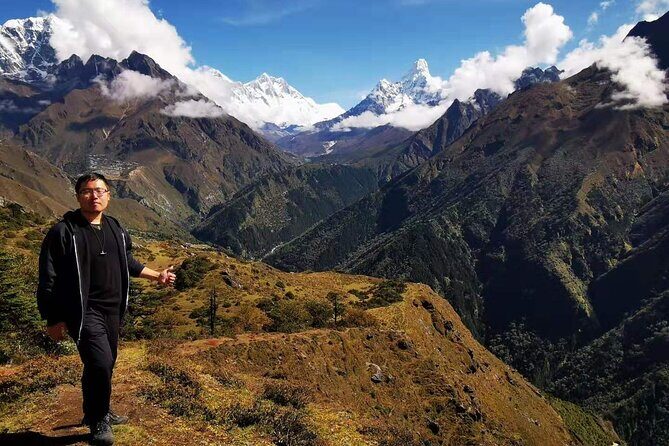
After Namche, the route shifts through forests, including rhododendron, and includes both descent and ascent. The plan describes descending to the Dudh Koshi River, then climbing again along rhododendron forests to Tengboche.
Tengboche is built around a very specific “pause” in the trek: visiting Tengboche monastery (described as the largest monastery in the region). You spend time there soaking in views that include Everest and Ama Dablam among other peaks.
This is one of those days where the trek feels like it has a cultural beat, not just a physical one. Monasteries and prayer flags show up later too, but Tengboche is a clear highlight on the route. If you’re the kind of person who likes your travel to have both scenery and meaning, this is a great place for it to click.
The practical side: this day is paced around a forest hike, river views, and one major destination stop, so you’re not constantly bouncing between tiny waypoints.





Dingboche and Lobuche: fields behind stone walls and memorial prayer flags
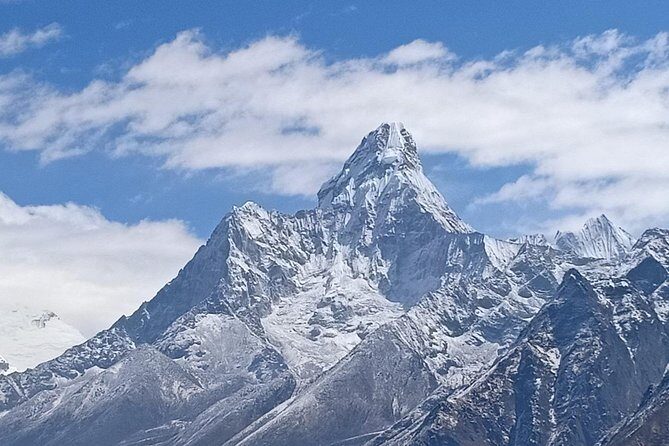
From Tengboche, you move toward the Dingboche area via forests and valleys. The plan mentions dips toward Devuche and a crossing of the Imja River, then onward to Pangboche, where the view is described as more pristine. Eventually you begin climbing to Dingboche, a village with fields enclosed by stone walls to protect barley, buckwheat, and potatoes from cold winds and grazing animals.
Then you get another acclimatization day. In Dingboche, you take time for day hikes toward either Nagarjun Hill or Chukkhung Valley, where you can see peaks including Makalu, Lhotse, Chalotse, Tawache, and Ama Dablam. Again, this isn’t just “rest.” It’s a planned way to stay active while your body adjusts.
After Dingboche, you move toward Lobuche. The route includes a gradual climb to Duglha at the end of the terminal moraine of the Khumbu Glacier, then a steeper section to Chupki Lhara. This is where memorial stones with prayer flags appear, specifically connected to Scott Fischer and Babu Chiri Sherpa (the plan notes their deaths related to Everest missions). It’s one of the more emotionally loaded parts of the walk.
You continue along the Khumbu Glacier moraine, with big peak views in front of you, including Khumbutse, Lingtren, Pumori, and Mahalangur Himal, before reaching Lobuche.
If you’re sensitive to the human side of big mountains, this section is not just scenic. It’s reflective.
Everest Base Camp: Gorak Shep approach and following your Sherpa
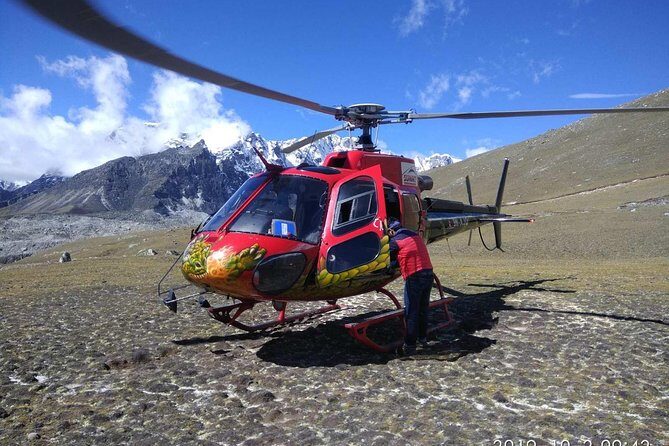
The day you reach Everest Base Camp is also the day the trek turns from training to achievement. You go from Gorak Shep toward Everest Base Camp, passing the once vast Gorak Shep Lake and then coming across memorials connected to Indian army mountaineers.
The plan stresses something important: the path from there can be misleading, so you should follow your Sherpa lead carefully. That’s not a small note. High-altitude trail confusion is one of the last things you want when you’re running on thin air and excitement.
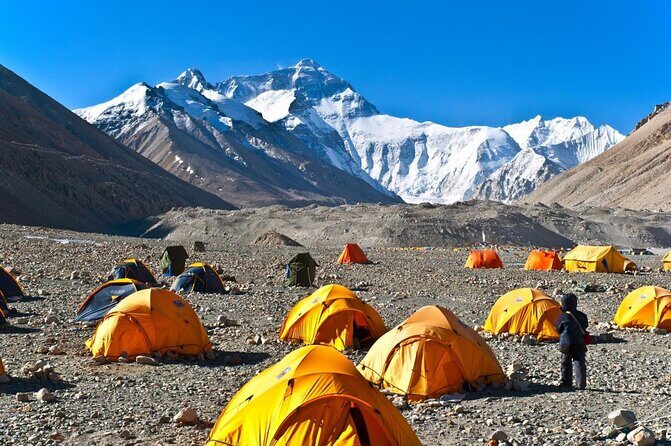
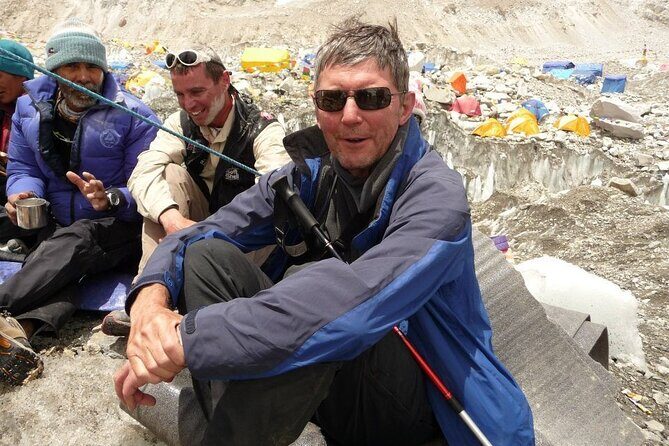
You’ll walk through rocky dunes, moraine, and streams before reaching Everest Base Camp. When you arrive, the plan describes mountaineer tents standing out against the gray surroundings, and it notes you can view Nuptse, Khumbuste, and Pumori from the base camp area.
Then you return to Gorak Shep for the night. That matters because Everest Base Camp can feel like a finale, but your next day is the real “reward day” for most people: Kala Patthar.
Kala Patthar pre-dawn climb: listed -10 to -14 C for huge 360 views
Kala Patthar happens on day 11. The plan calls for an early morning departure amid pre-dawn darkness and cold temperatures listed at around -10 to -14 C, plus the mention of chilly winds.
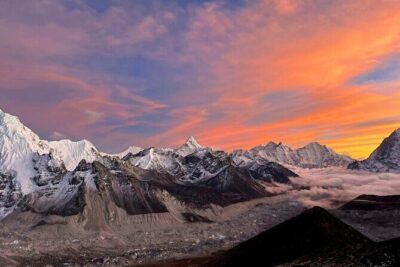
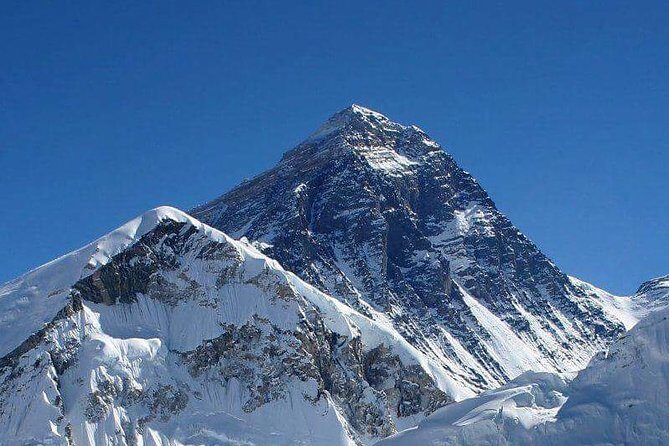
You’ll see peaks like Lingtren, Khumbutse, and Changtse to the east while Everest starts to reveal itself. Then you climb to Kala Patthar for 360-degree up-close views of Mt. Everest.
That “360-degree” detail is why Kala Patthar is a must-do on this route. Base Camp is iconic, but Kala Patthar is where you get the mountain’s scale in a way that feels physical rather than just scenic.
After the photos and the cold-staring contest with your own breath, you head back toward Pheriche for rest.
The return: Pheriche descent, Phakding plains, and Lukla’s rocky goodbye
Going back down is not automatic relief. In this plan, day 12 includes a trek down through rhododendron and juniper trees, then a fast descent through pine forests after crossing a prayer-flag festooned bridge over Dudh Koshi River. In the forest, you might see colorful pheasants and mountain goats, which adds wildlife texture to the return.
You also pass Sansa, where you can enjoy views of Ama Dablam, Thamserku, and Nuptse before continuing toward Namche and beyond.
On day 13, you head toward Phakding via open plains and pine forests. The plan emphasizes noticing Sherpa villages and their Buddhism-influenced faith in prayer stones and prayer flags. These symbols can start to feel familiar by now, and it’s satisfying when you recognize them as something more than decoration.
Day 14 is a steep drop toward Lukla. The plan specifically warns you to walk cautiously because your legs may feel shaky on rocky terrain. Suspension bridges over Dudh Koshi and tributaries appear again, and then you arrive in Lukla to stretch your legs and unwind.
Finally, day 15 includes an early flight back to Kathmandu, plus time in Thamel for rest and souvenir shopping. Day 16 is the airport transfer with a representative taking you to the airport about 3 hours before your scheduled flight.
Guide quality and service: Shiva, Keshab, Rajesh, and Dibson in the mix
For a trek this big, your guide can make it feel human or mechanical. The pattern of names coming up in feedback is useful here. Shiva is praised as helpful and kind, with a rapport that included laughter and learning. Keshab is highlighted as amazing and as someone who looked after the group from start to finish. Rajesh also gets a strong mention as a guide worth repeating the experience with.
On the company-management side, Dibson (listed in replies as Mr Dipson) appears as a key contact for pre-trip help and ongoing support. That matters because trekkers often need answers fast: document timing, practical questions, and adjusting to conditions.
That said, I also saw a complaint tied to a leadership issue where the trek ended 2 days early and a refund was not what was expected. There was also a separate lockdown-related complaint with an explanation that the team was COVID positive and that they tried to accommodate the situation. Take from this what you should: you want a guide who’s solid on the mountain, and you also want clear expectations for what happens when conditions change.
Price and value: is $800 reasonable for 16 days?
At $800 per person for a roughly 16-day adventure, the value question comes down to what you’re getting beyond the walking itself. Your plan includes Kathmandu airport pickup and a welcome dinner, guided UNESCO site visits, and an equipment check with a climbing leader. Then it adds the short scenic flight from Kathmandu to Lukla—one of the biggest logistical costs on this route for most people.
On the mountain side, the plan indicates that food and accommodation are sorted and that guides handle the flow day to day. That kind of “you don’t have to coordinate every step” support is exactly what you want when you’re tired, altitude is real, and your focus should be on the next safe step.
Group discounts are listed as a feature too, which can make the per-person cost easier to justify if your dates and group size line up.
The main value tradeoff is that weather can change everything. The experience requires good weather and may be canceled due to poor conditions, in which case you’re offered a different date or a full refund. That’s normal for Everest country, but it’s still a financial and scheduling reality.
Who this trek fits best, and who should pause
This trek is listed for people with moderate physical fitness. That’s a useful marker: you don’t need to be an elite athlete, but you do need to be ready for long trekking days and altitude days that include steep climbs, river crossings, and early pre-dawn starts.
It also works best if you like a structured experience. You’ll have guided city days, equipment checks, acclimatization time in Namche and Dingboche, monastery and viewpoint stops, and planned return trekking back to Lukla and Kathmandu.
I’d hesitate if you’re the type who struggles with changing plans due to weather. The route is explicitly weather-dependent, and one feedback example involved major schedule disruption during a broader crisis. If you can be flexible and you want help from a guide, that flexibility is your friend.
Should you book this Everest Base Camp Trek with Vyas Treks & Expedition?
If your goal is the classic Everest Base Camp route with meaningful stops, I think this is a strong match. You get the full arc: Kathmandu culture and UNESCO sites, the Lukla start, Sherpa villages, Namche and Dingboche acclimatization, Tengboche monastery, then Everest Base Camp and the Kala Patthar panoramic day. The presence of named guides like Shiva, Keshab, and Rajesh in positive feedback is a reassuring sign.
I’d book with eyes open if you’re very sensitive to schedule changes. Weather and mountain conditions can force adjustments, and there is at least one example where a traveler felt the outcome wasn’t handled as expected. If you choose a date, keep your travel plans flexible around potential weather disruptions.
One final thought: this trek is called legendary for a reason. But the real win is the way your days are arranged—rest where you need it, effort where it counts, and iconic views at the moment your body is ready for them.
FAQ
How long is the Everest Base Camp trekking experience?
It runs for about 16 days.
Where does the trek start and end?
The experience is based in Kathmandu, Nepal, with a return to Kathmandu at the end.
What is the price per person?
The listed price is $800.00 per person.
Does the trip include airport pickup and drop-off?
Yes. A representative from Vyas Treks & Expedition picks you up from Tribhuvan International Airport and also takes you to the airport near the end of the trek.
Do you fly from Kathmandu to Lukla?
Yes. There is a short scenic flight from Kathmandu to Lukla (about 40 minutes).
Are any UNESCO World Heritage sites included before the trek?
Yes. In Kathmandu you visit UNESCO-listed sites including Kathmandu Durbar Square, Pashupatinath, Swayambhunath, and Bouddhanath.
Is there time for acclimatization during the trek?
Yes. You spend acclimatization time in Namche Bazaar and also in Dingboche, with optional day hikes.
Which major high points are included?
The plan includes Everest Base Camp and Kala Patthar, plus visits through Namche Bazaar, Tengboche, Dingboche, and Lobuche.
What is the weather situation and cancellation risk?
The experience requires good weather. If it’s canceled due to poor weather, you’ll be offered a different date or a full refund.
What fitness level is required?
The experience is described as suitable for travelers with moderate physical fitness.