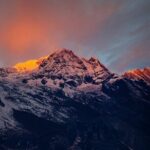
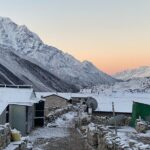
Everest Base Camp feels close, then suddenly not. This trek strings together high-altitude villages, famous viewpoints, and lodge comfort all the way up to 5,364 m. You get classic Khumbu scenery too: the Icefall area, hard moraine, and big mountain walls staring back at you.
I really like the acclimatization rhythm built into the route, especially the full Namche Bazaar rest day before you climb higher. And the operator behind it, Unique Path Trekking Expedition Pvt. Ltd., is known for staying responsive—its owner Babu comes up again and again in the way people describe communication and problem-solving.
One thing to weigh up: Lukla weather can delay flights, and that can stretch your schedule unless you stay flexible.
In This Review
- Key Highlights That Matter on Everest Base Camp
- Getting From Kathmandu To Lukla: The 35-Minute Start That Sets the Tone
- Phakding To Namche Bazaar: Sagarmatha National Park Day With Big River Energy
- Namche Acclimatization Day: Museums, Viewpoints, And Sherpa Culture You Can Actually See
- Tengboche Monastery Day: Prayer Flags, Forest Switchbacks, And The Ama Dablam Moment
- Pangboche To High Villages: Mani Walls, Prayer Forests, And Lodges Closer To the Clouds
- Thugla Ridge And Lobuche: Memorial Spots And The Real Grind Toward Gorakshep
- Gorakshep To Everest Base Camp: Moraine Walking And The Icefall View
- Kalapatthar: The 5,545 m Viewpoint That Makes the Climb Worth It
- Pheriche Back Down Toward Namche: Tengboche Again, But With a Different Feel
- Namche To Lukla: A Leisure Last Trek Day Along Dudh Kosi
- Lukla Flights And Kathmandu Transfer: Plan for Weather, Not Just Timetables
- Lodges, Meals, And Gear: What’s Included Can Make This Trek Feel More Manageable
- Price and Logistics: Is $1,350 Good Value for Everest Base Camp?
- Who Should Choose This Trek (And Who Should Rethink It)
- Should You Book This Everest Base Camp Trek With Unique Path Trekking?
- FAQ
- What does the trek include each day?
- Does the price include domestic flights?
- Is pickup offered in Kathmandu?
- Where do you end up after trekking?
- What permits and registrations are covered?
- What gear is provided for cold weather?
- Is there any altitude or medical monitoring?
- What is not included in the price?
- How many days is the trek?
- What is the cancellation rule?
- What fitness level do I need?
Key Highlights That Matter on Everest Base Camp
- Lukla gateway by air: You fly in on a short scenic hop, then start trekking the Khumbu way with real views fast.
- Namche Bazaar acclimatization built in: Time to breathe, shop, and hike lightly before going higher.
- Dengboche/Tengboche monastery stop: A calm, spiritual break with mountain scenery that pulls focus.
- Gorakshep to Everest Base Camp: The final push goes along moraine with the Icefall area in view.
- Kalapatthar altitude payoff: A steep climb to a top viewpoint at 5,545 m for the south face drama.
- Small-group feel (max 25): Easier logistics for a trek where timing and pacing matter.
Getting From Kathmandu To Lukla: The 35-Minute Start That Sets the Tone
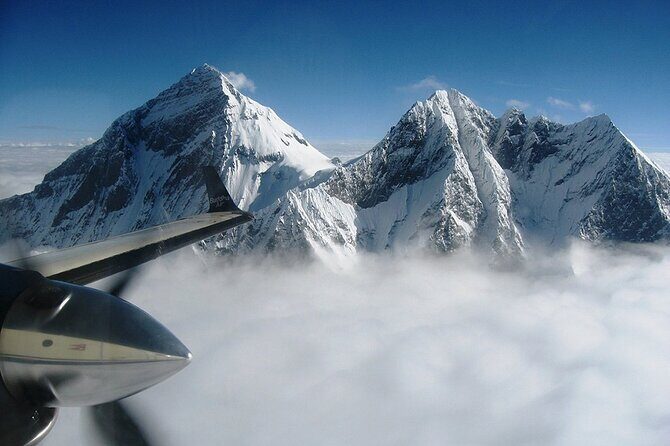
Most Everest Base Camp trips begin with Kathmandu, then a quick domestic hop to Lukla—the usual gateway up to the Khumbu region. Here, you’re looking at a short scenic flight of about 35 minutes, which is a great way to compress travel time while getting that early “we’re actually doing this” feeling.
After landing, the day keeps moving: you meet your guide, trekking team, and porters, then walk out of Lukla past the town itself. Your first trekking day follows an easier path with views of peaks and villages like Muse and Chowri Kharka, and you’ll track alongside the Dudh Kosi River toward Phakding.
Practical take: this day is mostly about settling in—finding your rhythm, not testing your lungs. If you arrive with stiff legs or nerves, you’ll still have time to warm up before the real climbs start.
You can also read our reviews of more hiking tours in Kathmandu


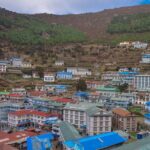
Phakding To Namche Bazaar: Sagarmatha National Park Day With Big River Energy
Day 2 starts pleasantly through pine and rhododendron woodland with frequent ups and downs. You also cross key bridges over the Dudh Kosi, and you pass through Monjo, then onward toward Jorsalle after entering Sagarmatha National Park.
Then the climb ramps up. You’ll head uphill, cross toward the last bridge over Imjatse and Bhote Kosi (where they join Dudh Kosi), and the day ends with the steeper slog into Namche Bazaar.
Namche is where Everest trekking becomes real. You check into a designated lodge and you finally get time to decompress—browse shops, watch the flow of trekkers and locals, or just sit and let the altitude settle in.
I like this segment because it mixes comfort (woodlands, river walking) with purpose (getting you to Namche without wasting the day). The main downside is that you’ll feel those uphill stretches more as you go—so keep your pace steady, not heroic.
Namche Acclimatization Day: Museums, Viewpoints, And Sherpa Culture You Can Actually See
Day 3 is your “breathe before you break” day. You’re staying at Namche Bazaar for acclimatization, which is not just a nice pause—it’s a smart part of how you handle altitude. If your itinerary feels rushed elsewhere, this is the day that corrects that.
You also have optional hikes. One option is a short hike to a viewpoint and a museum that covers local flora/fauna, geography, and Sherpa history and religion, with tremendous views over the Everest region. Another option is a half-day move to quieter Khumjung and Khunde, including a monastery stop.
If you’re the type who hates sitting still, these options help. But if you’d rather keep it low effort, you can simply rest and snack, then enjoy the Namche atmosphere.
The best part: you’re not just learning about the mountains. You’re also seeing how people live in the Khumbu, which makes the whole trek feel less like a checklist and more like a place.
Tengboche Monastery Day: Prayer Flags, Forest Switchbacks, And The Ama Dablam Moment
On Day 4, you leave Namche with a scenic trail and frequent mountain views. You’ll walk downhill toward Phungetenga for lunch, then tackle a steep uphill through forests where the scenery keeps shifting—Thermasarku and Kangtenga show up along the way.
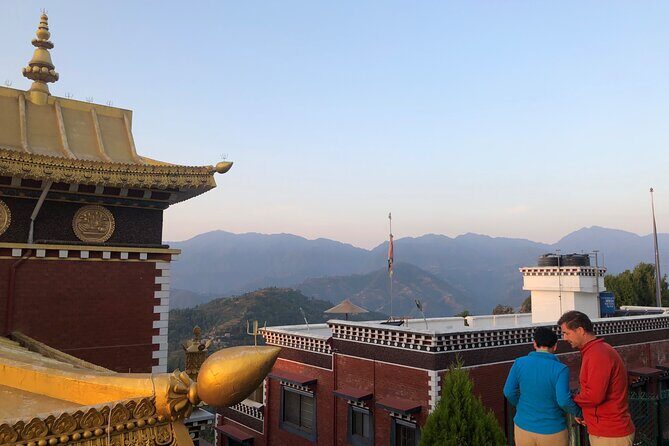
After the climb, you reach Tengboche Monastery, which is one of the most memorable stops on this whole trek. The day includes time to visit the monastery based on the set schedule, watching monks and priests during prayer time.
This is also a day with a lot of emotional contrast: quiet prayer space, then hiking back out into dramatic high-country scenery. You’ll feel small in a good way.
Two practical notes. First, dress warmly here; monastery visits usually mean standing around. Second, keep an eye on timing—prayer schedules are set, and it’s better to plan your pace early.
Pangboche To High Villages: Mani Walls, Prayer Forests, And Lodges Closer To the Clouds
Day 5 transitions you deeper into the Khumbu rhythm. The route goes downhill from Tengboche through cool woodland, passing settlement areas and reaching bridges over the Imjatse river gorge. As trees thin out, you start seeing more rows of prayer flags and mani walls, plus stupa points that mark the trail.
You’ll reach Pangboche, described as the last permanent village along the way to higher base camp areas. From there, you can expect a short steep climb to Shomare, which works as a temporary lodge/teahouse village and a common lunch stop.
Then you keep climbing toward the higher Dingboche/Pheriche zone, where the day’s atmosphere shifts again—colder nights, fewer trees, and that unmistakable “we’re living at altitude now” feeling.
What you’ll love here is the view quality. Even when your legs feel slow, Ama Dablam-style presence and the surrounding walls tend to keep your attention on the right things.





Thugla Ridge And Lobuche: Memorial Spots And The Real Grind Toward Gorakshep
Day 6 brings a slow climb uphill with prayer flags and stupas, overlooking snowcapped peaks. The trail includes gradual up-and-down sections, then you end up at Thugla (Dugla), a popular lunch break near raging streams fed by glacier melt.
After lunch, there’s a steep climb—under an hour—to the ridge at Thugla, which gives you strong views toward Ama Dablam’s north face and nearby peaks like Tawache and Cholatse. This section also includes memorials of late climbers, adding a sobering tone right where your legs are working the hardest.
From there, the route continues toward Lobuche, where you sleep in a lodge. This is a classic “near the end, but not there yet” day.
Practical tip: in this region, your breathing is the boss. If you get impatient, you’ll pay for it later. Take short steps, keep moving, and let your breathing settle.
Gorakshep To Everest Base Camp: Moraine Walking And The Icefall View
Day 7 is hard due to altitude gain, but the payoff is direct. You’ll hike toward Gorakshep, described as having multiple lodges and acting as the last base before Everest Base Camp. The trail includes moraine and icy sections, so it’s not a stroll even when the views are breathtaking.
After reaching Gorakshep, you continue to Everest Base Camp (5,364 m). The walk goes along moraine with views of the Khumbu Icefall—that iconic, dramatic glacier structure you see in nearly every Everest image.
You spend time at base camp, then head back to Gorakshep for the night. That return matters because it lets you keep your day manageable while still getting your goal time.
If you’re wondering how to make this feel worth it: don’t rush your time at base camp. Look around, breathe carefully, and take in the icefall angle. This is one of those places where the details aren’t loud, but they’re unforgettable.
Kalapatthar: The 5,545 m Viewpoint That Makes the Climb Worth It
Day 8 starts with a steep uphill push to Kalapatthar, set at 5,545 m. This is one of the most famous viewpoints in the Everest region, with expansive views across the south face of Everest and surrounding high peaks toward the south/southeast horizon.
You’ll want time here. The views from Kalapatthar don’t just look big—they make you understand how the mountain’s angles work. Even if you’ve studied Everest photos before, this is where your brain finally maps it.
After your viewpoint time, the day turns into a steep downhill back toward Gorakshep, then onward toward Thugla after Lobuche and finally down toward Pheriche valley for the overnight stay.
Expect cold nights again, and expect tired legs. This is also where good pacing on earlier days pays off. If you hammered your body too hard before Kalapatthar, you’ll feel it on the descent.
Pheriche Back Down Toward Namche: Tengboche Again, But With a Different Feel
Day 9 moves through the high valleys and back toward Namche. You leave Pherbuche on a trail heading downhill through a region with close views of peaks like Ama Dablam and the Nuptse wall, plus Lhotse views.
You then cross toward higher areas again, reaching Tengboche Monastery in the sequence, and you also pass through points like Phungtenga and bridge crossings. After that, the trail winds through villages like Luvisa and Shanasa, and you end in Namche Bazaar for the night.
This day has a psychological shift: it’s still trekking in the high zone, but you’re returning. That means your mind starts working differently. It’s easier to enjoy the scenery, and it’s easier to notice small details like the trail’s rhythm and the lodge layout.
Namche To Lukla: A Leisure Last Trek Day Along Dudh Kosi
Day 10 is described as a more leisure and easy last day walk toward Lukla. The route follows the Dudh Kosi for stretches, passing villages like Benkar and Tuc Tuc, then continuing to Phakding and onward toward Choplung.
From Choplung, you take the final uphill segment of about 50 minutes to reach Lukla.
This is a great day for a mindset change. You’re not just chasing altitude now—you’re enjoying the return. If you feel surprisingly okay, that’s your body adapting to the trek rather than just enduring it.
Do still watch your footing on uneven sections. “Easy” in the Himalaya still means you’re walking on rugged ground at altitude-adapted fatigue levels.
Lukla Flights And Kathmandu Transfer: Plan for Weather, Not Just Timetables
Day 11 brings the flight back to Kathmandu. You start early from Lukla, and flight times can be delayed due to bad weather—something worth planning for mentally before you come.
Once you arrive in Kathmandu domestic terminal, your guide and staff transfer you back to your Kathmandu hotels in and around the Thamel area.
If you’re the type who hates uncertainty, this part can feel annoying. But the good news is that the operator is described as flexible when conditions change, including making contingency arrangements when needed.
Lodges, Meals, And Gear: What’s Included Can Make This Trek Feel More Manageable
Here’s what you’re set up with on the trek itself. Meals include breakfast, lunch, and dinner in trekking (each listed as 11). Lodging is twin sharing comfortable private rooms in trekking. You also receive an Everest trekking map, plus a trip achievement certificate.
Medical support is practical rather than gimmicky. You’re provided a first aid medical kit, and there’s an oxygen meter to check pulse and oxygen saturation at higher altitude. That kind of monitoring won’t remove altitude risk, but it helps you make decisions with real numbers.
Gear support is also a big value piece. You’re provided four-season sleeping bags and down jackets to use if necessary. That can save you from renting or carrying heavy winter gear—especially if you’re traveling light.
What’s not included is equally important. You don’t get Kathmandu lodging or meals. Drinks in the mountain (hot/cold/alcoholic) aren’t included, and you’re responsible for your personal equipment. You’ll also want to confirm your own trekking footwear and layered clothing plan.
Price and Logistics: Is $1,350 Good Value for Everest Base Camp?
At $1,350 per person, the value mostly comes from what’s bundled—not the mountain views alone. Your price includes ground transportation by vehicles, three meals a day while trekking, trekking lodging, and the domestic flights Kathmandu–Lukla–Kathmandu with airport tax.
It also covers major paperwork: permits and required entries are included (including TIMS and the Sagarmatha National Park related permits, plus Pasang Lamu rural municipality entry permit). You also get an Everest trekking map and day-to-day staff support: an English-speaking guide and the logistics crew you need in a region where timing and coordination matter.
The not-included list is where you can accidentally overspend if you’re not careful. International airfare, travel/rescue insurance, and Kathmandu accommodation can add cost quickly. Tips for trekking staff and driver are expected too. And you’ll likely still need to budget for personal items like laundry, phone use, and extras.
My advice: treat the listed price as the base cost of the logistics machine. Then add your personal layer—insurance and personal gear—so your budget doesn’t get surprised at the end.
Who Should Choose This Trek (And Who Should Rethink It)
This Everest Base Camp trek is aimed at people with moderate physical fitness. If you can hike steadily for hours, handle stairs and steep steps, and you’re okay with altitude, you’ll likely fit well.
You’ll also enjoy it most if you like structure and support. The trip includes an experienced, English-speaking guide and a team handling accommodation arrangements, permits, and day-to-day coordination. Plus, the group size caps at 25, which is meaningful when you’re moving through bottlenecks on narrow trails and shared lodge spaces.
If you’re expecting a luxury trip with private space and constant comfort, you might not love it. Lodges are practical, not spa-style. But if you want real trekking, with the right support and less guesswork, this format tends to work.
Should You Book This Everest Base Camp Trek With Unique Path Trekking?
I’d book it if you want a well-run, logistics-heavy trek with support that stays responsive—especially around the hardest parts: Lukla timing, acclimatization, and the final push to base camp and Kalapatthar.
It’s especially appealing because a lot is already covered: domestic flights, meals on the trail, permits, and even key cold-weather gear support like sleeping bags and down jackets. That reduces the number of moving parts you manage yourself.
I’d hesitate if you’re not willing to handle uncertainty around Lukla flights or if you’re under-prepared for altitude demands. Go in with decent fitness, a layered clothing plan, and proper insurance that matches what you’re doing up high.
If you do that, you’ll have a strong chance of turning one of the world’s toughest treks into an experience you remember for the views—and for how smoothly your days were handled.
FAQ
What does the trek include each day?
The trek includes three meals a day while trekking: breakfast, lunch, and dinner. It also includes trekking accommodation (twin sharing private rooms during the trek).
Does the price include domestic flights?
Yes. It includes both ways domestic flight tickets from Kathmandu to Lukla and back to Kathmandu, including airport tax.
Is pickup offered in Kathmandu?
Yes. Pickup is offered, and after the trek you’ll also get a transfer back to hotels in and around Thamel.
Where do you end up after trekking?
After reaching Lukla at the end of the trek, you fly back early morning to Kathmandu, where you’re transferred to your Kathmandu hotel area.
What permits and registrations are covered?
The price includes necessary paperwork such as TIMS and national park entry permits, plus Pasang Lamu rural municipality entry permit.
What gear is provided for cold weather?
You’re provided four-season sleeping bags and down jackets to use for trekking if necessary.
Is there any altitude or medical monitoring?
Yes. You receive a first aid medical kit and an oxygen meter to check pulse and oxygen saturation at higher altitude.
What is not included in the price?
Not included: accommodation and meals/drinks in Kathmandu, drinks in the mountain, personal equipment, a mountain porter, international airfare, travel/rescue insurance, and tips for trekking staff/driver.
How many days is the trek?
It’s listed as 11 days approximately.
What is the cancellation rule?
Free cancellation is available up to 24 hours in advance for a full refund. Canceling within 24 hours does not receive a refund.
What fitness level do I need?
The operator states travelers should have moderate physical fitness for this trek.