REVIEW · KATHMANDU
Kathmandu Heritage Day Tour
Book on Viator →Operated by Blissful Himalayas · Bookable on Viator
Temple sights, big meaning, easy pacing. This Kathmandu Heritage Day Tour strings together four of the city’s most important Hindu and Buddhist landmarks into a smooth 4–6 hour circuit. You get car comfort with a driver, plus a plan that keeps you from burning half the day trying to figure out routes and parking.
Two things I really like about this setup are how the stops change your viewpoint every hour and how it blends daily religious life with major monuments. You start at Pashupatinath Temple, then shift to the massive calm of Boudhanath Stupa, move to the political-religious heart of Kathmandu Durbar Square, and finish at Swayambhunath for wide views over the valley.
One drawback to plan for: it’s a short day, so you’ll spend limited time at each place. Also, the tour info lists attraction entrance fees as not included, even though each stop notes admission tickets included—so it’s smart to confirm before you go, especially if you’re tight on budget.
In This Review
- Key highlights worth planning for
- Why this 4–6 hour route feels efficient in Kathmandu
- Price and what you really get for $45
- Meeting at Thamel Marg: pickup, privacy, and comfort
- Stop 1: Pashupatinath Temple on the Bagmati River
- Stop 2: Boudhanath Stupa’s scale and the soundscape
- Stop 3: Kathmandu Durbar Square and the Royal Palace area
- Stop 4: Swayambhunath (Monkey Temple) and the valley view payoff
- Car-and-driver logistics: how to make the day smoother
- The human touch: advice that can improve your whole Kathmandu plan
- Who should book this tour (and who might skip it)
- Should you book Kathmandu Heritage Day Tour?
- FAQ
- How long is the Kathmandu Heritage Day Tour?
- What does the tour cost?
- Where does the tour start?
- Is pickup offered?
- Is this a private tour?
- Are tickets or entrance fees included?
- What’s included in the price besides the sightseeing?
- What is not included?
- Can I cancel for a refund?
- How do I get confirmation?
Key highlights worth planning for
- A driver-run loop that links four major sacred sites without transit stress
- Hindu-to-Buddhist switching in a single day, so you feel both traditions side by side
- Bagmati River atmosphere at Pashupatinath with the temple’s deep religious gravity
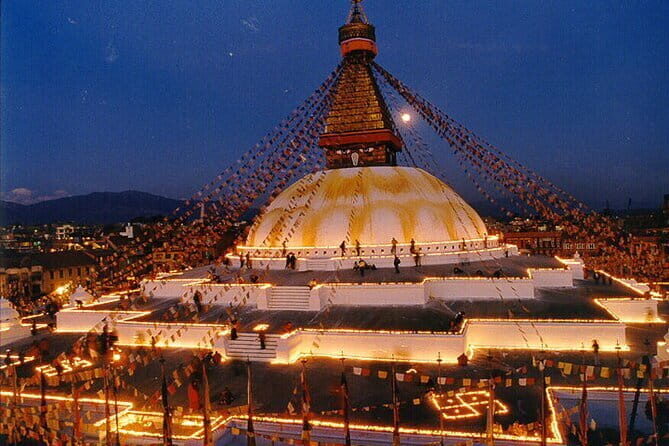
- Boudhanath’s stupa scale plus prayer flags and monks’ chanting in one concentrated stop
- Kathmandu Durbar Square’s Royal Palace area built in the 1880s with British architectural influence
- Swayambhunath (Monkey Temple) hilltop views that make the final stop feel like a payoff
Why this 4–6 hour route feels efficient in Kathmandu
Kathmandu can be a traffic-and-chaos city, and this tour’s structure fights that problem. You’re not bouncing between distant points on your own. Instead, you follow a logical order of sites that lets you spend more time looking up at temples and stupas, and less time stuck in transit uncertainty.
The pacing also helps with what you actually want from heritage days: context. Each stop has a different “main character.” Pashupatinath brings the Hindu riverbank experience. Boudhanath brings a long, layered Buddhist monument vibe. Durbar Square gives you the civic and royal anchor. Swayambhunath closes with height and atmosphere.
Four to six hours is a real sweet spot. Long enough to feel like you accomplished something meaningful, short enough that you can still have energy for dinner in Thamel afterward. If you’re on a tight schedule, this is the kind of plan that keeps you from sacrificing your whole day.
You can also read our reviews of more historical tours in Kathmandu
Price and what you really get for $45
The price is $45 per person, and what makes it feel reasonable is that the cost covers the basics that often add up in Kathmandu: a car with driver for the entire day and parking fees. You also get a mobile ticket and group pricing benefits if you’re traveling with others.
The other big value point is that the tour description marks admission tickets as included for each major stop. But your materials also state that attraction entrance fees are not included. That inconsistency matters, because you don’t want surprise costs to ruin your day.
My practical advice: before you confirm payment, message the provider and ask what entrance fees you personally need to pay on the spot. It’s a five-minute question that can save you a tense moment later. Once you’ve clarified that, the math gets much easier to trust.
You’re also not paying extra for lunch, tips, or donations inside the package. That’s normal for many heritage tours, but it means you should plan your food window. If you’re the type who skips meals only to pay for it later, carry a snack or build in time to eat afterward.
Meeting at Thamel Marg: pickup, privacy, and comfort
Your starting point is Thamel Marg, Kathmandu 44600, Nepal, and pickup is offered. If you’re staying in Thamel (or nearby), that’s a convenient start zone. It also reduces the odds that you’ll lose time finding a meeting point after a long flight.
This is listed as a private tour/activity, meaning only your group participates. That matters more than people think. You can move at a pace that suits your photo habits, your interest level, or your need for a quick break. It’s also easier to ask the driver for small help with timing, drop-offs, and where to stand.
The driver-run setup is a comfort upgrade. You’re not walking between widely separated sites, which matters in Kathmandu when sidewalks get crowded and streets can feel unpredictable. You’ll get dropped where it’s practical, which keeps the day focused on the monuments.
One thing to expect: even with a car, you’ll still walk around each site. Religious places usually have entrances, paths, and viewpoints, and you’ll likely spend your time in short bursts—look, walk, pause, repeat.
Stop 1: Pashupatinath Temple on the Bagmati River
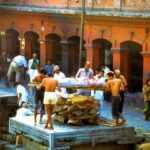
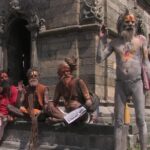
Pashupatinath Temple is one of Nepal’s holiest Hindu temples dedicated to Lord Shiva, located on the banks of the sacred Bagmati River. This stop isn’t just a photo opportunity. It’s a place where the temple and the riverbank setting work together, and you’ll feel that in the way people move and gather.
Plan for reverence. Even if you’re visiting with a curiosity mindset, you’ll want to dress and behave respectfully. You’ll also see how the river setting shapes the mood of the area. When a site is tied to a living religious landscape, it’s harder to treat it like a regular tourist attraction.
The stop duration is about 1 hour, so you won’t have endless time for deep exploration. Use that hour to do two things: (1) get your bearings on the main temple area, and (2) watch the rhythm of pilgrims and visitors without trying to dominate it. If you’re traveling with someone who loves architecture, this is one of the spots where details can reward patient looking.
Possible consideration: because this temple is so important, it can feel crowded and busy around key viewing points. That’s not a reason to skip it. It just means you’ll get the best experience if you accept that “busy” is part of the reality here.
Stop 2: Boudhanath Stupa’s scale and the soundscape
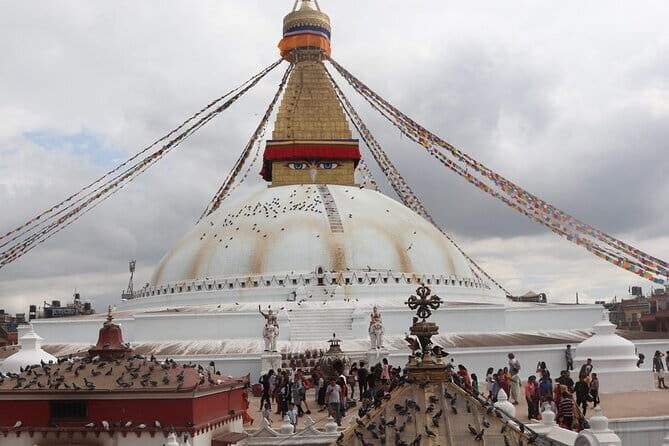
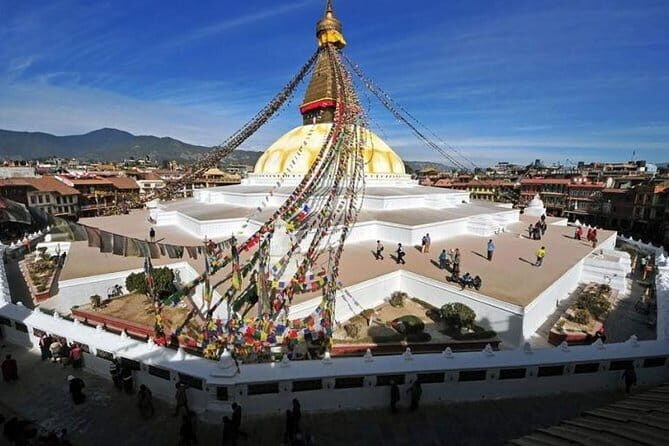
Next comes Boudhanath Stupa, described as one of the largest and most important Buddhist stupas in Nepal. As you approach, you’re met by prayer flags and the steady sound of chanting monks. That combination—colorful flags plus chanting—creates a very specific atmosphere that’s hard to replicate elsewhere.
This is a great contrast stop. If Pashupatinath hits you with riverbank intensity and Hindu temple gravity, Boudhanath offers a different kind of pull: long, centered, and ritual-focused. Even if you don’t know all the symbols, you’ll still understand the purpose of the space by watching how people circulate and how the chanting carries the mood.
You’ll get about 1 hour here. That’s enough time to walk in the area around the stupa, pause for views, and notice the small details people focus on—offerings, prayer wheels, and the way pilgrims keep their attention steady.
The main consideration is your own comfort. Stupa areas can have plenty of people standing close, and you may need to plan your photos around that. If you’re a very early or very late light photographer, you might feel slightly limited in what you can capture because the day’s schedule keeps you moving.
Stop 3: Kathmandu Durbar Square and the Royal Palace area
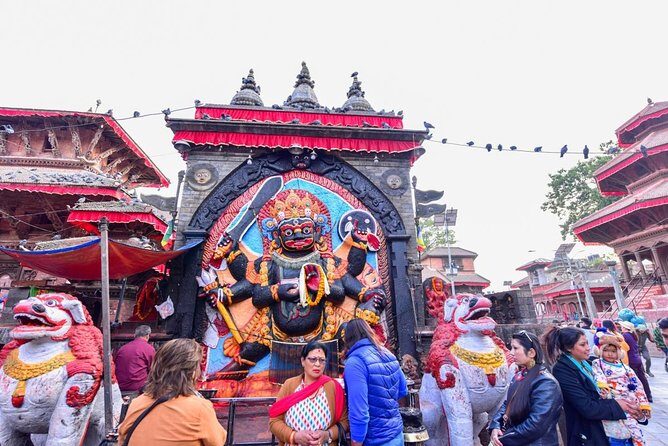
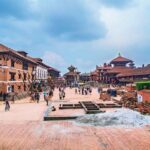
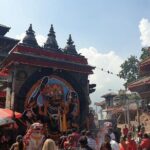
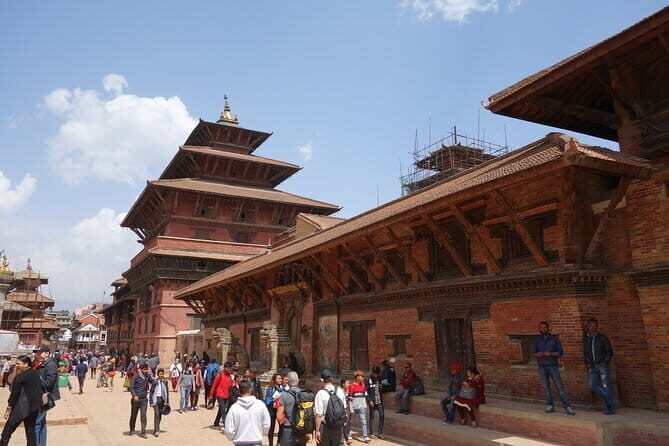
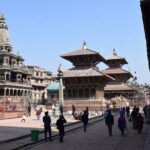
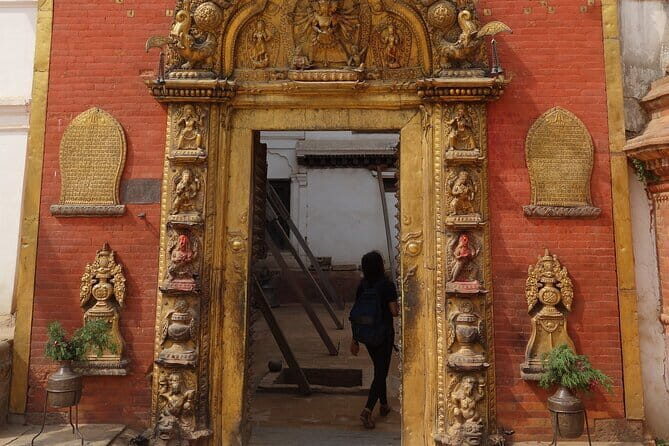
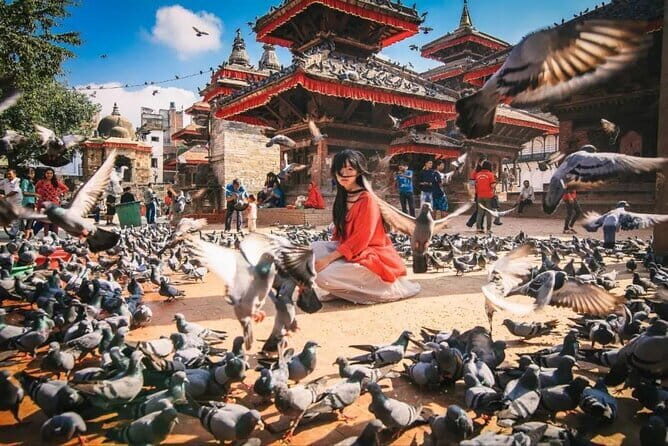
Kathmandu Durbar Square is the historical heart where you’ll find the Royal Palace. The tour notes that it was built in the 1880s with influences of British architecture, which is a fascinating detail because it shows how local power and foreign styling collided in a specific time period.
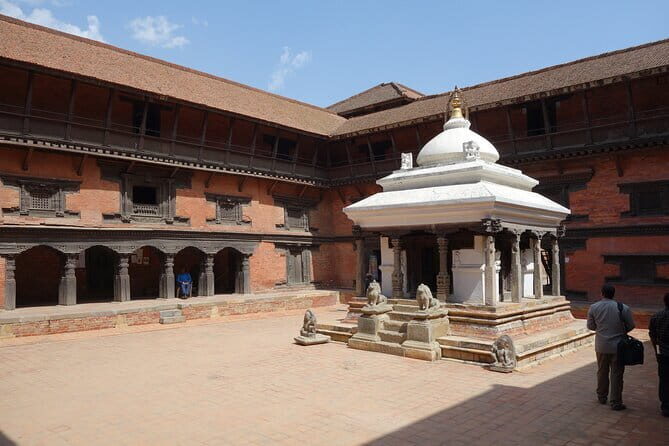
This stop can feel different from the temple and stupa scenes. Instead of one singular sacred object, Durbar Square gives you a cluster of structures, courtyards, and temple-like spaces tied to history and rule. You’ll likely notice how the layout encourages looking across spaces rather than straight up at one monument.
You’ll spend about 1 hour. Use that time to understand the square as a whole: where the palace sits, where surrounding temples anchor the edges, and how the square works as a meeting point of power and worship.
A possible drawback: Durbar Square areas can be lively and packed with sightseers. If you’re trying to capture architecture in a calm frame, you might find the crowd makes it harder. Still, it’s worth it because the British-influenced palace detail gives you a tangible way to connect Kathmandu’s architecture to broader historical currents.
Stop 4: Swayambhunath (Monkey Temple) and the valley view payoff
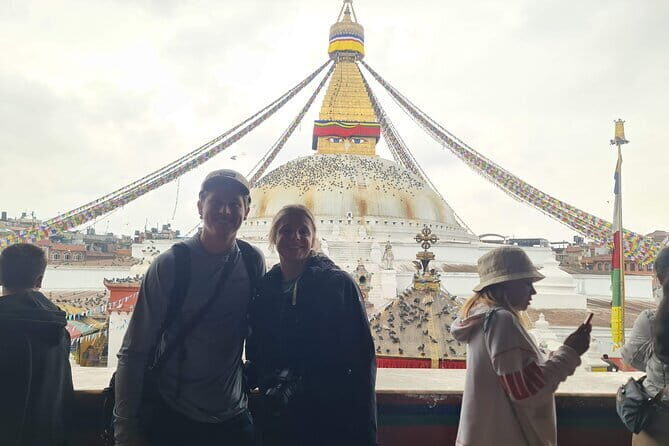
Swayambhunath is also known as the Monkey Temple, perched on a hill overlooking the valley of Kathmandu. This hilltop setting is the reason the final stop often feels like a reward: after hours on ground level, your perspective expands.
This is also a significant Buddhist pilgrimage site. Even if you’re not spending time studying every symbol, you’ll feel the intention of the site in how people visit and how the space is arranged for viewing and worship.
You’ll get about 1 hour. In that time, make sure you spend at least a few minutes looking out over the valley from vantage points. The view helps you connect the monuments you’ve just visited to the wider geography of Kathmandu. It also gives you something to do even if you’re tired: watching the city below is a low-effort way to still enjoy the stop.
Possible consideration: the hill means stairs and uneven paths. Your hour won’t be just a stroll. If mobility is an issue for you, pace yourself carefully. Also, the Monkey Temple name signals that animals may be around, so keep your hands and belongings secure and be ready for close encounters if you wander off too confidently.
Car-and-driver logistics: how to make the day smoother
A driver-run day works best when you give it just a little structure. Start with simple choices: wear comfortable shoes, keep water handy if you can (you’ll want it), and plan your phone battery because you’ll take a lot of photos.
Since lunch isn’t included, you’ll want to think ahead about hunger. With four major stops, delays are possible but not expected. Still, if you show up with an empty stomach, even the most interesting temples can start feeling like chores.
I also like that the tour doesn’t lock you into a museum style pace. You’re moving through active religious spaces. That means you might need to slow down when you reach a busy moment, or step back when you want a clearer view. Having your own private group and your own driver helps you handle those micro-moments.
One more practical note: parking and transit are handled through the tour, but you’re still walking inside and around each site. Build in small buffer time so you don’t feel rushed at the entrances.
The human touch: advice that can improve your whole Kathmandu plan
One theme that comes through in the experience is the help you may get from Blissful Himalayas. A review highlights Rajan, the proprietor, as someone who builds a real working relationship and offers suggestions that improved the overall Nepal travel enjoyment. In that same spirit, it sounds like he can help adjust plans after you’ve met on the ground.
What does that mean for you? It means the tour can be more than a checklist. If you ask simple questions—where to eat nearby, how to sequence your day, or what to prioritize for your interests—you might get guidance that helps you avoid wasted time.
In practical travel terms, that kind of local advice can matter as much as the monuments themselves. Temples are temples. But choosing the right meal spot, or knowing how to shift your schedule so you don’t hit peak crowds, can make the day feel smoother.
Who should book this tour (and who might skip it)
This tour fits best if you want a short, efficient heritage day and you prefer a driver to handle traffic and logistics. It’s also a good choice if you like mixed sacred traditions in one morning/afternoon package, because you’ll move between Hindu and Buddhist sites without changing travel mode.
You’ll probably enjoy it if you’re the type who likes clear landmarks. Each stop has a strong identity: Shiva at Pashupatinath, Boudhanath’s large stupa setting, the Royal Palace area in Durbar Square, and the hilltop Swayambhunath view payoff.
If you’re a slow traveler who wants long stays in one place (for example, deep temple study or long guided explanations), you might feel that 1 hour per stop is too short. In that case, you may prefer a longer, more flexible sightseeing day where you can linger without checking your watch.
Should you book Kathmandu Heritage Day Tour?
Yes, I think it’s a solid booking if you want maximum landmark time with minimum transportation stress. The $45 price makes sense on a “you get the car and the key stops are ticketed” logic, as long as you confirm the entrance fee situation because your materials include both included and not-included notes.
Book it if you’re staying in or near Thamel and you want an organized path through major Kathmandu icons. Skip it—or at least ask more questions—if you need long explanations at each site or if you know you’ll want to spend extra time in one area.
If you do book, send one message beforehand asking about entrance fees and what costs you should expect on the day. Then show up with comfortable shoes and a calm mindset. This is the kind of tour where the value is in how the stops work together, not in rushing from one monument to the next.
FAQ
How long is the Kathmandu Heritage Day Tour?
It runs about 4 to 6 hours.
What does the tour cost?
The price is $45.00 per person.
Where does the tour start?
The start point is Thamel Marg, Kathmandu 44600, Nepal.
Is pickup offered?
Yes, pickup is offered.
Is this a private tour?
Yes. Only your group will participate.
Are tickets or entrance fees included?
Admission tickets are marked as included for each main stop, but the tour also lists attraction entrance fees as not included. It’s worth confirming what you’ll need to pay on the day.
What’s included in the price besides the sightseeing?
Included items are a car with a driver for the entire day and parking fees.
What is not included?
Personal expenses (including purchases), lunch, tips and donations, and attraction entrance fees are listed as not included.
Can I cancel for a refund?
Yes. Free cancellation is available up to 24 hours in advance for a full refund.
How do I get confirmation?
You receive confirmation at the time of booking.