REVIEW · KATHMANDU
16 Day Private Manaslu Circuit Trekking
Book on Viator →Operated by Ambition Himalaya Treks & Expeditions · Bookable on Viator
Manaslu Circuit is for people who want the Himalayas without the chaos. This private trek threads through the Gorkha district, where crowds are low, the views feel close, and you still sleep in proper teahouses instead of hauling everything on your back. I like that you get real safety coverage (rescue and medical evacuation arrangements) without losing the charm of a classic trekking route. I also like the hands-on setup: airport transfers, permits handled, and trekking gear provided so you’re not gambling on what to pack. One consideration: the trek is still tough, and the big day is crossing Larkya La, which demands an early start and a calm head in icy terrain.
If you’re the sort of traveler who likes small villages, monastery stops, and walking at a steady pace instead of fighting for photos in a crowded queue, this itinerary makes a lot of sense. It’s also “not remote,” in the practical way that matters: the route has teahouses, so you’re not required to carry a full camping system like on the truly wild routes. Still, fewer shops means you should expect to plan your meals and take the daily rhythm seriously.
In This Review
- Key Things to Know Before You Go
- Why Manaslu Stays Quieter: Gorkha District, Teahouses, and the Lure of a Hard-to-Finish Circuit
- Cost Breakdown: What Makes $1,098 Feel Like Value (and What You Still Pay for)
- Kathmandu Days 1–2: Airport Pickup, Thamel Lodging, and a Smart Prep Meeting
- Days 3–5: From Arughat to Deng via Budhi Gandaki and Gurung Villages
- Days 6–8: Namrung to Samagaon for Monastery Stops and Peak Views
- Day 9 Acclimatization: Samagaon Culture or the Base Camp Detour
- Days 10–12: Samdo to Larkya Bazaar and the Larkya La Crossing
- Days 13–14: Sangure Kharka, Tilje, and the Annapurna Border Feel
- Days 15–16: Chamje to Kathmandu, Plus Your Chance to Extend
- Who This Private Trek Fits Best (and Who Should Rethink It)
- Should You Book This Tour or Choose Another Option?
- FAQ
- How long is the Manaslu Circuit trek on this private trip?
- Where do you start and end the trekking experience?
- Is this tour private or shared with other groups?
- What transportation is included?
- Are permits included?
- Is Kathmandu lodging included?
- What about sleeping gear and cold-weather items?
- Are meals included on the trek and in Kathmandu?
- What is the cancellation window?
Key Things to Know Before You Go
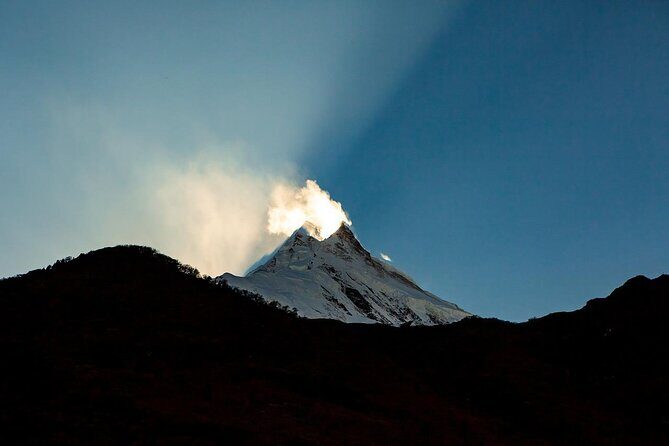
- Low-crowd Manaslu route: fewer trekkers than Everest/Annapurna areas, with a calmer trail feel
- Teahouses and lodges: cozy sleeping without needing to camp the whole way
- Permits handled: Manaslu, Annapurna, Special Immigration Permit, and TIMS are included
- Gear provided: down jacket, sleeping bag, duffel bag, map, first aid kit
- The Larkya La day: early start over icy glacial moraines, then a long descent
- One porter per two trekkers (shared): reduces load without going fully “unsupported”
Why Manaslu Stays Quieter: Gorkha District, Teahouses, and the Lure of a Hard-to-Finish Circuit
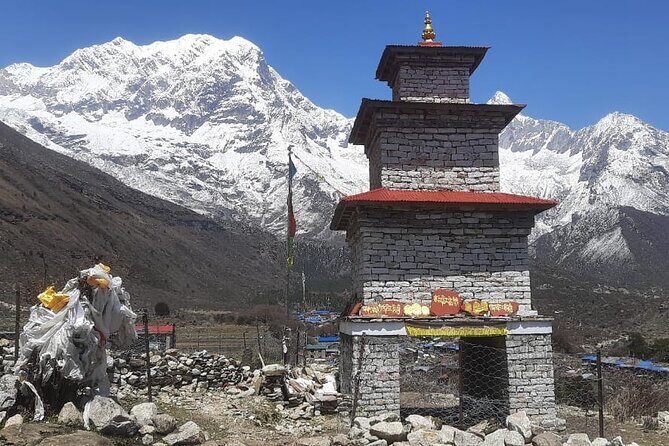
Manaslu isn’t famous for being easy, and that’s exactly why it stays quieter. The circuit sits hidden in the Gorkha district, far from the heavy foot traffic that many people associate with Everest and Annapurna. The result is a trek that feels more personal: you’re walking through real farming communities (often Gurung villages), pausing in tea houses where the day actually revolves around your arrival, not around tourist schedules.
Another reason this trek feels different is timing and history. Manaslu opened to trekkers in 1992, and even since then only a limited number of people have finished the full circuit. That doesn’t make it a “mystery trek,” but it does mean the route has a reputation for being challenging enough that you shouldn’t expect it to feel like a walk in the park.
Also, let’s talk about the practical side of “not too remote.” You do not need to haul tents and a huge food cache all the way around. The circuit’s teahouses keep it doable for competent trekkers who want the mountains without turning the vacation into an expedition logistics project.
You can also read our reviews of more private tours in Kathmandu
Cost Breakdown: What Makes $1,098 Feel Like Value (and What You Still Pay for)
At $1,098 per person for a 16-day private trek, the value comes from what’s bundled, not from what’s missing. You’re getting a full logistics package: private airport transfers, permits, guide/assistant guide structure (if your group is large), and porters with insurance and expenses covered.
Here’s what’s especially meaningful for budgeting and comfort:
- Permits are included (Manaslu, Annapurna, Special Immigration Permit, TIMS). This matters because trekking in Nepal is not just “show up and walk.”
- Meals and trek accommodation are included, plus Kathmandu lodging with breakfast.
- Trekking gear is provided (down jacket, sleeping bag, duffel bag). This can save you money and, just as importantly, avoid the hassle of buying gear that you’ll only use once.
- Worst-case rescue and medical evacuation arrangements are part of the deal. That’s not the same as “you’ll be rescued,” but it does mean you’re not improvising if conditions go bad.
What you should plan for separately: international flights, Nepal visa fees (listed as $30 for 15 days, $50 for 30 days, $125 for 90 days), travel and rescue insurance, and your personal spending. Kathmandu lunches and dinners are not included, and tips for guides/porters are also not included.
One more budgeting note: if you want optional private jeeps instead of shared transport legs, that’s extra. Shared buses exist to keep costs down, but you’ll have more flexibility with a private jeep.
Kathmandu Days 1–2: Airport Pickup, Thamel Lodging, and a Smart Prep Meeting
You land into Tribhuvan International Airport, and the trip starts the way you want: pickup and transfer by private vehicle to a Kathmandu hotel. The hotels are mostly in Thamel, which is convenient for food, pharmacies, and your last-minute shopping for trekking basics.
Day 2 is built for preparation. You’ll have a short meeting to get everyone aligned with the trek plan and your trekking associates. This isn’t just a formality. It helps you avoid those classic issues like not knowing what to carry daily, what time things start, or who handles what if something changes.
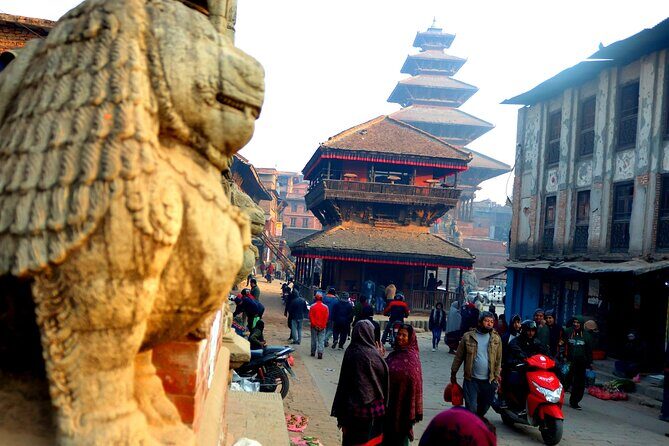
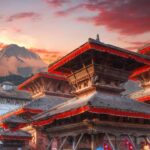
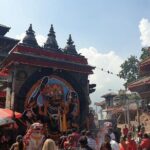
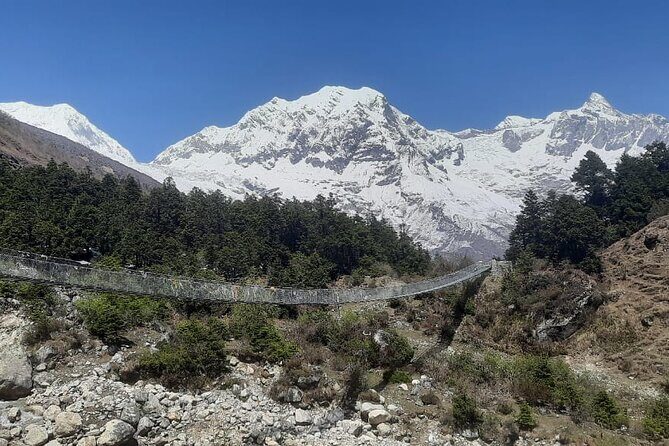
If you want a quick cultural hit before you leave the city, Kathmandu Durbar Square is close by. It’s a UNESCO site with temples and old courtyard energy. You’re not trying to “do Kathmandu” in one day; you’re just getting your bearings and squeezing in something memorable before the mountains take over.
Days 3–5: From Arughat to Deng via Budhi Gandaki and Gurung Villages
This trek has a classic rhythm: big travel day by road, then steady walking days that follow the river system. Day 3 begins with a drive from Kathmandu toward the west, following rivers and shifting landscapes until you reach Arughat. Here you first meet the Budhi Gandaki river, and the scenery starts turning into that “I’m actually in trek country now” feeling. You’ll also start seeing mountains like Manaslu, Ganesh, and Himalchuli peeking through as the road pulls you upward and away from the valley.
Day 3 ends at Machha Khola. It’s a long day by Nepal standards, so don’t treat the first walking segment like it’s day one of a marathon. Ease in. Your body will thank you when the altitude days arrive.
On Day 4, you keep following the Budhi Gandaki corridor, crossing rivers and moving through villages like Khorla Besi and eventually Jagat. One small detail that’s worth planning around: Tatopani, the hot water spring area near Khorlabesi. A warm soak can do wonders after a first real walking day, especially if your legs feel tight.
Day 5 starts from Jagat toward Salleri, then on to Philim, where trekking permit checks happen. This is a good checkpoint day: the trail opens into terraced fields of barley and millet, and the forests start to feel more alive—pine and rhododendron type greenery showing up. You finish at Deng, after passing waterfalls and crossing streams along the way. Expect a mix of views, small bridges, and the kind of trail that keeps you walking even when you want to stop for every photo.
Drawback to watch for in this section: not every day is gentle. The terrain can be steep in places, and the walking time adds up fast. If you’re prone to pushing too hard early, this is where you’ll pay for it later.
Days 6–8: Namrung to Samagaon for Monastery Stops and Peak Views
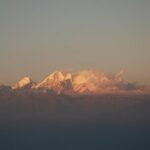
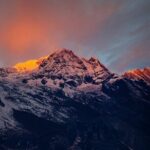
Day 6 is where the valley really opens out. After breakfast you head toward Rana hilltop, cross to Bihi Phedi, and then you feel that wide Budhi Gandaki view stretching in front of you. The mountains start to look more “present.” This is also when major peaks like Manaslu and Annapurna II start showing up more clearly, depending on weather.
You pass through Prok and Ghap, traditional Gurung villages, and keep moving toward Namrung for the night. It’s a good day for enjoying contrasts: forested trail, then sudden mountain views, then back into villages where life continues like you’re just another visitor passing through.
Day 7 brings you to Lho Gham and then Lho Village. The hike is shorter (around 4–5 hours), and the payoff is a strong view of Manaslu plus a visit to a big monastery in the village. Even a brief stop in a monastery setting gives the trek a spiritual anchor. Don’t rush it—take your time, be respectful, and let it be quiet.
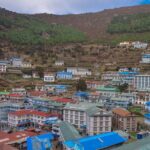
Day 8 heads toward Samagaon, passing villages like Sho and Sama (with the Ribung monastery). You also pass Shyala, where you can look out toward Himalchuli and other snowy peaks and glaciers. The day ends in Samagaon, a large village in the Manaslu region. It’s a place where you’re no longer just walking through; you start to feel like you’re living inside the rhythm for a moment.
You can also read our reviews of more hiking tours in Kathmandu
Day 9 Acclimatization: Samagaon Culture or the Base Camp Detour
Acclimatization days are not “free days.” They’re your body’s insurance policy.
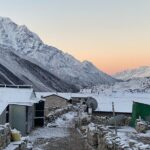
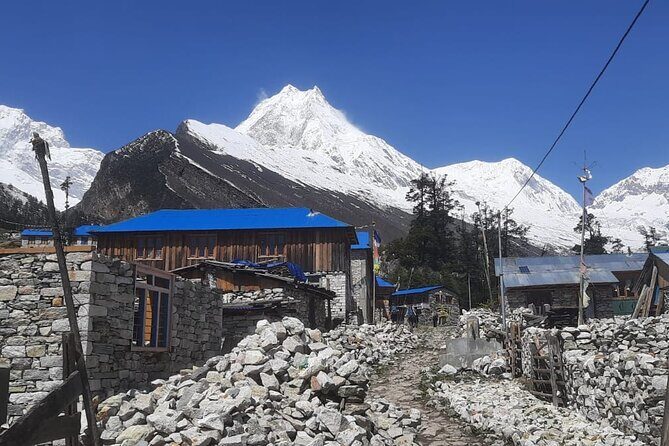
Day 9 is reserved for acclimatization in Samagaon. You can explore the village, and you’ll get a feel for the Buddhist community of Gurung and Sherpa people. A hike to the Pung Yen Monastery is an option, which is perfect here because it adds movement without turning the day into a full hard trek.
There’s also an optional detour: some people can skip the lighter acclimatization and instead head toward Manaslu Base Camp for about 5–6 hours, then adjust from there. If you’re choosing this detour, tell your guide in advance so the plan can protect the rest of the itinerary.
My practical advice: if you’ve had altitude issues before, or you’re not sure how you’ll react, stick with the acclimatization version. You’re already doing one of the best things you can do for safety: allowing time for your body to adjust.
Days 10–12: Samdo to Larkya Bazaar and the Larkya La Crossing
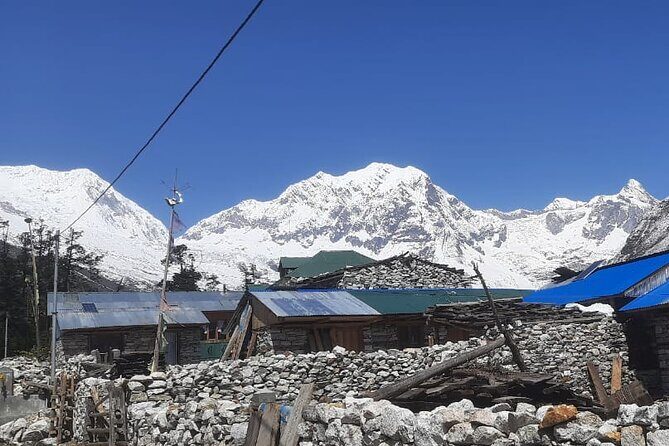
Day 10 takes you further north toward the Larkya La route. You walk through Kemro Kharka (yak grazing field), with birch, pine, and juniper type forests around you. You reach Kani, then Samdo, which is described as a village of Tibetan asylum seekers. There’s an option to hike to Samdo Monastery when you arrive.
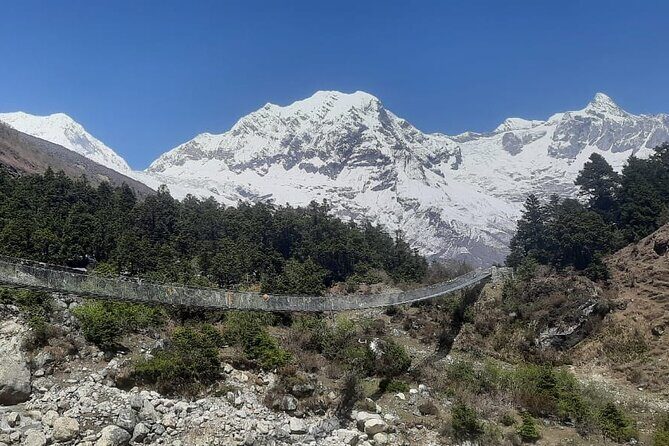
Day 11 is short on paper but serious on effort. You reach Larkya Bazaar, a seasonal market for local people, plus monasteries and stupas along the way. You see rivers like Athara Saya, Larke, and Salka Khola, and when the weather cooperates, you get a view of Larke Glacier near the Dharamshala area at the base of the pass.
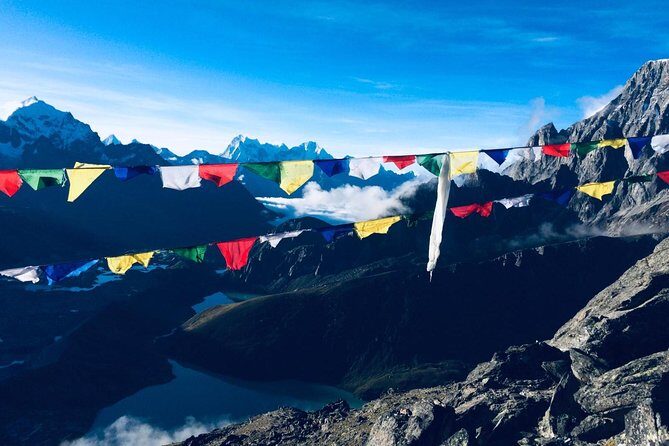
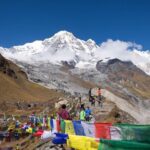
Then comes Day 12, the hardest day: crossing Larkya La Pass (the highest point on the trek). You start very early to deal with icy glacial moraines, and the route includes Larkya Peak and Cho Danda views. After the pass, you descend toward Bhimtang, which becomes your base for the day.
This is the day where your trekking style matters most. If you’re the type who sprints uphill, switch to steady breathing and small, controlled steps. You’re not trying to win a race. You’re trying to get over the pass safely, take photos when you reach it, and then save your energy for the descent.
Days 13–14: Sangure Kharka, Tilje, and the Annapurna Border Feel
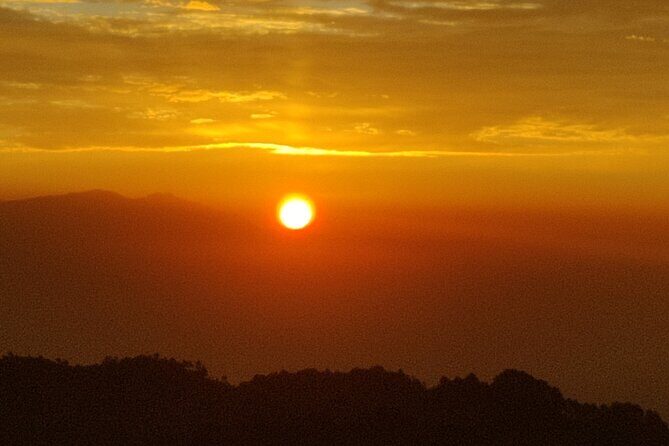
Day 13 starts with a sunrise you’ll remember—mountains ahead, then breakfast before moving toward Sangure Kharka. This is mostly downhill, and rhododendron starts to dominate the terrain as you lose altitude. You pass terraced fields and a valley called Karche, then a small river flowing out of Dudh Pokhari.
You reach Gho and then Tilje, a Gurung village. Tilje is one of those places where you’ll notice the trek is changing back into a more lived-in lower belt. You’re still trekking, but it feels less like you’re approaching a high-alpine edge.
Day 14 keeps you moving south-east, passing villages like Thonje. You also meet the Marsyangdi river, a tributary of Narayani. A key moment here is Dharapani, where you can see people who took the Annapurna Circuit route. That’s the “we’re near the other trail system” feeling: the trek is winding down, but you still get that sense of crossing into a busier crossroads zone.
The day ends at Chyamje, described as a large settlement and a gateway area to upper reaches of Annapurna and Manaslu. It’s a good place to rest well because Day 15 involves a longer drive out.
Days 15–16: Chamje to Kathmandu, Plus Your Chance to Extend
Day 15 starts with a drive to Besisahar from Chamje. The road is described as somewhat bumpy, with rivers and waterfalls and little traditional villages along the way. Then you shift into an easier drive from Besisahar back to Kathmandu, following the banks of the Marsyangdi and Trishuli rivers.
You enter Kathmandu through the Nag Dhunga Pass, then settle back into your hotel for an overnight stay.
Day 16 is simply the finish: you’re dropped back near the meeting point, and you can fly home or extend your Nepal trip. If you do extend, tell the team early so they can shape the extra days around your trekking completion and energy level.
Who This Private Trek Fits Best (and Who Should Rethink It)
This is for you if you want a private Manaslu Circuit that stays quieter than the headline treks, and you prefer the rhythm of teahouses and village life over full camping. It’s also a great fit if you like having support built in: guides and porters handling the tricky parts, permits taken care of, gear provided, and evacuation planning in place.
It’s less ideal if you’re looking for a gentle hike. This route includes a major altitude pass day over Larkya La, and the early start plus glacial moraine terrain is not a casual stroll.
Your best match is solid, moderate fitness and a willingness to take acclimatization seriously. The trek is described as requiring moderate physical fitness, and that’s the right mindset: train a bit, walk consistently, and don’t treat the first week like a warm-up for the pass.
Also, if you’re the kind of person who gets stressed by logistics, the private structure helps. You’re not sharing the trek with random strangers who don’t match your pace.
Should You Book This Tour or Choose Another Option?
I’d book this if you want the Manaslu experience with fewer crowds, solid support, and less gear hassle. The big value is in the bundle: permits, guide and porter structure, trekking accommodation and meals, Kathmandu lodging with breakfast, and provided gear. Add the rescue planning, and it’s the kind of trek that lets you focus on walking and scenery instead of problem-solving.
I’d think twice if you’re not comfortable with a demanding high-pass day. Even with support, the day over Larkya La is the main reason this circuit takes effort and planning. If you’re not sure about altitude tolerance, take the acclimatization approach seriously rather than trying to “save time.”
One more honest point: the best treks feel right in the body. If you train, move steadily, and respect acclimatization, this circuit can feel like a real Nepal adventure. If you show up rushing, you’ll feel it later.
FAQ
How long is the Manaslu Circuit trek on this private trip?
It runs for about 16 days.
Where do you start and end the trekking experience?
The start meeting point is Tribhuvan Airport in Kathmandu, and the activity ends back at the meeting point.
Is this tour private or shared with other groups?
It’s private. Only your group participates.
What transportation is included?
You get airport pickup and drop by private vehicle. During the trek, local shared bus rides are included to Sotikhola and back to Kathmandu, with optional private jeep upgrades available for extra cost.
Are permits included?
Yes. The package includes Manaslu, Annapurna, Special Immigration Permit, and TIMS.
Is Kathmandu lodging included?
Yes. Kathmandu accommodation with breakfast is included according to the itinerary.
What about sleeping gear and cold-weather items?
Trekking gear is provided, including a down jacket and sleeping bag, plus a duffel bag, trekking map, and first aid kit.
Are meals included on the trek and in Kathmandu?
Meals and accommodation on the trek are included. In Kathmandu, only breakfast is included, while lunch and dinner in Kathmandu are not included.
What is the cancellation window?
You can cancel up to 3 days in advance for a full refund. If you cancel less than 3 full days before the start, the amount paid is not refunded.