REVIEW · KATHMANDU
Annapurna Sanctuary Trek – 14 Days
Book on Viator →Operated by Himalayan Glacier · Bookable on Viator
That first high-mountain day hits fast. This trek ties together Kathmandu heritage and the big-mountain payoff at Annapurna Base Camp. The trade-off is real: expect steep up-and-down days and altitude going from low trails to thin air.
I also like the way the trip is run: you get licensed leadership plus a porter setup that keeps your pack lighter, and you’ll move with a clear rhythm day to day. One thing to consider up front is comfort level at higher elevations. You’ll be in teahouses (and sometimes rooms without attached washrooms), so you’re signing up for simple mountain basics, not hotel luxury.
In This Review
- Key things I’d watch for before you go
- Kathmandu first: Durbar Square to Boudhanath, in one organized sweep
- Flight to Pokhara, then Hile to Ulleri: where the trek’s “real” starts
- Ghorepani and Poon Hill: sunrise views, early mornings, and rhododendron relief
- Tadapani to Chhomrong to Sinuwa/Bamboo: steps, forests, and “stomach-friendly” pacing
- Bamboo to Deurali: damp bamboo cold, Hinku Cave, and Dhaulagiri getting closer
- Annapurna Sanctuary climb: Machhapuchhre Base Camp to Annapurna Base Camp
- The return route: Bamboo to Jhinu Danda via Chhomrong
- Last trek day: Jhinu Danda to Matque, drive to Pokhara, then sightseeing
- What $860 buys you here: value beyond the trekking itself
- Altitude, fitness, and the reality of “moderate but serious”
- Guide quality: why communication and safety can change the whole trip
- Who should book this trek (and who should think twice)
- Should you book Annapurna Sanctuary Trek with Himalayan Glacier?
- FAQ
- Do you get picked up and dropped off at the airport?
- Are domestic flights included?
- What’s included for the trek meals and lodging?
- Are trekking permits included?
- Is there a guide and porter support?
- What altitude and fitness level should I be prepared for?
- Can I cancel for a full refund?
Key things I’d watch for before you go
- UNESCO Kathmandu days are built in: Durbar Square, Pashupatinath, Swayambhunath, and Boudhanath set context before the trek starts.
- Poon Hill sunrise is a separate morning mission: you’ll climb early, then return for breakfast and keep trekking.
- Annapurna Base Camp is reached by a steady build-up: the trek gradually sets you up for that “surrounded by peaks” moment.
- Your pack plan matters: porter service is included (with a 2 trekkers:1 porter setup).
- Expect steep steps more than smooth paths: Ulleri’s climb is famously punishing, and you’ll see stone steps again later.
- Gear is partly covered: a down jacket and sleeping bag are included, to be returned at the end.
Kathmandu first: Durbar Square to Boudhanath, in one organized sweep
Day 1 is your reset day in Kathmandu. You land at Tribhuvan International Airport, get met by a Himalayan Glacier representative, and head to your hotel with time to rest or visit the office. If you want an easy start, Thamel is right there for low-pressure souvenir browsing.
Day 2 is the cultural speed-course, done by private vehicle with a guided city tour. You’ll hit four UNESCO sites that also help you understand Nepal beyond the trekking photos:
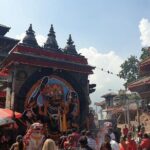
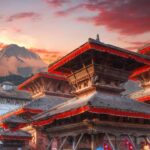
Kathmandu Durbar Square shows palace-complex history right in the city center. You’ll see the mix of pagoda-style temples, courtyards, shrines, and the kind of fine stone and wood carving that makes old Nepal feel tactile. The big earthquake damage is a reality here too, so restoration work is part of what you’ll notice.
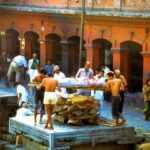
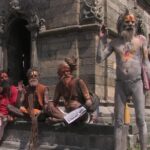
Pashupatinath Temple is Nepal’s major Hindu Shiva pilgrimage site on the Bagmati River. You can’t enter the main temple if you’re not Hindu, but you can watch rituals around the surrounding areas. If you’re curious how a religious site functions as daily life, this is one of the best places to see it.
Next is Swayambhunath, also called Monkey Temple. It’s one of the oldest Buddhist sites in the Kathmandu Valley, with a stupa covered in symbolic details like Buddha’s all-seeing eyes. The prayer flags and spinning elements plus the monkeys (yes, they are bold) make it feel alive, not museum-quiet.
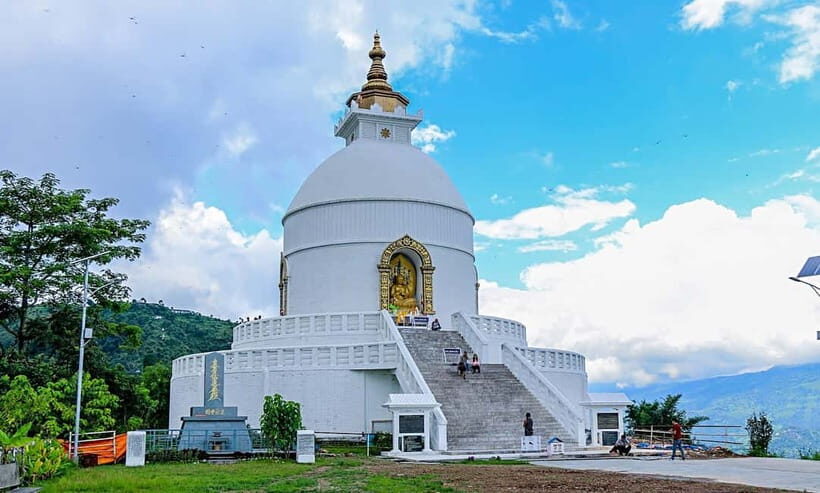
Finally, Boudhanath (Buddha Stupa) brings Tibetan Buddhist culture into focus. The area is built for walking prayer loops, spinning prayer wheels, and quiet pauses. It was damaged in the 2015 earthquake and has been restored—another reminder that Nepal is constantly rebuilding.
Practical note: day 2 is packed, so wear shoes you can move comfortably in. You’ll walk more than you might expect between temple zones.
You can also read our reviews of more hiking tours in Kathmandu
Flight to Pokhara, then Hile to Ulleri: where the trek’s “real” starts
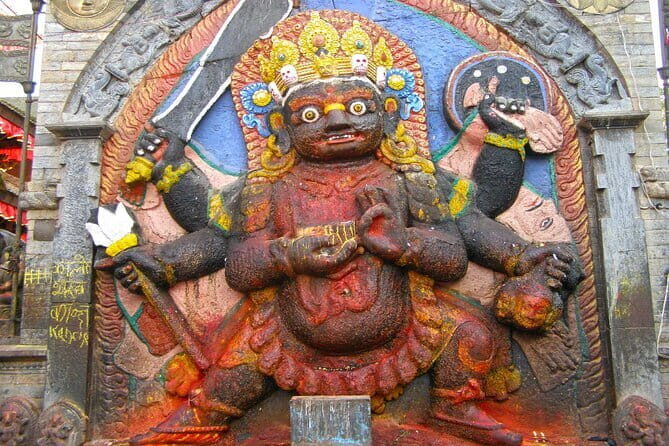
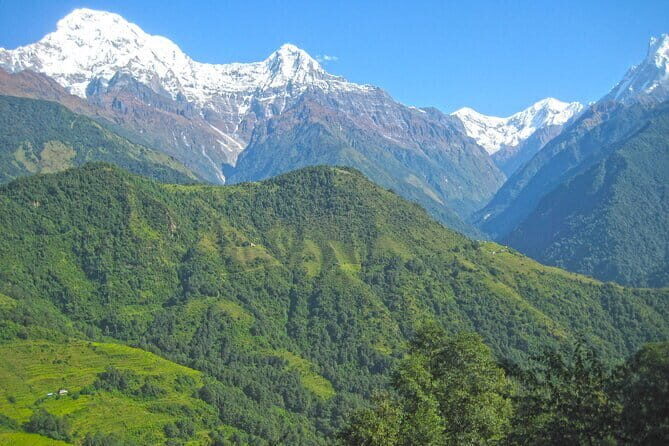
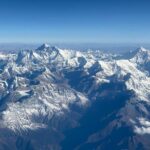
On Day 3, you fly early from Kathmandu to Pokhara and get a Himalayan-view bonus. The right side of the plane is recommended if you want the best chance at clear mountain sightings. When you arrive, you’ll likely see Dhaulagiri, Manaslu, Machhapuchhre, the Annapurna peaks, and more.
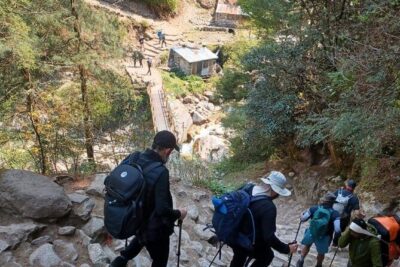
Then it’s straight to trekking mode with a drive to Hile, your trailhead. You’ll walk through sub-tropical valley forests, including sections where the trail sits carved along a cliff. The vibe here is classic Nepal trekking: greenery, switchbacks, and local village life rather than wide-open wilderness.
After lunch you cross the Bhurungdi Khola by bridge, reach Tikhedhunga, and then face Ulleri. This is where the itinerary becomes physical in a very specific way: Ulleri is known for thousands of steps plus boulders that keep nudging upward. You’ll reach Ulleri by afternoon and overnight there.
If you’re coming in feeling fresh, that’s perfect. If you’re coming in with jet-lag, it’s still doable, but slow is your best friend.
Ghorepani and Poon Hill: sunrise views, early mornings, and rhododendron relief
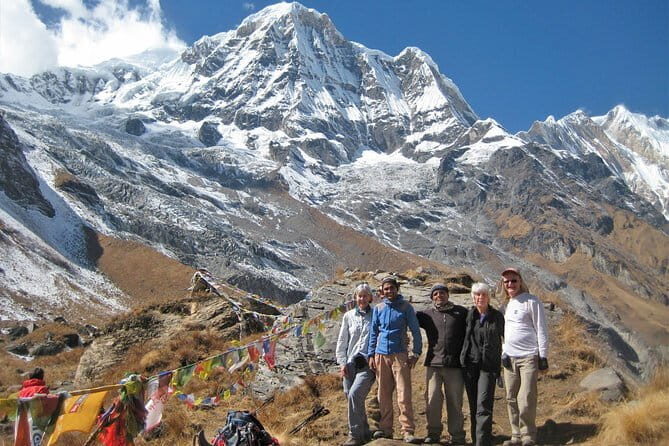
Day 4 climbs toward Ghorepani, a name that comes from horse-water (a hint of the area’s old trading stop role). Ghorepani is split into two parts—one saddle higher up, one a few hundred feet lower. You’ll stop at the higher part for wide mountain views, including Annapurna South and Nilgiri in clear conditions.
Because Ghorepani sits higher than where you were, evenings get chilly. That’s a helpful heads-up: even if the daytime feels fine, don’t assume nighttime comfort is guaranteed.
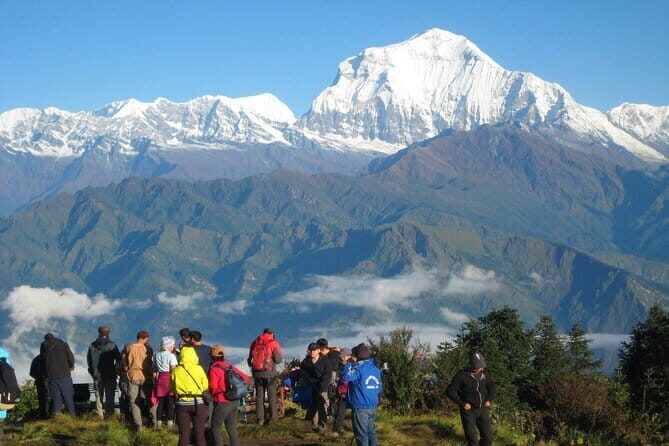
Day 5 is the big morning: a pre-sunrise climb to Poon Hill (3,210m / 10,529ft.). You’ll go for sunrise over the Himalayan ranges, specifically with views over Dhaulagiri and Annapurna. This is also one of the most popular vantage points in the Annapurna region, so expect that early “everyone is moving” feeling.
Once you’ve had time for photos and a hot drink (coffee, tea, or hot chocolate), you return to Ghorepani for breakfast. Then the trek resumes: you head east, climb a nearby ridge, descend through rhododendron forests, and pass waterfalls before reaching Tadapani.
This day is a good example of why the tour works for “relaxed” trekkers who still want a trophy view. You’re not just hiking; you’re getting a payoff moment baked into the schedule.
Tadapani to Chhomrong to Sinuwa/Bamboo: steps, forests, and “stomach-friendly” pacing
Day 6 begins with descent through a large rhododendron forest, then opens into terraced fields. After about 5 km of walking, you’ll hit waterfalls and a suspension bridge. Then it’s more uphill and downhill trekking until you reach Chhomrong.
Chhomrong is right below the giant Annapurna massif, and it feels like the trek is turning into something bigger than a series of villages. The village setting gives you a sense of “we’re in it now,” not just passing through.
Day 7 leaves Chhomrong with stone steps before crossing the Chhomrong Khola on a suspension bridge. Then you climb to Sinuwa, pass through forest sections to Kuldihar, and continue with an easy descent to Bamboo.
Here’s what I’d call out: the itinerary uses descending days as pressure relief. It’s not a flat trek, but it does manage effort so you’re not constantly climbing at maximum rate.
Bamboo to Deurali: damp bamboo cold, Hinku Cave, and Dhaulagiri getting closer
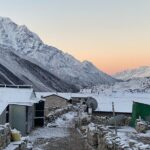
Day 8 shifts into bamboo country. You’ll go through a bamboo forest that can feel damp and cold, then climb on a trail that’s sometimes steep. Eventually, the forest opens around Himalaya Hotel, and you’ll come back into sun with views of a glacial river below.
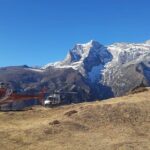
Then you’ll do a steep climb through a drier forest before reaching Hinku Cave. After that, the trail descends toward a river, then ascends again to Deurali. From Deurali you can enjoy views of the surrounding hills and Mt. Dhaulagiri, plus a valley and cliffside waterfalls vibe as vegetation thins.
Deurali is a good “weather and mood check” day. If you feel okay, it feels magical. If you’re already tired, remember this trek’s pattern: keep moving steadily, and let the mountain do the work of draining your worries.
Annapurna Sanctuary climb: Machhapuchhre Base Camp to Annapurna Base Camp
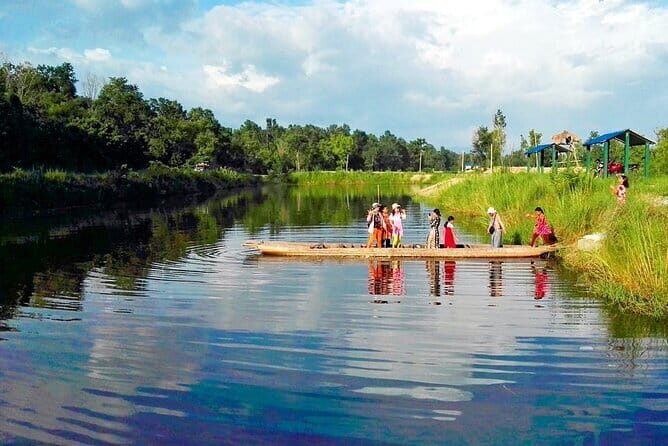
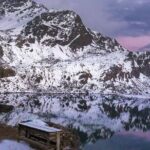
Day 9 is your main sanctuary approach day. You follow the valley trail on a steady climb along a rocky cliff, sometimes steep. At points it feels flat-ish, then ramps up again toward Machhapuchhre Base Camp.
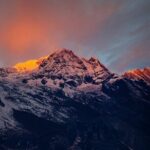
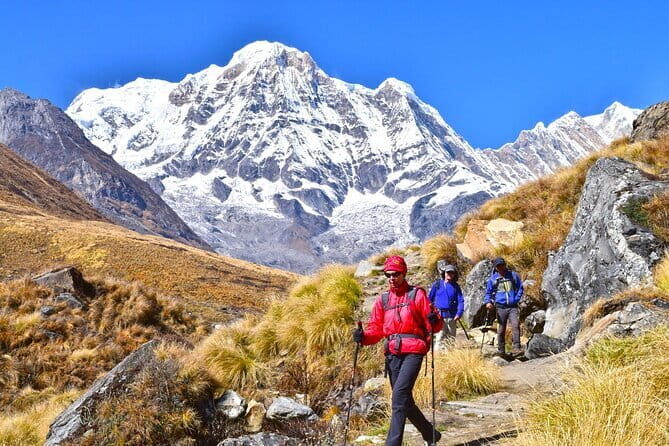
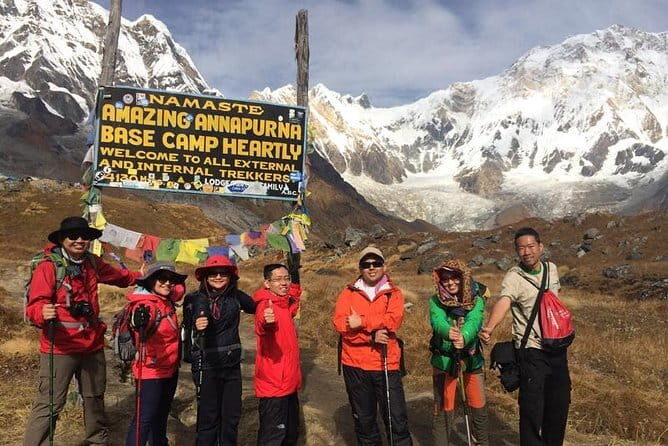
From Machhapuchhre Base Camp, you get excellent views of peaks including Mt. Hiunchuli plus multiple Annapurna neighbors: Annapurna South, Annapurna I, Annapurna III, Gandharvachuli, and Gangapurna. Then you turn and begin a gentle ascent toward Annapurna Base Camp.
As you walk closer, the panorama gets stronger. You’ll reach the base camp where you’re surrounded by major peaks, and the only way into this area is through the gorge you just hiked—so the approach feels physical and memorable, not accidental.
Day 9 overnight is Annapurna Base Camp.
Day 10 is the drop day. The trek rapidly descends past Machhapuchhre Base Camp again, Deurali, Himalayan Hotel, Doban, and finally to Bamboo. Because it’s downhill, it can feel easier on your body, but your knees still need attention.
One practical tip: downhill often hurts in a different way than uphill. Watch your footing, take breaks before you feel forced, and use poles if you have them.
The return route: Bamboo to Jhinu Danda via Chhomrong
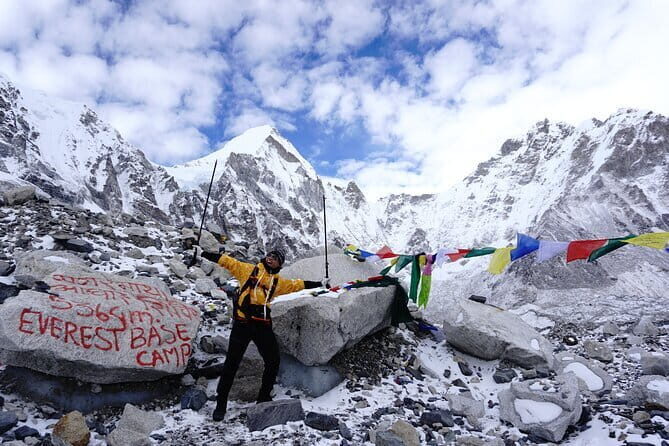
Day 11 starts by retracing steps back to Chhomrong, stopping for lunch there. Then the itinerary goes downhill to the Modi Khola valley and down again to Jhinu Danda.
This day includes tricky stone steps back to Chhomrong as well, so don’t treat Day 11 as a freebie. After the steps, the trail continues through rain forests and farms, which can feel lush and surprisingly relaxing after so much mountain rock.
Jhinu Danda is also known for its hot springs, and the schedule gives you rest time in the afternoon. Even if you don’t plan to soak for long, the timing makes it easy to slow down.
Last trek day: Jhinu Danda to Matque, drive to Pokhara, then sightseeing
Day 12 is the final walking leg. You leave Jhinu Danda and continue through hill country in western Nepal. Then you reach Matque and begin a private vehicle drive back to Pokhara (about 2 hours). You’ll have lunch along the way, and once you arrive, you check into your Pokhara hotel and rest.
In the afternoon, you get a half-day Pokhara sightseeing tour. That’s a nice way to come down from trekking mode without over-scheduling your recovery.
Day 13 is the return flight to Kathmandu. If you want views again, sit on the left side of the plane for the best chance to see the Himalayas. Back in Kathmandu, you check in and have leisure time for last-minute shopping or missed landmarks. The day ends with a farewell dinner.
Day 14 wraps up with an airport escort about 3 hours before your scheduled flight. If you want extra time in Nepal, the operator can set it up.
What $860 buys you here: value beyond the trekking itself
The headline price is $860 for 14 days, which is strong considering what’s included. You’re not just paying for the trail; you’re paying for the whole machine that makes the trail feel smoother.
Here’s the value that matters most:
Permits and paperwork: ACAP and TIMS permits are included. That saves you time and hassle, and it’s one less uncertainty on a trip with limited flexibility.
Meals and lodging: all trekking meals (breakfast, lunch, dinner) are covered, plus breakfast in Kathmandu and Pokhara. Teahouse accommodation is also included on the trek. Food quality varies by altitude and where you sleep, but the key is you’re not stuck deciding what to eat each day.
Team support: you get an experienced English-speaking, government-licensed trek leader plus assistant leader. Porter service is included too (2 trekkers:1 porter). This matters because your energy is the limiting factor on this route. Lighter carrying makes the steep days more manageable.
Transportation and flights: private vehicle transfers and domestic flights (Kathmandu–Pokhara–Kathmandu) are included, so you’re not stitching together timing on your own.
Gear assistance: a down jacket and sleeping bag are provided (to be returned after the trip). That’s a real cost saver if you don’t already own trekking-cold-weather gear.
One note on comfort: your lodging is typically twin-shared in Kathmandu and Pokhara. You can request a single supplement, listed at an additional USD 425, and higher elevations make single rooms less available.
If you compare this trek to DIY options, you’re paying for structure: fewer planning headaches, less risk of missing paperwork, and smoother logistics between trekking and city time.
Altitude, fitness, and the reality of “moderate but serious”
The route isn’t described as extreme, but it is serious. Expect about 6–7 hours walking each day on steep, rough terrain. The itinerary says you’ll reach up to 4,130m, with daily ascends around 400–700m on average.
You’ll also face altitude air with low oxygen at some points. That’s why a positive attitude and physical fitness matter. Previous hiking or camping experience is helpful, even if you’re not training for a technical mountain.
What this means for you: plan for steady effort, not heroic speed. The itinerary’s success model is consistency—show up each day, keep moving, and let acclimatization happen through the route design.
Comfort-wise, teahouses give you basics: warmth, food, and a place to sleep. Rooms usually have attached washrooms in most parts, but not in all remote locations. If you need a private bathroom every night, you’ll want to ask what’s possible for the specific time of year and lodging availability.
Guide quality: why communication and safety can change the whole trip
The operator’s reviews emphasize service and safety, and it shows in the structure. The team has government-licensed leadership, a medical kit carried by the trek leader, and the ability to adjust the itinerary if safety requires it.
One guide name you’ll see attached to strong reviews is Jaya. If you’re the kind of person who values clear expectations—what time you go, what the plan is, how the pace stays controlled—that kind of leadership matters more than most people expect until they’re in the mountains.
The group size is also kept small (maximum 12). That helps with pace and coordination. If someone gets sick, the tour is designed so it can still proceed as planned.
Who should book this trek (and who should think twice)
This tour fits best if you want:
- A balanced package: Kathmandu UNESCO time plus a real Annapurna sanctuary trek
- A “relaxed” pace by design: early starts on big view days, then normal trekking rhythm
- A structured support team: English-speaking licensed leadership and porter help
- Teahouse trekking instead of camping
You should think twice if:
- You’re not comfortable with steep steps and uneven trails
- You get hit hard by altitude and can’t commit to taking it slow
- You want consistent, high-comfort rooms with private bathrooms at every elevation level (some parts won’t offer that)
Should you book Annapurna Sanctuary Trek with Himalayan Glacier?
If you want a trek where the logistics are handled and the cultural groundwork is done for you, this is an appealing option. The itinerary mixes the trekking core (Poon Hill, Chhomrong, Deurali, Annapurna Base Camp) with Kathmandu’s major UNESCO sites in a way that doesn’t feel like a random add-on.
The real question is your comfort with the trek’s format: teahouses, cold mornings at higher altitude, and steep days that ask you to move steadily. If that sounds like your kind of challenge, you’ll likely enjoy how the route builds to the base camp moment.
FAQ
Do you get picked up and dropped off at the airport?
Yes. You’re met at Tribhuwan International Airport in Kathmandu and escorted to your hotel, and at the end a representative escorts you to the airport about 3 hours before your flight. Airport pickups and drops are included.
Are domestic flights included?
Yes. Domestic flights are included for Kathmandu to Pokhara and back to Kathmandu.
What’s included for the trek meals and lodging?
All meals during the trek are included (breakfast, lunch, and dinner), along with teahouse accommodation. In Kathmandu and Pokhara you have breakfast included, plus welcome and farewell dinners.
Are trekking permits included?
Yes. The necessary permits for the Annapurna Sanctuary trek (ACAP and TIMS) are included.
Is there a guide and porter support?
Yes. You’ll have an experienced English-speaking licensed trek leader and assistant leader, plus porter service (noted as 2 trekkers:1 porter). A medical kit is carried by the trek leader.
What altitude and fitness level should I be prepared for?
The itinerary indicates reaching up to 4,130m and walking about 6–7 hours per day over steep hilly terrain. Daily ascends are listed around 400–700m on moderate trails, and you should be physically fit for altitude conditions.
Can I cancel for a full refund?
Yes. The policy states free cancellation with a full refund if you cancel at least 24 hours before the experience start time. If you cancel less than 24 hours before, the amount paid is not refunded.