REVIEW · KATHMANDU
Mera Peak Climbing
Book on Viator →Operated by Nepal Mountain Trekkers - Day Tours · Bookable on Viator
A 30-minute flight sets the whole tone. This Mera Peak Climbing trip starts in Lukla and uses an adventurous route toward one of Nepal’s best-known trekking peaks, mixing Sherpa culture with views of the highest 8,000-meter giants.
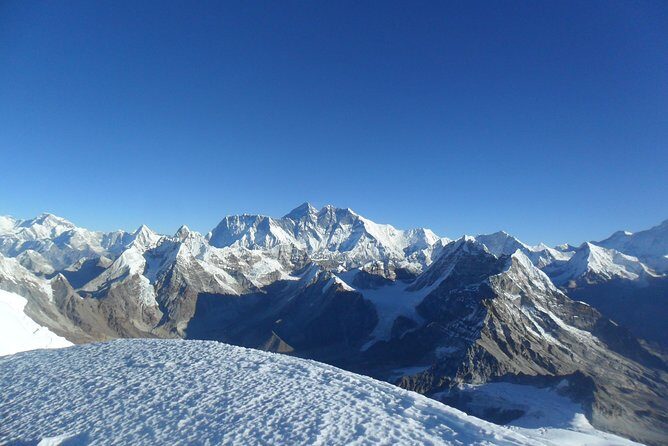
I especially like the Sherpa culture and heritage along the Khumbu edge, and I also like that you’re building toward the kind of summit payoff people dream about: Mt. Everest (8848m), Mt. Lhotse (8516m), Mt. Cho Oyu (8201m), Mt. Makalu (8463m), and Mt. Kanchenjunga (8586m).
One consideration: this is still high-altitude climbing. Even if Mera Peak is often a first climb, acclimatization is crucial, and you’ll be doing camping during the climbing portion, so you’ll want strong fitness going in.
In This Review
- Key things to know before you go
- From Kathmandu to Lukla: the flight that changes your altitude game
- What this means for you
- The Khumbu edge trek: why teahouses matter more than you think
- Sherpa culture and everyday mountain life
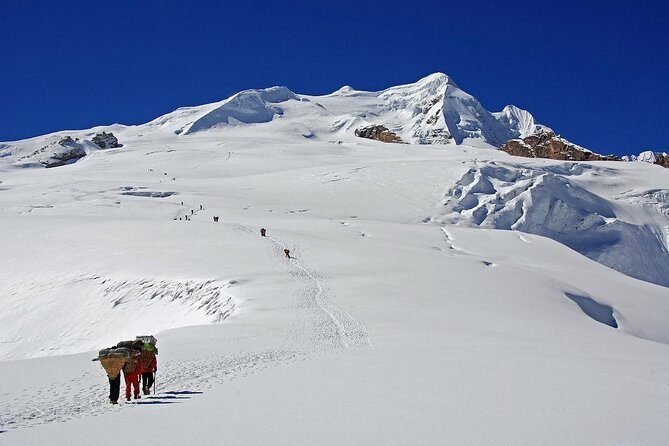
- Mera Peak at 6,476m: a first climb with real acclimatization needs
- What to watch on your side of the deal
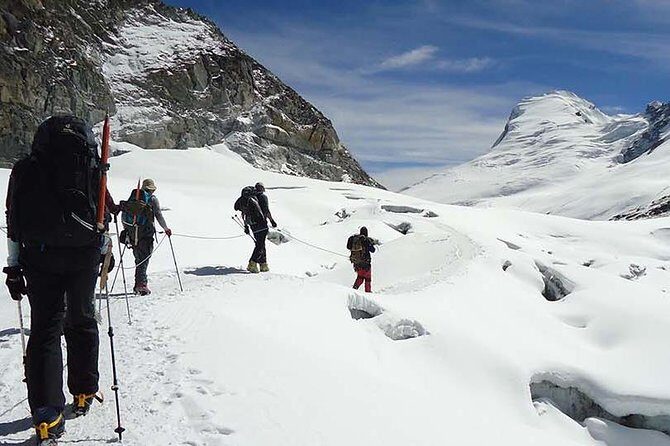
- When the trek turns into mountaineering: ropes, ice axe, and harnesses
- A practical note on gear responsibility
- The summit-view lineup: Everest country from a summit you can aim for
- Why this view payoff feels special
- Guides, teamwork, and the human side of mountaineering
- What you should do with that info
- Kathmandu comfort: four hotel nights plus a farewell dinner
- Price and value: is $2,974.36 fair for what’s included?
- My practical take
- Who should book this Mera Peak climb—and who should reconsider
- Should you book this Mera Peak climb?
- FAQ
- Where does the Mera Peak climbing start?
- How long is the tour?
- How do you get from Kathmandu to the trek start?
- Is this a teahouse trek?
- How high is Mera Peak?
- What’s included for trekking meals and lodging?
- What climbing gear is included?
- Do I need travel insurance?
- Are permits and park fees included?
- How many people are in the group?
Key things to know before you go
- Lukla timing is short: a quick flight from Kathmandu (about 30 minutes) gets you onto the trek early
- Teahouses most of the way: camping happens during the climb, not the entire journey
- Real mountaineering support: an ice climbing guide plus fixed ropes and climbing gear are included
- Permits and park fees are covered: Mera Peak permit royalty and national park fees are included
- Small group size: a maximum of 15 people keeps things more manageable on the trail
- Clear summit purpose: the route is designed around big 8,000-meter views from the top
From Kathmandu to Lukla: the flight that changes your altitude game
This trip is built around a very practical idea: get you out of Kathmandu quickly, then start earning altitude slowly. You’ll spend 4 nights in a Kathmandu hotel, which matters because it gives you time to settle, pack, and handle the small stuff that trips love to punish—wrong layers, missing gloves, or the classic problem of not knowing where your climbing socks went.
Then comes Lukla. The flight is listed as about 30 minutes from Kathmandu, and that short jump from low elevation to the start of the trekking world is a big part of why Mera Peak feels like a real mountain journey rather than a long hike with a random summit at the end.
You’ll also get airport pickup and drop, so you’re not left negotiating phones and schedules with a tired brain. It’s one less thing to juggle before you head for the trail.
You can also read our reviews of more tours and experiences in Kathmandu.
What this means for you
If you hate chaos, this schedule helps. You’re not guessing your way through logistics on Day 1. You’ll know where you’re meeting, you’ll have a hotel base, and the plan is to move toward the Khumbu region in a structured way.
The Khumbu edge trek: why teahouses matter more than you think
Your route follows a direct path toward Mera Peak, described as moving through a valley system along rivers toward glaciers. That’s a classic high-mountain progression: rivers first, then colder, steeper terrain later. It also makes sense for acclimatization—your body learns the rhythm before you ask it to perform at altitude.
A key detail: it’s a teahouse trek. That means you’re not carrying a tent for most of the journey, which can be a huge comfort upgrade. You’ll be camping only during the climb, not the entire trek. For me, that is a smart trade. You still get the mountaineering seriousness when it counts, but you don’t spend the whole trip living like you’re on a survival reality show.
Sherpa culture and everyday mountain life
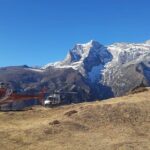
One of the tour’s strongest points is the focus on Sherpa culture and heritage as you move deeper into the Khumbu region. Even when your main goal is the summit, you’ll still pass through communities where mountaineering skills aren’t a hobby—they’re local knowledge. You’ll also see terrain that feels less staged than the busiest routes, with views and features framed by what’s actually around you: yak pastures, forests, terraces, and high-altitude terrain.
That cultural layer matters because it changes how the trek feels. You’re not just chasing altitude. You’re moving through a living mountain world.
Mera Peak at 6,476m: a first climb with real acclimatization needs
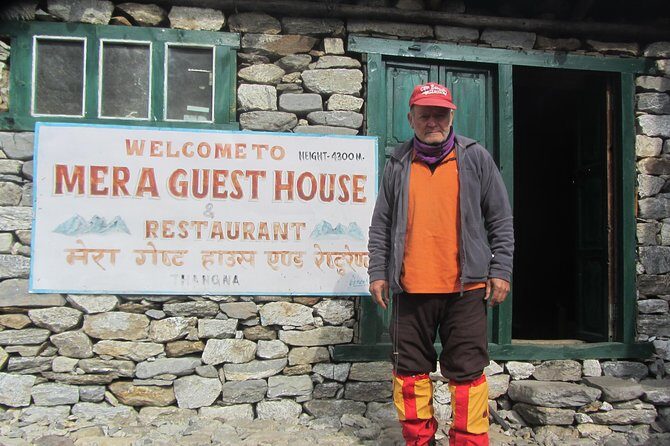
Mera Peak is listed at 6,476 m, and the tour frames it as a high trekking peak that can work as an initial climbing objective for people without prior climbing knowledge. That’s encouraging—if you meet the fitness requirement and take the acclimatization part seriously.
The climb is described as a clear-cut climb where acclimatization is the crucial component. Translation: the route is not the scary part by default; altitude is. If you go too fast, the mountain will correct you with headaches, nausea, and bad sleep. If you go at a controlled pace, you give your body a chance to adjust.
What to watch on your side of the deal
Even with an expert team, you control your effort level. You can help yourself by:
- Keeping a steady pace (not sprinting “because it’s morning”)
- Eating what you can when you can
- Sleeping like altitude is the boss (because it is)
The tour is a group experience, but acclimatization still comes down to how you manage yourself day to day.
When the trek turns into mountaineering: ropes, ice axe, and harnesses
This is where the trip becomes more than hiking.
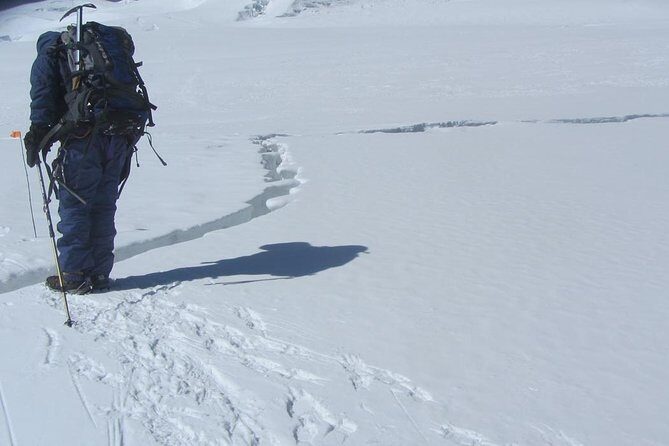
You’ll have an experienced ice climbing guide included, and the package also lists group climbing gear: fixed rope, main rope, ice axe, zoomer, harness, figure of eight, and carabineer. That matters for value and confidence. You’re not assembling a climbing kit from scratch right before you head into the Khumbu cold.
The description also states that the ice climbing guide’s package includes insurance, food, and personal equipment. That’s another quiet win. It reduces uncertainties and keeps the climbing team properly staffed.
A practical note on gear responsibility
The tour includes group gear, but it also explicitly lists personal trekking and climbing gears as not included. So you still need to pack your own key items (warm layers, gloves, boots, and other basics). The upside is that you’re not responsible for the technical hardware like ropes and harness components.
If you’re new to this style of climbing, ask your guide before you leave home: do you understand how you’ll use the harness, how you’ll clip/unclick on rope sections, and what movement style is expected? If anything feels unclear, push for a walkthrough. This is one of those “better to look silly in training than heroic on the ice” moments.
The summit-view lineup: Everest country from a summit you can aim for
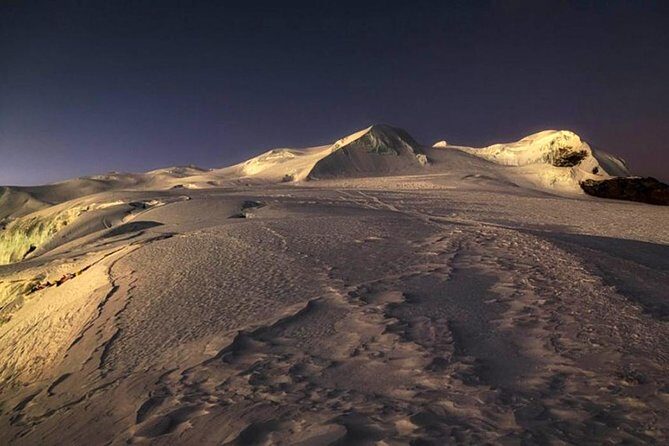
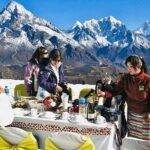
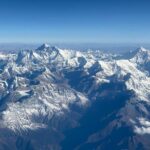
The tour’s big draw is straightforward: summit views of 8,000-meter peaks. The overview lists Mt. Everest (8848m), Mt. Lhotse (8516m), Mt. Cho Oyu (8201m), Mt. Makalu (8463m), and Mt. Kanchenjunga (8586m).
Even if you don’t plan on guessing angles like a cartographer, you’ll appreciate why people chase Mera Peak. You’re not just trying to stand higher. You’re trying to look across a wall of the world’s biggest mountains.
The route is also described as passing through areas with terraced grasslands, dense forest pockets, tributaries, and yak pastures, so even before you reach the top, you’re building anticipation with changing terrain.
Why this view payoff feels special
High peaks can be visually similar until you’re actually there. Mera Peak’s promise is that you’ll get a panoramic, multi-giant view in one session. If your bucket list includes more than one 8,000er, that’s a major reason to consider this climb instead of choosing only one ultra-technical objective.
Guides, teamwork, and the human side of mountaineering
On paper, this is an adventure. In real life, it’s a team sport.
The tour includes an experienced and professional English-speaking trekking guide plus porters to carry luggage, so you can focus on moving and adapting rather than turning every day into a weight-management contest. For the climbing portion, you also get the well experienced ice climbing guide.
Two guide names show up in the feedback you might find useful when you care about communication quality:
- Aakash Gurung and Krishna are described as professional and transparent about terms and conditions, and the same feedback notes that when there was a costly mistake in a WhatsApp message, the team still honored their word. That kind of follow-through matters in a trip where timing and clarity reduce stress.
- Ramesh is mentioned as organizing a route change from Mera Peak to a trip involving Amphu-Laptsa Pass toward Island Peak, described as well-organized and reliable. Even if your own plan stays unchanged, it tells you something about how the organizer handles the unexpected.
What you should do with that info
Before you depart, make sure you understand:
- Your main dates and timing
- What’s included versus what’s personal-gear based
- How rope/climbing instructions will be handled
A good team reduces confusion. A great team prevents it.
Kathmandu comfort: four hotel nights plus a farewell dinner
You’re not thrown into the trek directly from landing.
The package includes 4 nights in Kathmandu and farewell dinner. It also covers government VAT and service charges and includes domestic flights (the crucial Lukla connection).
Two things I like about this structure:
- You get a buffer to manage jet lag and packing.
- You get a proper send-off at the end, which helps the whole trip feel like a chapter, not just a collection of days.
Also, lunch and evening meals in Kathmandu are listed as not included, so if you’re the type who wants to eat on a schedule, budget time and money for that.
Price and value: is $2,974.36 fair for what’s included?
Let’s talk money with a straight face.
The price listed is $2,974.36 per person for an 18-day experience. That’s not pocket change. But when you compare it to what’s included, the value picture improves.
Included items that usually cost real money:
- 4 nights hotel in Kathmandu
- Airport pickup and drop
- Domestic flights
- All accommodation and meals during the trek (full board)
- English-speaking trekking guide and porters
- Ice climbing guide (with insurance, food, and personal equipment)
- Climbing service gear setup: fixed rope, main rope, ice axe, harness, and key hardware
- Peak permit royalty and national park fees (Barunche and Sagarmatha)
- Medical kit
- Farewell dinner
- Government VAT and service charges
- Nepal Mountain Trekkers duffel bag, t-shirt, and trekking map
What’s not included (important):
- Nepalese VISA fee
- International airfare to and from Kathmandu
- Travel insurance and rescue cost
- Personal trekking and climbing gears
- Tips for guides and porters
- Extra nights and excess baggage charges
My practical take
If you add up guide staffing, climbing-guide support, permits, domestic flights, and full-board trekking costs, this price starts to look like a package designed to avoid common budget traps. The biggest red flag in any climb price is when you discover after booking that key gear, permits, or guide support isn’t really covered. Here, the list is quite specific about what climbing gear and services are included.
Still: make sure your own travel insurance covers mountain trekking and climbing appropriately, because that part is explicitly not included.
Who should book this Mera Peak climb—and who should reconsider
This is a strong fit if:
- You want a first serious climbing objective in Nepal and can commit to acclimatization
- You prefer teahouses for most of the trek and want camping limited to the climbing phase
- You like a small-group vibe (up to 15 people) so you don’t feel swallowed by a crowd
- You want gear and rope systems handled for you rather than DIY’ing the mountaineering side
Consider reconsidering if:
- You don’t have the physical readiness for high altitude and long trekking days
- You’re uncomfortable with the idea of camping during the actual climb
- You need a fully hands-off experience with zero responsibility on your personal gear and packing
Also, the tour notes confirmation within 48 hours of booking subject to availability. So if you’re planning late, you’ll want to move quickly.
Should you book this Mera Peak climb?
I’d book if you want a structured route that aims for summit views with real mountaineering support, and you appreciate that a lot of the “expensive chaos” is already handled—guides, ropes, permits, full-board meals, and the Kathmandu setup.
I wouldn’t book if your plan is more casual than your packing. If you show up underprepared, altitude doesn’t care. But if you’re willing to train, take acclimatization seriously, and pack the personal gear you still own, this climb looks like a practical way to chase big 8,000-meter views without turning your trip into a gear-sourcing project.
One last tip: before you commit, list your personal gear needs and compare them to what’s included. If you do that, you remove the biggest surprise risk.
FAQ
Where does the Mera Peak climbing start?
The start meeting point is Nepal Mountain Trekkers at Pyramid Galli, Kathmandu 44600, Nepal.
How long is the tour?
The duration is about 18 days.
How do you get from Kathmandu to the trek start?
You take domestic flights, including a short flight to Lukla (about 30 minutes from Kathmandu).
Is this a teahouse trek?
Yes. It is described as a teahouse trek, with camping used only during the climb.
How high is Mera Peak?
Mera Peak is at an altitude of 6,476 m.
What’s included for trekking meals and lodging?
All accommodation and meals during the trek are included as full board.
What climbing gear is included?
Included items include group climbing gear such as fixed rope and main rope, ice axe, harness, figure of eight, and carabineer.
Do I need travel insurance?
No. Travel insurance and rescue cost are listed as not included.
Are permits and park fees included?
Yes. Peak permit royalty and Barunche National Park and Sagarmatha National Park fees are included.
How many people are in the group?
The maximum group size is 15 travelers (people).