REVIEW · KATHMANDU
Dancing in the Manaslu Circuit Trek
Book on Viator →Operated by Master Himalaya Treks and Expedition · Bookable on Viator
Manaslu feels remote, not commercial. This 12-day trek circles Mount Manaslu with restricted-access villages, Tibetan-influenced monasteries, and those small moments of local music and dance that make the days feel human, not just scenic.
I especially like the way the trek mixes big effort with real structure: a government-permitted route, a fluently English-speaking guide, full-board meals each trekking day, and twin-share private rooms so you actually recover. The guides I’ve seen mentioned for this program include Bijaya, Lakpa, Tenji, and Krishna, and the common thread is practical care and conversation beyond the trail.
One consideration: you need solid mountain legs and good weather. The high point at Larkya La (5,100 m) plus long hiking days means you should take acclimatization seriously, and you’ll want to be ready for basic teahouse life up high.
In This Review
- Key highlights to know before you go
- Why This Manaslu Circuit Trek Feels Different From the Usual Himalaya Route
- Your Trip at a Glance: 12 Days of Teahouses, Passes, and Prayer Flags
- Day 1–2: Kathmandu to the Budhi Gandaki River Valley and Into Restricted Country
- Day 3–5: Villages, Mani Walls, and Forest Walks That Slow You Down in a Good Way
- Day 6–7: Samagaun and the Acclimatization Day That Can Make or Break Your Comfort
- Day 8–10: Larkya La (5,100 m), Larke Bazaar, Monasteries, and the Frozen-Lake Views
- Day 11–12: Forest Descent to Dharapani and the Return to Kathmandu
- Transport, Guide Quality, and the Kind of Support That Actually Helps
- Lodges, Meals, and What Twin Private Rooms Really Mean on a Mountain Trek
- Price and Value: Is $1,390 Reasonable for the Manaslu Circuit?
- Who This Trek Fits Best (and Who Might Want a Different Route)
- Should You Book Dancing in the Manaslu Circuit Trek?
- FAQ
- What’s included in the trek price?
- Do I need a porter?
- How does transportation work during the trek?
- What kind of accommodations will I have?
- What fitness level do I need?
- Is the trek dependent on weather?
Key highlights to know before you go
- Restricted access, lower crowds so villages and monasteries feel more personal than on the most famous routes.
- Larkya La day brings big altitude stakes and serious views, plus nearby icy terrain and frozen lakes.
- Culture shows up daily through mani walls, monasteries, and local music and dance moments along the way.
- Private rooms and full-board meals keep your energy steady when days run long.
- English-speaking guide + first aid kit helps when conditions change fast in the mountains.
- Optional acclimatization hikes around Manaslu Base Camp and Birendra Lake can be a great choice if you feel good.
Why This Manaslu Circuit Trek Feels Different From the Usual Himalaya Route
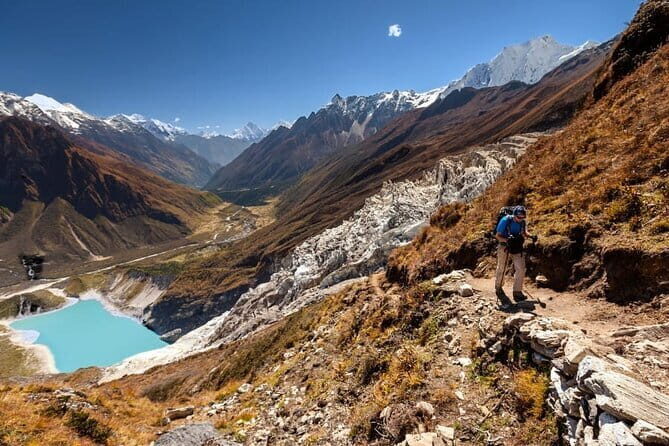
The Manaslu Circuit isn’t trying to copy the big-name trekking circuits. It’s built around a quieter region, with the kind of restricted access that naturally limits crowds. That matters because it changes how the trail feels. You spend more time watching village life, hearing prayer flags snap in the wind, and moving through places where the culture doesn’t feel staged for hikers.
You’ll also notice the terrain shift is dramatic. You start in greener, warmer river valleys, then gradually work upward into colder, higher country. The route funnels you through deep river gorges, monasteries, mani walls, and teahouses that sit where the land looks too serious to be anyone’s vacation postcard.
And yes, the title theme of dancing fits. The best parts of this style of trek are often not the peaks but the cultural pauses—moments of local music and dance that give context to what you’re walking through.
You can also read our reviews of more hiking tours in Kathmandu



Your Trip at a Glance: 12 Days of Teahouses, Passes, and Prayer Flags
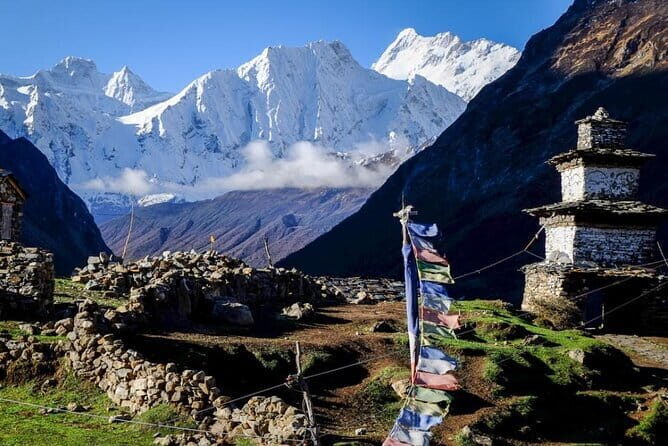
This is a 12-day trek that starts with a long drive from Kathmandu, then becomes a steady rhythm of trekking days with dinner included. You also get a mix of transport styles: deluxe bus transfers early on, plus a shared jeep later when you head back toward Kathmandu.
You’ll be hiking through stages that feel like different worlds: hot spring stops, river crossings, village mornings, and then finally the colder push toward Larkya La and the frozen-lake scenery around it.
For most people, the biggest “schedule reality” is that high days aren’t just about distance. They’re about altitude, cold, and how your body reacts. That’s why the trip includes an acclimatization day, and why your best strategy is to pace yourself, drink enough water, and stop when your breathing tells you to.
Day 1–2: Kathmandu to the Budhi Gandaki River Valley and Into Restricted Country
Day 1 begins with a long Kathmandu-to-river-valley journey, ending around Maccha Khola. This is one of those travel days that feels like a slow opening act: you’ll pass through rural villages and green hillsides while you transition from city time into mountain time.
Day 2 is when the trek energy starts. You follow the Budhi Gandaki River, and you pass through Tatopani, famous for a natural hot spring. Even if you don’t soak for long, it’s a great reset for tired legs—warm water plus river air is a simple but effective combo.
Then you’re trekking into the restricted region and reaching Jagat, a village known for stone houses and a rural, steady way of life. This is a key moment for the whole trip: you’re no longer on the high-traffic paths. You’re walking through a place where the route feels quieter and more grounded.
What you’ll love here: the feeling that the trail is leading you deeper into a real community, not a checklist of viewpoints.
What to watch: long day hours early means you should keep your pack light and your hydration consistent.
Day 3–5: Villages, Mani Walls, and Forest Walks That Slow You Down in a Good Way
On Day 3, the trek pattern stays classic and flexible: you move from Jagat toward Salleri and Deng. The day’s character is all about villages and valley trekking—less drama than later high points, but it sets your rhythm.
Day 4 brings Namrung and a more cultural, textured feeling. You’ll pass through Prok village, see mani walls, and walk through forest sections. This is where you start paying attention to small details: prayer flags that mark directions, stonework that shows local craft, and the way forests change your soundscape compared to open river valleys.
Day 5 continues up toward Shyala. By now, you’re used to the routine: steady climb, teahouse stops, and a slow build in altitude. The pace is physical, but it’s also mentally easier because the day-to-day is predictable.
Small tip that matters: since your days can run long, carry a snack you actually like. When cold hits, you’ll appreciate having comfort food that isn’t only boiled and bland.
Day 6–7: Samagaun and the Acclimatization Day That Can Make or Break Your Comfort
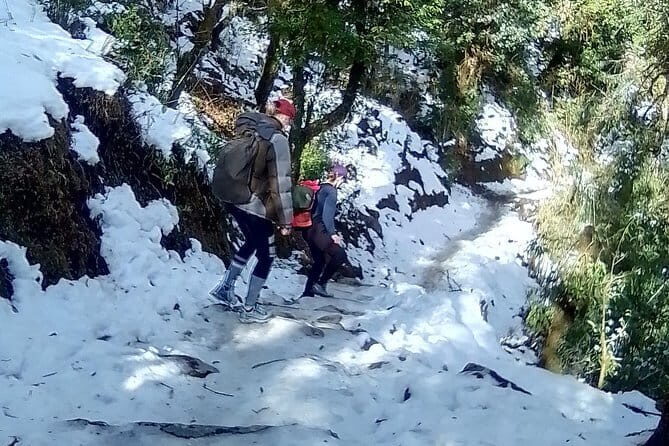
Day 6 heads toward Samagaun and includes a hike to Pungeyn Gumpa. This kind of side hike is valuable because it’s not only about views. It’s practice for how you’ll breathe at higher altitudes without going full-send on the main route.
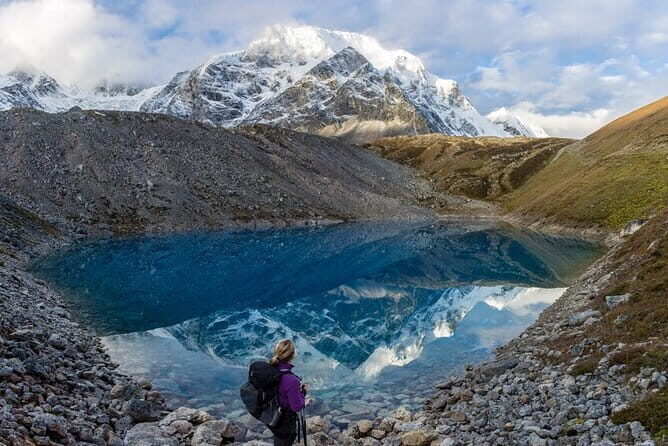
Day 7 is your acclimatization day in the Manaslu area. You can optionally hike toward Manaslu Base Camp and Birendra Lake if you feel strong. Even if you choose a shorter approach, the point is the same: you’re giving your body time to adapt before the route turns sharper toward Larkya La.
This is also where you learn a key truth about high trekking: being “fit” doesn’t automatically mean being “acclimated.” The acclimatization day helps you convert fitness into comfort, and comfort into better decision-making.






Day 8–10: Larkya La (5,100 m), Larke Bazaar, Monasteries, and the Frozen-Lake Views
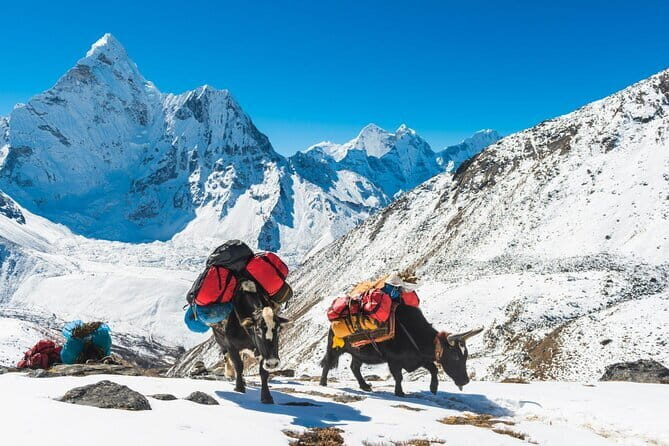
This is the core of the Manaslu Circuit experience. You’ll descend to the Budhi Gandaki River area on Day 8, cross the wooden bridge, and witness the Larkya glacier. The glacier isn’t a distant background—it’s part of your day’s visual reality.
Day 9 pushes through icy streams and around Larke Bazaar, then you ascend toward Dharmasala. You’ll pass monasteries and more mani walls, and you’ll keep the Larkya Glacier in view. This day is about contrast: cold water energy plus cultural stonework plus long legs.
Day 10 is the big climb to Larkya La Pass. The payoff is described as views of Cho Danda, Larkya Peak, and four frozen lakes. Even if you’re not chasing bragging rights, that combination is exactly what makes this trek special. High altitude does something to your perspective. Colors look sharper, the air feels thinner, and every pause becomes intentional.
How to handle this section: keep a steady pace, dress in layers, and don’t waste energy early. If you feel a headache or nausea, don’t treat it like a badge of toughness. Slow down and tell your guide.
Day 11–12: Forest Descent to Dharapani and the Return to Kathmandu
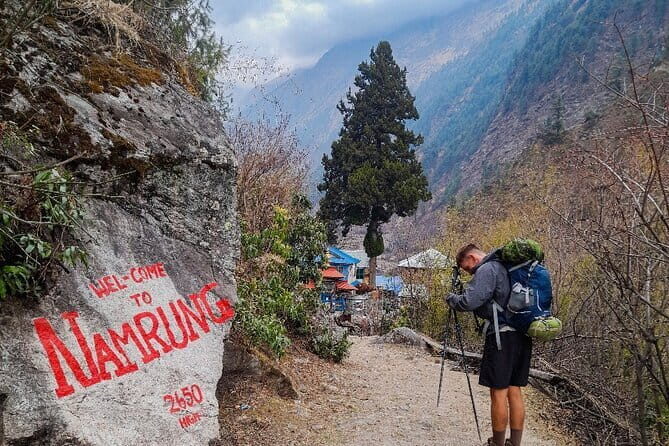
Day 11 brings you down through lush green forests and toward Dharapani. You’ll cross Dudh Khola and pass through Karche Village along the way. This is a welcome change after the cold, exposed days. Descents can still be tough on knees, though, so you’ll want careful foot placement and plenty of breaks.
Day 12 transitions from trekking to transport. You take a jeep drive from Dharapani to Besi Sahar, then continue by car/drive back to Kathmandu for about five hours. It’s a good way to end: you’re not stuck walking on tired legs the entire final day.
By the time you reach Kathmandu, you’ll probably feel oddly calm. That’s the mountain effect: after a series of hard steps, the last day feels quiet, almost ceremonial.
Transport, Guide Quality, and the Kind of Support That Actually Helps
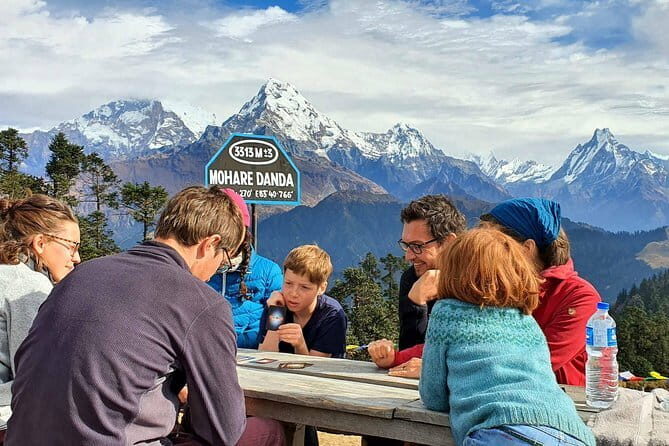
This program includes pickup and is described as a private tour/activity, so your group stays together. The guide is government-certified and fluently English speaking, which matters because it improves both safety communication and the cultural context you’ll hear along the way.
From the experiences shared, guides have been praised for being attentive and kind, and for sharing useful Himalayan information. Names that show up include Bijaya, Tenji, Lakpa, and Krishna. There’s also a theme of real care around logistics and comfort—like making sure you’re set up properly from the start, and helping with things like bag handling.
One practical example from the same provider’s support style: the office transported bags to Pokhara in at least one case. You shouldn’t count on that unless it’s confirmed for your dates, but it does signal that the team thinks about what’s easiest for you, not just what’s written on paper.
You also get a first aid kit. That doesn’t mean you’ll never feel rough at altitude, but it does mean basic medical needs can be addressed promptly.
Lodges, Meals, and What Twin Private Rooms Really Mean on a Mountain Trek
You get three full board meals during the trek: breakfast, lunch, and dinner. That removes a big daily decision. In remote areas, meal planning can quietly drain energy. Here, your calories are handled, so you can focus on hiking and acclimatization.
You’ll sleep in twin sharing private rooms throughout the trek. That’s a quality-of-life upgrade compared with dorm-style setups. On colder nights up high, a real room helps you recover so you’re not starting each day half-frozen and annoyed.
Tea houses can vary by comfort level depending on weather and location, but the included meals and private rooms are a consistent baseline. You can expect the rhythm to be simple: hike, eat, rest, repeat.
Price and Value: Is $1,390 Reasonable for the Manaslu Circuit?
At $1,390 per person, you’re paying for a package that includes a lot of the stuff that usually adds surprise costs on self-planned trekking:
- required permits and government taxes
- deluxe bus transfer segments
- shared jeep transport on the return side
- a certified English-speaking guide
- full-board meals
- twin private rooms
- a first aid kit and a farewell dinner
Here’s the value angle: Manaslu is not a “just wing it” trek. Restricted regions and logistics matter. Having a team handle the permits, transport sequencing, and day-to-day support is often worth it, especially if you’re trekking your first real Himalayan circuit.
The two expenses to keep in mind are not included: travel insurance (you’re responsible for arranging it) and porter costs (you’ll need a porter). Tips are also on you, based on how services go.
If you want the trip to feel smooth and predictable, this price fits that goal. If you’re on a strict budget and you prefer independence, then porter + guide + included transfers may feel like extra spend. But for many people, the comfort and structure is the point.
Who This Trek Fits Best (and Who Might Want a Different Route)
This experience suits you if you want a quiet, cultural Himalayan trek with real community contact and a route that’s less crowded than the most famous alternatives. If you care about mani walls, Tibetan-influenced villages, monasteries, prayer flags, and those local music and dance moments, you’ll likely feel rewarded every few days.
You should also have moderate physical fitness. The days are long, and the climb toward Larkya La is not casual.
If you dislike long travel days (there are multiple long drives/jeep segments) or you’re unsure about altitude, consider building in extra caution. This trek includes acclimatization, but your body still makes the final call.
Should You Book Dancing in the Manaslu Circuit Trek?
Book it if you want an authentic-feeling Himalayan circuit with cultural depth, a quieter vibe, and a guided setup that handles permits, meals, and key transport. This is the kind of trek where the best moments often come from village life—plus the big mountain payoff around Larkya La.
Hold off if you’re not ready for high-altitude trekking at 5,100 m, or if weather risk would derail you. Good weather is required, and in the mountains, that’s not just a slogan—it’s part of the plan.
If you do book, do one thing that pays off immediately: bring patience on your acclimatization day and don’t rush the Larkya La section. You’ll enjoy the views more, and you’ll finish feeling proud instead of wrecked.
FAQ
What’s included in the trek price?
The price includes three full board meals (breakfast, lunch, and dinner) during the trek, required permits and government taxes, deluxe bus transfers for Kathmandu to Sotikhola and Besisahar to Kathmandu, shared jeep transportation from Dharapani to Besisahar, a government-certified English-speaking guide, twin sharing private rooms, a first aid kit, and a farewell dinner.
Do I need a porter?
Yes, a porter is required for the trek. You can hire one from Kathmandu or at Sotikhola.
How does transportation work during the trek?
You’ll use deluxe bus transfers for Kathmandu to Sotikhola and for Besisahar to Kathmandu. During the trek return, there’s a shared jeep from Dharapani to Besisahar, and then a drive back to Kathmandu.
What kind of accommodations will I have?
You’ll have twin sharing private rooms throughout the trek.
What fitness level do I need?
The trek requires moderate physical fitness. It includes long trekking days and a high pass area at Larkya La (5,100 m), so you should be ready for sustained walking and altitude.
Is the trek dependent on weather?
Yes. The experience requires good weather, and if it’s canceled due to poor weather, you’ll be offered a different date or a full refund.