REVIEW · KATHMANDU
Annapurna Base Camp Trek 12 Days
Book on Viator →Operated by Adventure Glacier Treks & Expedition · Bookable on Viator
The Himalayas demand patience, then pay back. This 12-day Annapurna Base Camp trek stitches together city comfort, mountain rhythm, and real community stops along the way, with sunrise moments built in. I like the altitude-aware routing: the plan notes the Deurali-to-Fishtail Base Camp approach as avalanche-prone, with route shifts across the Modi River depending on situation and season.
I also like the value-for-money piece: the package includes lodge accommodation en route, three meals a day on the trek with tea/coffee, plus ACAP and local permits, and airport pickup/drop in Kathmandu. In the reviews, the team leadership (including Dil Prasad Sapkota) is repeatedly praised for advice ahead of time and for handling plan changes when weather hits. One consideration: Kathmandu and Pokhara hotel nights, drinks, and personal expenses aren’t included, so you’ll want to budget for those.
In This Review
- Quick hits: what makes this Annapurna trek tick
- From Kathmandu Thamel to Pokhara: your first taste of Nepal logistics
- Days 3–5: Tikhedhunga, Ulleri steps, and Poon Hill sunrise pressure-free
- Days 6–8: Chhomrong and Dovan—how the trek slows down to let you breathe
- Day 9: Deurali to Base Camp area—avalanche-prone planning, Modi River routing
- Day 10: Back toward Dovan after sunrise—steep parts, then calmer downhills
- Day 11: Sinuwa lodge night—river path calm and the sounds of birds and waterfalls
- Day 12: Jhinu hot springs and the Pokhara unwind
- Price and value: why $799 feels fair for what’s included
- Guides, flexibility, and real support you can feel in the planning
- Fitness level: what moderate fitness means on stone steps and early starts
- Who should book this Annapurna Base Camp trek (and who might not)
- Should you book Annapurna Base Camp with Adventure Glacier Treks & Expedition?
- FAQ
- Where does the trek start?
- Is airport pickup and drop-off included?
- How do you travel between Kathmandu and Pokhara?
- What is included for meals during the trek?
- Are trekking permits included?
- Is accommodation in Kathmandu and Pokhara included?
- Is a porter included?
- Does the route plan include safety considerations near Base Camp?
- What fitness level is required?
- What is the cancellation policy?
Quick hits: what makes this Annapurna trek tick
- Private tour for your group with a professional guide and their insurance/equipment covered
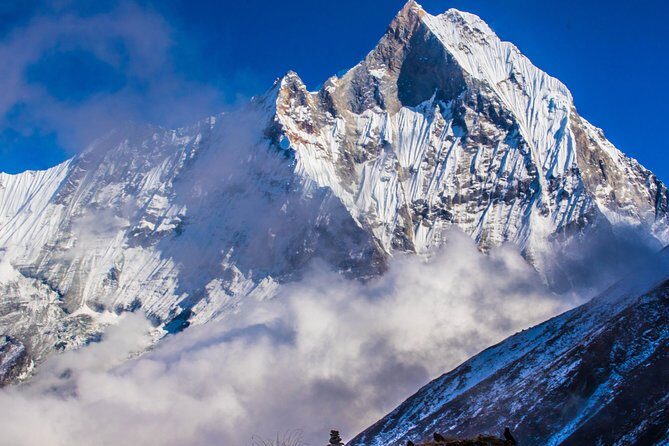
- Sunrise at Poon Hill (3,200m) plus a short walk to get those peak views without burning the whole day
- Village time with Gurung and Magar communities, not just a straight line to a summit
- Altitude and safety planning near Deurali, including possible route changes across the Modi River
- A hot-spring payoff at Jhinu on the way back, with time to soak before returning to Pokhara
- Real-world support in disruptions, with named staff like Dil Prasad Sapkota and guides such as Arjun and Sudip showing up in feedback
From Kathmandu Thamel to Pokhara: your first taste of Nepal logistics
Day 1 keeps things simple: you’re met at Tribhuvan International Airport (TIA) and transferred to a hotel after starting in Thamel, Kathmandu. There’s also a briefing, which matters more than it sounds. On trek days, the difference between feeling rushed and feeling prepared is huge, especially if you’re arriving from a long flight.
Day 2 is your hinge day: a tourist bus ride from Kathmandu to Pokhara (usually departing around 7:00 a.m.) taking about 6–7 hours depending on road conditions. After you arrive, you rest at the hotel before the walking part begins. I like this pacing because it doesn’t yank you straight into elevation strain. You get movement, you get transit, and you still get downtime.
A practical note: the package includes ground transportation and airport pickup/drop, which is exactly what you want when you’re short on time in Nepal.
You can also read our reviews of more hiking tours in Kathmandu
Days 3–5: Tikhedhunga, Ulleri steps, and Poon Hill sunrise pressure-free
Day 3 starts with a private vehicle from Pokhara to the hiking trail at Nayapul, about 2 hours away, then you transition onto the trail system. This is where the trek becomes real, but it’s still controlled. You’re not starting the big days in total darkness or with jet-lagged legs.
Day 4 is the classic stair day. You trek uphill toward Ulleri, with about 3,000 stone steps to climb—around 2 hours. Once you reach Ulleri, the trail continues toward your next stop in the Ghorepani area. Steps like this can feel mechanical. The trick is to keep them steady. If you go out fast, the rest of the day starts to punish you.
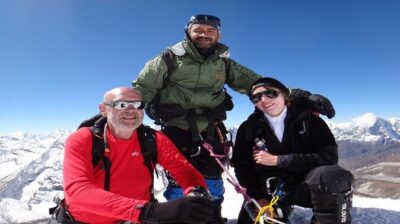
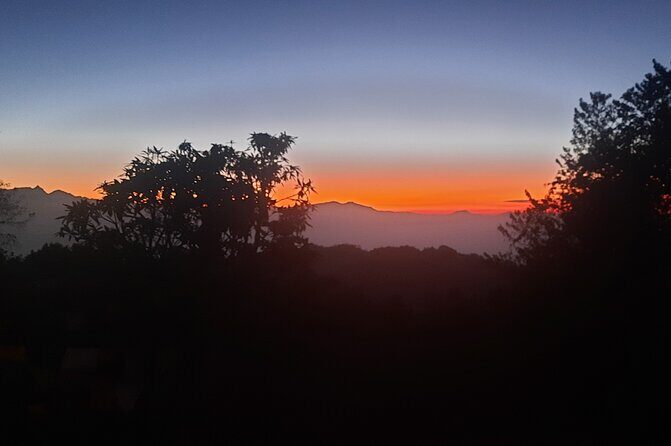
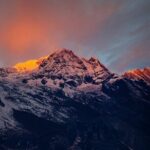
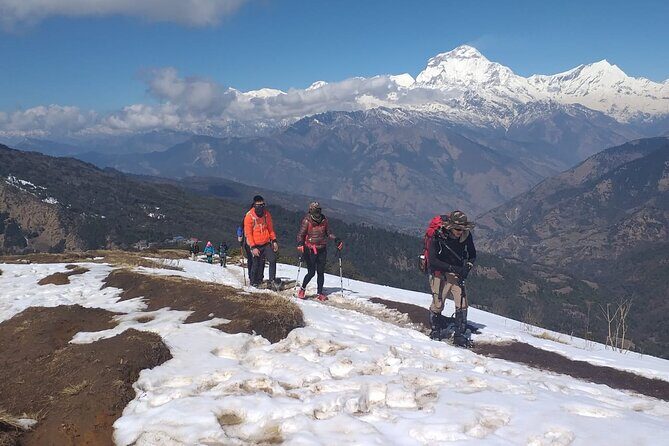
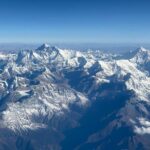
Day 5 is the sunrise payoff at Poon Hill (3,200m). You walk about 50 minutes to get to the viewpoint, with the goal of sunrise on the top of the Himalayas. The plan also notes that you can see around 15 peaks from here. If you’ve never done an early mountain walk, here’s the honest part: your legs will feel cold and heavy at first, and then they’ll warm up as the sky shifts. It’s also a morale boost because it gives you a win before the deeper trekking fatigue starts.
Days 6–8: Chhomrong and Dovan—how the trek slows down to let you breathe
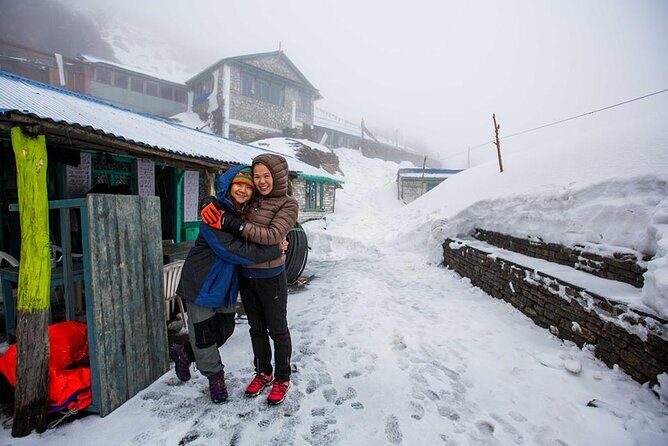
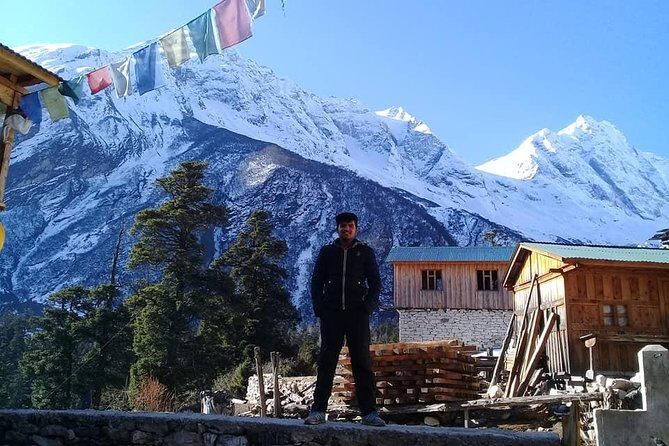
Day 6 takes you through Chhomrong, and it’s one of the most rewarding transitions on this route. From Tadapani, you descend about 900 metres to the Gurjung River valley, then you gradually climb along the ridge to Chhomrong. Chhomrong is described as a large Gurung village in the Annapurna corridor. This is where the trip’s promise of culture becomes practical: you’re walking through lived-in communities, not just passing them.
Day 7 brings Dovan. You start by trekking down Chhomrong Khola (the river), then climb up to Sinwa for about 3 hours. From there, you enter a steeper valley aimed toward Annapurna Sanctuary at the foothills of Annapurna South and Fishtail, then you reach Dovan. This is a day that rewards patience. The altitude starts to remind you it’s there, even when the walking feels manageable.
Day 8 heads to Deurali, and the plan is very clear that this is where the altitude effect shows up. You ascend slowly for about 2 hours to another Himalayan hamlet. The trail is peaceful and includes a lush green forest, which gives you something real to focus on besides breath counting. I like this day because it’s not a strength test in disguise—it’s a gradual climb designed for pacing.
Day 9: Deurali to Base Camp area—avalanche-prone planning, Modi River routing
Day 9 is the big approach day toward Annapurna Base Camp, with an important safety note. The plan states that the trail from Deurali to Fishtail Base Camp is avalanche-prone. Because of that, you may change the route across the Modi River depending on conditions and season. Count about 2 hours to reach the fishtail base camp area.
That routing detail matters. It tells you the operators aren’t treating this like a fixed postcard route. They’re treating it like a real mountain environment where conditions change. If you’re looking for a trek that respects the Alps-style reality of weather and hazard management, this is a good sign.
Also: sunrise and early starts are mentioned around the higher segments. So think in terms of managing energy, not just covering distance.
Day 10: Back toward Dovan after sunrise—steep parts, then calmer downhills
Day 10 is a return day after watching a magnificent sunrise over the Annapurnas. You trek back toward Doban (spelled as Doban in the itinerary), with a first stretch that can be steep, followed by more gradual downhills. Dovan is described as a river junction of two streams, which hints at why the terrain shifts during descent—water routes carve valleys and influence trail grades.
This is a day where good foot habits matter. If your body is tight from previous uphill work, steep downhills can tighten everything up. Short, controlled steps and stopping before you’re exhausted help you keep control.
Day 11: Sinuwa lodge night—river path calm and the sounds of birds and waterfalls
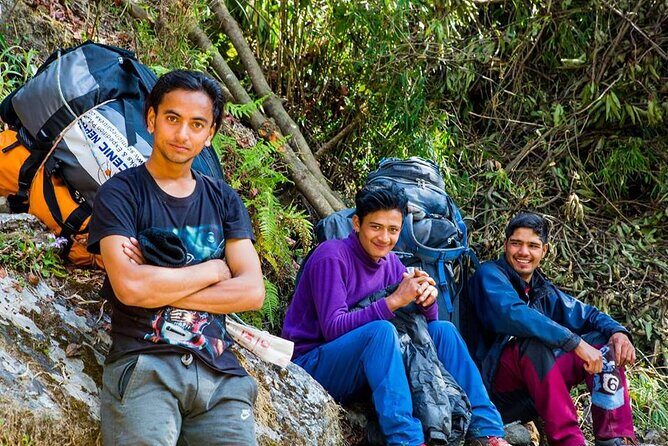
Day 11 follows a path along the river and through peaceful forest with waterfalls, bird sounds, and open air. Then you take an easy hike up toward Sinuwa Hill and overnight at the trekking lodge at Sinuwa.
This is the part of the trek that feels like a deep exhale. You’re not fighting the steepest angles now. Instead, you’re building in recovery time and enjoying the walk rather than just surviving it.
Also, overnighting in a lodge in this zone keeps the rhythm intact. You don’t need a day of travel to reset—your reset happens on the trail.
Day 12: Jhinu hot springs and the Pokhara unwind
Day 12 is a gentle landing into comfort. You trek about 2 hours to Jhinu, the natural hot spring, and spend time there bathing. You get lunch there as well, then you drive back to Pokhara or you can trek further and still return to Pokhara.
Hot springs are the perfect punctuation mark for an Annapurna trek. Your legs will be tired. That’s normal. The plan doesn’t promise miracles, but it gives you a planned decompression window so you don’t just jump from mountain fatigue into a chaotic travel day.
Once you’re in Pokhara, you can shift back into normal meals, clearer sleep, and real showers—assuming your hotel is the kind you like.
Price and value: why $799 feels fair for what’s included
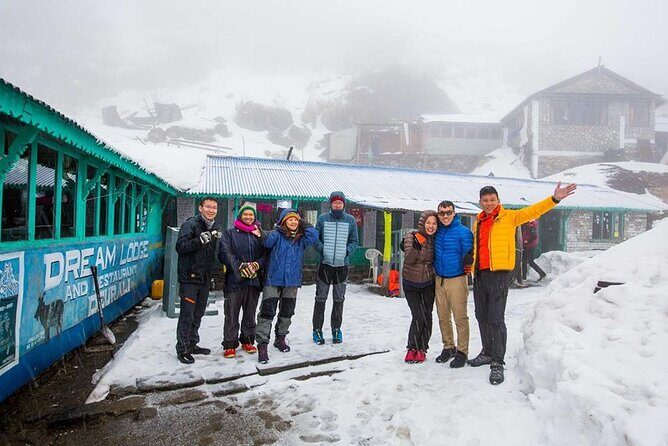
At $799 per person for roughly 12 days, the value is mainly in what the package covers, not just the headline number.
Here’s what you’re getting that usually costs extra on many treks:
- Lodge accommodation en route (so you’re not scrambling for beds at altitude)
- Three meals a day on the trek with cup of tea/coffee en route
- All applicable permits and fees, including ACAP and local permits
- Professional guide plus their expenses, including insurance and equipment
- Airport pickup/drop and ground transportation
What isn’t included (so you can plan your budget):
- Beverages and personal/natural expenses
- Tips for your guide
- Travel insurance
- Porter if you want one (the itinerary notes it’s optional)
- Food and lodging in Kathmandu and Pokhara (except daily breakfast where noted)
In the reviews, people highlight that service feels smooth and professional, and that the price is competitive. One person even credited the team with stepping in when a flight to Pokhara was canceled due to weather. Translation for you: the value isn’t only logistical. It’s also how they react when reality changes.
Guides, flexibility, and real support you can feel in the planning
Even though a trek is about your own steps, you still live or die by planning. The feedback for this company repeatedly praises the human side.
Examples from reviews you can look for in your booking notes:
- Dil Prasad Sapkota is praised for months-ahead advice and for handling immediate problems, like rerouting when flights are canceled.
- Guides named in feedback include Arjun and Sudip, described as experienced and supportive.
- Porters named in feedback include Krishana and Ram, recognized for helpful, professional assistance.
You don’t need to memorize names to benefit. But you should take one practical action: send your flight details early and ask what the plan is if weather disrupts transfers. A trek operator that plans for disruption is usually the one that keeps you calm when yours changes.
Fitness level: what moderate fitness means on stone steps and early starts
The program states you should have moderate physical fitness. On this route, moderate doesn’t mean easy. It means you can keep going without sprinting.
Here’s what’s concrete in the itinerary:
- Ulleri involves about 3,000 stone steps and roughly 2 hours of uphill climbing
- Poon Hill includes an early climb of about 50 minutes to the viewpoint
- Deurali is an altitude-sensitive day, with slow pacing encouraged
- A “steep first part” appears on the sunrise-to-return day (Day 10)
So what should you do? Train for consistent walking, practice stepping endurance (stairs help), and plan for mornings. You’ll enjoy the trek more if you treat it like steady work, not a battle.
If you’re worried about fatigue, ask about a porter when booking. The itinerary lists porter as not included unless you need one, so that’s a lever you can pull.
Who should book this Annapurna Base Camp trek (and who might not)
This trek fits well if you want:
- A private experience for your group
- Guided navigation through key Annapurna areas like Ulleri, Chhomrong, Dovan, Deurali, and the base camp approach
- Sunrise moments (Poon Hill and later views over the Annapurnas)
- Lodge trekking with meals included so you’re not calculating food every day
You might want to reconsider if:
- You expect Kathmandu and Pokhara hotel nights, drinks, or porter help to be included automatically
- You’re looking for a trek that hides the effort completely. This one includes stairs and real walking days
Also, if you’re prone to altitude discomfort, bring that up early. The itinerary explicitly calls out altitude effects and avalanche-prone routing planning.
Should you book Annapurna Base Camp with Adventure Glacier Treks & Expedition?
Yes, if you want a trek that balances route awareness, permit coverage, and steady meal-and-lodge support at a price that feels competitive. The safety note about avalanche-prone terrain near Deurali and the possibility of route changes across the Modi River is a strong signal that you’re traveling with people who take conditions seriously. Add in the repeated praise for staff like Dil Prasad Sapkota, plus named guides such as Arjun and Sudip, and you have a believable support system behind the walk.
If you book, do two things to set yourself up for a better trip: confirm your transfer and flight details early, and budget for what’s not included (Kathmandu/Pokhara accommodation, drinks, tips, and insurance). Get those right, and the Himalayas do the rest.
FAQ
Where does the trek start?
The meeting point is Tribhuvan Airport, Kathmandu, Nepal.
Is airport pickup and drop-off included?
Yes. Airport pick up/drop is included.
How do you travel between Kathmandu and Pokhara?
You take a tourist bus from Kathmandu to Pokhara, usually departing at around 7:00 a.m., and it takes about 6–7 hours depending on road conditions.
What is included for meals during the trek?
You get three meals a day (breakfast, lunch, dinner) with a cup of tea/coffee en route.
Are trekking permits included?
Yes. The package includes all applicable permits and fees, including ACAP and local permits.
Is accommodation in Kathmandu and Pokhara included?
No. Accommodation in Kathmandu and Pokhara is not included.
Is a porter included?
A trekking porter is not included. You can arrange one if you need it.
Does the route plan include safety considerations near Base Camp?
Yes. The trail from Deurali to Fishtail Base Camp is described as avalanche-prone, and the route can change across the Modi River depending on the situation and season.
What fitness level is required?
The tour is listed for travelers with moderate physical fitness.
What is the cancellation policy?
Free cancellation is offered up to 24 hours in advance of the experience for a full refund. If you cancel less than 24 hours before, the amount paid is not refunded.