Six days, three big moods: temples, Himalayas, water.
This private guided route mixes Kathmandu Valley heritage with Pokhara’s best scenic hits, and it’s structured so you don’t spend your vacation chasing logistics. I like that entrance fees are included for the major sights, and I really enjoy the way it’s paced: big morning energy in Pokhara, then calmer sightseeing back in Kathmandu.
One thing to think about: the schedule is full. You’ll have early starts (especially for sunrise) and long driving days, including a return to Kathmandu before you fly out.
Key things I’d circle before booking
- Kathmandu Valley hits, not just highlights: Swayambhu, Patan Durbar Square, Boudhanath, and Pashupatinath in one guided flow.
- Trishuli River rafting is the “adventure anchor” with about 2.5 hours on the water.
- Sarangkot sunrise over the Annapurna Range is built into the plan, not left to luck.
- Pokhara calm time: a slow boat ride on Lake Phewa plus Devi’s Fall.
- Private tour feel: it’s your group only, with private vehicle transport throughout.
In This Review
- Entering the Kathmandu Valley With a Local-Guide Lens
- Swayambhunath, Patan Durbar Square, Boudhanath, Pashupatinath: What You’ll Really See
- The Big Transition: Trishuli River Rafting to Pokhara
- Sarangkot Sunrise: Catching the Annapurna Range in One Clean Shot
- Devi’s Fall: A Water Feature With an Odd Sense of Scale
- Getting Back to Kathmandu (and Why That Drives the Whole Trip)
- Price and Value: What You’re Paying for at $1,100
- Mobile Ticket, Pickup Timing, and What to Know Before You Go
- Guides and Service: The Human Part You’ll Feel on This Tour
- What to Pack for Temples, Rafting, and Sunrise
- Who This Tour Fits Best
- Should You Book Classic Nepal Explore?
- FAQ
- Where does the tour start and what time?
- What’s included for sightseeing in Kathmandu and Pokhara?
- How does the rafting day work?
- What meals are included in the price?
- Is this a private tour?
- Is airfare or travel insurance included?
Entering the Kathmandu Valley With a Local-Guide Lens
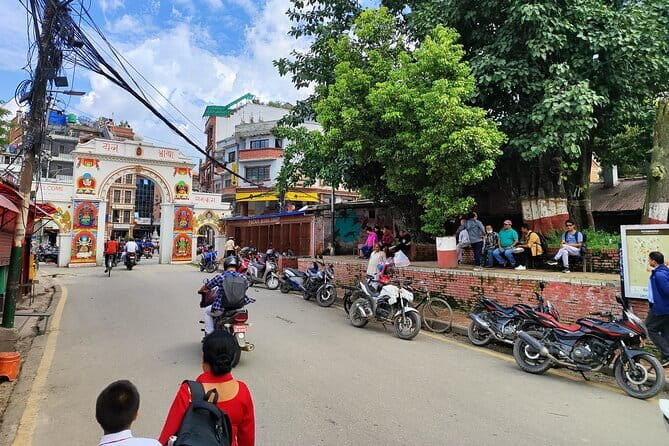
If you’ve only got a short Nepal trip, Kathmandu works best when someone points out what matters. This tour does that. You start with classic spiritual viewpoints and major monuments, but you’re not just dropped in a plaza and told to wander.
In Swayambhu Mahachaitya (better known as Swayambhunath), you get a hilltop Buddhist stupa with big Kathmandu Valley views. It’s a spot where the city feels both ancient and alive, and a guide helps you notice details you’d miss on your own. Then you move to Patan Durbar Square, a medieval palace square with arts and architecture you can actually study without feeling rushed.
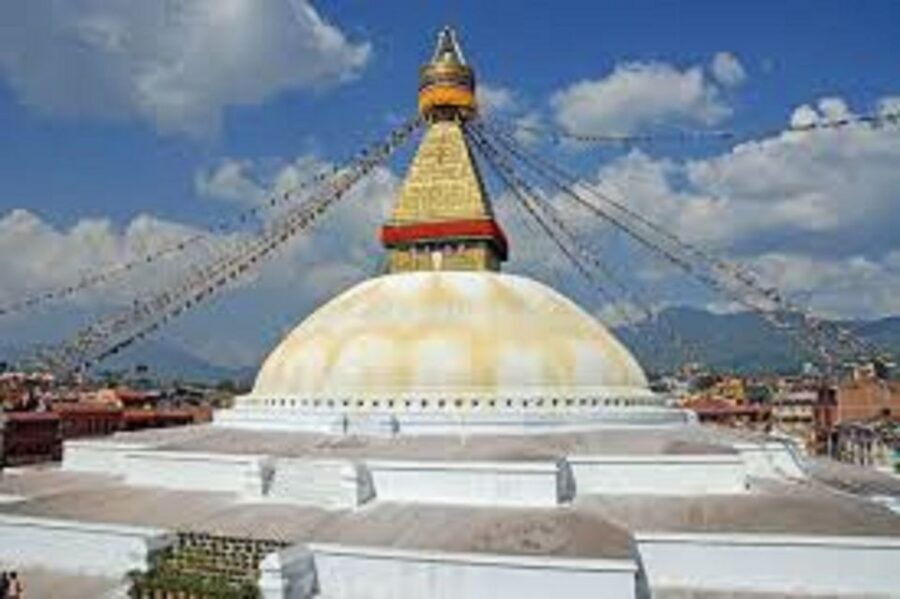
After that, Boudhanath Stupa brings a different mood. It’s the largest stupa of its kind in Nepal, and it’s the kind of place where time stretches—especially if you know where to look and what to observe. Finally, Pashupatinath Temple places you at Nepal’s most important Shiva temple, right by the Bagmati River, where you may see the unique Hindu cremation rituals along the riverbank. That’s powerful stuff, and it’s also where your guide’s guidance on respectful behavior becomes extra important.
Swayambhunath, Patan Durbar Square, Boudhanath, Pashupatinath: What You’ll Really See
This is the heart of the Kathmandu day, and it’s packed for a reason. These four stops show you Nepal through two different lenses at the same time: sacred practice and historical architecture.
At Swayambhu, the stupa’s elevated position gives you a strong sense of geography. You understand why people treat viewpoints like this as more than just photos—they’re spiritual orientation. At Patan Durbar Square, the value is in craftsmanship. The square is a medieval palace center, so you’ll want to slow down and look at architectural details that reflect how power and devotion shaped the city.
Boudhanath is where many people find their rhythm. A guided visit helps you see why this stupa draws worshippers and pilgrims. It’s also a good reminder that in Nepal, major monuments aren’t just tourist stops—they’re active religious spaces.
Then Pashupatinath shifts the tone. Seeing cremation rituals near the temple is not something to treat casually. Bring a steady, respectful attitude. If you have questions about what you’re seeing, ask your guide—this is the kind of moment where a good explanation adds context fast.
You can also read our reviews of more tours and experiences in Kathmandu.



The Big Transition: Trishuli River Rafting to Pokhara
Day 3 is a classic Nepal travel tradeoff: you give up some comfort time to gain an unforgettable change of scenery. You leave Kathmandu and drive toward the Trishuli River for rafting, with about 2.5 hours on the water. After the rafting, you keep going to Pokhara for an overnight stay.
This is where the tour earns its keep. Transport is handled by private vehicle, and rafting includes the necessary equipment. That matters because rafting days can turn chaotic if you’re doing everything on your own.
What to expect from a rafting block like this: you’ll go from city streets and temples to river energy and teamwork on the boat. Your job is mostly to listen, follow instructions, and stay flexible. Even if the ride isn’t extreme, the timing still makes it feel like a real adventure, not a checkbox.
And when you arrive in Pokhara afterward, the contrast is the point. Kathmandu can feel dense and loud. Pokhara often feels more spread out and calm, which sets you up perfectly for sunrise viewing the next morning.
Sarangkot Sunrise: Catching the Annapurna Range in One Clean Shot
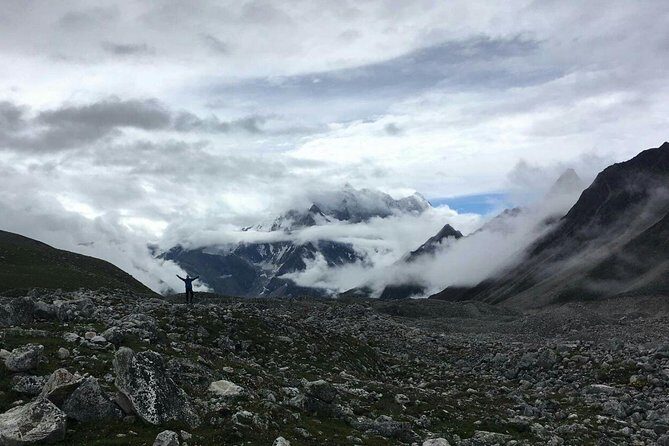
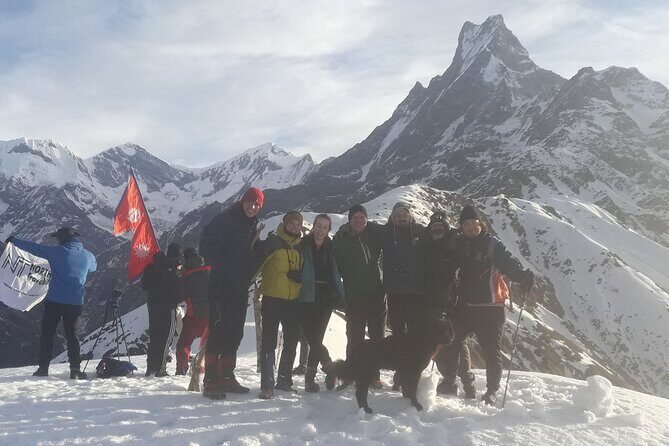
Pokhara’s morning highlight is Sarangkot. You’ll head out early for sunrise views over the Annapurna Range. This is one of those moments where planning beats luck. Weather can change fast in the Himalaya foothills, and starting early increases your chances of seeing the mountains clearly.
What I like about how this tour handles sunrise is simple: it’s not framed as optional. It’s built into the schedule with a dedicated time block, so you’re not gambling your whole trip on whether you felt like getting up.
After sunrise, you shift to quieter water time with Lake Phewa. You get about an hour of peaceful boating. This is the kind of rest break that keeps the day from feeling like a nonstop photo sprint. Lake time also helps your brain absorb what you just saw from the hilltop—big mountain views followed by gentle movement.
Devi’s Fall: A Water Feature With an Odd Sense of Scale
Later in the Pokhara day, you’ll visit Devi’s Fall. The tour describes it as water coming out of Lake Fewa and vanishing under a cave. It’s a location that feels slightly surreal once you stand close enough to understand the flow.
This stop is worth it for two reasons. First, it’s visually memorable in a way that’s different from the usual viewpoint-to-temple pattern. Second, it gives Pokhara a touch of mystery—something a guided explanation can help you connect to the surrounding area and water system.
If you’re the type who likes natural features more than souvenirs, you’ll probably enjoy this. Wear shoes you trust on uneven ground. And if the area is crowded at peak times, a guide can help you time your walk so you’re not fighting for a decent look.
Getting Back to Kathmandu (and Why That Drives the Whole Trip)
Day 5 is a long ride back toward Kathmandu—about 7 hours of driving. This is a big logistics factor to consider before you book. If you hate long travel days, this part might feel like the cost of squeezing Pokhara into a 6-day plan.
Still, the payoff is that you end with enough time to transition smoothly and not scramble. You’re not trying to cram additional major sightseeing on the final travel day. Instead, the plan keeps the focus on getting you back comfortably for the end of the tour.
On the last day (Day 6), you’re taken to the airport, with about 30 minutes of drive time. If you’re planning your flight, make sure you factor in that final transfer window.





Price and Value: What You’re Paying for at $1,100
At $1,100 per person, this tour isn’t a bargain in the typical budget sense. But it’s also not “pay extra for nothing.” The value comes from stacking the right inclusions together.
Here’s what’s covered:
- Airport transfers
- Guided sightseeing in Kathmandu and Pokhara, including entrance fees
- 5 breakfasts and 1 lunch
- Hotel accommodation in both Kathmandu and Pokhara
- Rafting with necessary equipment
- All ground transportation by private vehicle
- Your guide and transport, as part of the plan
What’s not included:
- Lunch and dinner in Kathmandu and Pokhara
- Travel insurance and international airfare
- Gratuities to guide and driver
So the smart way to think about the price: it includes the expensive parts that usually cause stress—private transport, hotels across two regions, and entrance fees. If you’ve ever planned a multi-stop trip yourself, you know the “small” costs add up fast, and so does your time.
Also, because it’s private, you’re not wasting time negotiating schedules with other people. That can matter a lot on a trip this short.
Mobile Ticket, Pickup Timing, and What to Know Before You Go
This trip lists a mobile ticket and a clear start point: Tribhuvan International Airport (Ring Rd, काठमाडौँ 44600, Nepal) with a pickup start time of 4:15 pm. That’s useful because it anchors your arrival day planning. If your flight lands later than expected, you’ll want to be proactive about communicating timing.
You’ll also need to provide passport details (name, number, expiry, and country) at booking. That’s normal for many Nepal tours, and it helps avoid last-minute hiccups.
The tour is designed so most travelers can participate, and it’s private—only your group joins. If you’re bringing children, they must be accompanied by an adult.
Guides and Service: The Human Part You’ll Feel on This Tour
The itinerary is important, but the experience depends on the people running it. Unique Adventure International Pvt. Ltd. has been praised in past trips for professional guiding and smooth organization, and I’d take that seriously when you’re booking an active, multi-day plan.
In reviews tied to the same company, guides named Ram, Dev, Bijay Khadka, Krishna, and Megendra come up as standouts. Drivers like Ruben also get mentioned for helping with day-to-day coordination. What that tells me is this operator tends to focus on people who can handle both logistics and real questions, not just recite facts from a script.
Also, one recurring theme from feedback is that the team helps you deal with on-the-ground Nepal more safely and calmly—like knowing how to interact with locals and avoid common tourist headaches. You may not need that every minute, but it’s a big deal when you do.
What to Pack for Temples, Rafting, and Sunrise
This is the kind of tour where you need two outfits and one attitude: modest for religious sites, practical for river time, and flexible for mountain weather.
I’d plan for:
- Comfortable walking shoes for Kathmandu and site visits
- A changeable layer for early sunrise in Sarangkot (mornings can feel cool)
- Rafting-ready clothes and a plan for keeping essentials dry
- A small day bag you trust during water activity
For temple days, keep it simple: cover shoulders and knees where appropriate, and follow your guide’s cues on what’s acceptable in each space—especially around Pashupatinath.
Who This Tour Fits Best
This “Classic Nepal Explore” tour fits best if you want a strong taste of Nepal without turning the whole trip into planning work.
You’ll likely love it if:
- You’re seeing Kathmandu Valley for the first time
- You want Pokhara’s signature experiences in a short window
- You want both cultural landmarks and an active day (rafting)
- You prefer private transport and built-in entry fees
You might want to reconsider if:
- You hate long driving days (Day 3 includes a full transfer day; Day 5 includes a 7-hour return)
- Sunrise mornings feel like punishment to you
- You’re hoping for a slow, unstructured pace
Should You Book Classic Nepal Explore?
Yes, if you want the efficient Nepal combo: Kathmandu’s sacred landmarks, Pokhara’s mountain sunrise, a real river adventure, and no DIY headaches.
The biggest reason to book is value-through-structure. Hotels, transfers, entrance fees, rafting equipment, and guided sightseeing are already bundled. For a first-timer, that lowers your stress level and helps you spend more time looking at Nepal instead of sorting out logistics.
My only caution is the pace. This is not a laid-back “take it easy” itinerary. It’s an “I want to see a lot” plan, with early starts and long drives. If that sounds like you, this tour is a strong fit.
FAQ
Where does the tour start and what time?
The tour starts at Tribhuvan International Airport in Kathmandu (Ring Rd, काठमाडौँ 44600, Nepal). The listed pickup start time is 4:15 pm.
What’s included for sightseeing in Kathmandu and Pokhara?
The tour includes guided sightseeing in Kathmandu and Pokhara with entrance fees, plus private ground transportation between stops.
How does the rafting day work?
You’ll drive from Kathmandu toward the Trishuli River for rafting, with about 2.5 hours on the water. Rafting includes the necessary equipment, and after rafting you continue to Pokhara for an overnight stay.
What meals are included in the price?
The tour includes 5 breakfasts and 1 lunch. Lunch and dinner are not included.
Is this a private tour?
Yes. This is a private tour/activity, so only your group will participate.
Is airfare or travel insurance included?
No. Your international airfare and travel insurance are not included, and gratuities to the guide and driver are also not included.