REVIEW · POKHARA
6 Night 7 Days ABC Trek
Book on Viator →Operated by Swissa Adventure Travel & Treks · Bookable on Viator
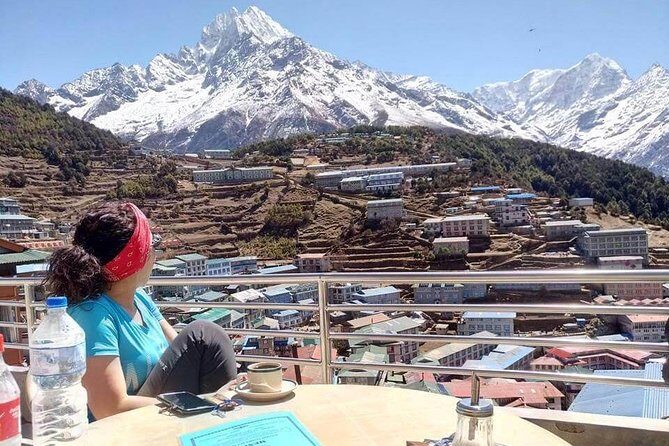
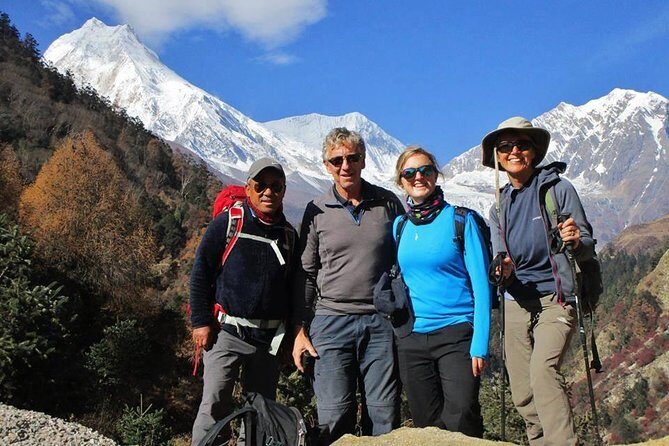
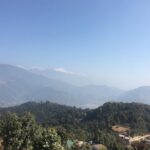
Big Himalayan payoffs start on Day 1. This 6 night 7 day ABC Trek runs through the Annapurna Sanctuary area, where you get framed views of peaks like Machhapuchchhre and Annapurna I, not just one lucky skyline. I especially like the way the route mixes dramatic high-mountain scenery with real village life in Gurung and Magar communities, and I also like the human touch of the guides, including Karna, Jaya, and Lila, who are calm, attentive, and genuinely helpful on tougher days. The main thing to consider is that this is built for moderate fitness and depends on decent weather, so you’ll want to be ready for cold mornings and altitude changes.
The trek is also structured as a private tour, so your group only shares the trail with your team. That matters because pacing and small decisions can be adjusted day to day, instead of feeling like you’re on a strict conveyor belt. If you’re expecting an easy stroll, this won’t fit; most days land around 4 to 6 hours of walking, and you’ll climb from lower village paths up to Annapurna Base Camp at about 4130 m.
In This Review
- Key highlights at a glance
- Why this ABC Trek route feels worth a full week
- The Pokhara to Nayapul start: a gentle entry, then a real walking day
- Ghandruk to Chhomrong (about 2170 m): where the trail starts to feel serious
- Chhomrong to Bambo to Dobhan (2600 m): forests and bamboo make the grind easier
- Dobhan to Deurali to MBC (around 3700 m): the altitude step you should respect
- MBC to ABC (about 4130 m) and back to Himalaya: the day of the main payoff
- Himalaya to Chhomrong to Jhinu Danda (1780 m): a controlled descent and a calmer endgame
- Day 7: finishing with jeep options from Siwai back to Pokhara
- Price and value: what $580 buys you in the real world
- Who this trek suits best (and who should think twice)
- Should you book this ABC Trek with Swissa Adventure Travel & Treks?
- FAQ
- FAQ
- Where does the ABC Trek start and end?
- How long is the 6 Night 7 Days ABC Trek?
- Is this trek private?
- What’s the meeting point area like for getting there?
- How fit do I need to be?
- What kind of weather does the trek require?
- What’s the walking and driving plan on Day 7 back to Pokhara?
- What is the cancellation window for a full refund?
Key highlights at a glance
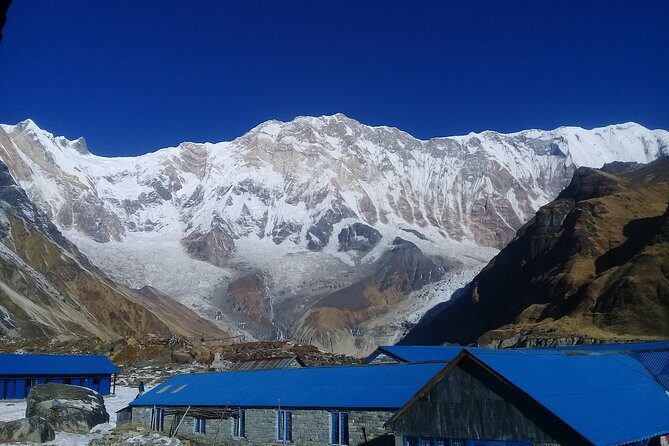
- Village-to-mountain route: Gurung and Magar settlements like Ghandruk and Chhomrong bring texture to the trek
- Forest variety: rhododendron, bamboo, and alpine forests keep the scenery changing as you gain height
- Peak lineup: sights include Hiunchuli, Annapurna South, Annapurna I, Gangapurna, Annapurna III, and Machhapuchchhre (Fishtail)
- Support that shows up: guides like Karna (with thoughtful after-dinner fruit snacks), Jaya, and Lila keep checking in and helping you manage the day
- Flexible Day 7: finish with jeep options toward Siwai or choose a trek segment via Nayapul before driving back
Why this ABC Trek route feels worth a full week
The ABC Trek, also called the Annapurna Sanctuary Trek Route, is popular for a reason: it walks you into the high bowl of the Annapurna range where multiple big peaks show up in the same general view set. The route isn’t just about reaching one famous point. It’s about the build-up—watching the terrain and vegetation shift as you go from low valley paths into higher alpine surroundings.
You’ll travel through a mix of forests and villages that keeps the days from feeling like the same trail over and over. You start with a drive from Pokhara to Nayapul, then walk into Ghandruk, and from there you keep climbing step by step through settlements and forested sections that change with altitude. That rhythm is part of the value: each day has a clear purpose, and the scenery has variety even if you’re not a hardcore photographer.
Here’s another reason I like this trek format for real travelers: you get a base camp goal (Annapurna Base Camp at roughly 4130 m) but you also get time at intermediate points like MBC (around 3700 m) and Himalaya (around 2920 m). Those stops help you pace yourself and give you practical “landing zones” on a week where your body is adjusting.
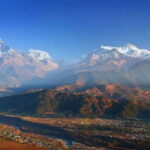
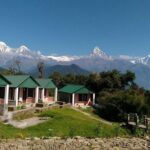
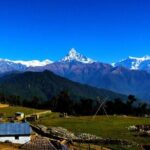
The trip also includes iconic peaks you can’t miss on a clear day, including Machhapuchchhre (Fishtail), which Nepal trekkers love because it looks like a distinctive silhouette rather than a generic snow wall. You’re also in the Annapurna orbit where Annapurna I (around 8091 m), Annapurna South (around 7219 m), Annapurna III (around 7555 m), Gangapurna (around 7454 m), and Hiunchuli (around 6434 m) are part of the wider view picture. You won’t be staring at a single mountain the whole time. You’ll be surrounded by them.
You can also read our reviews of more evening experiences in Pokhara
The Pokhara to Nayapul start: a gentle entry, then a real walking day
Day 1 begins with a drive from Pokhara to Nayapul, about a 2 hour transfer. That’s a smart way to start: you don’t waste energy on a long first slog before you even get into trekking mode. Then you walk toward Ghandruk for about 5 hours.
What makes Ghandruk special on a first trekking day is that it feels like a village with a purpose. You’re not just passing through; you’re arriving. This is where you’ll start to notice the Gurung and Magar culture that defines much of the Annapurna foothills. The town gives you a workable “reset” after the day’s climb, and it sets expectations for the kind of trails you’ll be on: steady elevation gain, local paths, and viewpoints that open up as you go.
A practical consideration: since this is only Day 1, you’ll still be feeling fresh. That’s when you want to avoid the temptation to rush. If you go too fast here, you’ll pay for it later when the walking hours keep stacking up.
Ghandruk to Chhomrong (about 2170 m): where the trail starts to feel serious
On Day 2, you walk from Ghandruk to Chhomrong, around 4 to 5 hours, ending at about 2170 m. This is a key day because Chhomrong is one of those Annapurna points that helps you understand the scale of what you’re heading toward.
You’ll likely spend a good portion of the day in a mix of village edges and trail segments where the forest starts playing a bigger role. Compared with Day 1, the effort can feel more consistent—less of that “warm-up energy” and more of a steady push. Chhomrong itself is also a classic trekking hub, which usually means you’ll find the kind of overnight setup trekkers expect in the region: simple, practical facilities where you focus on sleep, food, and hydration.
Drawback? This is where altitude starts to become more noticeable, even if you’re not at extreme elevations yet. You don’t need panic, but you do need pacing. Slow steps beat heroic strides.
Chhomrong to Bambo to Dobhan (2600 m): forests and bamboo make the grind easier
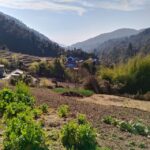
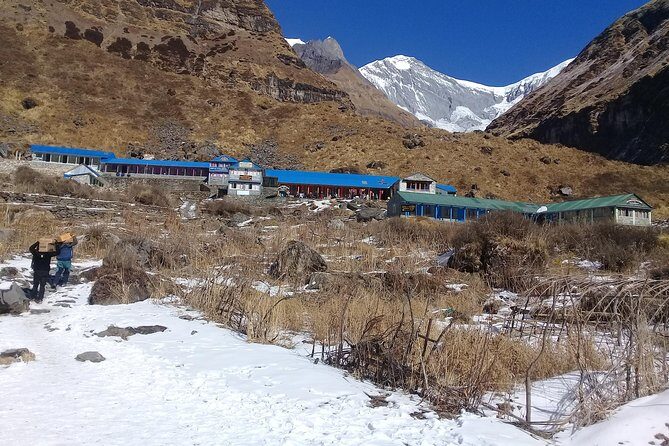
Day 3 moves from Chhomrong to Bambo and onward to Dobhan at about 2600 m. The total walk is typically around 4 to 5 hours (based on the way these stops are scheduled). This is where the trek’s natural rhythm really shows: the trail transitions into lush green rhododendron, bamboo, and alpine forest zones.
Why I like this day so much: forest walking can feel less mentally exhausting than constant open exposure. When the trees and undergrowth break up the view, you’re not just staring at distance—you’re moving through changing scenery. That helps you keep your focus on effort, not on how long you’ve been climbing.
Still, forests can be tricky in a different way. Shade can make mornings feel colder and the ground can be slick depending on conditions. I’d treat this day as the one where good footwear and careful foot placement matter most, since you’ll be tired by then but also likely walking on surfaces that don’t always feel predictable.
Dobhan at 2600 m also marks a steady climb toward the higher nights. It’s not the top, but it’s high enough that your body will notice the air.
Dobhan to Deurali to MBC (around 3700 m): the altitude step you should respect
Day 4 is a big one: Dobhan to Deurali, then onward to MBC at about 3700 m, with roughly 5 to 6 hours of walking. This is where altitude becomes a real planning factor, not just a number on paper.
The benefit of this day is that you’re steadily setting yourself up for the Annapurna Base Camp move that happens later. You get another village-to-mountain bridge, and you reach MBC, which acts like a high staging point. That matters because it lets you split the effort rather than trying to go from mid elevations straight to the base camp zone.
The drawback is simple: this is likely the day that feels most demanding if your pacing wasn’t consistent earlier. My advice is to treat Day 4 as a “save energy” day. If your lungs feel a bit off, slow down rather than pushing through. You’ll be happier the next day.
You can also read our reviews of more hiking tours in Pokhara
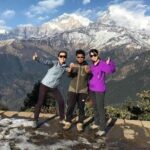
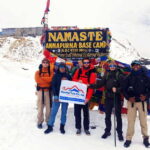
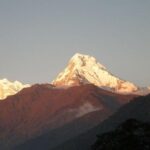
MBC to ABC (about 4130 m) and back to Himalaya: the day of the main payoff
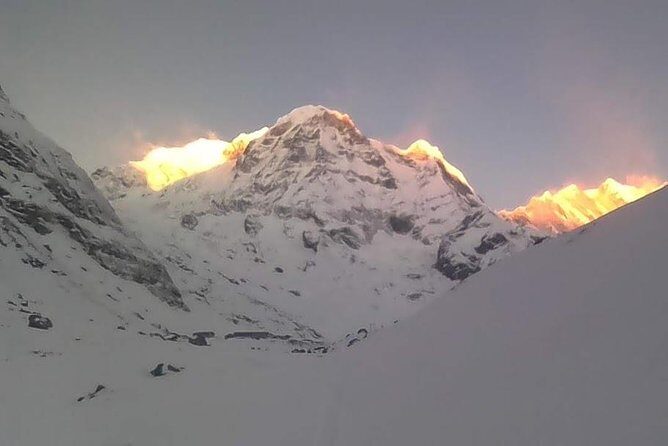
Day 5 is the headline. You go from MBC to ABC (around 4130 m), and the plan includes a return toward MBC and then down through Deurali to Himalaya (about 2920 m). In total, this day is often the most intense because it combines a climb to the highest point of the trek with a substantial descent afterward.
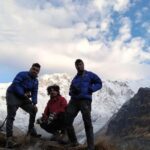
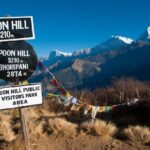
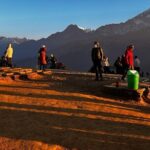
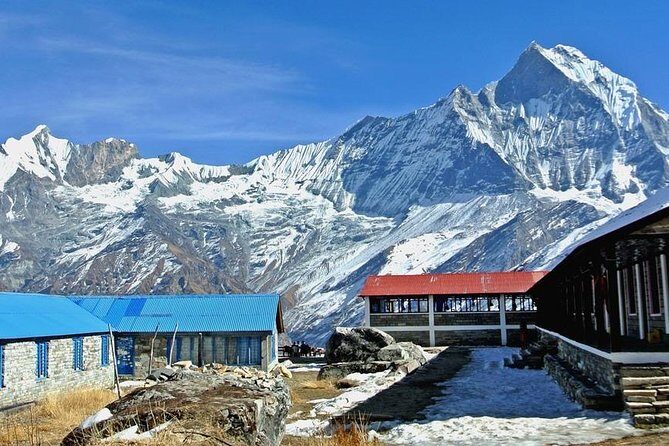
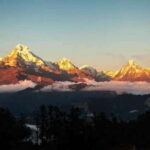
This is where you get Annapurna Base Camp—the destination point that earns the trek its reputation. On clear weather days, the views are the reason people come: the Annapurna range sits around you like a set of massive walls. You’ll also be positioned to see Machhapuchchhre (Fishtail), that famous distinctive peak that many people find unforgettable because it doesn’t look like the typical jagged pyramid. Along with that, you’ll be in the region where Annapurna South, Annapurna I, Gangapurna, and Annapurna III are part of the broader skyline, not just a distant mention.
The trade-off is fatigue. Even if ABC itself feels like the “reward,” the full day includes going down afterward to a lower stop (Himalaya at about 2920 m). Descent is easier than climbing, but it still taxes your legs. If you’re already sore from earlier days, make sure you’re ready for the downhill grind—ankles matter as much as breath.
Himalaya to Chhomrong to Jhinu Danda (1780 m): a controlled descent and a calmer endgame
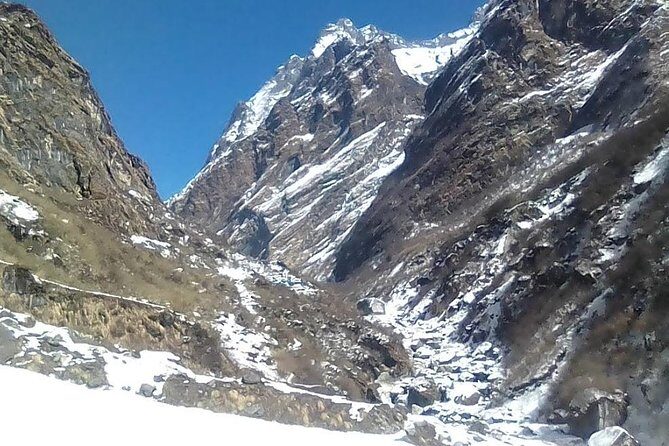
Day 6 brings you down from Himalaya to Chhomrong and then onward to Jhinu Danda at around 1780 m. The walking hours are shorter than the highest days, but don’t underestimate the effects of altitude coming down. Your body can feel “light,” but your knees may feel less cooperative.
This day is valuable because it transitions you from mountain-intense effort back toward an easier rhythm. Chhomrong again becomes your anchor point, a chance to reconnect with the village atmosphere you saw earlier, before continuing to Jhinu Danda.
Jhinu Danda at about 1780 m also signals that you’re near the end of the trek’s main hiking arc. It’s a strong place to wind down, eat well, and be ready for the final transport day.
Day 7: finishing with jeep options from Siwai back to Pokhara
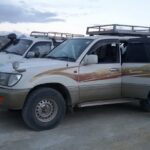
Day 7 is the wrap-up. The plan moves from Jhinu Danda to Siwai by drive, then continues back to Pokhara by jeep (about 4 hours). There’s also an alternate option: trek from Siwai to Nayapul (about 5 hours) and then drive back to Pokhara (about 2 hours).
This flexibility is the kind of detail that affects your enjoyment more than you’d think. If you want the easiest finish, the jeep route keeps the end from dragging. If you still feel good and want one last dose of walking, the Siwai to Nayapul trek adds time on foot without changing the core goal of returning to Pokhara.
Either way, getting back to Pokhara matters because it’s your decompression zone. After a week in a mountain rhythm, Pokhara’s pace can feel like a reset button.
Price and value: what $580 buys you in the real world
At $580 for a 6 night 7 day private ABC trek, you’re paying for more than “a place on a route.” You’re buying a guided plan that handles the hard parts you don’t want to manage alone: day-by-day pacing, route knowledge, and on-the-ground coordination.
This is where the private format can be real value. Guides like Karna, Jaya, and Lila stood out in the way they worked—calm, friendly, and attentive, with help that goes beyond directions. One guide even carried fruit up for a small group and prepared it as an after-dinner snack, which sounds minor until you’ve been walking all day. Small comforts help you recover.
So what’s the deal at this price point? You’re getting:
- A multi-day itinerary built around the core ABC challenge, with intermediate stops like MBC and Himalaya
- Private guide support for your group
- A trek structure that includes a flexible final-day choice
- A duration that gives you time to adjust across elevations rather than cramming everything into a shorter window
The main value “catch” is that weather matters. Clear skies can be the difference between a stunning view day and a more muted experience. The trek can be canceled due to poor weather and you’d be offered a different date or a full refund, which is the right kind of safety net for a route like this.
Who this trek suits best (and who should think twice)
This ABC Trek is best for you if:
- You have moderate fitness and you can handle repeated 4 to 6 hour walking days
- You want a classic Annapurna Sanctuary route with village culture plus forest scenery
- You care about having a guide who keeps checking in and adjusts pacing when it’s needed
- You like the idea of reaching ABC, but you’re also okay with the big day that includes going up and then down again
Think twice if:
- You’re looking for a low-effort trip or a mostly flat hike
- You know you struggle with altitude or long walking days
- Your travel dates are fixed so tightly that weather-related rescheduling would be stressful
Private trekking is excellent when you want a more tailored feel. But it also means your experience is only as good as your group’s ability to move together at a steady pace.
Should you book this ABC Trek with Swissa Adventure Travel & Treks?
I’d book this trek if you want the Annapurna Sanctuary experience done in a practical, guided way. The route hits the key zones that make ABC special: Ghandruk and Chhomrong village sections, forest walking through rhododendron and bamboo, MBC as a staging point, then ABC at about 4130 m, followed by a descent that keeps the ending manageable. The guide-centered service—whether it’s Karna’s steady attention, Jaya’s supportive flexibility, or Lila’s calm reassurance—can make the difference between just finishing and actually enjoying the journey.
Skip it only if you’re not ready for daily walking time and the altitude climb. Otherwise, if you’re the type who likes real trails, mountain views, and a guide who pays attention to how you’re doing, this is a strong way to spend a week in the Annapurnas.
FAQ
FAQ
Where does the ABC Trek start and end?
The trek starts at Swissa Adventure Travel & TreksNepal, Pokhara, Lakeside-6, पोखरा 33700, Nepal, and it ends back at the same meeting point.
How long is the 6 Night 7 Days ABC Trek?
It’s listed as 7 days, with the walking schedule spread across 6 nights and an approximate duration of about a week.
Is this trek private?
Yes. It’s a private tour/activity, so only your group participates.
What’s the meeting point area like for getting there?
The meeting point is described as near public transportation, so you should have an easier time getting to the Lakeside-6 area in Pokhara.
How fit do I need to be?
You should have a moderate physical fitness level to take part.
What kind of weather does the trek require?
The experience requires good weather. If it’s canceled due to poor weather, you’ll be offered a different date or a full refund.
What’s the walking and driving plan on Day 7 back to Pokhara?
Day 7 includes a drive from Jhinu Danda to Siwai, then a jeep ride back to Pokhara (about 4 hours). There’s also an alternative option to trek from Siwai to Nayapul (about 5 hours) and then drive to Pokhara (about 2 hours).
What is the cancellation window for a full refund?
You can cancel up to 24 hours in advance for a full refund. If you cancel less than 24 hours before the experience start time, the amount paid isn’t refunded.