REVIEW · KATHMANDU
Manaslu Circuit Trekking – 17 Days
Book on Viator →Operated by Annapurna Foothills Treks Expedition Pvt. Ltd. · Bookable on Viator
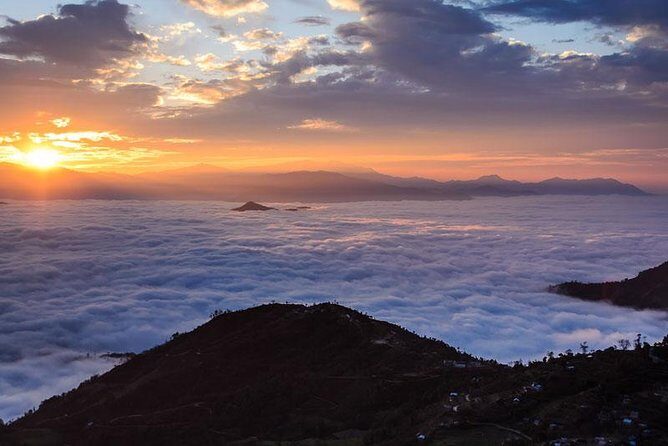
A snow pass tests your grit. This 17-day Manaslu Circuit wraps you in towering peaks—Manaslu, Himal Chuli, Cheo Himal, Himlung Himal—then asks you to cross Larkya La (around 5,213–5,215m) with snow on the trail.
It’s also the way the scenery changes as you descend: alpine air gives way to quieter valleys with ferns, bamboo, waterfalls, and blue-green lakes edged by pale sand beaches.
What I like most is how “adventure” stays supported. You travel with an English-speaking, govt-licensed Sherpa guide, and the team adds extra help when the group is larger, so you’re not just hiking in the dark. I’ve seen how care shows up with names like Ngima and Jangbu, especially when someone isn’t feeling well.
One drawback: you’re at the mercy of weather-dependent mountain conditions. The hardest day (crossing Larkya La) can run 10–12 hours and involve real cold at altitude, so this isn’t a casual vacation plan.
In This Review
- Key things worth knowing before you go
- Why the Manaslu Circuit feels different than a basic tea-house trek
- Kathmandu setup: two nights that help you start smarter
- The long drive into the trek zone: from Kathmandu to Soti Khola
- Optional transport upgrade worth considering
- Day-by-day hiking rhythm: building altitude without rushing
- Day 4 to Day 6: Soti Khola → Machha Khola → Jagat → Deng
- Day 7 to Day 9: Namrung and the move toward the higher villages
- Sama Gaon acclimatisation day: the smartest day you’ll have
- Samdo and Larkya Phedi: going high enough that cold becomes real
- Crossing Larkya La: the day you remember for the rest of your life
- Down into Marsyangdi: forests, rivers, and meeting the Annapurna flow
- Transport back to Kathmandu: a long ride, but you’re done walking
- Price and logistics: what $1,600 can buy on this kind of trek
- The small details that make a big difference on the trail
- Who should book this trek?
- Should you book the Manaslu Circuit trekking?
- FAQ
- Where does the trek start and end?
- How long is the Manaslu Circuit Trek?
- What is the highest point on the trek?
- Are permits included?
- What meals are included during the trek?
- Is pickup offered?
- How do ground transfers work, and can I upgrade them?
- What is not included in the price?
Key things worth knowing before you go
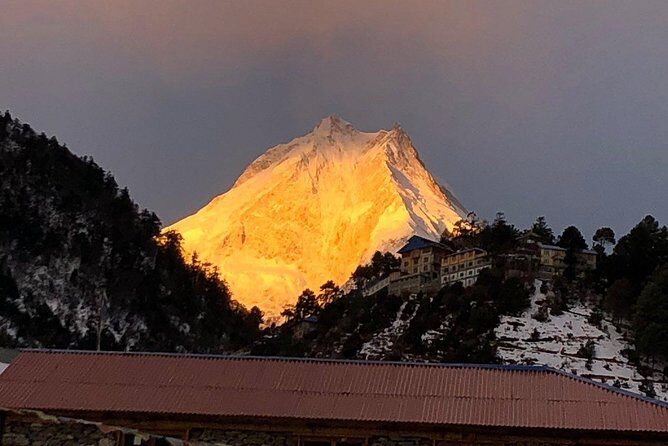
- Larkya La at roughly 5,213–5,215m means snow conditions are realistic, not theoretical.
- Full lodge meals for 13 trek nights: breakfast, lunch, and dinner are included once you’re trekking.
- A strong altitude schedule includes a day in Sama Gaon to acclimatise before you go higher.
- Ecology goes from alpine to tropical as you drop into the Marsyangdi River valley.
- Energy snacks are built in (Snickers, Mars, Bounty), which sounds small until you’re counting every gram.
- Porter support is part of the cost: one porter for every two trekkers.
Why the Manaslu Circuit feels different than a basic tea-house trek
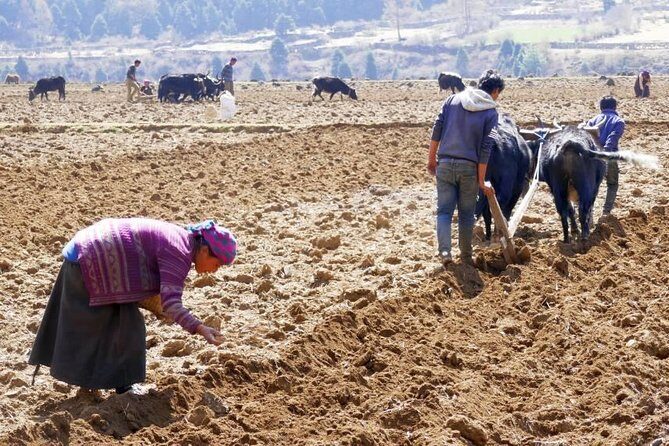
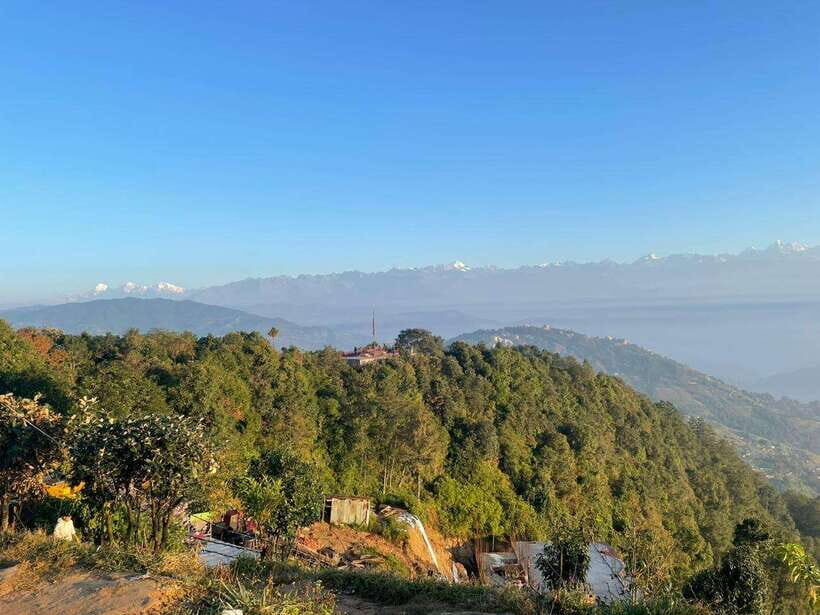
The Manaslu Circuit is the kind of trail where the mountains feel close, not postcard-far. You’re surrounded by major Himalayan peaks on multiple sides, and the route repeatedly puts you in a position to look up, not just across. That matters because it changes how you feel on the climb: you keep checking the sky and the ridgelines, not just your feet.
The other thing I like is the way the trek moves through ecosystems. You start in high, cold terrain, then you descend into areas that can bring you ferns, bamboo stands, waterfalls, and—yes—blue-green water with pale edges where the light hits just right. It’s not only about altitude; it’s about seeing how Nepal’s geography reshapes the air, the plant life, and even the vibe of villages as you move.
Finally, the trek ends by meeting up with the more established Annapurna Circuit route. That’s practical: once you’re in that flow, you’re more likely to see trekkers, cross paths on the trail, and feel the region’s shared trail culture.
You can also read our reviews of more hiking tours in Kathmandu


Kathmandu setup: two nights that help you start smarter
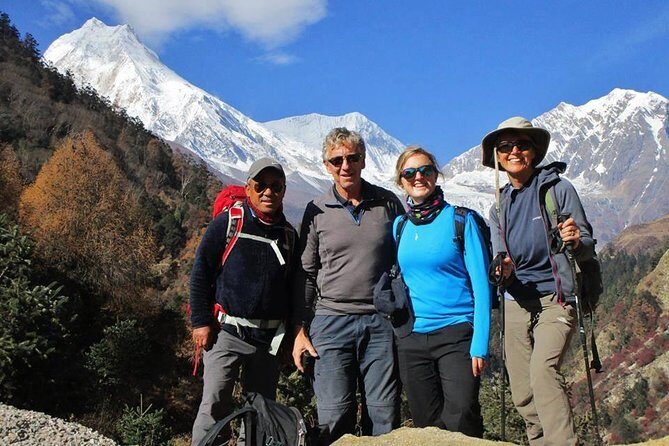
You begin in Thamel, Kathmandu, and you’ll spend Day 1 arriving (around 1,300m) and Day 2 as a preparation day. That matters more than people think. Kathmandu altitude (still fairly high) plus travel fatigue can make the first hiking day harder than it should be, so having a whole prep day lets you sort basics: gear checks, pace plans, and a calmer start.
You also get 3 nights in Kathmandu on a bed-and-breakfast plan. That gives you flexibility on meals and lets you keep your evenings easy before the trek rhythm takes over. If you’re the type who hates last-minute shopping, Day 2 is your buffer.
One more note: pickup is offered. If you want less stress on Day 1 and less time hunting transport, that’s a real value add in Kathmandu.
The long drive into the trek zone: from Kathmandu to Soti Khola
On Day 3 you’ll drive to Soti Khola via Arughat, a long day of travel that can take 8–9 hours over about 145 km. The reason I’m flagging this is simple: it’s easy to underestimate how draining a long road day can be when you’re about to hike the next morning.
The good part is that it’s part of a planned progression. Soti Khola at around 710m is your “start line” for the walking. You’re not jumping from Kathmandu straight into steep climbs. Also, these ground transfers are included using local bus, with optional upgrades to private vehicles if you want a smoother ride.
A practical trick: treat that first night like you’re already training for the trek. Early bedtime helps. You’ll thank yourself when your legs feel stiff later.
Optional transport upgrade worth considering
You can upgrade Kathmandu to Soti Khola to a private jeep for $210 total. If you’ve got knee issues, get motion-sick, or simply want less fatigue before Day 4, this is one of the few upgrades that can genuinely change how you feel the next day.
Day-by-day hiking rhythm: building altitude without rushing
From there, the trail starts doing its job: gentle-to-moderate climbs that let you settle into trekking pace.






Day 4 to Day 6: Soti Khola → Machha Khola → Jagat → Deng
- Day 4: Trek to Machha Khola (about 900m). Roughly 6 hours over around 15 km.
- Day 5: Trek to Jagat (about 1,340m). 6–7 hours over about 22 km.
- Day 6: Trek to Deng (about 1,860m). 6–7 hours over around 20 km.
What I like about this segment is that the climbs stay spread out. You get time to find your stride, test your hydration routine, and figure out how your body handles the day-to-day effort. Nothing here feels like the final boss yet, but you’re already moving into a higher world.
Day 7 to Day 9: Namrung and the move toward the higher villages
- Day 7: Deng → Namrung (about 2,630m), 7–8 hours over ~19.5 km.
- Day 8: Namrung → Lho (about 3,200m), 6–7 hours over ~10 km.
- Day 9: Lho → Sama Gaon (about 3,541m), 5–6 hours over ~8.5 km.
See the pattern? The distances tighten, and the altitude rises. That’s classic good trekking design: once you start sleeping higher, the days shorten so your body can adjust. And on a circuit, it’s a relief when a day isn’t only measured by mileage.
Sama Gaon acclimatisation day: the smartest day you’ll have
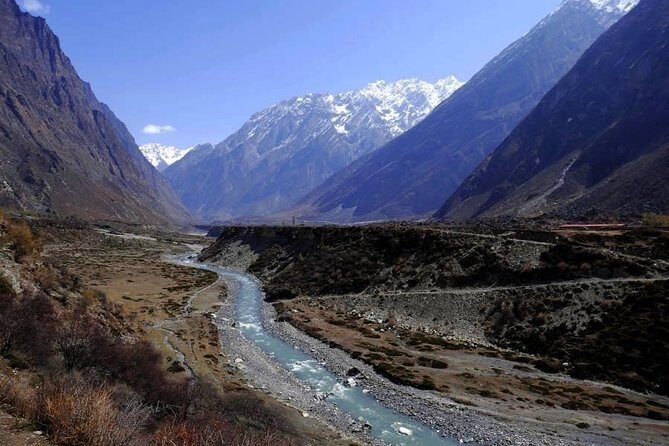
On Day 10, you stay in Sama Gaon (around 3,541m) for acclimatisation. This is where you earn your future pass by respecting your body now. If you skip acclimatisation on treks like this, you feel it later—usually on the cold, exposed sections when you least want your body to struggle.
Use this day to walk a bit if your guide suggests it, but don’t treat it like a rest day you “try to make up” for with a huge hike. The goal is comfort and adjustment, not conquest.
Samdo and Larkya Phedi: going high enough that cold becomes real
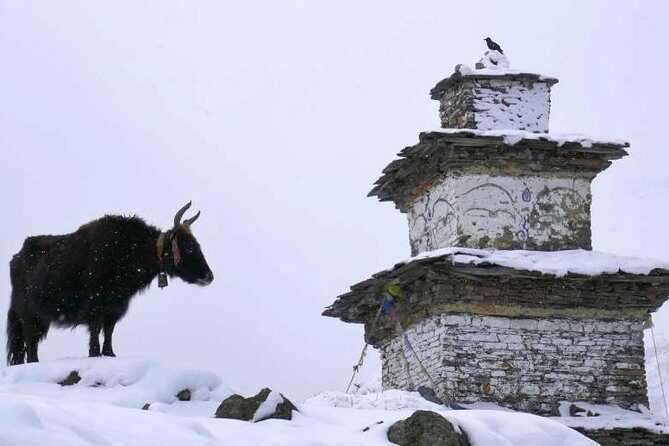
- Day 11: Sama Gaon → Samdo (about 3,872m), 4–5 hours over ~7.5 km.
- Day 12: Samdo → Larkya Phedi (about 4,500m), 4–5 hours over ~7 km.
This is the transition zone where the trail starts feeling sharper. Air feels thinner, and evenings can bite. The trek also changes character—fewer trees, more open air, and more time feeling exposed to wind.
If you’re carrying a pack, you’ll appreciate that the trip includes porter support (one porter for every two trekkers). Not because it makes the trek easy, but because it keeps your energy for the work that matters: staying warm, moving steadily, and protecting your pace.
Crossing Larkya La: the day you remember for the rest of your life
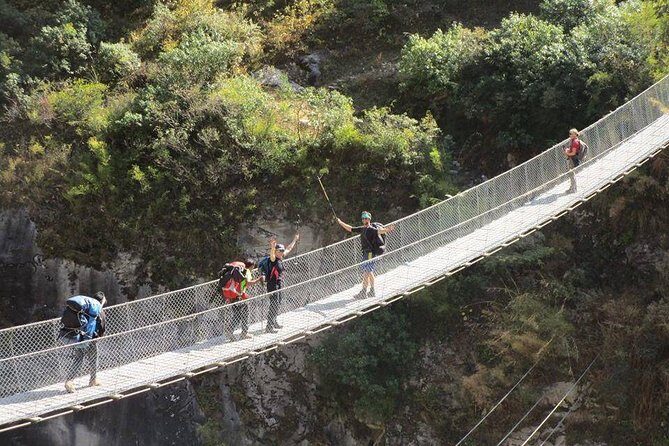
On Day 13, you cross Larkya La around 5,213–5,215m (the itinerary lists 5215m) and descend to Bhimphedi (about 3,590m). This day can run 10–12 hours and covers about 24 km.
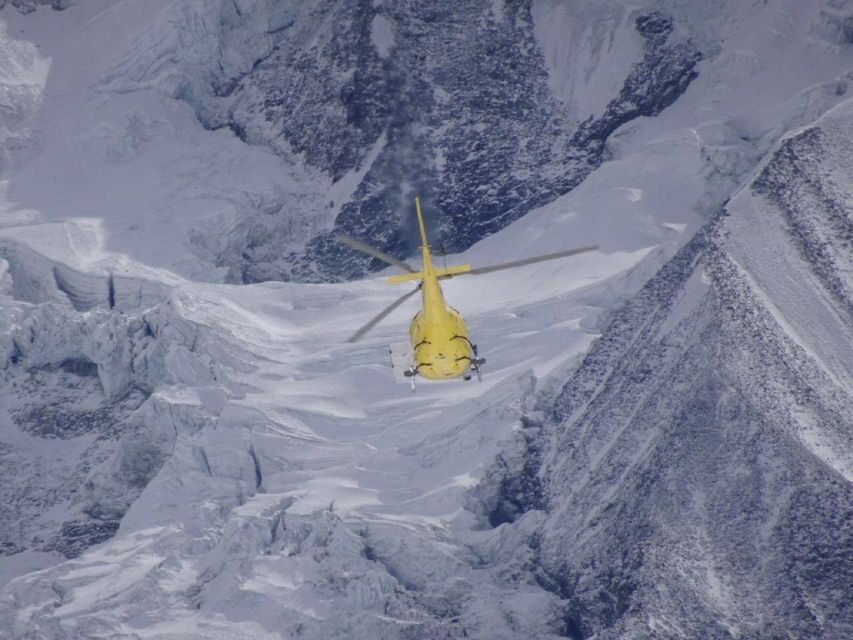
And the challenge? The overview calls out crossing on snow at roughly 5,213m. That’s not a metaphor. Snow changes footing, changes how you place steps, and changes how you manage cold. If you’re not comfortable moving slowly and carefully on uneven ground, practice that mindset early in the trek.
What helps on a day like this is that your support system is still in place: English-speaking Sherpa leadership, first-aid medicine kit, and a guide who has done this work repeatedly. Also, you’ll have energy supplies built into the trek (Snickers, Mars, Bounty). These are the small things that help keep you from running on willpower alone.
Once you start descending toward Bhimphedi, the air gets easier to breathe. You’ll still feel wrecked—this is a long day—but you’ll also feel progress.
Down into Marsyangdi: forests, rivers, and meeting the Annapurna flow
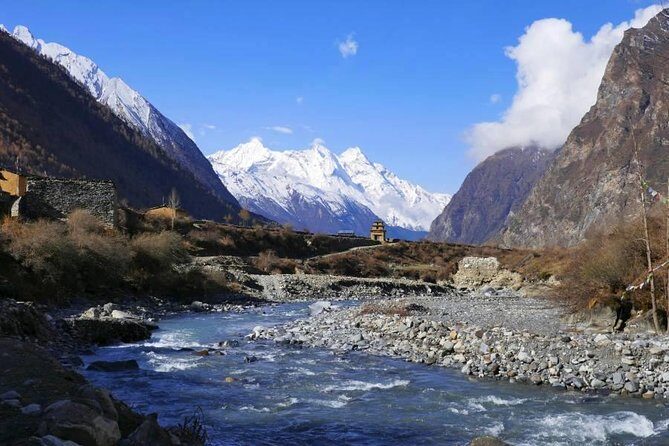
After the pass, the trek shifts from high, cold effort to longer, calmer movement through a greener world.
- Day 14: Bhimphedi → Gho (about 2,515m), 6–7 hours over ~22 km.
- Day 15: Gho → Tal (about 1,700m), 5–6 hours over ~15 km.
This is where you’ll notice the environment opening up again: the journey tracks toward heavily forested areas and the Marsyangdi River valley. Eventually you meet up with the popular Annapurna Circuit trail, which often means more trekking traffic and shared viewpoints.
The biggest “value” of this section is psychological. After Larkya La, seeing the trail soften into forests and river country makes the whole circuit feel like a full story rather than a one-day stunt.
Transport back to Kathmandu: a long ride, but you’re done walking
On Day 16, you drive back to Kathmandu via Besisahar (about 1,300m). Expect 8–9 hours and roughly 220 km.
If you choose the optional ride, you can upgrade Tal → Besi Shar → Kathmandu to private vehicle service for $280 total. For me, that’s worth considering if you know you’ll feel stiff after the last trekking days. Comfort doesn’t change your fitness, but it changes your recovery.
Day 17 is a happy departure, and the activity ends back at the meeting point in Kathmandu.
Price and logistics: what $1,600 can buy on this kind of trek
At $1,600 per person for an approx. 17-day trek, the real question is what’s included versus what you’d normally pay for yourself.
Here’s what you’re covered for:
- Lodges during the trek: 13 nights in local lodges with breakfast, lunch, and dinner
- Kathmandu: 3 nights bed and breakfast
- English-speaking Sherpa guide, plus a guide-assistant if the group is larger than 4
- Porters: one porter for every two trekkers
- Trek staff costs (including salary, insurance, equipment, food, and accommodation)
- Permits: special permit fee and TIMS, plus required official documentation
- First aid kit
- Energy snacks during the trek (Snickers, Mars, Bounty)
- Ground transfers: Kathmandu ↔ Soti Khola and Tal/Besisahar → Kathmandu by local bus (with optional private upgrades)
That mix matters because it tackles the hidden costs: permits, guide work, and feeding your group every day at altitude. If you tried to DIY this route, those “support” pieces are often where budgets blow up.
What’s not included:
- Nepal entry visa fee
- Your personal travel insurance
- Lunch/dinner in Kathmandu (you’re asked to allow $10–$14 per meal in tourist restaurants)
- Drinks and bottled/boiled water/beer
- Tips for guide, porters, and driver (customary)
So I’d frame value like this: you’re paying for a system that helps you hike safely and consistently, not just a list of waypoints.
The small details that make a big difference on the trail
A few practical touches stand out in the provided details and the care shown in past trips.
Energy supplies: Snickers, Mars, Bounty aren’t a luxury up high. When you’re cold and your appetite is weird, having predictable, portable calories can prevent a slow-motion crash.
First aid kit: Accidents are rare, but they’re not imaginary. Having medicine support in the plan keeps problems from becoming trips that spiral.
Staff insurance and equipment: Trek staff costs are covered, including insurance and equipment. That’s one less thing for you to worry about when conditions get rough.
And if you’re thinking about how the guides work with real people: the care highlighted by Ngima and Jangbu is the kind of reliability that makes long days feel more manageable, especially if you run into illness or exhaustion.
Who should book this trek?
This is a strong fit if:
- you have good physical fitness and want a serious high-altitude challenge
- you want lodge comfort (local lodges, meals included) rather than camping logistics
- you prefer a guided plan that handles permits, staff, and most transport
You might think twice if:
- snow passes feel intimidating and you’re not comfortable with slow, careful footing at altitude
- you dislike long driving days (Day 3 and Day 16 are both long on the road)
Should you book the Manaslu Circuit trekking?
I’d book it if you’re chasing that combo: big Himalayan views, a real pass at altitude, and the satisfaction of finishing a full circuit that transitions from cold high country into greener river valleys.
But decide honestly about two things: weather tolerance and your ability to handle one huge day. If you’re ready for a wintery high pass mindset and you respect acclimatisation, this trek has the structure to support you. If you want a lighter experience, you may find the cold and long effort too demanding.
If you do book, plan to protect your energy on Day 13 like it’s a mission, not a casual hike. You’ll arrive in Bhimphedi glad you treated it that way.
FAQ
Where does the trek start and end?
It starts in Thamel, Kathmandu (44600), Nepal. The trek ends back at the same meeting point in Kathmandu.
How long is the Manaslu Circuit Trek?
It’s listed as 17 days (approx.).
What is the highest point on the trek?
The route crosses Larkya La Pass at about 5,213–5,215m, depending on the day’s listed figure.
Are permits included?
Yes. The tour includes the special permit fee, TIMS permits, and all required permits or official documentation.
What meals are included during the trek?
During the trek, accommodation is in local lodges for 13 nights with breakfast, lunch, and dinner included. In Kathmandu, you get 3 nights on a bed-and-breakfast plan.
Is pickup offered?
Yes, pickup is offered.
How do ground transfers work, and can I upgrade them?
Ground transfers Kathmandu to Soti Khola are included by local bus, with an upgrade to private jeep for $210 total. Ground transfers Tal–Besi Shar–Kathmandu are included by local bus, with an upgrade to private jeep and car for $280 total.
What is not included in the price?
Not included are personal travel insurance, Nepal entry visa fee, lunches and dinners in cities (you should allow $10–$14 per meal in tourist restaurants), beverages, and tips for the guide, porters, and driver.