REVIEW · KATHMANDU
200 Hrs Yoga Teachers Training Yoga Alliance
Book on Viator →Operated by Nectar Spa · Bookable on Viator
Yoga near Kathmandu’s hills changes your whole body. This 200-hour Yoga Alliance YTTC is rooted in Nepal’s yoga and Tantra lineage, and I love the focus on real-world teaching skills plus hands-on healing work like singing bowl healing. The one big thing to weigh is that the schedule is active (including a Karma Yoga village component and an optional 3–5 day trek), so you’ll want decent stamina.
You start early too, with a 6:45am kick-off, and the training can feel like a lifestyle, not just a classroom. That’s great if you like rhythm and structure, but it may be a lot if you’re expecting a relaxed vacation.
What I appreciate most is that this doesn’t read like a generic teacher course. You get home-cooked vegetarian meals, yoga mats provided (with your own optional), pickup offered, and a private setup where your group stays together.
In This Review
- Key things I’d watch for before you go
- Why Kathmandu for a 200-Hour YTTC: Yoga, Tantra, and Lineage
- 200 Hours of Training: What the Yoga Alliance Course Really Covers
- Karma Yoga in Nepal: Healing for Humanity and the Village Certificate
- Himalaya Trek 3–5 Days: How the Trek Fits the Training
- Food, Mats, and Daily Rhythm: What Your 6:45am Start Means
- Amrit and Nectar Spa Setup: Where Sessions Happen and What You’ll Notice
- Price and Value at $1,399: What You’re Paying For (and What’s Not Included)
- Who This Course Suits Best—and Who Should Rethink It
- Should You Book This 200-Hour YTTC in Kathmandu?
- FAQ
- What is the duration of the 200 Hrs Yoga Teachers Training course?
- Where does the course take place?
- Is the course Yoga Alliance certification included?
- What meals are included?
- Are yoga mats provided?
- Is pickup included, and is there transportation on your own?
- Does the program include trekking?
Key things I’d watch for before you go
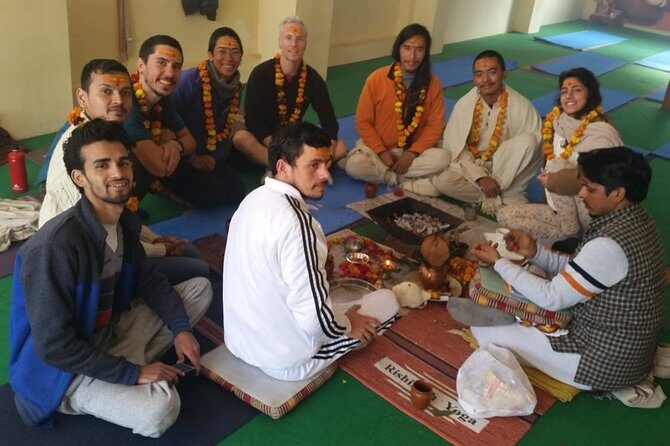
- Yoga Alliance 200-hour certification as the core goal, with extra healing skills layered in
- Singing bowl healing + massage training alongside standard teacher training topics
- Karma Yoga at Healing for Humanity with a local-government certificate of appreciation
- 3–5 days Himalaya trekking with a certified trekking guide and a yoga teacher
- Early starts (6:45am) and a physically active daily rhythm
- Food and care: home-made vegetarian meals using locally grown ingredients, plus attentive support from the team
Why Kathmandu for a 200-Hour YTTC: Yoga, Tantra, and Lineage
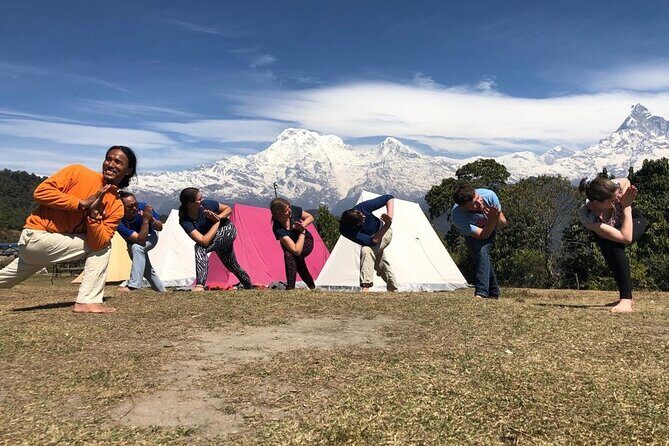
Kathmandu is one of those rare places where yoga doesn’t feel like a fitness trend. You’ll hear references to Tantra, Shiva, and Buddha traditions, and you’ll learn how current practice connects back to yogis who worked through long periods of sadhana—deep practice—in the region.
This matters because the course isn’t just about “do the pose, get the form.” It’s trying to shape your understanding of why yoga exists, how it’s practiced, and how it can serve other people. When you’re training in a place like this, the spiritual context isn’t added decoration—it’s part of the learning atmosphere, the language, and the way the teachers frame discipline.
You should also expect the day-to-day setting to feel personal. One participant described training in a small village near Kathmandu, in a warm bamboo ashram, and that kind of environment changes how you learn. In a quiet, grounded setting, it’s easier to notice your own patterns: breath, tension, focus, patience.
You can also read our reviews of more tours and experiences in Kathmandu.



200 Hours of Training: What the Yoga Alliance Course Really Covers
The centerpiece is a 200-hour Yoga Teachers Training Course (YTTC), with certification included in the experience. The format runs about 30 days total, and the teaching block is described as 24 days—with additional time allocated for service and the optional trekking component.
What’s especially appealing here is that the curriculum isn’t limited to movement. You’ll train in:
- Yoga knowledge and practice designed to help you teach
- Massage
- Singing bowl healing
That blend is valuable for you if you want a broader toolbox than “teach a class and go.” Massage and bowl-based healing training can help you learn how to support others beyond a mat session—especially if you plan to teach in studios, wellness centers, or community settings where people need more than posture cues.
Also, Nepal yoga traditions often emphasize the importance of practice over performance. You’re not only learning sequences. You’re being asked to build consistency—breath-led movement, mindful attention, and a clearer personal foundation—so your teaching isn’t just memorized.
Karma Yoga in Nepal: Healing for Humanity and the Village Certificate
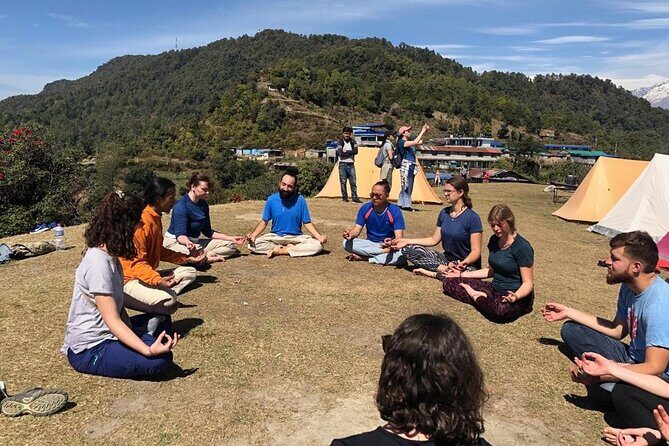
One of the best practical reasons to pick this course is the Karma Yoga component. You’ll have an opportunity to go into a village with the team and help in the projects called Healing for Humanity. The purpose is simple: support villagers, farmers, women, and older people.
You don’t have to be a “perfect helper” to benefit. Service work changes your training because it turns yoga from something you do into something you share through presence. It also makes your own practice feel more grounded. When your day includes time to support others, you learn humility fast, and you get a clearer idea of what healing means in real life—not just in theory.
There’s also a concrete recognition piece. You’ll receive another certificate of appreciation from local government offices connected to the service work. That doesn’t replace your Yoga Alliance credential, but it adds real meaning. If you’re thinking long-term about teaching ethically and building a sustainable practice, this extra layer helps.
Himalaya Trek 3–5 Days: How the Trek Fits the Training
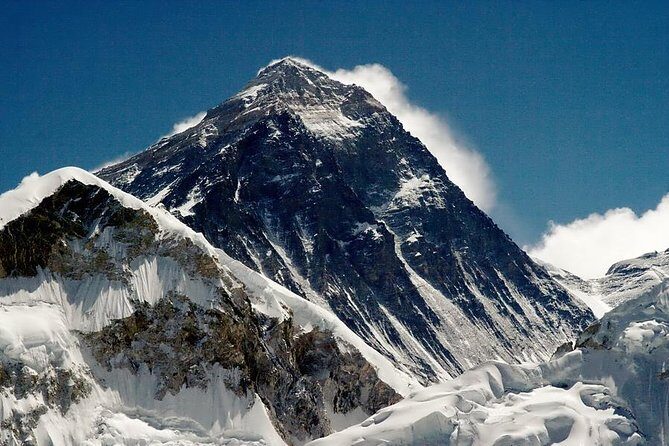
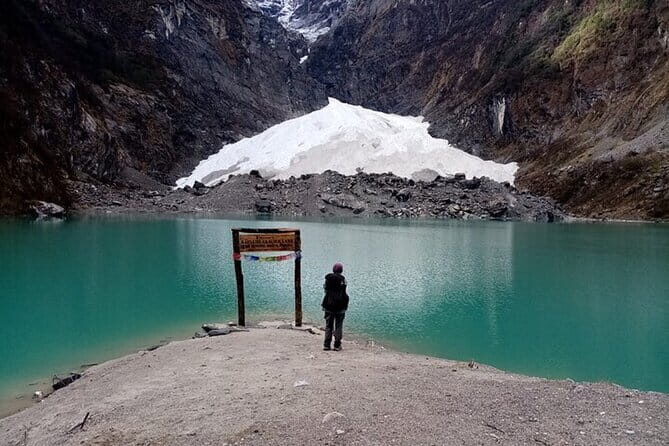
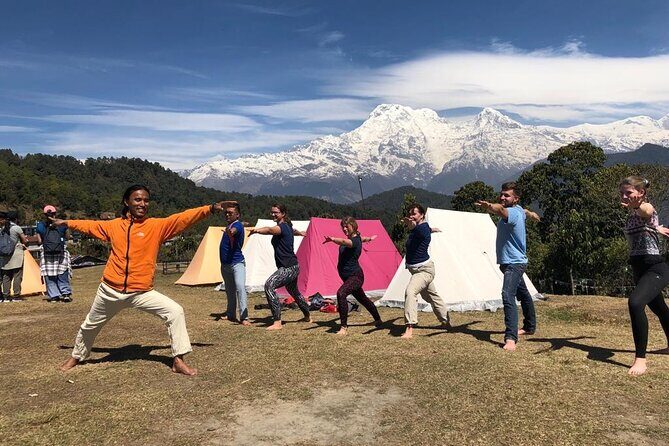
You’re also given the option to trek in the Himalaya for 3–5 days, with a certified trekking guide and a yoga teacher included. This matters because it ties into the course theme: steady effort, breathing through challenges, and using yoga principles outside the studio.
A trek is not automatically “spiritual” just because the setting is beautiful. The value here is the structure around it: having a guide and a yoga teacher means your group gets support if conditions shift. It also reduces the common stress you’d get from planning everything alone.
Before you choose the trek portion, be honest with yourself about energy and mobility. You’ll likely be moving more than you expect, and the overall schedule already starts early. If you have injuries or you’re not used to sustained walking, you might find it wise to skip the trek or talk with the team before committing.
Food, Mats, and Daily Rhythm: What Your 6:45am Start Means
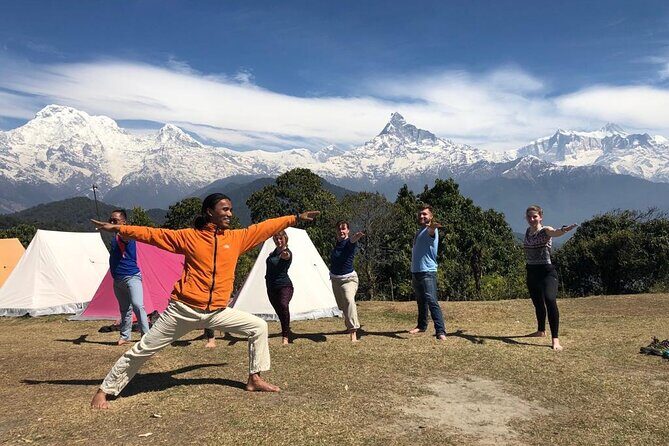
Daily life is part of the learning, and here it’s built around simple logistics that actually matter.
Meals are included:
- Breakfast, vegetarian and home made
- Lunch, vegetarian with locally grown ingredients
- Dinner, vegetarian and home made
That consistency helps you focus. Instead of hunting for food and second-guessing what’s available, you get fed by the same system each day. It also supports the training theme: mindful, steady routines rather than chaos.
Yoga mats are available, but you can bring your own if you prefer. If you’re picky about mat texture or thickness, bringing your own is worth it. Nepal sessions can be in different spaces, and a mat you know helps you settle faster.
One small detail that’s easy to overlook: toilet paper isn’t included. The experience notes that they’re trying to preserve trees. Translation for you: plan ahead. Carry a small amount with you, and think of it as part of traveling responsibly.
And yes, you start at 6:45am. That can be great for building discipline. It can also be rough if you’re used to sleeping in. If you tend to run on late nights, shift your routine a week or two before you go so you’re not fighting your own body clock.




Amrit and Nectar Spa Setup: Where Sessions Happen and What You’ll Notice
The experience provider is Nectar Spa, and the training appears to be closely connected with the broader health-and-yoga setup led by Amrit Thokar. In one account, Amrit built his Yogastali on the hill and runs three health spas in the city center, and the participant trained at both locations. That mix can help you see yoga in different environments: studio-style teaching in one place and more therapeutic wellness support in another.
What stood out in the positive comments is the care and professionalism of the staff. One person praised how accommodating and caring the team was, and another described the month as deeply cultural and warm. Bamboo ashram living near Kathmandu was mentioned as part of the atmosphere, and the point wasn’t just “cute surroundings.” It helped create a feeling of real practice, not just classes on a schedule.
If you want a practical takeaway: you’ll likely learn better when the people around you are organized and emotionally steady. This is the type of program where relationship and guidance matter because you’re doing hands-on work (massage and healing skills) as part of the training.
Price and Value at $1,399: What You’re Paying For (and What’s Not Included)
At $1,399 per person, you’re paying for a 200-hour certification course plus meals and core training support. That price can feel high or low depending on what you’re comparing it to.
Here’s what’s included that directly supports value:
- All meals (breakfast, lunch, dinner) with home-made vegetarian food
- Yoga mat availability
- Pickup offered
- A private setup where only your group participates
- Teaching plus the extra training elements: massage and singing bowl healing
- A built-in Karma Yoga service component with documentation and a certificate of appreciation
- Access to a trekking option with certified trekking leadership
What’s not included (so plan for it):
- Private transportation
- Toilet paper
- And the experience is non-refundable, with changes not allowed for any reason
The biggest value lever for you may be the combination. Many courses sell “teacher training.” This one also brings in healing modalities and service work. If you want to teach with practical confidence and connect your yoga to compassion in a real setting, that mix can justify the cost.
Still, be realistic about spending beyond tuition: you’ll likely need to budget for transport that is not private, especially if you’re arriving on your own and want to move freely.
Who This Course Suits Best—and Who Should Rethink It
This program fits you best if:
- You want a Yoga Alliance-aligned 200-hour teacher training
- You’re interested in healing skills (massage and singing bowls), not only sequencing and cueing
- You want your training to include service work through Karma Yoga
- You like structured days and early starts, at least most of the time
- You want a private group experience rather than a mixed shared tour feel
You might rethink it if:
- You’re hoping for mostly downtime and optional light workshops
- You’re not comfortable with early mornings and physically active days
- You want a course that stays entirely within a classroom (this includes village service and trekking if you choose it)
If you’re traveling solo, it can still work because the “private tour/activity” language suggests your group stays together, and staff support appears to be strong. But you should be prepared to fully participate in daily training rhythm.
Should You Book This 200-Hour YTTC in Kathmandu?
I’d book it if you want a 200-hour course that treats yoga like a lived discipline—complete with healing skills, community service, and the option to test yourself in the Himalaya. The combination of Yoga Alliance certification and hands-on modalities (massage and singing bowls) is the standout value for me, and the Karma Yoga component gives your training an ethical backbone.
I’d pause if you hate early mornings, dislike physical challenges, or you need a plan that never changes. Also, since the experience is non-refundable and can’t be changed, be certain you’re ready for the timing before you commit.
If your goal is to come home with teaching skills, healing tools, and a practice that feels connected to people—not just posture—this Kathmandu YTTC is a strong match.
FAQ
What is the duration of the 200 Hrs Yoga Teachers Training course?
It runs for about 30 days (approximately), with the training described as 24 days, plus additional components like service work and an optional trek.
Where does the course take place?
The experience is located in Kathmandu, Nepal.
Is the course Yoga Alliance certification included?
Yes. The program is described as a certificate granting 200-hour YTTC for Yoga Alliance.
What meals are included?
Breakfast, lunch, and dinner are included. They are vegetarian and home made with locally grown ingredients.
Are yoga mats provided?
Yoga mats are available. If you prefer your own mat, you should bring it.
Is pickup included, and is there transportation on your own?
Pickup is offered, but private transportation is not included.
Does the program include trekking?
You are given an opportunity to go trekking in the Himalaya for 3–5 days with a certified trekking guide and a yoga teacher.