REVIEW · KATHMANDU
Kathmandu and Patan Heritage and Living Goddess Experience Tour
Book on Viator →Operated by Bold Himalaya Treks and Travels Pvt Ltd · Bookable on Viator
Kumari sightings feel like stepping into legend. This 2.5-hour Kathmandu walking tour pairs Living Goddess Kumari viewing with stops at UNESCO Durbar Square, plus a local market wander and a quiet detour to Shree Gha. It’s the kind of short outing that helps you understand what you’re looking at before the city moves on without you.
I really like how the route is built around clear, walkable “story stops,” not just random temple photos. Guides such as Badri and Sovit are repeatedly praised for turning ruins and rituals into something you can actually follow on the ground.
One thing to consider: the tour states that admission tickets aren’t included, even though the UNESCO Durbar Square fee is included. So you may still want to budget a little for any additional entries that come up during the day, and it’s a walking tour at a real-city pace.
In This Review
- Key things to know before you go
- Kathmandu on foot: what makes this tour work
- Stop 1 on the route: Shree Gha, the market, and Kathmandu Durbar Square
- Kumari viewing: why this experience feels different
- Stop 2: Basantapur Durbar Square and the Living Goddess residence
- The guide makes or breaks it: what you should expect
- Price and value: is $50 actually fair here?
- Timing and pacing: how to prepare for a 2.5-hour walk
- Small logistics that make a difference
- Who this tour is best for
- Should you book Kathmandu Durbar Square and Kumari?
- FAQ
- How long is the Kathmandu and Patan Heritage and Living Goddess Experience Tour?
- Where does the tour take place?
- Is pickup included?
- Is this tour private?
- Do I need to pay for admission tickets?
- Does the tour include seeing Kumari?
- What are the main stops during the tour?
- What’s included in the price?
- Are tips included for the guide?
- Is there a cancellation option if plans change?
- Is the tour suitable for most people, and can I bring a service animal?
Key things to know before you go
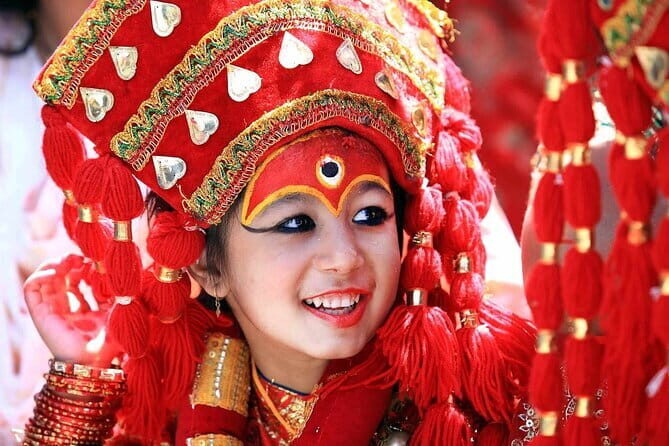
- Kumari is the star: you’ll see the Living Goddess experience tied to both Kathmandu’s Durbar Square area and Basantapur Durbar Square.
- A calm counterpoint at Shree Gha: the route includes a tranquil Buddhist shrine stop that breaks up the bustle.
- UNESCO Durbar Square fee included: you’re covered for that key entry cost, but other admission tickets may not be.
- Malla and Shah-era architecture: Basantapur Durbar Square is linked to dynasties spanning the 12th through 19th centuries.
- You get practical context from your guide: past groups highlight guides who explain what you’re seeing in plain language.
- It’s private and short: only your group participates, and the timing is tight (about 2.5 hours).
Kathmandu on foot: what makes this tour work
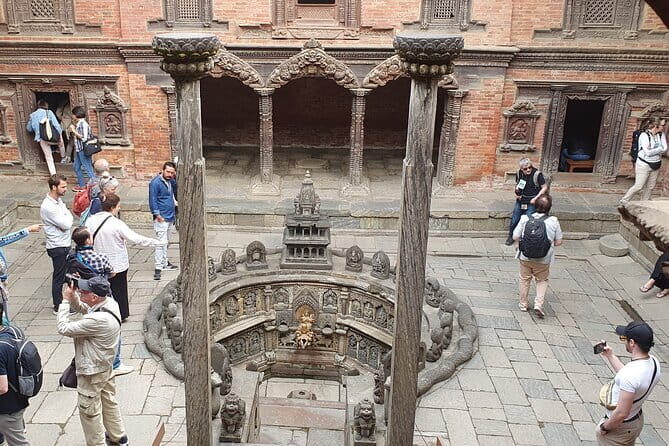
This is a smart pick if you want culture fast, without committing to a full-day itinerary. You’re looking at UNESCO-listed squares, temple areas, and a living tradition in roughly two and a half hours—so it’s ideal when you’re jet-lagged, short on time, or simply want to get your bearings.
The biggest strength is that the walking route is designed like a guided “walk-through.” You start at a meeting point at your hotel, then head out on foot. You pass by Shree Gha first, which gives you a peaceful mood shift before you hit the more dramatic Durbar Square environment.
You also get a real sense of how Kathmandu’s sacred spaces connect to everyday life. The tour includes a stop in a local market area, so you’re not just studying stone and wood—you’re watching people shop, move, and carry on.
You can also read our reviews of more historical tours in Kathmandu


Stop 1 on the route: Shree Gha, the market, and Kathmandu Durbar Square
Stop 1 is built around momentum. After meeting at the hotel, you begin a roughly 30-minute walk, passing Shree Gha, a Buddhist shrine described as serene and tranquil. It’s a useful warm-up: you slow down, look around, and reset your ears before the city sounds get louder.
From there you reach a local market. You can expect an active mix of small shops and local goods, which helps you see what “normal Kathmandu” looks like between temple visits. Even if you don’t buy much, this part matters because it grounds the sacred sights in the rhythm of daily life.
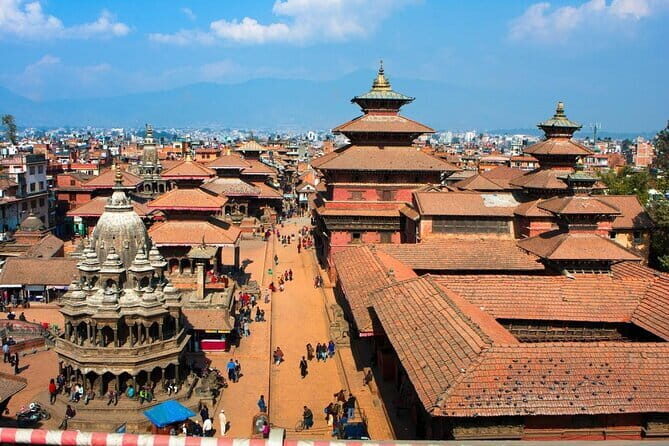
Then you arrive at Kathmandu Durbar Square, a UNESCO World Heritage Site. This is where the tour shifts from atmosphere to landmarks. You’ll visit temples and museums in the area and also see the Living Goddess Kumari.
A practical note: the tour description says admission tickets aren’t included. That matters most if there are museum or temple entries that go beyond the Durbar Square fee that’s listed as included. It’s a good idea to ask your guide what’s covered during your specific walk so there are no surprises when you hit a gate.
After the Durbar Square portion, you head back along the same route. That return walk is underrated value: it’s easier to notice details the second time, and you don’t have to guess your way back through crowded lanes.
Kumari viewing: why this experience feels different
Seeing Kumari is the reason most people book this tour in the first place. The Living Goddess is worshipped in Nepalese culture, and the tour frames the experience as a rare chance to witness that tradition as it exists in daily practice—not just as a story you read later.
What’s helpful here is that the tour doesn’t treat Kumari as a random tourist photo. It’s tied to specific places: Kathmandu Durbar Square and Basantapur Durbar Square, plus Kumari’s residence area. When your guide gives context—like the cultural and religious role Kumari holds in Newari culture and Hindu religion—you stop thinking of it as a spectacle and start seeing it as a living system of meaning.
It can also be emotionally intense in a way that’s hard to describe until you’re there. Even if you’re skeptical at first, you’ll usually find that the atmosphere and rituals make the tradition feel more real than any website description.
Stop 2: Basantapur Durbar Square and the Living Goddess residence
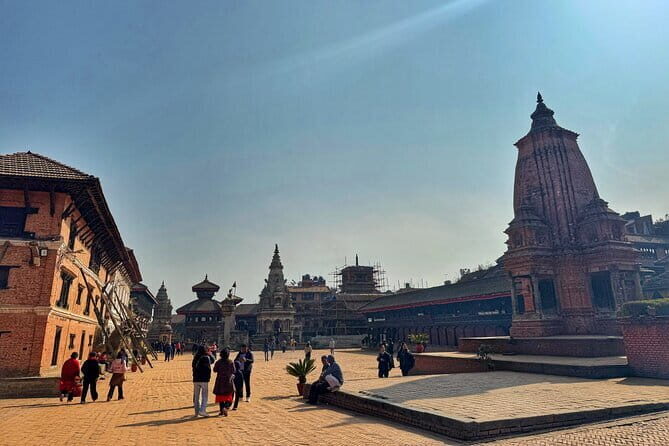
Stop 2 brings you to Basantapur Durbar Square, also UNESCO-listed and tightly connected with the Living Goddess experience. You’ll typically get picked up before the tour time starts, then the visit begins here.
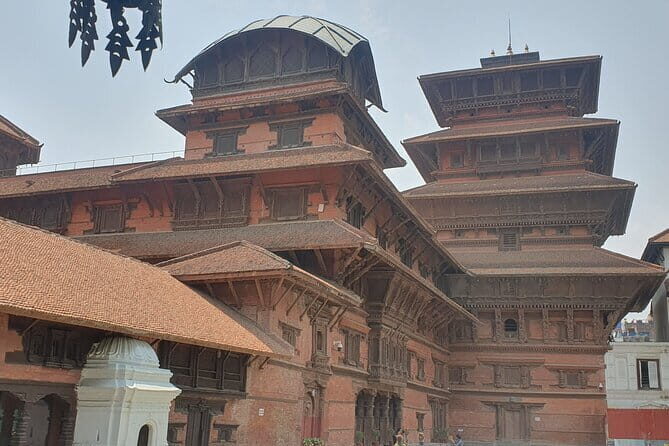
Basantapur is a place where architecture tells you what era you’re standing in. The tour highlights impressive architecture tied to the Malla & Shah dynasty, spanning from the 12th through the 19th centuries. That timeline helps you look up—arches, carvings, and layout instead of just snapping pictures at ground level.
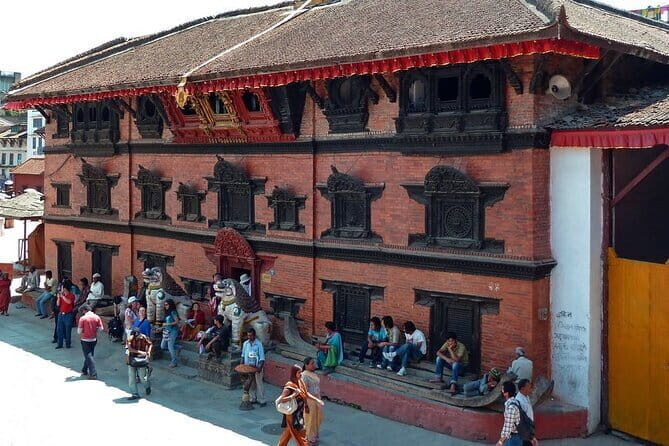
You’ll also see the Living Goddess, Kumari’s residence. The tour positions Kumari as a key figure in Newari culture and Hindu religion, which is useful context while you’re looking at the space.
Another standout at Basantapur is a 17th-century stone sculpture of the god Kalvairabh. That’s a specific detail you can’t easily “guess” from the street view, so if you like your sightseeing with facts attached, this is a great moment. Your guide can explain why that sculpture matters in the religious setting you’re visiting.
Finally, you explore a local museum tied to Basantapur’s history. The goal isn’t to make this feel like a long indoor lesson. It’s more like adding a layer of meaning so the outdoor scenes click into place.
After the Basantapur portion, you can be dropped back at your hotel, or you can continue exploring nearby streets and markets. For many people, that choice is gold: you can either rest your feet right away or keep going while the day still feels fresh.
The guide makes or breaks it: what you should expect
This kind of tour lives or dies by the guide’s ability to translate sacred space into understandable language. The standout theme from strong past experiences is how guides like Badri and Sovit connect the dots.
In particular, there’s praise for guides who explain what you’re seeing without making it feel like a lecture. You should expect guided insight into the historical, cultural, and spiritual significance of each site. That matters because Durbar Square areas can look chaotic if you don’t know what you’re looking at.
There’s also a practical side: some past tours included time to grab simple local snacks like momos and chai during the walking portion. That’s not a guaranteed “included food stop” in the tour description, but it does suggest that a good guide will help you work in real-life Kathmandu moments if the timing allows.




Price and value: is $50 actually fair here?
At $50 per person for a roughly 2.5-hour private walking tour, you’re paying for three things: a trained guide, a structured route with multiple major stops, and at least one key entry cost.
Here’s what the pricing model supports based on the tour details:
- Walking tour + well trained guide
- Cultural experience
- UNESCO Durbar Square fee included
The possible catch is the admission-ticket language. The itinerary notes that admission ticket(s) aren’t included, even though the UNESCO Durbar Square fee is included in the package. That likely means some site-specific entries could be extra depending on what you enter during the visit.
So the value is strong if you’re looking for an efficient orientation to Kathmandu’s sacred landmarks. It’s less ideal if you’re trying to minimize any extra spending on the spot. If you want to be fully cost-clear, ask your guide what entries will be paid during your specific tour.
Timing and pacing: how to prepare for a 2.5-hour walk
This is a walking-focused plan. Stop 1 includes a walk of about 30 minutes before reaching Shree Gha and the market area, and the route is designed so you return along the same path. Stop 2 focuses on the Basantapur area and lasts about an hour.
That pace is usually manageable for most people, and the tour states that most travelers can participate. Still, you should come ready for uneven pavement, crowds near Durbar Square areas, and the kind of walking that adds up faster than you expect.
What I like about the schedule is that it leaves you options afterward. You’re not locked into one long schedule all afternoon. You can get dropped at your hotel and decompress, or keep roaming the local streets and markets while your brain is still tuned to the sights you just learned.
Small logistics that make a difference
A few details help you feel organized:
- Pickup is offered, and the tour meets at your hotel.
- The tour uses a mobile ticket.
- It’s private: only your group participates.
- There are group discounts (useful if you’re traveling with friends).
- The area is near public transportation.
- Service animals are allowed.
One more thing: confirmation is received at booking, and the tour provider is Bold Himalaya Treks and Travels Pvt Ltd. If you prefer to have answers in advance, that confirmation step is comforting.
Who this tour is best for
Book this if you want a short, high-impact introduction to Kathmandu’s sacred side. It’s especially good for:
- First-timers who want to understand Kumari and Durbar Square instead of just passing by
- People who like guided context and specific landmarks (Basantapur, Kalvairabh sculpture, museums)
- Anyone on a tight schedule who still wants a real culture-and-ritual component
If you hate walking or you’re expecting a mostly vehicle-based tour, this might feel like too much foot time. Also, if you dislike any on-the-spot admissions, you’ll want to confirm what’s covered versus what isn’t.
Should you book Kathmandu Durbar Square and Kumari?
Yes, if your main goal is to see Kumari and connect it to the actual places where the tradition is practiced. The route makes sense: Shree Gha sets a calm tone, the market gives you daily-life context, and Durbar Square provides the UNESCO-level landmarks you came for.
Skip it only if you want a long, flexible itinerary or you need zero possibility of extra paid entries. With a $50 price tag, you’re paying for focus and guidance—and that trade usually works well for short stays in Kathmandu.
If you’re the type who likes facts you can point to on the street—like the 17th-century Kalvairabh sculpture and the Malla & Shah architecture—you’ll likely feel satisfied when the tour ends, not still wondering what you just saw.
FAQ
How long is the Kathmandu and Patan Heritage and Living Goddess Experience Tour?
The duration is about 2 hours 30 minutes (approx.).
Where does the tour take place?
It takes place in Kathmandu, Nepal.
Is pickup included?
Pickup is offered, and the tour starts with meeting at your hotel.
Is this tour private?
Yes. It’s a private tour/activity, so only your group participates.
Do I need to pay for admission tickets?
The tour notes that admission tickets are not included, but the UNESCO Durbar Square fee entrance is included.
Does the tour include seeing Kumari?
Yes. The tour includes the Living Goddess experience, with Kumari viewing connected to Kathmandu Durbar Square and Basantapur Durbar Square.
What are the main stops during the tour?
You’ll pass Shree Gha, visit a local market area, explore Kathmandu Durbar Square, then visit Basantapur Durbar Square with Kumari’s residence and a local museum.
What’s included in the price?
Included items are a walking tour, a well experienced, certified, and trained tour guide, cultural experience, and the UNESCO Durbar Square fee entrance.
Are tips included for the guide?
No. Tips for the guide are not included.
Is there a cancellation option if plans change?
Yes. You can cancel for free up to 24 hours in advance for a full refund.
Is the tour suitable for most people, and can I bring a service animal?
The tour states that most travelers can participate, and service animals are allowed. It is also near public transportation.